Buffaloes have no wings

There is no chicken in the sea: 12 food items with highly deceiving names


Published on December 30, 2025
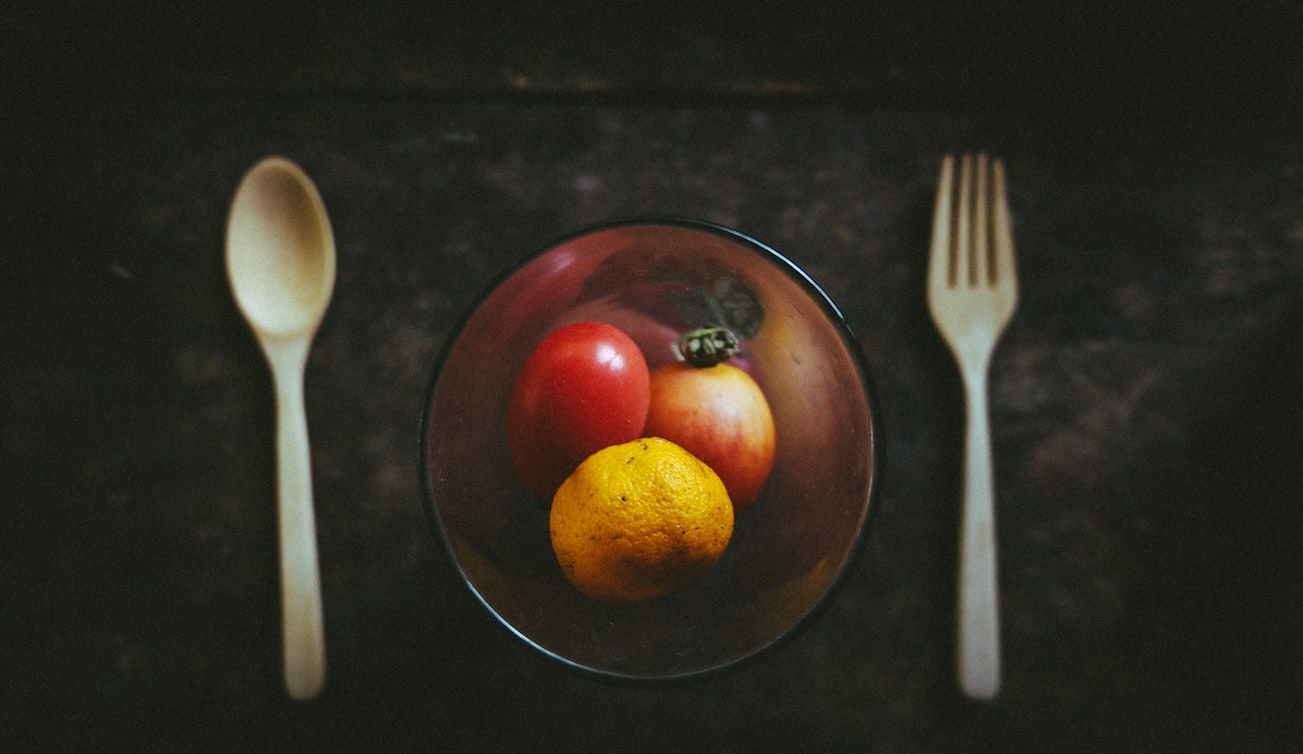

Image: Kawin Harasai

Comedian Jerry Seinfeld said, in one of his standup routines, that there is no chicken in the sea—and he was right. Some foods have names that don’t quite tell the truth. They might hint at ingredients they don’t contain, places they’ve never been, or shapes they don’t actually take. Here are 12 examples where the menu description doesn’t match the bite.

1

Chicken of the sea

Image: Angela Bailey

The name might conjure an image of a seafaring hen, but this well-known brand is all about tuna. The "chicken" part simply refers to its mild flavor.

Marketed as an affordable, accessible protein, the label’s poultry-inspired twist has fooled many. In reality, it’s firmly in the fish family.

2

Sweetbreads

Image: Andrik Langfield

Sweetbreads might sound like a dessert, but they’re cuts of organ meat, usually the thymus or pancreas of calves or lambs.

Despite the misleading name, these delicacies are prized in gourmet cooking for their mild flavor and tender texture, not for any sweetness or breadiness.

3

Rocky Mountain oysters

Image: Sargent Seal

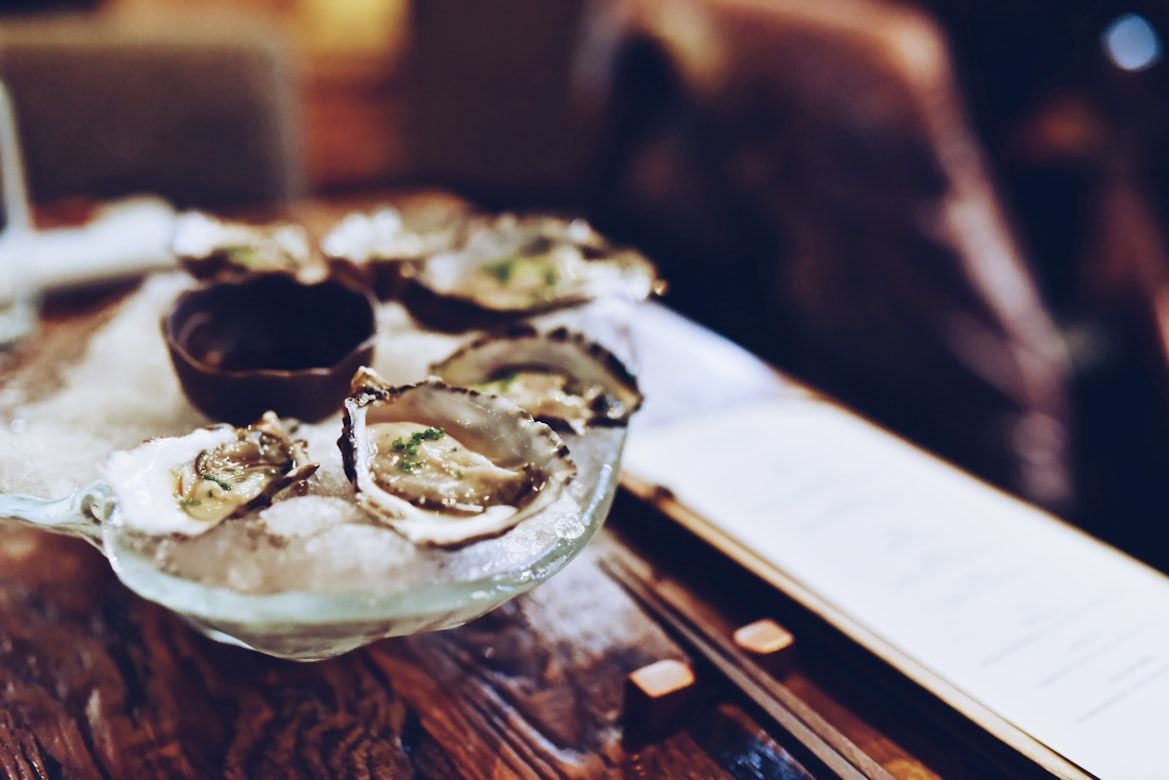
Perhaps there was a time when the Rocky Mountains were under the sea and oysters could be found there, but that is no longer the case. There is no seafood here. These so-called oysters are actually bull testicles, a specialty in certain parts of North America.

Often breaded and fried, they are served as a novelty dish at festivals and ranch gatherings, catching the unsuspecting diner off guard.

4

Buffalo wings

Image: Alexander Faé

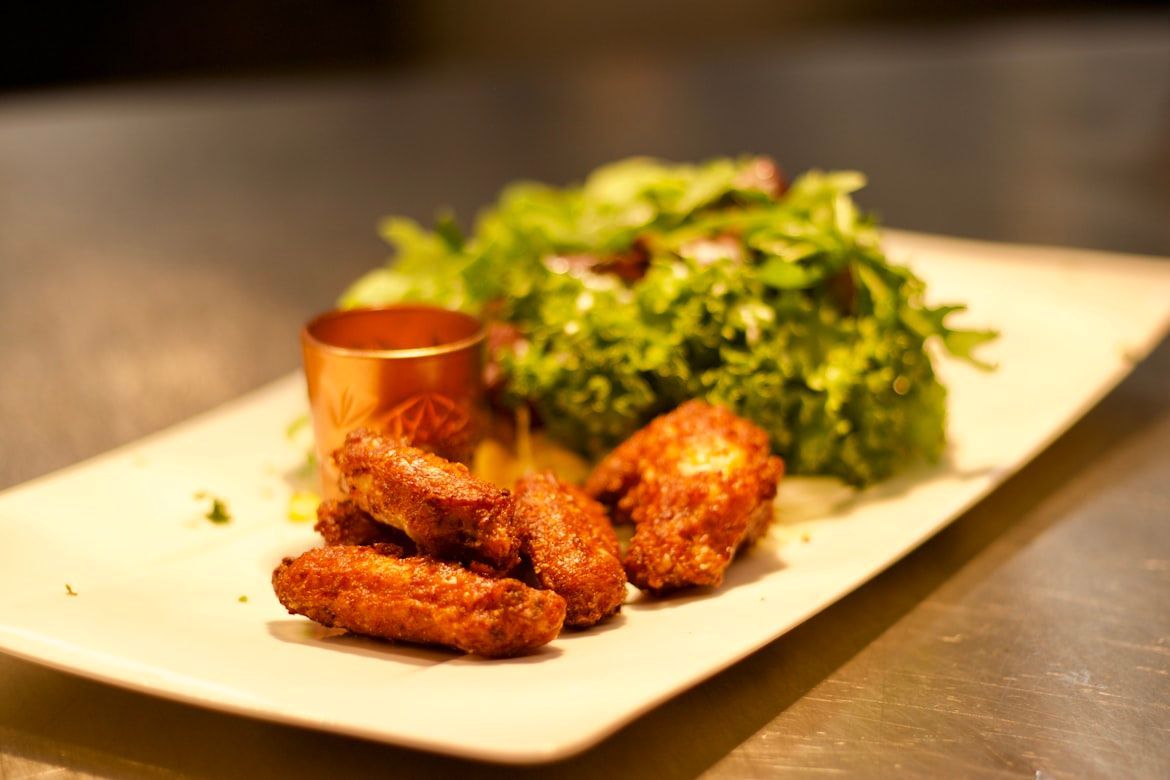
It should come as no surprise that buffalo wings have nothing to do with buffalo meat; they’re chicken wings deep-fried and coated in spicy sauce.

The name comes from Buffalo, New York, where the dish was first created in the 1960s, not from any grazing plains animal.

5

Head cheese

Image: David Trinks

Another name that makes no sense at all, head cheese contains no cheese. It’s a meat terrine made from parts of a pig’s head.

Seasoned and set in its own gelatin, it’s a traditional cold cut in many European cuisines.

6

Mock turtle soup

Image: Ella Olsson

The name of this soup gives us a hint of its deceiving nature. It was created to mimic the flavor of green turtle soup, a luxury dish of the 18th and 19th centuries.

Instead of turtle, it uses a calf’s head or other meats, producing a rich broth without requiring the real reptile.

7

Boston cream pie

Image: Dex Ezekiel

Though called a pie, this dessert is actually a cake, with layers of sponge, custard filling, and chocolate glaze.

Its "pie" title dates back to a time when pies and cakes were baked in the same types of pans and the terms were used more loosely.

8

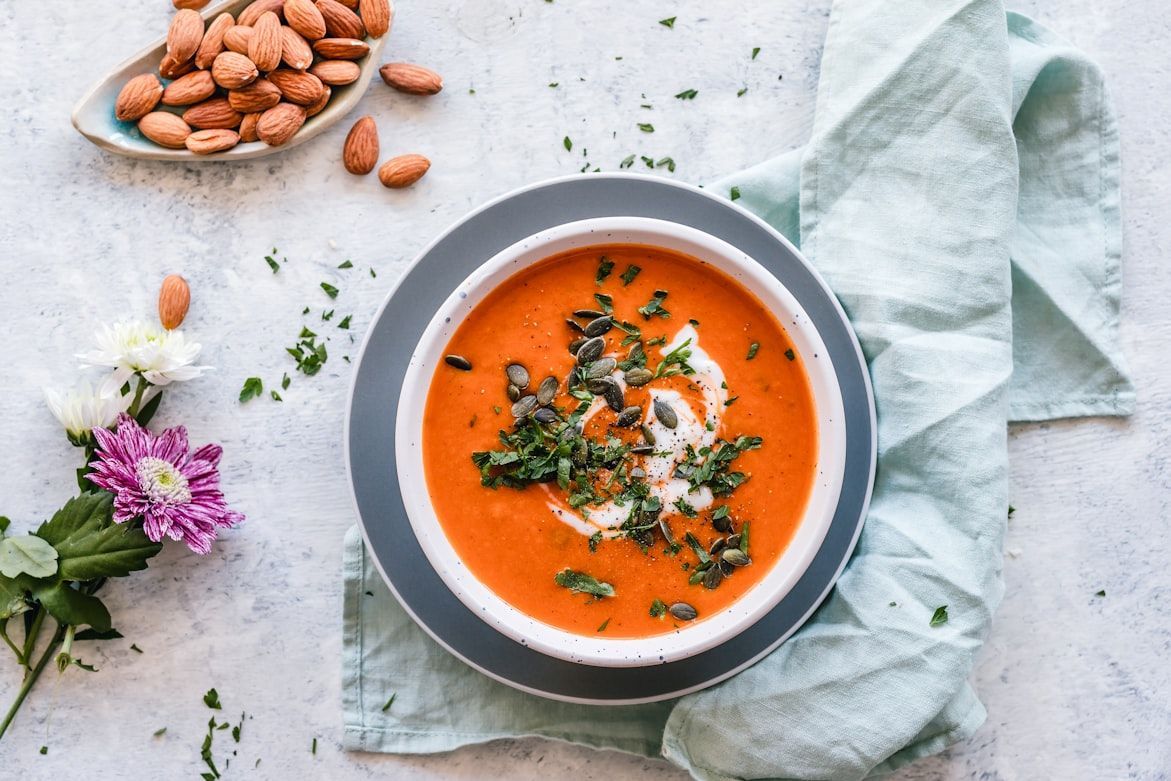
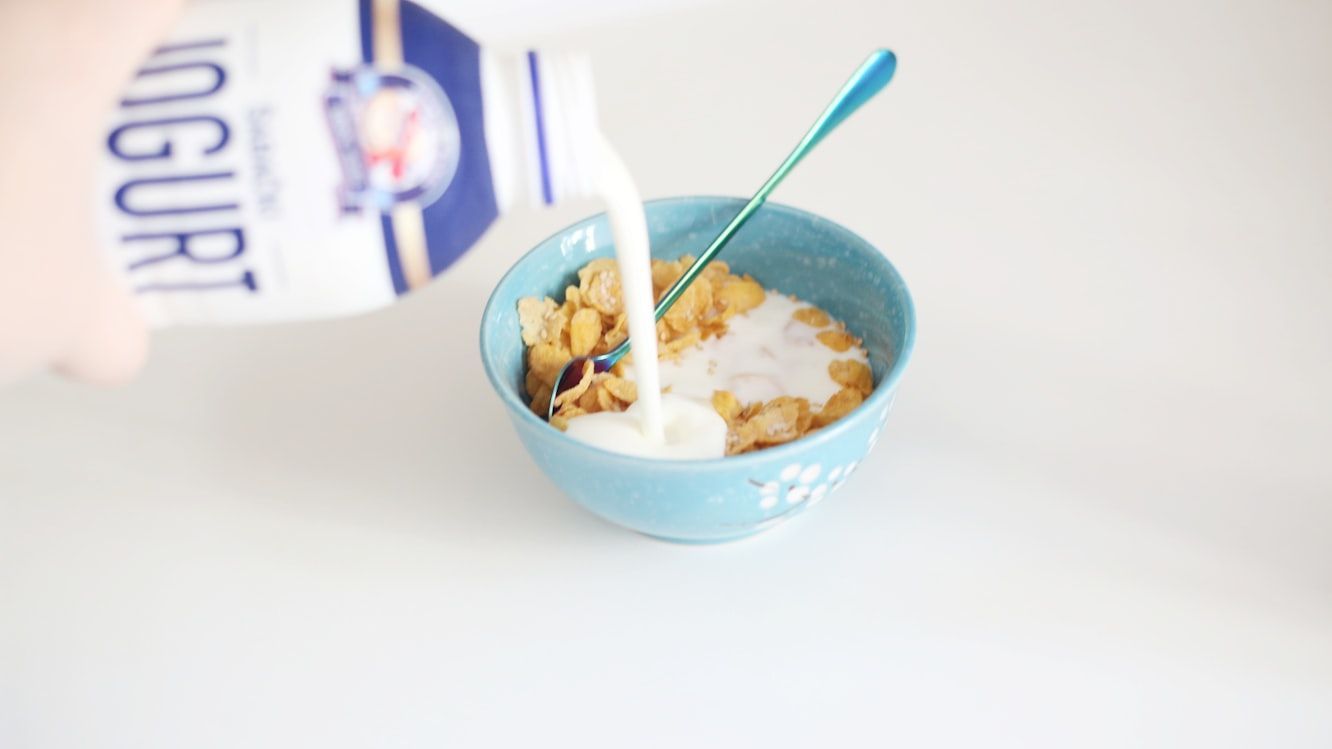
Grape-Nuts

Image: Andrijana Bozic

Despite its name, you won’t find grapes or nuts in Grape-Nuts; the cereal is made from wheat and barley.

Its name likely refers to the naturally occurring sugars formed during baking and the nutty flavor of its crunchy nuggets.

9

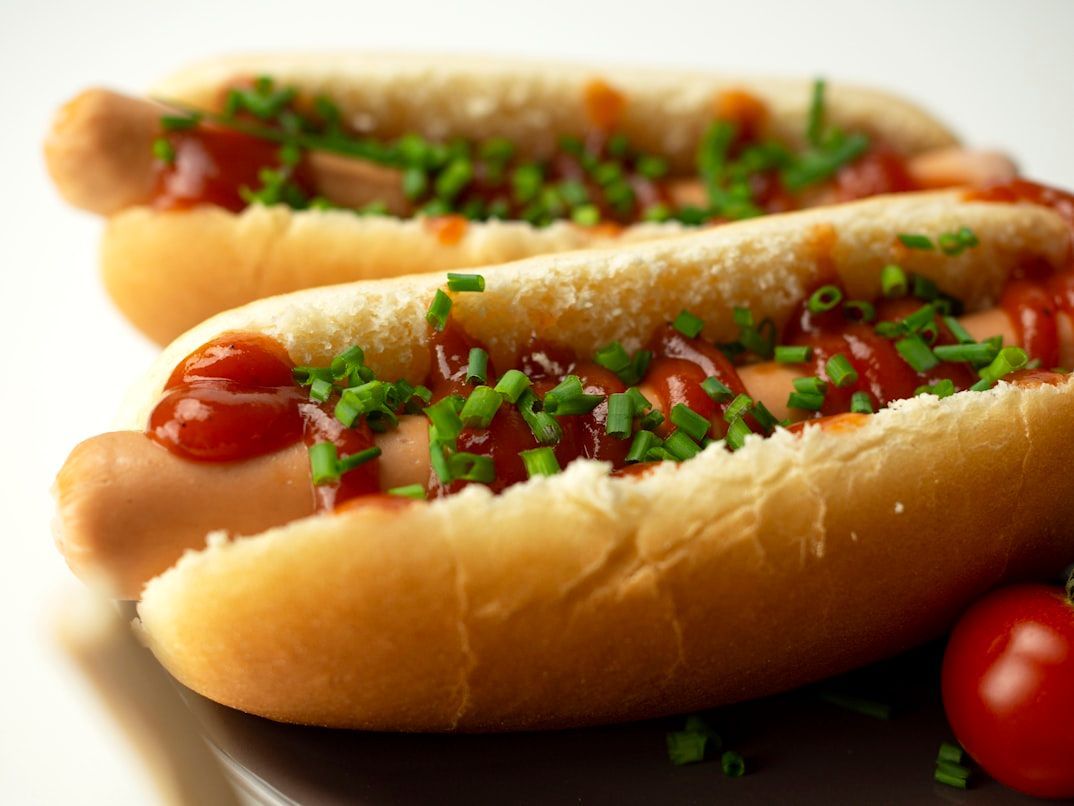
Hot dogs

Image: Mateusz Feliksik

As far as we know, hot dogs contain no canine meat, just a blend of beef, pork, or poultry in a sausage casing.

The name’s origins are debated, but the term became popular in the early 20th century through ballpark vendors and cartoons.

10

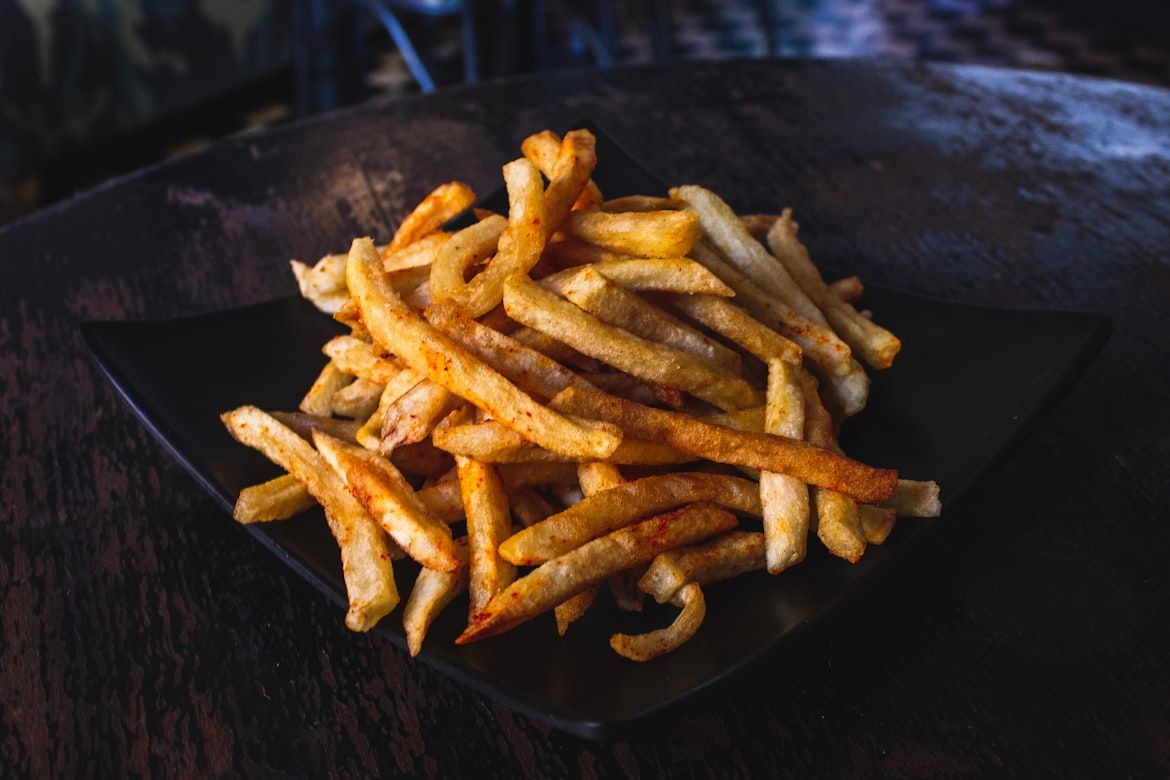
French fries

Image: Louis Hansel

French fries may not be French at all, as many historians credit Belgium with their invention.

The "French" in the name may refer to the style of cutting the potatoes into thin strips before frying, or to the fact that Allied soldiers who first encountered these delicious treats heard the Belgians speaking French.

11

Bombay duck

Image: Matthew McBrayer

This fancifully named food isn’t duck but a type of fish found in the waters around Mumbai, India.

Dried and salted, it has a strong aroma and is considered a delicacy in certain regional cuisines.

12

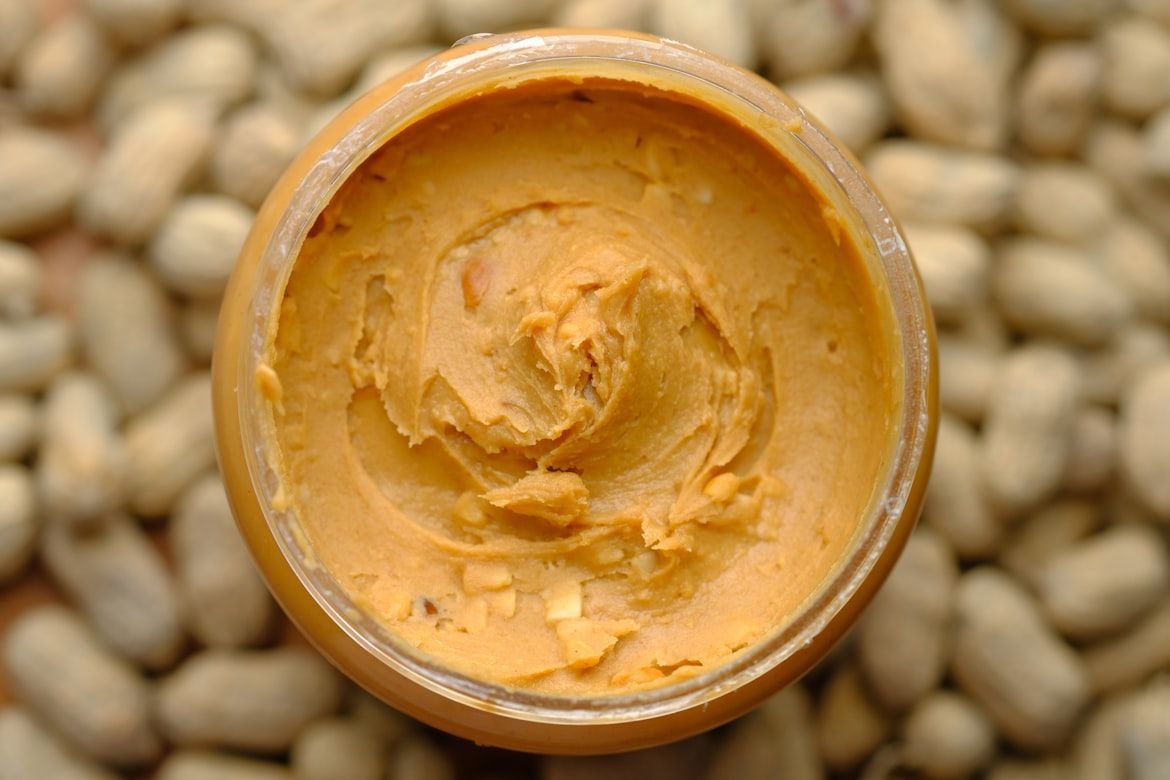
Peanut butter

Image: Towfiqu barbhuiya

Our final entry goes to another famous food. Despite its name, peanut butter contains no dairy butter; it’s simply roasted peanuts ground into a paste.

The "butter" label refers to its smooth, spreadable consistency, not to any relation to milk or cream.


Secrets in plain view

The untold stories behind 15 of the world’s most famous artworks


Published on December 30, 2025


Image: Ståle Grut

Art is often more than just visually stunning; it can carry deep, hidden meanings and symbols that offer a richer experience when understood. From elements that tell part of the artwork’s story to deliberate messages and strange secrets, here are 15 famous artworks with hidden layers you might not have noticed before.

1

The Mona Lisa by Leonardo da Vinci

Image: Eric TERRADE

Though the Mona Lisa is perhaps the most famous painting in the world, the identity of the woman in the portrait has long been a subject of debate. Most scholars believe she is Lisa Gherardini, a Florentine woman married to a wealthy merchant, Francesco del Giocondo. However, numerous alternative ideas have emerged, including theories that the subject is an idealized figure or even a concealed self-portrait of Da Vinci.

2

The Thinker by Auguste Rodin

Image: Avery Evans

Rodin’s famous sculpture, The Thinker, was originally conceived as part of a larger work but became iconic in its own right. Despite its fame, many curious facts about the sculpture are often overlooked. For example, its original name was actually The Poet, which supports the theory that the statue was meant to depict Dante.

3

The Birth of Venus by Sandro Botticelli

Image: rook76

Botticelli’s The Birth of Venus blends classical mythology with Renaissance ideals of beauty. Venus, standing on a shell, symbolizes divine beauty and spiritual rebirth. Curiously, some believe it was modeled after the long-lost Venus Anadyomene, a painting by the ancient Greek artist Apelles, known only through Roman author Pliny the Elder’s description.

4

The Scream by Edvard Munch

Image: JWCohen

Munch’s The Scream captures a moment of extreme emotional distress. The swirling sky, vivid in color, reflects the inner turmoil of the subject. While Munch claimed the inspiration came from a panic attack he experienced while walking, some argue that the red skies may have been inspired by the eruption of Krakatoa in 1883, which caused vivid sunsets around the world.

5

The School of Athens by Raphael

Image: Olya Solod

In Raphael’s The School of Athens, ancient philosophers are depicted in conversation, but the placement of the figures is deliberate. Plato and Aristotle are centrally placed, with Plato pointing upwards, symbolizing his belief in ideal forms, while Aristotle’s gesture points horizontally, emphasizing his empirical approach.

6

The Statue of Liberty

Image: Laurenz Heymann

The Statue of Liberty is not just a symbol of freedom; its design includes several symbolic elements. The broken chain at her feet represents the abolition of slavery, while the torch symbolizes enlightenment. But most curiously, Lady Liberty's face is said to have been modeled after the artist Frederic-Auguste Bartholdi's mother.

7

The Last Supper by Leonardo da Vinci

Image: maxbrux

Da Vinci’s Last Supper holds numerous symbols, most notably the geometric composition. The table itself forms a triangle, symbolizing the Holy Trinity, while Christ’s position in the center divides the composition into a perfect balance of divine and human. Even the placement of Judas, isolated from the others on the opposite side of Christ, visually hints at his betrayal.

8

American Gothic by Grant Wood

Image: ChicagoPhotographer

Grant Wood’s iconic American Gothic has often been interpreted as a commentary on rural American values, but there are more layers to the painting. In fact, it was inspired by a real house built in the style of "Carpenter Gothic," which Wood found rather pretentious for such a humble home. The characters, however, aren’t the real inhabitants of the house but Wood’s dentist and his sister.

9

Venus de Milo by Alexandros of Antioch

Image: Daniele D'Andreti

The Venus de Milo represents idealized beauty in ancient Greek sculpture, but its missing arms add to its mystery. The lost limbs have sparked theories about its original pose, enhancing the statue's allure. Interestingly, some suggest the figure may not depict Aphrodite/Venus at all, but Amphitrite, the sea goddess worshiped on the island of Milos.

10

The Night Watch by Rembrandt

Image: Václav Pluhař

A master of visual storytelling, Rembrandt was well known for including hidden messages and symbolism. In his masterpiece The Night Watch, some believe the artist makes a subtle cameo. In the middle of the painting, behind a man in green and a guard with a metal helm, you can spot a faint figure, widely thought to be Rembrandt himself.

11

The Vitruvian Man by Leonardo da Vinci

Image: Marek Studzinski

Leonardo’s Vitruvian Man is not just a study of human anatomy; it symbolizes the Renaissance belief in the harmony between art and science. But beyond the perfect proportions, keen observers have noted that the man depicted appears to suffer from an inguinal hernia—an ailment that could have been fatal at the time. Given that artists often used cadavers as models, it's likely that Leonardo based the figure on a real, deceased individual.

12

The Kiss by Gustav Klimt

Image: Mariangela Cruz

Klimt’s The Kiss is renowned for its use of gold leaf, evoking the sacred beauty of religious art found in churches. Some art historians even speculate that the lovers in the painting are not just symbolic figures, but a representation of Klimt himself and his long-time partner, fashion designer Emilie Flöge.

13

Liberty Leading the People by Eugène Delacroix

Image: s880

Delacroix’s Liberty Leading the People uses the allegorical figure of Liberty to symbolize the spirit of revolution during France's July Revolution of 1830. However, the woman in the painting has a name—_Marianne_—a powerful symbol of the French Republic ever since the first French Revolution of 1789.

14

Self-Portrait with Bandaged Ear by Vincent van Gogh

Image: Jean Carlo Emer

Van Gogh's Self-Portrait with Bandaged Ear captures a deeply personal moment following the infamous incident in which he—allegedly—severed his own ear. However, some art historians now believe that the wound was in fact the product of an altercation with friend and fellow artist Paul Gauguin. A deft fencer, Gauguin might have acted in self-defense during a violent bout of psychosis of his friend.

15

David by Michelangelo

Image: Mateus Campos Felipe

Michelangelo’s David symbolizes strength and humanism, embodying both intellectual and physical power. While its proportions follow classical ideals, David’s unusually large head and oversized right hand stand out. Additionally, his heart-shaped pupils are a curious detail, possibly symbolizing his love for Florence or a playful nod to the letter "D," often depicted as a heart in Renaissance art.

Looking for an extra scoop of literary fun?

Learn more with our Word of the day

gloomy

/ˈɡlumi/