Holy mysteries
There are no hospitals or prisons in the Vatican: Here's why
Published on February 1, 2026
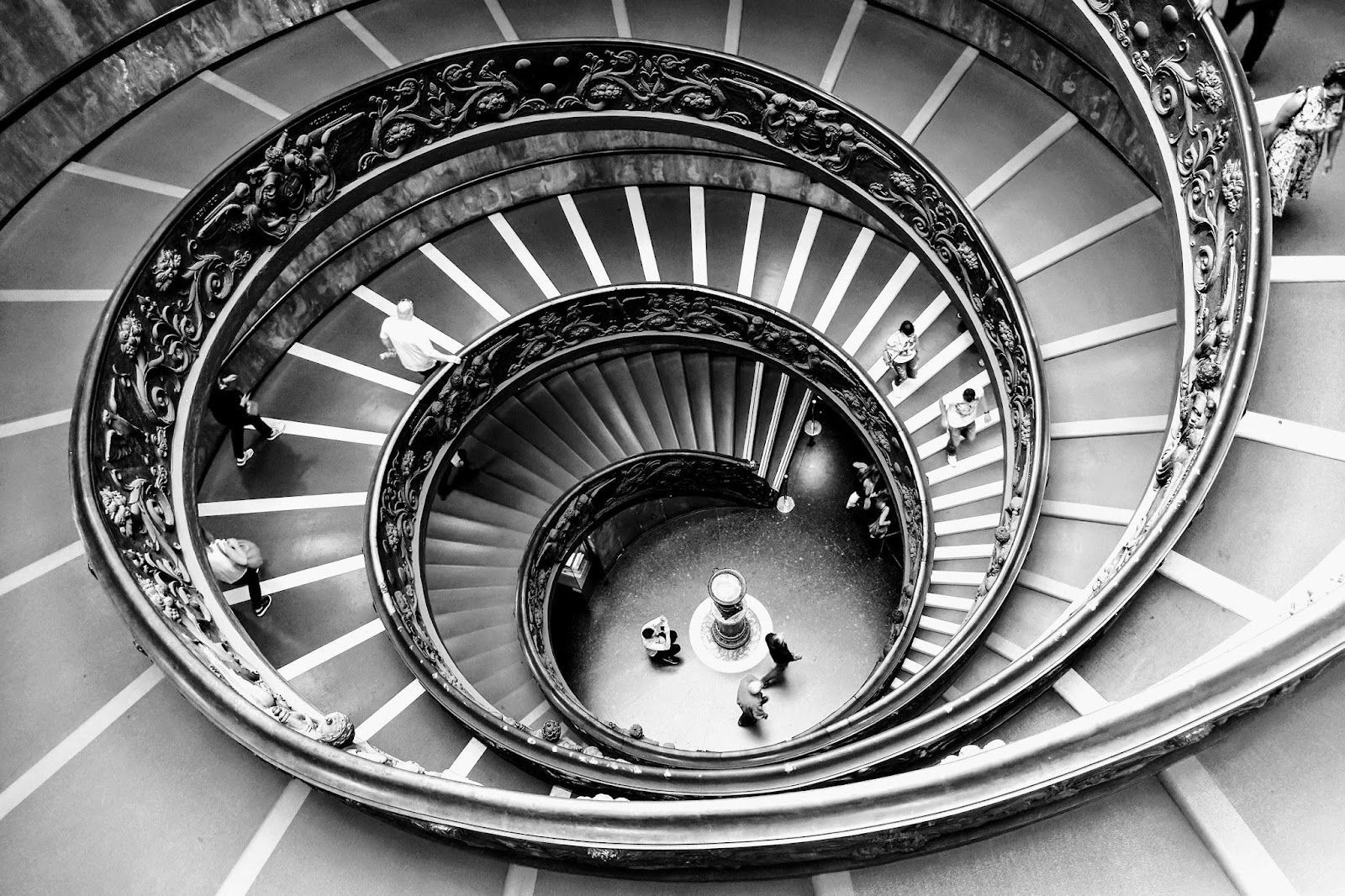 Image: Jamie Evawin
Located in the heart of Rome, the Vatican is a city-state with roots that stretch far beyond its official founding year. And while you might think you’ve heard all about it, the world’s smallest country still holds plenty of secrets. Let’s uncover 10 fascinating facts hidden within its walls.
From the Vatican to the Moon
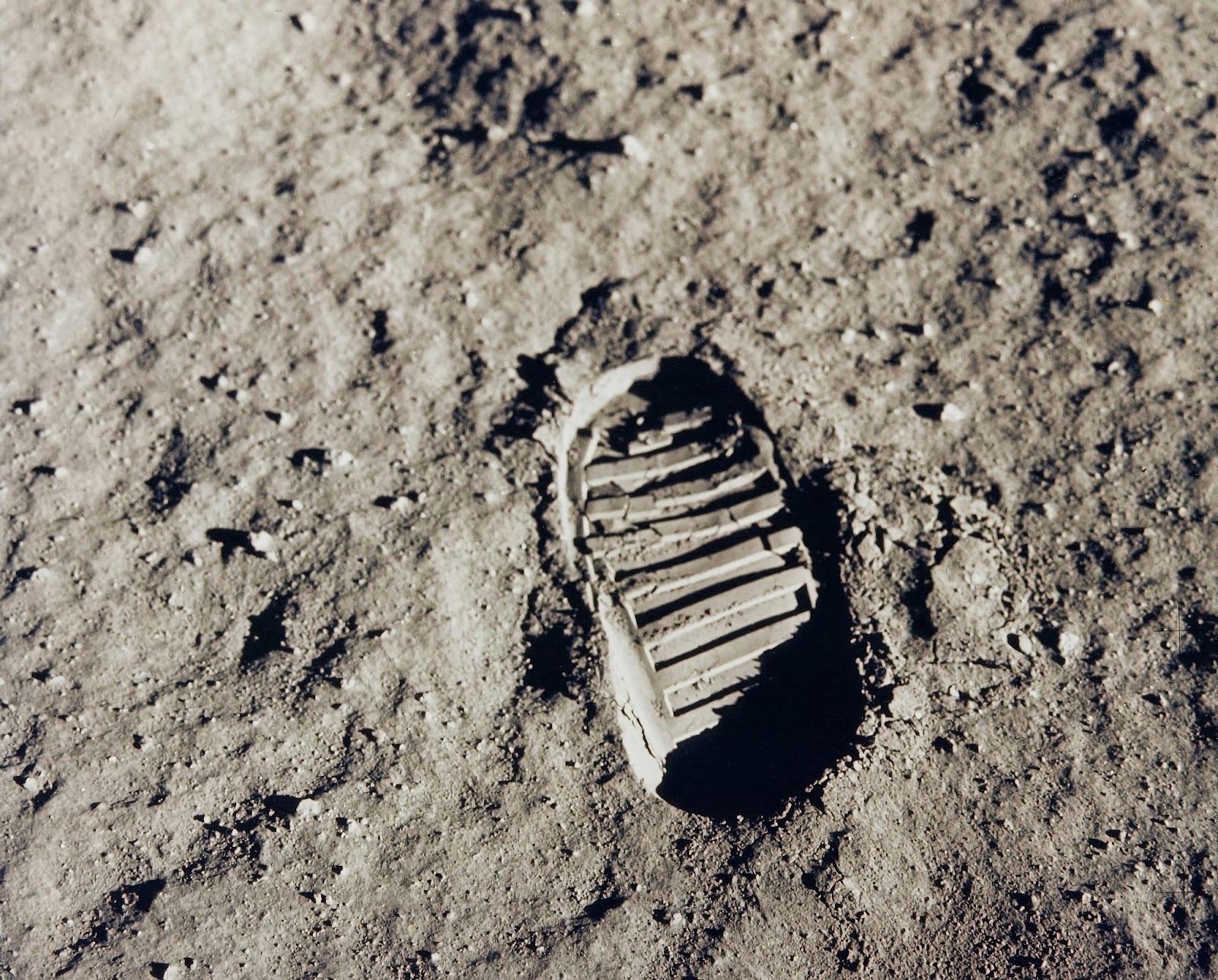 Image: NASA
In July 1969, the United States sent the first humans who reached the moon. But what exactly did the astronauts bring along with them? Believe it or not, a small Vatican City flag flew aboard Apollo 11 and made it all the way to the moon. Later, President Nixon presented that same flag to Pope Paul VI.
The wine capital of the world
 Image: Kelsey Knight
Wine in the Vatican isn’t just for Mass. In fact, this tiny city-state has the world’s highest wine consumption per capita! That may sound shocking, but it becomes a little more reasonable when you consider two things: there are no children in the population, so almost everyone is of drinking age, and residents also enjoy tax-free wine.
No citizenship by birth
 Image: Luma Pimentel
Did you know there are no hospitals and no delivery rooms at all? That’s right! You can’t become a Vatican citizen by birth. Citizenship is granted only based on a person’s role or employment within the Holy See.
No permanent citizenship
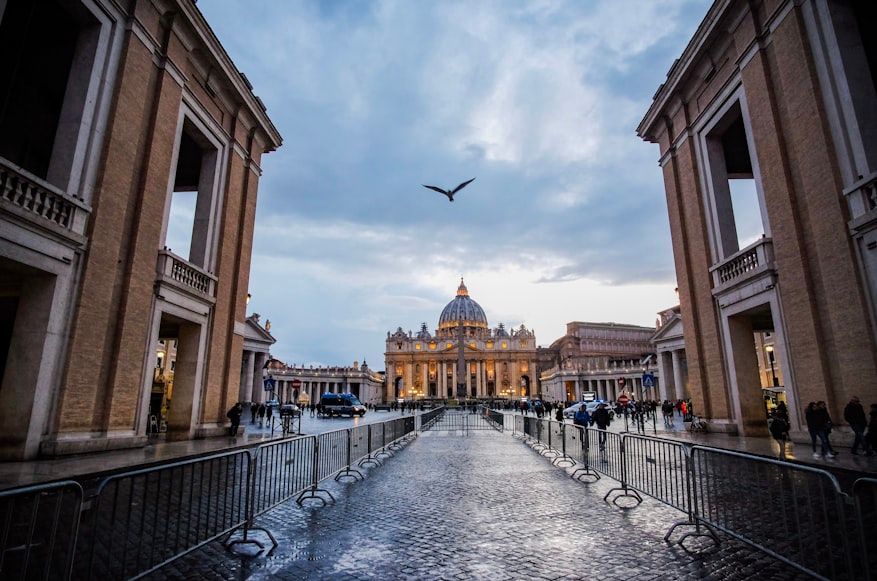 Image: Ivan Lemekhov
You can’t just choose to live in the Vatican. Just as citizenship isn’t granted by birth, it isn’t permanent either. Those who become citizens hold it only temporarily, and it’s revoked once their service ends.
It has no prison
 Image: Sebastian Herrmann
Due to the large number of daily visitors, minor crimes like pickpocketing can occur. However, the Vatican doesn’t have a formal prison system. While there are a few temporary detention facilities, anyone sentenced to prison serves their time in Italian jails.
What about pets?
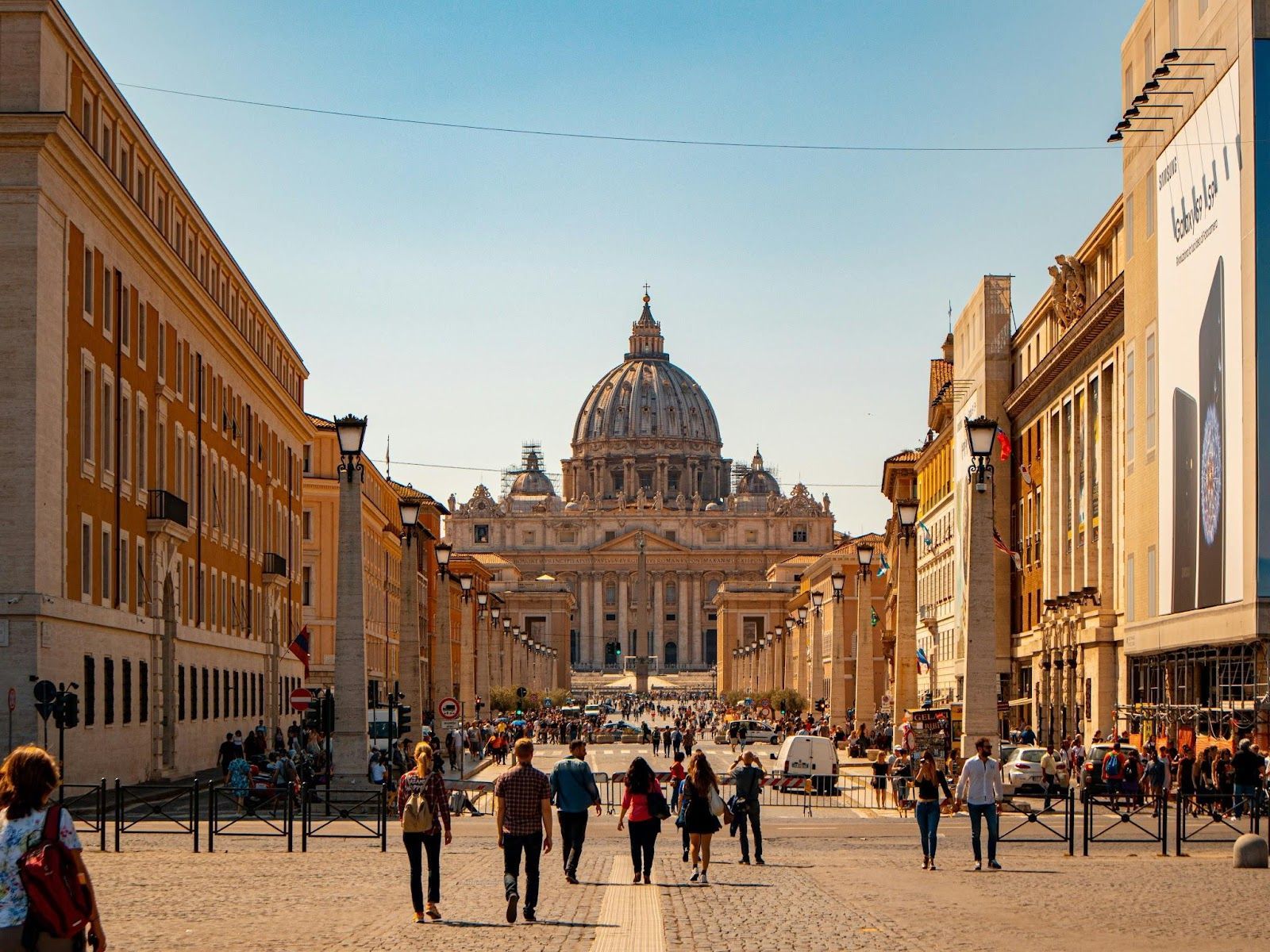 Image: chan lee
It turns out no one has pets inside the Vatican walls, and it’s not because they don’t like animals. There is actually a rule that prohibits pets from living in or visiting the Vatican and its main attractions. While this might sound strange at first, it actually makes a lot of sense: the ban exists because the Vatican functions primarily as a high-security workplace and religious site, where noise, dirt, or pet waste wouldn’t be ideal. Of course, there are exceptions, such as guide dogs or therapy animals.
Michelangelo’s only autographed work
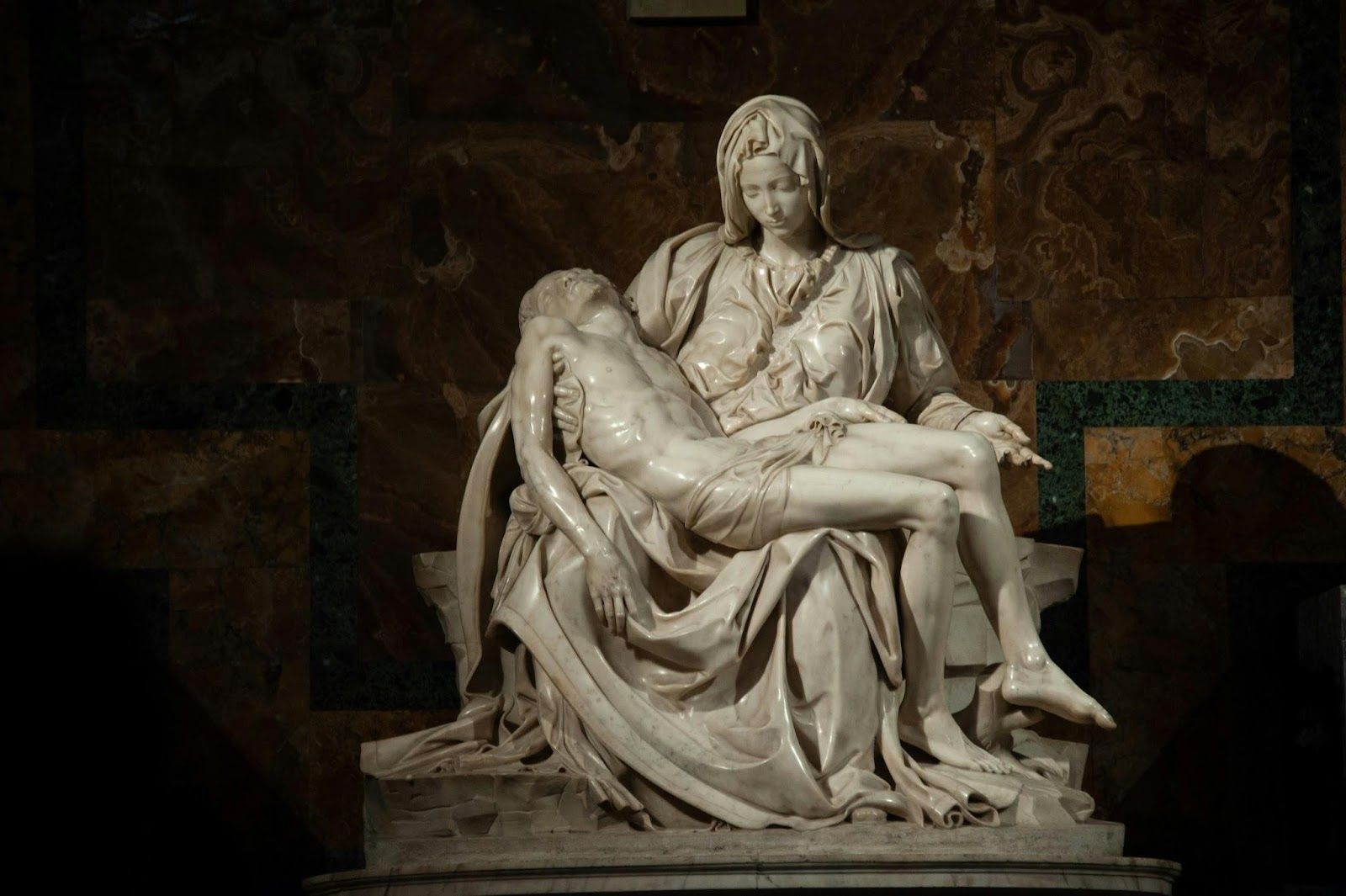 Image: Richard Wang
The Vatican is filled with incredible works by the master Michelangelo, with the ceiling of the Sistine Chapel being among the most famous. But there’s only one piece actually signed by Michelangelo himself, and it’s right here in the Vatican. More precisely, it’s in St. Peter’s Basilica: the breathtaking sculpture titled "The Pietà," completed when he was just about 24 years old.
Museum of Museums
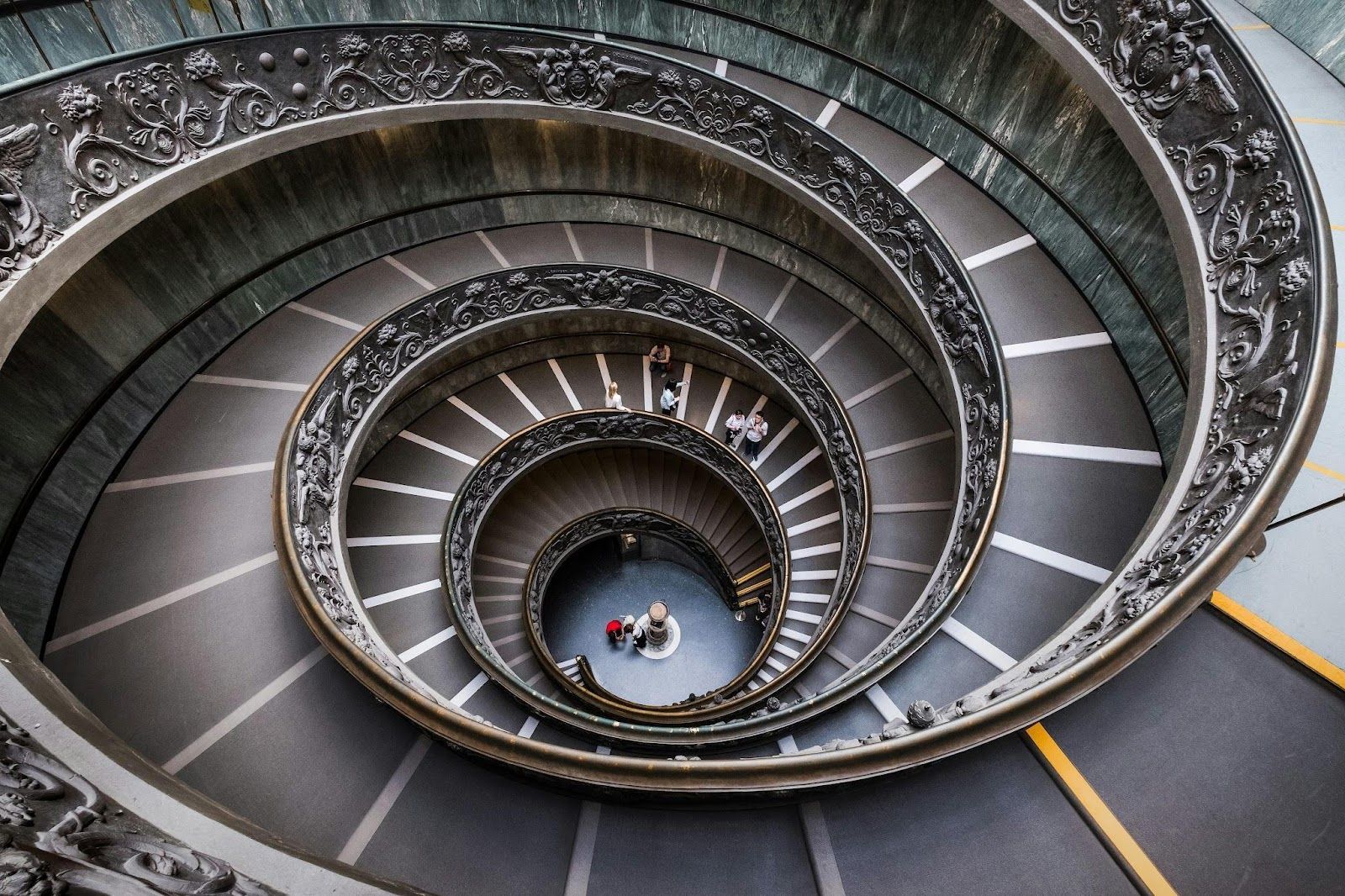 Image: Nicolas Hoizey
The Vatican Museums are the public museums of Vatican City, housing around 70,000 works of art! Together, their corridors and halls stretch nearly 10 miles and attract over 15 million visitors each year. In addition, you can explore the incredible Bramante Staircase, with a double-helix design that is mind-blowing.
Many keys
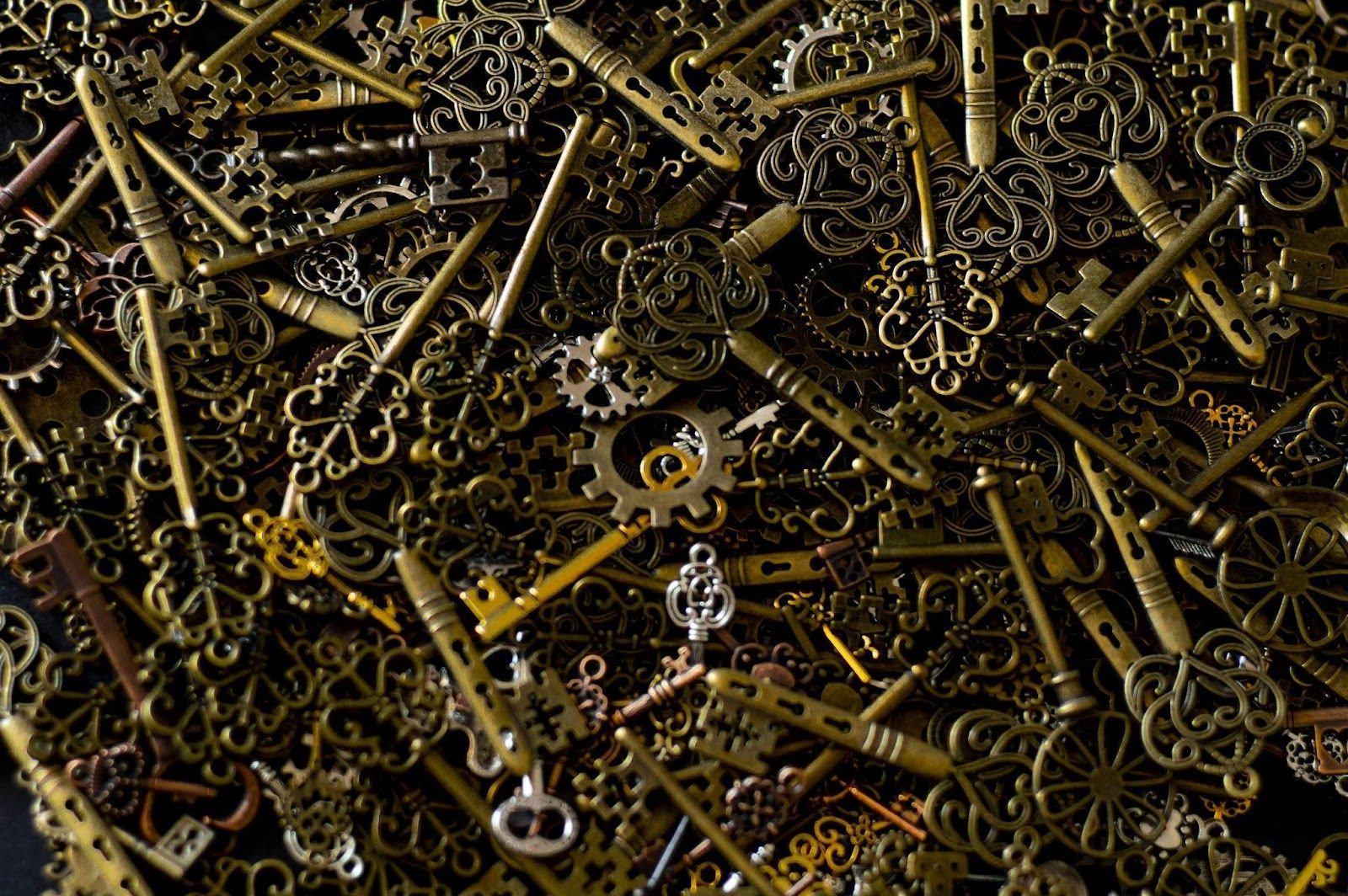 Image: Elena Mozhvilo
With so many rooms and corridors, there are also countless doors, which means countless keys. Around 2,700, to be more precise. That’s right: each morning, the museum guards are responsible for opening every single one.
ATM instructions in Latin
 Image: Erik Mclean
Lingua Latina pars fundamentalis Vaticani est. But if that sentence didn’t make sense to you, you might want to bring cash when visiting the Vatican. Why? Well, their ATMs are in Latin! The good news: Italian and English are also available, so we’re covered.