Brains and barks

The world's smartest dogs: Wait until you see which tops the list!


Published on September 2, 2025


Image: Cookie the Pom

Every dog has its own unique traits that make it stand out. At the same time, pups of the same breed often share common characteristics, such as strength, speed, or sociability. Today, we're focusing on a peculiar feature: intelligence. If you're wondering how smart your dog is, love learning about different breeds, or are just intrigued by the idea of canine IQs, this article is for you. Join us as we explore the 10 dog breeds considered the smartest in the world!

1

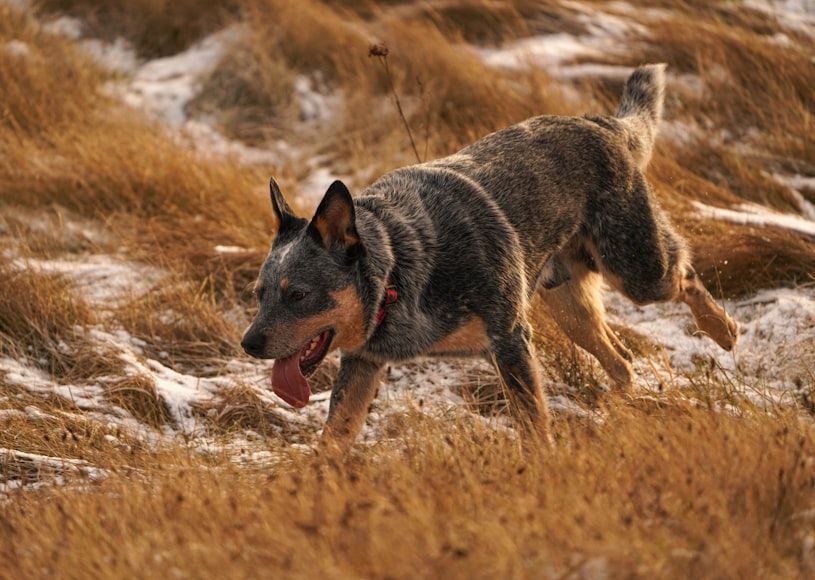
Australian Cattle Dog

Image: Marcin Wojna

If you're looking for a tough, hardworking, and dependable dog, the Australian Cattle Dog is a top choice! Also known as the Blue Heeler, this breed is widely recognized as one of the most intelligent. Originally bred in the 19th century, it was developed to herd cattle across long distances and rugged terrain. Experts praise its strong problem-solving skills, quick learning ability, and independent thinking.

2

Rottweiler

Image: Kevin Seibel

The Rottweiler is one of the oldest herding breeds, with origins dating back to the Roman Empire. Though often feared for their large size and powerful jaws, these dogs are much more than just muscle. Experts note that Rottweilers are quick learners, highly obedient, and excel in search, rescue, and protection work.

3

Papillon

Image: Niko Nieminen

If dogs went to college, the Papillon would be on the honor roll. Also known as the Continental Toy Spaniel, this breed is easily recognized by the shape of its ear fringes, which resemble wings. Known for being smart and alert, this little pup is great at learning new commands and performing complex tricks. And there’s more: Papillons are highly social dogs that get along well with people and other pets. Did you know that this was Marie Antoinette's favorite dog breed?

4

Labrador Retriever

Image: Vincent van Zalinge

These are the gentle souls of the neighborhood. Known for serving as guide and therapy dogs, this English breed is often praised for its energy, sociability, loyalty, sensitivity, anticipatory skills, and strong obedience. Perhaps that’s why the Labrador Retriever held the title of the most popular dog breed in the United States for more than 30 consecutive years!

5

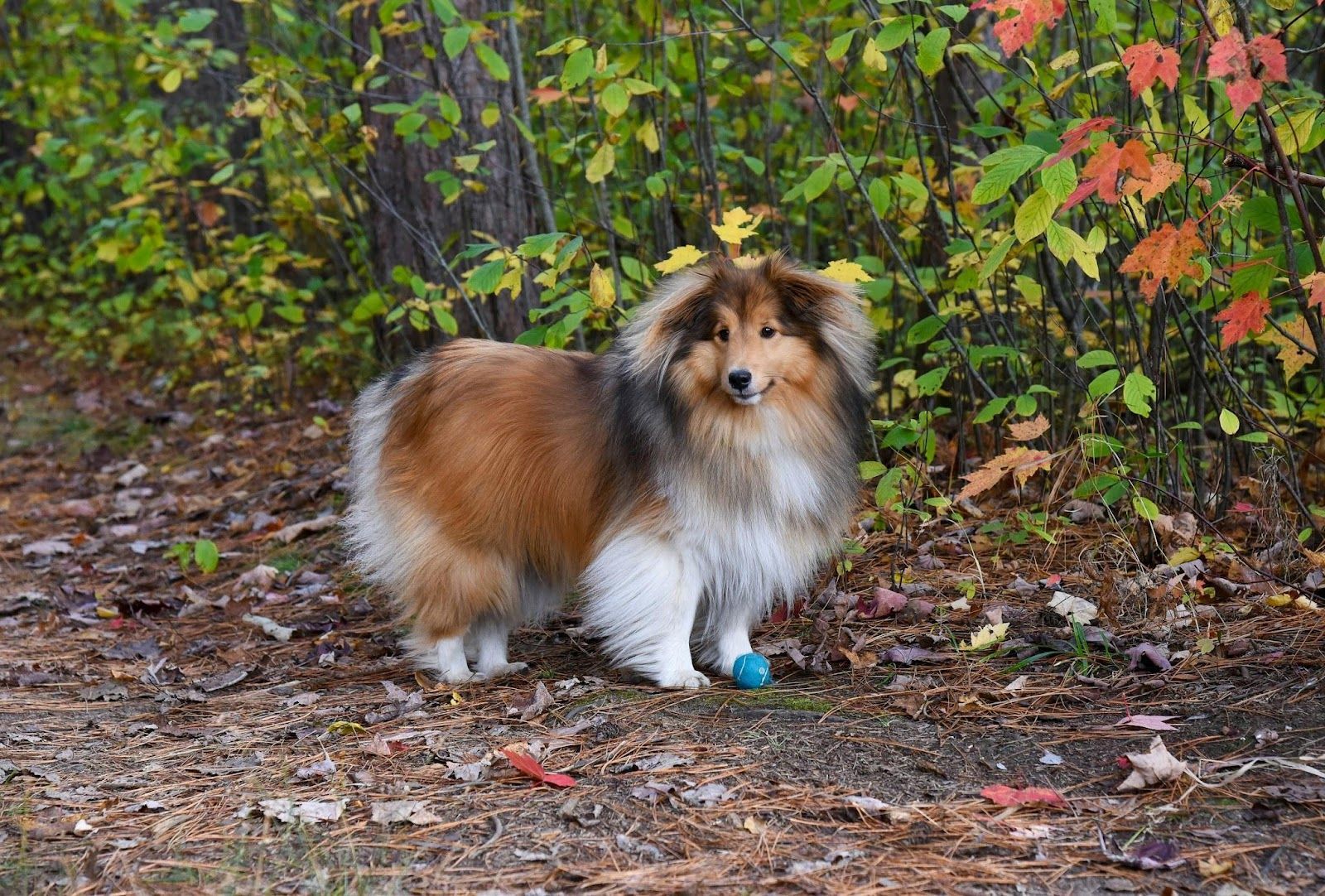
Shetland Sheepdog

Image: Kat van der Linden

As its name suggests, this beautiful breed was developed to herd sheep and protect livestock. Don’t let their small size fool you—Shelties have a surprisingly powerful bark that carries over long distances. Experts highlight their loyalty and their impressive ability to learn new commands quickly and respond with great precision. Additionally, their alertness and problem-solving skills make them ideal for herding tasks.

6

Doberman Pinscher

Image: Ryan Hyde

Let’s be honest: most of us feel a little intimidated by the piercing gaze of a Doberman Pinscher—and with good reason! These dogs are naturally protective and highly alert. The Doberman is fast, smart, and fearless, qualities that make it a preferred breed for police, military, and protection work. It might not be the friendliest dog on the block, but it's definitely sharp and focused.

7

Golden Retriever

Image: Taylor Sondgeroth

Here’s a true star: the Golden Retriever, one of the most popular dog breeds worldwide, especially as a family pet. Their friendly, affectionate, and trustworthy temperament pairs perfectly with their high intelligence and quick learning ability. Thanks to their emotional awareness and impressive cognitive skills, Golden Retrievers excel in therapy work and search-and-rescue missions.

8

German Shepherd

Image: Yuriy Bogdanov

Do you remember Rin Tin Tin? Known worldwide as a "police dog," the German Shepherd is a hardworking and dedicated breed. While it sometimes gets a bad rap, this dog is actually very affectionate, loyal, and fiercely protective. Its intelligence ranks it among the top dog breeds, with experts highlighting its obedience, problem-solving skills, and ability to learn complex commands.

9

Poodle

Image: RR Rivera

This adorable breed ranks number 2 out of 110 in intelligence! Friendly, athletic, highly obedient, and impressively smart, Poodles were recruited by European circuses in the 18th and 19th centuries to perform amazing tricks and routines. Among their most remarkable traits are exceptional learning ability, excellent memory, and strong problem-solving skills.

10

Border Collie

Image: Anna Dudkova

We have a winner! The Border Collie is widely recognized as the most intelligent of all dog breeds. It has it all: athleticism, energy, agility, speed, quick learning, sharp memory, excellent tracking skills, fast responses, intense focus, and outstanding problem-solving ability. In the early 2000s, a Border Collie named Chaser earned the title of "The smartest dog in the world." She shocked researchers by learning and remembering over 1,000 words linked to objects and actions!



Dutch Baby, anyone?

These 10 common foods have names that don't mean what they say


Published on September 2, 2025


Image: Pixel-Shot

English is full of food names that sound completely straightforward. There is not much mystery about what a stuffed tomato or a grilled chicken is. But that is not always the case. Some names refer to ingredients that disappeared centuries ago. Others are jokes that somehow became official names. Take a look at these 10 food names that seem to describe a completely different product from the one they represent.

1

Mincemeat

Image: OlgaBombologna

If you’ve never tasted mincemeat, you might assume it contains finely chopped meat. Historically, that assumption would have been correct. Medieval English cooks mixed minced beef, mutton, or venison with dried fruits, spices, and sugar to create rich pies.

Over time, the meat gradually vanished from most recipes. Modern mincemeat is usually made from raisins, currants, apples, citrus peel, spices, and sometimes even brandy. Despite containing little or no meat today, the name survived.

2

Sweetbread

Image: redzen2

Sweetbread sounds like a bakery item, perhaps a sugary loaf or a pastry. In reality, it is neither sweet nor bread. The term refers to the thymus gland or pancreas of a young calf or lamb.

Sweetbreads have long been prized in French and European cuisine for their delicate texture and mild flavor. Food historians are not entirely sure where the name originated, but it has appeared in English culinary records for centuries. It remains one of the most misleading names in the culinary world.

3

Black pudding

Image: Nima Naseri

Many Americans hear the word "pudding" and think of dessert. Black pudding is something entirely different. It is a type of blood sausage traditionally made from pork blood, fat, and oats or barley.

The dish has been eaten throughout Britain and Ireland for hundreds of years and remains a classic component of a traditional full breakfast. The word "pudding" once had a much broader sense than it does today, which helps explain why a sausage ended up with that name.

4

Welsh Rabbit

Image: Foodgraphy39

A person ordering Welsh Rabbit for the first time might reasonably expect rabbit meat. Instead, the dish consists of toasted bread topped with a savory sauce made from melted cheese, often flavored with mustard or ale.

The name appeared in print by the early eighteenth century. At some point, people began calling it "Welsh Rarebit," possibly because diners were confused by the complete absence of rabbit. Despite the newer name, many historians consider Welsh Rabbit the original and more authentic term.

5

Ladyfingers

Image: WS-Studio

Ladyfingers are delicate sponge biscuits often used in desserts such as tiramisu and charlotte cakes. Their elegant name has nothing to do with a person and everything to do with appearance.

The cookies originated in the Duchy of Savoy, a region that once stretched across parts of modern France and Italy. Their long, slender shape was thought to resemble graceful fingers, giving rise to the name.

6

Bombay duck

Image: Akella Srinivas Ramalingaswami

Bombay duck sounds like a poultry dish from India. But it is actually a fish. Specifically, it is Harpadon nehereus, a species commonly found in the waters of the Arabian Sea.

The fish is especially associated with Mumbai, formerly known as Bombay. One popular explanation traces the name to the old "Bombay Daak" mail train, which reportedly carried the strongly scented dried fish across India.

7

Egg cream

Image: Brent Hofacker

The classic New York egg cream contains neither eggs nor cream. Traditionally, it is made with milk, chocolate syrup, and carbonated water, creating a frothy drink that became famous in Brooklyn and Manhattan.

The beverage emerged in immigrant neighborhoods during the late nineteenth and early twentieth centuries.

8

Mock turtle soup

Image: Dar1930

During the eighteenth century, turtle soup became a fashionable dish among wealthy diners in Britain. Real turtle meat, however, was expensive and difficult to obtain. Enter Mock Turtle Soup.

Cooks developed a less costly alternative using a calf’s head and other ingredients to imitate the flavor and texture of turtle soup. The imitation became so well known that Lewis Carroll included a Mock Turtle character in Alice’s Adventures in Wonderland in 1865, helping preserve the name in popular culture.

9

Dutch baby

Image: sheri silver

A Dutch Baby is a large baked pancake that puffs dramatically in the oven before settling into a bowl-like shape. Despite its name, it’s not Dutch.

Most food historians trace the dish to German pancake traditions. The name likely emerged from a misunderstanding of the word Deutsch, meaning German. The recipe became especially popular in the U.S. during the early twentieth century.

10

Angels of horseback

Image: Maren Winter

No angels or horses were harmed in the making of this classic British appetizer. The dish consists of oysters wrapped in bacon and then grilled or broiled until crisp.

Angels on Horseback became popular during the Victorian era and was often served at formal dinners. It even has a culinary counterpart called Devils on Horseback, which typically substitutes dried fruit such as prunes for the oysters.

Looking for an extra scoop of literary fun?

Learn more with our Word of the day

attached

/əˈtætʃt/