Not so happy originally

The tragic ending of Cinderella's stepsisters that Disney changed


Published on June 9, 2026
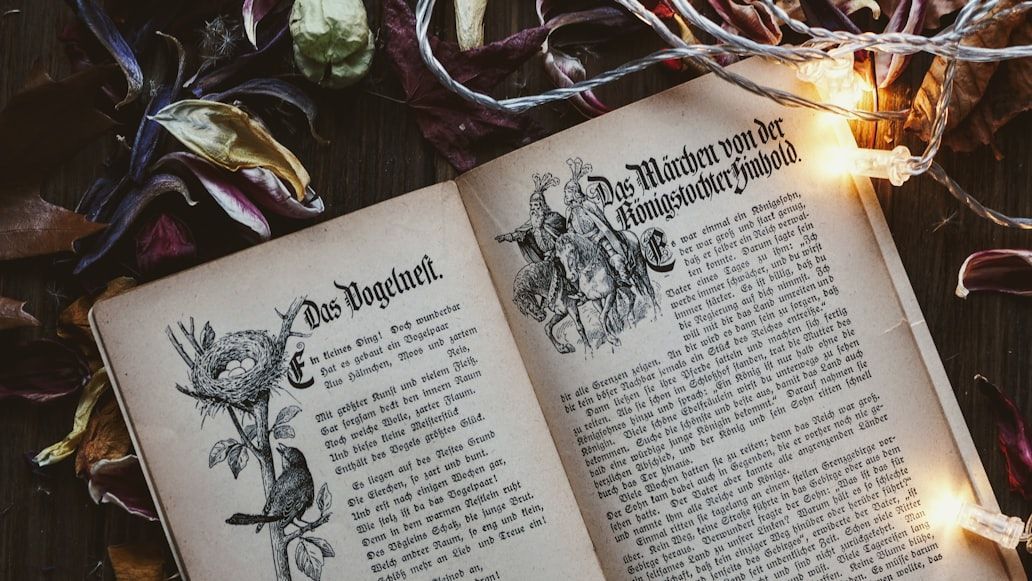

Image: Natalia Y.

Disney movies have adapted several beloved fairy tales and stories, which means that, for those who experienced these stories as movies for the first time, coming across the original tales can be shocking, as they are quite different, and sometimes even scary and gory.

Most of Disney's movies are intended for children, so these stories had to be adapted and often softened for the audience. Let’s see how Disney changed famous stories when making them into movies.

1

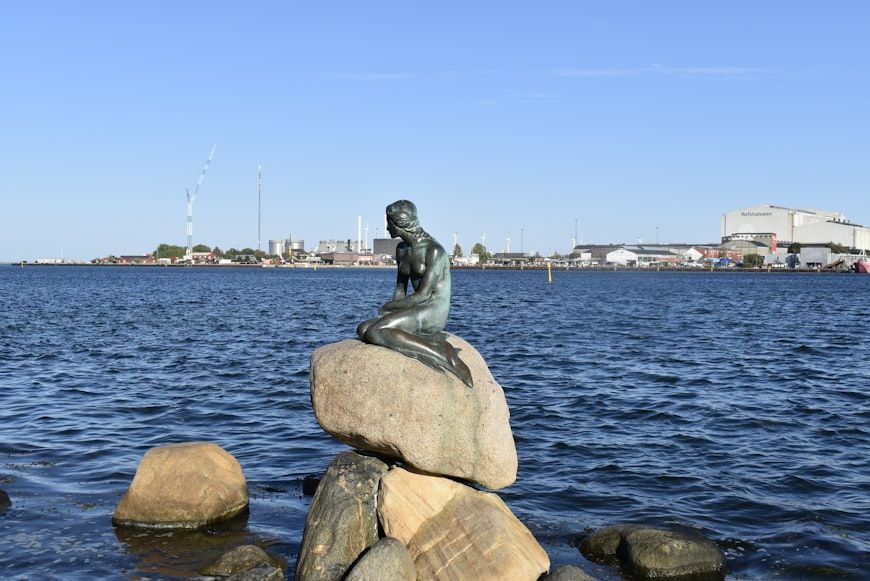
The Little Mermaid

Image: Anjali Shrivastava

This 1837 story by Hans Christian Andersen is, at first sight, similar to its movie adaptation. Yes, in the original, the Little Mermaid feels sharp pains each time she walks, but other elements remain. However, the main difference is in the ending: before the prince’s wedding, the sea witch tasks the Little Mermaid with killing the prince in order to live, but she prefers to die herself and turn into sea foam.

2

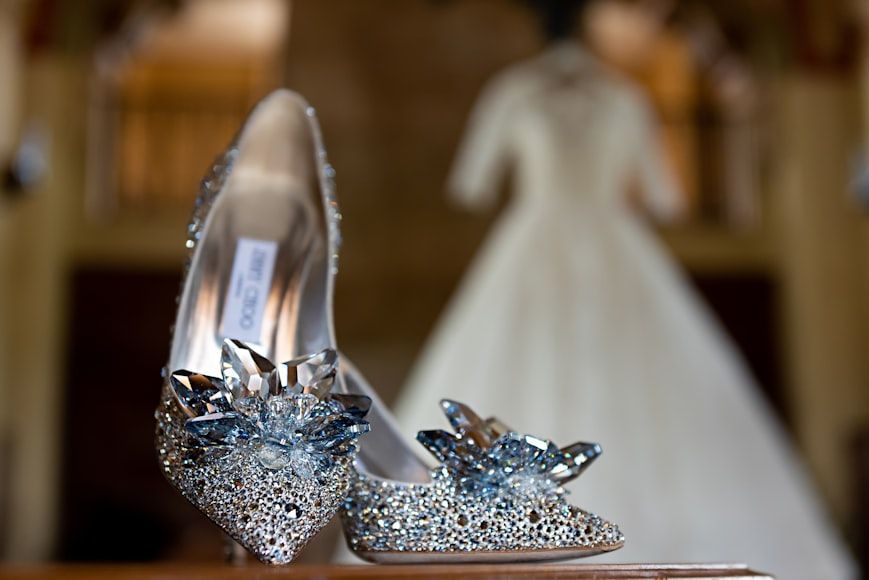
Cinderella

Image: The Now Time

The 1950 version of Cinderella also follows most of the original story. Most of the differences with the Brothers Grimm’s version come from elements added by Disney, such as the Fairy Godmother and the singing mice. But there is one gory element that needed to be changed before making a children’s movie: in the tale, Cinderella’s stepsisters, trying to fit into the crystal slipper, resort to cutting parts of their feet.

3

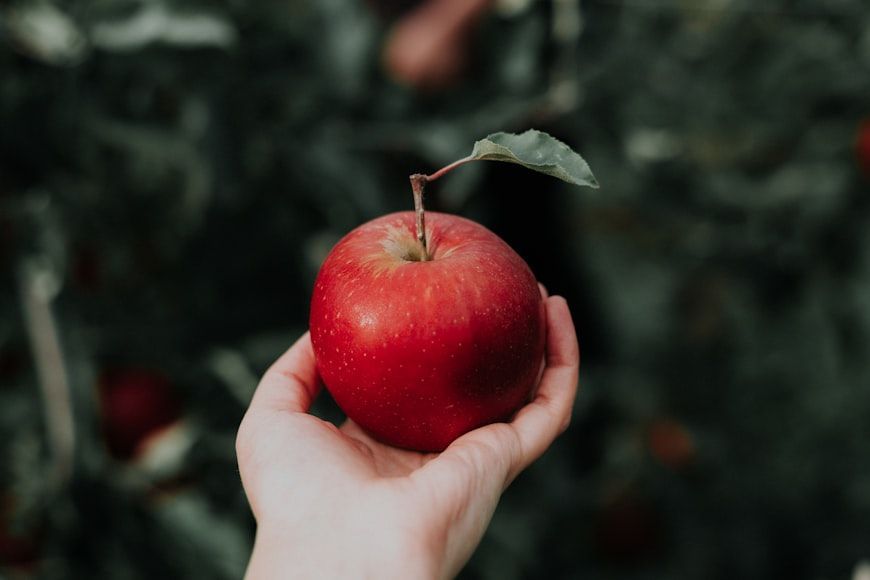
Snow White

Image: Priscilla Du Preez 🇨🇦

The first full-length Disney animated movie, Snow White and the Seven Dwarves was a resounding success. However, the story has some differences when compared to the original story by the Brothers Grimm. When the Queen gives Snow white the poisoned apple, it is not a true love’s kiss that wakes her. The prince sees her lying in her crystal coffin and wants to take her with him. When he moves the coffin, the piece of apple that’s still in her throat moves, and she wakes up. As punishment, the Queen is made to dance in shoes made from hot iron until she falls dead.

4

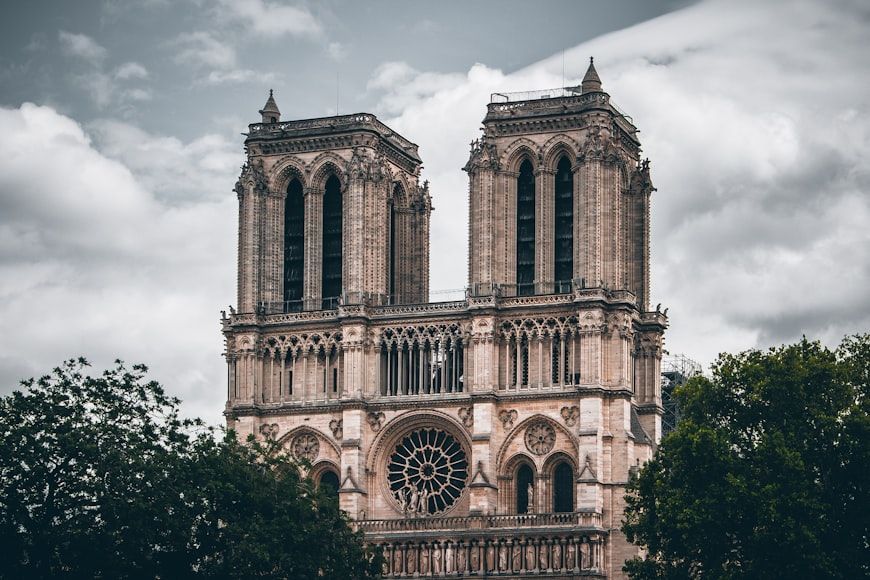
The hunchback of Notre Dame

Image: Marcel Strauß

When watching this lovely musical, it is difficult to imagine that it comes from a lengthy novel filled with tales of vengeance, obsession, social disparities, and a tragic ending. In Notre-Dame de Paris by Victor Hugo, Quasimodo is deaf and nearly mute, and he is isolated from the world. Frollo, an archdeacon inamoured by the young Esmeralda, accuses her of witchcraft and ultimately succeeds in killing her, while Frollo, instead of the chivalrous young man portrayed by Disney, takes advantage of Esmeralda but abandons her in her time of need.

5

Tangled

Image: Taylor Smith

A reimagination of the 19th-century Rapunzel by the Brothers Grimm, the Disney version adds many elements to the story, such as the magical properties of the hair or Rapunzel being a stolen princess. In the original, Rapunzel’s parents give her away as payment for a stolen lettuce. When a prince comes across her tower, they fall in love, but they are tricked by the witch, with the prince falling into a thorny bush and hurting his eyes. Luckily, there is a happy ending where they are reunited, and Rapunzel’s tears restore the prince’s sight.

6

The princess and the frog

Image: Adam Currie

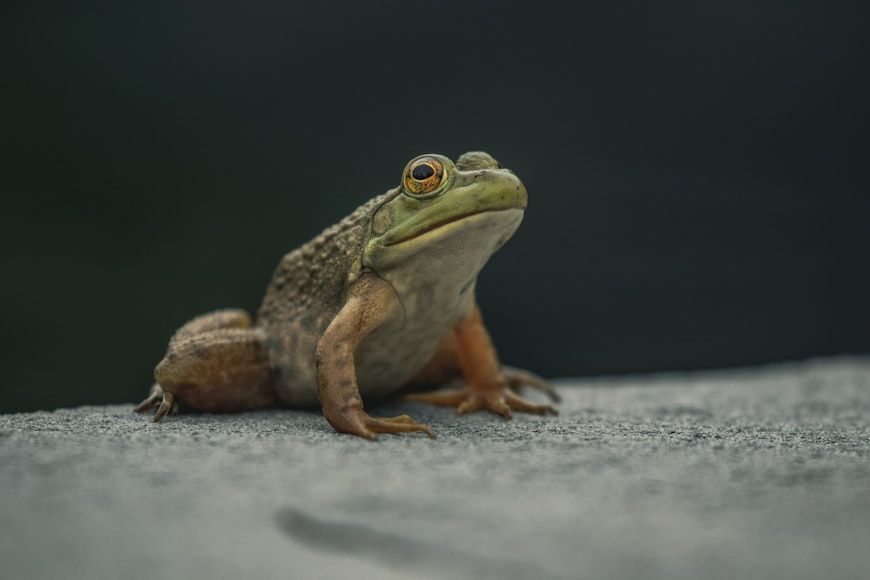
This 2009 version, set in New Orleans, is only loosely based on several classic tales featuring a prince-turned-frog. While in the Disney version, the kiss turns Tiana into a frog, in the classic fairy tale, the princess, disgusted by the idea of kissing the frog prince, throws him violently against the wall. Luckily for him, it works just as well as a kiss, and he returns to his original form.

7

Beauty and the Beast

Image: jerry klein

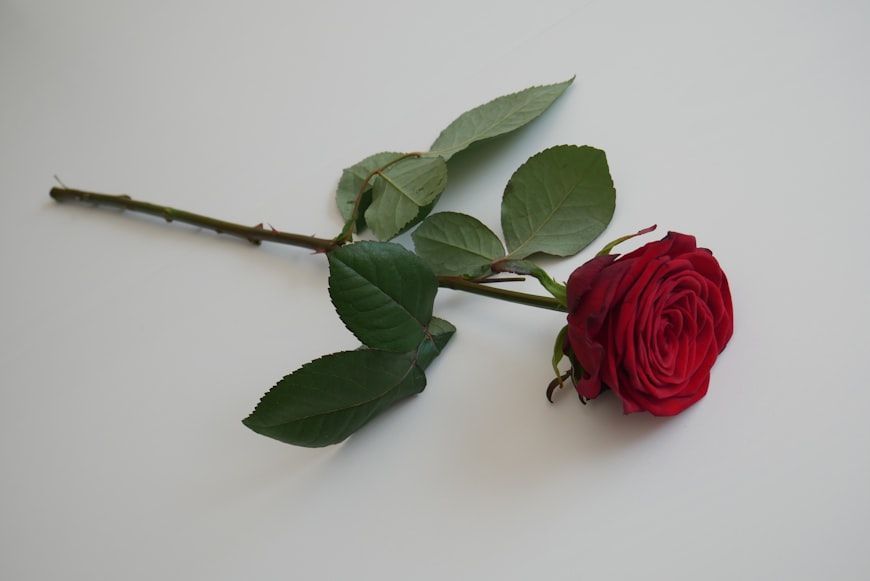
The main fairytale behind this Disney classic is of French origin. In it, the reason for Belle’s arrival at the castle is quite different: her father steals a rose from the Beast’s garden and is imprisoned. Belle’s sisters blame her for their father’s misfortunes and demand that she stay in his place. She goes to the castle, filled with invisible servants, where the Beast tries to make her fall in love with him. After being allowed to visit her family, she returns to find the Beast dying. After professing her love, the Beast turns into a prince, and they live happily ever after.

8

Frozen

Image: Carmen Keuper

Loosely based on Hans Christian Andersen’s The Snow Queen, Disney’s Frozen turns a dark story featuring a villainous Queen into a tale of sisterly love. In the original story, Gerda (the inspiration behind the character of Anna) goes on a quest to rescue her friend Kai from the clutches of the evil Snow Queen. Ultimately, her tears are able to melt the ice shards in Kai’s heart and save him.

9

Pinocchio

Image: Rhamely

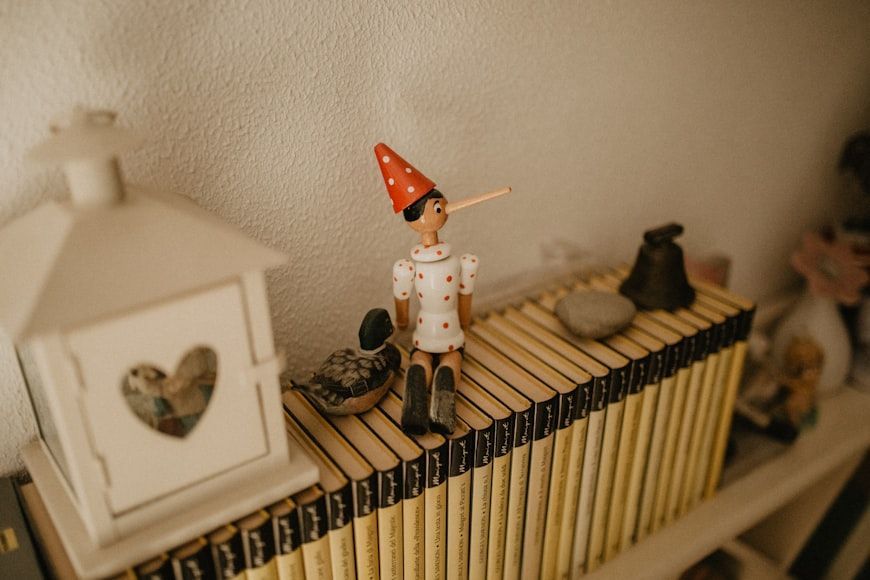
Inspired by the 1883 Italian novel The Adventures of Pinocchio by Carlo Collodi, the Disney movie gives us a much more tame version of the story. In the original, Pinocchio is rude and cruel. Often chastised by Jiminy Cricket, he ends up killing him and is punished in consequence. A moral tale about disobedience and laziness, the original Pinocchio is only able to turn into a human boy after working hard and learning to care for others.

10

Hercules

Image: Simone Pellegrini

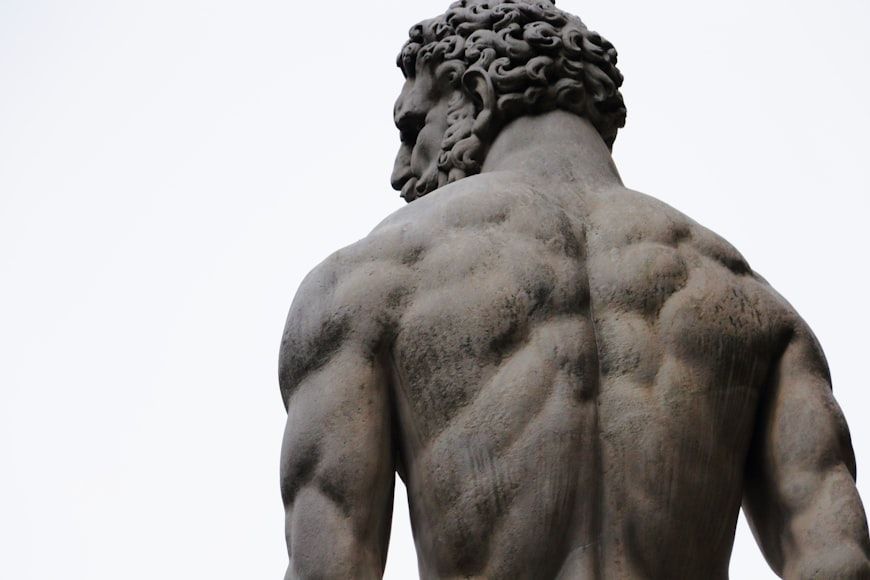
As with most mythological stories, the original tale of Hercules is quite tragic, and not the happy ending story presented by Disney. A product of the affair of Zeus with a mortal woman, Hercules is hated by Hera, Zeus’ wife, who drives him mad. While out of his mind, he murders his wife, Megara, and their children. To atone for this crime, he performs 12 seemingly impossible labours. In the end, Hercules dies after being poisoned, but he is eventually turned into a god by Zeus.


WAS IT A CAT I SAW?

12 Palindromes to Read Upside Down


Published on June 9, 2026


Image: Raphael Schaller

We all remember palindromes from our childhood years. Funny sentences that read the same forward as backward. Some are short, some incredibly long, and while some do make sense, most of them are surrealist, to say the least.

From the whimsical "A man, a plan, a canal, Panama!" to the succinct "Madam in Eden, I'm Adam," palindromes celebrate the beauty of the English language through simple symmetry and creativity. Join us in our humble journey across some examples of these linguistic oddities and remember one or two for your next dinner party.

1

Cigar? Toss it in a can. It is so tragic

Image: Valiant Made

The palindrome "Cigar? Toss it in a can. It is so tragic" embodies the clever wordplay that a palindrome can be. This particular phrase not only reads the same forward and backward, but it also weaves in a little narrative.

2

Go hang a salami, I’m a lasagna hog

Image: Mateusz Feliksik

The kind of sentence you could toss casually in a situation when lasagnas are in order (if you remember it), "Go hang a salami, I'm a lasagna hog" is a delightful linguistic creation that not only showcases the symmetry of palindromes but also injects humor into its backward and forward readability.

This phrase blends seemingly unrelated elements—a directive to hang salami and a declaration of being a lasagna hog—within the constraints of a palindromic structure.

3

Madam in Eden, I’m Adam

Image: Andreas Bodemer

A biblical palindrome, "Madam in Eden, I’m Adam" effortlessly weaves together linguistic symmetry and historical allusion. This ingenious phrase references the biblical tale of Adam and Eve in the Garden of Eden.

The palindrome cleverly plays with the names of the first man and woman and, in its brevity, invites readers to appreciate the subtle artistry of language. Beyond its structural elegance, "Madam in Eden, I’m Adam" shows how this kind of sentence can be a form of art in itself.

4

Murder for a jar of red rum

Image: Sergey Semin

A palindrome for pirates if there was ever one, "Murder for a jar of red rum" is a cryptic and intriguing linguistic puzzle, seamlessly blending morbid undertones with its playful symmetry.

Film buffs will recognize the clever reversal of "Red Rum," which spells "murder" backward, from the Stanley Kubrick movie The Shining, adding a layer of dark irony by transforming a seemingly innocent statement about acquiring a jar of red rum into a subtle nod to crime.

5

Was it a cat I saw?

Image: Manja Vitolic

Some palindromes are so fluently and naturally expressed that their symmetrical nature only makes itself noticed if the reader is paying attention and looking for such details. "Was it a cat I saw?" is one of those cases. Its linguistic riddle constructs a question that maintains its coherence when read backward.

The inquiry about seeing a cat introduces an element of doubt, prompting reflection on the nature of observation and memory in such a casual way that its palindromic nature takes the back seat.

6

Yawn a more Roman way

Image: David Libeert

How do Romans yawn? And why would they yawn in a different way from the rest of the world? Is it a better kind of yawn, perhaps more subtle or classical?

The palindrome "Yawn a more Roman way" is a clever play on words that not only showcases linguistic symmetry but also introduces a playful twist by encouraging the reader to yawn in a distinctly Roman manner. So, go ahead and give your best Roman yawn a try.

7

Sir, I demand, I am a maid named Iris

Image: Volha Flaxeco

Some of the best palindromes are able to suggest and outline a narrative in a few words. Who is this "Iris" and why is she so eager to communicate her role? The palindrome "Sir, I demand, I am a maid named Iris" masterfully weaves together symmetry and narrative.

This micro-story invites readers to envision a spirited maid asserting her identity to a gentleman named simply Sir, as a linguistic vignette.

8

Eva, can I see bees in a cave?

Image: Meggyn Pomerleau

Another palindrome with biblical undertones, albeit in an even more surrealistic way, "Eva, can I see bees in a cave?" skillfully encapsulates the essence of linguistic symmetry and imaginative inquiry. The juxtaposition of the delicate and industrious bees with the dark, enclosed space of a cave adds a layer of surrealism.

9

Do geese see God?

Image: Gary Bendig

A question as poetically beautiful as concise, "Do geese see God?" presents a contemplative inquiry, seamlessly blending linguistic symmetry with a philosophical undertone. Beyond its structural elegance, this palindrome poses a question about divine awareness and the spirit (or lack thereof) of animals who fly for long distances and are more familiarized with the clouds and their inhabitants than any commercial airline pilot.

10

Some men interpret nine memos

Image: Paper Textures

Why nine and not ten or eight? Are men more or less capable of memorizing memos than women? The palindrome "Some men interpret nine memos" unfolds as a linguistic statement about the ability to recollect information of some men.

Beyond its symmetrical structure, this sentence sparks a sense of curiosity, prompting readers to reflect on the possible significance of these memos and the diverse ways in which individuals interpret information. If faced with the need to remember nine memos, would you be able to do it?

11

Step on no pets

Image: Matthew Henry

The type of sentence one would expect to find in a sign with bold letters in a pet shop that somehow lets its dwellers roam freely about the space, "Step on no pets" is a palindrome that can be also read as a gentle encouragement to treat other smaller beings kindly.

12

No lemon, no melon

Image: Eggbank

You can't have the sweet without the bitter. Perhaps that is the wisdom behind the palindrome "No lemon, no melon." A sentence succinct yet unassumingly clever that slides off the tongue without a single harsh consonant.

Unless purely accidental, palindromes are usually sentences that don't make much sense and focus instead on their symmetry, relegating their message to a back seat. But a case like "No lemon, no melon" happily escapes such destiny, with its message of responsibility and work before play.

Looking for an extra scoop of literary fun?

Learn more with our Word of the day

scattered

/ˈskædərd/