Beloved lyrics

The time the Rolling Stones wrote one of the deepest thoughts ever sung


Published on October 24, 2026


Image: Hanna-J

Paul Anka was terrified when he sat down to write the lyrics for a song that Frank Sinatra would be singing. Jokingly, he started with a dramatic, "And now, the end is near…" The rest is history. Who are the people who pen the words that others will spend decades repeating? How did they come up with words so precise and true that listeners would compare them with those of great philosophers? Here are 10 of people’s favorite lyrics of all time, decoded.

1

"For what is a man? What has he got?"

Image: Arthur D'Amario III

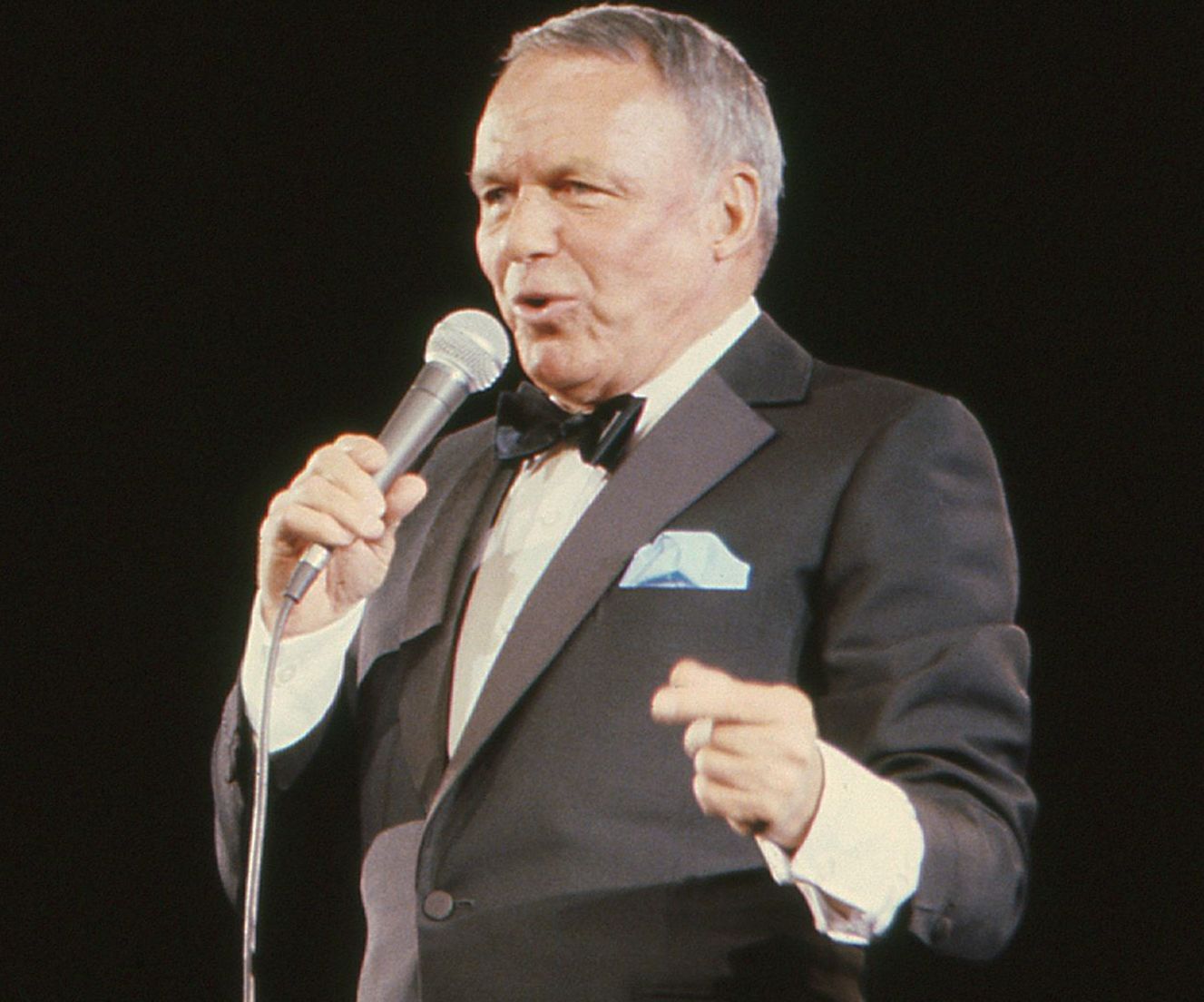
"For what is a man? What has he got? If not himself, then he has naught." The melody of "My Way" wasn't originally American. It began as a French song called Comme d'habitude, a number about a couple stuck in a stale marriage. Paul Anka heard it on the radio while in France and bought the rights on the spot, before he had any use for it.

That use arrived at a dinner in Miami, when Sinatra told him, almost in passing, that he was quitting the business. Anka flew home, sat down at a typewriter, and spent one night writing lyrics as if Sinatra himself were speaking them. Sinatra recorded it in two takes and later called it his "national anthem," and many agreed; Anka had written the exact words one wants to belt while closing an episode of their life.

2

"Life is what happens to you…"

Image: Public Record Office of Northern Ireland, No restrictions, via Wikimedia Commons

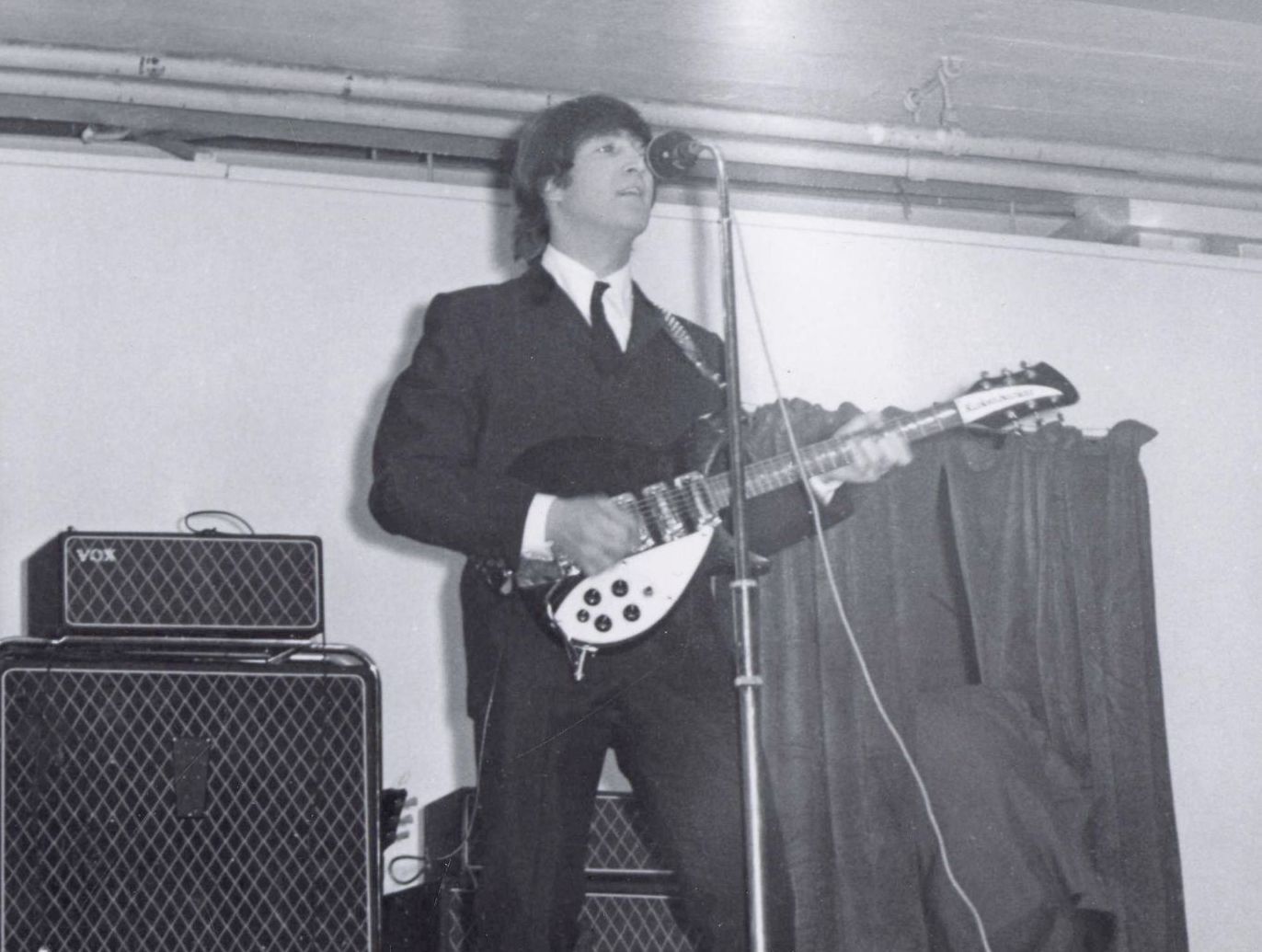
In "Beautiful Boy (Darling Boy)," John Lennon wrote: "Life is what happens to you while you are busy making other plans." But the phrase originated with American writer and cartoonist Allen Saunders, who published it in a 1957 issue of Reader's Digest ("Life is what happens to us while we are making other plans").

The line outlived everything else about the song, repeated at graduations and eulogies for decades since. Lennon was murdered shortly after the album's release, which means the song now carries a weight of hindsight neither he nor his listeners could have intended at the time.

3

"How many roads must a man walk down…"
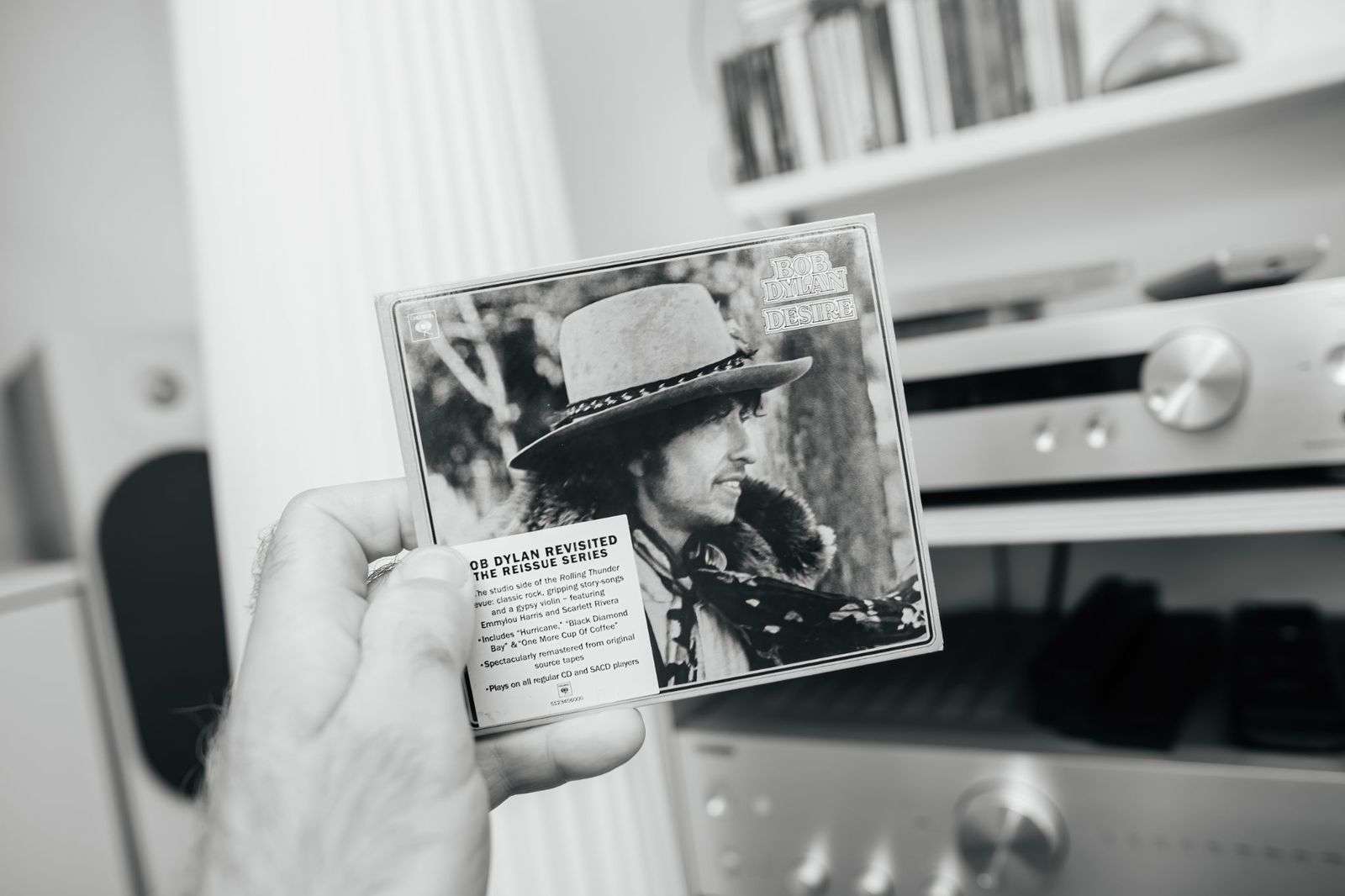
Image: Hadrian

"How many roads must a man walk down before you call him a man?" A young Bob Dylan wrote "Blowin' in the Wind" in 1962. He later claimed he wrote the entire song in about ten minutes at the Gaslight Cafe in Greenwich Village, borrowing its melody from the old spiritual "No More Auction Block." He was twenty-one, barely a year into his New York career, and insisted at the time it wasn't a protest song at all.

The song never answers its questions, but keeps asking them. First published in the folk magazine Broadside in May 1962, it became the unofficial anthem of the civil rights and antiwar movements once Peter, Paul and Mary's cover shot to number two on the charts in 1963.

4

"And in the end, the love you take…"

Image: Jim Summaria, CC BY-SA 3.0, via Wikimedia Commons

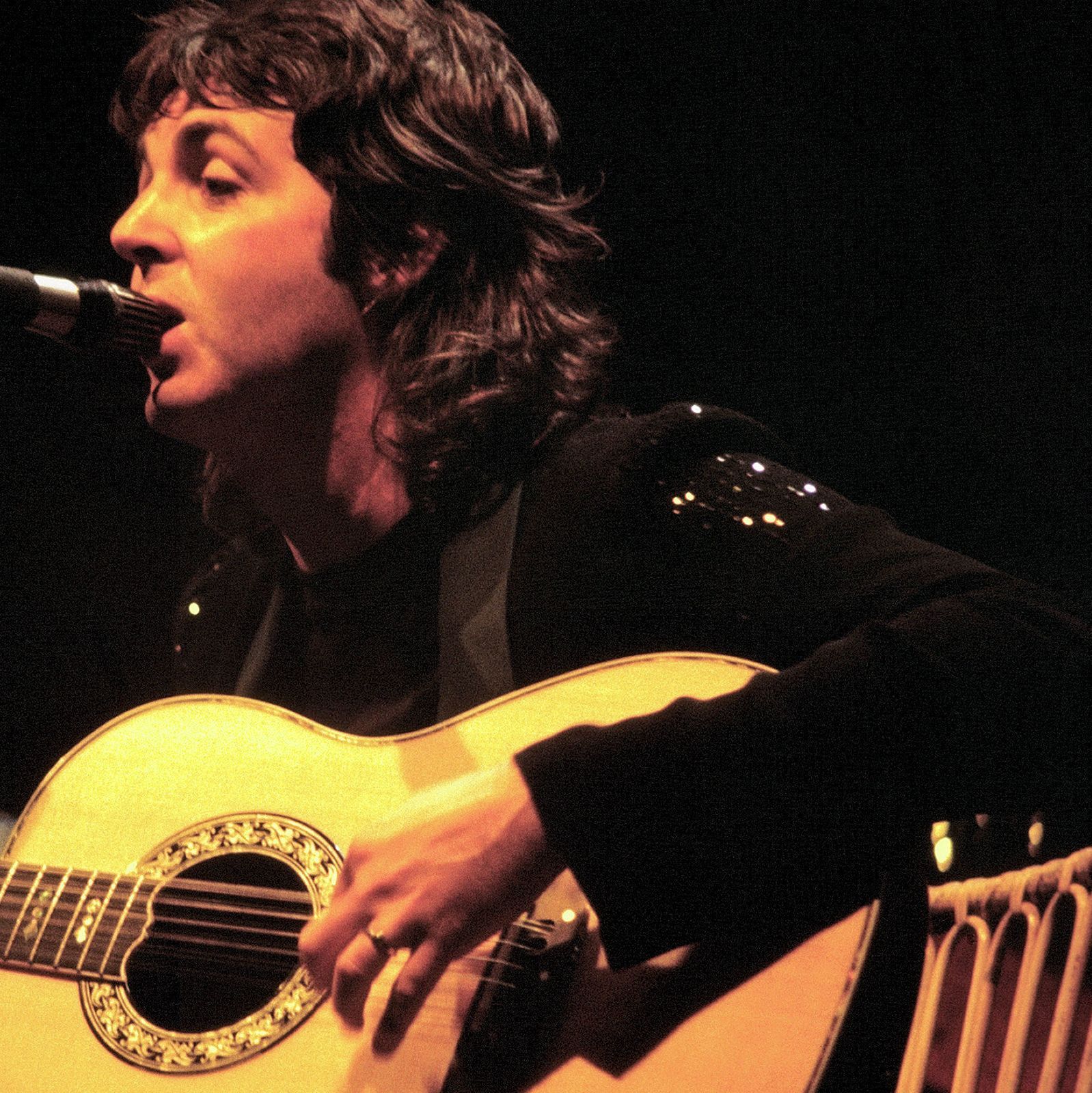
"... is equal to the love you make." This is the last song the four Beatles ever recorded together, and Paul McCartney built it deliberately as a farewell. He gave Ringo Starr his only drum solo in the band's history, a fight McCartney had to win through what he called "gentle persuasion," since Starr detested solos on principle.

For the closing line, McCartney said he'd been thinking about Shakespeare, who often ended a scene with a rhyming couplet so the audience would know it was truly over. Even John Lennon, who generally disliked the Abbey Road medley and rarely praised his old partner's work by 1980, admitted the closing thought was "a very cosmic, philosophical line."

5

"They’re sharing a drink they call loneliness…"
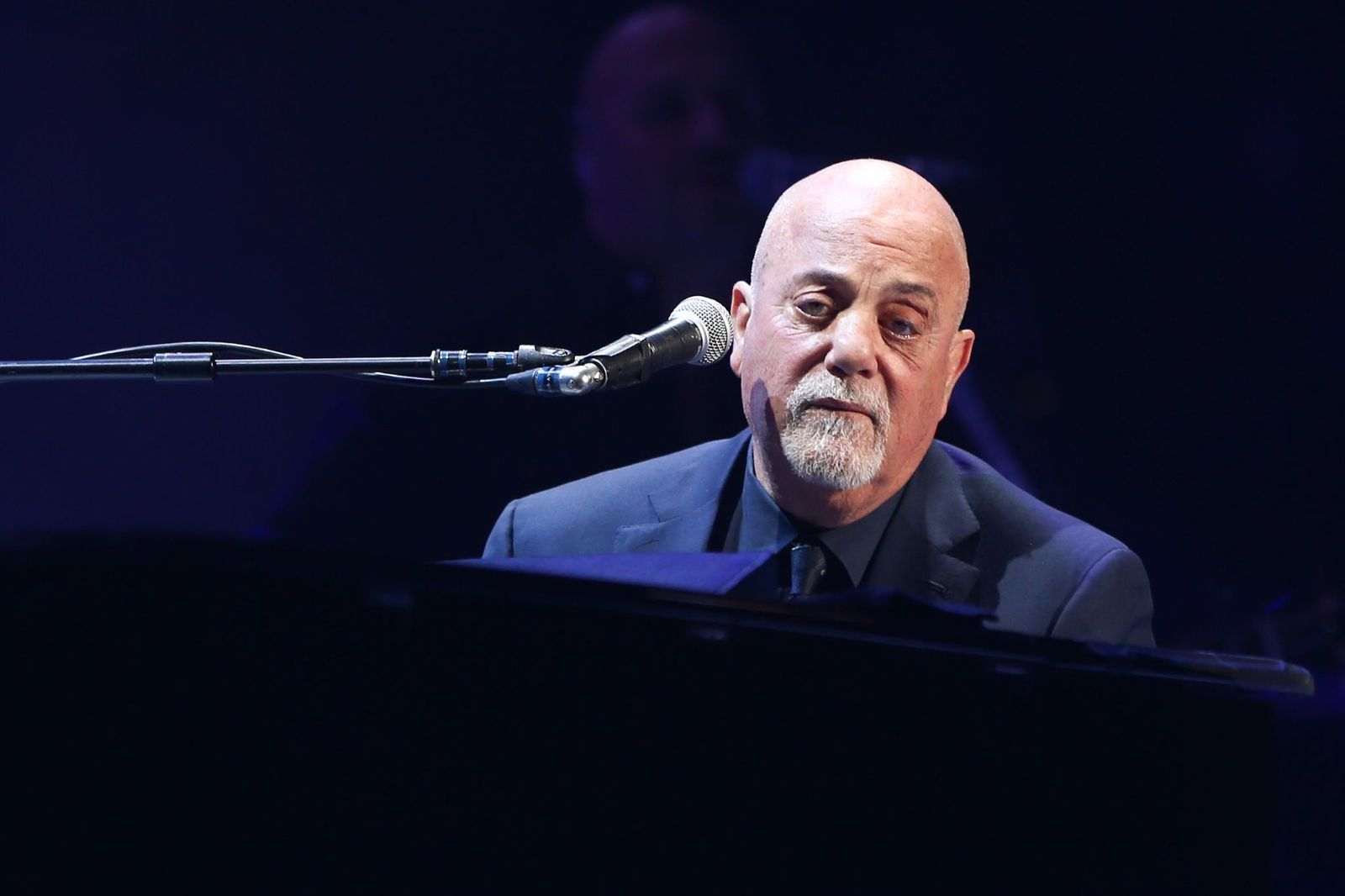
Image: Debby Wong

"... but it’s better than drinking alone." "Piano Man", by Billy Joel, narrates a song in which the character is real. Joel wrote it about the six months he spent playing piano under the fake name "Bill Martin" at a Los Angeles lounge called The Executive Room. Even the waitress "practicing politics" was Elizabeth Weber, the woman who'd soon become his wife.

Joel wrote it while hiding out from a record label he was desperate to escape after his debut album flopped. It became a bittersweet anthem that many people love singing with others; it seems like, as the song suggests, singing sorrows together at the bar is better than feeling them at home.

6

"I've looked at love from both sides now…"
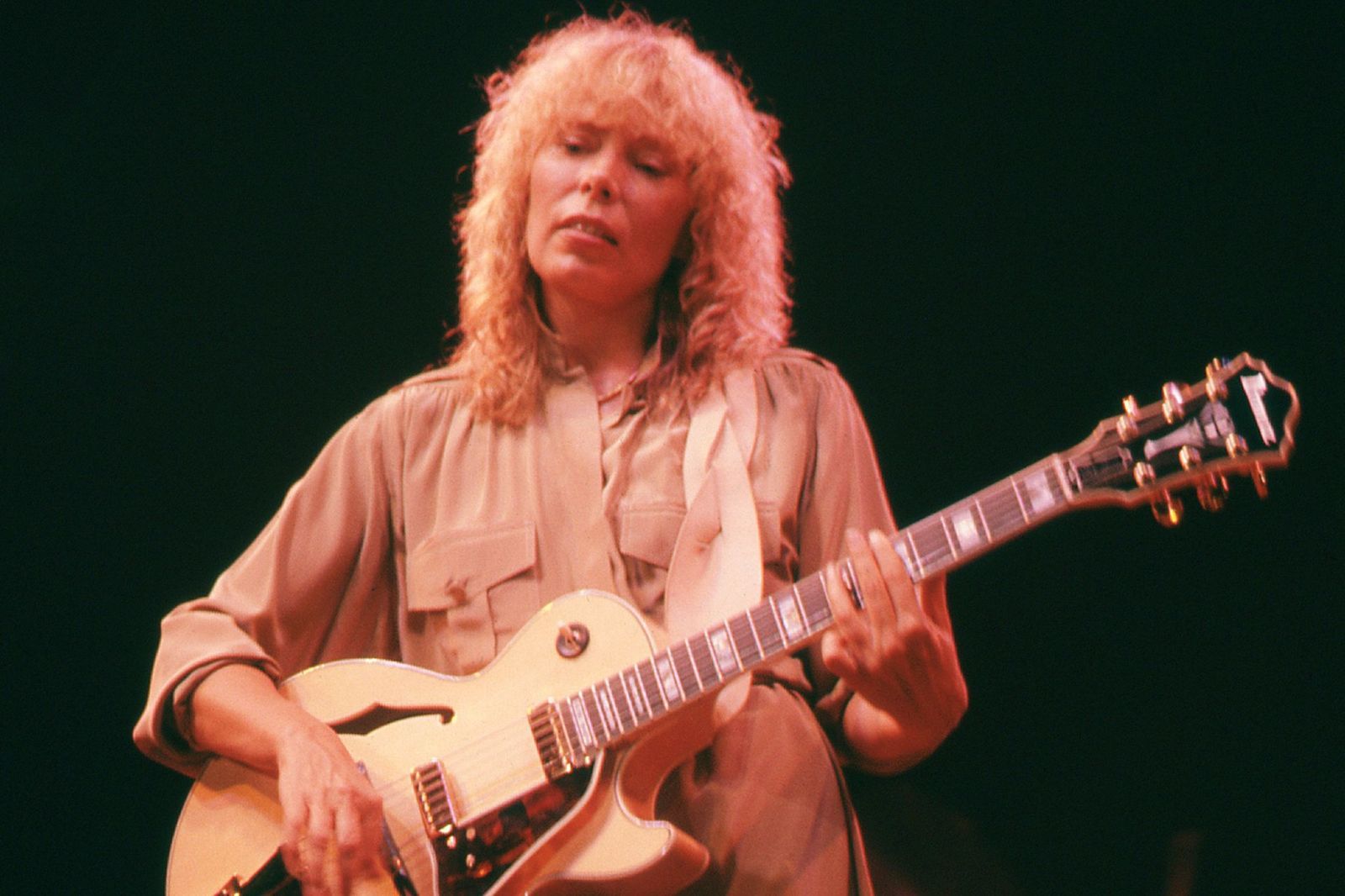
Image: Arthur D'Amario III

The whole song "Both Sides Now," by Joni Mitchell, is often quoted as a deeply philosophical observation of life. It concludes that some mysteries of life are as unknowable as the clouds, or love, despite accumulating experience.

When she wrote it, Mitchell had recently given up a daughter for adoption after being left by the child's father. She was twenty-three, mid-flight, after a passage in Saul Bellow's novel Henderson the Rain King described its narrator looking down at clouds from an airplane, something human eyes had only been able to do for a few decades. Judy Collins released it first in 1967 and won a Grammy for it; Mitchell's own version didn't appear until her 1969 album Clouds.

7

"I’d trade all of my tomorrows for one single yesterday"
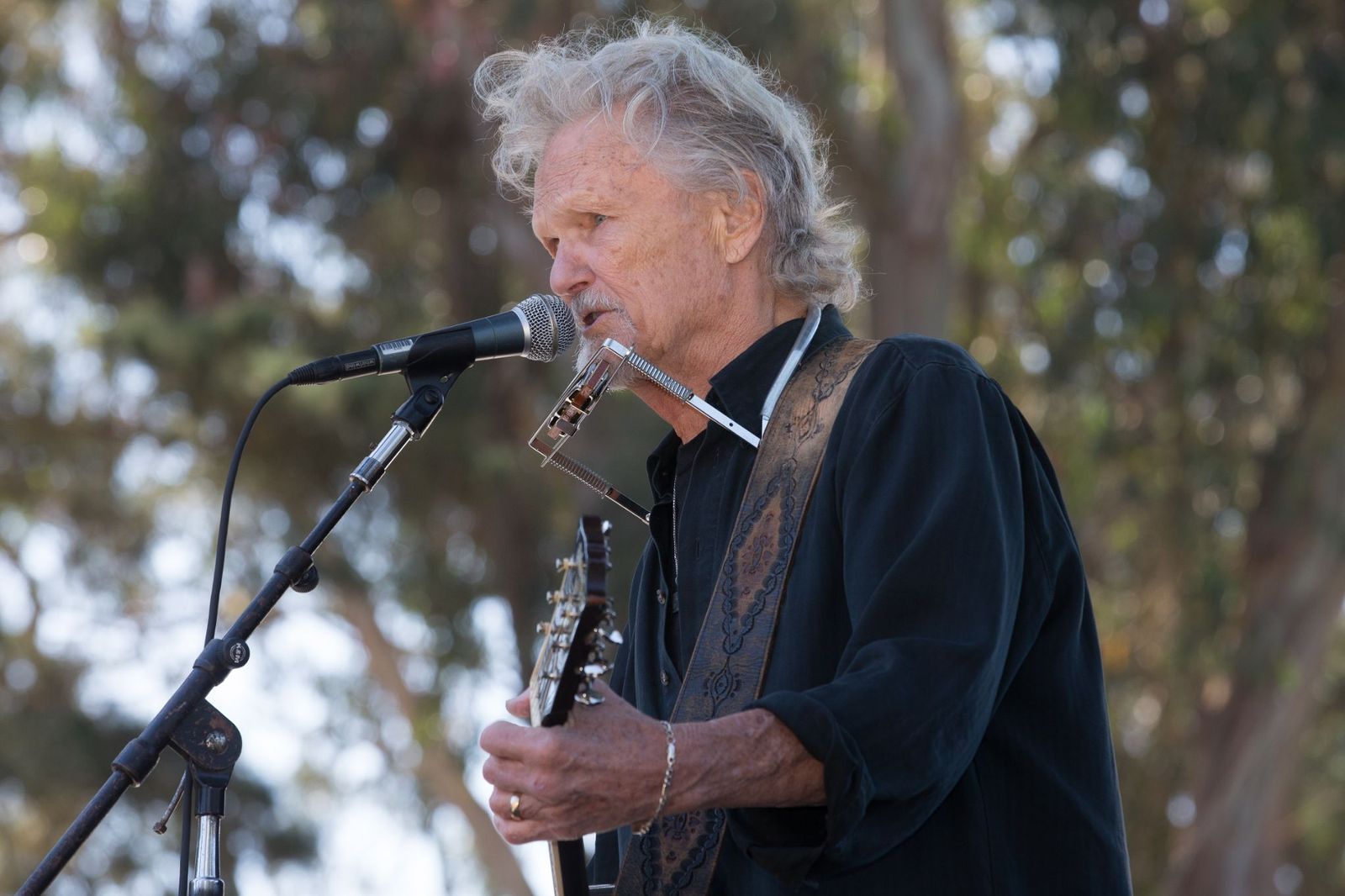
Image: Sterling Munksgard

Kris Kristofferson’s song, "Me and Bobby McGee", contains one of people’s favorite quotes from song lyrics. Its title came from producer Fred Foster, who suggested Kristofferson write a song about his colleague's secretary, Barbara "Bobbie" McKee.

Its most quoted idea about freedom and loss was inspired, Kristofferson later said, by the final scene of Fellini's La Strada, in which a man realizes too late what he threw away. Roger Miller released it first, but it was Janis Joplin's posthumous 1971 recording, finished mere days before her death, that turned it into a number one hit and an accidental epitaph.

8

"But time makes you bolder, even children get older…"

Image: L Paul Mann

"... and I'm getting older too." Nicks says she wrote "Landslide" in about five minutes, sitting in a rented house in Aspen while her partner and musical collaborator, Lindsey Buckingham, was on tour rehearsing with the Everly Brothers. The song's real subject isn't romance, but the vertigo of watching time pass. She was twenty-seven, broke, working as a waitress and a cleaner, and their duo album had just been dropped by its label.

Looking at the snow on the Rockies, she found herself deciding whether to keep chasing music at all. Three months later, Mick Fleetwood heard Buckingham's guitar work on a demo and invited the pair into Fleetwood Mac, which changed their lives. The song has now aged into an anthem for anyone facing a hinge point in their own life.

9

"You can't always get what you want…"

Image: Kari Pulkkinen, Public domain, via Wikimedia Commons

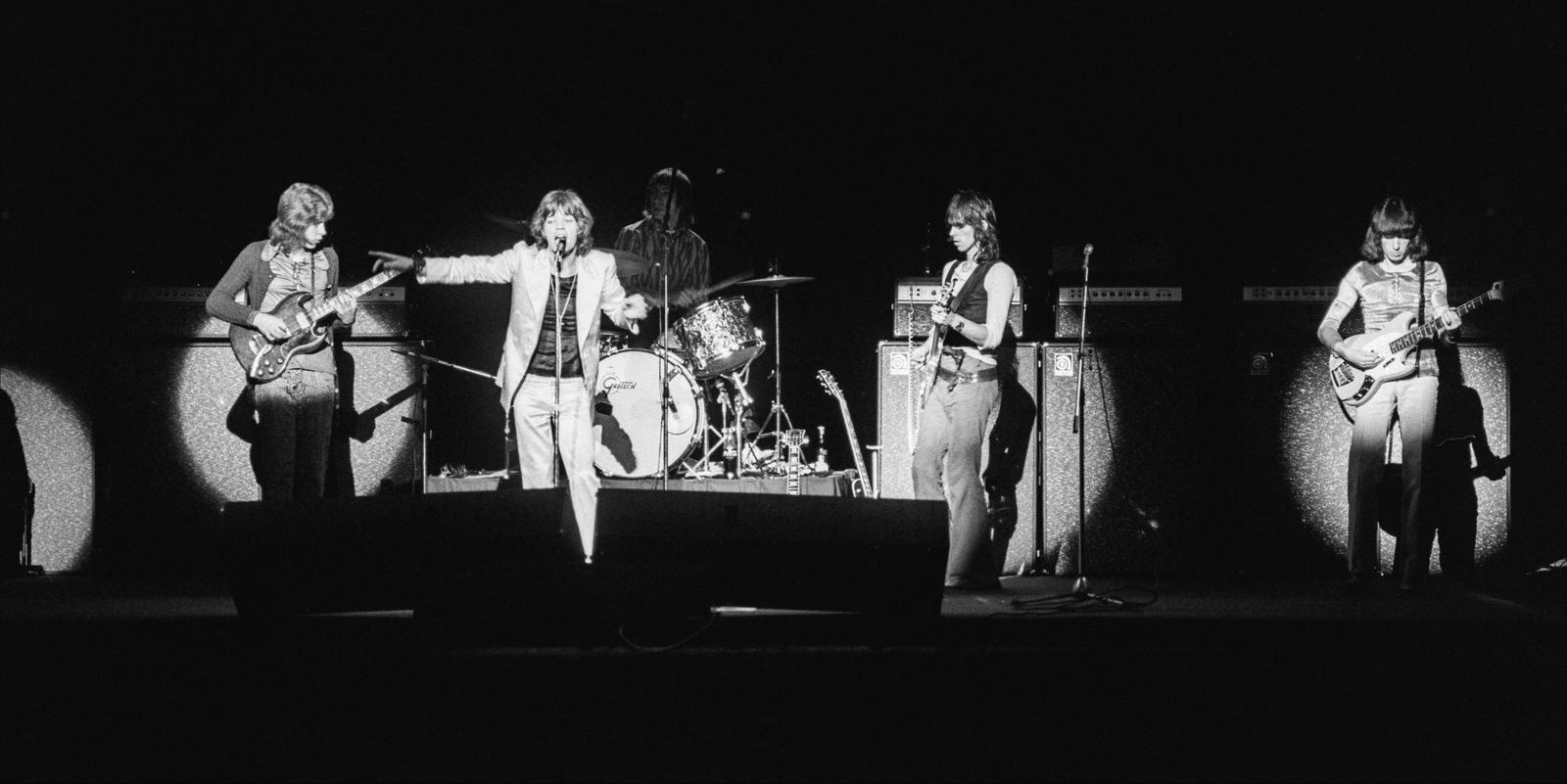
"You can't always get what you want, but if you try sometime you'll find you get what you need." Mick Jagger sketched this one alone on an acoustic guitar, calling it "one of those bedroom songs." It closed 1969's Let It Bleed just as the decade's peace-and-love optimism was cracking.

The song is upbeat and simple, and unexpectedly insists on an idea of acceptance or surrender that has more to do with Stoic philosophy than with pop rock optimism. But the listeners liked it, and many quote it often.

10

"There is a crack in everything…"

Image: Route66

"...that's how the light gets in." Leonard Cohen worked on "Anthem" for roughly a decade, discarding draft after draft, before it finally appeared on his 1992 album The Future. He wasn't a man given to explaining his own lyrics, having spent years training as an ordained Zen Buddhist monk and generally preferring silence to self-analysis.

But "Anthem" has the clearest statement of a philosophy he'd circled his entire career: that brokenness can give way to grace. It has since been invoked by human rights activists, quoted at protests, and performed at civic ceremonies.


Master of wordplay

Are you a night owl? 10 words coined by Shakespeare you need to know


Published on October 24, 2026


Image: Taha

It’s not always possible to attribute the origin of a precise word to a particular person. However, it is believed that William Shakespeare contributed more than 1,700 terms and expressions to the English language, many of which we still use today. The way Shakespeare invented, reused, and modified words is a living testament to his creativity and innovation. In this article, we have handpicked 10 words and phrases that you probably didn’t know were coined by the genius English poet and playwright. And the next time you use them, remember that you are following in the footsteps of a true linguistic legend!

1

Lonely

Image: William Shakespeare, CC0, via Wikimedia Commons

Loneliness is a sentiment we can all relate to. Who hasn't felt lonely at some point? Feeling sad about being apart from others is universal. But the interesting thing is that this word, which we use frequently in the English language, was first introduced in a play by William Shakespeare.

Written between 1605 and 1608, Coriolanus is a tragedy set in the earliest days of the Roman Republic. In the first scene of Act 4, General Coriolanus, speaks to his mother Volumnia, who tries to convince him not to attack Rome, and says: "Believe 't not lightly-though I go alone, / Like to a lonely dragon that his fen."

2

Good Riddance

Image: planet_fox

Thanks to William Shakespeare, we have a polite and decent idiom to express we are happy and relieved to see someone leave without resorting to insults and rudeness. What a treat! Although riddance is practically an obsolete term in modern English, the expression "good riddance" has stood the test of time.

Shakespeare first used it in The Merchant of Venice when Portia says to the Prince of Morocco: "A gentle riddance! Draw the curtains, go, / Let all of his complexion choose me so." In this case, the phrase didn’t have the ironic connotation that it would acquire later and that we still use today. That aspect would come with Patroclus' comment in Troilus and Cressida replying to Thersites' insolence when he finally leaves: "A good riddance."

3

Gossip

Image: DangrafArt

The word gossip has a long and intricate history. It is believed to derive from the combination of the Old English word sibb, meaning "relative", and the word god. The term godsibb was used to refer to a person spiritually related to another, that is, a godparent. A few centuries later the word evolved into its current form, gossip, and its meaning was extended to anyone who liked to talk about other people's private lives.

However, the verb form we use today, to gossip, is entirely due to Romeo and Juliet's creator. It was Shakespeare who first used the term as a verb in three of his comedies: The Comedy of Errors, All's Well That Ends Well, and A Midsummer Night's Dream. Well, no wonder—a good writer is, at heart, a great gossip.

4

Brave New World

Image: William Shakespeare, CC0, via Wikimedia Commons

You may be familiar with this line from Aldous Huxley's famous book published in 1932. But the truth is that Huxley borrowed the title for his dystopian novel from Shakespeare. The English playwright used the phrase ironically for the first time in his play The Tempest. The naïve Miranda, confined since childhood to an island with no contact with men other than her father, says upon seeing some sailors: "O wonder! / How many goodly creatures are there here! / How beauteous mankind is! O brave new world, / That has such people in 't."

Today, we use the phrase in the same cynical and ironic way Shakespeare conceived it more than 400 years ago. When something is about to change in history or society but we are not quite confident about the outcome, "brave new world" comes to mind, and it is impossible to resist using it. At least now we know its origin!

5

Hazel

Image: Luk_Wro

Romeo and Juliet is a symbol of romantic love and is a story that has been adapted thousands of times in literature, film, television, and music. The words used by Shakespeare to describe the landscapes of Verona and the characters’ physical attributes are unforgettable and have remained in the memory of readers for centuries. Even when we are not aware that many of those words were invented or put on paper for the first time under the pen of the genius playwright!

"Thou wilt quarrel with a man for cracking / nuts, having no other reason but because thou / hast hazel eyes. What eye but such an eye would spy / out such a quarrel?" says Mercutio. This is the earliest record of the word hazel in reference to a color, in this case, to describe Romeo’s eyes. Fun fact: in the Elizabethan period, it was considered a reddish-brown color, rather than the greenish-brown we think of today.

6

Night Owl

Image: Jez Timms

Do you consider yourself a nocturnal person? Someone who prefers to be active at night rather than during the day? If so, you are probably a night owl! But did you know that Shakespeare was the first to use the expression figuratively to describe people keen on nightlife?

In classical literature, the owl was an animal with negative connotations and was typically associated with bad omens. In Shakespeare's plays, they appear frequently, usually to announce that something bad is about to happen. However, in the narrative poem "The Rape of Lucrece," the night owl refers directly to a person: "The dove sleeps fast that this night-owl will catch: / Thus treason works ere traitors be espied." We’ve all felt a bit like a night owl at one time or another, but fortunately, nowadays the expression doesn't carry that negative connotation.

7

Bandit

Image: Matt Riches

Shakespeare's fascination with Italy is well known. Renaissance literature was profoundly influenced by the ideas, styles, and themes that emerged in Italy during this period. In the case of Shakespeare, the Italian influence is evident in the settings, themes, characters, and language of his plays.

In the same way that the author recovered terms and expressions from Old English, he also adapted words from other languages that were later incorporated into the popular lexicon. This is the case of the word bandit, which derives from the Italian bandito and literally means "one who is banished," referring to an outlaw who lives by stealing and other misdeeds. The first written record of bandit can be found in the play Timon of Athens.

8

Green-Eyed Monster

Image: Alexander Garcia

Jealousy is a common human emotion that can eat away at a person. Literature has dealt with this topic in many ways, and Shakespeare is one of the authors who has done it most brilliantly. In fact, he coined a term to describe people who suffer from such deep jealousy that they can cause harm to others and themselves: the "Green-Eyed Monster."

In The Merchant of Venice, The Bard had already linked the color green with envy when Portia says: "And shudd'ring fear, and green-eyed jealousy!". Then, in Othello, the arch-villain Iago warns the protagonist, who is blind with jealousy over his wife Desdemona's alleged affair with Cassio: "O, beware, my lord, of jealousy! / It is the green-eyed monster which doth mock / The meat it feeds on."

9

Jessica

Image: Pixabay

William Shakespeare not only invented words, turned nouns into verbs, and added prefixes, but he's also credited with having coined a few female names that are still very popular today. Miranda, Olivia, Cordelia, and Imogen are just some of them.

This is also the case with Jessica, who first appears in The Merchant of Venice as the rebellious daughter of Shylock. As was his habit, it is believed that the author anglicized a biblical name from the Old Testament —possibly 𝘠𝘪𝘴𝘬á𝘩. Some years later, in the late 18th century, people in Britain began naming their daughters Jessica after the Shakespearean character. Fast forward to this day, the name has crossed the pond, and chances are you have a friend or cousin named Jessica.

10

Unfriend

Image: VariousPhotography

Shakespeare loved to play with language: he invented words, redefined others, and gave new life to thousands of forgotten terms and expressions. As far as we know he especially liked to add the prefix un-. He created or gave new meanings to more than 300 words that begin with it, such as unaware, unreal, uncomfortable, and undress. One of the most curious words in this group is unfriend.

Although the word already existed, it had not been used as a verb before the 17th century. The English author includes it in several of his works to refer to someone who has been left alone, without friends. For example, it appears in the romantic comedy Twelfth Night and King Lear: "Will you, with those infirmities she owes, / Unfriended, new-adopted to our hate." In the 21st century, the term had a revival with the advent of Facebook. Shakespeare could never have imagined the rise of social media, but he would surely be happy that his contributions to language are still relevant today.

Looking for an extra scoop of literary fun?

Learn more with our Word of the day

incorrigible

/ɪnˈkɔrədʒəb(ə)l/