Prohibition roots
The real McCoy: You still use Prohibition-era slang without realizing it
Published on June 21, 2026
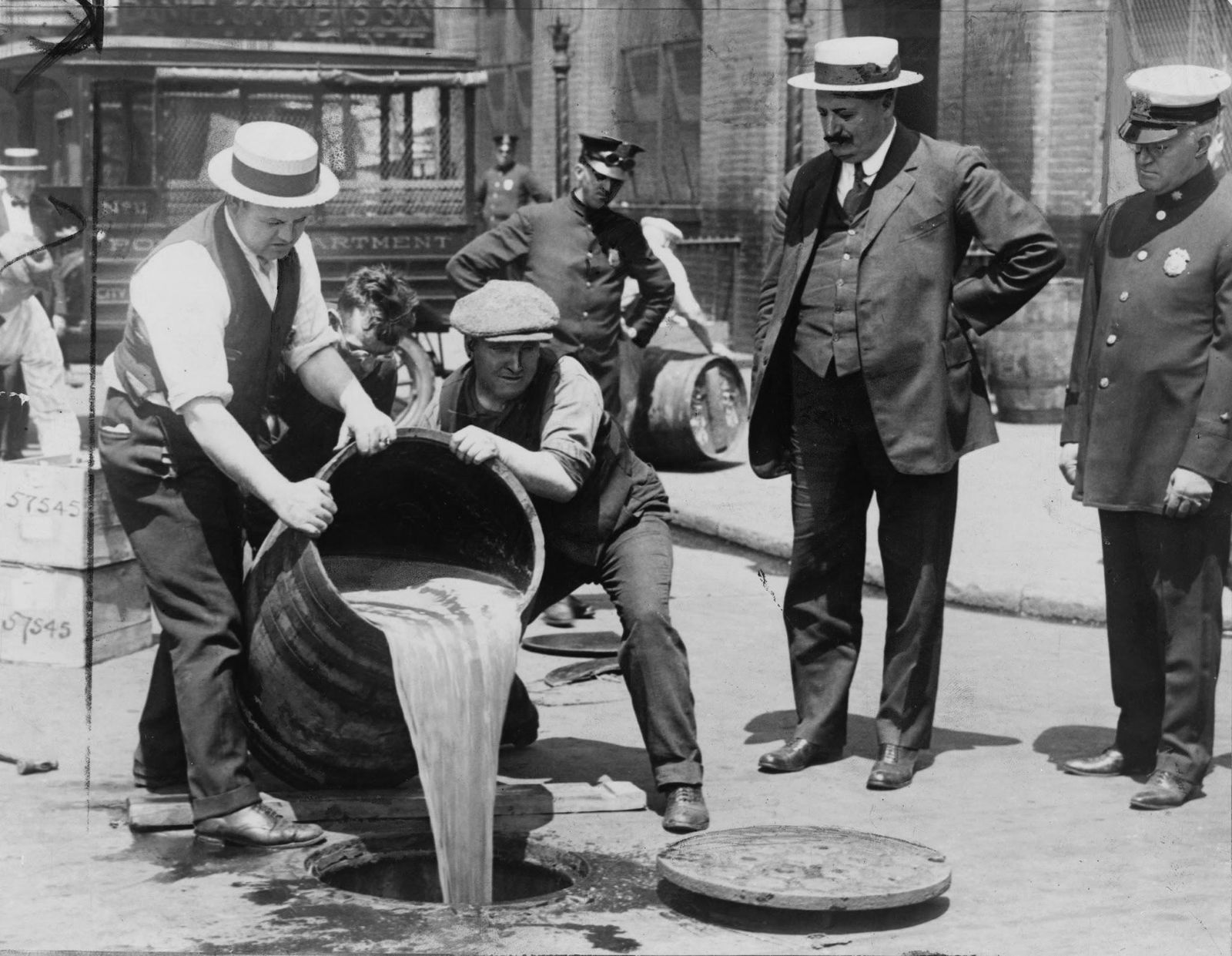
Everybody knows what people mean when they talk about "moonshine," but do you really know where that name comes from? We often hear someone say something is "the real McCoy," or a friend mentions they’re "on the wagon." The thing is, behind these familiar phrases is a hidden piece of American history. Even if you’ve never set foot in a speakeasy, chances are you’ve been using words that were born or popularized during Prohibition (1920 to 1933). Here’s the story behind them: how they started, what they meant back then, and how they’ve survived in everyday American conversation for over a century.
Speakeasy
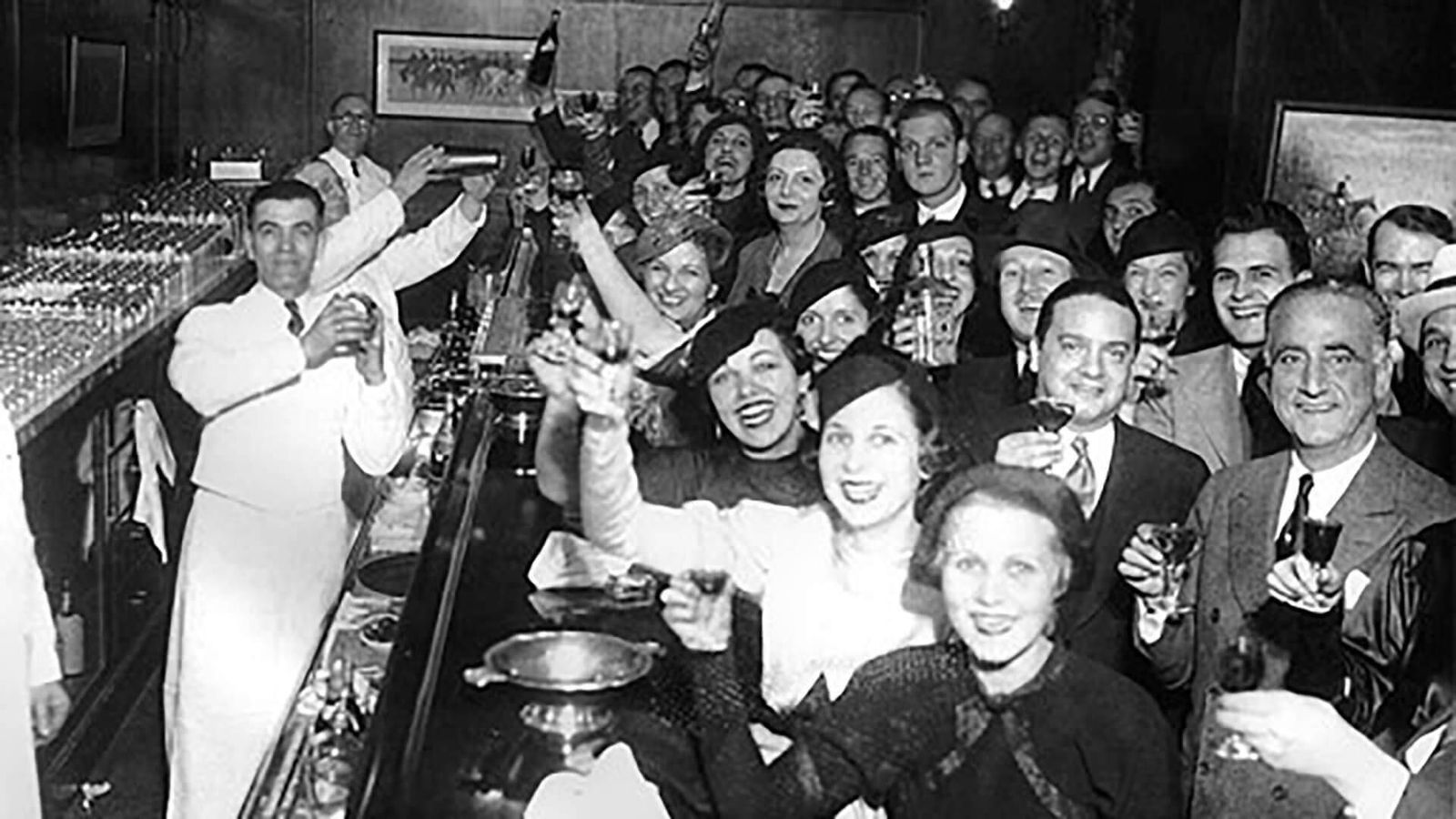
Picture a hidden basement bar packed with people drinking, laughing, and trying not to attract attention. Somewhere in the crowd, the bartender warns a noisy customer to "speak easy" so the authorities outside won’t hear. From that old habit came one of the terms most closely tied to Prohibition: the "speakeasy."
Already in use by the late 19th century, "speakeasies" originally referred to places that sold alcohol without a license. But during Prohibition, when bars didn’t disappear but simply went underground, the term became famous across America. Today, the word still carries that same meaning, though it’s also widely used by modern bars and restaurants trying to recreate the jazz-age atmosphere and glamour of the Roaring Twenties.
Moonshine
You’ve probably heard the term "moonshine" countless times in movies, documentaries, advertisements, or even everyday conversation. But most people rarely stop to think about where the word actually comes from.
"Moonshine" was already widely used in the early 1800s in the United States to refer to illegally distilled homemade alcohol, and it became even more common during the Prohibition era after 1920, for logical reasons. But what does the light of the moon have to do with a drink? The answer is simpler than you might think: people who made it illegally often worked at night, using only the moonlight to avoid being caught. Today, "moonshine" still refers to homemade alcohol, but it’s also used more loosely for strong, homemade-style liquor or modern spirits inspired by traditional recipes.
The real McCoy

An antique watch, a painting, a piece of jewelry, or even a jersey worn by a famous player: all of these can be "the real McCoy." The term is used in everyday language to describe something genuine, authentic, or high quality, but why do we call it that?
In use since the 19th century, there are several theories about its origin. One of the most common links is to Elijah McCoy, a Canadian-American engineer who, in 1872, created a highly reliable engine lubrication system. It was so effective that buyers reportedly began asking for "the real McCoy" to avoid cheaper imitations. But the story that interests us most here is that of Bill McCoy, a Prohibition-era rum-runner known in the 1920s for refusing to dilute his liquor. It’s believed that his reputation for selling "the good stuff" may have helped reinforce the phrase during that time.
Hooch
"Hooch" is a slang word used to describe homemade or low-quality liquor, though that wasn’t always its original meaning.
After the United States purchased Alaska in 1867, the government attempted to ban alcohol production from native communities. In response, members of the Tlingit community created a strong homemade drink known as Hoochinoo, made with ingredients like molasses, sugar, and yeast. The liquor became popular among miners and hunters, who eventually shortened the name to simply "hooch." Over time, the term came to refer to almost any illegally made or very strong alcohol, and eventually also became associated with liquor considered cheap or of poor quality.
On the wagon
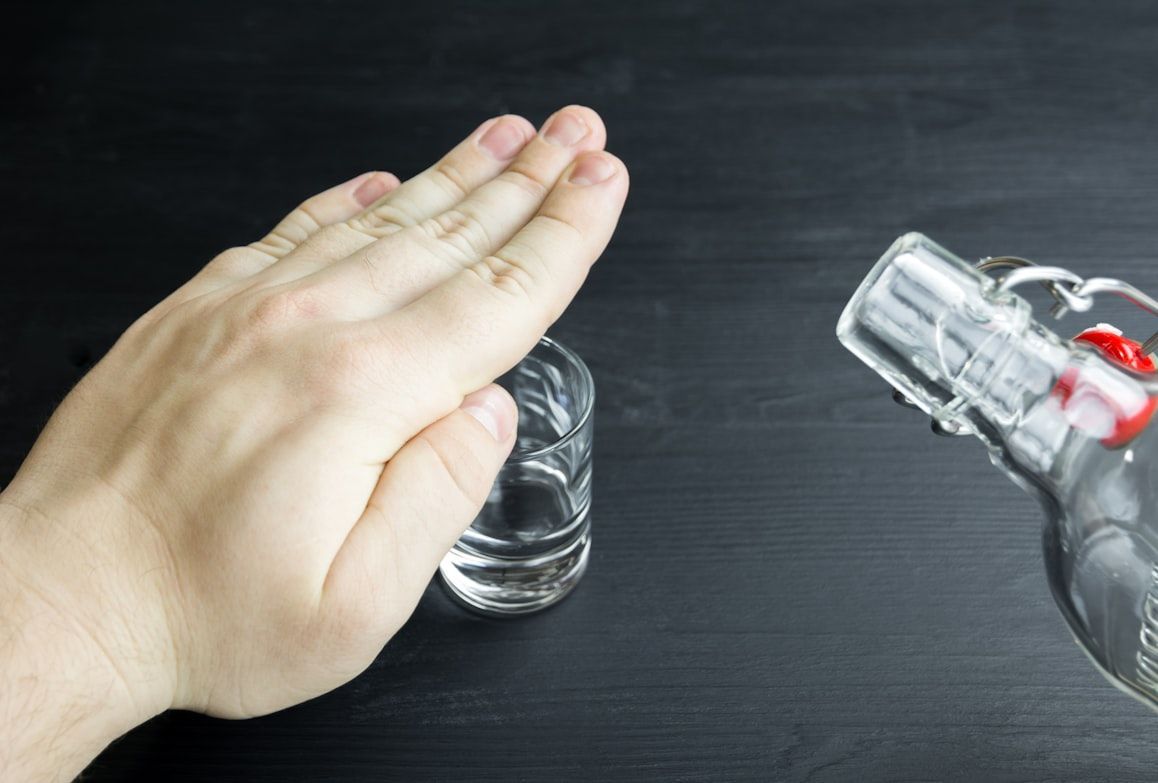
Have you heard a friend turn down a drink by saying they’re "on the wagon"? It’s still a widely used expression today, but few people know where it actually comes from.
The phrase began appearing in the US in the late 1800s and became especially popular during the Prohibition era. But what does giving up alcohol have to do with a wagon? One of the most accepted explanations traces it back to the horse-drawn water wagons that traveled through dusty American streets in the late 19th and early 20th centuries. People who promoted moderation or abstinence allegedly joked that they would rather drink water from those wagons than alcohol. Before long, being "on the water wagon" was shortened to simply "on the wagon."
Dry/ Wet
Have you ever heard an American town described as "dry," but not because of its climate?
Long before the 18th Amendment established Prohibition in 1920, the United States already had a powerful temperance movement made up of people who campaigned against alcohol consumption and pushed for nationwide bans on its sale. By the late 1800s and early 1900s, supporters of alcohol prohibition became known as "Drys," while anti-prohibitionists, brewers, and saloon owners were called "Wets." The terms quickly became part of everyday American political language. Entire states, counties, towns, politicians, and even newspapers were labeled "dry" or "wet" depending on their position on alcohol laws.
Blind Tiger / Blind Pig
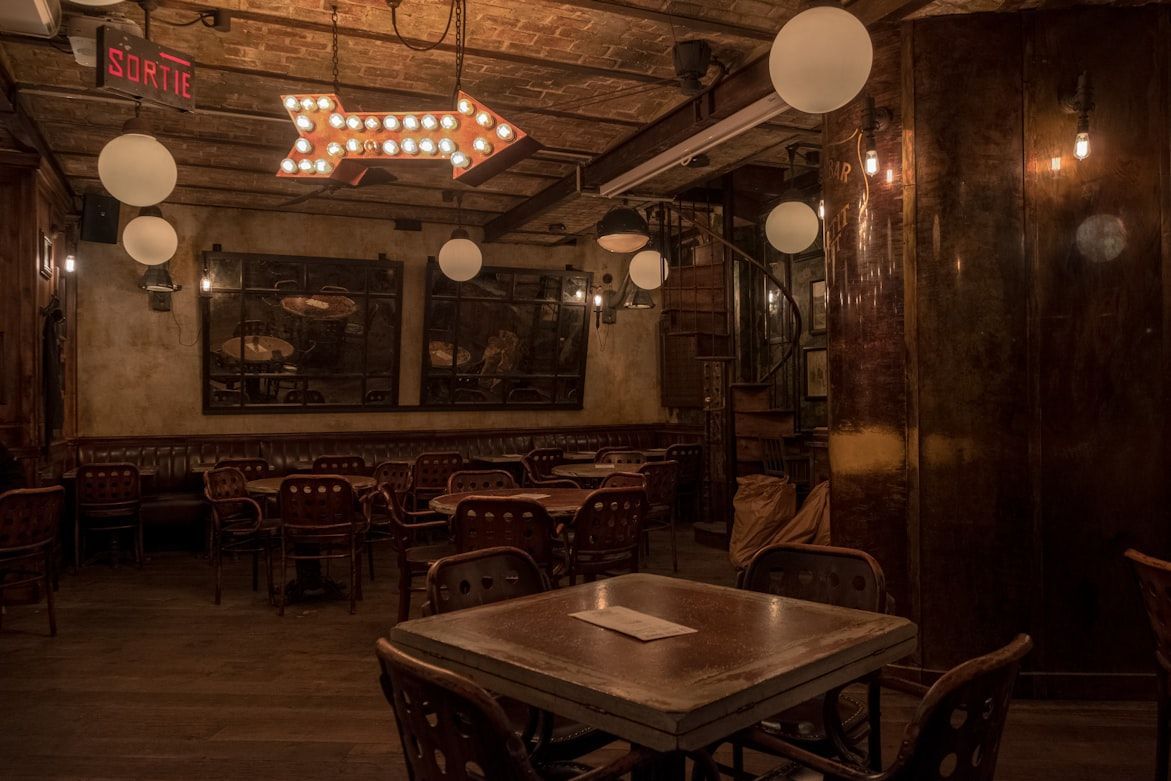
Toward the end of the 1800s, before nationwide Prohibition was enacted, alcohol had already been banned in certain states and cities. In those years, a colorful new term emerged for places that sold liquor illegally.
As often happens in history, people quickly found creative ways around the law. One popular trick was advertising strange attractions like a "blind pig," a "blind tiger," or even a "striped pig," charging customers a small admission fee to supposedly see them. Once inside, visitors were "given" a complimentary drink. Technically, the owner wasn’t selling alcohol, but charging admission to see the attraction, whether the animal actually existed or not. It didn't take long before "Blind Pig" and "Blind Tiger" became well-known slang terms for illegal drinking establishments across the country.
86'd

If you’ve ever been thrown out of a bar, turned away from a restaurant, or told a menu item was no longer available, you could say you’ve been "86’d." But where did that number come from?
One of the most famous origin stories traces it back to Chumley's, a Prohibition-era speakeasy in New York City. According to the story, when a police raid was about to happen, officers on the take would warn the staff to "86" the customers, meaning sneak them out the back door onto 86 Bedford Street before the authorities arrived. Today, the term is still used in some restaurants and bars. A dish can be "86’d" when removed from the menu or when it’s sold out, and an unruly customer can still be "86’d" right out the door.
Rotgut
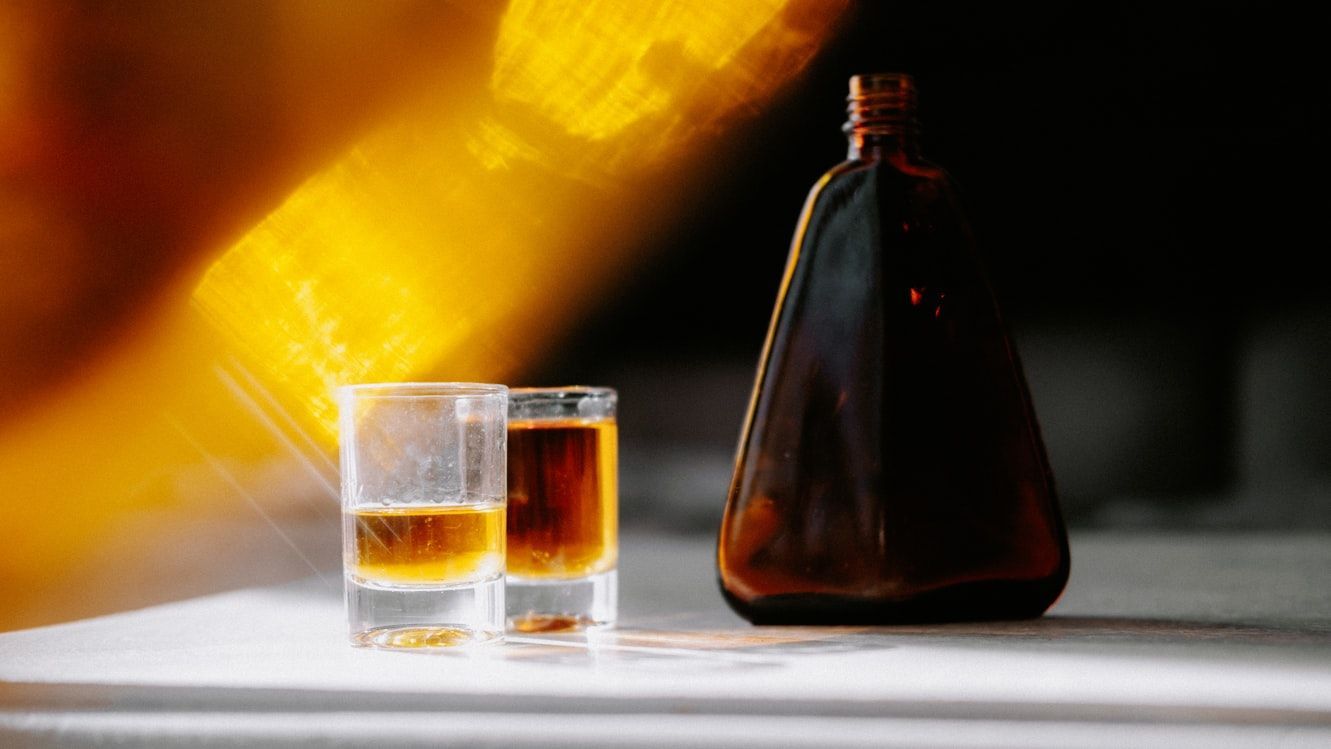
Has anyone ever warned you, "Don’t drink that rotgut"? Contrary to "the real McCoy," "rotgut" was the slang term for harsh, cheap, poorly made liquor that people knew could make you sick.
The word existed long before Prohibition, but it became especially common in the late 1800s and early 1900s, when some saloon owners and moonshiners tried to stretch their profits by mixing whiskey with questionable ingredients like river water, molasses, or even turpentine. It didn’t take much imagination to understand the name: "rotgut" literally described liquor rough enough to ruin your stomach. When Prohibition began under the 18th Amendment, the term spread even more, since illegally made alcohol often came with those dangers.
Stool-pigeon
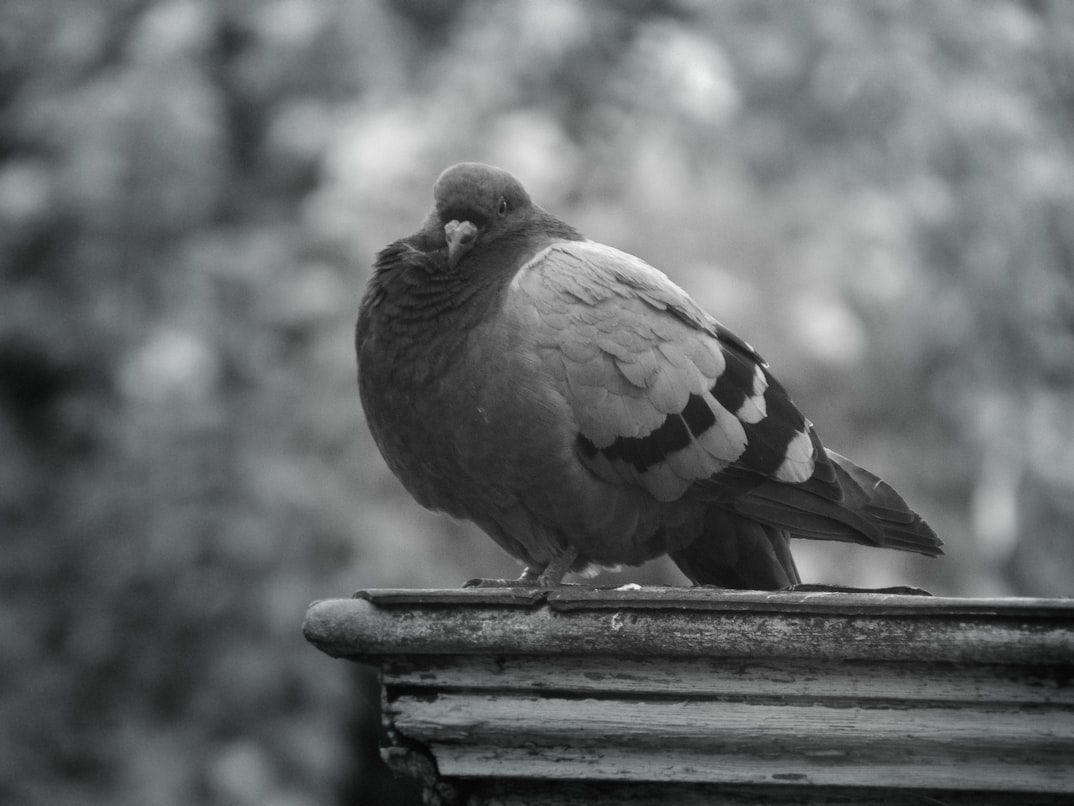
Back in rural America, hunters sometimes used a cruel but effective trick: tying a pigeon to a stool so its frantic flapping would lure other birds into a trap. But what does that have to do with Prohibition?
Like almost every era, Prohibition had its share of informants. Some people secretly slipped into speakeasies, gathered information, and passed it along to the police in exchange for money, favors, or protection. Much like those decoy birds that lured others into danger, these informers became known as "stool pigeons", a term we still use today for a snitch or informant.


