Linguistic smothies

The origin of smog, popsicle, and other common portmanteaus


Published on December 7, 2025


Image: Kim Menikh

We all know that brunch means breakfast plus lunch, or that Eurasia is used to refer to the connected European and Asian continents. But did you know that words like twirl, smog, or Texarkana are in the same category of portmanteaus or blend words?

Portmanteaus (from the French porte-manteau, ‘cloak-carrier’, a suitcase that opens in two equal parts) are terms formed by combining two or more words, their sounds, or their meanings. They were named by Lewis Carrol (the one from Alice in Wonderland) to explain the logic behind some odd words in his poem Jabberwocky: like a porte-manteau that you open in two parts, portmanteaus are opened to reveal two meanings. Let’s explore some common portmanteaus (and also some that are false).

1

Twirl

Image: Nihal Demirci

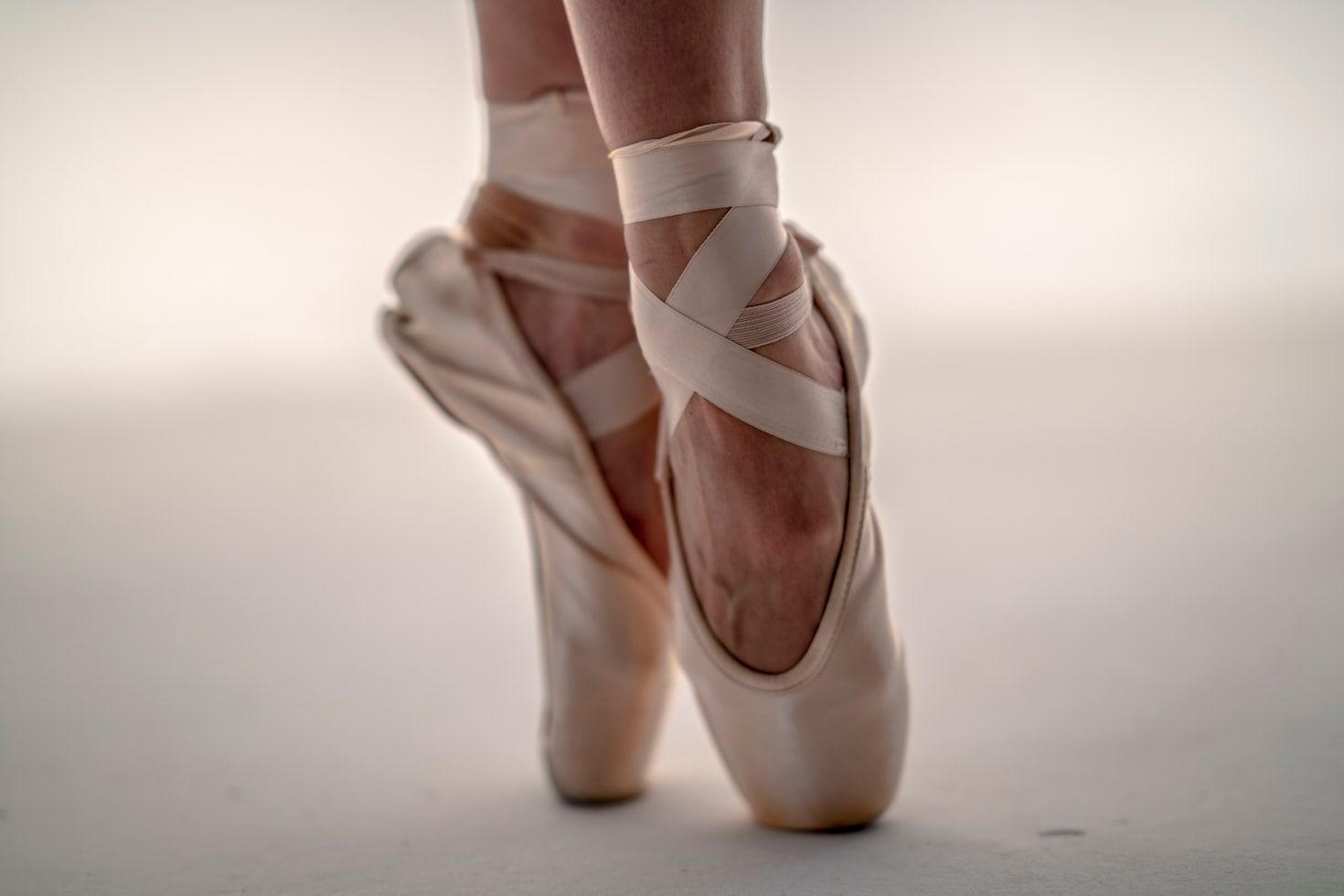
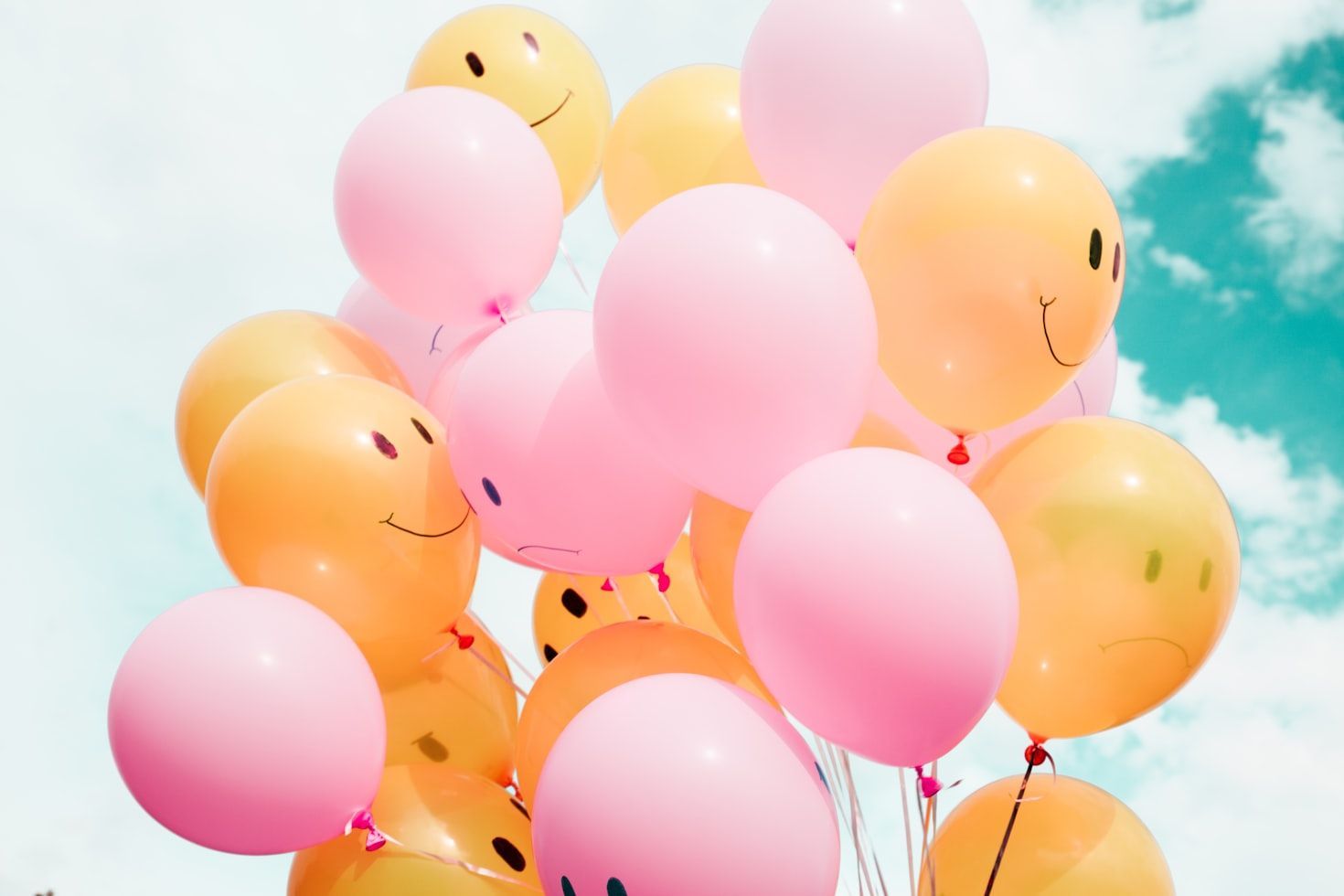
This word is used to talk about anything that spins or rotates, like someone doing a pirouette or moving their thumbs around each other. It is a term common in everyday language, but did you know it’s a blend of two words?

Yes, twirl comes from combining twist and whirl, both in sound and meaning. A twirl, then, is a rotation (twist) that happens rapidly (whirl). Something to think about the next time you find yourself twirling your thumbs.

2

Popsicle

Image: Jarritos Mexican Soda

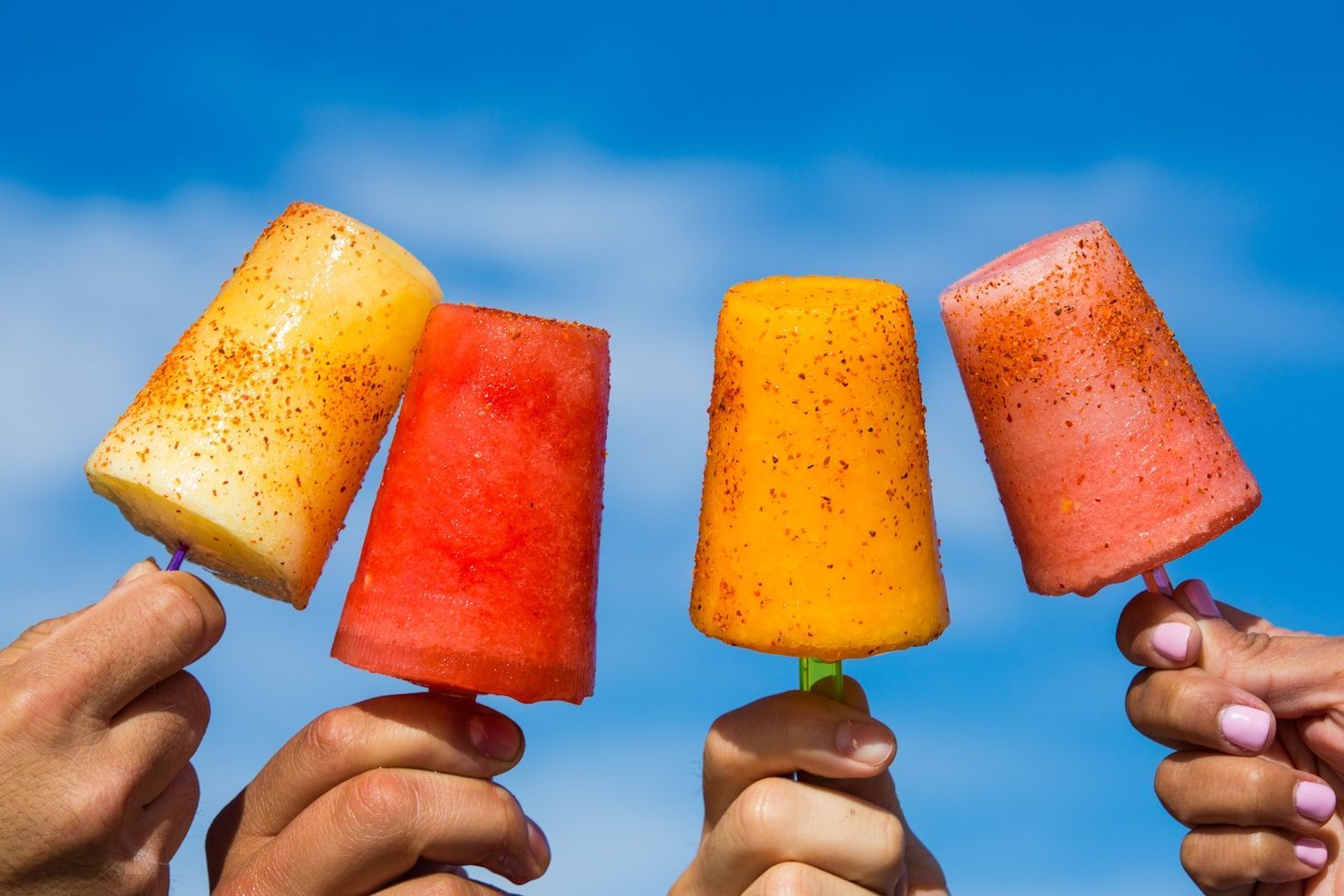
The word ‘popsicle’ was originally the name of an ice pop brand started by Frank Epperson, who forgot a bucket of powdered lemonade on his porch and found it frozen the next morning. But how did the word ‘popsicle’ come to be?

This treat was originally called the "Epsicle ice pop", a combination of Epperson and icicle. Allegedly, Frank’s children started calling it a ‘popsicle’ (pop + icicle) and insisted the name be changed. In time, the brand became so popular that it became the usual term for any ice pop.

3

Texarkana

Image: Domino Studio

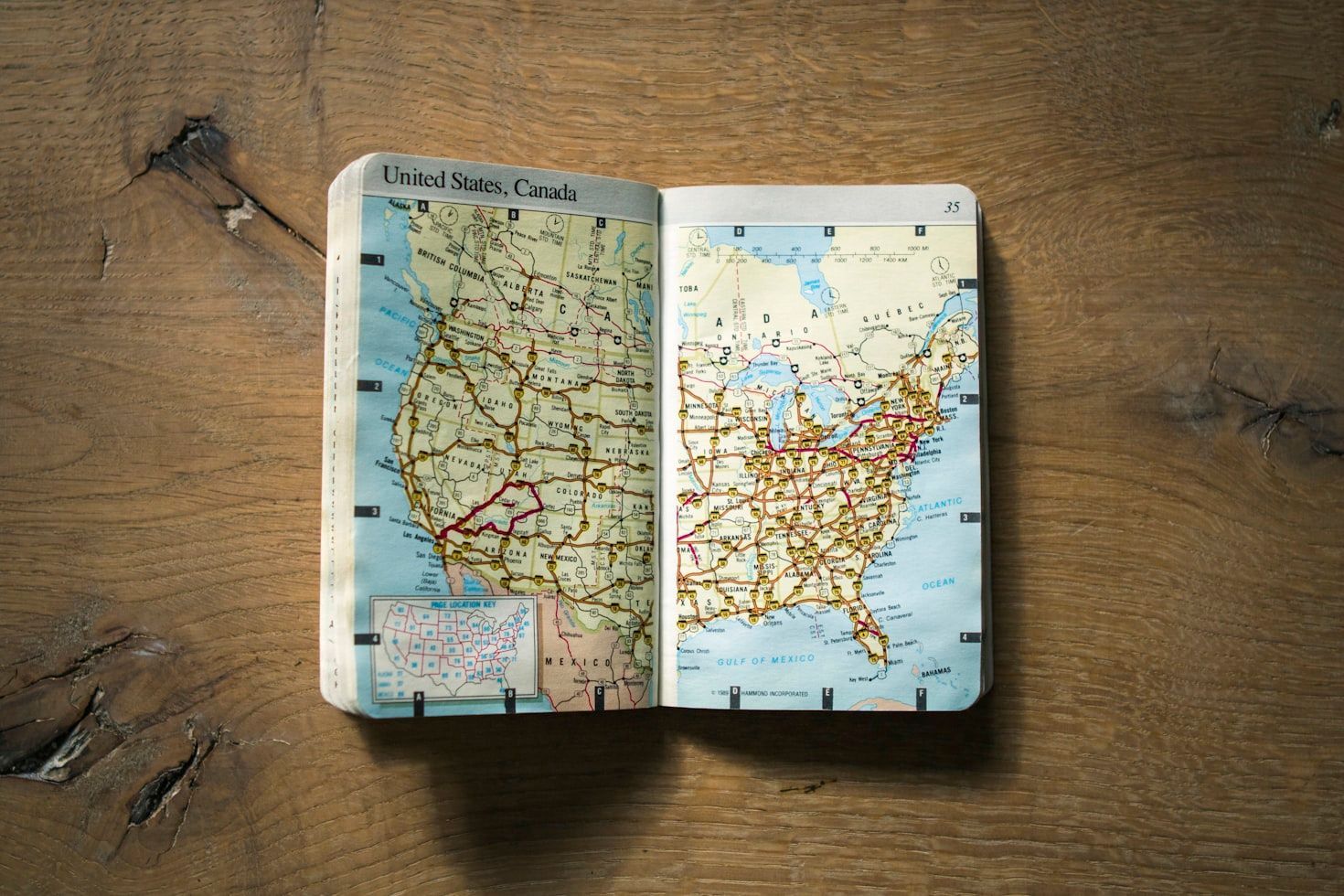
If you ever find yourself near the Texas-Arkansas border, you might find a city called Texarkana. In fact, you might find two cities called Texarkana, one in each state, both in the Texarkana Metropolitan Area.

It’s not clear who named them, but everyone agrees that Texarkana is a portmanteau for Texas-Arkansas-Louisiana. Both cities claim to have the same birth date, but we can debunk this: Arkansan Texarkana was founded a year before Texan Texarkana.

4

Contrail

Image: William Hook

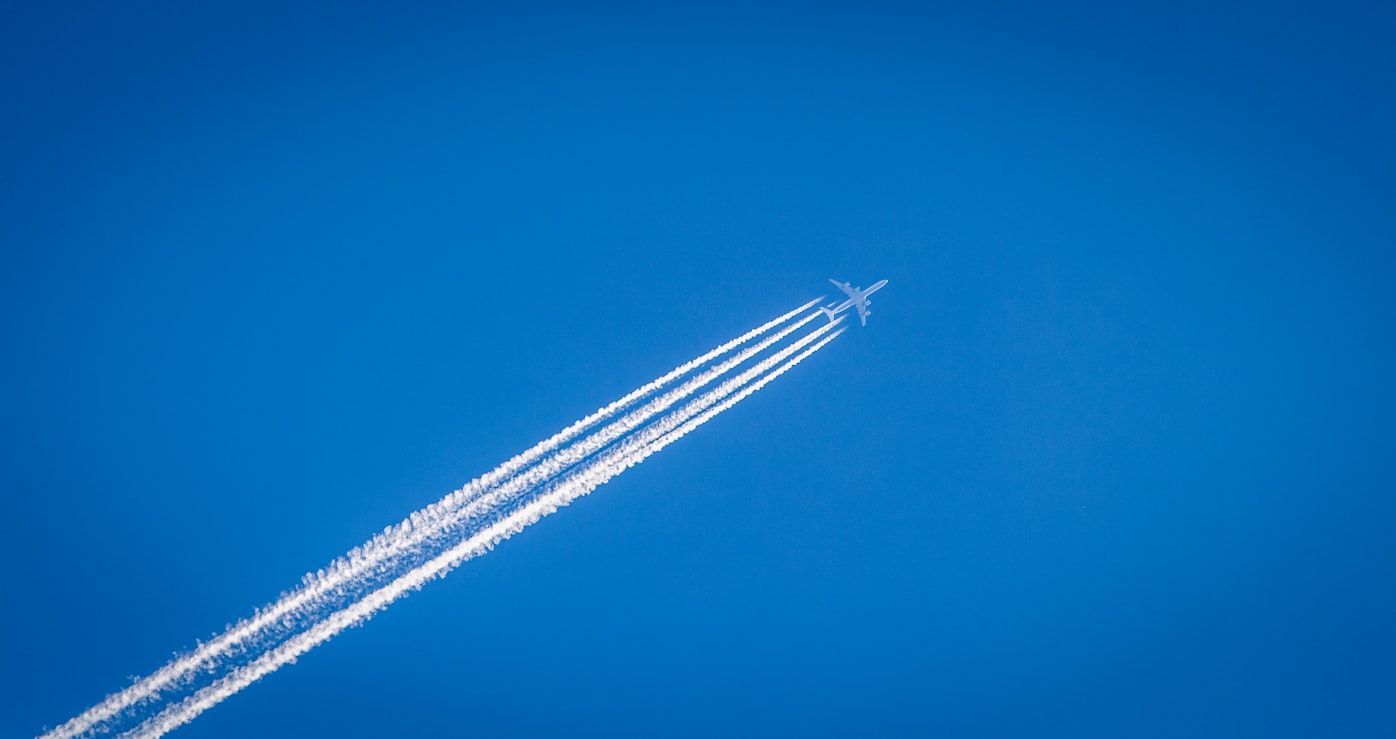
First of all, what is a contrail? Contrails are the line-shaped clouds left by aircraft, missiles, or rockets as a result of engine exhaust vapor combining with low temperatures. The vapor of the engines condenses when it contacts the cold atmosphere, leaving a trail, so condensation + trail: contrail.

5

Endorphin

Image: Madison Oren

Sadly for couch potatoes everywhere, it is a proven fact that exercise makes you feel good. This is because, during physical exercise, our brain creates endorphins, which work as painkillers and mood boosters.

Why are these natural painkillers called this way? You might remember the word morphine, the name of a common opiate analgesic. Endorphins are endogenous, meaning they are created by our organism. Combine this word with an old spelling of morphine, endogenous + morphin: endorphin.

6

Sitcom

Image: Ben Griffiths

Any sitcom fan might tell you that the appeal of the genre is not about the narrative arcs but the funny situations the characters find themselves in.

This comedic format, originally produced for radio, was first called situational comedy. With time, it was combined into a portmanteau, situational + comedy: sitcom.

7

Parsnip

Image: Carl Tronders

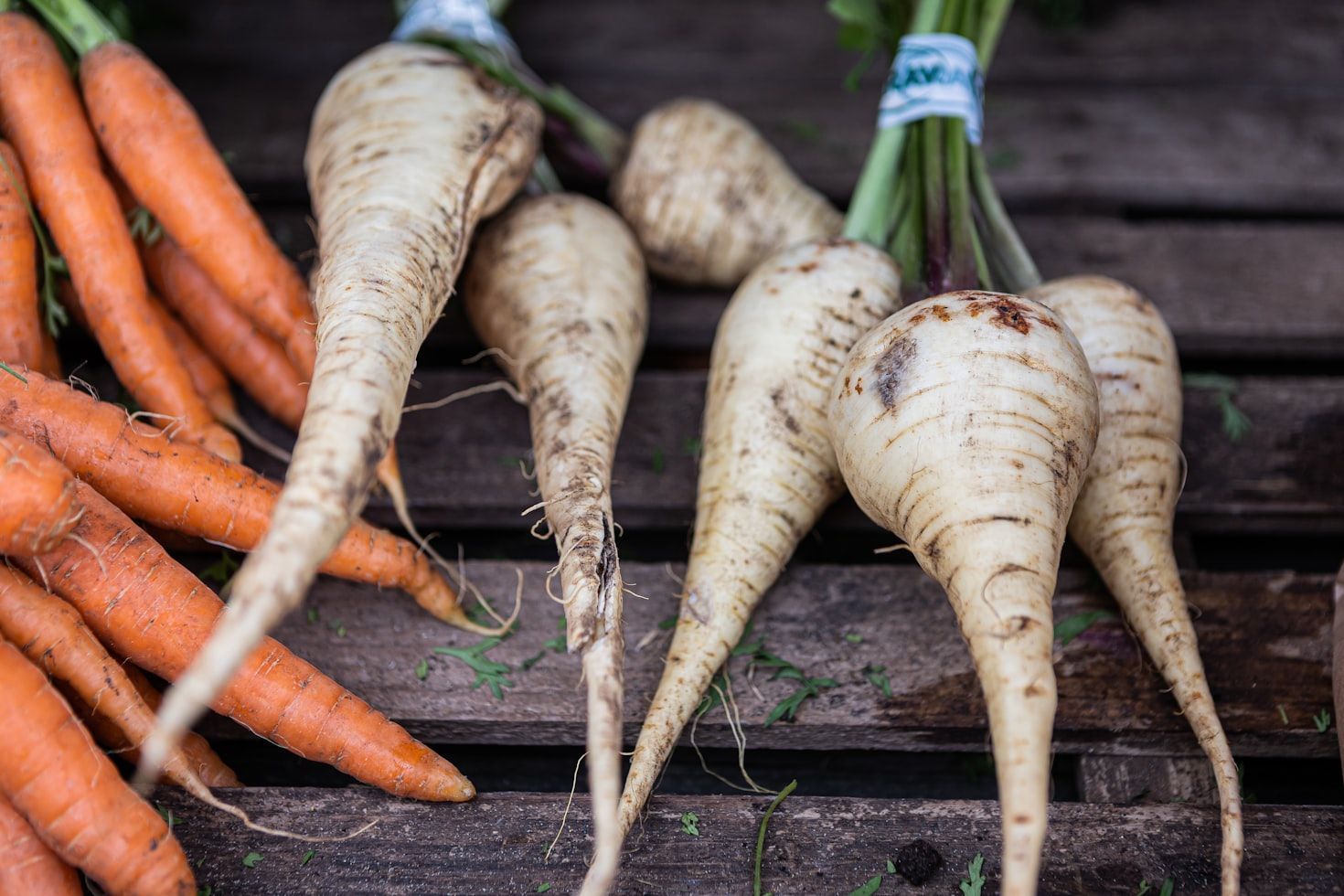
Let’s have a look at a false portmanteau. For centuries before sugar was brought to Europe, parsnips were used as a sweetener. Ancient Romans called them pastinaca, now part of their scientific name (pastinaca sativa). How did they come to be called parsnips?

It is a widespread belief that parsnip is a portmanteau for parsley + turnip, since parsnip leaves look similar to parsley, but this is not true. In Old French, parsnips were called pasnaie, a word that Old English adopted as pasnepe. The ending -nepe meant turnip, so in time, pasnepe evolved into parsnip. So, not a blended word, but one that you will find in many portmanteau lists.

8

Electrocution

Image: Nikhita Singhal

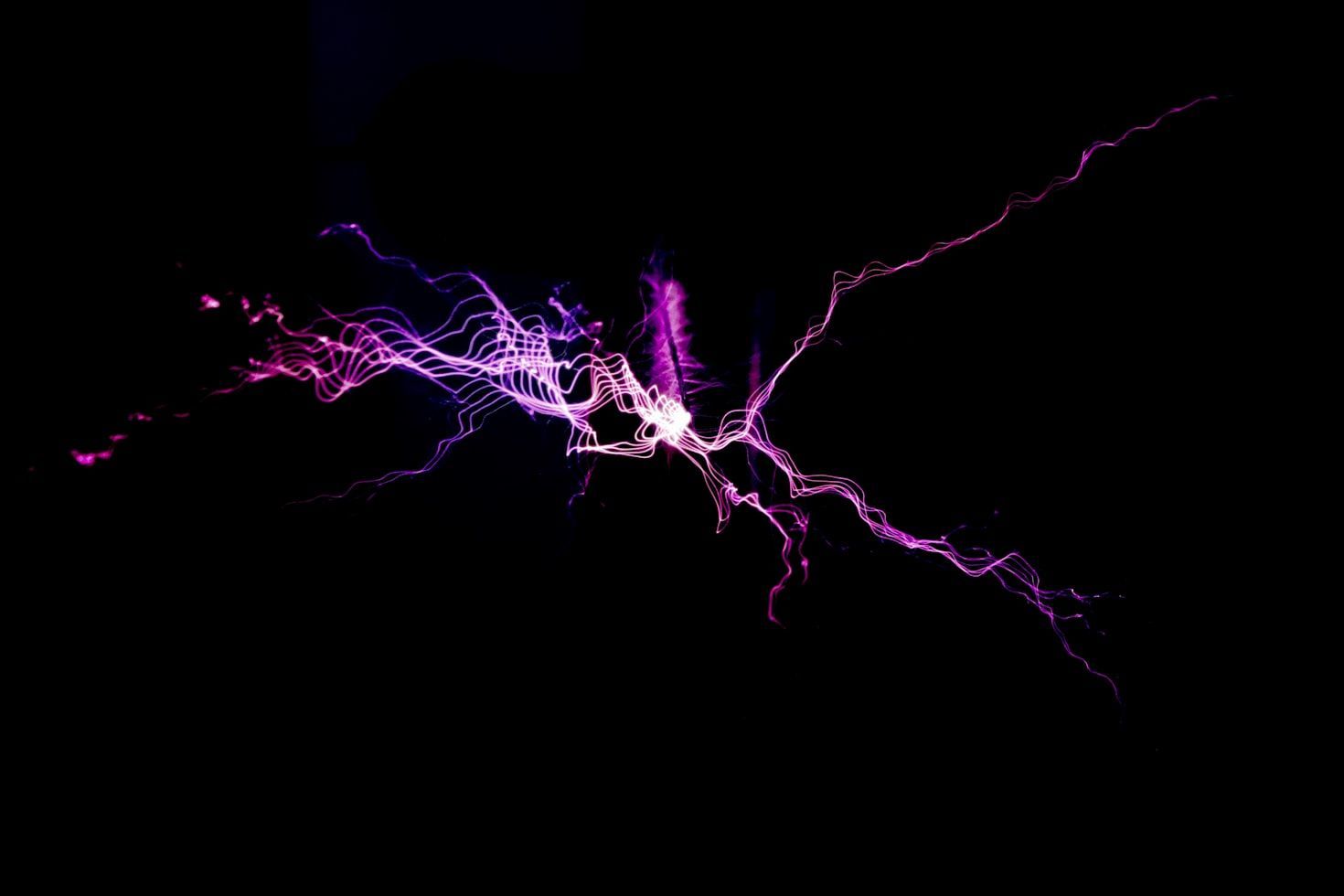
Being electrocuted is not a pleasant experience, and the origins of the word are as gruesome as the thing described. In the late 19th Century, the state of New York adopted the electric shock as the standard form of capital punishment. Newspapers covering the first execution by this method mixed the words electric + execution, coining the portmanteau electrocution.

Lacking a judicial term to describe accidental deaths caused by electricity, electrocution came to be used for all incidents involving an electric shock.

9

Smog

Image: Uvi D

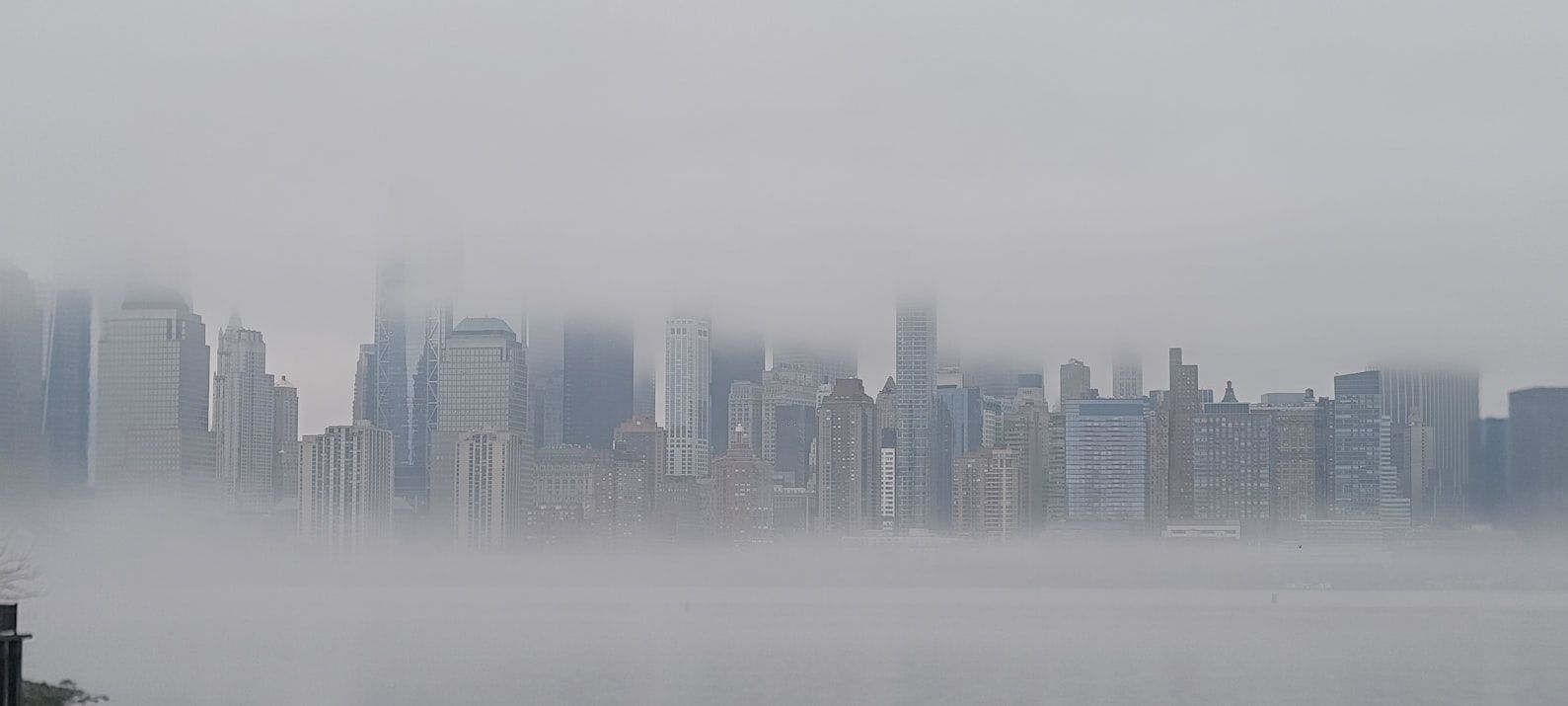
Air pollution is an unfortunate reality in our current world, and words like smog are a byproduct of these environmental issues. The city of London has suffered from bad air quality and fog for many centuries, an issue only worsened by smoke during the Industrial Revolution.

This phenomenon, also called pea soup fog, eventually became known as smog, a portmanteau of smoke + fog. The term not only describes the greyish color associated with it, but also the smell produced by chemical contaminants.

10

Shepherd

Image: joseph d'mello

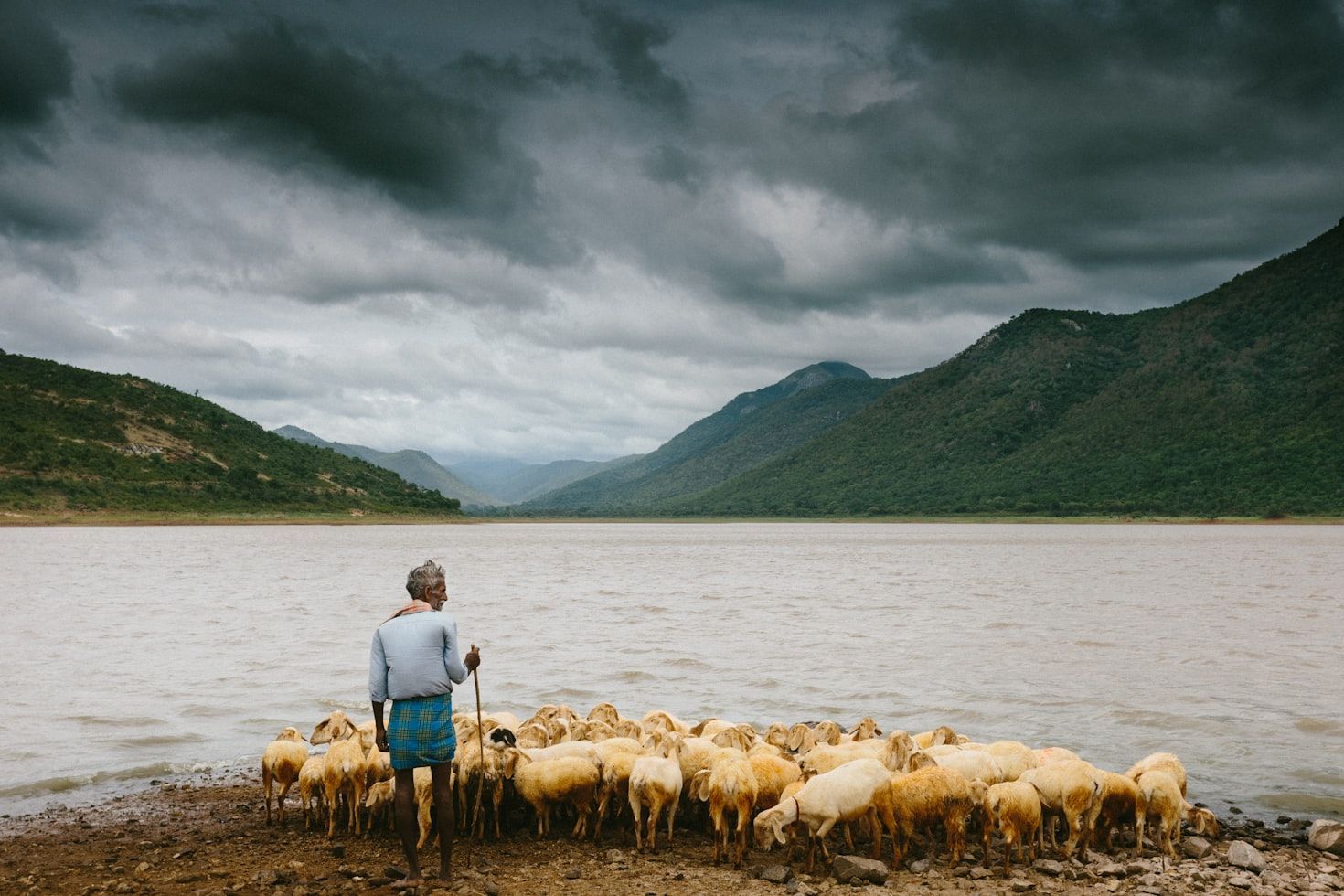
Let’s end our list with a portmanteau nearly as old as the profession it names. In the English language, the word shepherd is recorded as early as the 12th Century, though it had been in use for many centuries before that. Middle English sceepherde comes from Old English scēaphyrde, a portmanteau for scēap (sheep) + hierde (herdsman, someone who keeps domesticated animals).

The original term was only used for animal keepers, but eventually gained the added meaning of ‘leader’ or ‘guide’. Lewis Carroll might have named portmanteaus in the 19th Century, but they have existed since the dawn of time.


DEEP DIVE

Plunge Into The World’s 10 Deepest Lakes And Their Hidden Treasures


Published on December 7, 2025


Image: Lisanto 李奕良

Lakes always evoke a sense of mystery and wonder. What hidden secrets lie fathoms below their waters? From icy Siberia to the warm inland waters of Africa, these sleeping giants hold many treasures waiting to be found, be it ancient shipwrecks or geological wonders.

Take a cold plunge and dive with us into 10 of the deepest lakes on Earth!

1

Lake Baikal

Image: Markus Winkler

Location: Russia

Maximum depth: 5,387 feet

Lake Baikal, the deepest lake in the world, holds about 20% of the Earth's unfrozen freshwater. Its icy turquoise waters are home to many endemic species of plants and animals, like the nerpa seal, and several unique bird and fish species. Even in its deepest regions, the lake has an unusually high abundance of dissolved oxygen, allowing life to thrive (and grow to larger-than-usual sizes) throughout the whole water column.

2

Lake Tanganyika

Image: Felix Dance, CC BY 2.0

Location: Africa

Maximum depth: 4,823 feet

Lake Tanganyika is the second deepest lake, accounting for 16% of the world's freshwater. With a total length of 420 miles and averaging 50 miles in width, it is also the longest freshwater lake in the world. It is home to large Nile crocodiles and many species of turtles, among many other rare species. During World War I, the lake served as a strategic waterway, facilitating the transport of troops and cargo, and became the backdrop for numerous naval battles and skirmishes between German and Allied forces.

3

Caspian Sea

Image: NASA

Location: Eurasia

Maximum depth: 3,363 feet

Despite its name, the Caspian Sea is technically a saline lake, and the largest inland body of water on Earth. Formed 30 million years ago, the Caspian Sea was a cultural crossroads for millennia, and there is historical evidence that suggests that the ancient inhabitants of its shores were as puzzled by its peculiar nature as scientists today, as even Alexander the Great attempted to explore its vast waters. Amazingly, dolphins and whales are thought to have lived in the lake around 50,000 - 100,000 thousand years ago, and local rock art depicting these animals seems to verify the fossil record.

4

Lake Vostok

Image: NOAA

Location: Antarctica

Maximum depth: 2,953 feet

Buried 13,100 feet below Antarctica's icy surface lies Lake Vostok, one of the most pristine and mysterious bodies of water on the planet. It is estimated that the subglacial lake has been isolated for more than 15 million years, leading scientists to hypothesize that unusual forms of life might be dwelling in its waters, resembling the conditions on the ice-covered oceans that are thought to exist on Jupiter’s moon Europa and Saturn’s Enceladus. Who knows what secrets this icy abyss might hold?

5

San Martin / O’Higgins Lake

Image: Gabriela Palero

Location: Argentina / Chile

Maximum depth: 2,742 feet

Nestled in the southernmost point of the Andes mountain range, this icy glacier lake is shared by Argentina and Chile (the lake is known as San Martin in Argentina and O'Higgins in Chile, both independence heroes). Fed by nearby glaciers, the water has a characteristic milky light-blue color that comes from the fine suspended sediments, a product of glacial erosion.

6

Lake Malawi

Image: Craig Manners

Location: Africa

Maximum depth: 2,316 feet

The second deepest lake in Africa, Lake Malawi, is known for harboring more species of fish than any other lake in the world. With over 1,000 species of colorful cichlids, the fishing industry is an important part of the livelihood of the local population. Also, the relatively high visibility of Lake Malawi’s waters makes it an ideal spot for recreational diving.

7

Issyk-Kul

Image: Igor Tverdovskiy

Location: Kyrgyzstan

Maximum depth: 2,192 feet

Issyk-Kul, meaning "warm lake" in Kyrgyz, is the second-largest mountain lake in the world. Curiously, its deepest point is still 3,080 feet above sea level. Its tranquil saline waters have been a sanctuary for travelers along the ancient Silk Road for centuries. Archaeological artifacts are regularly recovered from the waters of the lake, and the remains of ancient settlements have been found in its shallow areas.

8

Great Slave Lake

Image: Paul Gierszewski

Location: Canada

Maximum depth: 2,015 feet

Located in Canada's Northwest Territories, Great Slave Lake is the deepest lake in North America. Its frigid waters hide the wreckage of many planes and ships lost to its icy depths over the years. Remarkably, a Soviet reconnaissance satellite with a nuclear reactor fell into the lake in 1978, and the radioactive debris had to be recovered in a joint operation by the Canadian and U.S. armed forces.

9

Crater Lake

Image: NaHarai Perez Aguilar

Location: United States

Maximum depth: 1,949 feet

A relatively young body of water, Crater Lake formed around 7,000 years ago by the collapse of a volcanic caldera. The lake is the deepest in the United States, and its pristine waters attract visitors from all over the world. Interestingly, no fish lived in the lake until 1888, when several salmon and trout species were introduced to allow for fishing.

10

Lake Matano

Image: Fifthgana Alfahrezi

Location: Indonesia

Maximum depth: 1,936 feet

Lake Matano is the deepest lake located on an island and the deepest in Indonesia. Formed around 2 million years ago, its crystal-clear waters are home to unique organisms found nowhere else on Earth. Because the top and bottom layers of the lake rarely mix, the deep waters of Lake Matano bear possible similarities to the ancient oceans of the Archean and Paleoproterozoic Eons.

Looking for an extra scoop of literary fun?

Learn more with our Word of the day

loot

/lut/