Words that seem immortal

The meanings have vanished, but the words lived on: Meet 12 “ghost” words


Published on June 29, 2026


Image: Rasa Kasparaviciene

Language changes constantly, but rarely throws everything away at once. Sometimes a word outlives the object, machine, or technology that gave it meaning in the first place. We continue to use these expressions every day without thinking much about where they came from. From rotary telephones and film reels to carbon paper and floppy disks, these words are linguistic fossils that refuse to go away.

1

Dial

Image: Quino Al

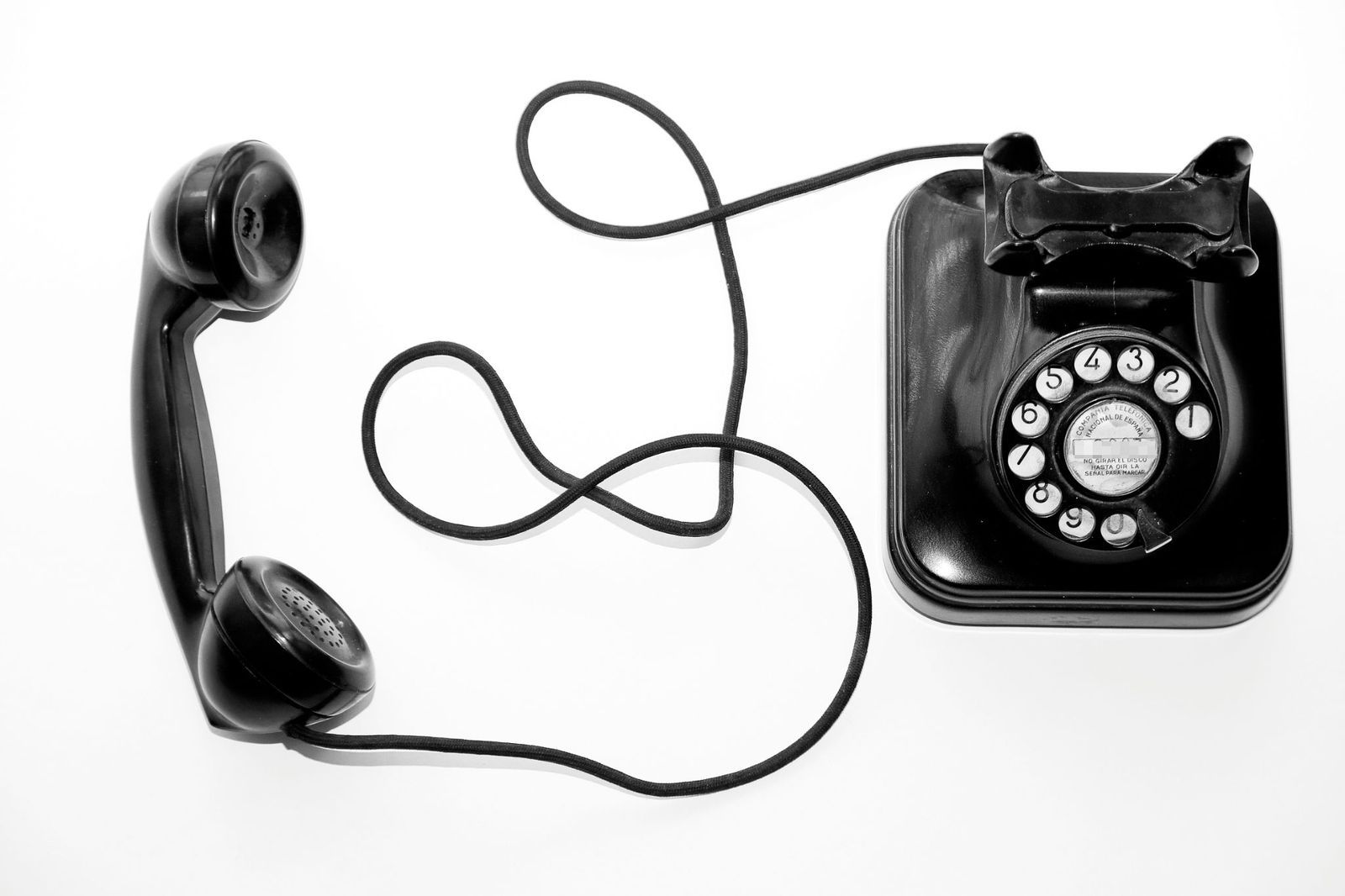
Millions of people dial phone numbers every day, even though most have never touched a rotary telephone. The word comes from a circular dial used on telephones throughout much of the 20th century. Users inserted a finger into a numbered hole and rotated the dial to place a call.

Automatic dialing systems began appearing in the late 1800s, and rotary phones remained common until push-button models spread during the 1960s and 1970s. The dial disappeared, but the verb stayed behind.

2

Hang up

Image: Malvestida

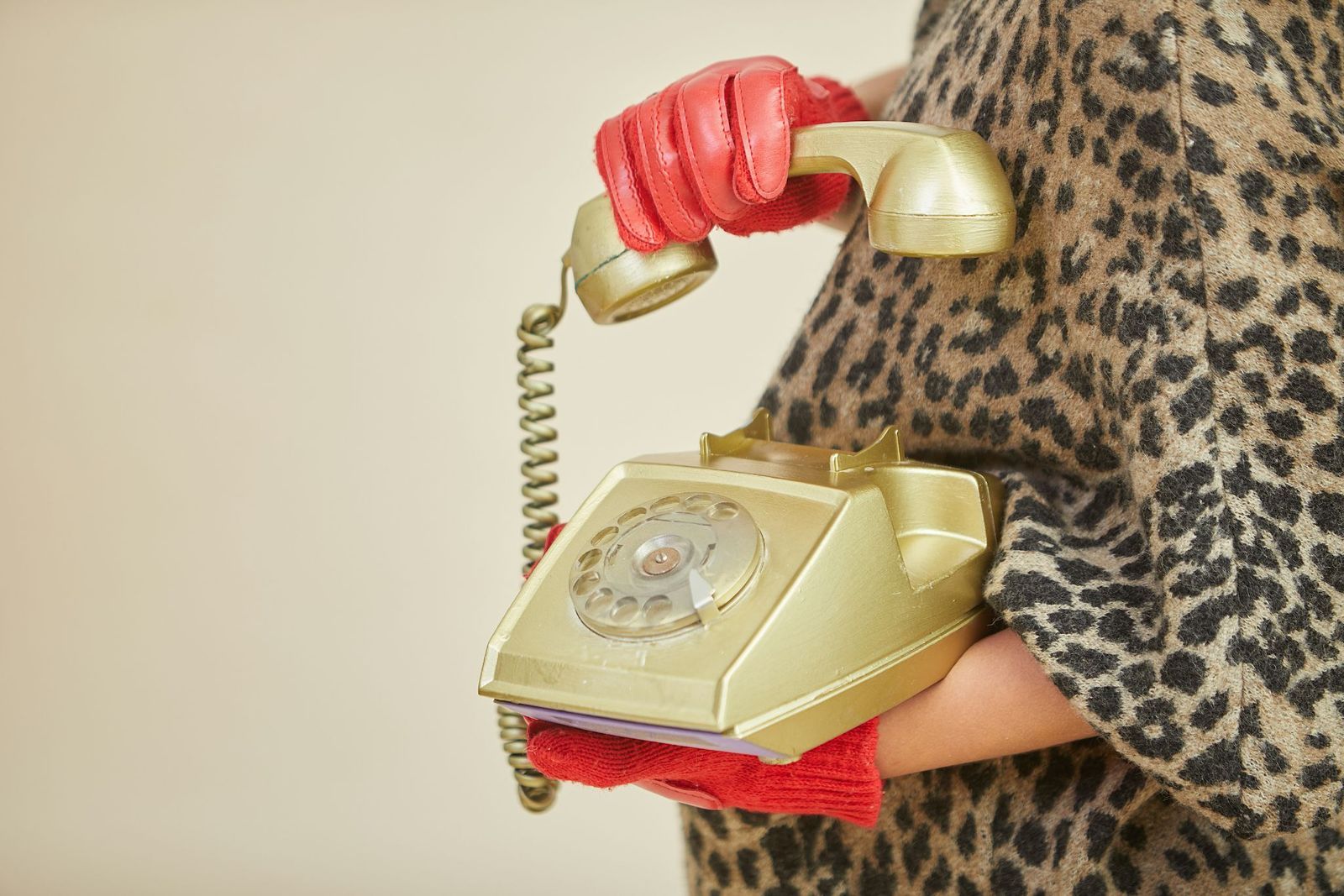
Ending a phone call is still called hanging up, despite the obvious fact that modern smartphones have nothing to hang. The phrase originated when telephone receivers were physically placed on wall-mounted hooks or cradles after a conversation ended.

The action activated a switch that disconnected the line. Telephone engineers still use the related terms "on-hook" and "off-hook," preserving language from a technology that most people no longer see.

3

Carbon copy (CC)

Image: xpixel

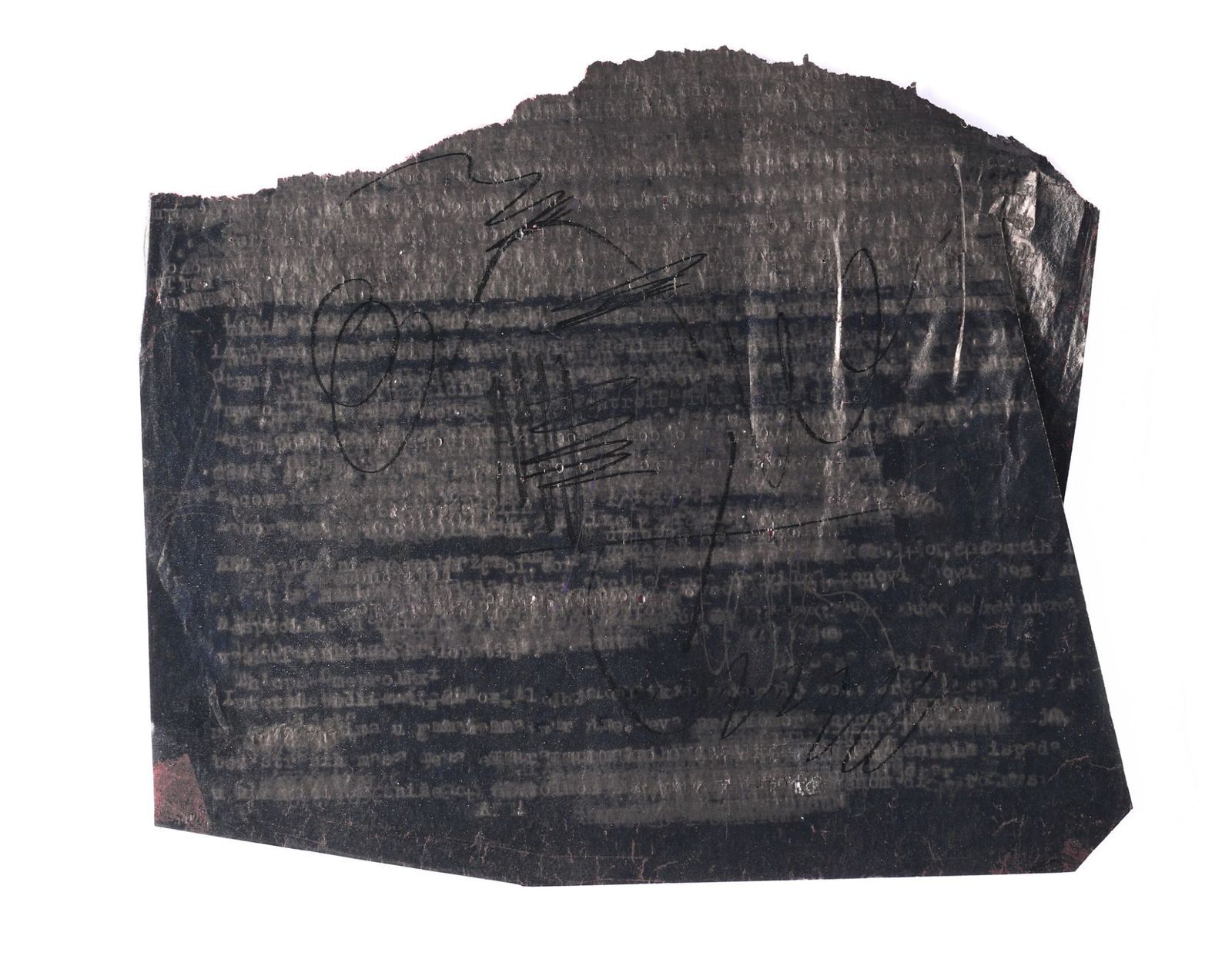
Anyone who sends an email is familiar with CC, short for carbon copy. The term comes from carbon paper, a thin sheet placed between pages to create duplicate copies while typing or writing.

Carbon paper became widely used in offices during the 19th and 20th centuries. Although it has largely disappeared, email systems adopted the familiar abbreviations. Even BCC, or blind carbon copy, preserves a term from the typewriter era.

4

Footage

Image: Denise Jans

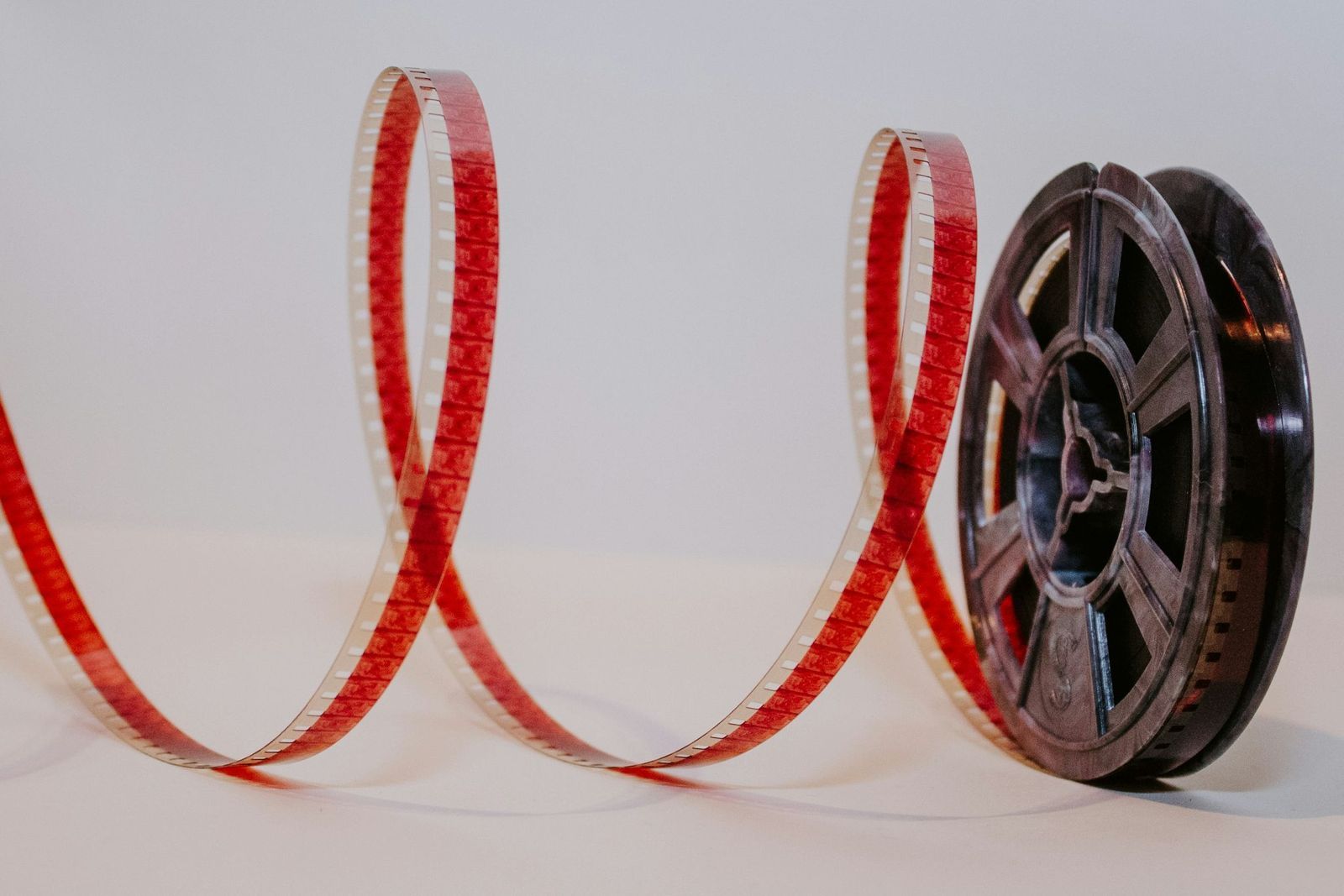
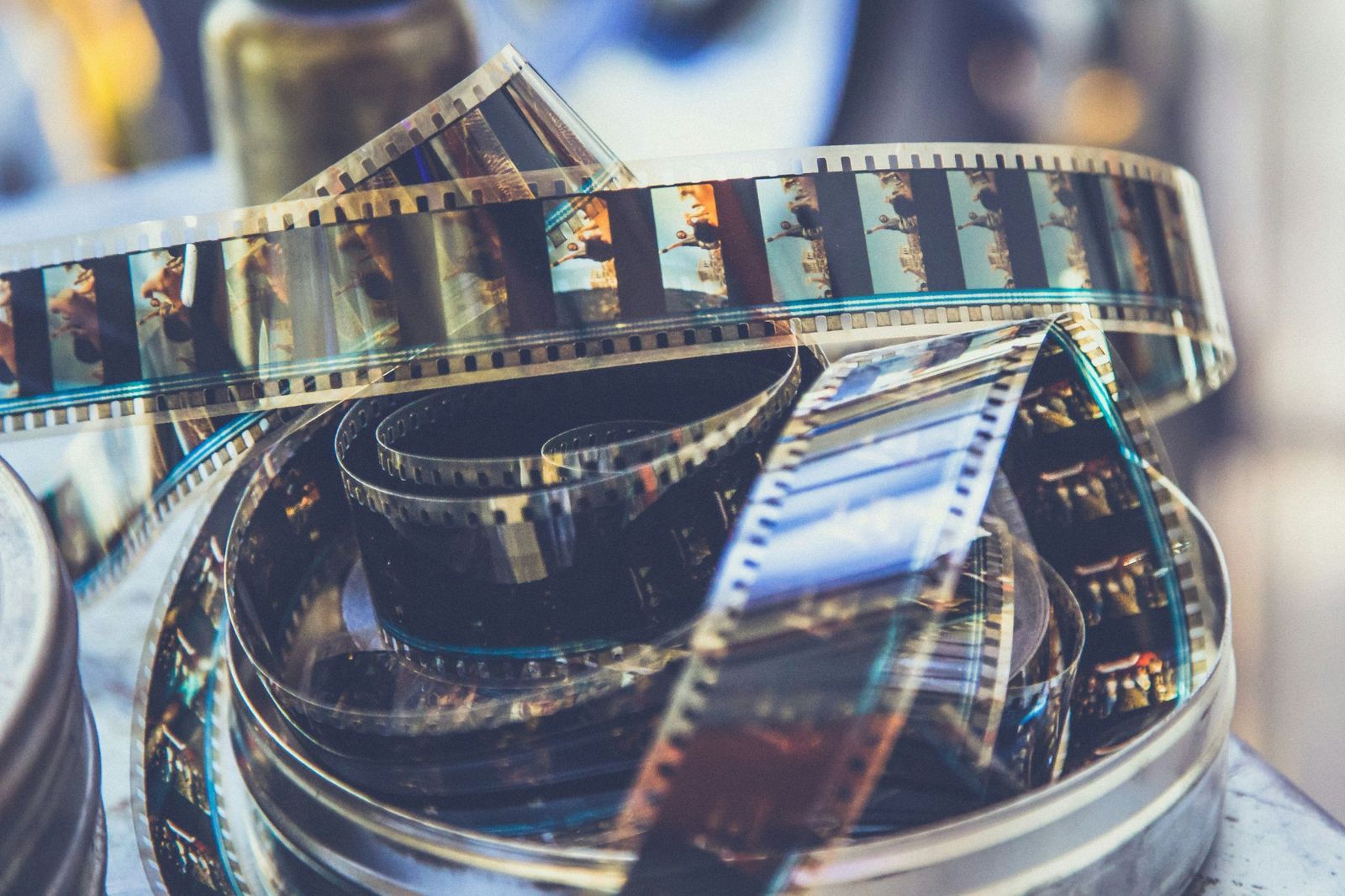
Today, nearly all video is digital, yet people still refer to recorded video as footage. The word originated in the motion-picture industry, where film was measured in physical feet.

Editors and cinematographers literally counted how many feet of film had been shot. In traditional 35mm filmmaking, one foot of film contained 16 frames. The physical measurement vanished, but the vocabulary survived.

5

Rewind

Image: Daniel von Appen

People regularly rewind videos, podcasts, and streaming content if they want to move to an earlier moment in the media. The expression dates to a time when magnetic tape and film reels had to be physically wound backward to revisit an earlier section.

Cassette tapes, VHS tapes, and film projectors all required actual rewinding. Digital files contain no reels or tape, but the word remains the standard way to describe moving backward through media.

6

Roll down the window

Image: Wesley Tingey

Many drivers still ask passengers to roll down the window. Originally, that instruction was completely literal. Car windows were operated by turning a hand crank connected to a mechanical regulator.

As power windows became widespread during the second half of the 20th century, the rolling action disappeared. Yet the phrase survived the transition from crank handles to electronic switches.

7

Tape a show

Image: Leonard Reese

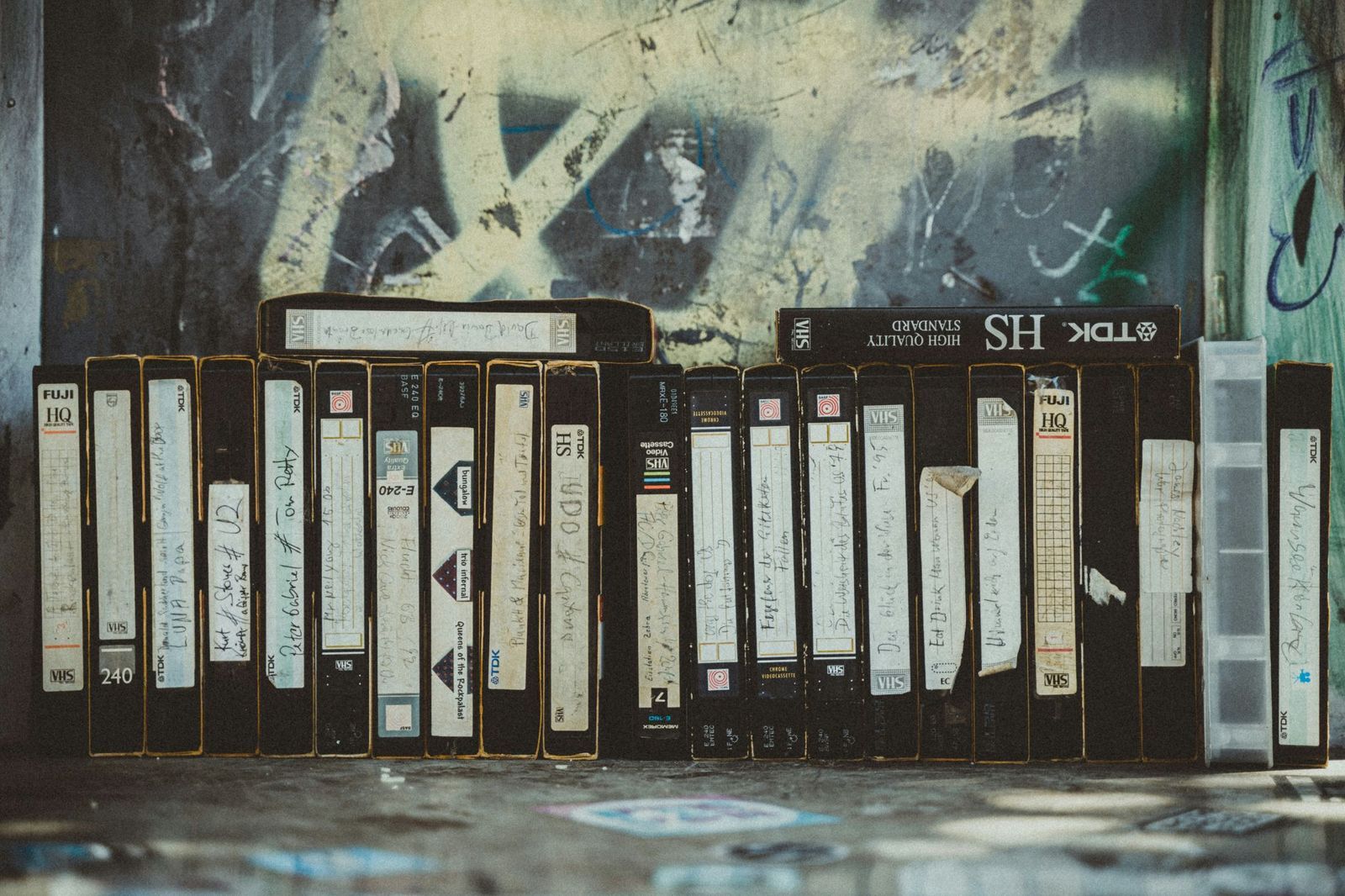
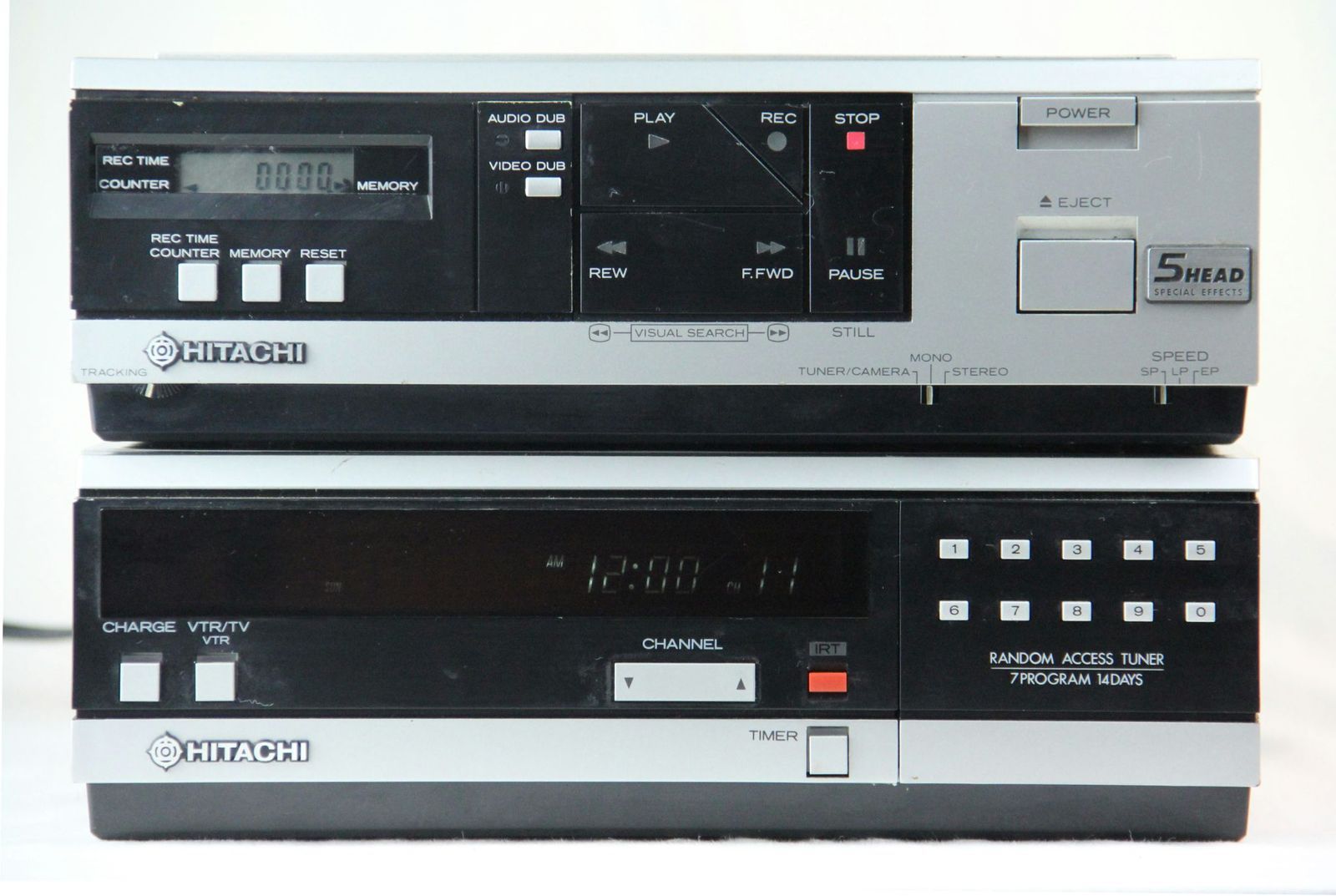
For decades, recording television programs meant using magnetic videotape. Home viewers relied on formats such as VHS and Betamax to capture shows, sporting events, and movies.

Streaming services and digital recorders eventually replaced videotape, but people still talk about taping a program. The tape itself may be gone, but the expression remains surprisingly common.

8

Stay tuned

Image: Alan Rodriguez

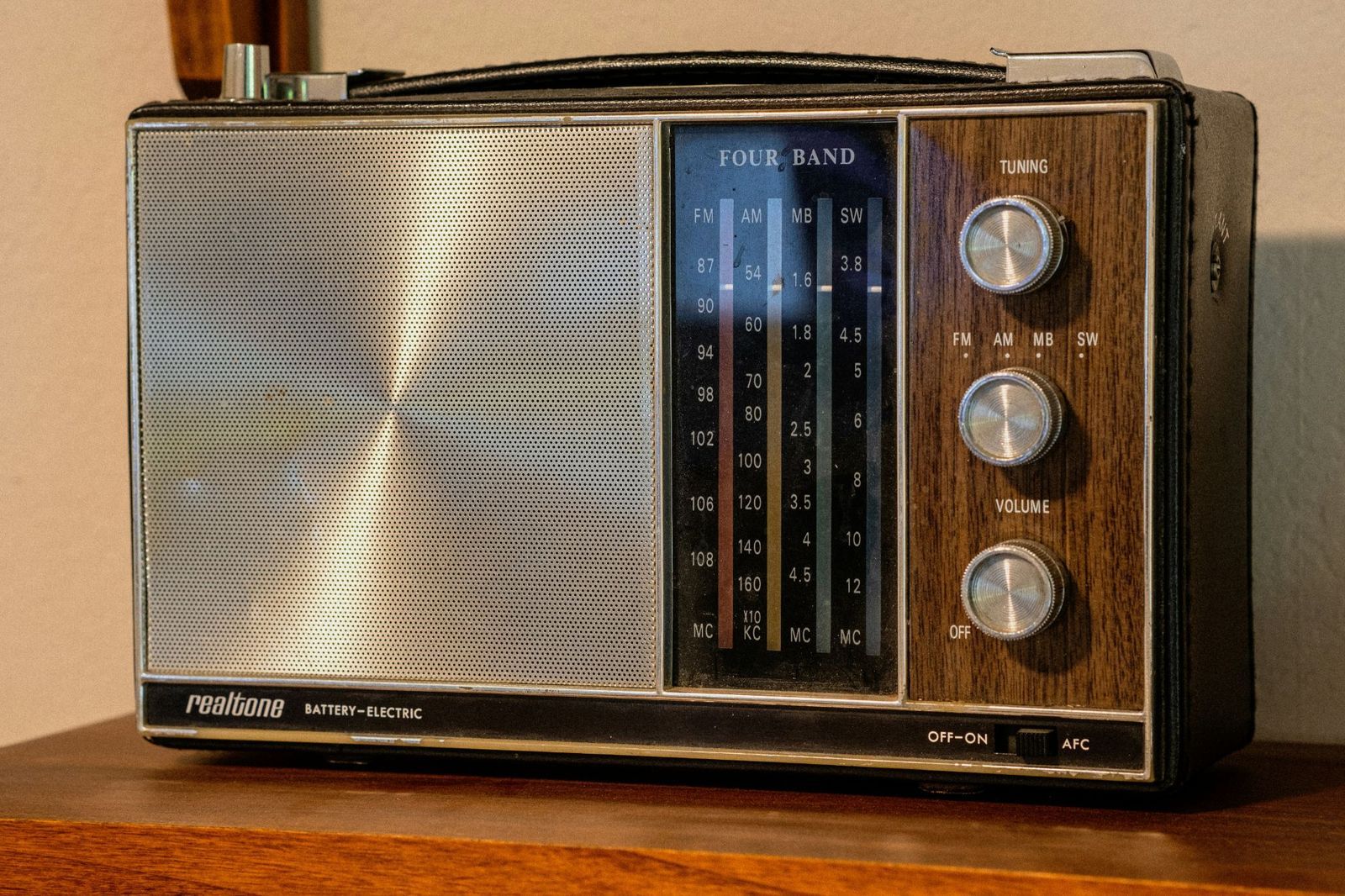
Broadcasters have been telling audiences to stay tuned for generations. The phrase originated during the early days of radio, when listeners adjusted tuning dials to find the correct frequency.

Early television sets worked similarly. Modern devices select channels electronically, yet the old instruction continues to signal that more content is coming.

9

Film

Image: Eric TERRADE

Most movies, television shows, and online videos are now captured digitally. Nevertheless, people still film weddings, documentaries, interviews, and social media clips.

The word comes from photographic film stock, the light-sensitive material that defined cinema for more than a century. Even as digital cameras became dominant, the vocabulary of filmmaking remained largely unchanged.

10

Ringing a phone

Image: Carlos Eduardo

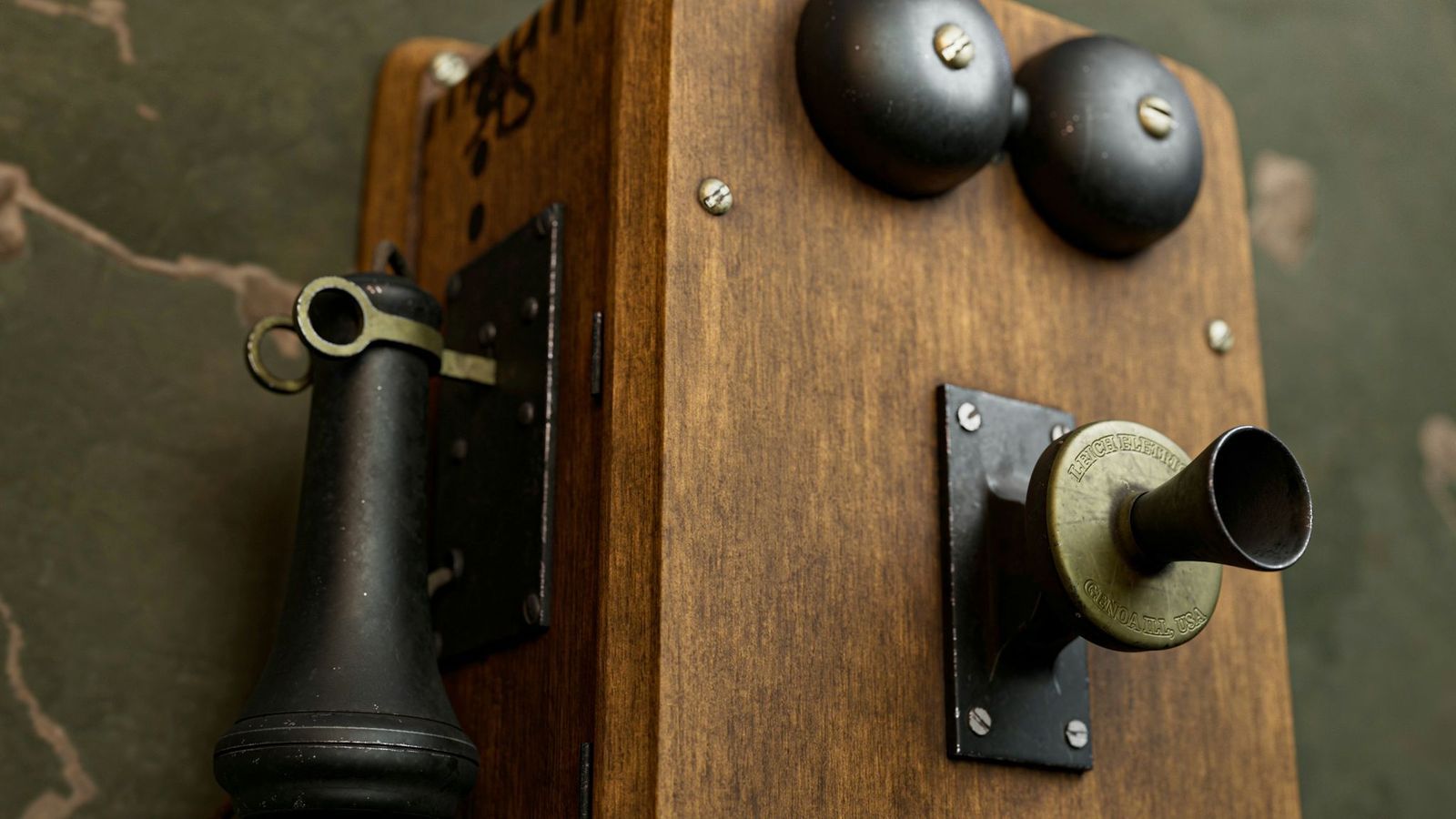
When an incoming call arrives, we still say the phone is ringing. Early phones actually contained mechanical bells that produced a ringing sound whenever someone called.

Modern smartphones use speakers and digital sound files instead of physical bells. Yet, the connection between telephones and ringing remains so strong that few people notice the historical reference.

11

Save

Image: Matias Megapixel

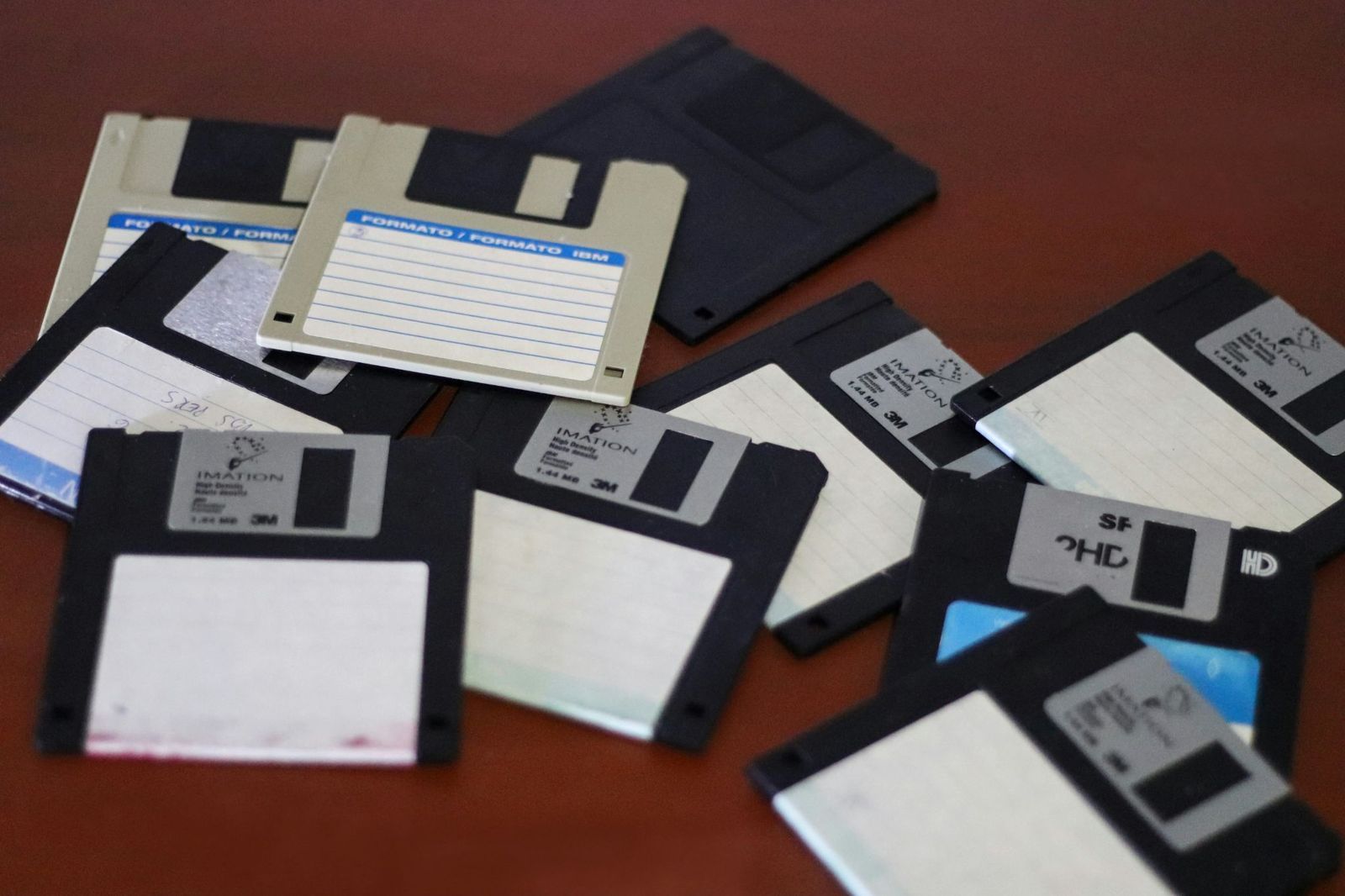
One of the most famous technological fossils appears every time users click the Save icon. On many programs, the symbol resembles a 3.5-inch floppy disk, once a standard method of computer storage.

Floppy disks became widespread during the 1980s and 1990s before largely disappearing in the early 2000s. Many younger users instantly recognize the icon despite never having used the device it represents.

12

Record

Image: Call Me Fred

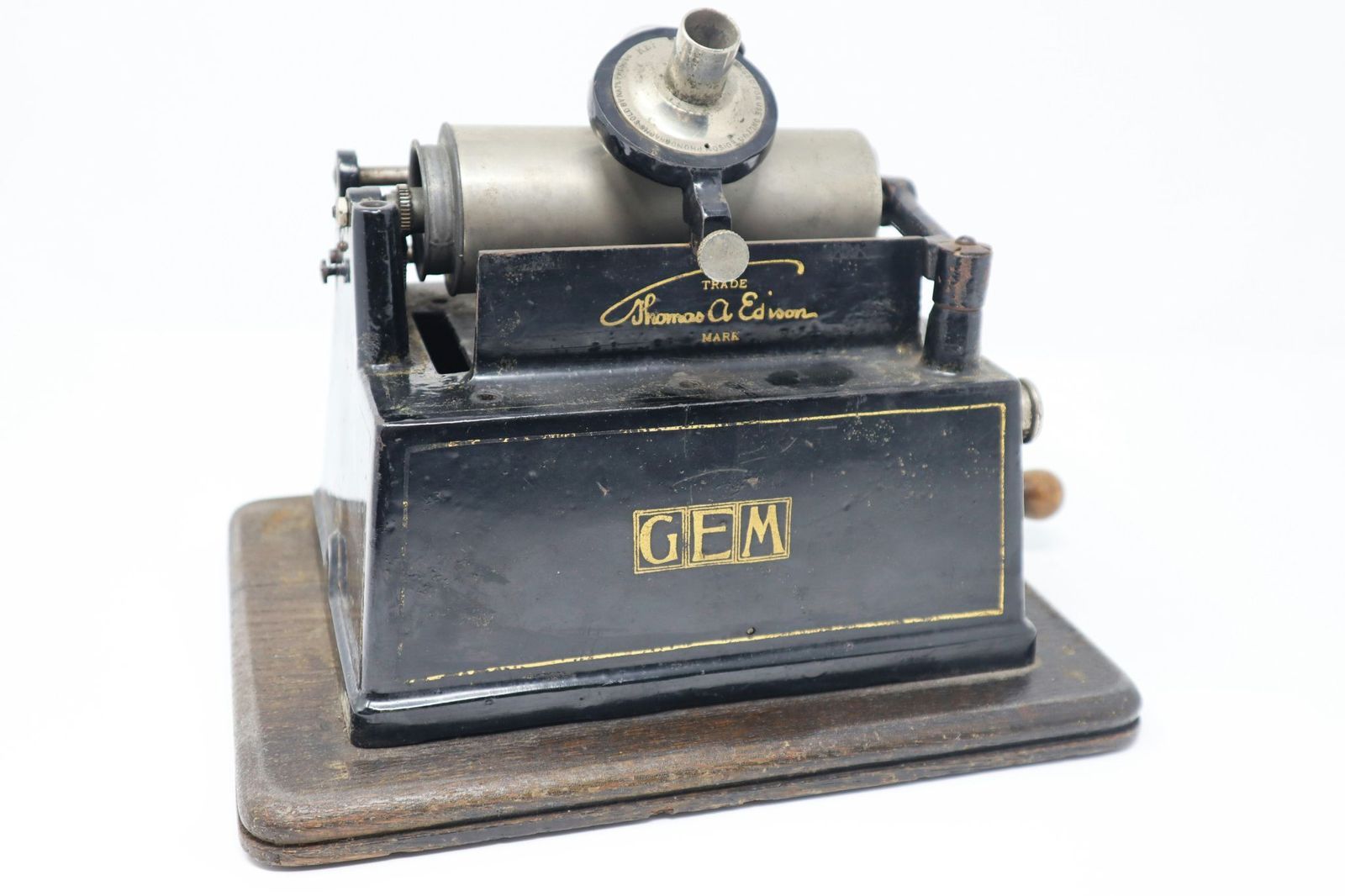
Smartphones, tablets, and computers can record audio and video with a single tap. The term, however, comes from an era when sounds were physically stored on wax cylinders, records, and magnetic media.

Thomas Edison’s phonograph, introduced in 1877, was the first machine capable of recording and reproducing sound. Modern devices store digital data rather than physical grooves, but the original word still does the job.
words origins and their changes

Born by accident: 10 English words that started as mistakes


Published on June 29, 2026


Image: George Kourounis

There are many words we use today that actually came from small "mistakes," like "shamefaced", "penthouse", or the verb "edit." Back then, as words moved between languages and writing wasn’t as common, changes in spelling, pronunciation, or transcription were usual. Sometimes these shifts were unintentional, and other times they were adjusted to sound more familiar with what people thought the word meant. Let’s see these 10 words you probably didn’t know were born as accidents.

1

Shamefaced

Image: Caleb Woods

The word "shamefaced" looks like it's referring to your face turning red with embarrassment, but that's not actually its first meaning. The original word was shamefast, and that second part, fast, used to mean "held firmly in place." So it wasn't about your face showing how ashamed you were; it was about being held back, or frozen, by shame. Around the 16th and 17th centuries, English people stopped recognizing the old meaning of "fast" and replaced it with "face," which sounded more accurate, but the meaning remained the same.

2

Penthouse

Image: alice kang

It may be hard to believe, but the meaning of "penthouse" was originally associated with a small attached structure rather than with luxury apartments. It comes from the French apentis, which referred to a simple construction against a wall, usually with a sloped roof. In the Middle Ages, it was adopted by the English and appeared in forms such as pentis or pentice, already altered in sound.

Time went through, and speakers reshaped it into "penthouse," connecting it to the familiar word "house," even though that link wasn’t originally there. As the form changed, the meaning shifted too. Instead of a modest attached structure, it came to describe a top-floor space, and eventually a high-end apartment at the top of a building.

3

To edit

Image: Glenn Carstens-Peters

The verb "edit" didn’t exist as it does now. English already had the noun editor, which came from Latin and meant someone who prepares text for publication. By the late 1700s and early 1800s, English speakers began assuming that if there was an "editor," there should also be a verb "to edit". So they removed what they thought was the "-or" ending and formed a new verb: edit. This is an example of back-formation, where a shorter word is created from a longer one by mistake. Even though "edit" wasn’t the original form, it quickly became standard, and we actually use it more frequently than its original noun.

4

Adder

Image: S N Pattenden

The Old English word for the snake was nædre. People would say it with the article, like "a nædre." At some point, listeners got confused about where the word actually began and started hearing it as "an adder." So the "n" shifted from the noun to the article, and eventually disappeared from the word itself.

So, it went from "a nædre" to "an adder," and finally to just "adder." This happened in past centuries when language was heard more than written, and people naturally reinterpreted where one word ended, and the next began.

5

Biceps

Image: Gordon Cowie

A singular–plural mistake happened with the word "biceps." From Latin, where bi- means "two" and -ceps means "headed". The word is already singular, referring to a muscle with two points of attachment. When it was adopted into English, however, "biceps" was mistaken for a plural form, and "bicep" emerged as a new singular. This is another example of back-formation, when a shorter form is created by removing what people think is a plural ending.

6

Orange

Image: Sheraz Shaikh

This is a case of misdivision. The fruit has its roots in Asia, and its name travels from Sanskrit, to Persian, to the Arabic naranj. In Spanish, it stayed almost the same; it is called naranja. But in French, naranj came to be norange, and people often said it with the article "une norange". Time passed, and people started to say une orange. When English borrowed the word from French, it adopted this "mistaken version" and has remained orange until today.

7

Cherry

Image: Joanna Kosinska

After the Norman conquest of 1066, when William the Conqueror of Normandy invaded England and brought French influence to the English language, the English adopted the word cherise from the French (a variant of what today is called in French cerise). As it sounded like the word ended in "s", English thought it was plural and invented the "cherry" as its singular form.

8

Island

Image: Tom Winckels

The word "island" didn’t always have an "s" in it. In Old English, it was written as igland or yland, meaning "land surrounded by water." By the 1500s, the spelling started to change. Writers added an "s" because they thought the word was related to "isle," from the word "insula" in French. The "land" part was also kept to make the meaning clearer and avoid confusion with other similar words for water. With time, the spelling "island" became standard. Even though the "s" was added by mistake, it stayed in the word; that’s why we still write it, but never pronounce it.

9

Sneeze

Image: mohammad hosein safaei

In early English, sneeze was written as fnese, along with forms like fneosung (sneezing) and fnora (a sneeze). So what happened? In medieval handwriting, there was a long "s" that looked a lot like the letter "f." Because of that, people often misread the word and begin writing it with an "s" instead. That reading mistake stuck and became the standard spelling. Even though the word echoes the sound of a sneeze, its modern form actually comes from writing confusion.

10

Gravy

Image: victoria.

Gravy comes from a French word, grané, which means "spiced". This word was also misread due to medieval handwriting and the similarities between the letters"n" and "u". So, the word came to be misspelled as graue. Today, we use either "u" or "v" depending on the sound they represent, although in medieval times these letters varied according to their position in the whole word. If it was at the beginning of it, the "v" was used, and the "u" if it was in the middle of it. It didn’t matter how it sounded. Because of these changes, grané evolved into gravy as we know it today.

Looking for an extra scoop of literary fun?

Learn more with our Word of the day

reliance

/rəˈlaɪən(t)s/