State mottos explained
The hidden origins behind 10 state mottos
Published on September 18, 2026

A motto is part of a state's identity, much like a nickname or a famous landmark, and is often born from a real moment in history. Take Kansas, whose motto "Ad astra per aspera" ("To the stars through difficulties") nods to its rocky road to statehood. Or Virginia's "Sic semper tyrannis" ("Thus always to tyrants"), a phrase with a dramatic afterlife nobody saw coming. Let's dig into 10 of these mottos and the history that shaped them.
Kansas: Ad astra per aspera
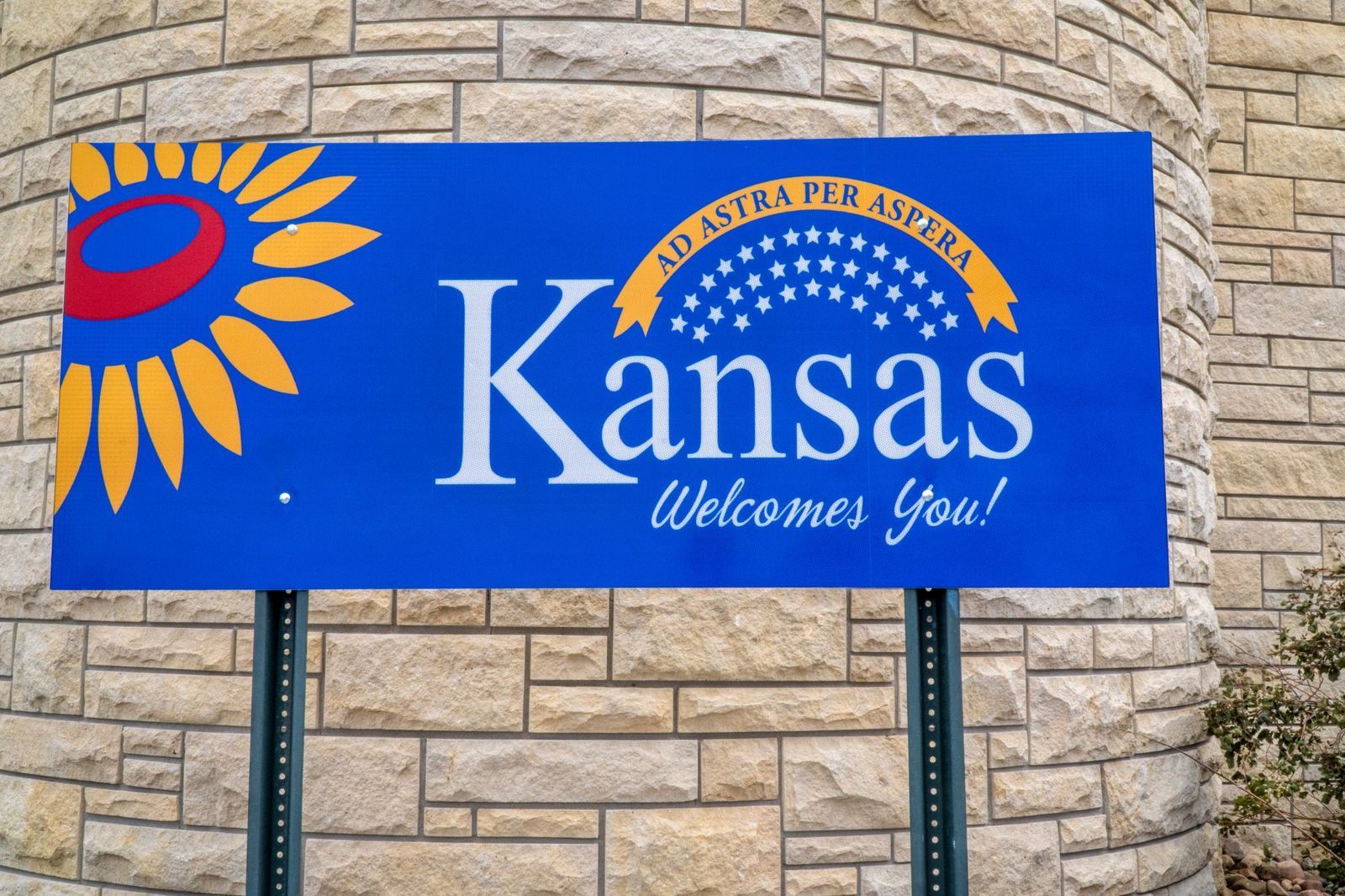
This one means "to the stars through difficulties," and it fits Kansas like a glove. The phrase was adopted in 1861, the same year Kansas became a state after years of violent conflict known as "Bleeding Kansas," where pro- and anti-slavery settlers clashed.
Written by John James Ingalls, it reminds Kansans that their state was forged through real struggle: hardship before triumph.
Virginia: Sic semper tyrannis

"Thus always to tyrants" sounds dramatic, and it is. Adopted in 1776 as Virginia broke from British rule, it celebrates the overthrow of oppressive power. Ironically, it became infamous in 1865 when John Wilkes Booth shouted it after assassinating Lincoln.
Virginians today still see it as a proud statement against tyranny, despite that dark historical footnote.
New York: Excelsior

Meaning "ever upward," this motto was adopted in 1778, shortly after New York became a state, appearing on its seal. It reflects ambition and progress, a fitting message for a state built on skyscrapers and big dreams. New Yorkers still embrace it as a nod to reaching higher, no matter the obstacle.
California: Eureka
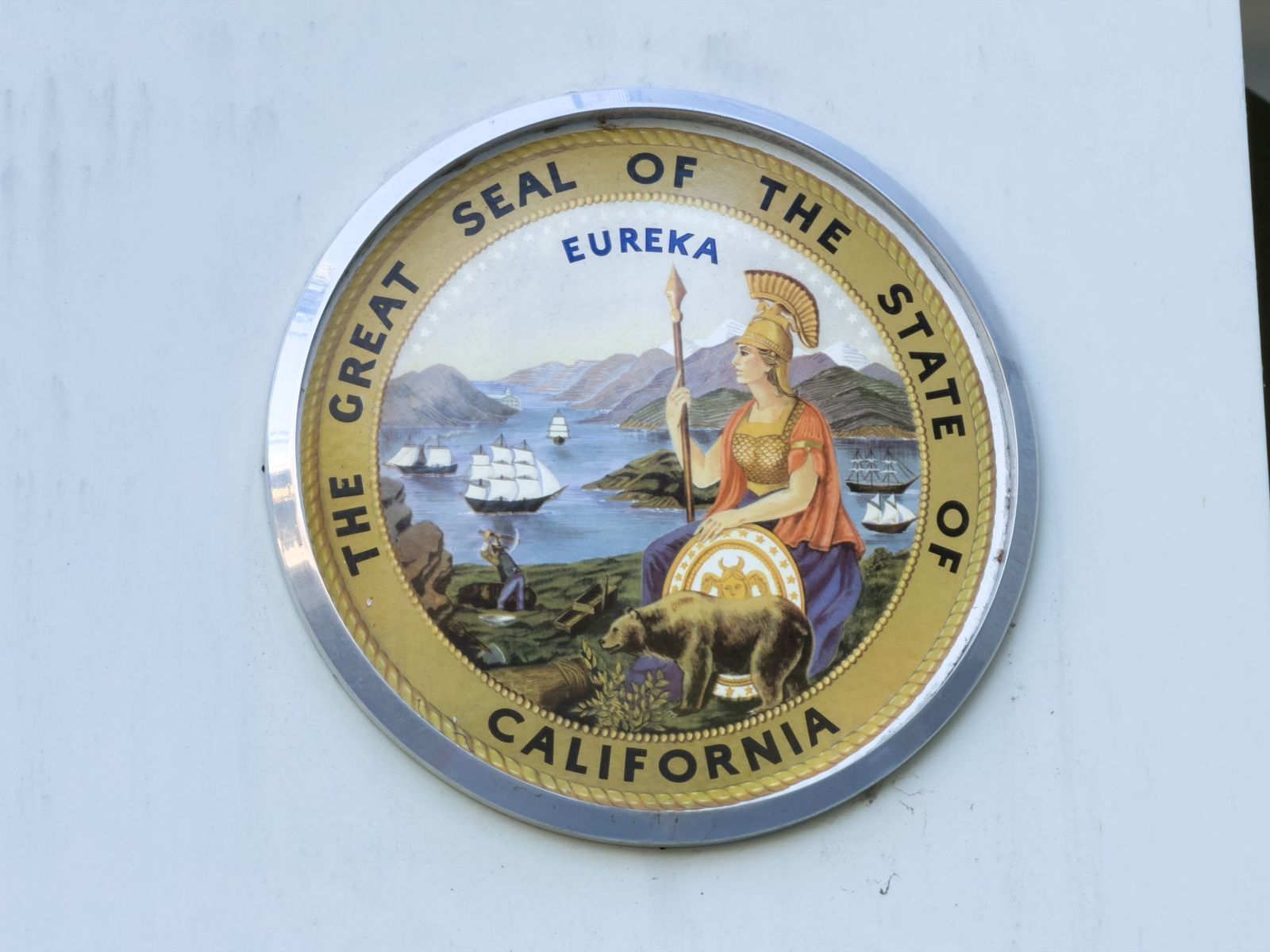
"I have found it!" was adopted as California's motto around the Gold Rush era of 1849, officially made law in 1963. It captures the thrill of prospectors striking gold in the hills, and more broadly, the spirit of discovery and opportunity that drew millions west.
New Hampshire: Live Free or Die
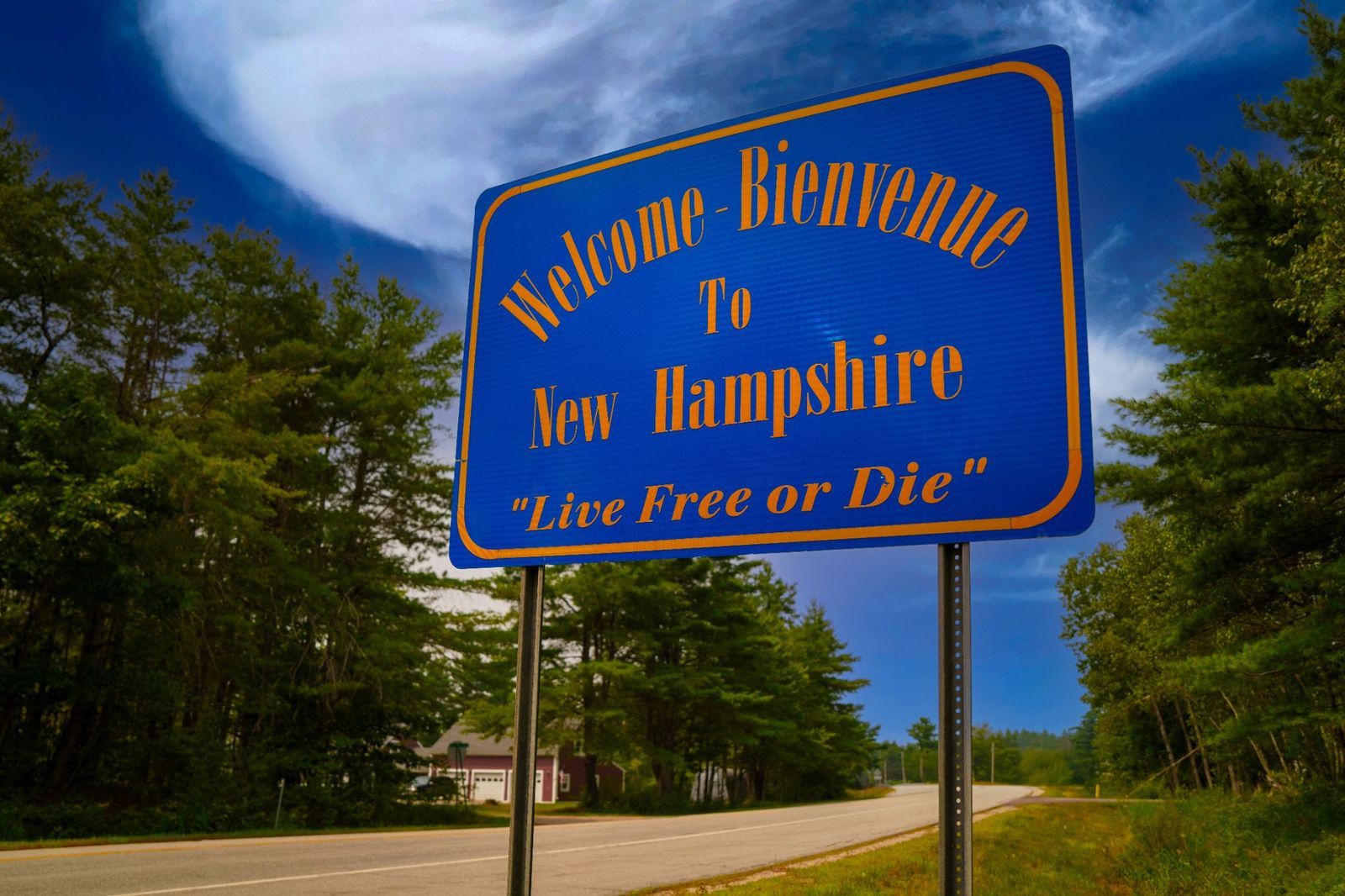
Perhaps the boldest motto in the country, this phrase came from Revolutionary War general John Stark, who wrote it in an 1809 toast to his old soldiers. It became the official state motto in 1945. It's stamped on license plates, embodying New Hampshire's fierce independent streak.
Hawaii: Ua Mau ke Ea o ka ʻĀina i ka Pono
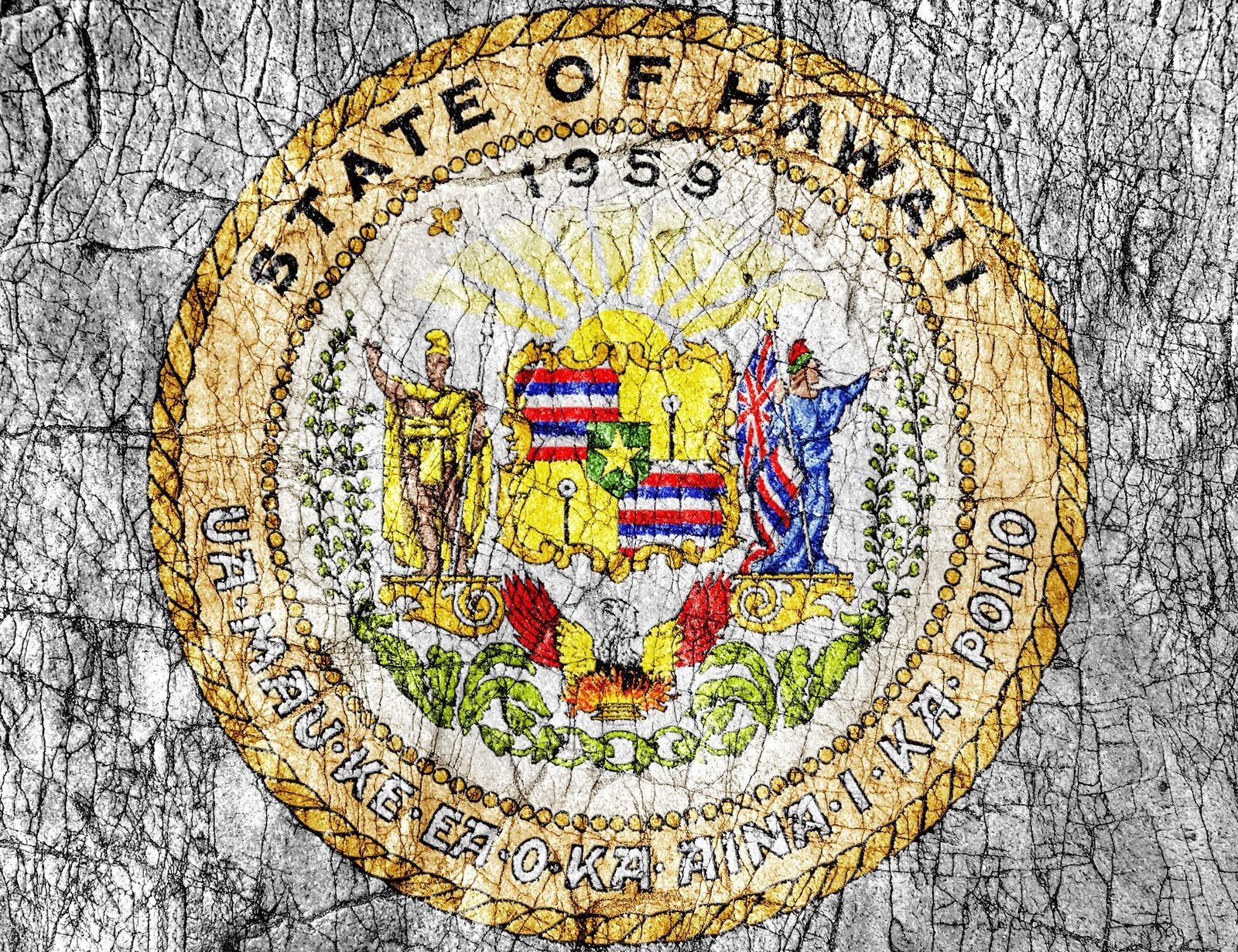
Translated as "the life of the land is perpetuated in righteousness," this motto comes from a powerful moment: in 1843, King Kamehameha III spoke these words after Britain briefly seized Hawaii and then restored its sovereignty. It's a celebration of justice winning out, and it remains deeply meaningful to Native Hawaiian identity today.
Missouri: Salus populi suprema lex esto

This mouthful translates to "let the welfare of the people be the supreme law." Adopted in 1822 when Missouri joined the Union, it’s borrowed from Roman statesman Cicero. It reminds citizens that the government exists to serve the people first; a principle still cited in political debates about public good today.
North Carolina: Esse quam videri

Meaning "to be, rather than to seem," this motto was officially adopted in 1893, borrowed from Cicero once again. It champions authenticity over image: valuing genuine character over putting on a show. For North Carolinians, it's a point of quiet pride: substance matters more than flash, a value many still hold dear today.
Idaho: Esto perpetua
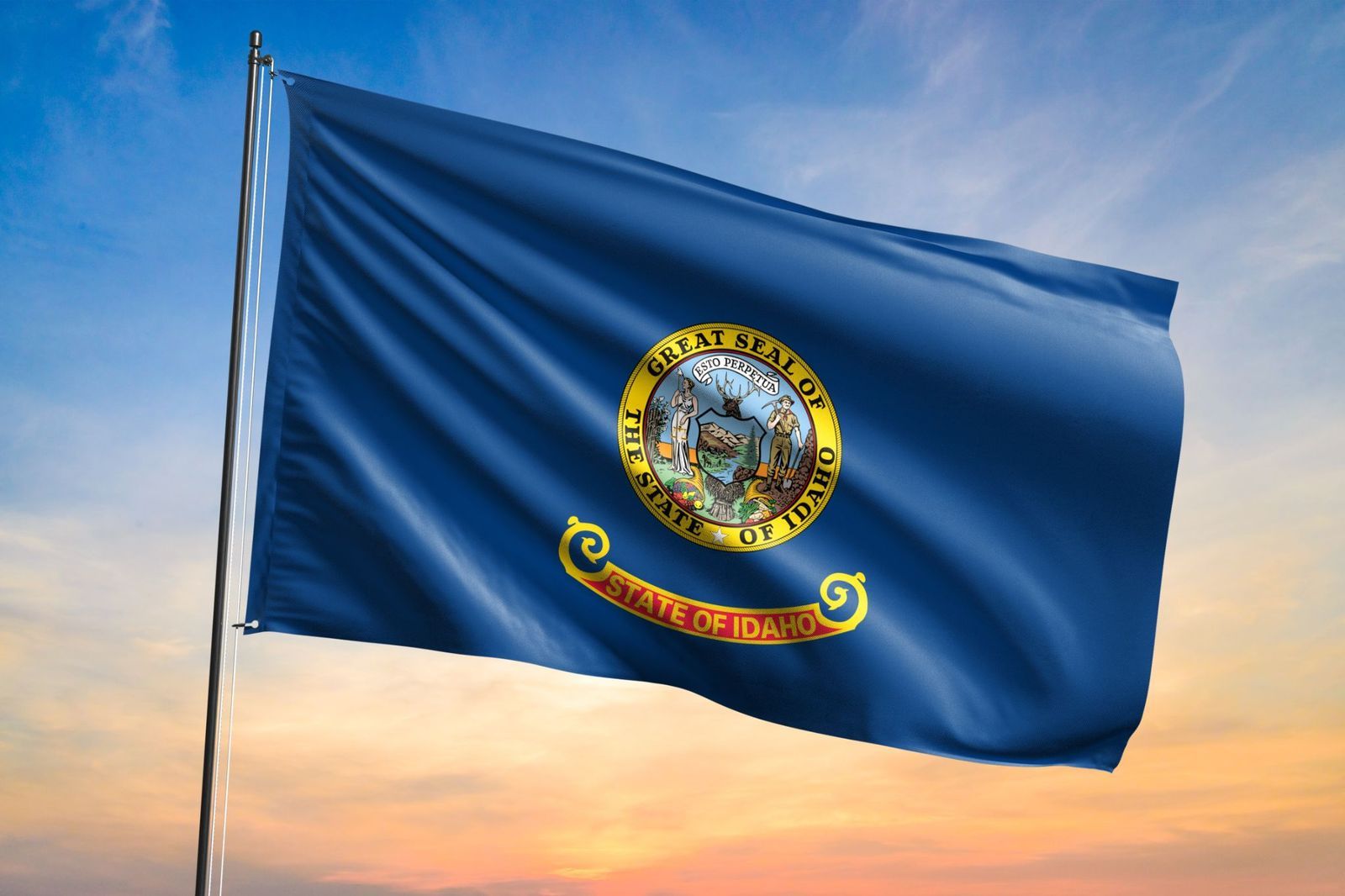
"Let it be perpetual" was adopted in 1867, years before Idaho even became a state in 1890. The phrase is borrowed from a 17th-century Venetian friar named Paolo Sarpi, said when Venice's independence was threatened. For Idaho, it's a hopeful wish that the state, and its freedoms, will endure forever.
Maryland: Fatti maschii, parole femine
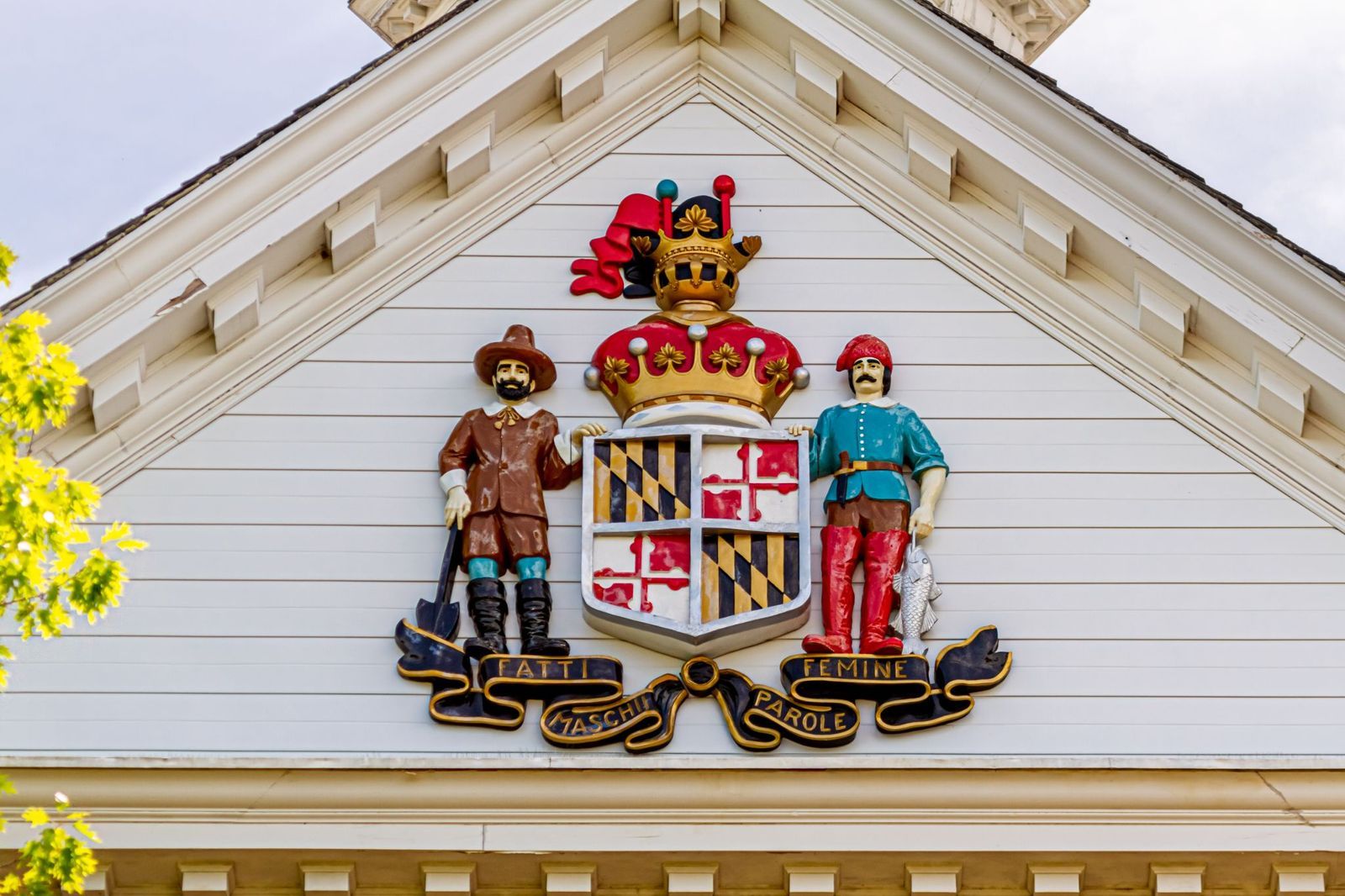
Loosely translated as "strong deeds, gentle words," this Italian phrase traces back to the coat of arms of the Calvert family, Maryland's founding Lords Baltimore, and was formally adopted in 1874. It suggests that actions should speak louder than talk: a value Marylanders still nod to with quiet pride.