Forgotten words too funny to lose

The forgotten insult for people who think they're important


Published on October 28, 2026

Image: KinoMasterskaya

Over time, certain words fall out of use, and some can sound kind of funny to us today. Did you know you could say "crapulous" when feeling ill after eating or drinking? Or call someone a "cockalorum" when they’re full of themselves? And these are just the beginning. From nouns to verbs to adjectives, these 10 forgotten old words will make your day.

1

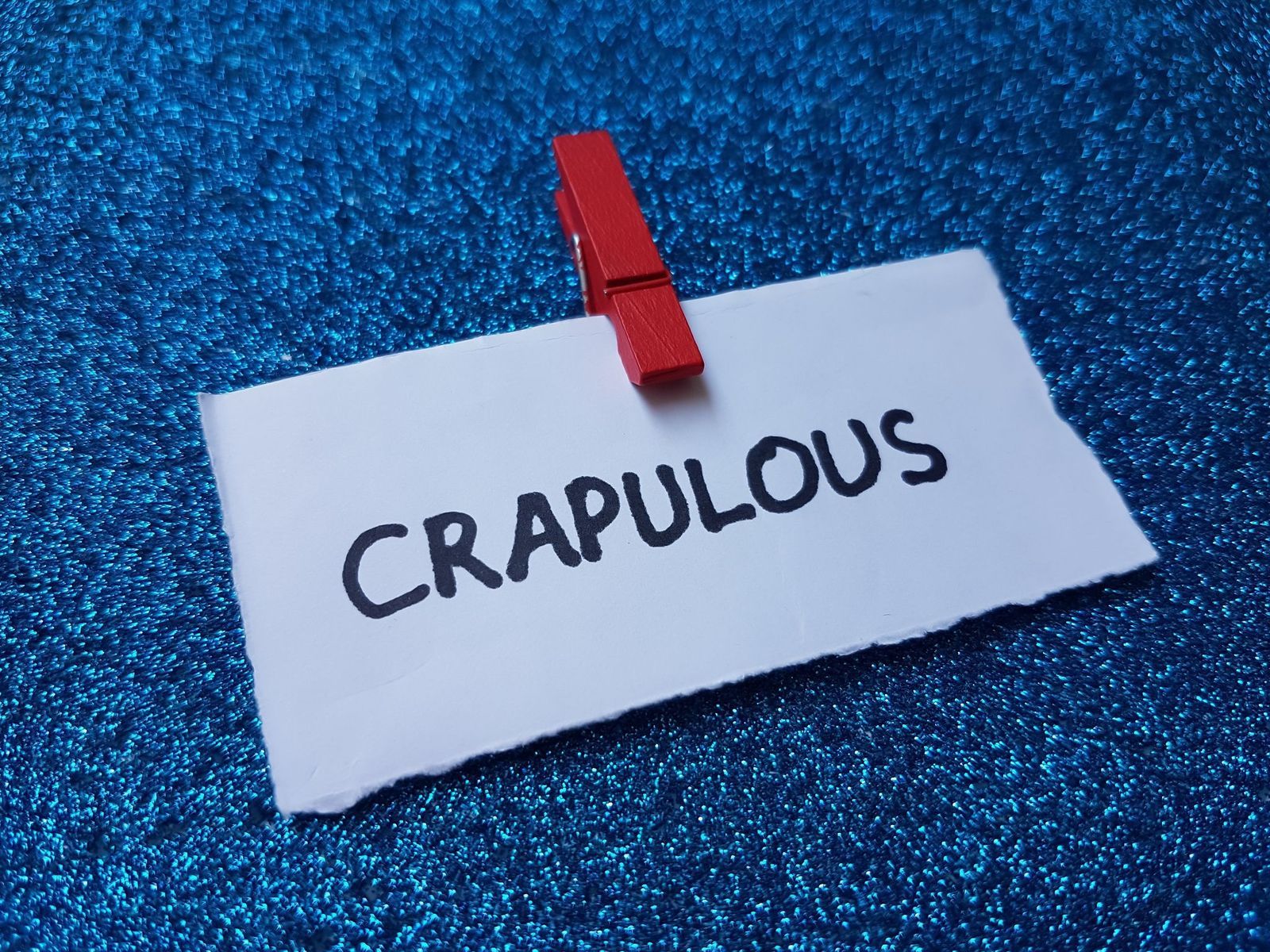
Crapulous

Image: Alicia97

Have you ever eaten so much at Thanksgiving dinner that you could barely move afterward? Well, there’s an old word just for that feeling. "Crapulous" means the sick feeling you get after eating or drinking too much. The word dates back to the 16th century and comes from the Latin crapula, associated with drunkenness and hangover headaches.

Although "crapulous" sounds a bit like "crappy" or "crap," the words aren’t actually related. So now you know: try not to get crapulous at your next party.

2

Cockalorum

Image: MDV Edwards

When someone thinks they’re the smartest person in the room, you call them a cockalorum. This old word first appeared in the early 1700s and is a fitting insult for braggarts and people who think too highly of themselves. But you can also use "cockalorum" to describe bragging itself. The word is believed to come from an old Dutch word that means crowing, like a rooster.

3

Groak

Image: Ganggas Randu

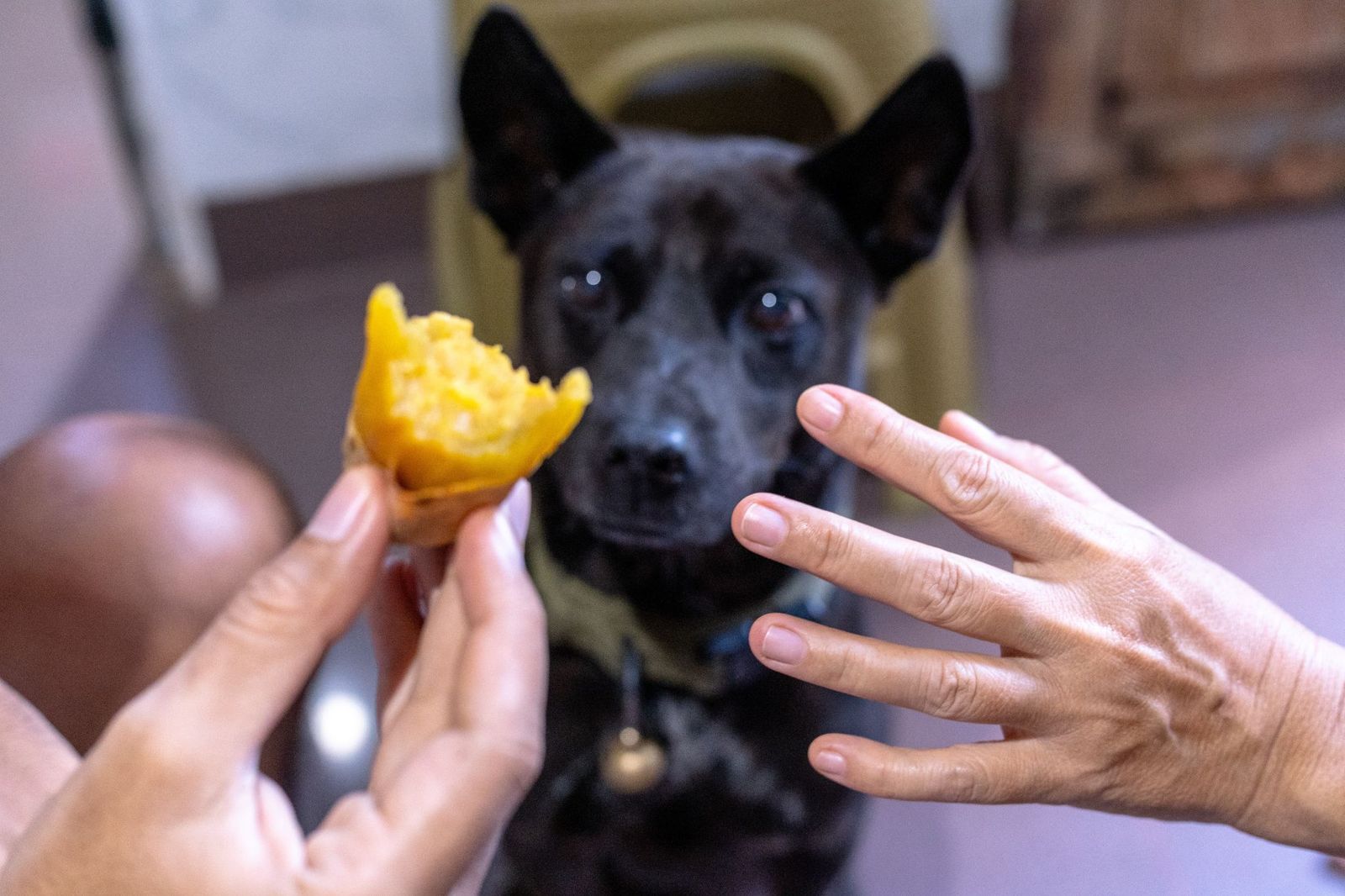
English has plenty of words for looking at something: stare, glance, gaze, and many more. But did you know there’s a word for the way someone looks hungrily at another person hoping they’ll share their food? That word is "groak," and it can describe a hungry child or a dog watching every bite of your sandwich. The word comes from Scots forms such as growk, grouk, and groke, recorded in the 19th century.

4

Curglaff

Image: Michele Ursi

Ever jumped into a swimming pool only to gasp as if you’d just fallen into the Arctic? There’s a Scottish word for that first shock: "curglaff." English has plenty of words for feeling cold, but "curglaff" is for that specific gasp after realizing the water is colder than you expected. The word was recorded in John Jamieson's Etymological Dictionary of the Scottish Language, published in 1808.

5

Slubberdegullion

Image: MDV Edwards

What would you call someone who never cleans up after themselves, dresses like they just rolled out of bed, and seems proud of being a mess? You can use "slubberdegullion." This humorous and archaic word first appears in early 17th-century writing and drama. It's a much fancier way to call someone a "slob."

Slubber is an old verb that means smear or behave carelessly, and the rest seems to be just a fanciful, invented ending—though its full origin isn’t clear. Try saying it out loud, and you will notice it sounds funny.

6

Twattle

Image: MAYA LAB

If you spent an hour chatting about nothing important or discussing other people’s business, you could call it "twattle." The verb was recorded in the 1500s, and is an old-fashioned funny-sounding word for "gossiping." "Twattle-basket" was also an old insult for someone who wouldn’t shut up. "Twattle" is related to "twaddle," which eventually became a more familiar term for foolish talk.

7

Brabble

Image: BearFotos

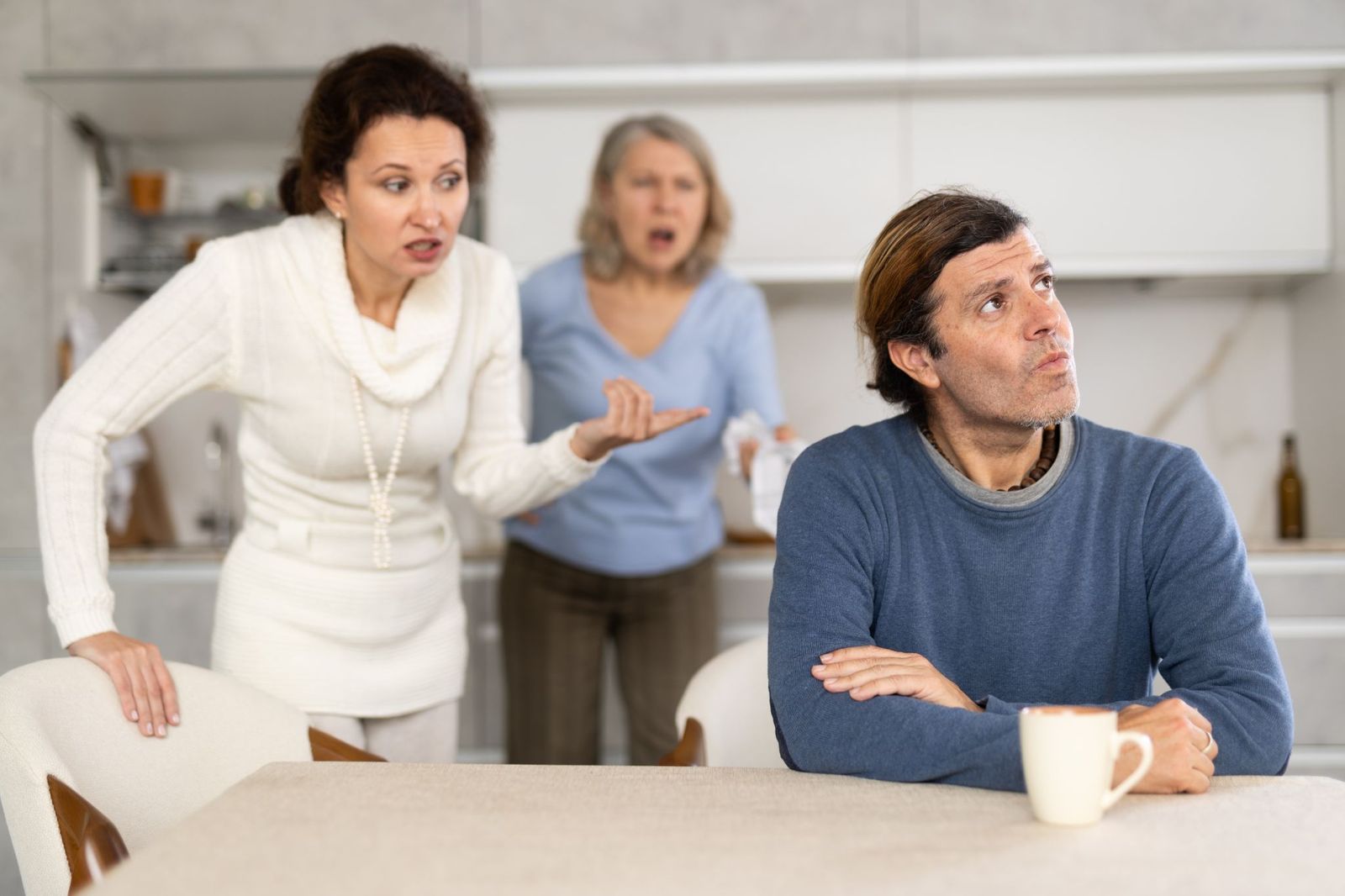
"Brabble" basically means to quarrel noisily over something unimportant, but it can also be used as a noun for a petty argument. The word can be traced to the 15th century and comes from Middle Dutch brabbelen, which essentially means the same.

Even Shakespeare used this term in Titus Andronicus, where he wrote: "This petty brabble will undo us all." Think of family members arguing over the TV remote or a board game. That’s the kind of petty fight you could call a "brabble."

8

Elflock

Image: Volodymyr TVERDOKHLIB

Did you know that centuries ago, you could blame the elves for your messy bedhead? Yes, an "elflock" is a clump of hair believed to have been knotted by elves while someone slept, but it could also refer to tangled hair without the supernatural explanation. The word first appeared in the 1500s, and it combines "elf" + "lock." In Shakespeare’s Romeo and Juliet, Mercutio uses the term to describe how the fairy Queen Mab tangles people's hair at night.

9

Resistentialism

Image: shisu_ka

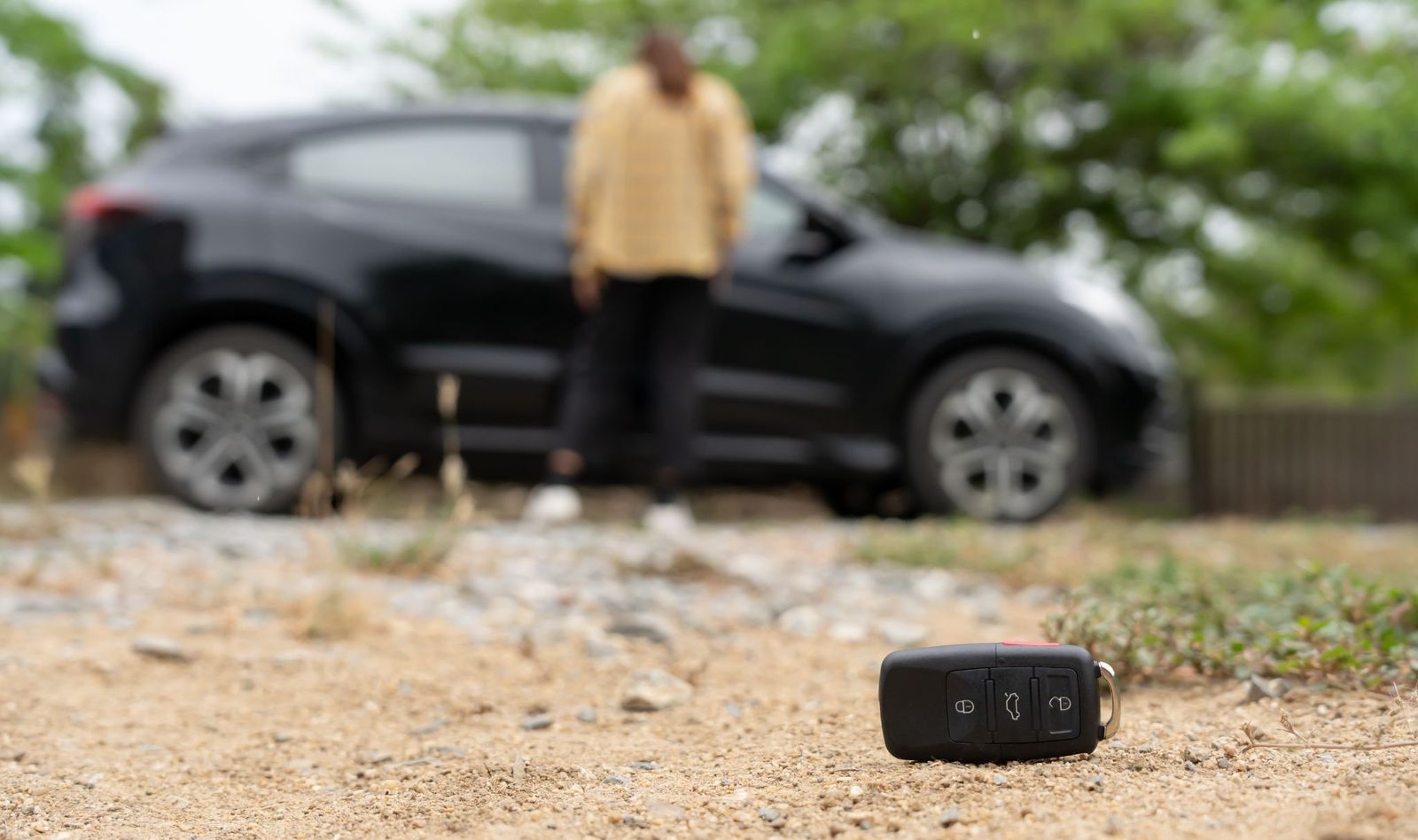
Ever watched your computer freeze the moment you need it? Or lost your keys just as you were leaving and felt that your belongings were somehow conspiring against you? Believe it or not, there’s a word for that too: "resistentialism."

The term was first introduced by British humorist Paul Jennings in an essay called "Report on Resistentialism," published in The Spectator in 1948. The piece pretended to be a serious theory about the hostile intentions of ordinary things and the feeling that objects have developed a personal grudge against you.

10

Apricity

Image: Katerina Kodyakova

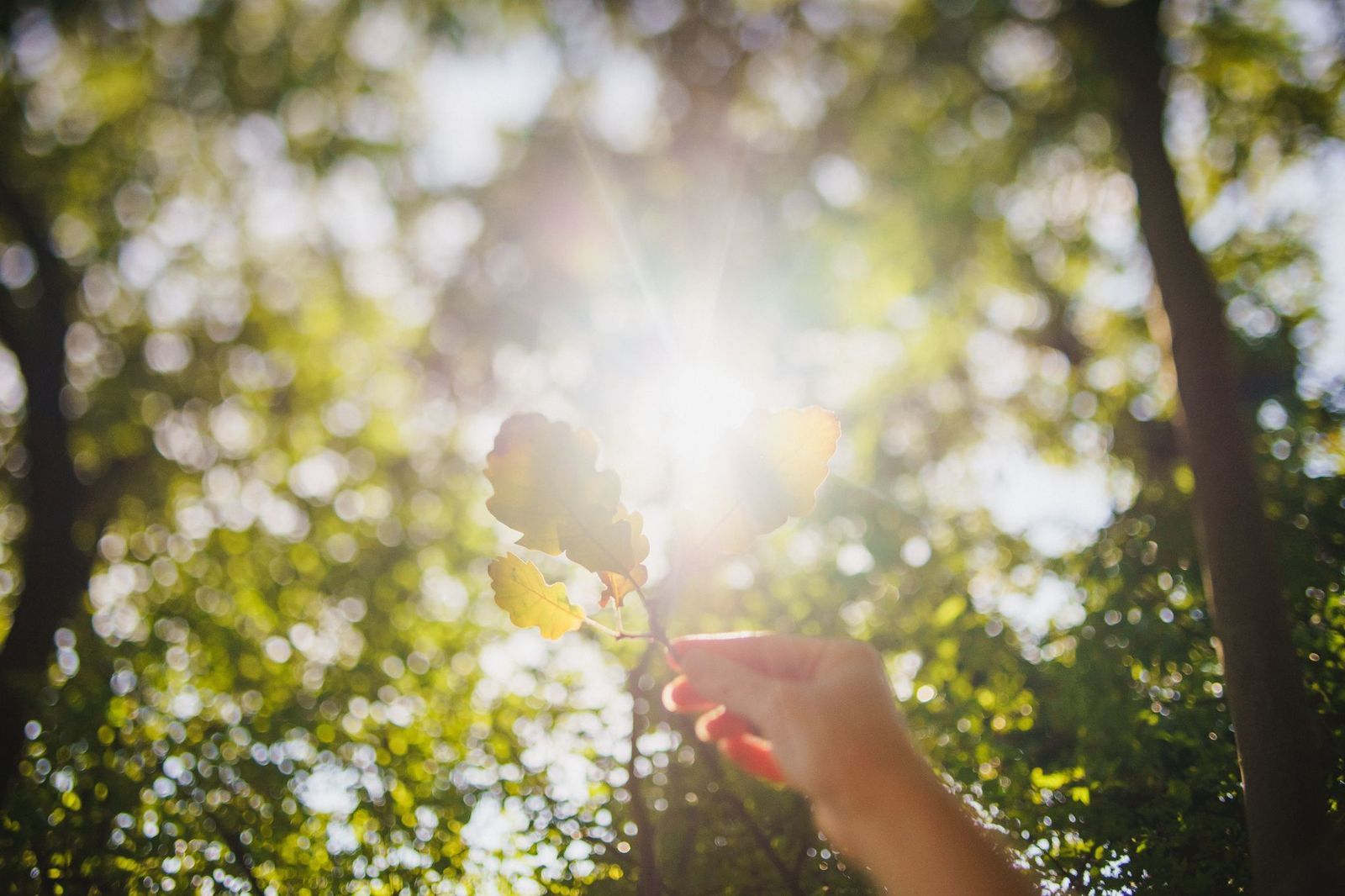
Picture a cold winter morning when you sit outside to feel the warm sunlight on your face, even though the air around you is chilly. "Apricity" is an old word for that feeling. The word comes from apricus, which means sunny or exposed to the sun. It dates back to the 1600s, when lexicographer Henry Cockeram included it in his dictionary.

Apricity never really caught on in everyday conversation, and it eventually fell out of use. But it's a lovely word that describes a simple pleasure.


BUCKET LIST INSPIRATION

The 10 Most Charming Town Squares in Europe to Visit


Published on October 28, 2026


Image: Jacek Kadaj

No matter where you travel, town squares are the first places you should visit. Often considered the beating heart of a city, these piazzas are responsible for bringing together social life. Festivals, markets, political rallies, and other important events take place in town squares. Since the history of Europe is particularly rich, it’s fascinating to learn about its public spaces, which are sources of knowledge, culture, and entertainment even today. If you are interested in the hidden gems of the most significant cities of the Old Continent, join us to discover 10 dreamy European town squares worth visiting.

1

Piazza San Marco (Venice, Italy)

Image: Ljubomir Žarković

Piazza San Marco, located in the center of Venice, is the most important public square in the city. It is considered one of the most beautiful squares in the world—so much so that it’s said Napoleon Bonaparte once described it as "the drawing room of Europe."

Its construction began in the ninth century, and it is trapezoid-shaped. Situated in the lowest area of Venice, it is easily flooded during acqua alta ("high water"). The square is dedicated to the evangelist Mark, the patron saint of Venice—hence the name—and houses some of the most impressive buildings in the city, such as the Doge's Palace, the Basilica, and the Bell Tower of St. Mark.

2

Hősök tere (Budapest, Hungary)

Image: charlemagne

Hősök tere, which translates into English as "Heroes' Square," is one of the most important historical and cultural sites in Budapest. Its construction began in 1896 to celebrate the millennium of the foundation of the Hungarian state. This landmark features 7 equestrian statues of Magyar chieftains who played a decisive role in the country's history.

These sculptures, in turn, are crowned by an impressive Corinthian column 118 feet high, and topped by the Archangel Gabriel, who raises the Holy Crown and the double cross of Christianity. This sculptural composition, also known as the Millennium Monument, has been a UNESCO World Heritage Site since 2002.

3

Place de la Bourse (Bordeaux, France)

Image: Juan Di Nella

One of the most beautiful and popular places in Bordeaux is the Place de la Bourse ("Stock Exchange Square"), both for its historical and architectural significance. Framed by majestic facades, the former royal square was built between 1730 and 1775, following the design of one of the most renowned architects of the time, Ange-Jacques Gabriel.

In addition to being surrounded by important buildings, such as the town hall, the Place de la Bourse features the Miroir d'eau ("mirror of water"), a favorite spot for both tourists and locals alike. Listed as a contemporary world heritage site, this spectacular piece alternates extraordinary mirror and fog effects, which no one can resist taking pictures of.

4

Grote Markt (Brussels, Belgium)

Image: Hanlin Sun

Many argue that Grote Markt ("Big Market" in English) is one of the most beautiful squares in the world. No wonder! The ornamental charm of the buildings, along with its paving covered by the typical Brussels cobblestones, makes it a unique place. Need more evidence? In 1998, UNESCO designated Grote Markt as a World Heritage Site.

With Gothic, Baroque, Neo-gothic, and Neoclassical designs, the walls of this square, located in the center of the Belgian capital, conceal a lot of history. Its construction began in the 11th century and its strategic location soon turned it into an important trading point. In the 17th century, during the Nine Years' War, the square was partially destroyed. In the following years, the facades were rebuilt, and since then it has been carefully protected due to its high heritage value.

5

Plaza de España (Seville, Spain)

Image: Joan Oger

"Gentlemen, I knew this was beautiful, but not this much." This is what King Alfonso XIII allegedly said when he visited the Plaza de España ("Spain Square," in English) during its construction. In 1929, the government commissioned a national pavilion as a symbol of the ties between Spain, its former colonies, and Portugal. That’s why the building represents, with its curved shape, the country's embrace of its former American territories.

Spanning more than 490,000 sq ft, this plaza in Seville is full of curiosities and symbolism, such as historical scenes, maps, and regional coats of arms. But probably the most intriguing fact about Plaza de España is that it was declared a Treasure of European Film Culture and has been a film set for mythical movies such as Lawrence of Arabia and Star Wars.

6

Marienplatz (Munich, Germany)

Image: Daniel Seßler

Ever since Henry the Lion founded the city in 1158, Marienplatz has been the center and soul of Munich. It has been the site of important public events and festivities, from tournaments and markets to executions. Today, it is surrounded by important buildings such as the Old and New Town Halls.

Originally, the square was called Schrannenplatz ("Grain Market square") but was renamed Marienplatz ("St. Mary's square") after a monument dedicated to the Virgin Mary was erected in 1638 to celebrate the end of Swedish occupation.

7

Praça do Comércio (Lisbon, Portugal)

Image: Frank Nürnberger

Located in the historic and commercial center of Lisbon and open to the Tagus River, Praça do Comércio ("Commerce Square") is one of the most important symbols of the Portuguese capital. It was formerly called Terreiro do Paço ("Palace Yard"), since this is where the Royal Palace used to be.

After the terrible earthquake of 1755, the Marquis of Pombal decided to rebuild the square in the shape of a "U," with three large arcaded buildings that now house government agencies, the main tourist office, and some restaurants and cafes, including the Martinho da Arcada. This bar is the oldest in the city—founded in 1782—and was once frequented by prominent intellectuals, such as the famous Portuguese author Fernando Pessoa.

8

Rynek Główny (Kraków, Poland)

Image: Lucas Albuquerque

Rynek Główny ("Main Market" in English), built in 1257, is the heart of Cracovia and holds an important historical, cultural, and social significance. Surrounded by historic townhouses, churches, and palaces, it is one of the largest medieval squares in Europe and is the main meeting point for locals and tourists.

Perhaps its most outstanding attractions are its traditional carriages, flower stalls, and pigeons, which, according to the legend, are knights turned into birds. It is also delightful to visit this square before Christmas or Easter when traditional markets are held in celebration of Rynek Główny’s commercial past.

9

Raekoja Plats (Tallinn, Estonia)

Image: Ilya Orehov

Raekoja Plats, or Town Hall Square in English, is the neuralgic center of Tallinn’s Old Town. As its name suggests, this square is dominated by the Town Hall building, the oldest of its kind in the Baltic countries and Scandinavia—and the only Gothic-style town hall still standing in all of northern Europe!

Another notable attraction in Raekoja Plats is Raeapteek, one of the oldest pharmacies in Europe. Although no one knows exactly when it opened, there are records dating back to at least 1422.

Raekoja Plats changes a lot depending on the season. In summer, it hosts festivals like Tallinn Old Town Days, while in winter, you can visit the Christmas Market and enjoy a nice cup of glögg, a traditional Estonian mulled wine.

10

Trafalgar Square (London, England)

Image: Korng Sok

Although it’s not as old as other squares on this list, Trafalgar Square is one of the most relevant landmarks in London. It was inaugurated in 1844 to commemorate the victory of the British Navy in the Battle of Trafalgar and is now a must-see attraction for more than 30 million tourists each year. Owned by the Crown, this square is a patriotic symbol surrounded by bronze statues of several prominent figures, including George Washington.

Originally designed by the famous architect John Nash, Trafalgar Square has been a gathering place for celebrations and political rallies. If you visit it today, you’ll find hints of British culture and history, such as the majestic National Gallery and the Anglican church of St Martin-in-the-Fields.

Looking for an extra scoop of literary fun?

Learn more with our Word of the day

redemption

/rəˈdɛm(p)ʃən/