Lost meanings

The fascinating stories behind America's favorite place names


Published on September 2, 2026
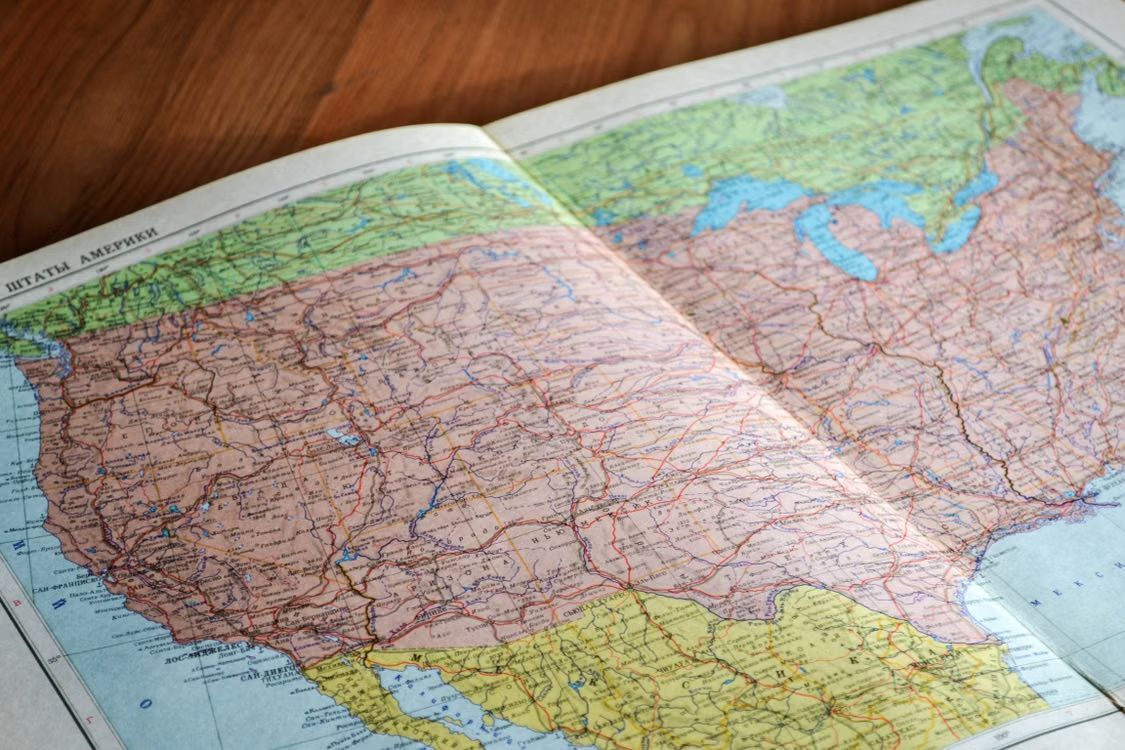

Image: John-Mark Smith

Ever wondered why Chicago is called Chicago, when Florida got its name, or what Alaska's name really means? Some of America's most familiar place names have surprisingly old, and sometimes unexpected, stories behind them. From Native American languages to Spanish explorers and even a fictional island, these names offer little glimpses into the people, languages, and cultures that shaped the country. Here are the fascinating stories behind some of America's best-known place names.

1

Chicago: The city named after wild onions

Image: Pedro Lastra

Chicago is known for its impressive skyline, deep-dish pizza, blues music, and location along Lake Michigan. But why is it called Chicago?

The name traces back to a Native American word, shikaakwa, referring to wild onions or garlic that once grew abundantly in the area. French explorers recorded the name in the late 1600s in various forms, eventually leading to the spelling we know today. Long before Chicago became one of America's largest cities, the plants growing around its waterways had already given the area its name.

2

Alaska: The great land

Image: Rod Long

With its enormous wilderness, glaciers, mountains, and wildlife, Alaska hardly needs a grand name to convey its scale. Yet its name does exactly that.

Alaska comes from an Aleut word, often rendered as Alyeska or a related form, commonly interpreted as "the great land" or "the mainland." Long before Alaska became America's largest state in 1959, its Indigenous people had a name that reflected the vast landscape around them. Today, it remains an unusually fitting description of the Last Frontier.

3

California: A place named after a fictional island
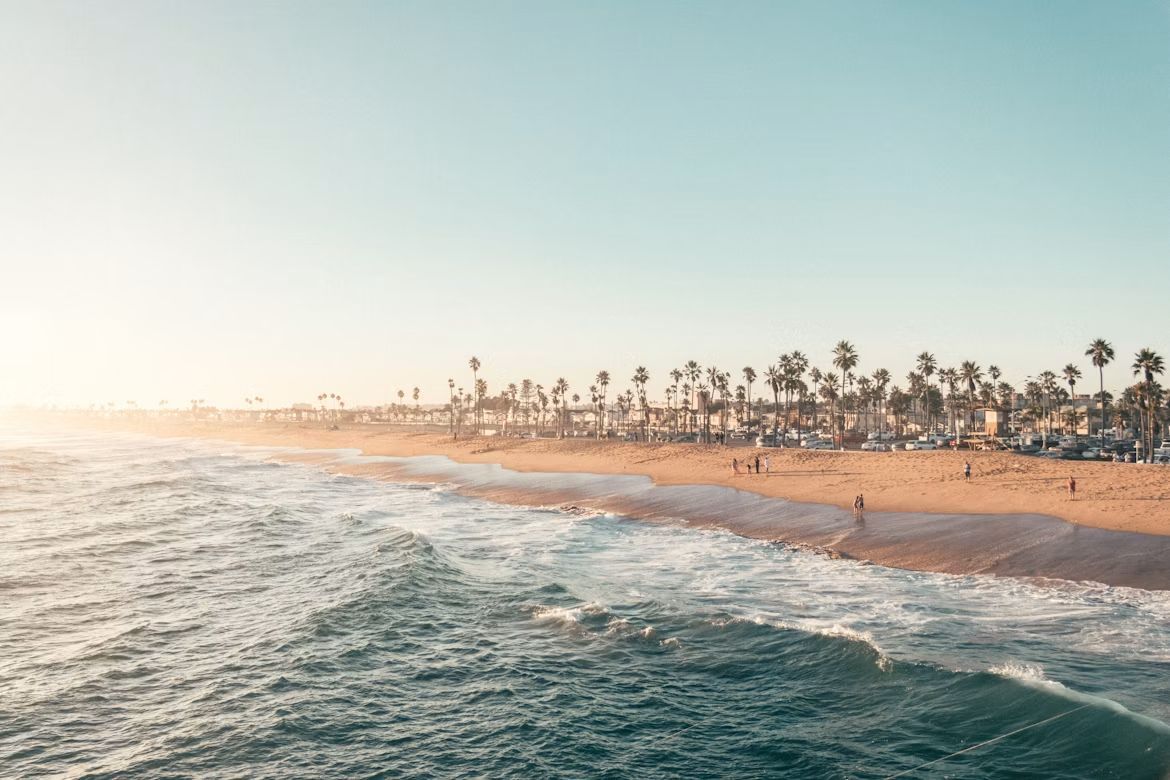
Image: Gustavo Zambelli

California is home to Silicon Valley, sunny beaches, Hollywood, and some of America's most recognizable landmarks.

In the early 16th century, a popular Spanish novel, Las Sergas de Esplandián, written by the Castilian author Garci Rodríguez de Montalvo**, described a mythical island called California. When Spanish explorers encountered the region in 1542, the name was eventually applied to the land they were exploring**. Perhaps it's fitting that America's home of fiction, Hollywood, is in a state that may have gotten its name from a fictional island.

4

Texas: Friendship in one simple word

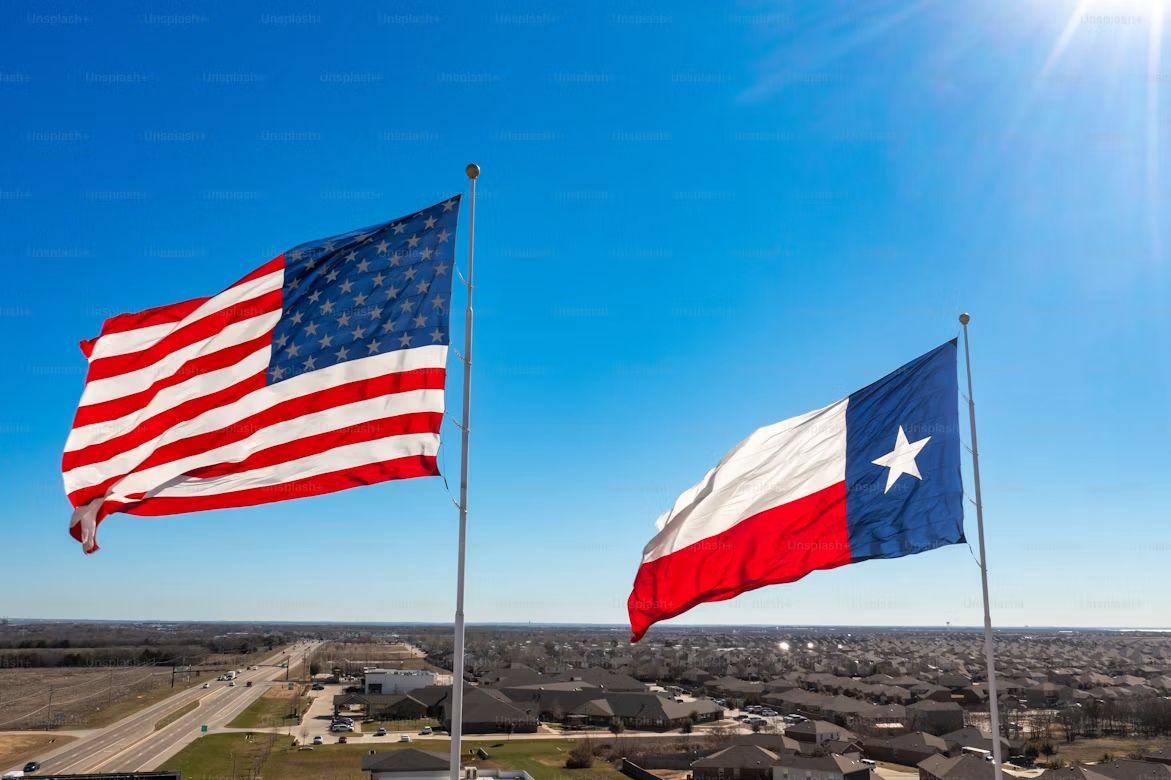
Image: Getty Images

Think of Texas, and images of cowboys, cattle ranches, barbecue, and the Alamo probably aren't far behind. But the meaning behind the state's name is surprisingly friendly.

Texas comes from the Caddo word tejas, commonly understood to mean "friends" or "allies." In 1689, Spanish explorers encountered Hasinai peoples in East Texas and recorded the word tejas, which they understood to mean 'friends' or 'allies.' The Spanish later adopted Tejas as a name for the region.

5

Florida: A name inspired by flowers

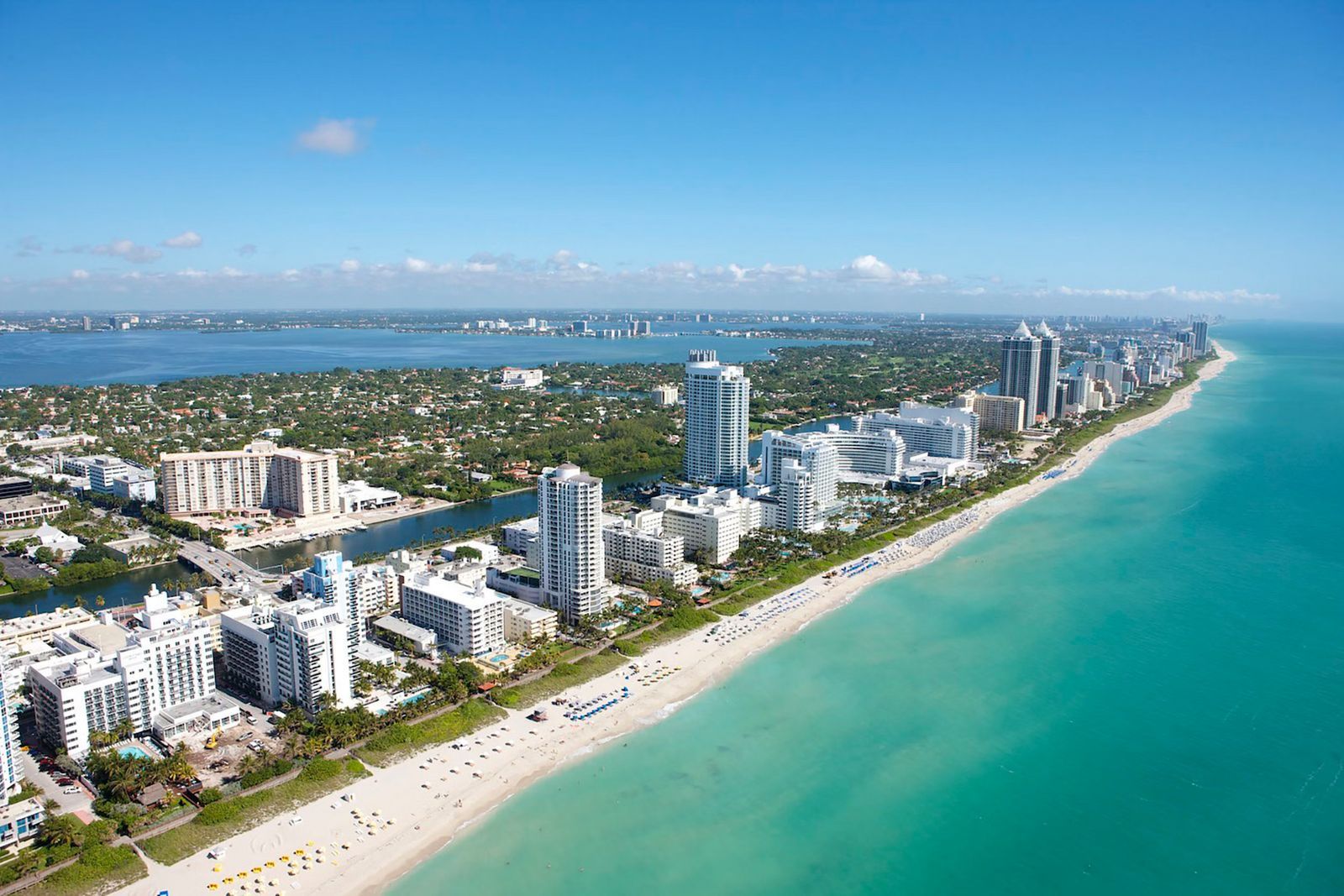
Image: Antonio Cuellar

Palm trees, beaches, orange groves, and warm weather have become synonymous with Florida. The state's name, though, has its roots in a Spanish Easter tradition.

When Spanish explorer Juan Ponce de León arrived in the region in 1513, he called it La Florida, a name associated with Pascua Florida, the Spanish Easter season, meaning "flowery Easter." The name has remained for more than 500 years, even as Florida became known for very different things.

6

Manhattan: A name with Native American roots

Image: Jermaine Ee

Long before Broadway, Wall Street, and the Empire State Building defined Manhattan, the island was home to the Lenape people. Their language left behind a name that millions of Americans use every day.

The exact meaning of Manhattan is debated, but interpretations have included "hilly island" and "place where wood is gathered." Whatever the precise translation, the name offers a reminder of the island's history long before New York became one of the world's great cities.

7

Mississippi: The great river

Image: Justin Wilkens

Few names are more closely tied to a river than Mississippi. The state shares its name with one of America's most important waterways, a river that has shaped transportation, trade, agriculture, and settlement for centuries.

The word comes from an Indigenous language and is commonly translated as "great river" or "great waters." Considering the Mississippi's enormous size and importance in American history, the name is remarkably fitting.

8

Milwaukee: The gathering place by the water

Image: Matthew Schultz

Today, Milwaukee is often associated with beer, baseball, and its Lake Michigan waterfront. But its name comes from a much older connection to the area's natural landscape.

Milwaukee comes from an Algonquian language and has been interpreted in several ways, including "good," "pleasant," or "gathering place by the water." The exact meaning has been debated, but the reference to water makes sense: the city developed along Lake Michigan and around the Milwaukee, Menomonee, and Kinnickinnic rivers.

9

Yosemite: A name born from Native American history
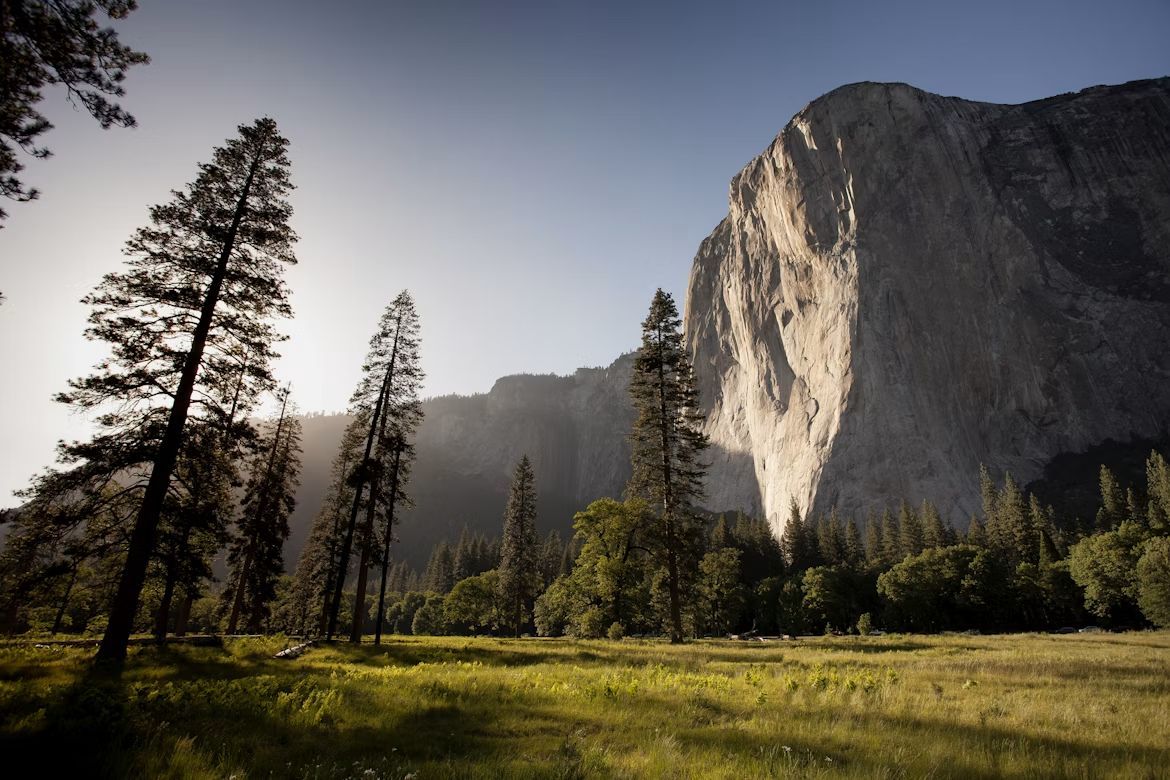
Image: Adam Kool

Yosemite is one of the most recognizable names in America's national parks, evoking towering granite cliffs, waterfalls, and giant sequoias. Its name, however, carries a more complicated story.

The name Yosemite is often linked to a term used for the Ahwahneechee people and has traditionally been translated as "those who kill." But that simple translation leaves out an important part of the story: the word was reportedly used by outsiders to refer to the Ahwahneechee rather than being the name those people used for themselves. Today, the famous name remains, even though its origins are more complex than many visitors realize.

10

Appalachia: A name that traveled across a mountain range
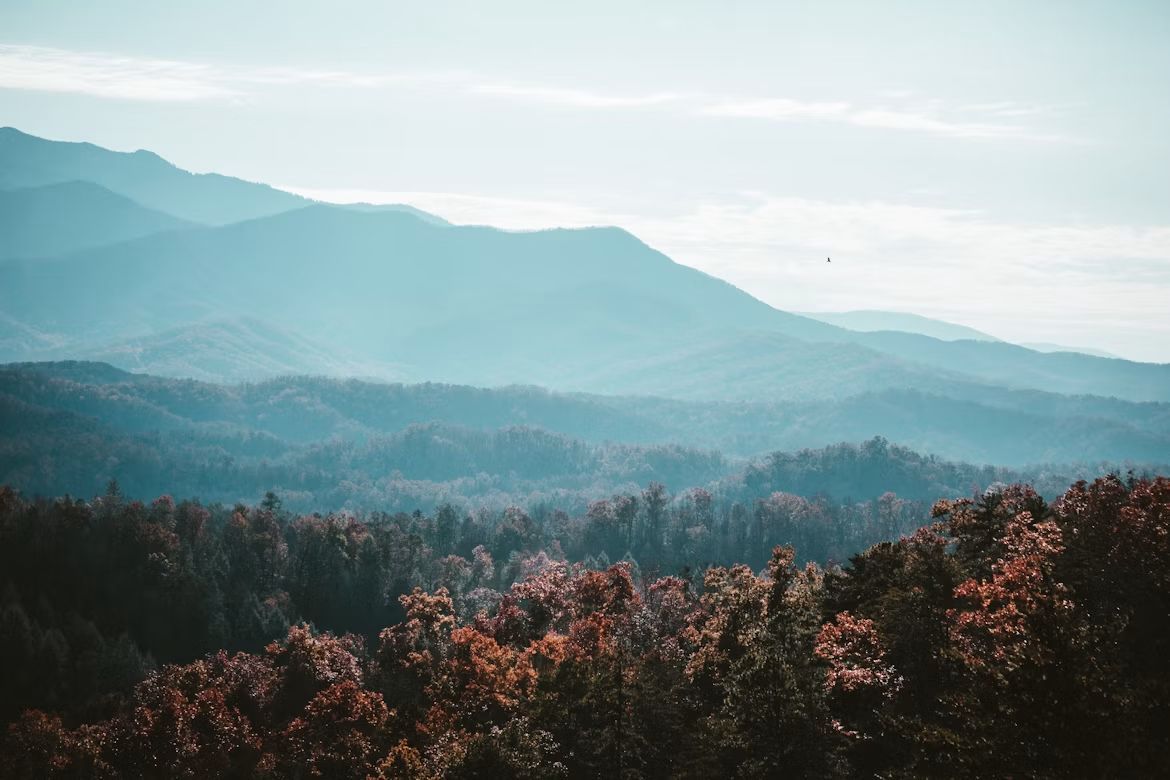
Image: Sean Foster

Appalachia is more than a mountain range. The name evokes a distinctive American region known for its mountain communities, bluegrass music, traditional crafts, and deep-rooted cultural traditions.

The word Appalachia traces back to the Apalachee, an Indigenous group who lived in what is now the southeastern United States. Spanish explorers encountered the Apalachee in the 16th century, and variations of their name were eventually applied to the Appalachian Mountains and surrounding region. Over time, the name came to describe an entire cultural region stretching across several states.


Delicious read

Say cheese! We're taking a global tour of cheese origins!


Published on September 2, 2026


Image: Lauren Forando

Have you ever wondered where some of your favorite cheeses come from? Many of them are named after their places of origin, making each bite a tasty geography lesson. Whether you're a cheese expert or just enjoy a good slice on your sandwich, it doesn’t matter—you’ll enjoy this flavorful ride either way. There are fascinating stories behind the cheeses we eat every day. So, let’s take a trip around the world—one cheesy stop at a time—and explore 10 places that gave these famous cheeses their names.

1

Parmesan

Image: Alexander Maasch

We can’t start with anything but a classic. Parmesan—or, as the Italians say, Parmigiano Reggiano (fancy name, huh?)—hails from two regions in Italy: Parma and Reggio Emilia. Can you see where the name comes from?

This one is often called the "King of Cheeses." It’s the perfect topping for pasta thanks to its hard, crumbly texture.

As for Italians, they take Parmesan very seriously—and we mean legally. Only cheese made in these regions can be called Parmigiano Reggiano. Its rich, nutty flavor develops over years of aging, making every sprinkle a savory delight.

2

Cheddar

Image: GoodEats YQR

We’re not sure what it is, but over the past decade, cheddar has skyrocketed in popularity. These days, it feels like every single meal has a version with cheddar on it. It’s a global superstar—but it all started in the quiet village of Cheddar in Somerset, England. Did you know that?

Unlike some other cheeses, cheddar isn’t bound by strict naming rules. That’s why it exists in so many versions—there’s a type of cheddar for everyone.

The cheese gets its signature dense texture from a unique process called "cheddaring," where curds are stacked and pressed. Today, cheddar is as common in a grilled cheese sandwich as it is on a fancy cheeseboard. So, what’s your favorite cheddar dish?

3

Brie

Image: Alice Donovan Rouse

There may be as many types of cheese as there are people in the world, but we can all tell the difference between the everyday varieties and the fancy ones, right? Brie definitely belongs to the latter.

Known for its soft, creamy interior and white rind, this cheese takes its name from the Brie region in northeastern France. Although the name isn’t legally protected, certain local varieties—like _Brie de Meaux_—hold special status.

Brie has a delicate, buttery flavor that pairs beautifully with fruit or a crisp baguette. It’s a favorite at both casual gatherings and holiday feasts. And if you haven’t yet melted a slice of Brie on warm bread, you’re missing out on one of life’s simplest pleasures.

4

Gouda

Image: Jessica Kantak Bailey

This one’s a classic—but do you know where it comes from? Gouda is one of the Netherlands’ most famous exports, and it’s named after the city of Gouda.

This cheese is often large and round, and it comes in a variety of ages, from young, mild varieties to the more intense, aged Goudas.

Known for its smooth, creamy texture and rich flavor, Gouda can be enjoyed in countless ways. The city of Gouda has fully embraced its cheesy heritage and even hosts a weekly cheese market! It’s known as "the city of cheese," so if you ever visit, you simply must try some Gouda!

5

Colby

Image: Katrin Leinfellner

It’s about time we stuck to our own production, and when it comes to that, Colby cheese is as American as apple pie. It originated in the small town of Colby, Wisconsin, where cheesemaker Joseph Steinwand created it in 1885 and named it after his hometown.

This mild, semi-soft cheese is known for its slightly sweet flavor and firm (but not crumbly) texture. It’s a favorite for snacking, melting, or adding to sandwiches, thanks to its approachable taste.

Wisconsin’s reputation as America’s Dairyland owes much to cheeses like Colby. So the next time you bite into a slice, you’re enjoying a piece of Midwestern tradition that’s still going strong.

6

Camembert

Image: Jez Timms

Camembert is a creamy, soft cheese with a velvety rind, and it takes its name from the village of Camembert in Normandy, France. While many variations exist, true Camembert de Normandie is protected and made using traditional methods.

This cheese has a rich, buttery flavor with earthy undertones, making it a staple on any proper French cheeseboard. Camembert is beloved for its versatility—you’ll find it spread on crackers or baked into a golden, gooey delight.

Locals in Normandy are rightfully proud of this cheese, as it represents their region’s rich dairy history. Take a bite of Camembert if a creamy trip to the French countryside is what you're after!

7

Monterey Jack

Image: Farhad Ibrahimzade

Colby isn’t the only cheese invented in the US—Monterey Jack brings a slice of Californian history to your table. This mild, semi-hard cheese is named after Monterey County, California, and the man who helped popularize it: David Jacks.

Jacks, a Scottish immigrant, saw an opportunity to market the cheese—and the rest is history! Its smooth, creamy texture makes it perfect for melting, making it a staple in quesadillas and burgers. Do you like this cheese?

8

Stilton

Image: Jez Timms

Blue cheese is a controversial one, not because of anything it did, but because people either love it or hate it. Which side are you on?

Stilton is one of England’s most iconic blue cheeses. It was named after the village of Stilton in Cambridgeshire, where it was first sold.

Today, only three counties in England are allowed to produce the coveted Blue Stilton, giving it a strong regional identity (and an extraordinary price tag).

With its crumbly texture and distinctive tangy flavor, Stilton stands out on any cheeseboard. You can enjoy it with a glass of port or a slice of pear. Stilton’s bold character has earned it a special place among cheese enthusiasts. If you haven’t tried it yet, you’re in for a delicious surprise!

9

Gruyere

Image: Daniela Paola Alchapar

Gruyère cheese is named after the picturesque district of Gruyères in Switzerland, where it has been made for centuries.

This firm cheese is known for its complex, nutty flavor and smooth texture, which makes it ideal for melting into fondue or French onion soup.

Interestingly, Gruyère has been at the center of legal disputes between France and Switzerland, as both countries claim rights to the name. But as things currently stand on the legal battlefield, authentic Swiss Gruyère is protected, so every time you get some, you know you’re getting the real deal.

10

Romano

Image: Gabriella Clare Marino

Let’s round it up by going back to the beginning: Italy! For the final cheese, we have Romano, often called Pecorino Romano in Italy, with roots going all the way back to ancient Rome.

This cheese is primarily made from sheep’s milk and can be quite salty, but it’s perfect for grating over pasta dishes or adding a sharp bite to salads.

Here’s the twist: True Pecorino Romano is a protected Italian cheese, while "Romano" in the US often refers to cow’s milk versions. In any case, Romano’s robust flavor packs a punch, making it a favorite for those who like their cheese with a little extra zing. What do you think of it?

Looking for an extra scoop of literary fun?

Learn more with our Word of the day

encumbrance

/ɪnˈkəmb(ə)rən(t)s/