Superstitious speech

The eerie belief behind saying "bless you" after a sneeze


Published on June 18, 2026
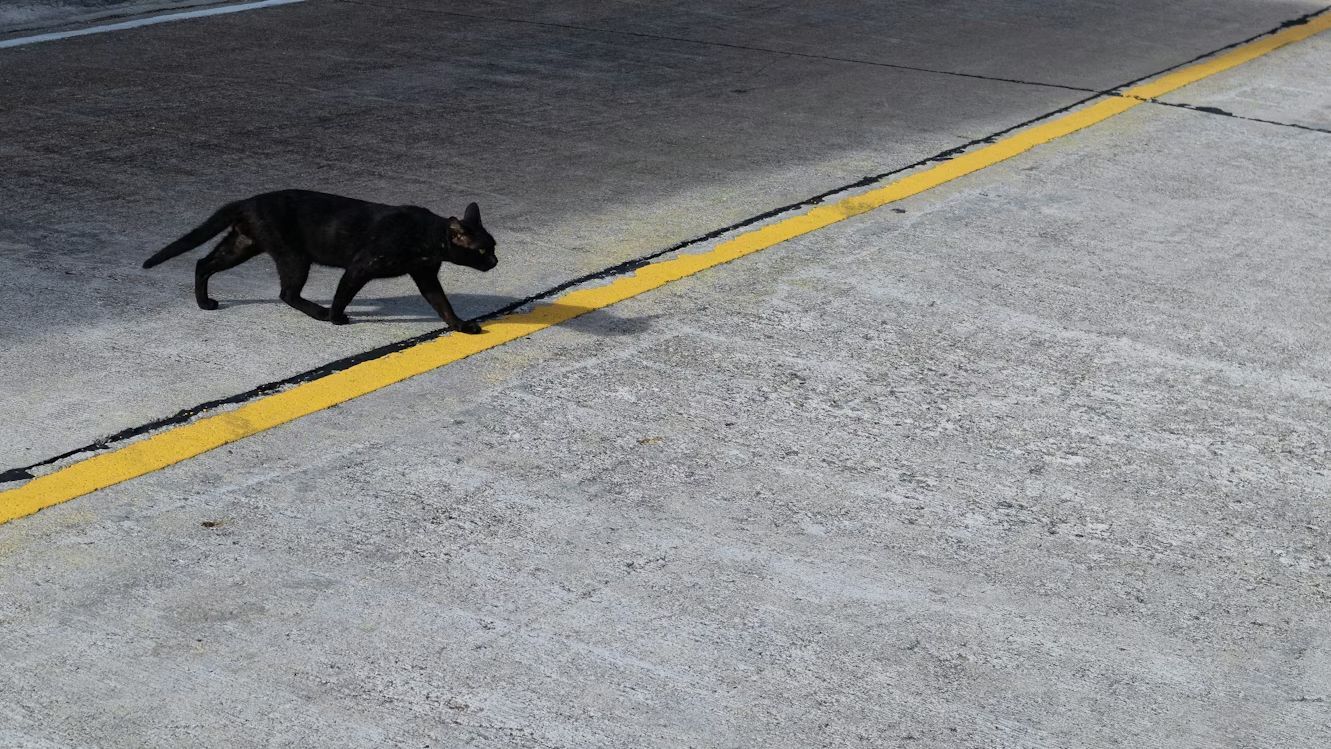

Image: Emmeli M

We use phrases like "bless you" or "break a leg" every day, but have you ever stopped to wonder where they actually came from? Many of our favorite figures of speech are rooted in the old superstitions of our ancestors: fears, beliefs, and traditions that haven't quite faded away. Let’s uncover the fascinating, sometimes eerie, backstories behind 10 idioms we use all the time.

1

Bless you

Image: Towfiqu barbhuiya

When someone sneezes, "bless you" is the automatic response. This tradition began in the 6th century, primarily thanks to Pope Gregory the Great, who ordered the saying of "God bless you" to protect people from the plague, as sneezing was considered an early symptom of sickness.

Some also trace it back to an ancient belief, shared across Europe and Asia, that a sneeze was the body's way of driving out evil spirits, or even the soul briefly trying to escape. According to the legend, saying "God bless you" was a quick, necessary prayer to protect the sneezer’s soul from being snatched by the devil before it settled back in.

2

Cross your fingers

Image: Dayne Topkin

"Cross your fingers" is a widely recognized way of wishing for a positive outcome. It originated in the 16th-century Christian practice of physically crossing one's fingers to signify the cross and invoke divine protection.

Over time, the hand gesture evolved from a silent, pious prayer into a casual expression. Now, we use it in everyday conversation to show support for a friend or to signal that we are banking on a specific, desired result during a stressful situation.

3

Break a leg

Image: Ana Dujmovic

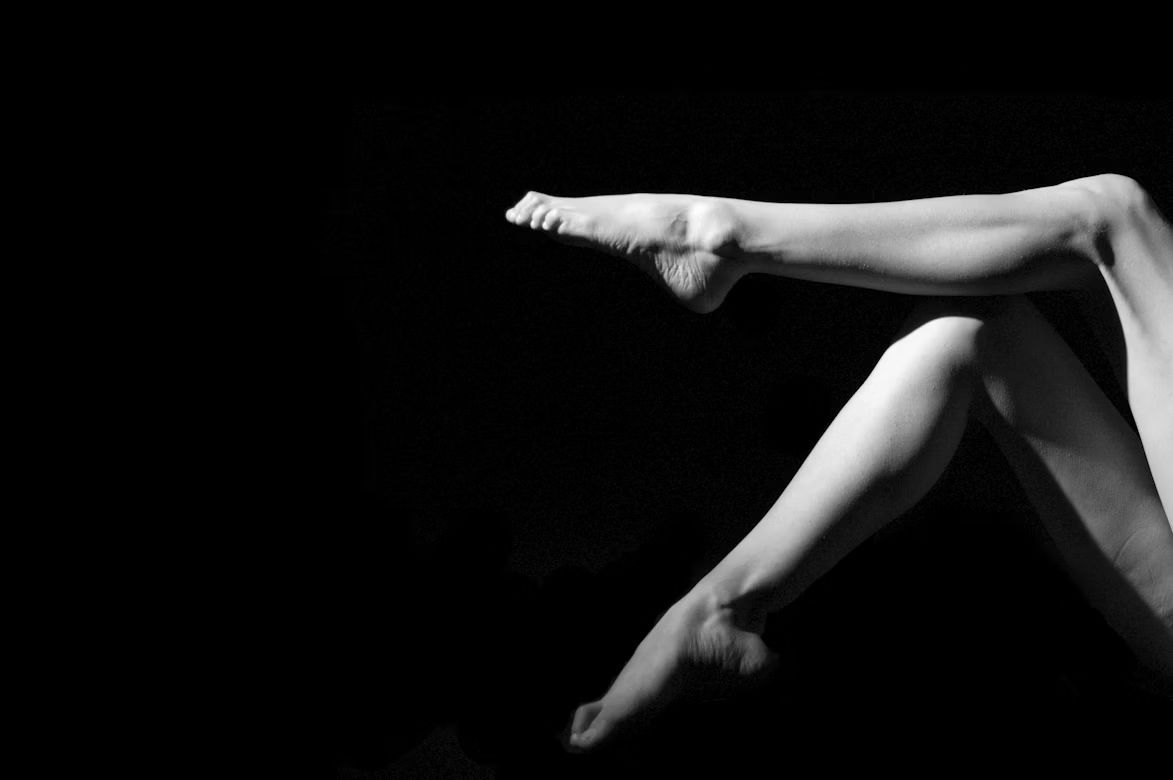
We use this expression when we wish someone good luck before they step on stage, or, more broadly, before any high-pressure moment.

The origins are surprisingly murky for such a well-known phrase. The most widely accepted theory traces it back to the competitive world of American vaudeville and Broadway in the early 20th century, where wishing someone good luck directly would actually invite bad luck. Saying the opposite was a way of outsmarting fate.

4

Speak of the devil

Image: Marius

"Speak of the devil" is one of those phrases we use almost automatically. The moment someone walks into a room right after being mentioned in conversation, someone inevitably says it.

The expression is a shortening of a traditional English proverb, 'speak of the devil, and he shall appear,' which dates back to at least the 1500s-1600s. The original meaning was far less casual: it was a genuine warning rooted in the medieval Christian belief that speaking of evil, even in passing, was thought to invite it into your presence.

5

Saved by the bell

Image: Luís Perdigão

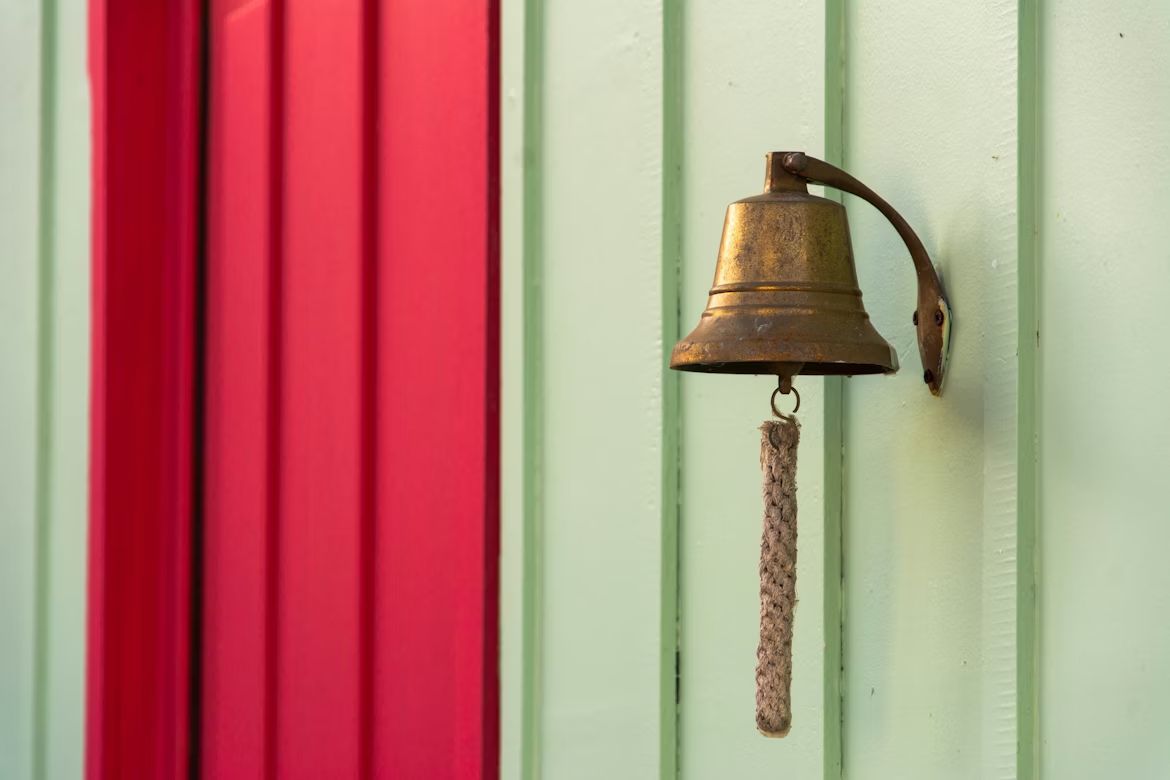
Imagine your boss is about to call on you to present a report you completely forgot to prepare, but just as he turns to you, an urgent call comes in, and the meeting gets cancelled. Being saved by the bell means to be rescued from a difficult situation at the very last second.

Due to a 19th-century custom, bells were attached to coffins to alert people in case someone woke up, reflecting the widespread fear at the time of being buried alive. It is a perfect example of a dark, historical anxiety morphing into a lighthearted, everyday piece of office humor.

6

Throwing caution to the wind

Image: Markus Spiske

There's no single definitive origin story or specific text where this expression first appeared. It likely evolved organically from the general cultural association between wind and chaos. Today, the expression means to act recklessly or boldly, ignoring risks.

The phrase draws from a long tradition of wind-related idioms in English that associate wind with unpredictability and lack of control ("gone with the wind," "which way the wind blows," etc.).

In seafaring culture, "throwing caution to the wind" may also connect to the idea of sailing recklessly by putting up too much sail despite dangerous conditions: essentially letting the wind take over rather than navigating carefully.

7

Friday the 13th

Image: Nik

The phrase "it must be a Friday the 13th" has become an idiomatic way to complain about a day when everything goes wrong. It draws on the combined superstitions surrounding the number 13, often linked to the 13 guests at the Last Supper (1st century AD), and the perceived misfortune of Friday, the day of the Crucifixion. When we use this expression, we aren't necessarily expressing deep fear; we are simply using a culturally shared shorthand to describe a series of unfortunate, coincidental events.

8

Like walking through a minefield

Image: Duncan Kidd

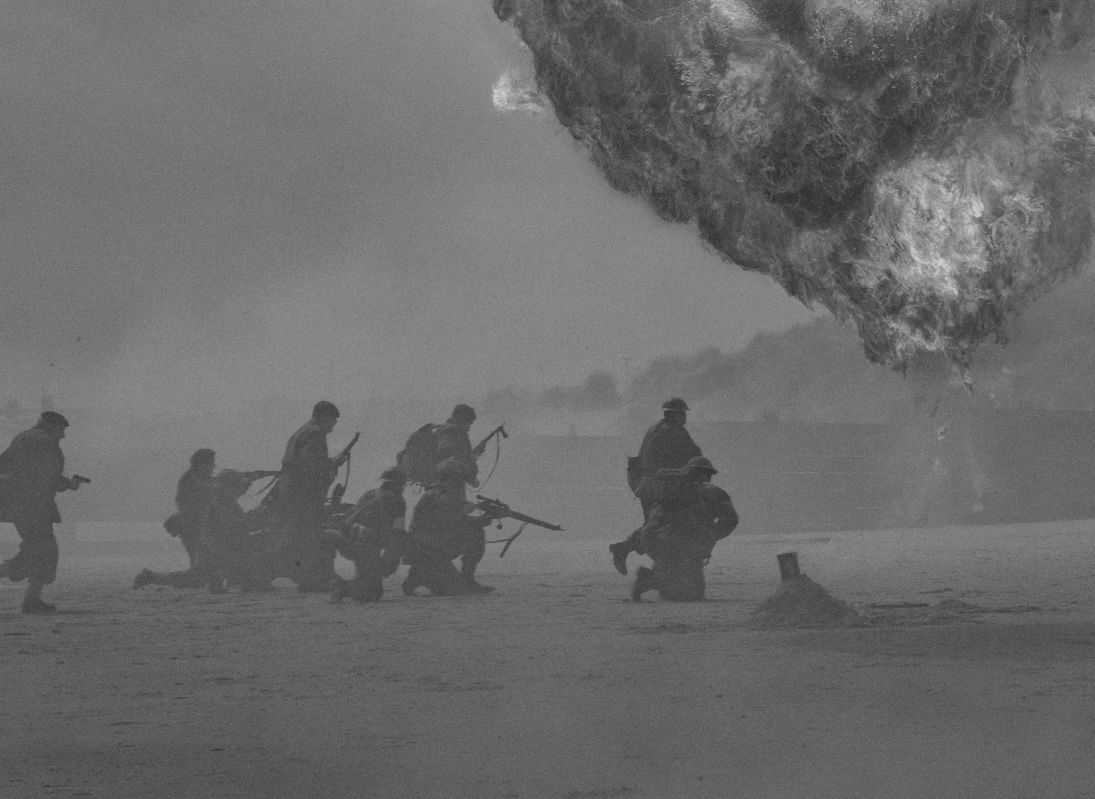
We often use the idiom "like walking through a minefield" to describe a social situation that is incredibly tense and fraught with hidden dangers. While it sounds like a literal warning, it has become a common expression for navigating tricky interpersonal politics. The phrase originated in the early 20th century, specifically around World War I (circa 1915), when the use of landmines became a terrifying new reality of modern warfare. It quickly shifted from a military term to a popular metaphor.

9

Find a penny, pick it up

Image: Elijah Mears

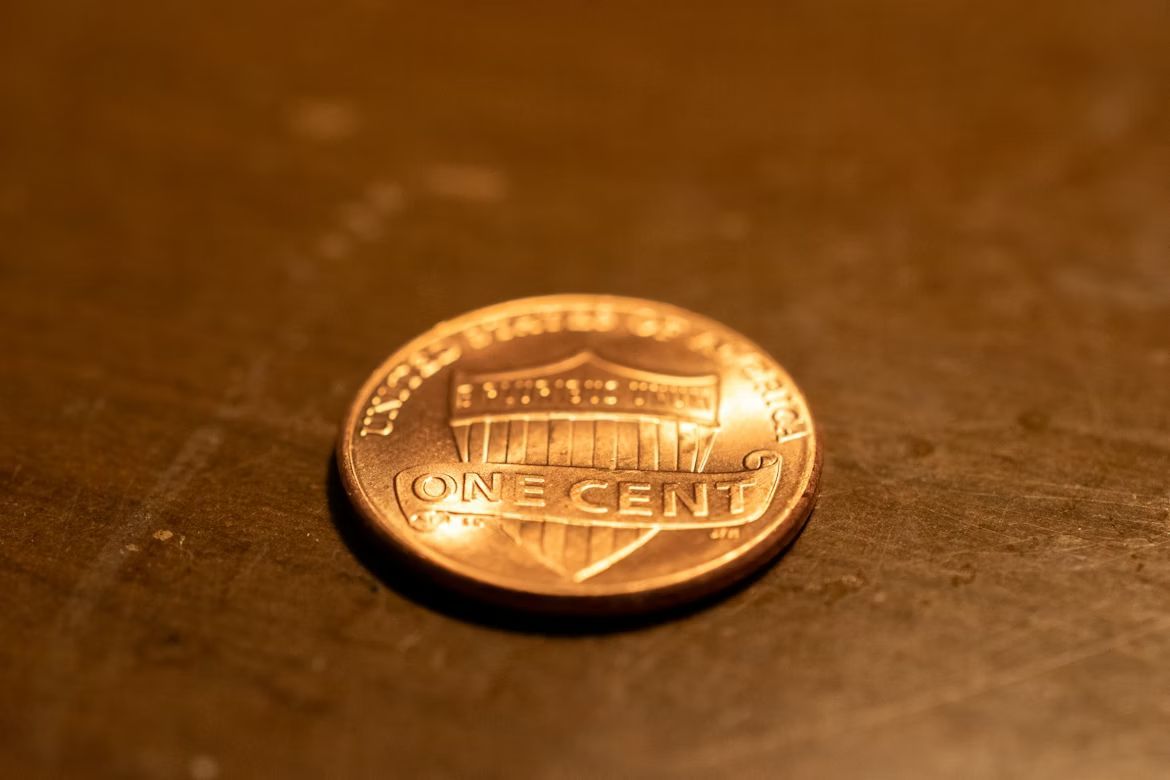
"Find a penny, pick it up, and all day long you’ll have good luck" is an idiomatic rhyme that turns a mundane discovery into a superstitious event. The underlying belief likely traces back to ancient societies across Europe and Asia, who saw metal as a sacred gift from the gods, forged from the earth itself. Finding a piece of it was no accident; it was a sign of divine favor. By the early 20th century, it evolved to include the penny. Today, reciting this idiom acknowledges our enduring, playful hope for a little extra luck.

10

Knock on wood

Image: Chris Barbalis

When we say "knock on wood," we express an idiom to express a desire for continued good fortune or to ward off bad luck after boasting. It’s just a reflexive, superstitious way to keep the bad luck at bay, even if we’re only knocking on a laminated desk.

One popular theory traces it to ancient pagan cultures, particularly those that regarded trees as sacred or inhabited by spirits — a belief found across pre-Christian Europe, from Norse to Celtic traditions. By knocking on the trunk, people hoped to awaken these benevolent spirits to request protection, or sometimes to distract malicious ones from spoiling their good fortune. However, folklorists note there is little concrete evidence for this, and the true origin remains uncertain.


Get the ball rolling!

From pankration to jousting: 10 sports that no longer exist


Published on June 18, 2026


Image: Hendrick Avercamp, Public domain, via Wikimedia Commons

There was a time when there were countless sports that enjoyed great popularity but are now extinct. Some of them are the ancestors of modern sports. Others had to be banned because they involved high levels of violence. From the ancient Greeks to the Middle Ages and pre-Columbian civilizations, in this article, we’ll explore 10 sports that no longer exist but that you will surely find super interesting. Read on to discover more!

1

Pankration

Image: Kleophrades painter / Rijksmuseum, CC0, via Wikimedia Commons

The ancient Greeks were the creators of the Olympic Games, so it is unsurprising that they also invented many games and sports. Pankration was an ancient Greek wrestling match with a twist: there were no rules and contenders played completely naked. The word pankration means "all of power".

Pankration is considered the historical antecedent of contemporary mixed martial arts. According to the myth, it was Theseus who invented it during his confrontation with the Minotaur in the labyrinth and who subsequently transmitted it to mankind. Pankration combined boxing and wrestling techniques. Kicks and punches to the face were allowed, and wrenches and grapples were used to immobilize the opponent, reduce him to the ground, and force him to surrender.

2

La soule à la crosse

Image: Unknown authorUnknown author illustrator (based on a sketch by M.J.L. de Condé), Public domain, via Wikimedia Commons

La soule à la crosse was a popular game played by peasants in Normandy, Brittany, and Picardy from the Middle Ages through the 19th centuries. It was practiced during village festivals and the rules were simple: Two teams of up to 500 participants each had to get a large ball into the opponent's net or onto their side. The game could last for several days, especially since the goals could be separated by miles.

La soule à la crosse means "the hit with a stick". It was a game very similar to hurling, Irish Gaelic football, and is a sort of precursor of other modern sports such as American and Australian football, and Canadian Lacrosse. Soule was such a violent sport that ecclesiastics called it "this fatal sport" and on numerous occasions, it was banned.

3

Ōllamalīztli

Image: Henry VL

This extraordinary ceremonial ball game was the most important in the ancient Mayan world. Ōllamalīztli means "to play in a ritual ball game" in the Nahuatl language. In English, it is known as Pok Ta Pok, a term coined in 1932 by Danish archaeologist Frans Blom who probably adapted it from the word puctal-puctal which means "to bend down several times".

The rectangular playing field was delimited on its sides by two parallel high walls holding 20 ft. high stone rings through which the ball had to pass. The objective of the game was to keep the ball permanently in motion while scoring points against the other team. Sounds familiar?

4

Club swinging

Image: https://www.britannica.com/topic/physical-culture, CC0, via Wikimedia Commons

Club swinging originated in India and was an exercise practiced by soldiers to develop strength and mobility. The British Army imported it to the Western world, becoming popular in the Victorian era among men and women alike. There were even gyms set up especially for this sport.

Club swinging competitions were held at the 1904 and 1932 Summer Olympics. Participants held a bowling pin-like club in each hand and spun them in a complicated maneuvering routine, a strange mixture of juggling and rhythmic gymnastics. The sport remained popular in America until the 1950s. The last U.S. championship took place in 1953.

5

Jeu de Paume

Image: Voderf, graveur, CC0, via Wikimedia Commons

Jeu de Paume is an ancestor of racquet sports invented in France. It was a kind of indoor tennis very popular in the 18th century. In Italy it was known as Giocco della palla with similar rules but with subtle differences. Jeu de paume literally means "game of palm", as it was initially played with bare hands.

The game consisted of returning a ball over a net, as players do in modern tennis. The way of counting points (15, 30, 40, and game) is the same used in tennis to this day. Jeu de Paume was one of the disciplines in competition at the 1908 Olympic Games. An American, Jay Gould II, won the gold medal.

6

Jousting

Image: h

Jousting was a popular sport among the Anglo-Norman knighthood in which they could test their military skills. It arose in the Middle Ages and continued to be practiced well into the 16th century. The term jousting comes from the Old French word joster, in turn from Latin iuxtare "to approach, to meet".

Jousting was a duel based on a knight on his galloping horse aiming his lance at his opponent's shield or throat. The objective was to seize weapons, armor, and anything else of value that the opponent was carrying. Despite the violence and danger involved in this sport, honor, glory and the expectation of financial gain were strong motivations for participation.

7

Cannon shooting

Image: Jacques Callot, CC0, via Wikimedia Commons

Yes, believe it or not, cannon shooting was not only a sport but also a competition held in the Olympic Games in Paris in 1900. Well, actually it was more of a demonstration organized by the Parisian Society for Cannon Shooting, but it is so unique that it’s worth mentioning.

The competition was divided into three categories: individual shooting, field battery shooting, and assault battery shooting. In the individual round, participants had to fire a cannon four times as fast as possible at targets 195 ft away. For the field battery firing, 16 officers assisted by 30 other people fired six cannons. The prize for the winners was not medals as is customary in the Olympics, but cash.

8

Episkyros

Image: Potier A (Athènes), potier, CC0, via Wikimedia Commons

Another popular sport among the ancient Greeks was episkyros. Episkyros is considered one of the forerunners of contemporary games such as rugby and American soccer. Dating back to the 5th century BC, this game was a vigorous —and sometimes violent— physical activity involving a large number of participants and spectators.

The main objective of the game was to pass a leather ball filled with sand or grass using any part of the body, including the hands, into the opposing team's goal. As episkyros spread to nearby regions, such as Rome, it gradually evolved into the Roman harpastum (meaning "snatched away"). Harpastum shared similarities with its Greek predecessor but had some variations that made it more similar to the game we now know as soccer.

9

Cuju

Image: Su Hanchen, Public domain, via Wikimedia Commons

Cuju or Ts'u-chü originated during the Han dynasty in China, more than 2,000 years ago. Like many of the sports included in this list, cuju is also considered a precursor to modern games such as soccer, basketball, and volleyball. The word cuju is a combination of the words cu, meaning "to kick", and ju, which means "a type of leather ball".

This ancestral football game combined athletic abilities with technical skills and its practice was considered a cultural and ceremonial event. It was mainly practiced by soldiers as part of their military training, as it was believed to strengthen the body and mind. Over time, cuju became popular among the civilian population, turning it into a highly appreciated recreational activity within Chinese society.

10

Kolf

Image: National Gallery of Art, CC0, via Wikimedia Commons

Kolf is a game that originated in the Netherlands during the 13th century. This ancestor of modern golf was played in open fields or indoors. It is believed that the name comes from the Middle High German word for club, "kolbe". Kolf consisted of hitting a ball with a long club to get it to a specific spot in as few strokes as possible.

This pastime required skill, precision, and strategy. It was popular among people of all ages and social classes and was a common activity seen in squares and parks. As it spread throughout Europe, Kolf was adopted in different countries with variations in the rules and equipment used, which contributed to its popularity and evolution over the centuries.

Looking for an extra scoop of literary fun?

Learn more with our Word of the day

crabbed

/ˈkræbəd/