Secrets in plain view

The dark side of art: 15 hidden secrets in famous masterpieces


Published on March 10, 2025
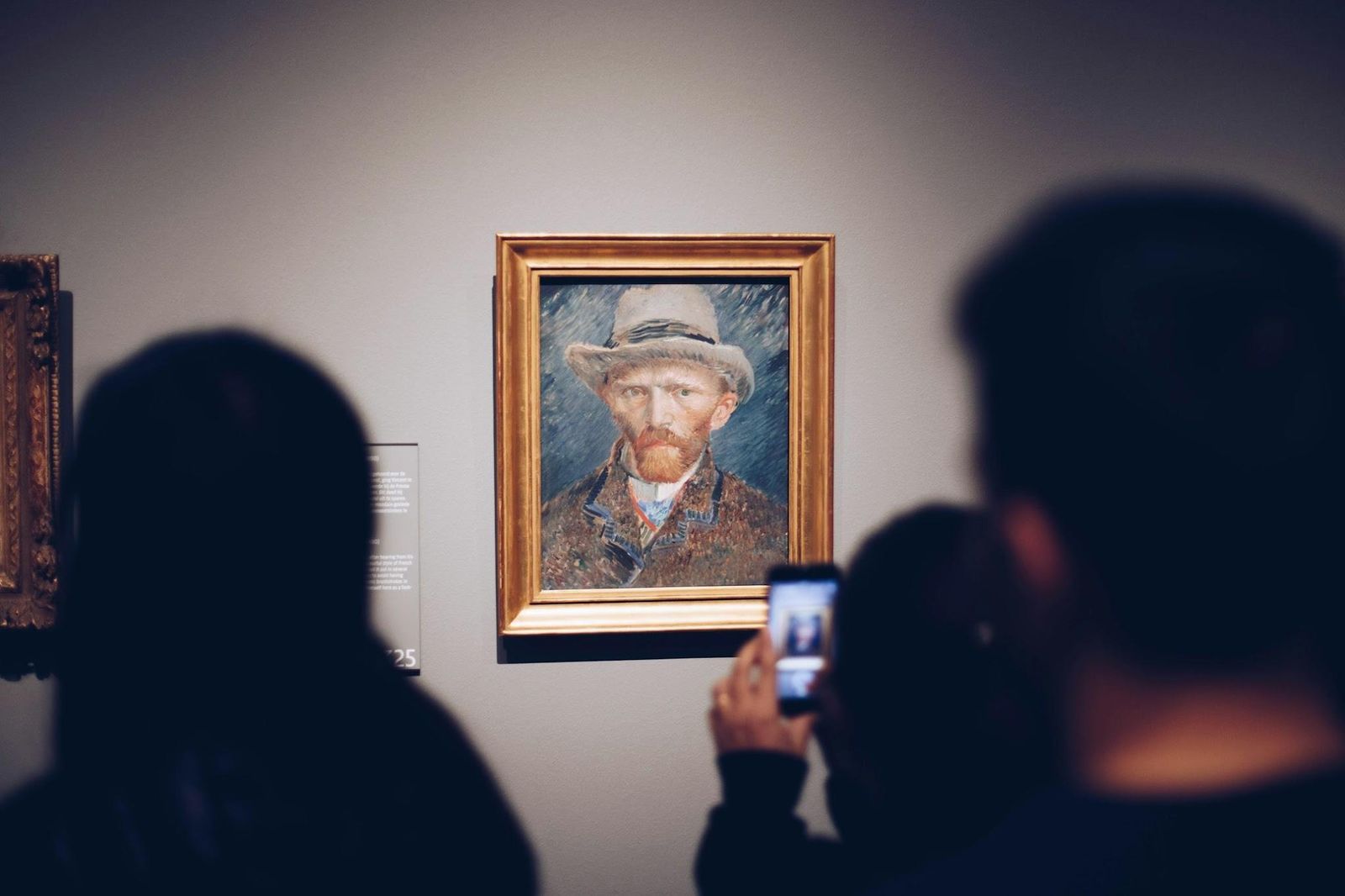

Image: Ståle Grut

Art is often more than just visually stunning; it can carry deep, hidden meanings and symbols that offer a richer experience when understood. From elements that tell part of the artwork’s story to deliberate messages and strange secrets, here are 15 famous artworks with hidden layers you might not have noticed before.

1

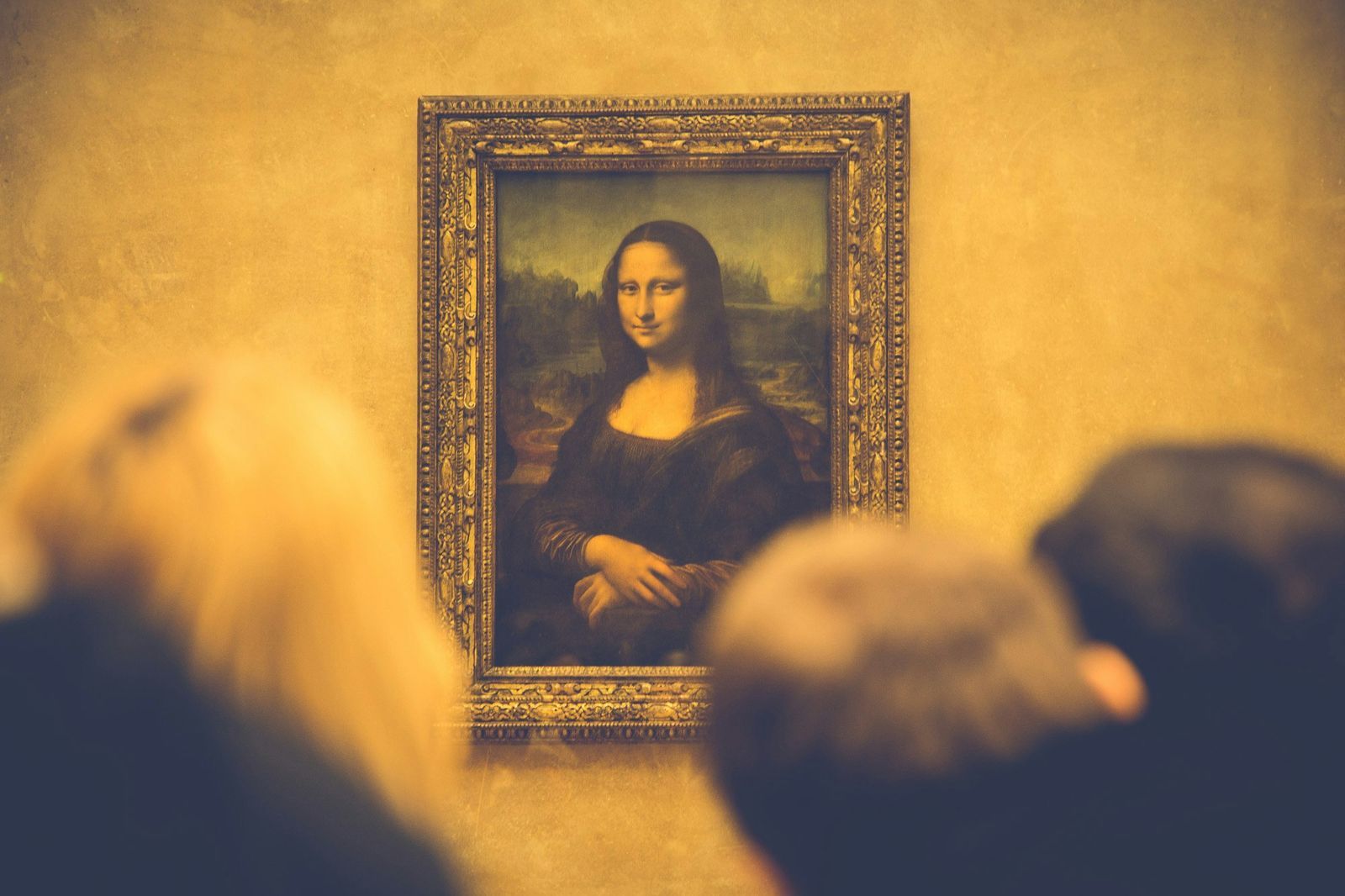
The Mona Lisa by Leonardo da Vinci

Image: Eric TERRADE

Though the Mona Lisa is perhaps the most famous painting in the world, the identity of the woman in the portrait has long been a subject of debate. Most scholars believe she is Lisa Gherardini, a Florentine woman married to a wealthy merchant, Francesco del Giocondo. However, numerous alternative ideas have emerged, including theories that the subject is an idealized figure or even a concealed self-portrait of Da Vinci.

2

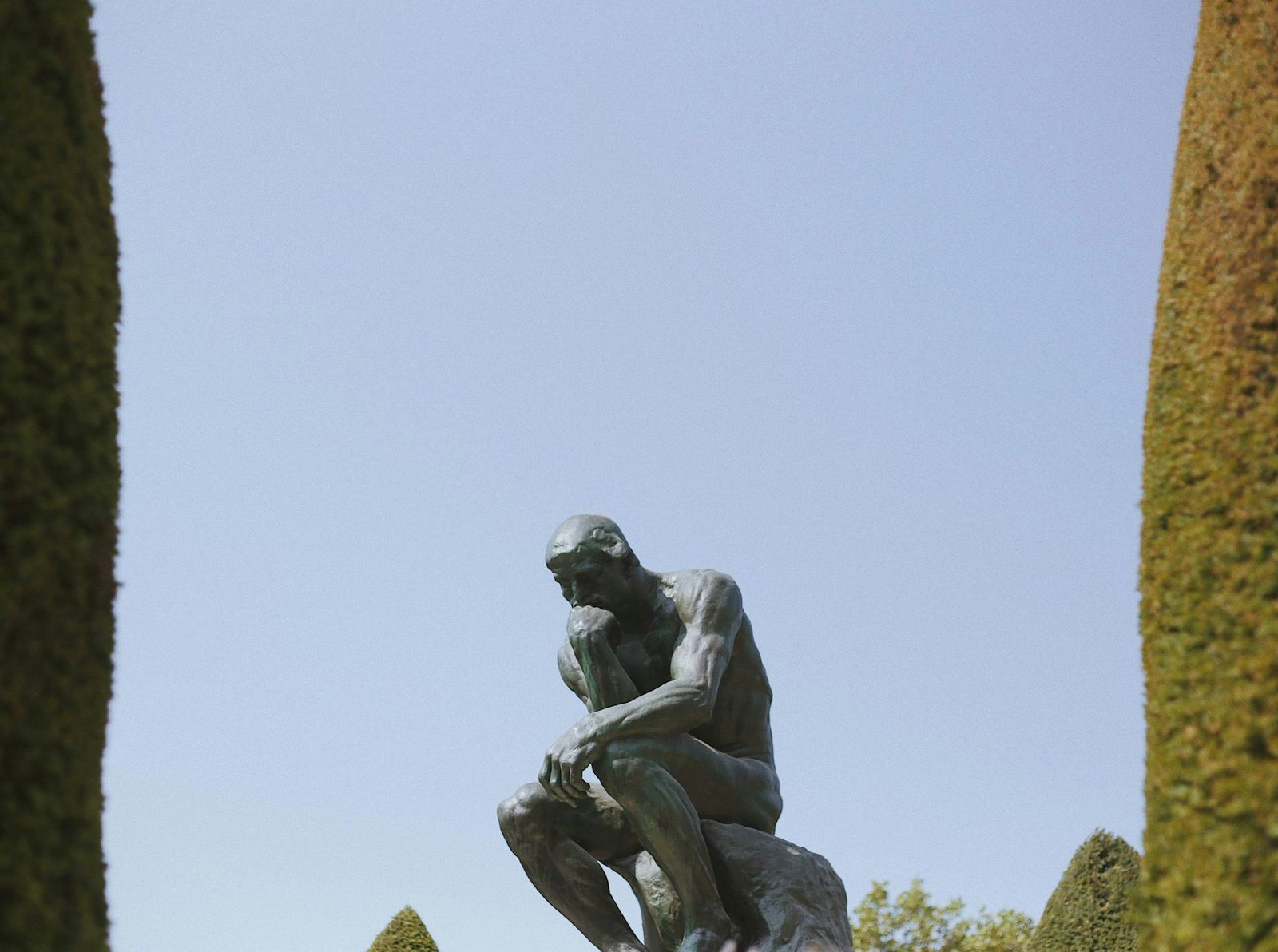
The Thinker by Auguste Rodin

Image: Avery Evans

Rodin’s famous sculpture, The Thinker, was originally conceived as part of a larger work but became iconic in its own right. Despite its fame, many curious facts about the sculpture are often overlooked. For example, its original name was actually The Poet, which supports the theory that the statue was meant to depict Dante.

3

The Birth of Venus by Sandro Botticelli
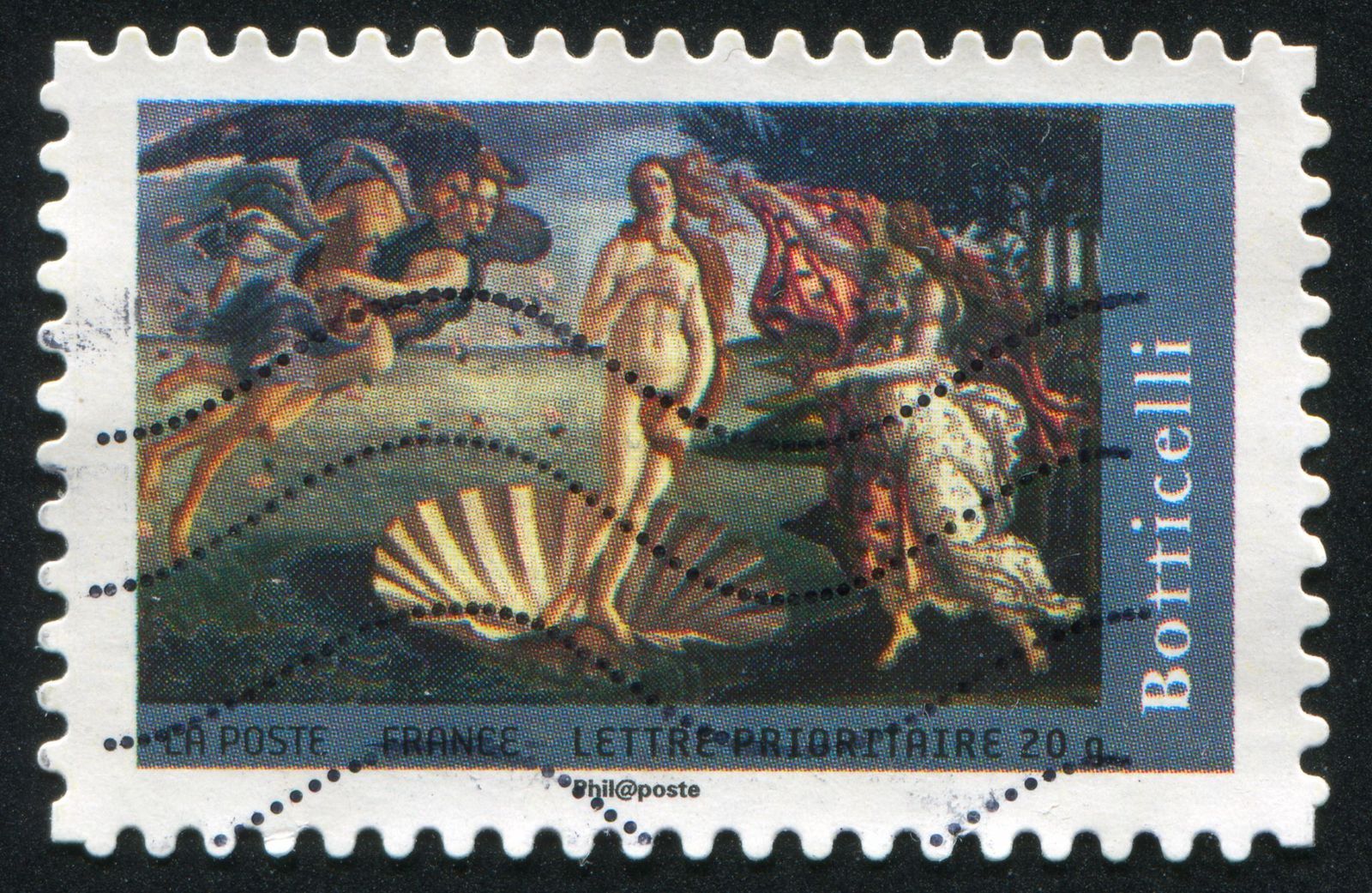
Image: rook76

Botticelli’s The Birth of Venus blends classical mythology with Renaissance ideals of beauty. Venus, standing on a shell, symbolizes divine beauty and spiritual rebirth. Curiously, some believe it was modeled after the long-lost Venus Anadyomene, a painting by the ancient Greek artist Apelles, known only through Roman author Pliny the Elder’s description.

4

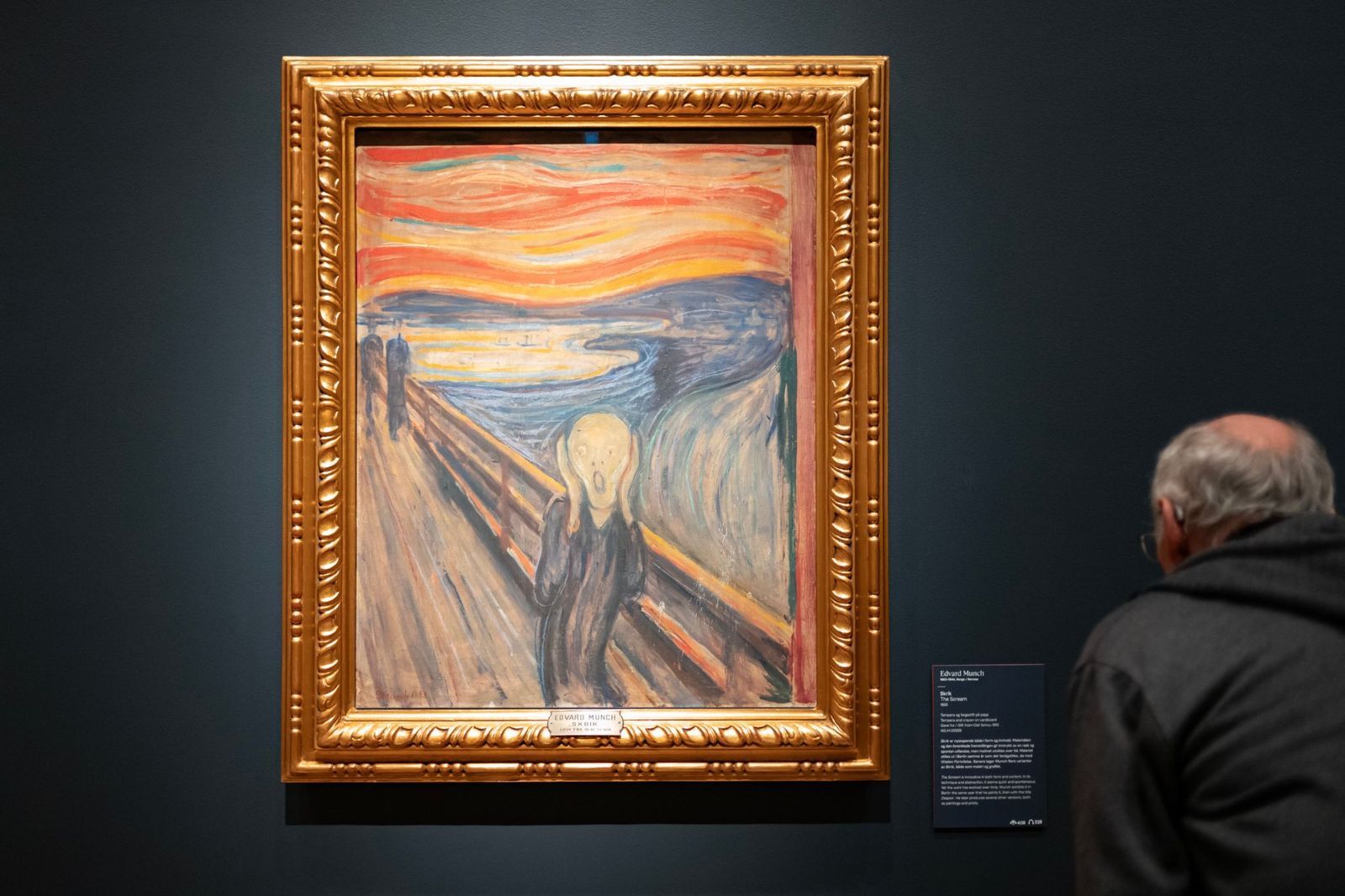
The Scream by Edvard Munch

Image: JWCohen

Munch’s The Scream captures a moment of extreme emotional distress. The swirling sky, vivid in color, reflects the inner turmoil of the subject. While Munch claimed the inspiration came from a panic attack he experienced while walking, some argue that the red skies may have been inspired by the eruption of Krakatoa in 1883, which caused vivid sunsets around the world.

5

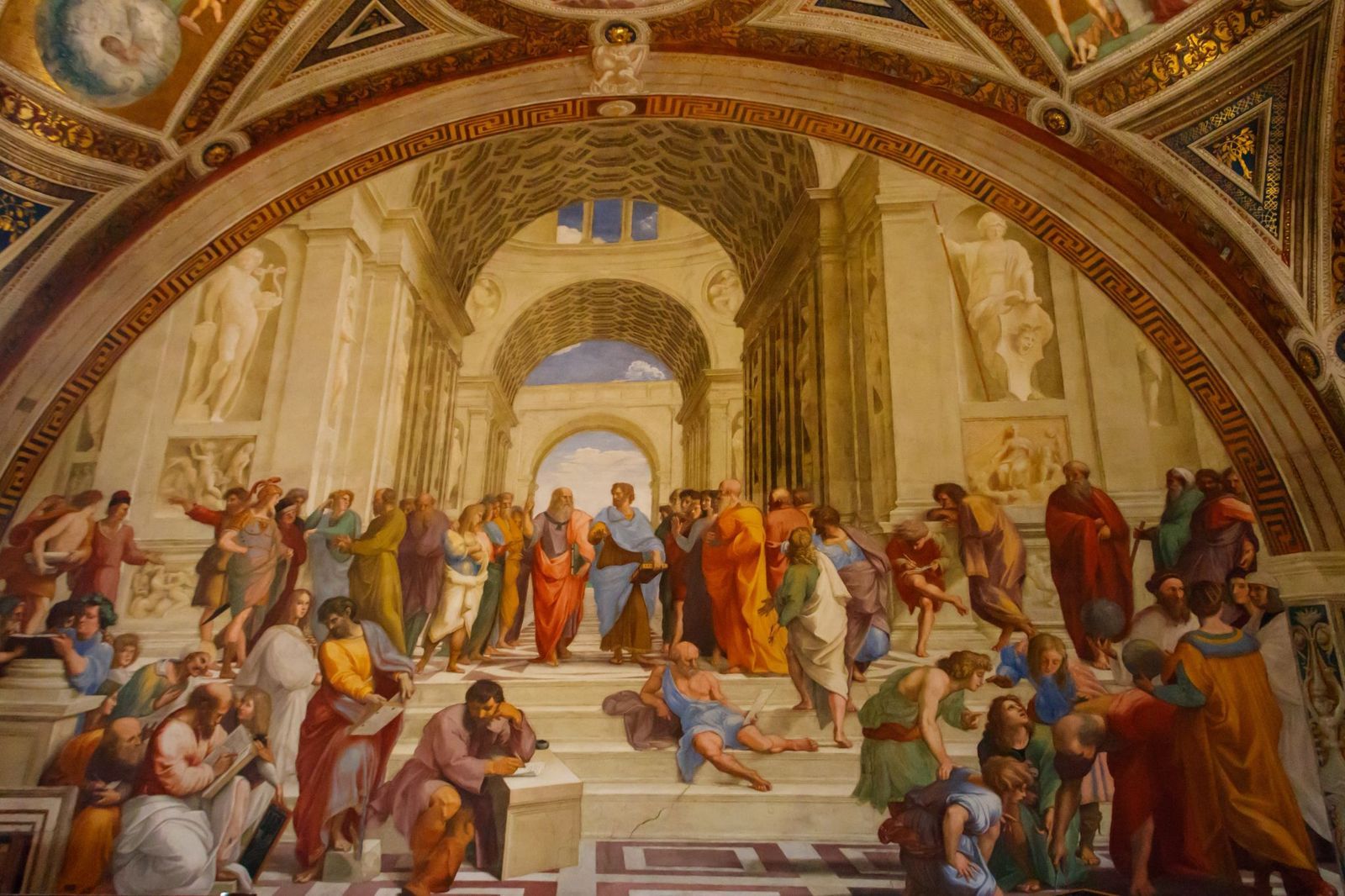
The School of Athens by Raphael

Image: Olya Solod

In Raphael’s The School of Athens, ancient philosophers are depicted in conversation, but the placement of the figures is deliberate. Plato and Aristotle are centrally placed, with Plato pointing upwards, symbolizing his belief in ideal forms, while Aristotle’s gesture points horizontally, emphasizing his empirical approach.

6

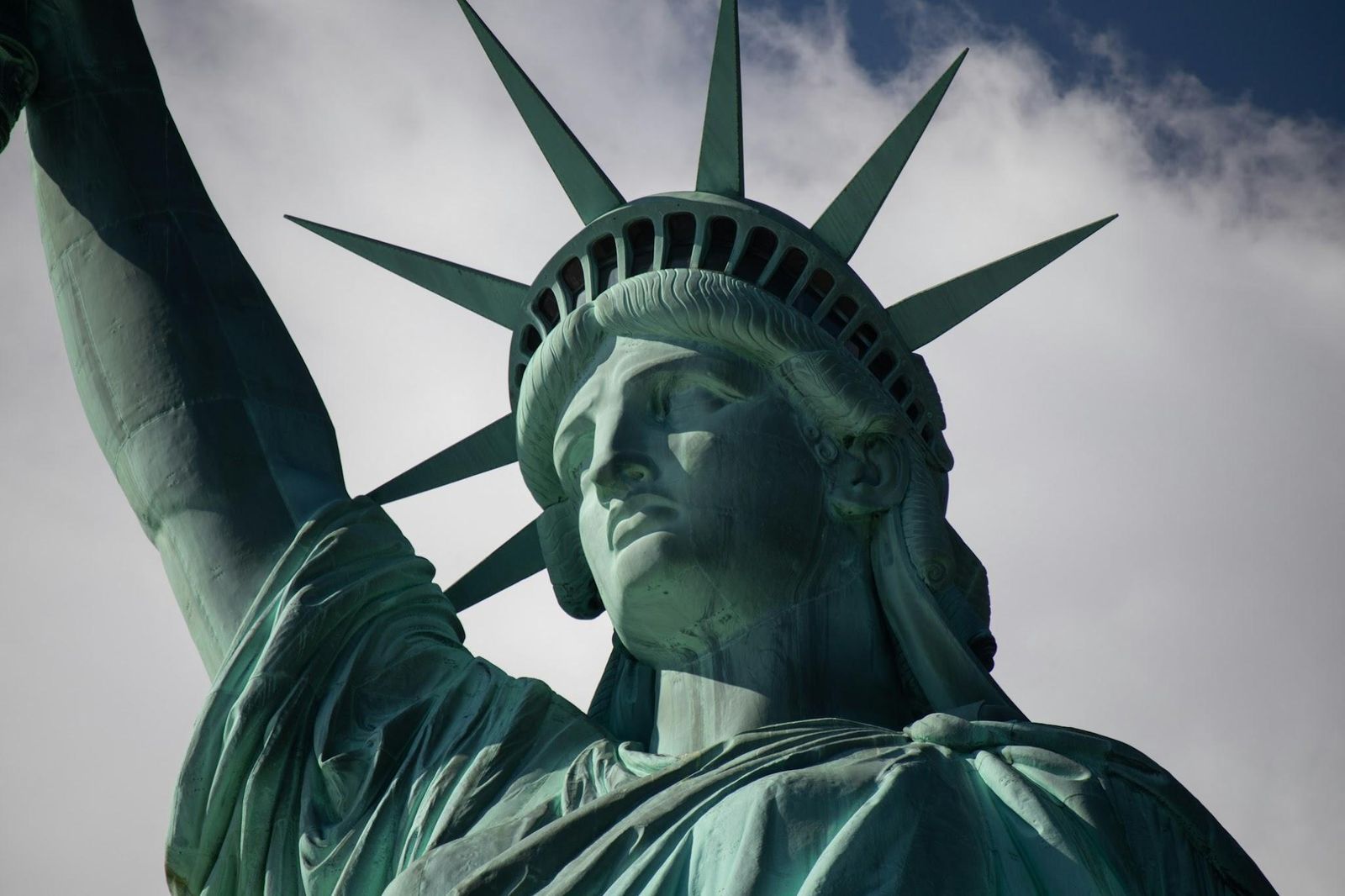
The Statue of Liberty

Image: Laurenz Heymann

The Statue of Liberty is not just a symbol of freedom; its design includes several symbolic elements. The broken chain at her feet represents the abolition of slavery, while the torch symbolizes enlightenment. But most curiously, Lady Liberty's face is said to have been modeled after the artist Frederic-Auguste Bartholdi's mother.

7

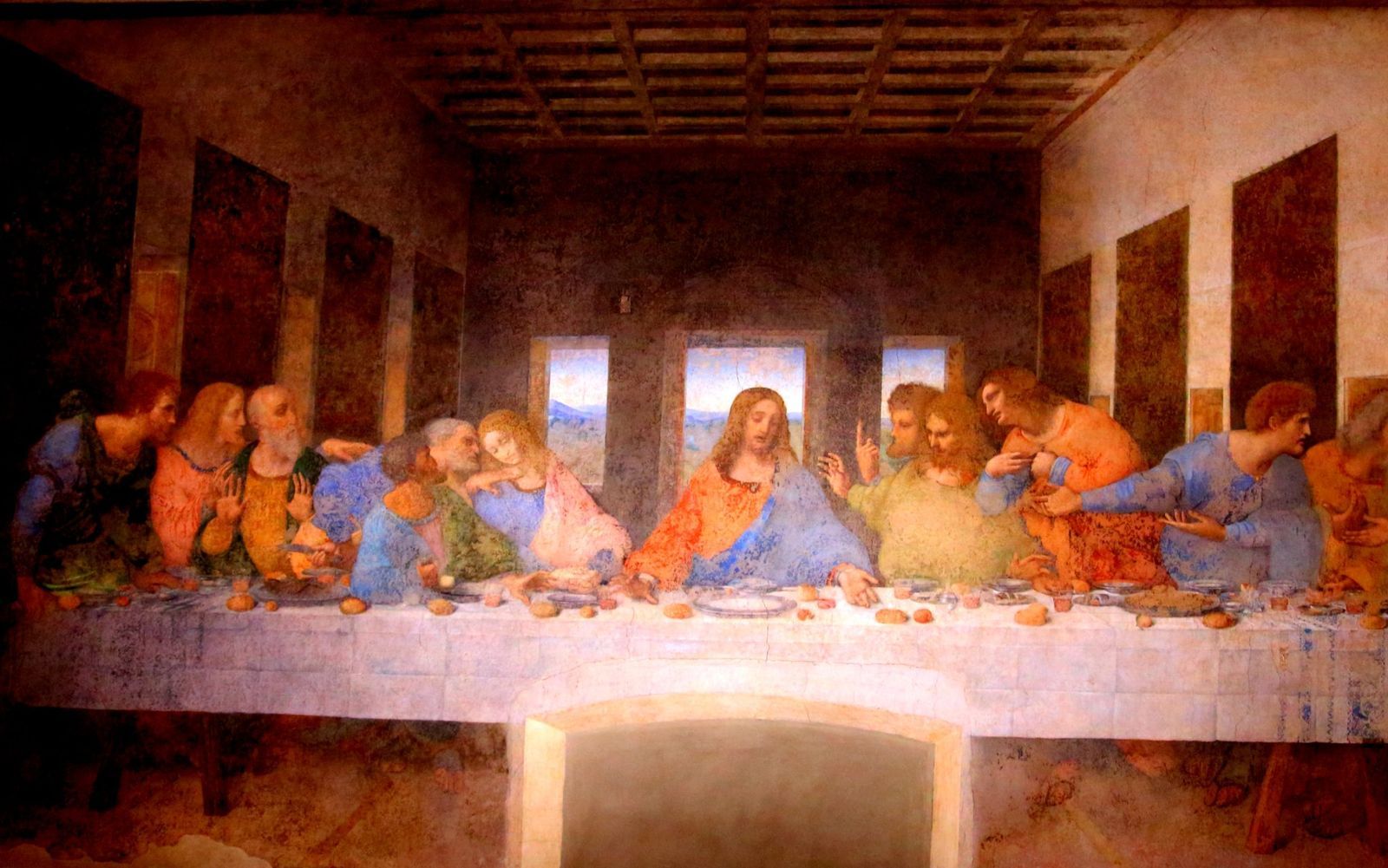
The Last Supper by Leonardo da Vinci

Image: maxbrux

Da Vinci’s Last Supper holds numerous symbols, most notably the geometric composition. The table itself forms a triangle, symbolizing the Holy Trinity, while Christ’s position in the center divides the composition into a perfect balance of divine and human. Even the placement of Judas, isolated from the others on the opposite side of Christ, visually hints at his betrayal.

8

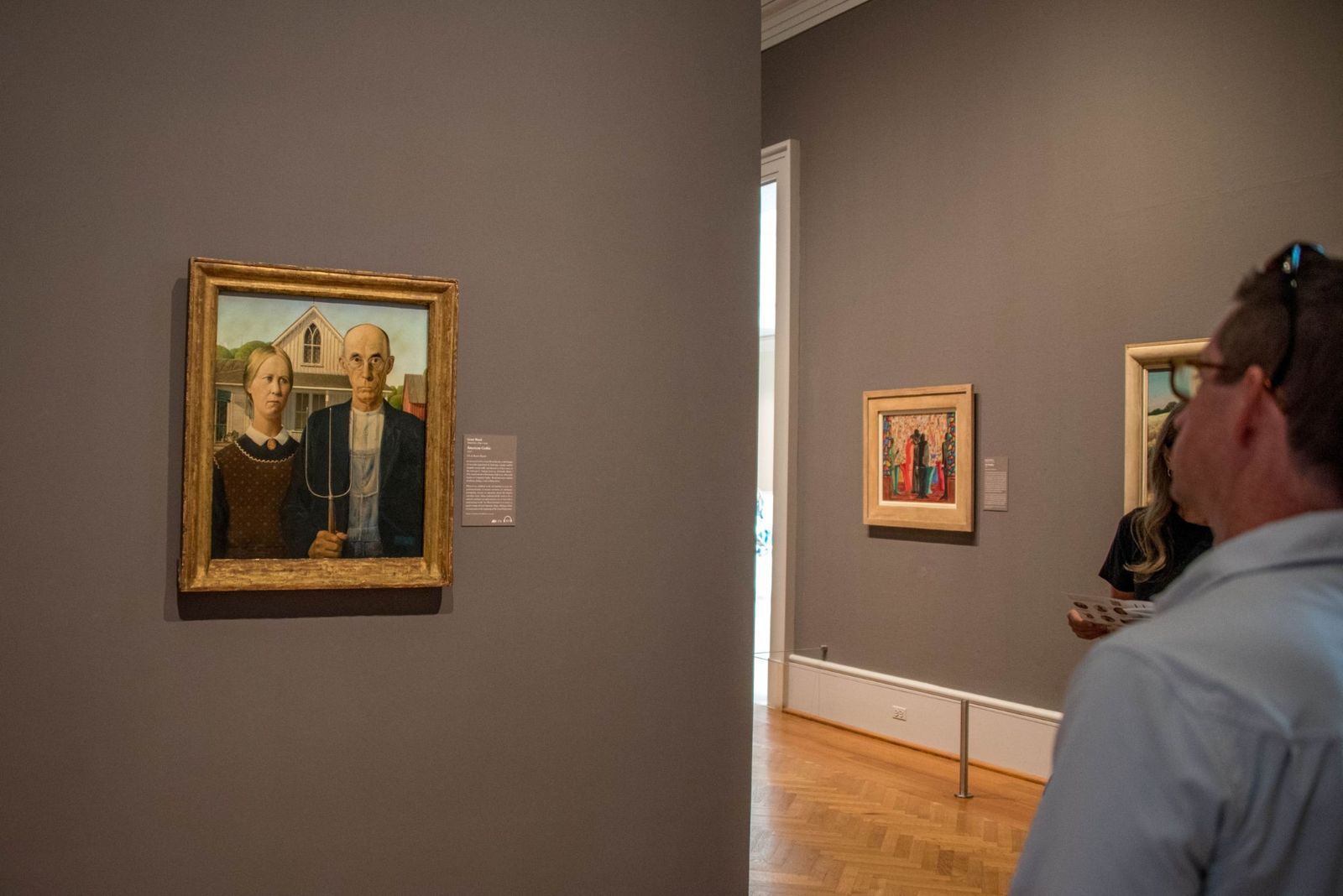
American Gothic by Grant Wood

Image: ChicagoPhotographer

Grant Wood’s iconic American Gothic has often been interpreted as a commentary on rural American values, but there are more layers to the painting. In fact, it was inspired by a real house built in the style of "Carpenter Gothic," which Wood found rather pretentious for such a humble home. The characters, however, aren’t the real inhabitants of the house but Wood’s dentist and his sister.

9

Venus de Milo by Alexandros of Antioch
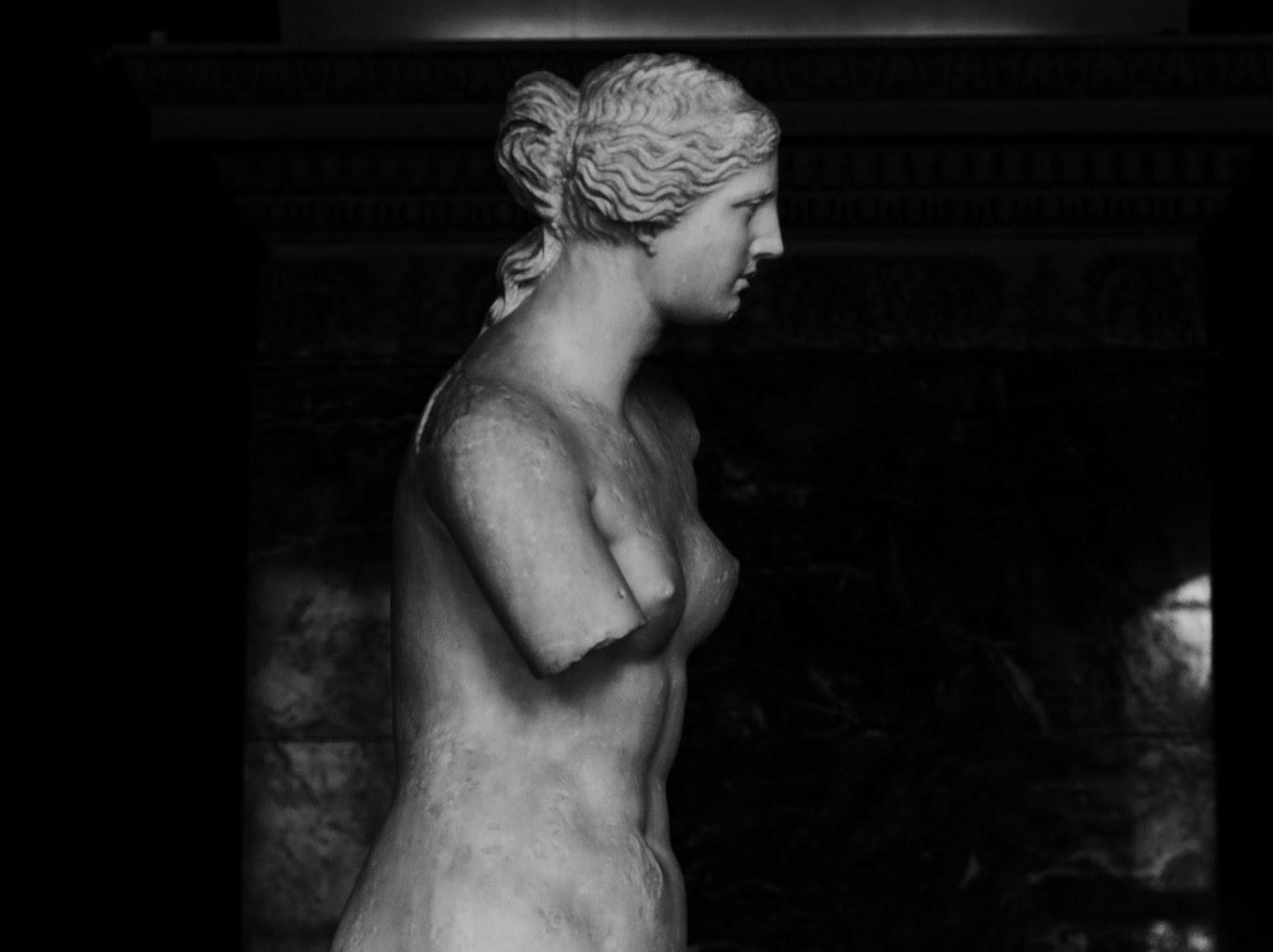
Image: Daniele D'Andreti

The Venus de Milo represents idealized beauty in ancient Greek sculpture, but its missing arms add to its mystery. The lost limbs have sparked theories about its original pose, enhancing the statue's allure. Interestingly, some suggest the figure may not depict Aphrodite/Venus at all, but Amphitrite, the sea goddess worshiped on the island of Milos.

10

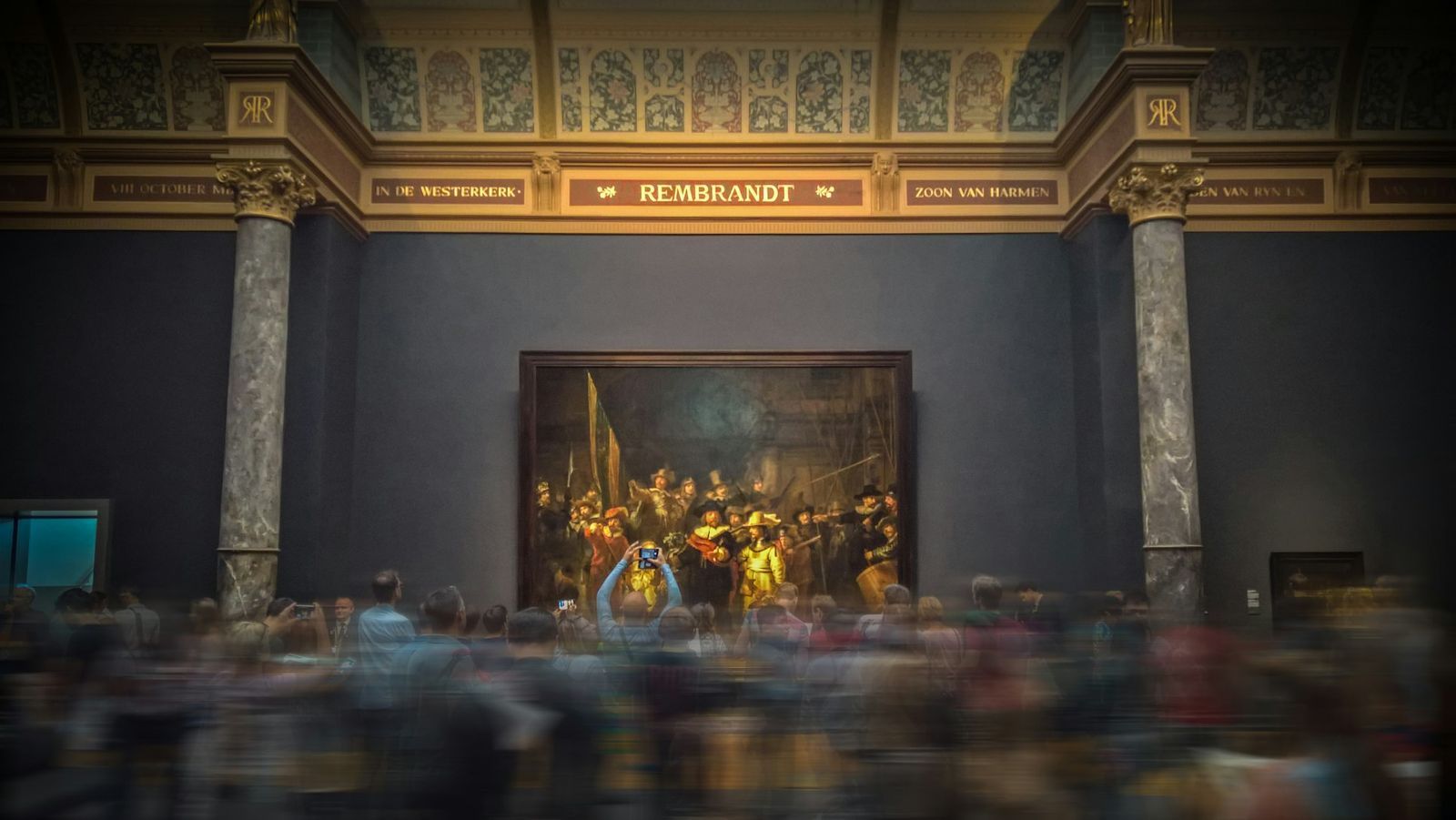
The Night Watch by Rembrandt

Image: Václav Pluhař

A master of visual storytelling, Rembrandt was well known for including hidden messages and symbolism. In his masterpiece The Night Watch, some believe the artist makes a subtle cameo. In the middle of the painting, behind a man in green and a guard with a metal helm, you can spot a faint figure, widely thought to be Rembrandt himself.

11

The Vitruvian Man by Leonardo da Vinci
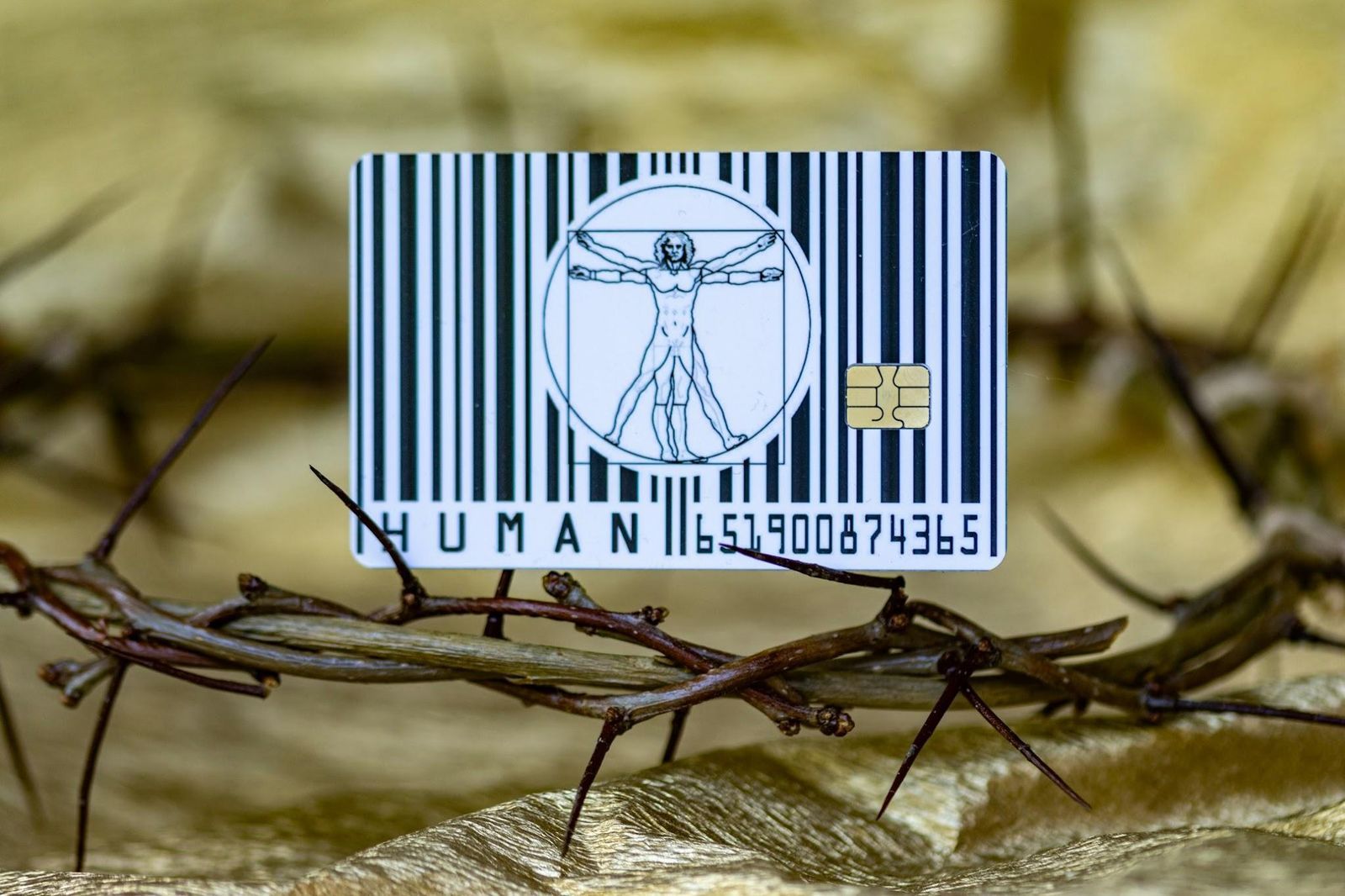
Image: Marek Studzinski

Leonardo’s Vitruvian Man is not just a study of human anatomy; it symbolizes the Renaissance belief in the harmony between art and science. But beyond the perfect proportions, keen observers have noted that the man depicted appears to suffer from an inguinal hernia—an ailment that could have been fatal at the time. Given that artists often used cadavers as models, it's likely that Leonardo based the figure on a real, deceased individual.

12

The Kiss by Gustav Klimt

Image: Mariangela Cruz

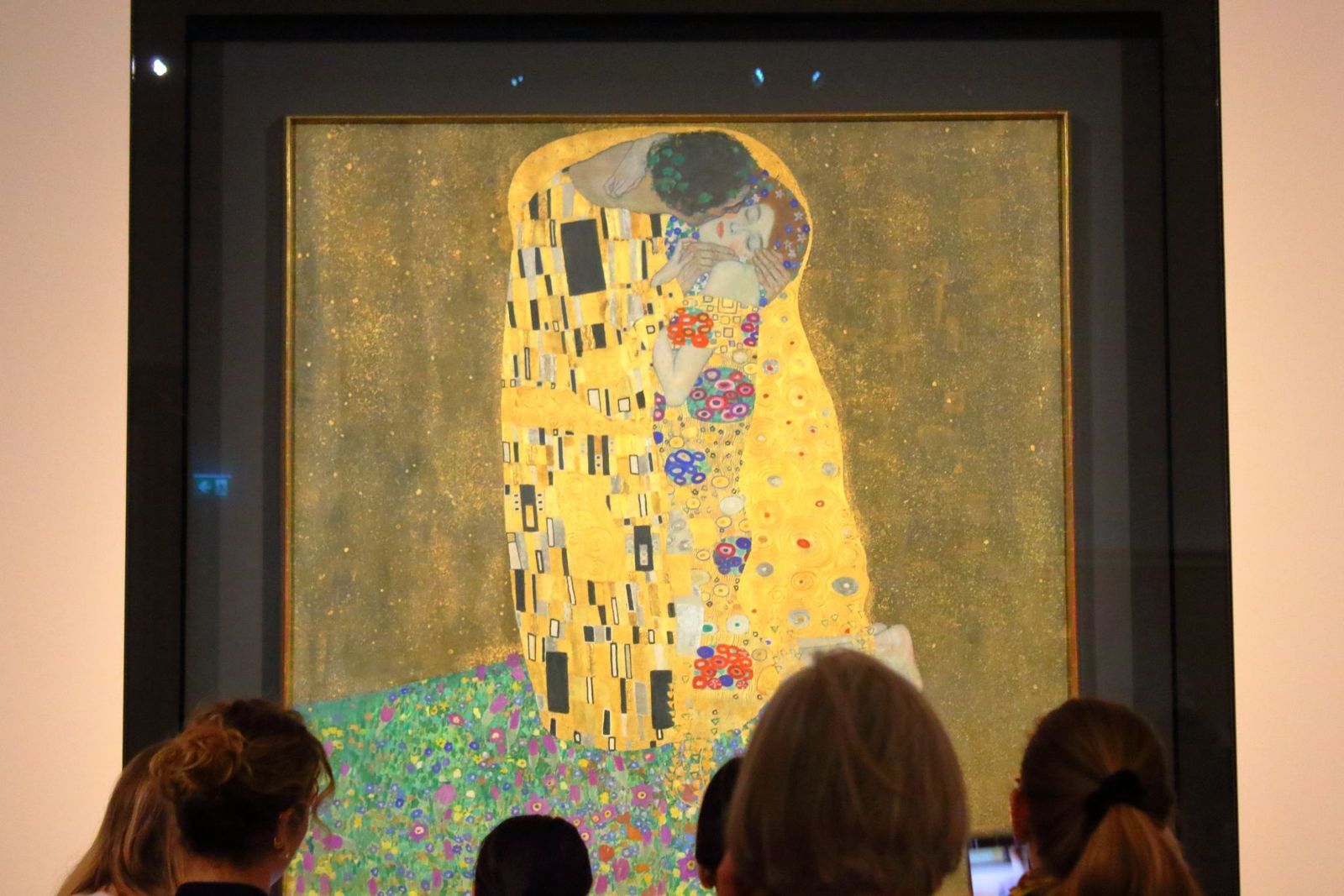
Klimt’s The Kiss is renowned for its use of gold leaf, evoking the sacred beauty of religious art found in churches. Some art historians even speculate that the lovers in the painting are not just symbolic figures, but a representation of Klimt himself and his long-time partner, fashion designer Emilie Flöge.

13

Liberty Leading the People by Eugène Delacroix
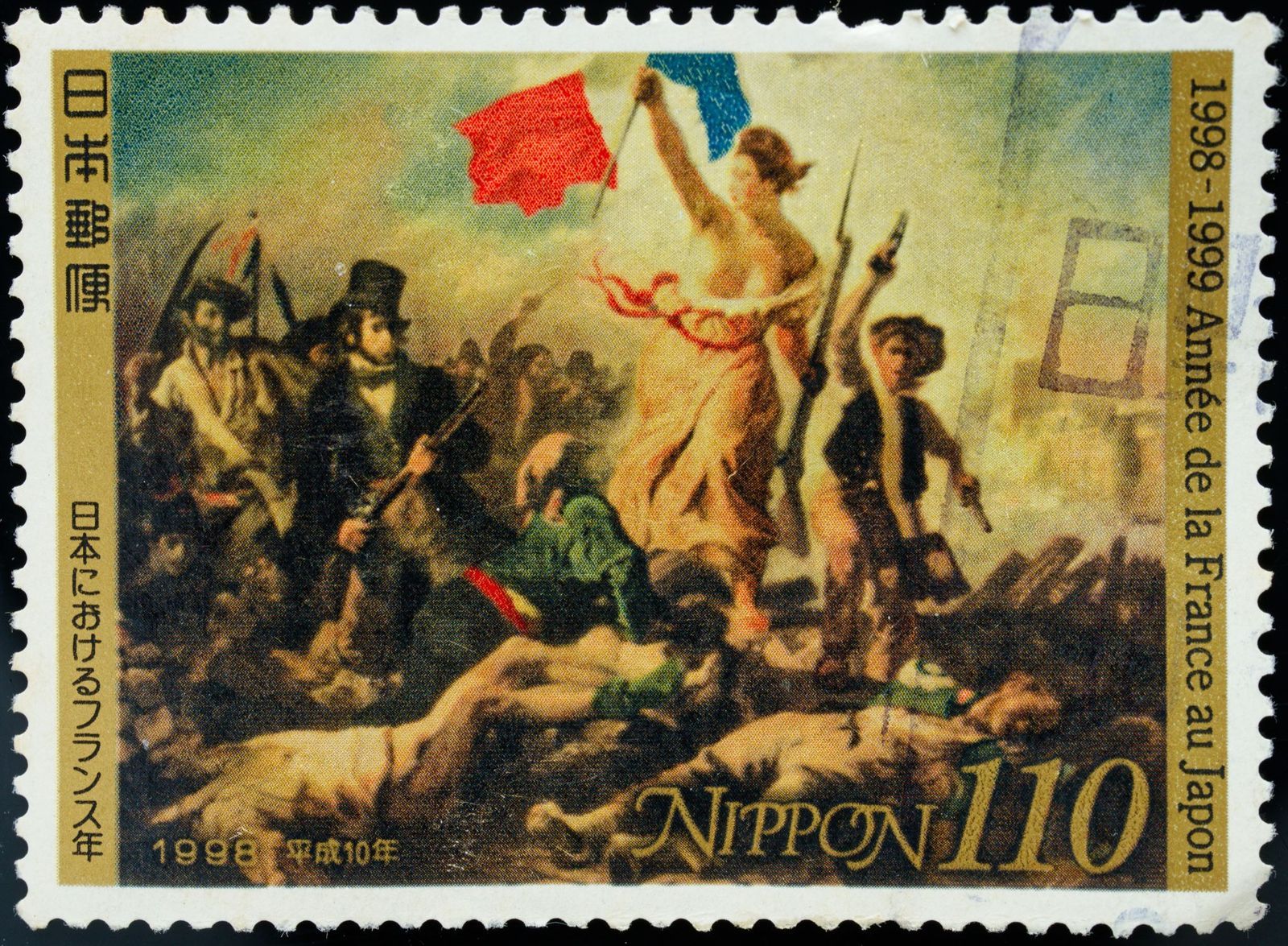
Image: s880

Delacroix’s Liberty Leading the People uses the allegorical figure of Liberty to symbolize the spirit of revolution during France's July Revolution of 1830. However, the woman in the painting has a name—_Marianne_—a powerful symbol of the French Republic ever since the first French Revolution of 1789.

14

Self-Portrait with Bandaged Ear by Vincent van Gogh
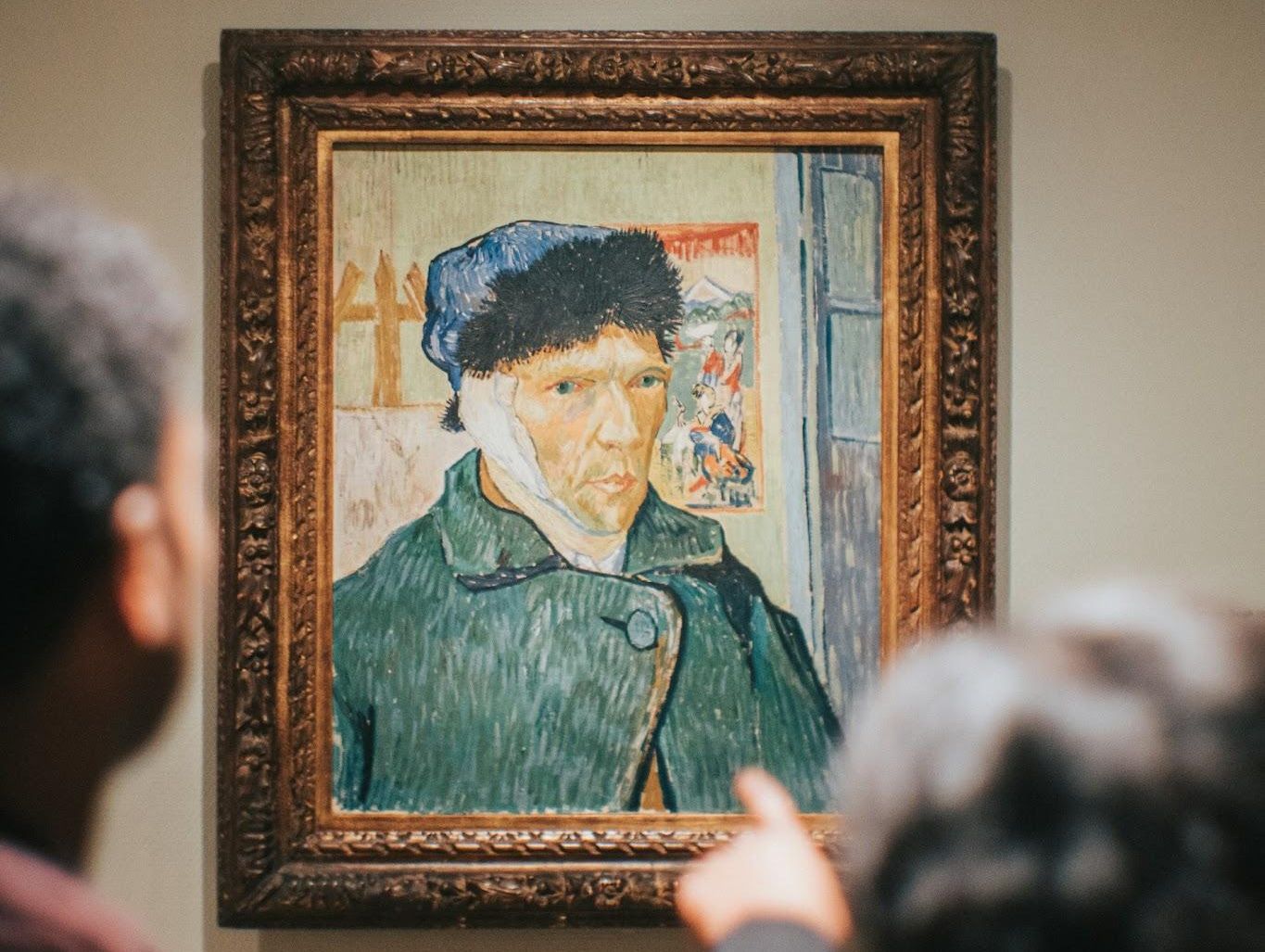
Image: Jean Carlo Emer

Van Gogh's Self-Portrait with Bandaged Ear captures a deeply personal moment following the infamous incident in which he—allegedly—severed his own ear. However, some art historians now believe that the wound was in fact the product of an altercation with friend and fellow artist Paul Gauguin. A deft fencer, Gauguin might have acted in self-defense during a violent bout of psychosis of his friend.

15

David by Michelangelo

Image: Mateus Campos Felipe

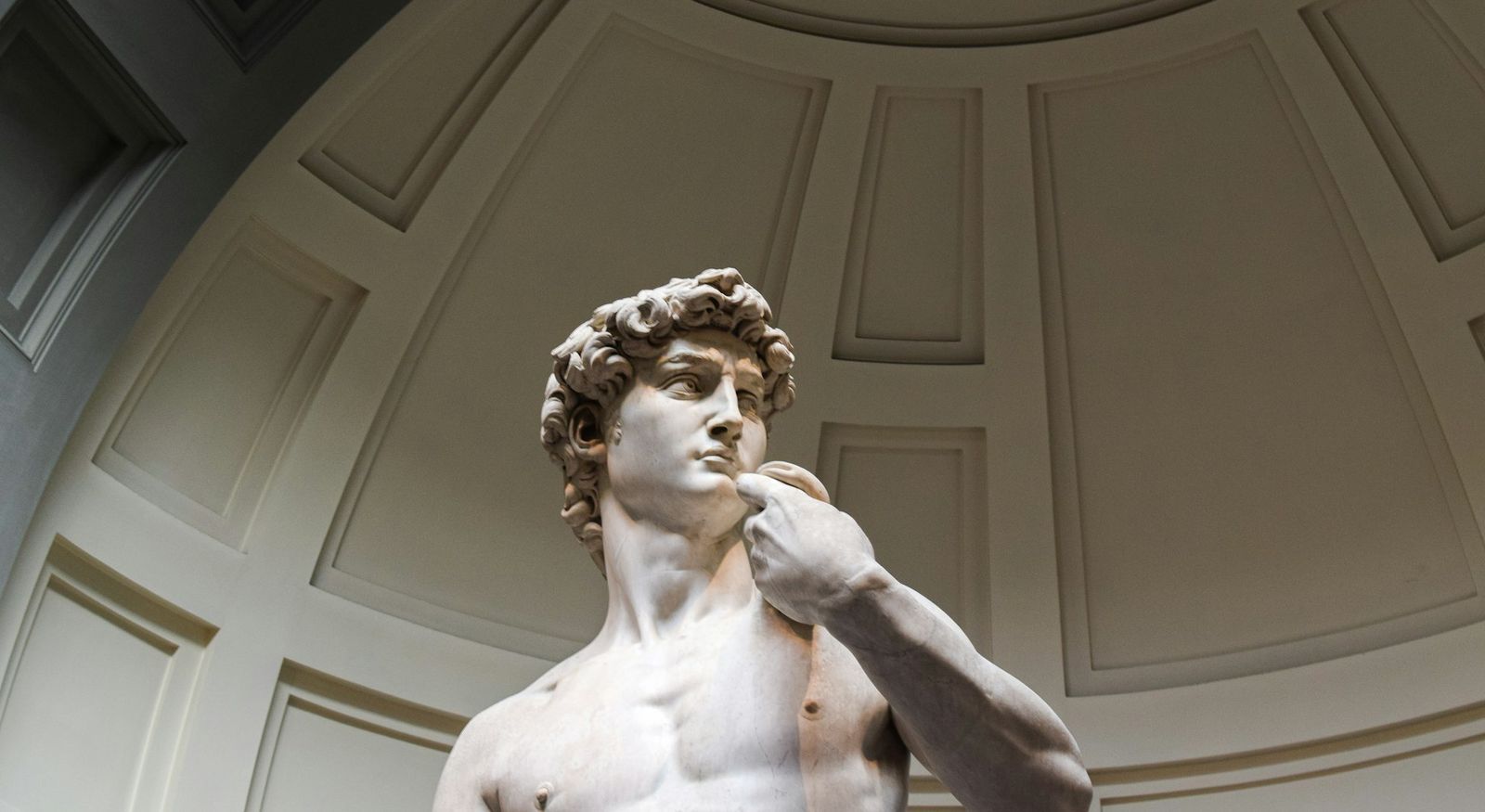
Michelangelo’s David symbolizes strength and humanism, embodying both intellectual and physical power. While its proportions follow classical ideals, David’s unusually large head and oversized right hand stand out. Additionally, his heart-shaped pupils are a curious detail, possibly symbolizing his love for Florence or a playful nod to the letter "D," often depicted as a heart in Renaissance art.
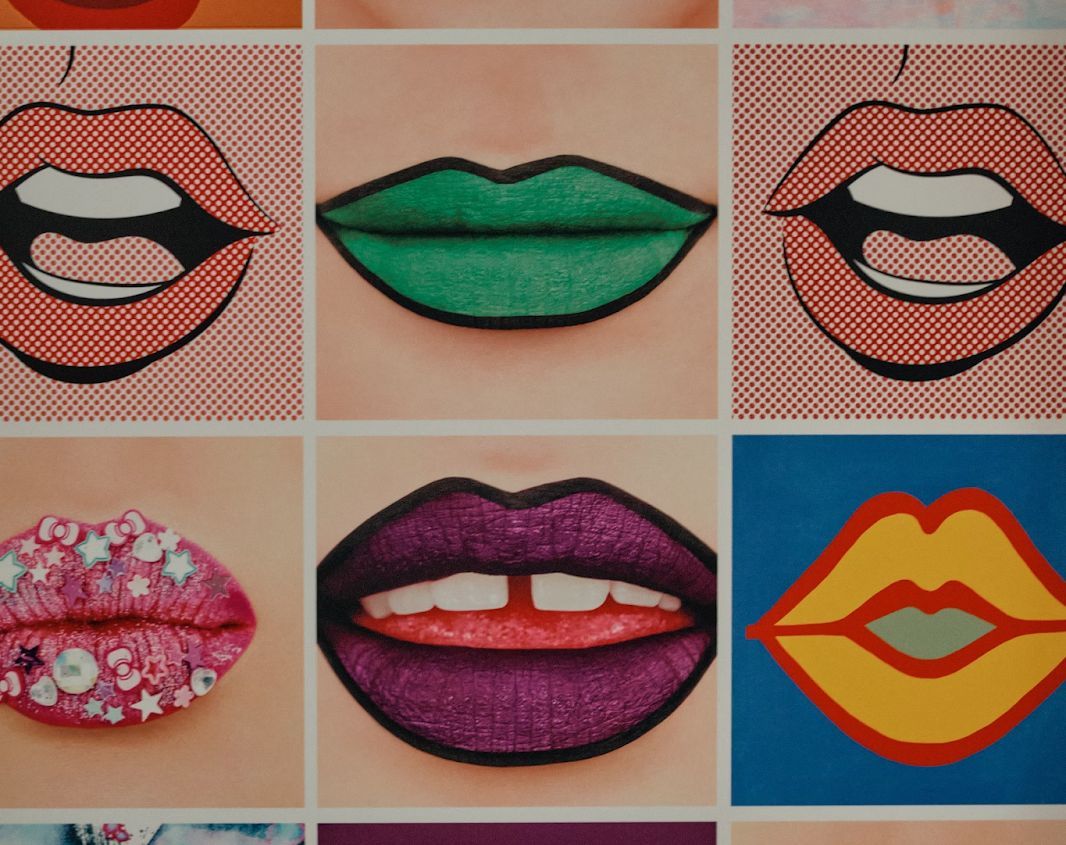

A mouthful of facts

What does the tongue say about you? 12 clues hidden in our mouth!


Published on March 10, 2025


Image: Clem Onojeghuo

Our mouths do so much more than help us chat, chew, and chuckle. This hardworking part of the body is home to a whole host of weird, wonderful, and sometimes wacky facts. From surprising saliva stats to your teeth’s secret life, a lot is going on behind your smile. And the best part? You don’t need a medical degree to appreciate these bite-sized bits of trivia. Let’s sink our teeth into some fascinating mouth facts!

1

Saliva: the secret to flavor

Image: Nick Fewings

Taste buds are important, but without saliva, your taste buds wouldn't be able to detect much of anything. Saliva helps break down food particles and dissolve the chemicals that make up flavors, sending them to your taste receptors. That’s why food tastes bland when you're dehydrated. Hydration equals better flavor!

2

Your mouth is a microbial metropolis

Image: Joey Nicotra

Believe it or not, the inside of your mouth is teeming with life. Wanna hear the numbers? Around 8 billion bacteria live there! That’s roughly the population of the entire planet, all crammed into your smile.

Most of these microbes are harmless, and some are even helpful. But when they get out of balance, that’s when things like cavities and gum disease can set in. Brushing and flossing aren’t just cosmetic, they help keep the peace in this microscopic community.

3

Oral health and your heart go hand in hand

Image: Diana Polekhina

This might surprise you, but skipping floss can affect more than just your gums. Studies have shown a strong link between poor oral health and major diseases like heart disease, diabetes, and even osteoporosis.

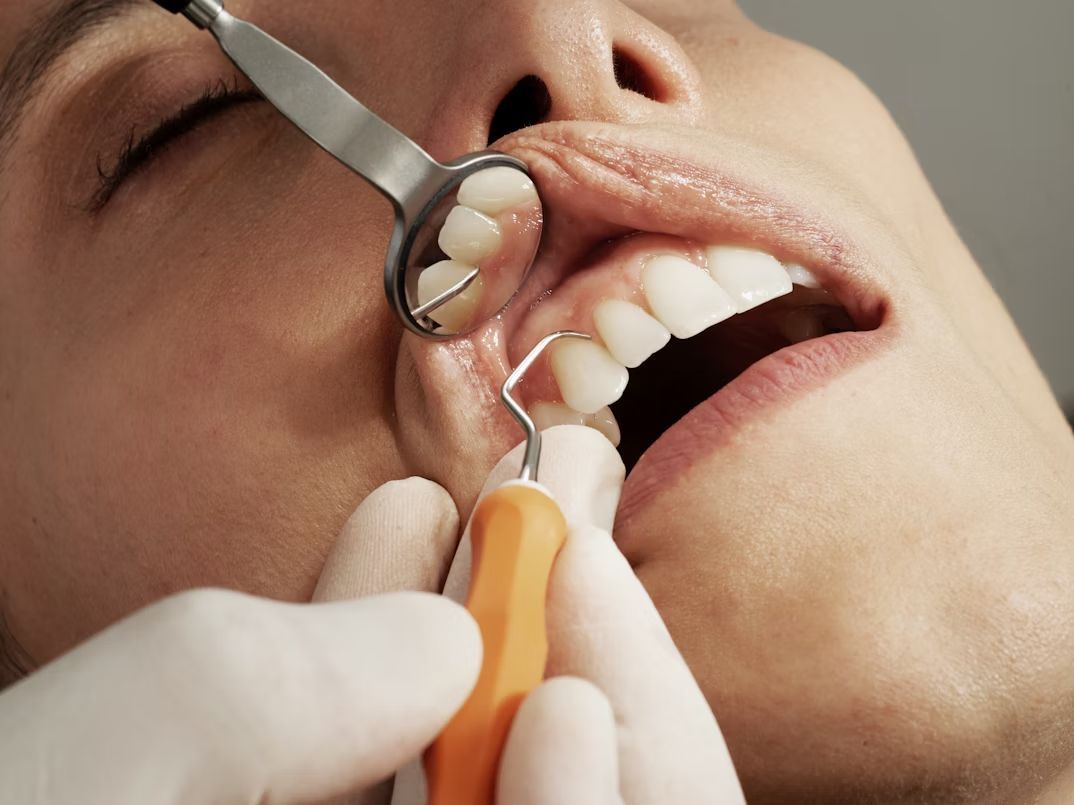
Inflammation from gum disease may contribute to problems in other parts of your body. Your mouth is like a window into your overall health, and red flags here could signal trouble elsewhere. Keep the dental checkups going! Your whole body benefits when your mouth is in top shape.

4

Swimming with your mouth open? Think twice

Image: Brian Matangelo

Taking a dip in the pool is refreshing, but make sure you keep your mouth closed. Chlorine, used to disinfect pool water, can be tough on your teeth.

Frequent exposure may weaken enamel and lead to increased tooth sensitivity. That means swimmers, especially those doing laps daily, should be extra cautious. If you’re one of them, just know rinsing with clean water after a swim can help wash away any residue.

5

Plaque: your mouth’s unwanted guest

Image: Caroline LM

Plaque isn’t just a little fuzzy feeling on your teeth, it’s a mix of bacteria, food particles, and saliva. If left alone, it hardens into tartar, which only a dentist can remove.

Plaque is the main cause of gum disease and cavities. Brushing twice a day and flossing help kick it to the curb. Mouthwash can give an extra layer of protection, too.

6

Your tongue is truly one-of-a-kind

Image: Fernanda Greppe

Of all the muscles in your body, the tongue is the only one that doesn’t need skeletal support to do its job. It’s a muscular marvel that helps with speaking, swallowing, and tasting. Despite its flexibility, it’s incredibly strong for its size.

Plus, no two tongues are the same; each has a unique print, just like fingerprints. Bet you didn’t know your tongue was such a multitasker!

7

There’s more to your teeth than meets the eye

Image: Kamal Hoseinianzade

You might only see the top two-thirds of your teeth, but the rest is hiding below the gumline. That hidden portion includes the roots, which anchor your teeth in place. Healthy gums are essential for keeping this foundation strong.

Gum disease can cause that support to weaken, leading to tooth loss over time. So yes, we said it one too many times, but flossing is about way more than fresh breath. A deep clean leads to a deep-rooted smile.

8

Sip on this: Green tea is great for your gums

Image: Na visky

Green tea is full of powerful antioxidants and natural antibacterial agents. These can help reduce inflammation in your gums and keep harmful bacteria at bay. Studies suggest it may even lower your risk of periodontal disease.

Unlike sugary drinks, it doesn’t feed the bacteria that cause decay. And it’s a pretty soothing way to wind down after a meal. Swap one of your daily cups of joe for green tea, and your mouth will thank you.

9

Your taste buds are tiny but mighty

Image: kazuend

You’ve got about 10,000 taste buds scattered around your mouth, but most live on your tongue. They detect sweet, salty, sour, bitter, and umami flavors, working together like a culinary orchestra.

Now, here’s the fascinating fact: Taste buds regenerate every 10 to 14 days, so you’re always getting a fresh batch. However, aging, smoking, and illness can dull your sense of taste over time.

10

Teeth: your one-of-a-kind smile

Image: Lesly Juarez

Just like fingerprints, no two people have the exact same set of teeth. Their size, shape, alignment, and even bite pattern are all uniquely yours. That’s why dental records are so helpful in forensics.

Your teeth are part of your identity, and once you lose them, they don’t grow back. Protecting them is a lifelong investment!

11

Saliva: the pool-filler you didn’t ask for

Image: LexScope

Get ready for this one: The average person produces over 37,000 liters of saliva in a lifetime. That’s enough to fill two entire swimming pools!

Saliva plays a vital role in digestion, taste, and keeping your mouth clean. It helps neutralize acids and wash away food particles, protecting against decay. Without it, your mouth would be a desert. Yes, this fact was kind of gross, but equally helpful!

12

Brushing your life away—literally

Image: Nik

Over the course of a lifetime, the average person spends 38.5 days brushing their teeth. That’s more than a month with nothing but you, your toothbrush, and the mirror.

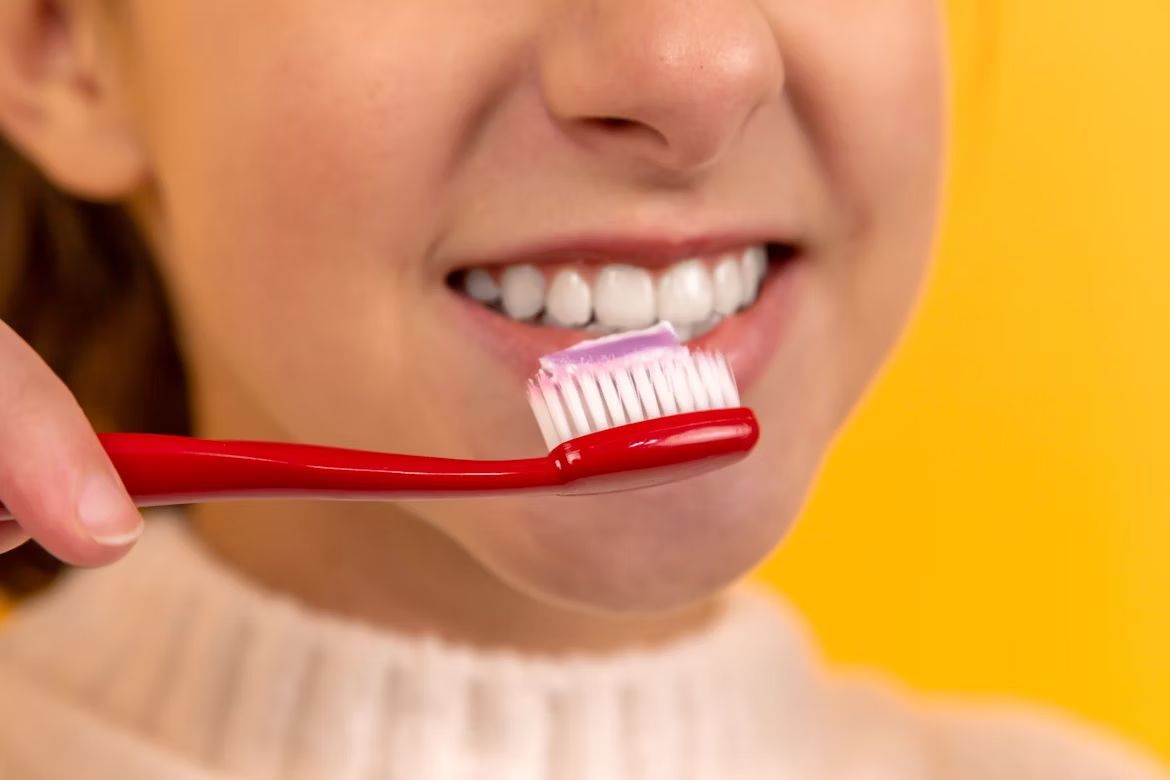
It may sound like a lot, but your smile’s worth every second, don’t you think? Regular brushing keeps plaque away, prevents bad breath, and saves you from future dental bills. Just keep brushing, you’re doing mouth maintenance like a pro!

Looking for an extra scoop of literary fun?

Learn more with our Word of the day

gladiatorial

/ˌɡlædiəˈtɔriəl/