Secrets in plain view

The dark side of art: 15 hidden secrets in famous masterpieces


Published on March 10, 2025
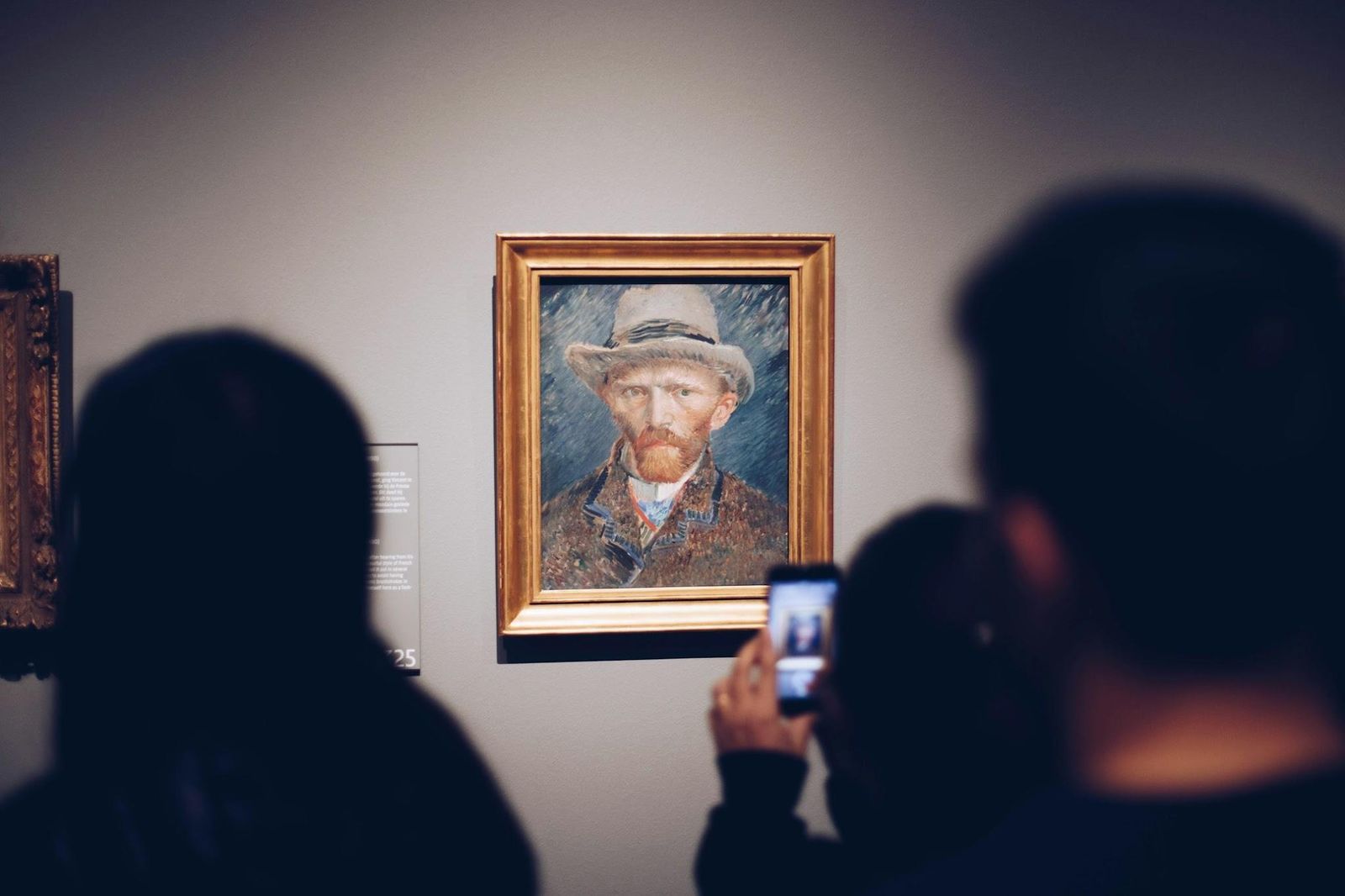

Image: Ståle Grut

Art is often more than just visually stunning; it can carry deep, hidden meanings and symbols that offer a richer experience when understood. From elements that tell part of the artwork’s story to deliberate messages and strange secrets, here are 15 famous artworks with hidden layers you might not have noticed before.

1

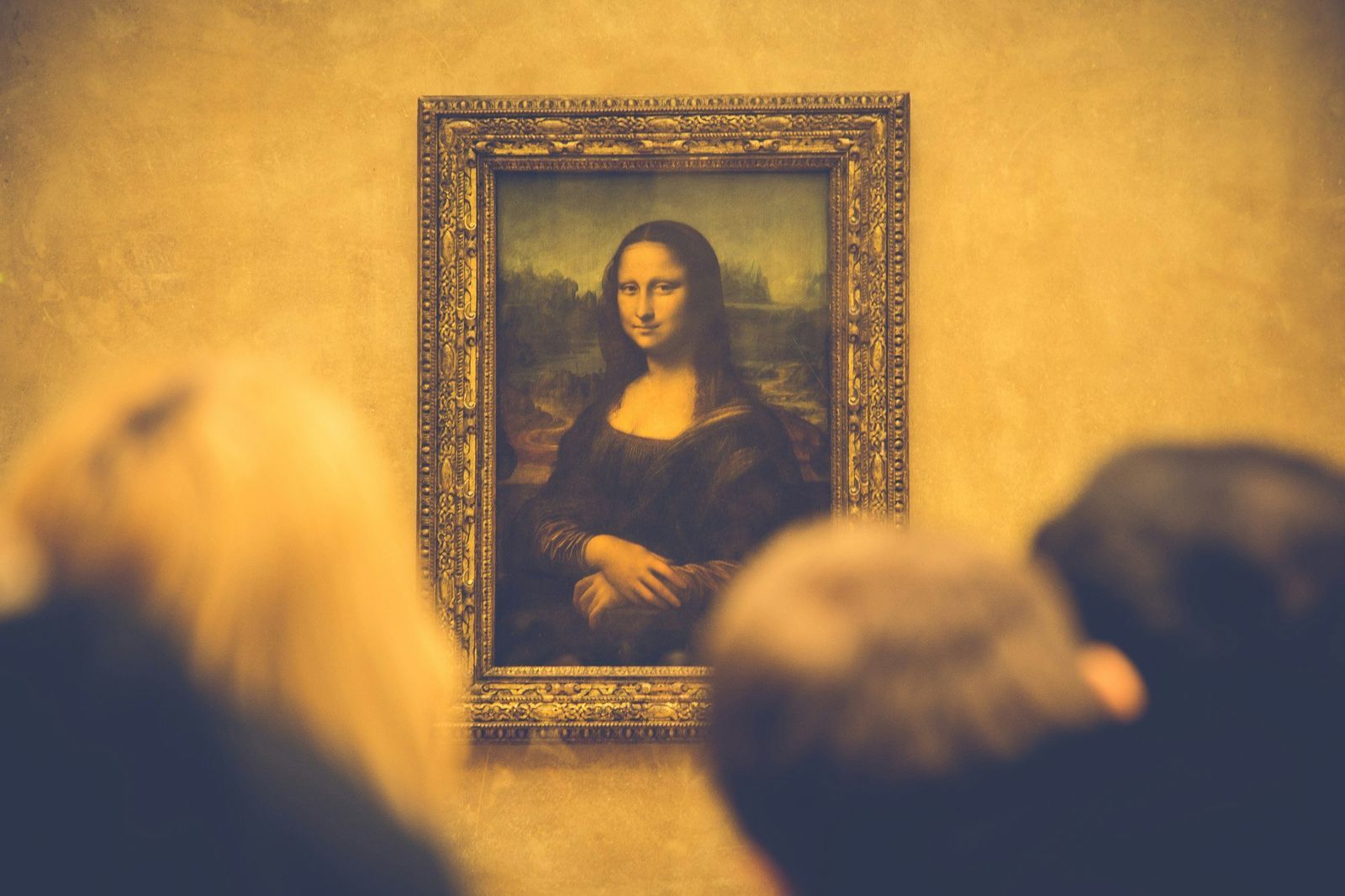
The Mona Lisa by Leonardo da Vinci

Image: Eric TERRADE

Though the Mona Lisa is perhaps the most famous painting in the world, the identity of the woman in the portrait has long been a subject of debate. Most scholars believe she is Lisa Gherardini, a Florentine woman married to a wealthy merchant, Francesco del Giocondo. However, numerous alternative ideas have emerged, including theories that the subject is an idealized figure or even a concealed self-portrait of Da Vinci.

2

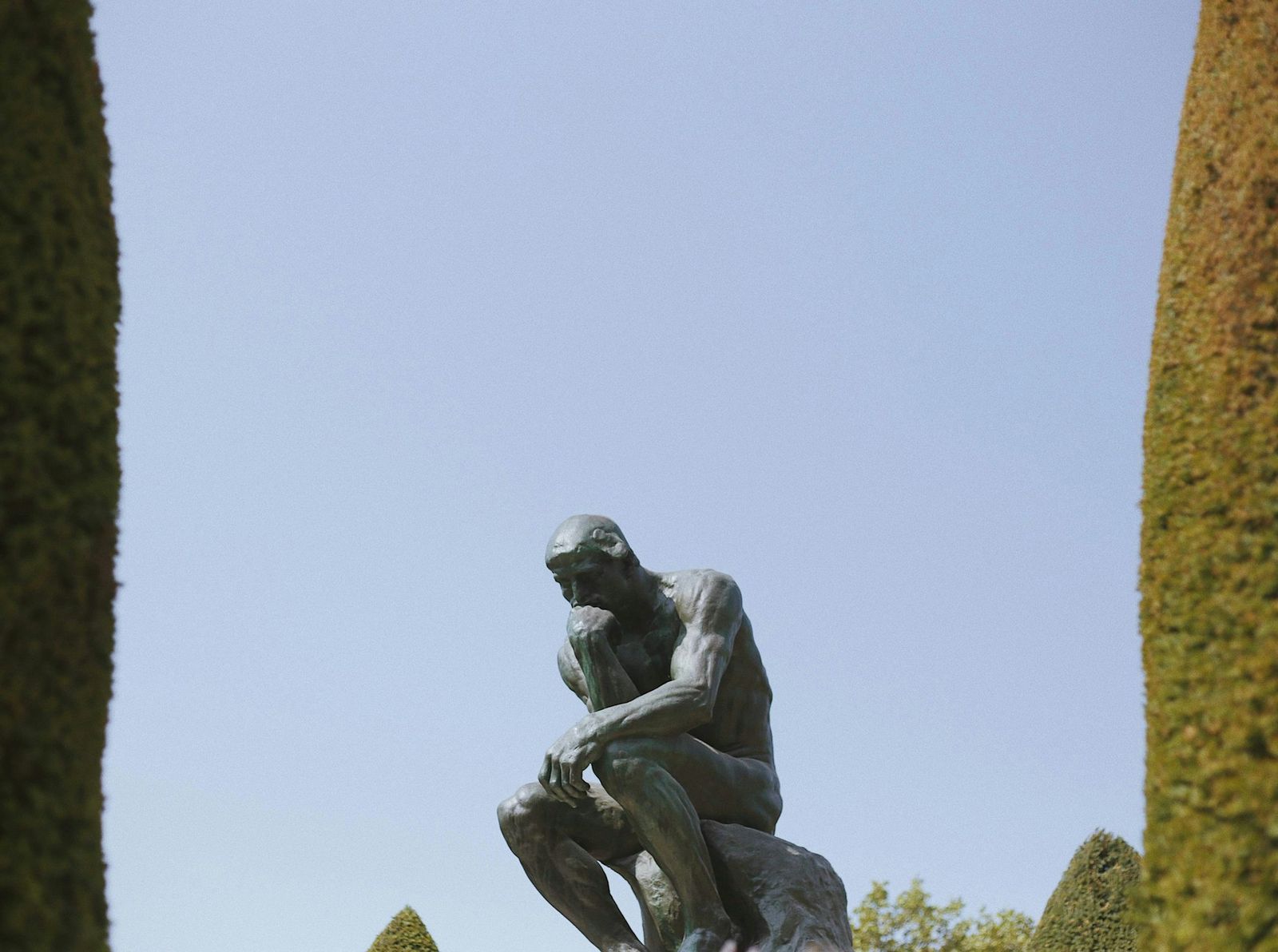
The Thinker by Auguste Rodin

Image: Avery Evans

Rodin’s famous sculpture, The Thinker, was originally conceived as part of a larger work but became iconic in its own right. Despite its fame, many curious facts about the sculpture are often overlooked. For example, its original name was actually The Poet, which supports the theory that the statue was meant to depict Dante.

3

The Birth of Venus by Sandro Botticelli
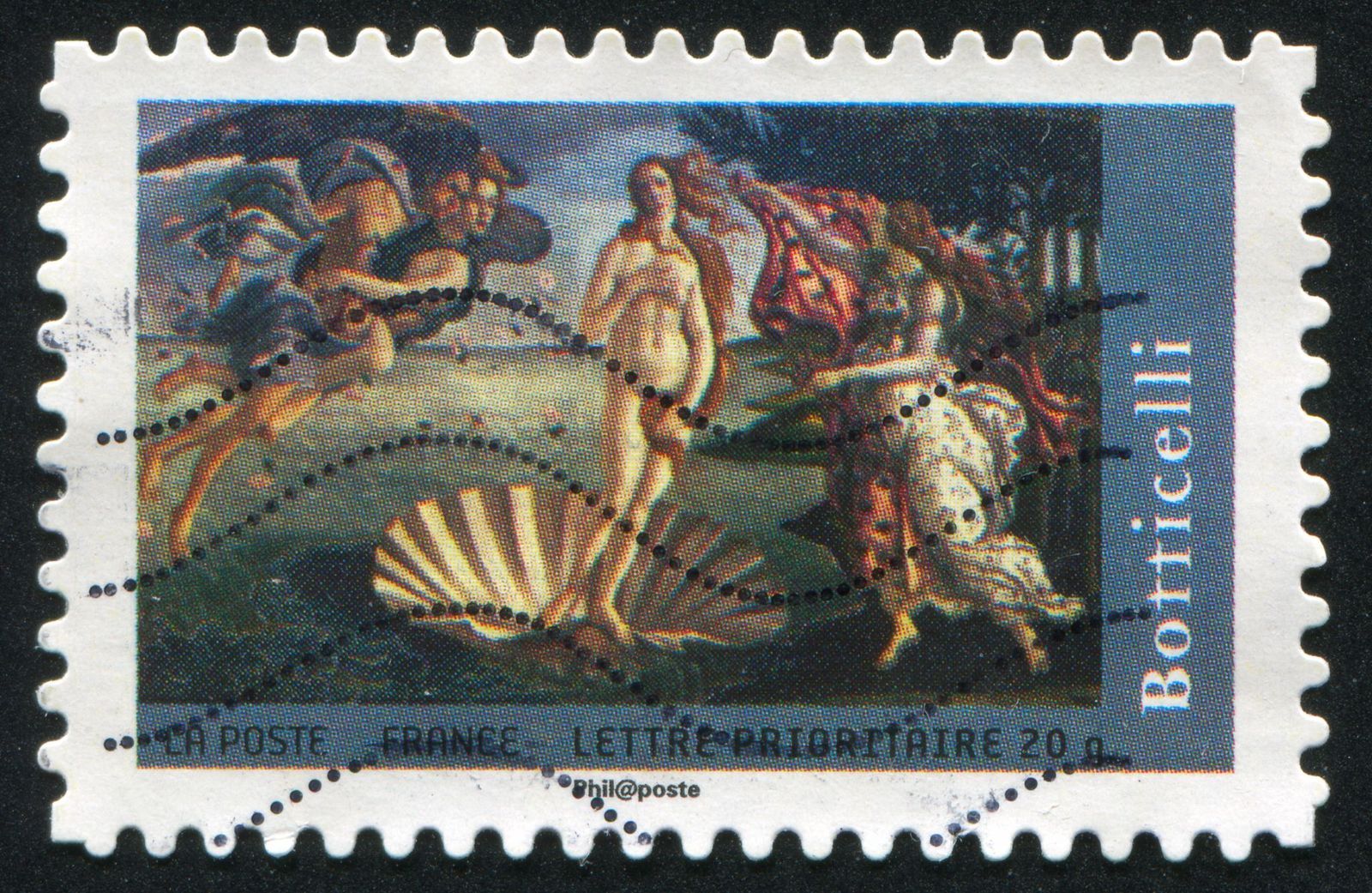
Image: Aleksandra Khoroshykh

Botticelli’s The Birth of Venus blends classical mythology with Renaissance ideals of beauty. Venus, standing on a shell, symbolizes divine beauty and spiritual rebirth. Curiously, some believe it was modeled after the long-lost Venus Anadyomene, a painting by the ancient Greek artist Apelles, known only through Roman author Pliny the Elder’s description.

4

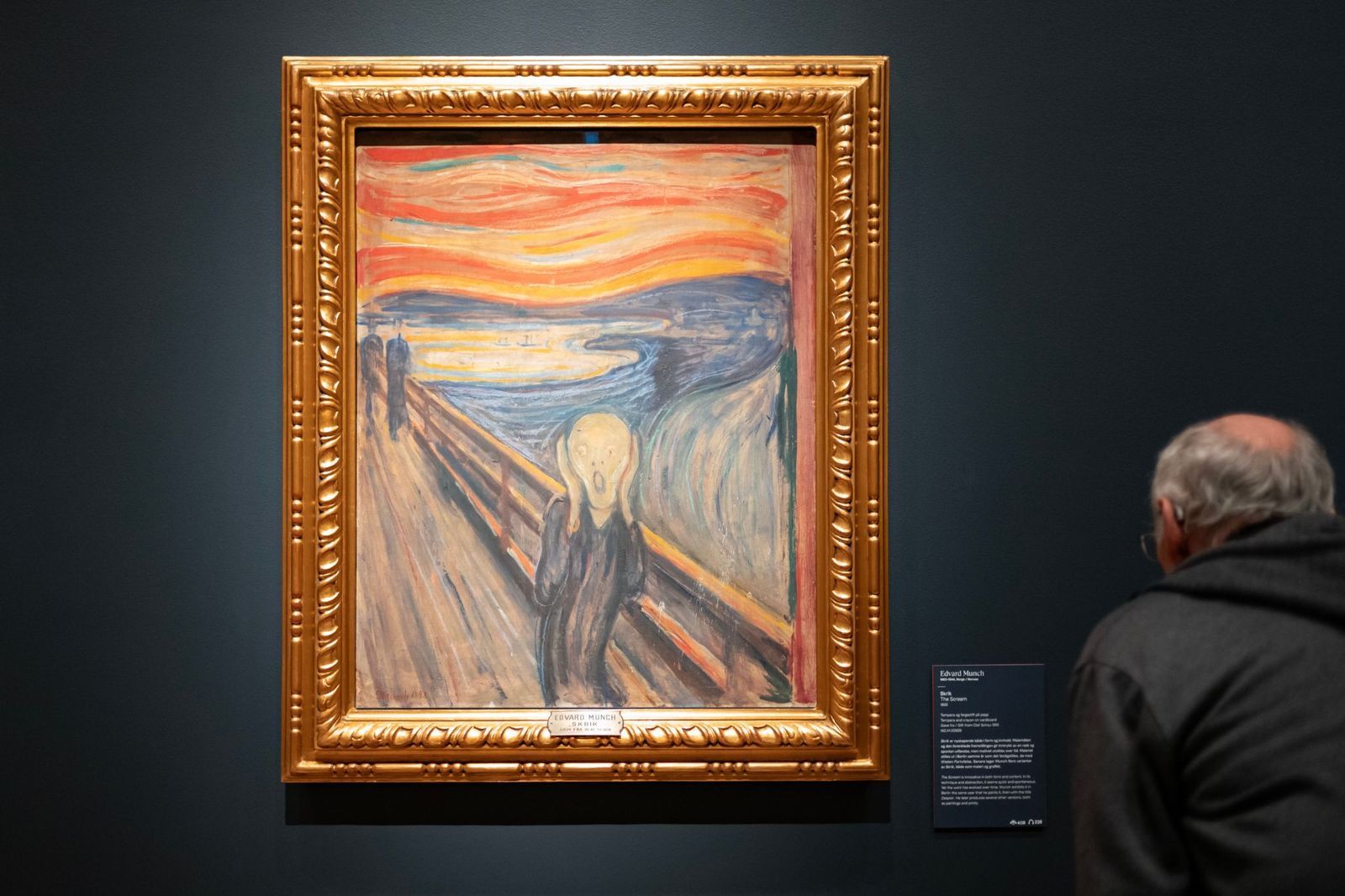
The Scream by Edvard Munch

Image: MohammadHosein Mohebbi

Munch’s The Scream captures a moment of extreme emotional distress. The swirling sky, vivid in color, reflects the inner turmoil of the subject. While Munch claimed the inspiration came from a panic attack he experienced while walking, some argue that the red skies may have been inspired by the eruption of Krakatoa in 1883, which caused vivid sunsets around the world.

5

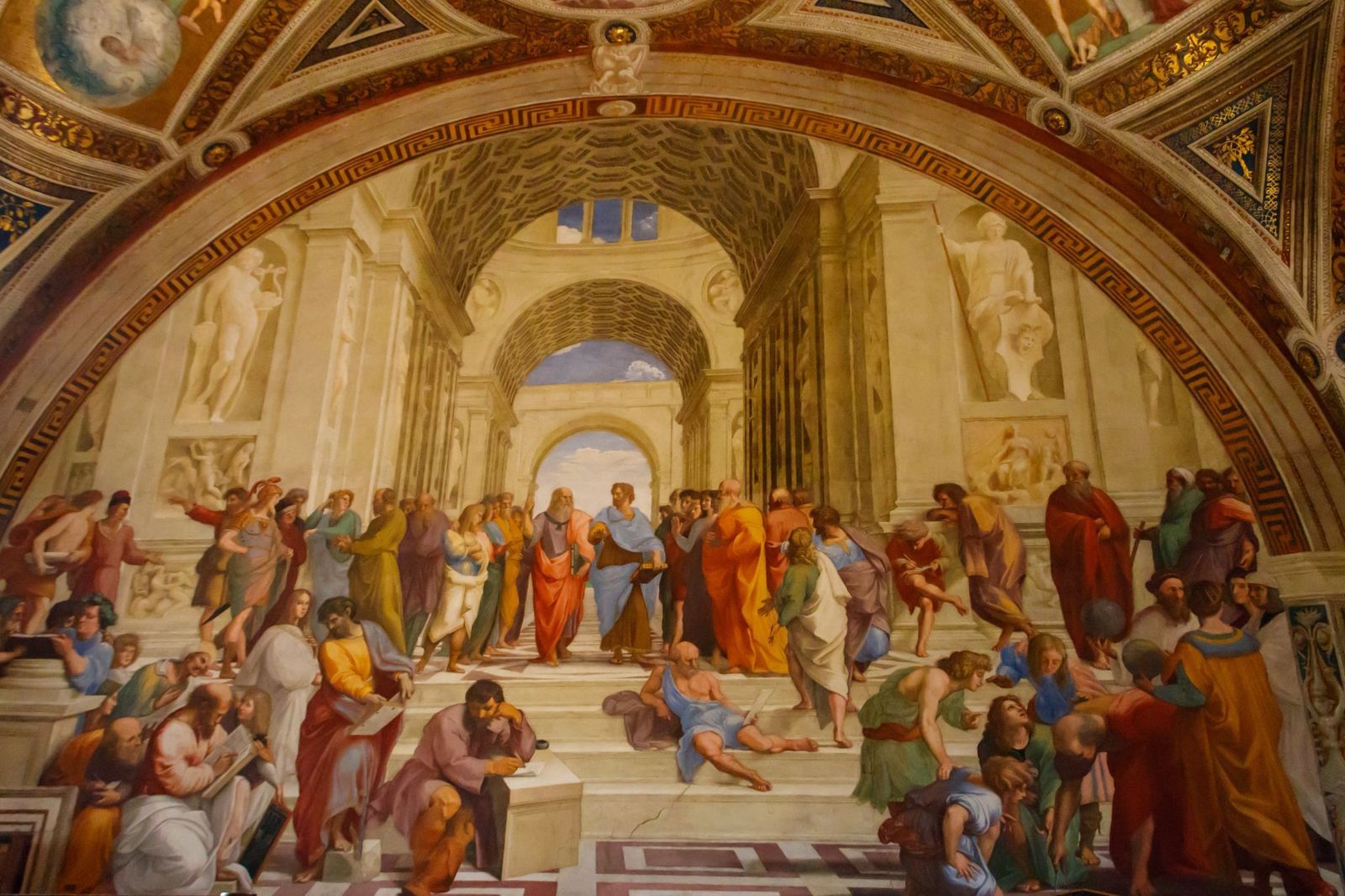
The School of Athens by Raphael

Image: ALEKO KEZEVADZE

In Raphael’s The School of Athens, ancient philosophers are depicted in conversation, but the placement of the figures is deliberate. Plato and Aristotle are centrally placed, with Plato pointing upwards, symbolizing his belief in ideal forms, while Aristotle’s gesture points horizontally, emphasizing his empirical approach.

6

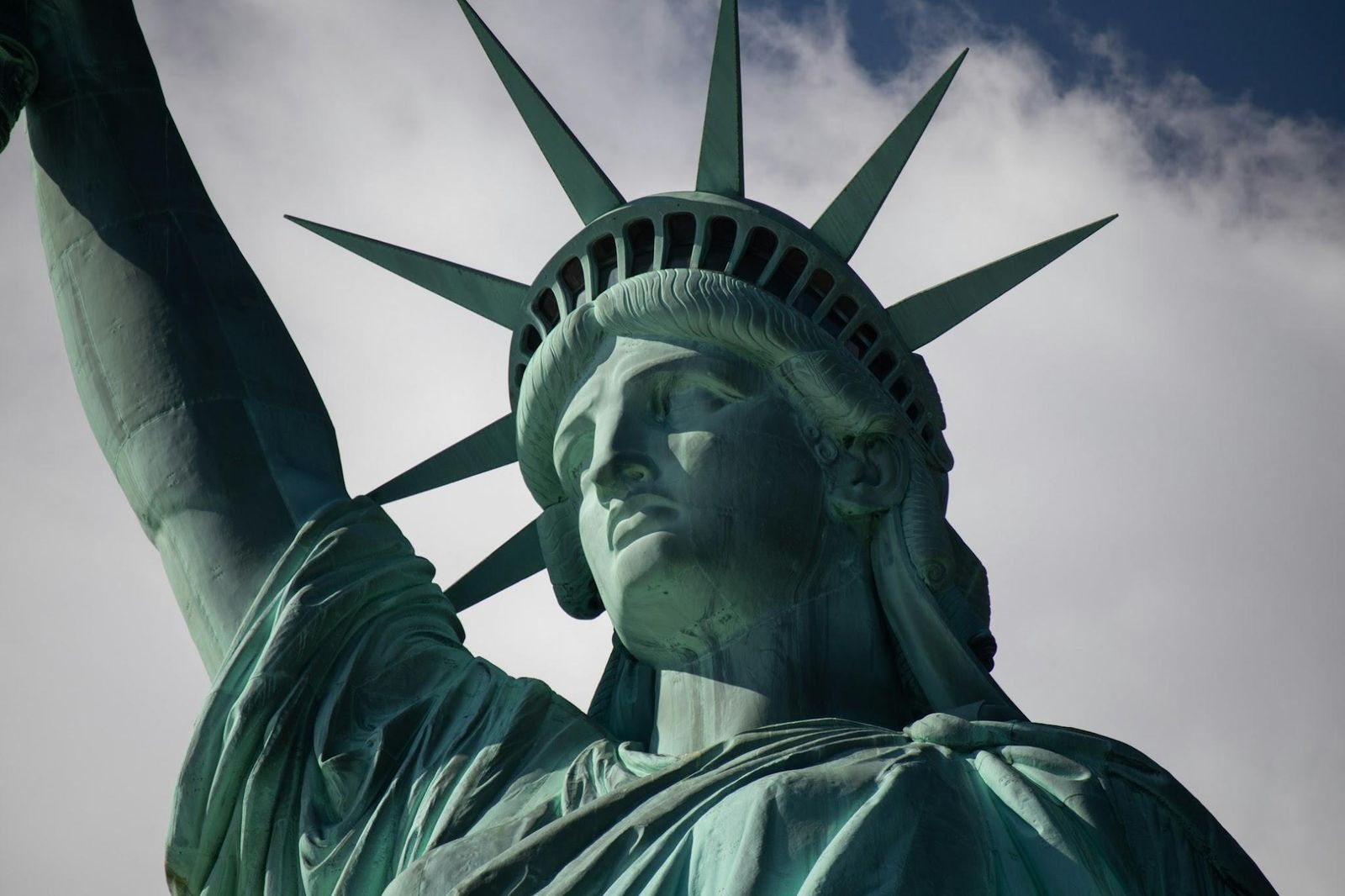
The Statue of Liberty

Image: Laurenz Heymann

The Statue of Liberty is not just a symbol of freedom; its design includes several symbolic elements. The broken chain at her feet represents the abolition of slavery, while the torch symbolizes enlightenment. But most curiously, Lady Liberty's face is said to have been modeled after the artist Frederic-Auguste Bartholdi's mother.

7

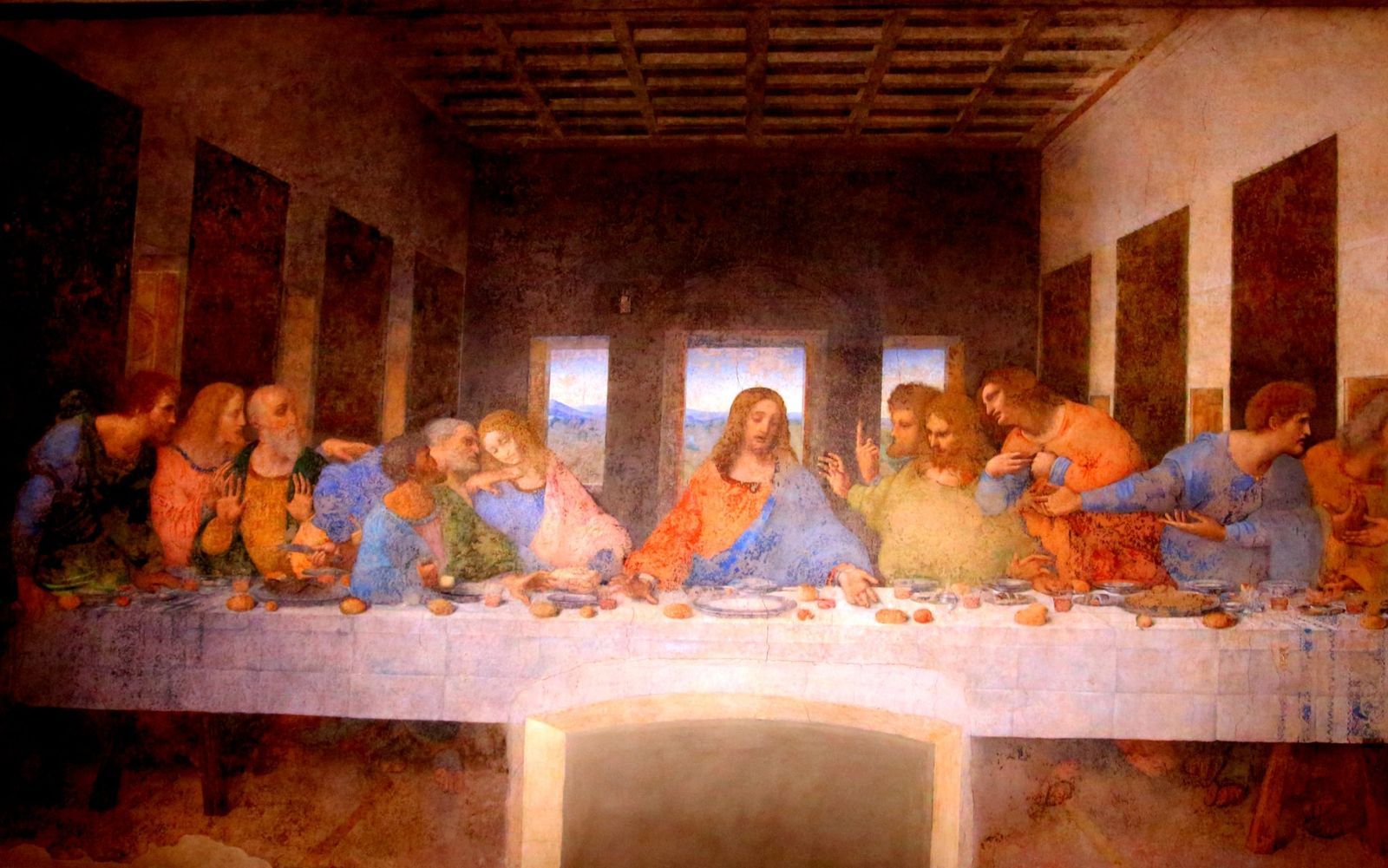
The Last Supper by Leonardo da Vinci

Image: Juliette F

Da Vinci’s Last Supper holds numerous symbols, most notably the geometric composition. The table itself forms a triangle, symbolizing the Holy Trinity, while Christ’s position in the center divides the composition into a perfect balance of divine and human. Even the placement of Judas, isolated from the others on the opposite side of Christ, visually hints at his betrayal.

8

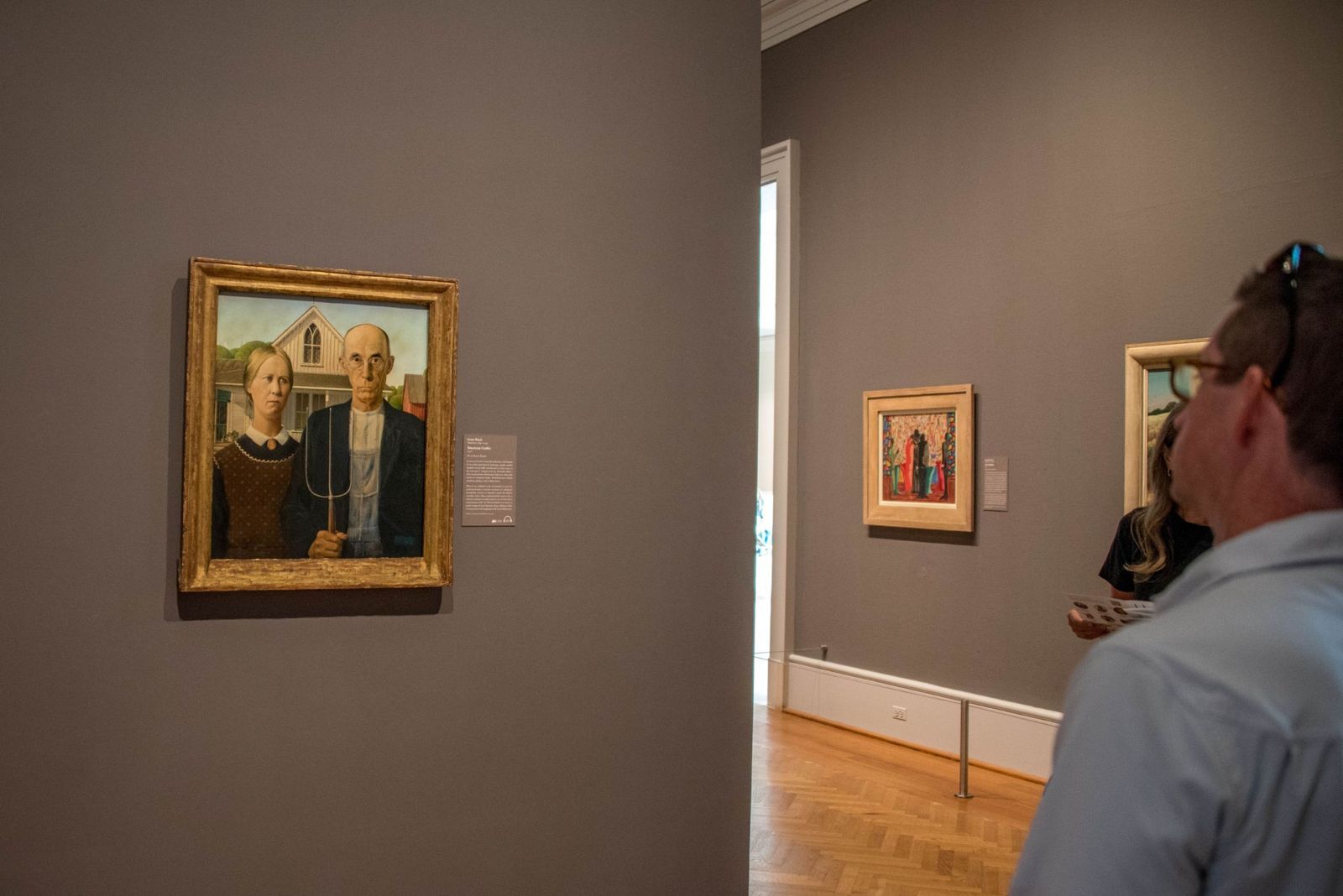
American Gothic by Grant Wood

Image: Ján Jakub Naništa

Grant Wood’s iconic American Gothic has often been interpreted as a commentary on rural American values, but there are more layers to the painting. In fact, it was inspired by a real house built in the style of "Carpenter Gothic," which Wood found rather pretentious for such a humble home. The characters, however, aren’t the real inhabitants of the house but Wood’s dentist and his sister.

9

Venus de Milo by Alexandros of Antioch
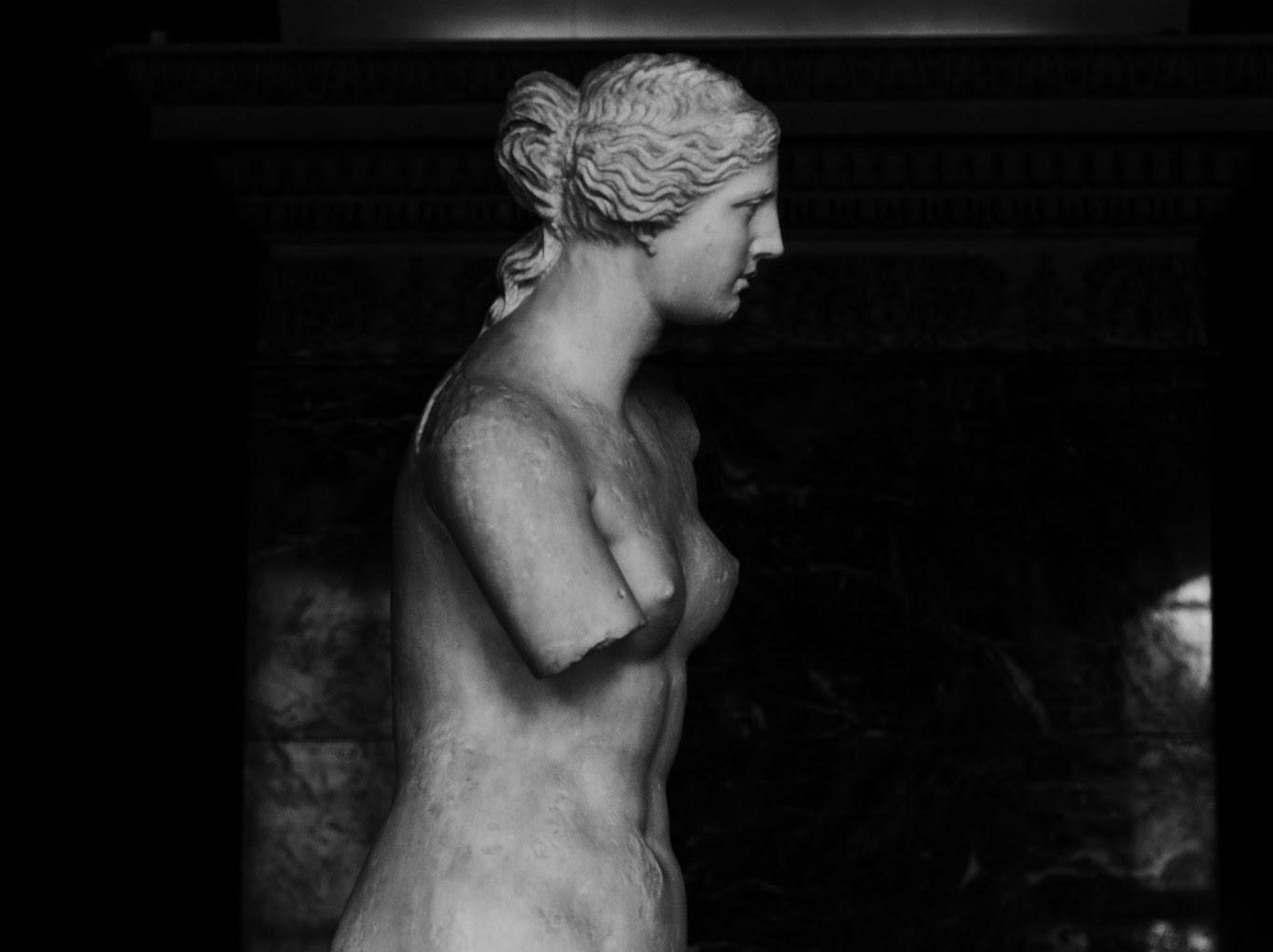
Image: Daniele D'Andreti

The Venus de Milo represents idealized beauty in ancient Greek sculpture, but its missing arms add to its mystery. The lost limbs have sparked theories about its original pose, enhancing the statue's allure. Interestingly, some suggest the figure may not depict Aphrodite/Venus at all, but Amphitrite, the sea goddess worshiped on the island of Milos.

10

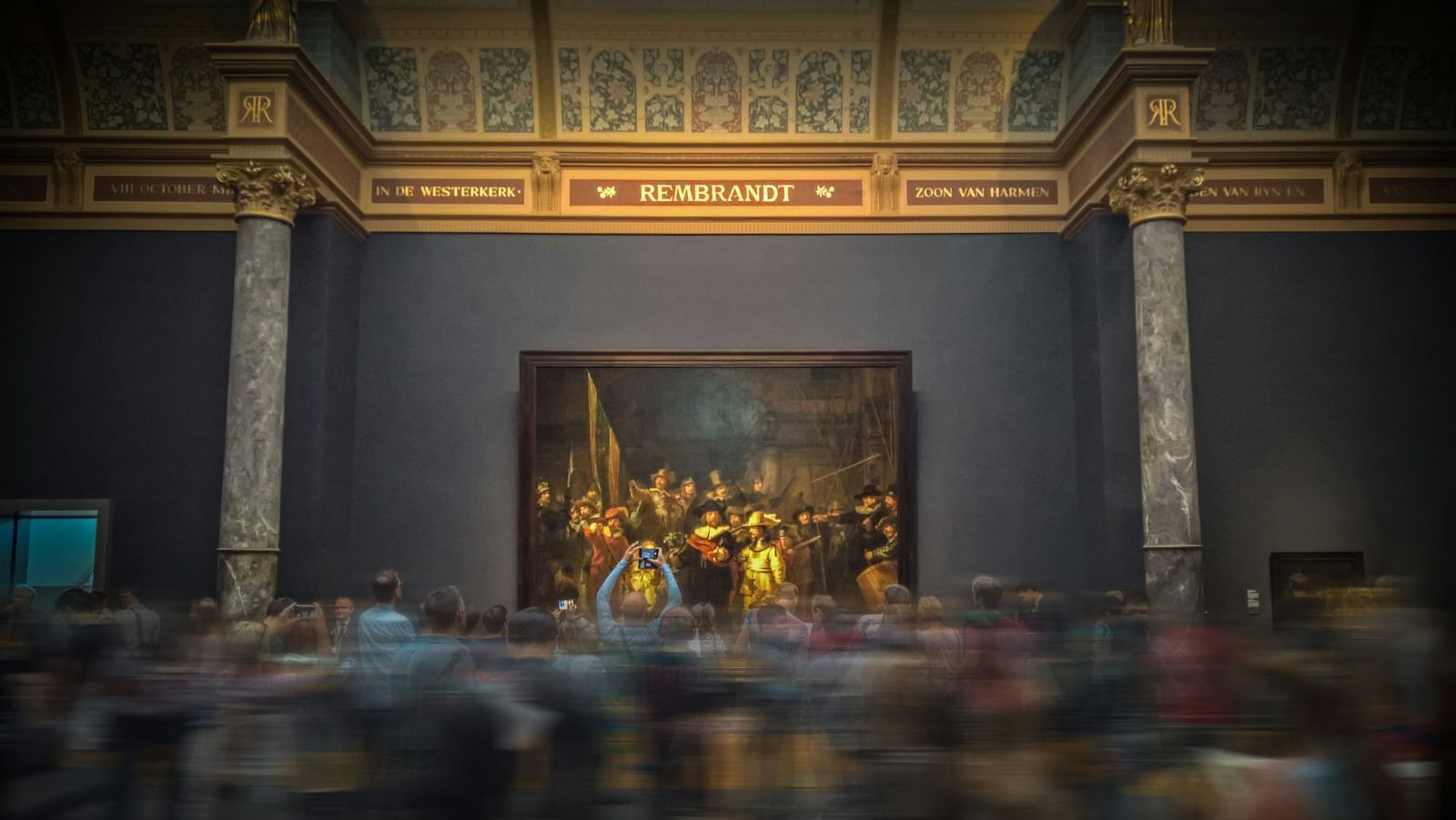
The Night Watch by Rembrandt

Image: Václav Pluhař

A master of visual storytelling, Rembrandt was well known for including hidden messages and symbolism. In his masterpiece The Night Watch, some believe the artist makes a subtle cameo. In the middle of the painting, behind a man in green and a guard with a metal helm, you can spot a faint figure, widely thought to be Rembrandt himself.

11

The Vitruvian Man by Leonardo da Vinci
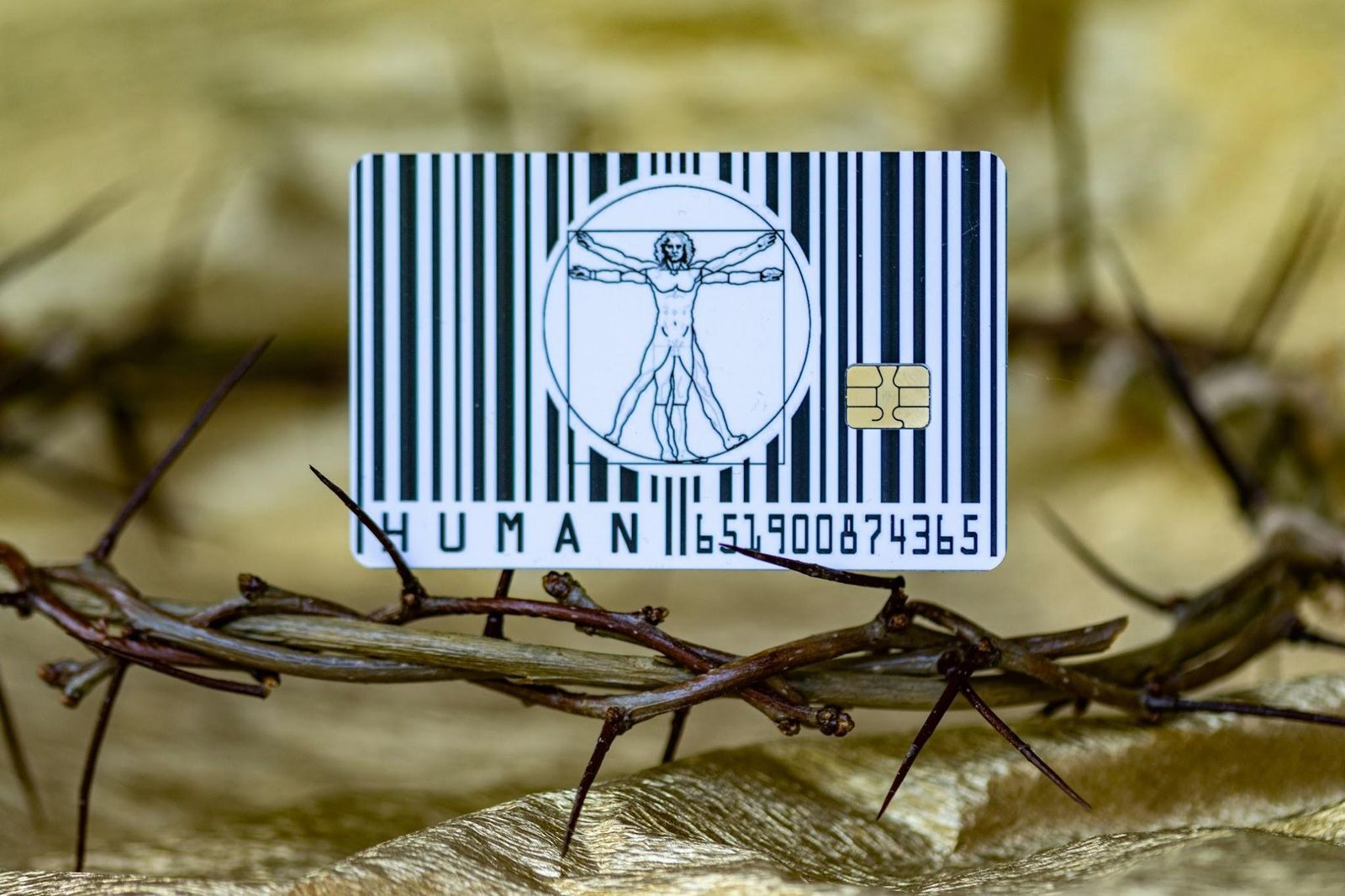
Image: Marek Studzinski

Leonardo’s Vitruvian Man is not just a study of human anatomy; it symbolizes the Renaissance belief in the harmony between art and science. But beyond the perfect proportions, keen observers have noted that the man depicted appears to suffer from an inguinal hernia—an ailment that could have been fatal at the time. Given that artists often used cadavers as models, it's likely that Leonardo based the figure on a real, deceased individual.

12

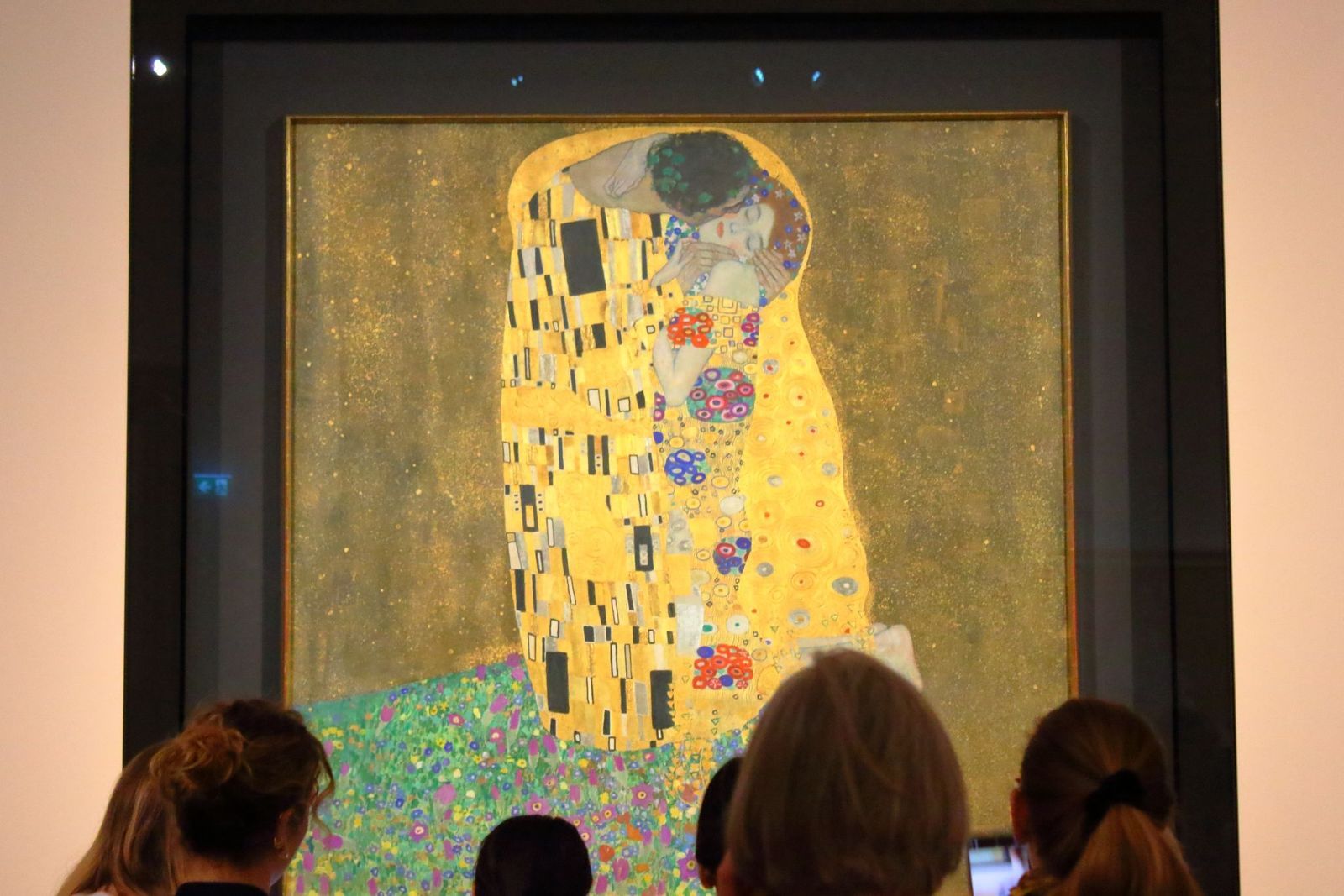
The Kiss by Gustav Klimt

Image: Alejandra Quiroz

Klimt’s The Kiss is renowned for its use of gold leaf, evoking the sacred beauty of religious art found in churches. Some art historians even speculate that the lovers in the painting are not just symbolic figures, but a representation of Klimt himself and his long-time partner, fashion designer Emilie Flöge.

13

Liberty Leading the People by Eugène Delacroix
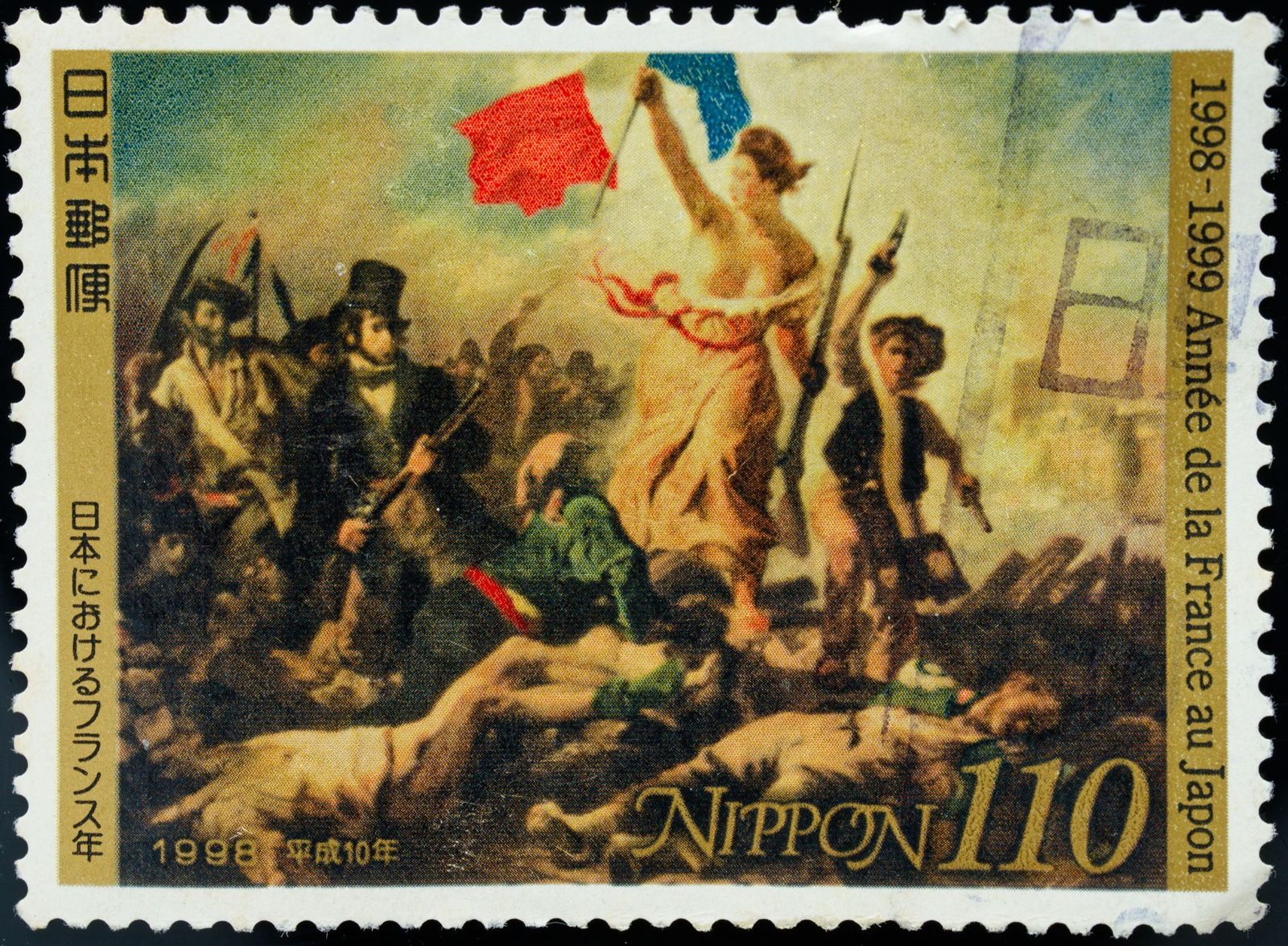
Image: Pierre Herman

Delacroix’s Liberty Leading the People uses the allegorical figure of Liberty to symbolize the spirit of revolution during France's July Revolution of 1830. However, the woman in the painting has a name—_Marianne_—a powerful symbol of the French Republic ever since the first French Revolution of 1789.

14

Self-Portrait with Bandaged Ear by Vincent van Gogh
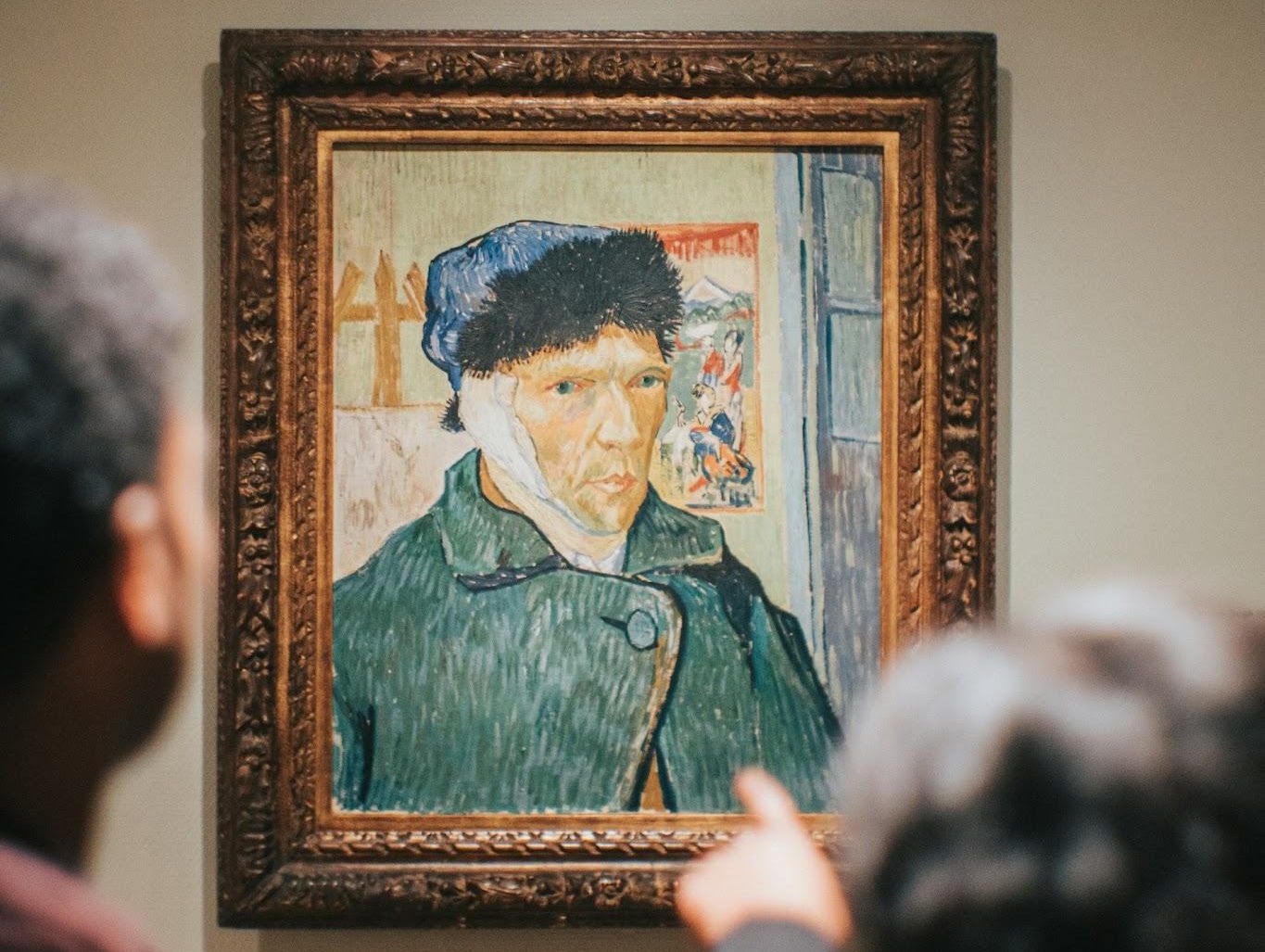
Image: Jean Carlo Emer

Van Gogh's Self-Portrait with Bandaged Ear captures a deeply personal moment following the infamous incident in which he—allegedly—severed his own ear. However, some art historians now believe that the wound was in fact the product of an altercation with friend and fellow artist Paul Gauguin. A deft fencer, Gauguin might have acted in self-defense during a violent bout of psychosis of his friend.

15

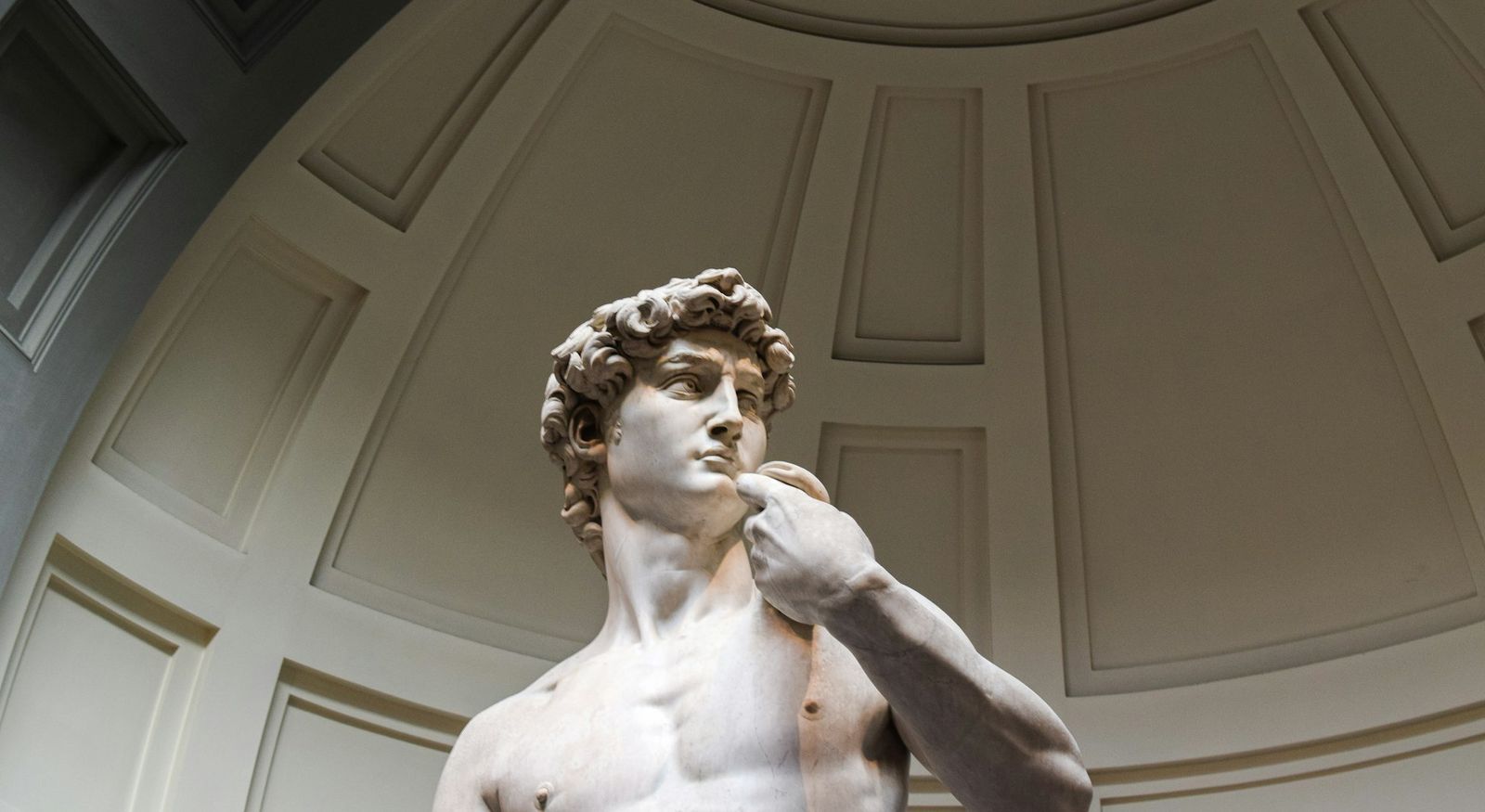
David by Michelangelo

Image: Mateus Campos Felipe

Michelangelo’s David symbolizes strength and humanism, embodying both intellectual and physical power. While its proportions follow classical ideals, David’s unusually large head and oversized right hand stand out. Additionally, his heart-shaped pupils are a curious detail, possibly symbolizing his love for Florence or a playful nod to the letter "D," often depicted as a heart in Renaissance art.



Changing names takes courage

For better or for worse? 10 brands that changed their names


Published on March 10, 2025


Image: Kristian Egelund

Building a brand takes time, effort, money, and a lot of other things. That’s why, when someone throws everything overboard and starts again with a new name, more than a few eyebrows are raised. Sometimes these kinds of decisions are reversed. Prince changed his by-then household name to a symbol that no one knew how to pronounce—and later returned to being Prince. But sometimes, these name changes are successful. Take a look at the following ten examples of now-famous brands and their previously, often not-so-great, names. Did you know any of them?

1

AuctionWeb

Image: Giorgio Trovato

No one would argue that a name like AuctionWeb is more descriptive than eBay, right? Still, the online auction juggernaut’s founder, Pierre Omidyar, decided that eBay was a better fit. In 1997, he officially changed the company’s name and began advertising the website on a massive scale.

For some reason, Omidyar initially wanted to buy the echobay.com domain, but it was already registered by a Canadian mining company. Dropping the "cho" led to the name eBay.com.

2

Blue Ribbon Sports

Image: wu yi

Everybody knows Nike, the global sportswear giant. But in its humble origins, it went by a different name: Blue Ribbon Sports. The brand had a distribution deal with Onitsuka (now Asics), a Japanese company. When that partnership ended, Blue Ribbon Sports changed its name to Nike, after the Greek goddess of victory.

Its famous "swoosh" logo was introduced at the same time. Carolyn Davidson, a design student, charged $35 for the logo, although Knight eventually gave her 500 shares of stock in 1983.

3

Confinity

Image: Muhammad Asyfaul

Confinity was founded in 1998, originally aiming to develop security software for handheld devices, but it quickly transitioned to the digital payments market. The team began developing a digital wallet, which allowed users to store and transfer money electronically.

After merging with Elon Musk’s online bank, X.com, in 2000, the company was rebranded as X for a short time and later became PayPal.

4

Jerry and David’s Guide To The World Wide Web

Image: Jaimie Harmsen

Early internet users will remember the days when Yahoo! was the go-to search engine before Google. But even before that, founders Jerry Yang and David Filo—then students at Stanford University—created a website called Jerry and David’s Guide to the World Wide Web. It served as a directory of websites organized hierarchically, rather than as a searchable index of pages.

Thinking the name was too long to remember, they renamed the site Yahoo. Since the word "Yahoo" was already trademarked, they added an exclamation mark, creating Yahoo!.

5

Kentucky Fried Chicken

Image: Aleks Dorohovich

In case you haven’t noticed, the full Kentucky Fried Chicken name hasn’t appeared in the brand’s official identity for quite some time. Founded by Colonel Harland Sanders in Corbin, Kentucky, the company became a fast-food behemoth that popularized fried chicken worldwide.

In 1991, the brand officially adopted the shorter KFC, a name it was already widely known by. Kyle Craig, president of KFC U.S., admitted the change was partly an attempt to distance the chain from the unhealthy connotations of the word "fried."

6

Matchbox

Image: Good Faces Agency

Different name, same concept—that could sum up MatchBox’s rebranding as Tinder. The original app launched at a hackathon in 2012, but the team soon realized the name was too similar to Match.com. They rebranded as Tinder, shifting the imagery from a box of matches to the small pieces of wood used to start a fire.

The company’s flame-themed logo remained consistent throughout the change.

7

Odeo

Image: Alexander Shatov

Noah Glass developed a startup called Odeo as a platform for podcasting, but the venture hit a major setback when Apple announced that iTunes would include its own podcasting service. One of the employees then proposed an idea focused on "status"—short updates about what people were doing at a given moment.

This idea became Twitter, initially called Twttr, a service where you could text one number and have the message broadcast to all your friends. Years later, after acquiring the company, Elon Musk rebranded it simply as X.

8

Pete’s Super Submarines

Image: Mathias Reding

Every day, a sandwich shop is born somewhere in the world. In 1965, 17-year-old Fred DeLuca opened a sandwich shop to help pay for medical school, using a loan from Dr. Peter Buck, a family friend. In gratitude, he named it "Pete’s Super Submarines."

As the brand grew, the name was shortened to Pete’s Subway, and by the 1970s, the "Pete’s" was dropped altogether. According to one theory, the change was partly because "Pete’s Submarines" sounded a lot like "Pizza Marines" when advertised on the radio.

9

Relentless

Image: Christian Wiediger

Before settling on Amazon, Jeff Bezos toyed with several names for his online bookstore, including "Cadabra" and "Relentless." He even registered Relentless.com, which still redirects to Amazon today.

Bezos wanted a name starting with "A" to appear early in alphabetical listings, and he was drawn to the Amazon River—vast, powerful, and world-famous. The choice was made, and the rest is history.

10

Burbn

Image: Deeksha Pahariya

Everybody knows Instagram, the ubiquitous photo-sharing app that invaded every nook and cranny of the Earth with smartphones and selfie sticks. But before it became the photo-sharing giant we know today, Instagram started life as Burbn—a check-in app inspired by Foursquare, with extras like gaming and photo sharing

Founders Kevin Systrom and Mike Krieger noticed that users overwhelmingly favored the photo feature. They stripped away the rest, rebranding as Instagram—a blend of "instant" and "telegram."

Looking for an extra scoop of literary fun?

Learn more with our Word of the day

facilitate

/fəˈsɪləˌteɪt/