Daily Italian
The dangers of asking for a latte or a panini in Italy
Published on August 14, 2026
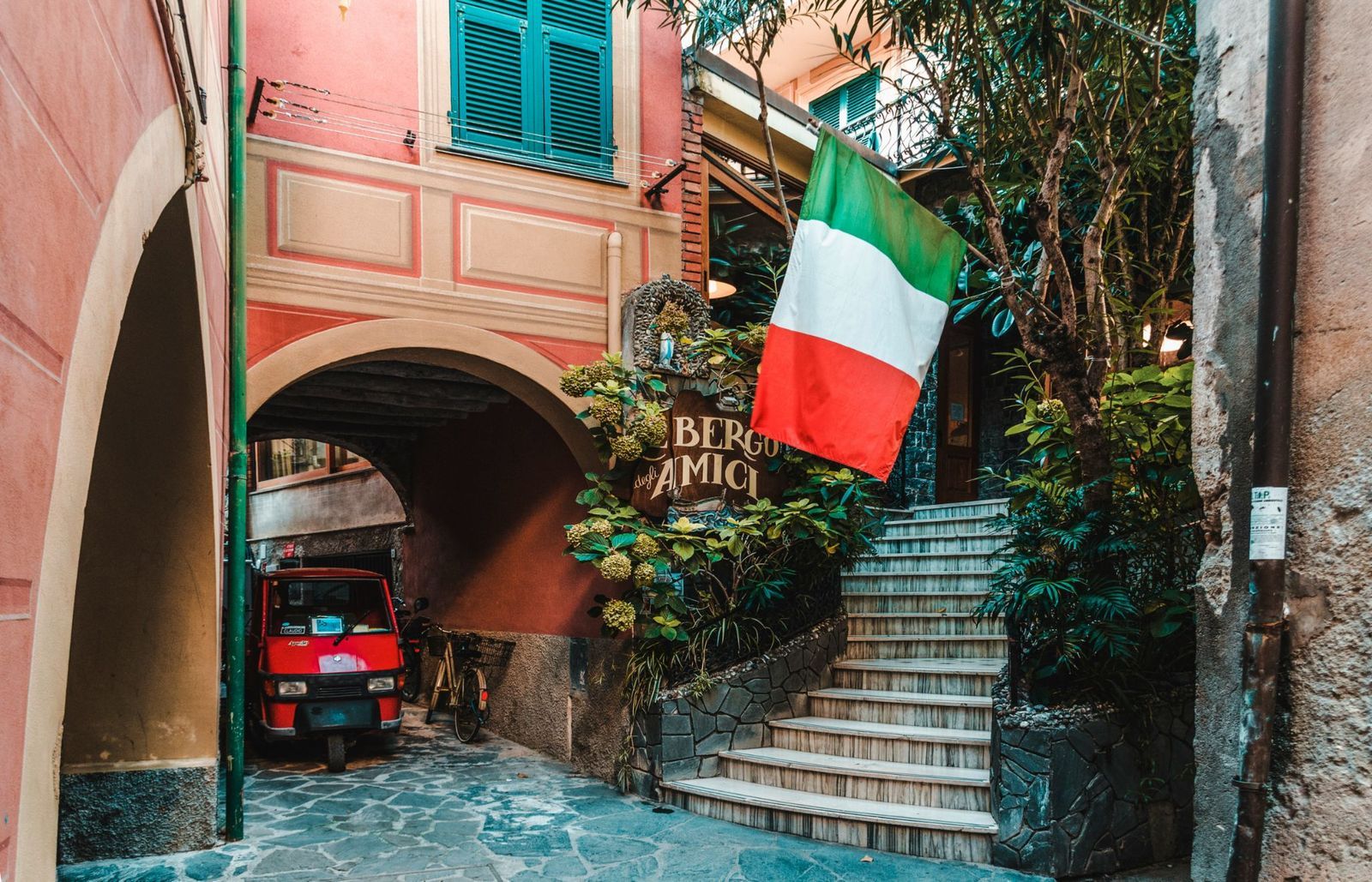
Although French and Spanish are undoubtedly the Romance languages that have influenced English vocabulary the most, Italian is not absent from our dictionary. Be it because of Italian immigration —especially in American English— or as a remnant of a time when Italian was the language of culture and knowledge, Italian words are present in our everyday speech, though not always with their original meaning. Let’s explore 10 words we inherited from Italian.
Pepperoni

Is there anything more American than a pepperoni pizza? Most people would agree that pepperoni is an American staple, and asking for it anywhere in the U.S. would result in a spicy sausage. Not for Italians, though. American ‘pepperoni’ is a corrupted form of the Italian word peperoni, the plural for ‘bell peppers’. The shift in meaning from bell pepper to spicy sausage came from the use of paprika (made from peppers) in spicy sausage, and the double ‘p’ was influenced by the word ‘pepper’.
Latte

As many English-speaking tourists know from personal experience, asking for a ‘latte’ in Italy will get you a glass of milk. After all, latte is Italian for ‘milk’. Why do we use it for a drink of espresso and steamed milk, then? This coffee-based drink is of Italian origin, and it’s called caffè e latte or caffelatte (‘coffee and milk’). In America, it was eventually shortened to ‘latte’, but the original name is still used in Italy, which leads to many confused tourists.
Panini
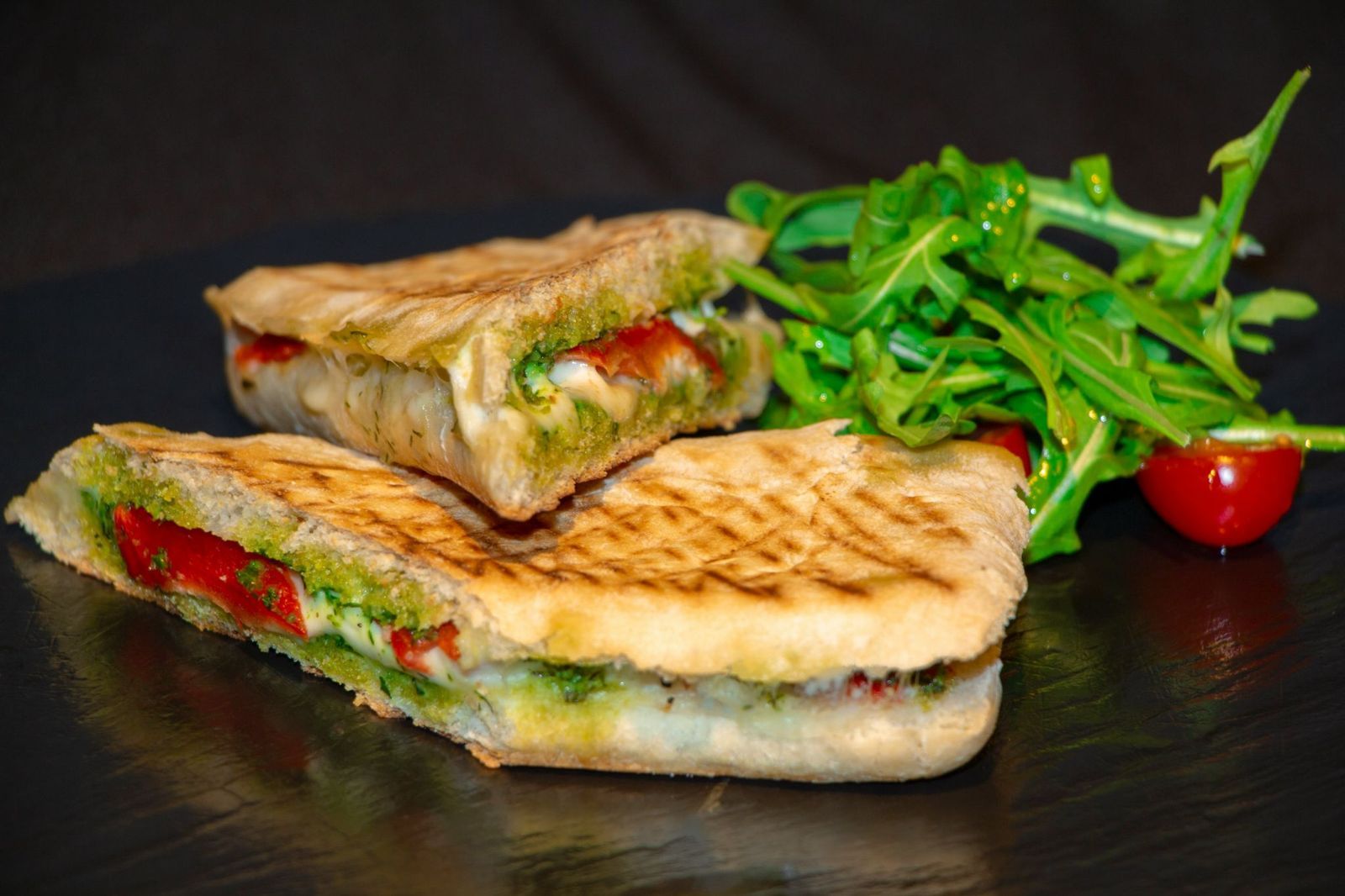
The difference is quite small here: asking for a ‘panini’ in English will get you a toasted sandwich, and asking for a panini in Italian will result in more than one sandwich. In Italian, panini is the plural of panino (‘little bread’). While Italians use panino for a small bread roll, it is also a common word for a ciabatta, panino or focaccia sandwich, often filled with cold cuts, vegetables, and cheese.
Diva

From the Latin diva (‘goddess’), this Italian word became popular in the 19th century to refer to highly celebrated female singers, particularly in opera. English adopted this use and continues to call female stars ‘divas’, but the word has also gained a negative connotation thanks to the popular association of some female entertainers with entitlement and arrogance.
Vendetta

In Italian, vendetta means ‘vengeance’ or ‘vindication’, while in English it’s used for a long, bitter feud. Despite the difference in meaning, the English meaning of ‘vendetta’ was also coined by Italians. In the 19th century, vendetta became a common name for the bloody family feuds in Southern Italy, a meaning that entered English through Italian immigration. Although the word is many times associated with organized crime, it is also common to describe any personal or political rivalry.
Stanza

If you go back to English class in high school, you might remember ‘stanzas’ as groups of verses in a poem. In Italian, stanza is derived from the Latin stantia (‘’standing or stopping place’), which resulted in the Italian word meaning ‘a place where one stays’, ergo, a ‘room’. How did it shift from ‘room’ to ‘group of verses’? While a room is a place where one stops, a poem also stops momentarily after a group of verses, and stanza is used in the literary sense in Italian as well. While the domestic meaning never made its way into English, the literary term did.
Stiletto

Being stabbed by a stiletto is painful in both English and Italian, but the situation described is not necessarily the same. In Italian, stiletto is the diminutive form of stilo (‘dagger’), used in the 1500s for a needle-like, narrow dagger. The name carried to the iconic shoes in the 1950s, when Salvatore Ferragamo started using steel rods to stabilize thin heels. Although English had adopted ‘stiletto’ in the 17th century in relation to the weapon, it is now mainly used in its fashion sense.
Scenario

Scenario comes from the Latin scena (‘stage’ or ‘scene’), and was originally used in Italian to describe the written plot or outline of theater plays, that is, the things that happened on a stage or scene. English adopted the term with this theatrical meaning, but eventually it also came to be used for hypothetical future outcomes. In Italian, the word kept its meaning as ‘stage’ and as ‘plot outline’, but is also used with the meanings of ‘context’ and ‘landscape’.
Extravaganza
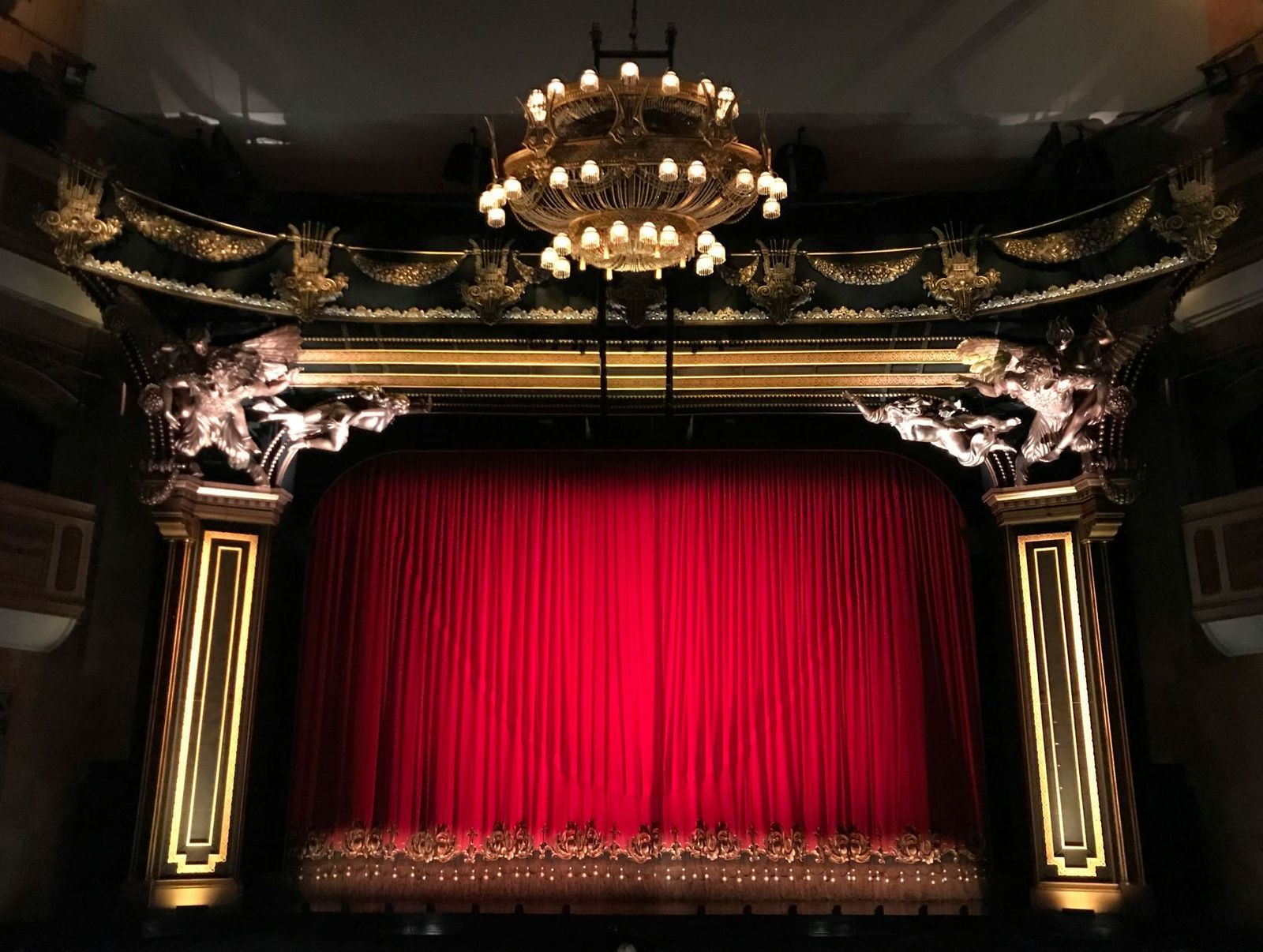
From the Latin extravagans (‘wandering outside’), the Italian estravaganza evolved to mean ‘an oddity’ or ‘unusual behavior’. While the word was borrowed by English with this meaning in the 18th century, its spelling quickly changed into ‘extravaganza’ by association with other similar-sounding words. Used in association with theater plays, its meaning eventually shifted from ‘odd behavior’ to ‘lavish and spectacular show’.
Influenza

We all know the term ‘influenza’ as the name for a respiratory virus, commonly shortened to ‘flu’. In Italian, influenza means ‘influence’, and is derived from the Latin influentia, ‘something that flows in’. Related to cosmic forces flowing from above, influenza was used in astrology to describe the pull of stars and planets, which is why, after blaming a 16th-century epidemic on a bad star alignment, the term became associated with a quick-spreading disease.


