These ones take the cookie

The cookie that started as an imitation but is now number one


Published on June 19, 2026
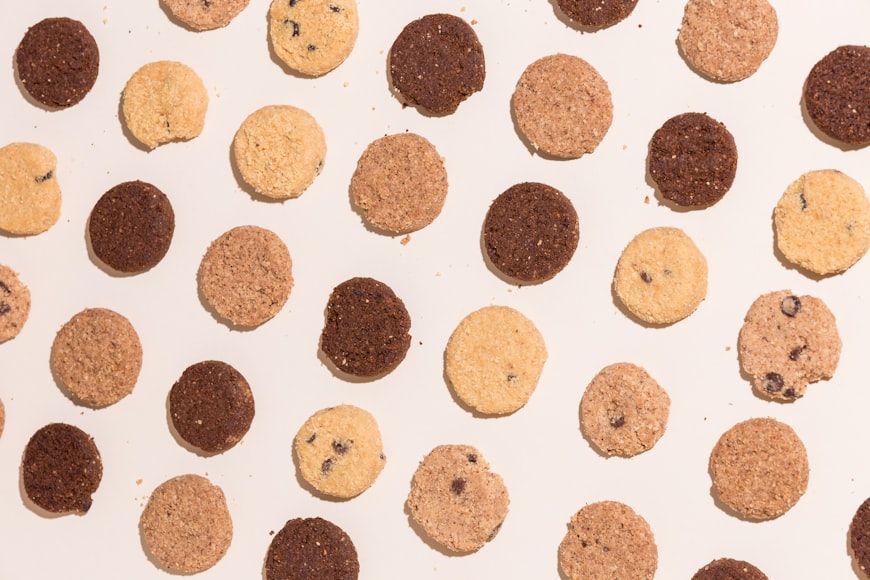

Image: No Revisions

Everyone loves a cookie. But which kind of cookie? The options are seemingly endless, but some are more loved than others. In some cases, it is the cookie itself that makes it a fan-favorite. In others, a particular brand recipe manages to beat the competition and secure the consumers’ loyalty. Here are some cookies that are a resounding success in America.

1

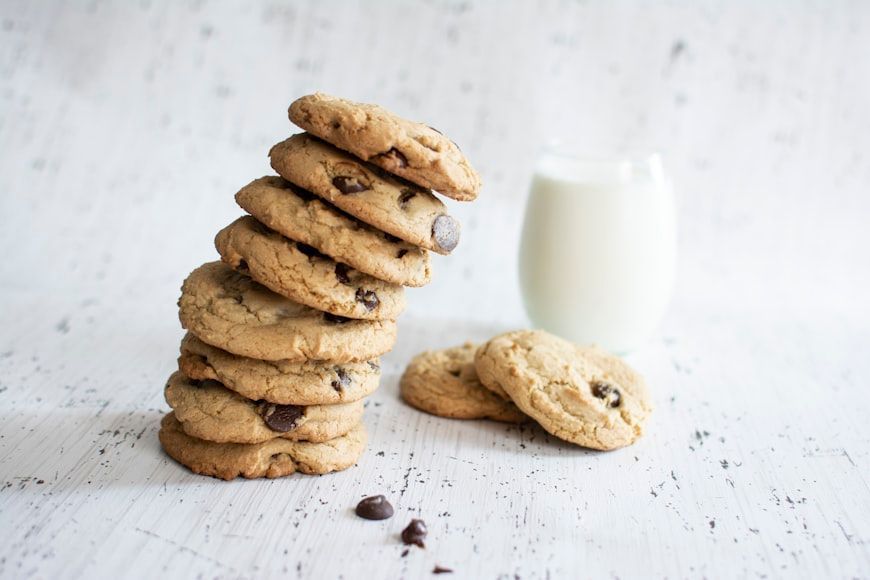
Chocolate chip

Image: Christina Branco

A staple for cookie enthusiasts, chocolate chip cookies have many versions and are distributed by many brands. A true American classic, they were invented (or at least, pioneered) in the 1930s by Ruth Graves Wakefield, who decided to add a chopped bar of Nestlé chocolate into her cookie dough. In exchange for printing the recipe in their packaging, Nestlé paid her $1 and a lifetime supply of chocolate.

2

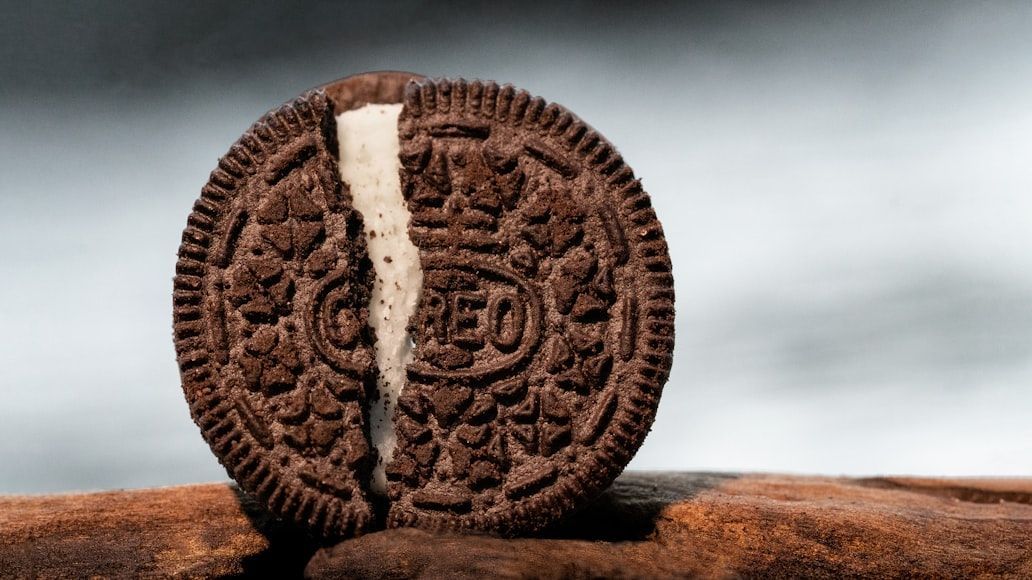
Oreo

Image: Brad Switzer

The best-selling cookie in the world, Oreo was initially developed as a copycat of the then-popular Hydrox cookie. The marketing campaign was so successful that Oreo largely surpassed Hydrox, and some people nowadays believe Hydrox to be an Oreo imitation. The origins of the Oreo name are unknown, but it is today synonymous with fondant-filled chocolate cookies.

3

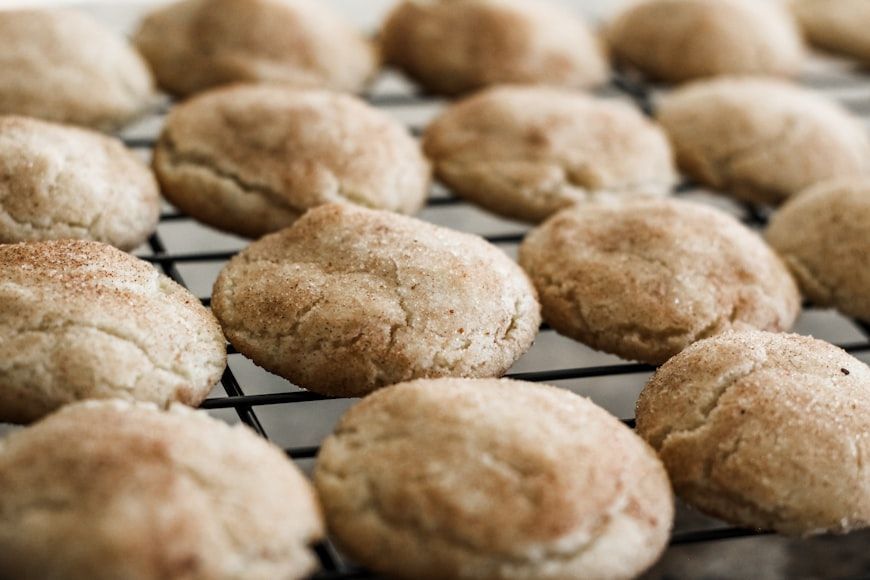
Snickerdoodle

Image: Jessica Johnston

No one is really sure where these chewy, cinnamony cookies originated, but they have earned their place in the American cookie repertoire. The use of cream of tartar as its key ingredient makes the cookie dough slightly tangy and gives it a soft interior that sets it apart from other sugar cookies. The name ‘snickerdoodle’ is attributed to German or Pennsylvania Dutch origins, but some say it is just a nonsense word.

4

Girl Scout Cookies

Image: U.S. Navy photo by Mass Communication Specialist 2nd Class Steven Khor, Public domain, via Wikimedia Commons

When a Girl Scout troop from Oklahoma decided to sell cookies as a fundraiser in 1917, they couldn't have imagined they were starting a million-dollar business. The varieties sold by the Girl Scouts have changed through the decades, but fan-favorites such as Thin Mints, Samoas, and Tagalongs have become permanent staples.

5

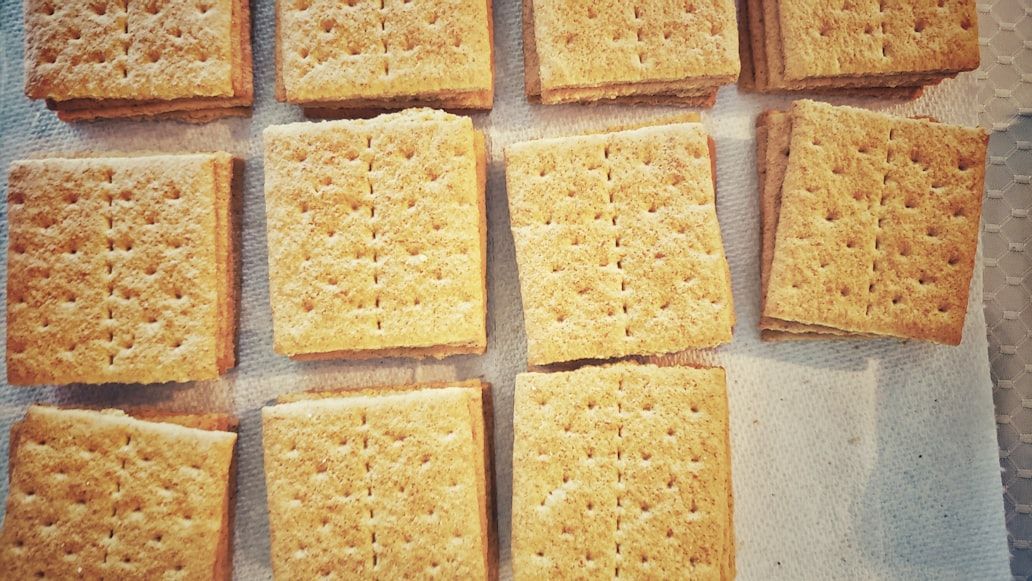
Graham Crackers

Image: Joshua Hoehne

Graham Crackers are typically associated with pie crusts and s’mores, but did you know that they were developed as part of a temperance movement? That’s right, they were invented by Presbyterian minister Sylvester Graham, who believed that a vegetarian, wheat-centered diet could help suppress devious urges. He created a plain, unsweetened, coarse cracker as a diet staple, without knowing it would become integral to many snacks and sweet treats.

6

Animal Crackers

Image: Rona Vorontsova

Originally imported from Britain, these cookies were so popular in the late 19th century that imports were unable to keep up with the demand, so bakers started producing them locally. At the turn of the 20th century, they were rebranded as Barnum’s Animals to evoke the popular circus, a name they still use today, though the circus-inspired design has changed to reflect a more ethical treatment of animals.

7

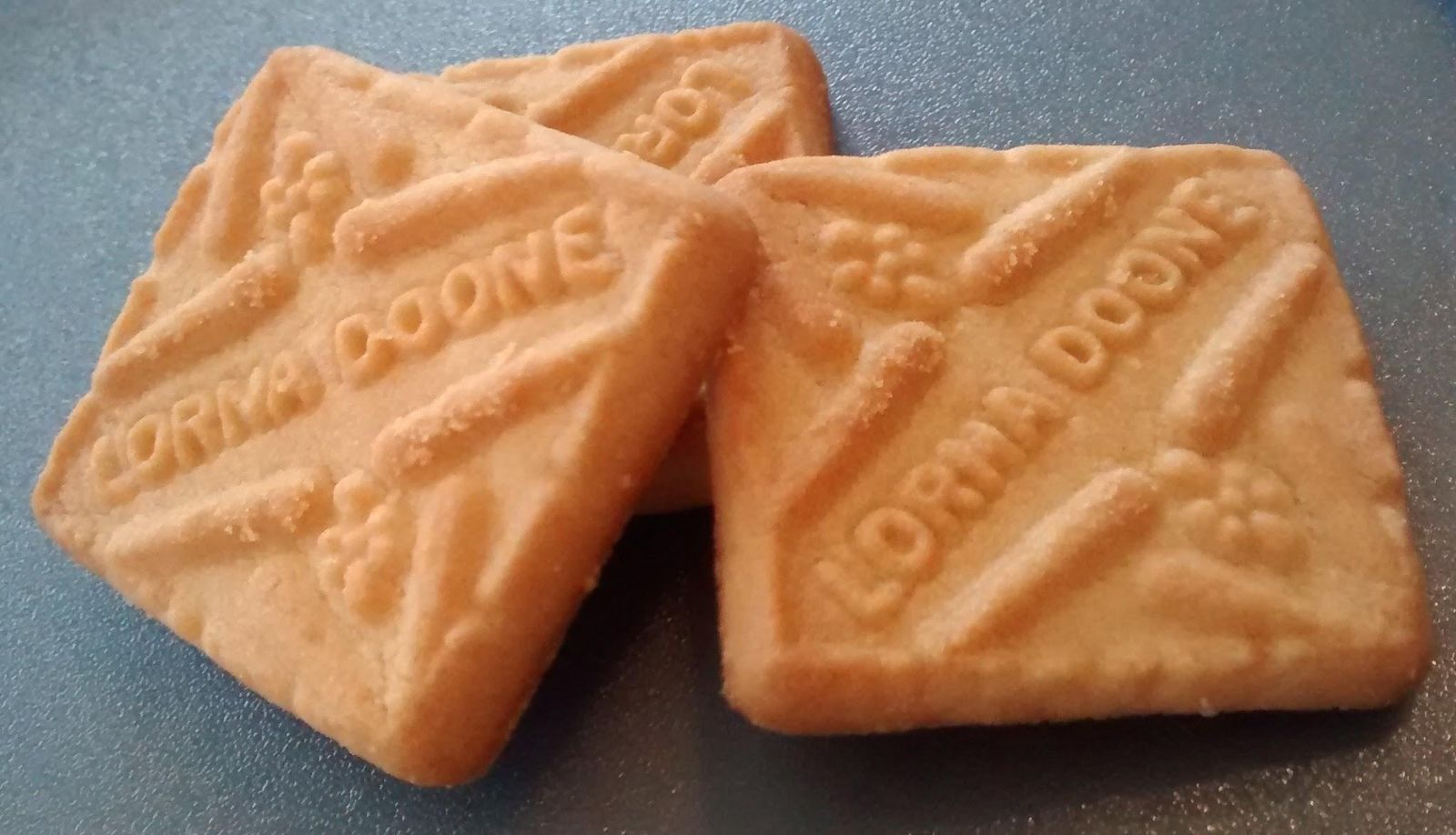
Shortbread Cookies

Image: Mx. Granger, CC0, via Wikimedia Commons

Sweet and buttery, shortbread cookies are believed to be of Scottish origin, where they are associated with Christmas and New Year celebrations. Introduced in the U.S. by Scottish immigrants, they were made popular under the brand Lorna Doone at the beginning of the 20th century.

8

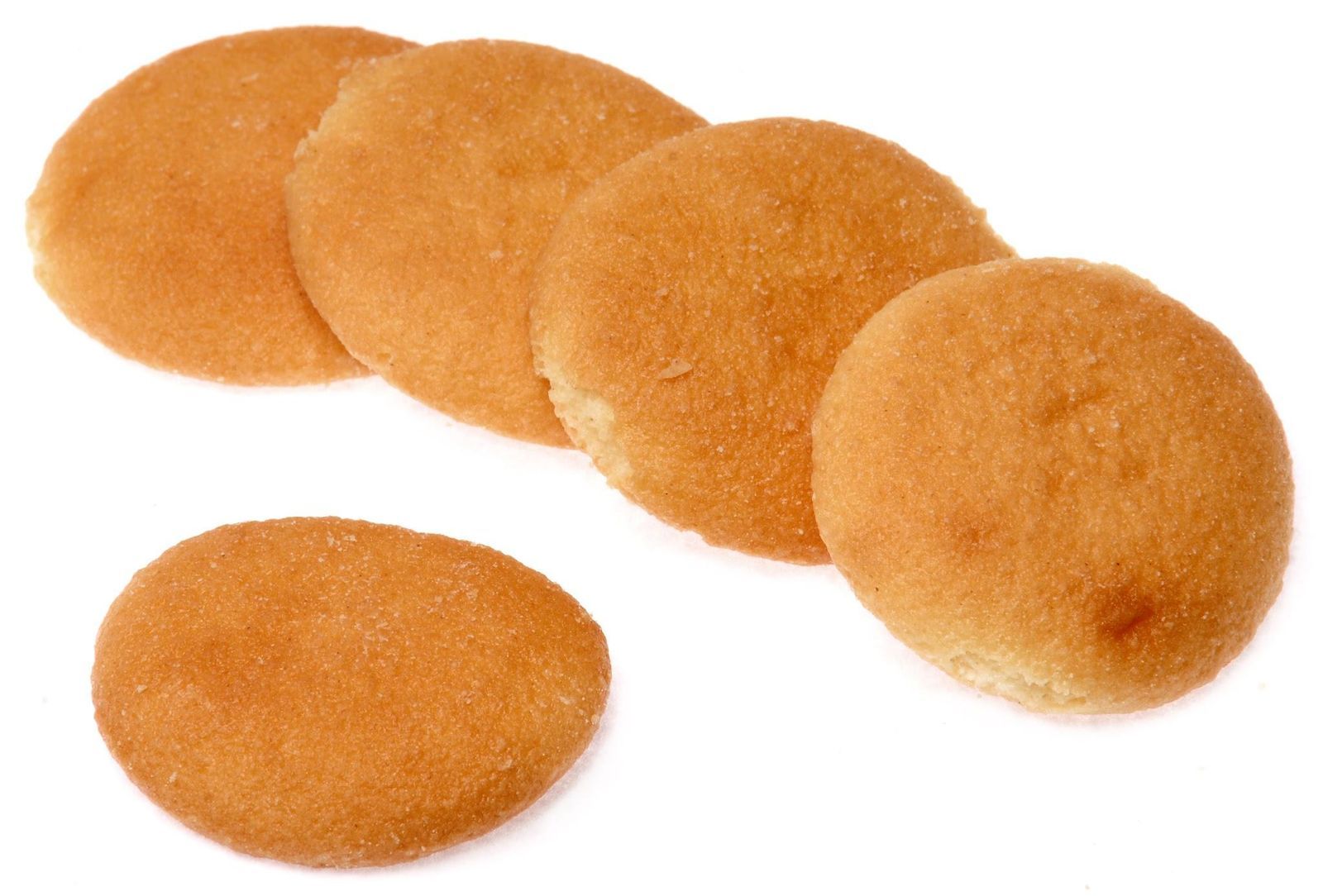
Nilla Wafers

Image: Evan-Amos, Public domain, via Wikimedia Commons

Developed in the 19th century by a German-American confectioner, these cookies might not seem much at first sight, but they have become a staple in the American cookbook. Originally sold as Vanilla Wafers, they became popular in the South as an ingredient for banana pudding, so much so that the recipe was printed on the box. In the 1960s, the name was officially changed to Nilla Wafers.

9

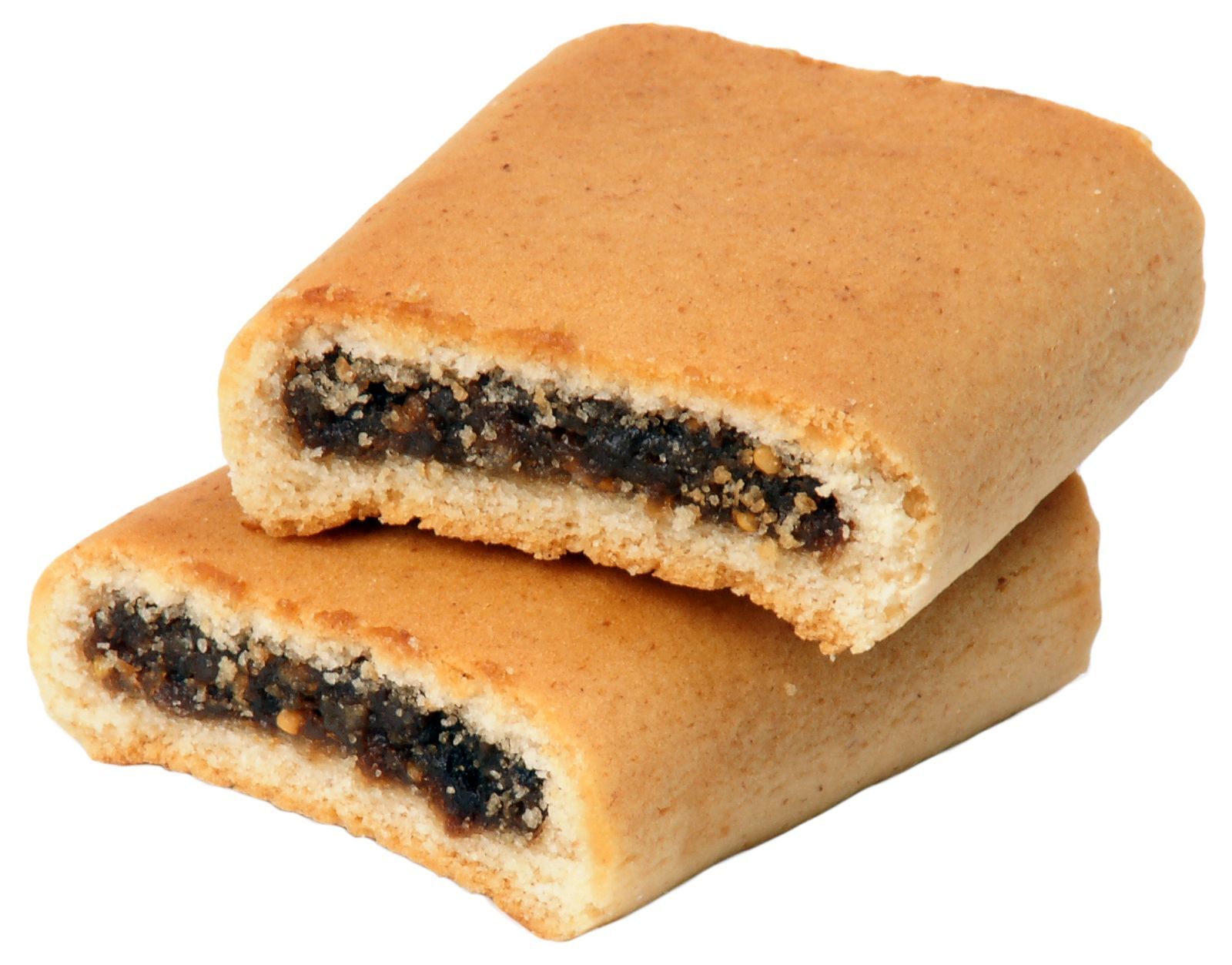
Fig Newtons

Image: Evan-Amos, Public domain, via Wikimedia Commons

Named after the town of Newton, Massachusetts, these cookies were originally developed in Philadelphia as a copy of the British fig roll. Its creator, Charles Roser, used a machine that allowed him to extrude the cookie and the filling as one, in a continuous roll. He later sold his recipe to the Kennedy Biscuit Company, who popularized it under the Fig Newton name.

10

Nutter Butter

Image: Geoff, CC BY-SA 3.0 , via Wikimedia Commons

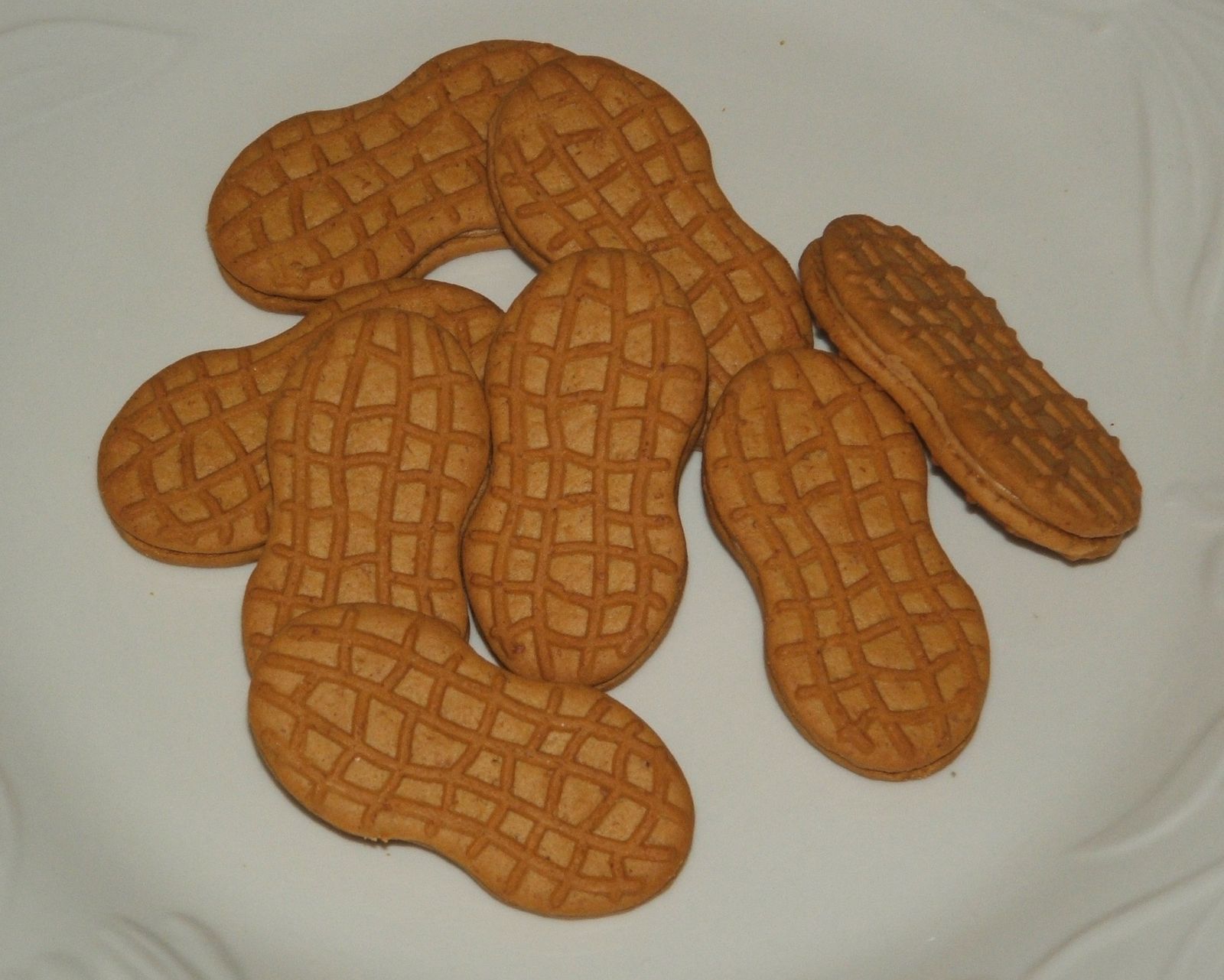
Another best-seller by Nabisco (the owner of Oreo), Nutter Butter is one of the most popular peanut butter sandwich cookies in the market. Besides being a peanut-lovers’ favorite, it has become synonymous with blood donations in the U.S, to the point that donations dropped substantially when the Red Cross stopped offering it to donors. Luckily, Nabisco committed to donating Nutter Butters for this purpose.

11

Milano cookies

Image: Geoff, CC BY-SA 3.0 , via Wikimedia Commons

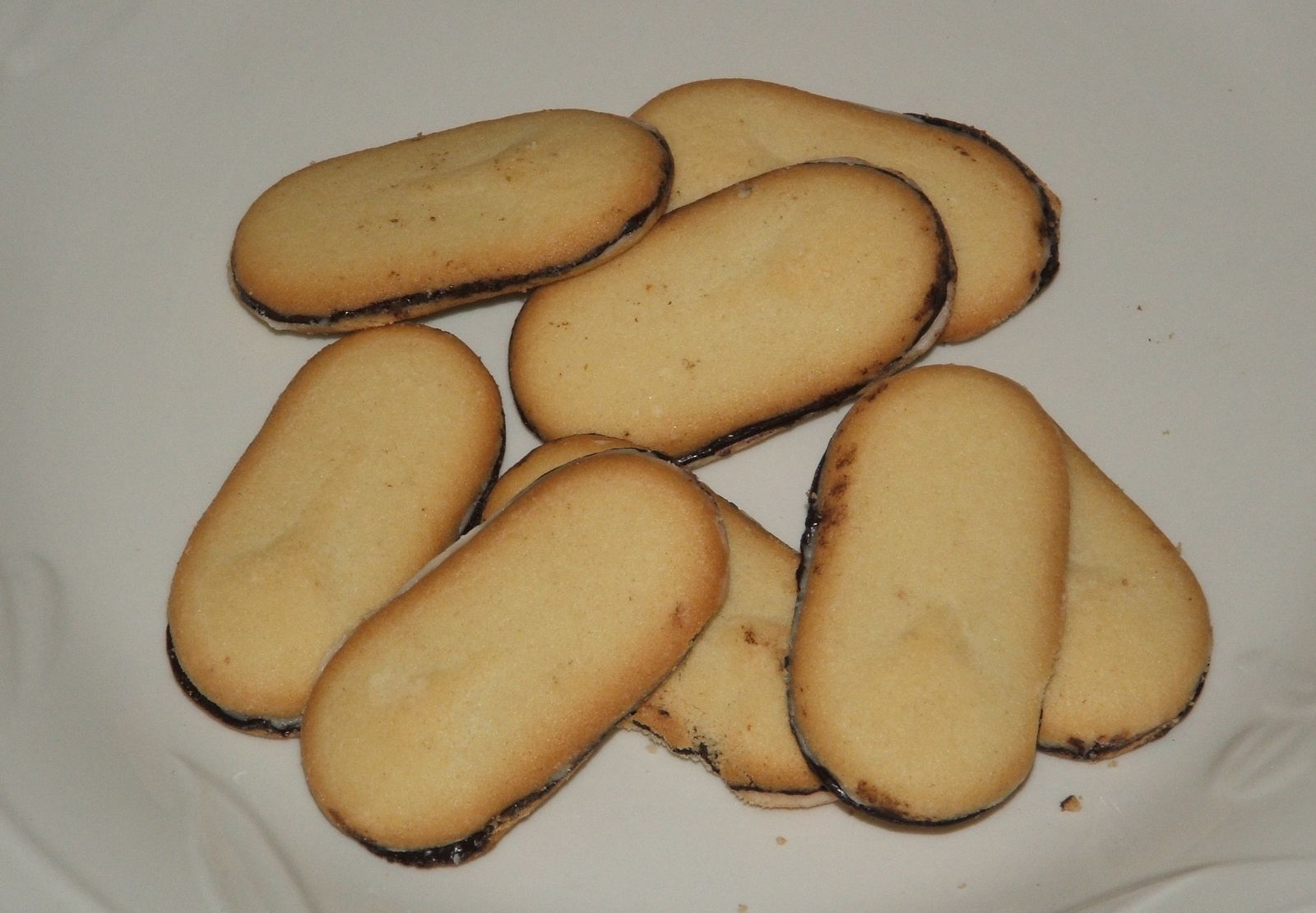
An imitation of Italian-style biscuits, Milano Cookies were developed by the Pepperidge Farm company as part of a ‘European’ cookie series. They have since become extremely popular and have expanded their flavor range beyond their original milk chocolate version. Each year, Pepperidge Farm introduces seasonal and limited-edition flavors based on consumer demand, such as Chai Latte, London Fog, or Café au Lait.



What’s in a name?

Can you guess these 6 words named after places? Join our toponymic game!


Published on June 19, 2026


Image: Pixabay

It is not surprising that some things we use or see every day are named after the place where they originated. And, over time, the place name becomes the name for the object. Words named after places or geographically grouped peoples are called toponymic words. There are more toponymic words than you can imagine, but you probably never gave them a second thought. So, we've come up with a game: We have left some clues for you to discover 6 words that derive from their place of origin. At the end of the article, you will find the correct answers. Are you up for the challenge?

1

Toponymic word #1: Shorts = Caribbean Island

Image: Schäferle

Our first toponymic word refers to a variety of knee-length, wide-legged shorts named after a British overseas territory located in a Caribbean archipelago in the North Atlantic Ocean, off the east coast of the United States.

Still haven't figured it out? Here's a hint: According to legend, there is a "triangle" in this area where numerous ships and planes have disappeared in mysterious circumstances.

2

Toponymic word #2: A gold coin = West African region

Image: James Wiseman

To guess this word, you have to think of a type of British coin that took its name from a region of West Africa known for its naturally moist tropical forest and savanna.

This particular gold coin was minted from 1663 to 1814 and represented a value of 20 shillings in sterling species, equal to one pound. Any ideas?

3

Toponymic word #3: Slang for coffee = Indonesian Island

Image: Yosi Azwan

There are many ways to refer to coffee: espresso, brew, Joe, black gold, and morning elixir, among many others. But on this occasion, we are going to focus on a toponymic word that derives from the name of a specific Indonesian island.

Coffee took this nickname when the islands were colonized by the Dutch in the 19th century. During this time, as the beverage became more and more popular, the main source of the world's coffee was this Indonesian island. Sound familiar?

4

Toponymic word #4: A type of shoe = A British town

Image: Pixabay

What do a formal shoe and a British city have in common? Their name! This word has its origin in an English cathedral city founded in the 8th century. The shoe in question is typically made of leather and tied with laces.

You still don't know the answer? Here's a clue: This town is home to the oldest university in the English-speaking world, where great names in world history such as Adam Smith, Oscar Wilde, Stephen Hawking, and Bill Clinton, among many others, studied.

5

Toponymic word #5: A group of artists = A region in the Czech Republic

Image: Rafael Ishkhanyan

The fifth word in our toponymic game refers to the practice of an unconventional lifestyle generally associated with musicians, authors, painters, actors, and intellectuals. The term derives from the name of one of the three historical regions that make up the Czech Republic.

No idea what we're talking about? What if we told you that you can find the word in the title of a famous song by the British band Queen? If you are still feeling lost, scroll down and you'll find the answer!

6

Toponymic word #6: A type of wool = A region in North India

Image: Isa Macouzet

A type of wool made from the hair of a certain goat species shares its name with a region in North India located at the foot of the Himalayas. Although they are not spelled exactly the same, they are pronounced identically and have a historical connection.

Need a hint? The fabric made from this wool is one of the finest, softest, and warmest in the world. And yes, it is one of the most expensive too!

7

Toponymic word #1: Bermudas

Image: stokpic

Bermuda shorts are a type of short pants, worn mainly on informal occasions. The origin of this garment dates back to the early 20th century, when the British military was stationed in Bermuda. The English officers were not used to the sweltering heat of the Caribbean, so they decided to cut off their pants to alleviate the effects of the high temperatures.

The idea was a total success. The new garment began spreading to local civilians, causing the island's tailors to start selling their suits with shorts instead of long pants. Over time, tourists also adopted the local style, and bermudas gradually made their way to other parts of the world. Nowadays, bermuda shorts are the quintessential summer garment, favored for their style and versatility.

8

Toponymic word #2: Guinea

Image: Siora Photography

The first guineas were minted in 1663, authorized by the British Crown "for the use and on behalf of the Company of Royal Adventurers trading with Africa". The coin received this name because the gold used to produce the first series was imported from the Guinea Coast, in West Africa.

The etymology of the word guinea is a bit tricky. It is believed that the English term Guinea comes from the Portuguese Guiné, a word from the mid-15th century used to refer to the lands inhabited by the Guineus. Guineus is what the Portuguese called the "black" African peoples living south of the Senegal River.

9

Toponymic word #3: Java

Image: Nathan Dumlao

Although it is not the most common nickname, many people call coffee Java. But why? Java was a very developed island in the Dutch East Indies era. In the 17th century, the Dutch introduced coffee to Southeast Asia, including places like Sumatra, Bali, and Java. In the 19th and early 20th century, Javanese coffee gained global popularity.

In 1863, a New York coffee merchant named Lewis A. Osborn launched the first packaged coffee in the United States. It was called "Osborn's Celebrated Prepared Java Coffee", a testament to the fact that the name Java was a synonym for quality coffee since it started to be massively consumed in our country.

10

Toponymic word #4: Oxford

Image: Noah Smith

Did you guess it? We bet you did! Even if you didn't know the origin of the word, you probably have at least a pair of Oxford shoes in your closet. Oxford shoes are a classic and versatile style that can be worn for weddings as well as job interviews. But what is their connection with the famous English city?

There are many theories about the origin of Oxford shoes. The most accepted one is that their name derives from a type of boot known as the Oxonian that was very popular among students at Oxford University in the early 19th century. In turn, these shoes have roots in the Balmoral boot, named after Balmoral Castle in Scotland.

11

Toponymic word #5: Bohemia

Image: cottonbro studio

The Oxford Dictionary defines the word bohemia as "Socially unconventional, artistic people viewed collectively or as a community". The word was borrowed from the French La bohème and was used to describe artists’ non-traditional lifestyles in large European cities.

The term appeared in the early 19th century and derived from the similarities the French found between urban bohemians and the Romani. La bohème was a common name for the Gypsy people of France, who were mistakenly believed to have arrived in the 15th century from Bohemia, the western part of what is now known as the Czech Republic.

12

Toponymic word #6: Cashmere

Image: Camera-man

Cashmere is a natural fiber highly valued for its softness and warmth. It is obtained from the wool of the long-haired cashmere goat, native to the Kashmir region in northern India. Nowadays, these goats are also raised in other countries such as China, Mongolia, Iran, Afghanistan, and Pakistan.

The term cashmere is an anglicization of the name Kashmir and was used to describe shawls made by Kashmiri craftsmen that were traded via the Silk Road. However, it is said that the one responsible for its massive introduction to the Western world was Napoleon Bonaparte in the 19th century.

Looking for an extra scoop of literary fun?

Learn more with our Word of the day

tropical

/ˈtrɑpəkəl/