These ones take the cookie
The cookie that started as an imitation but is now number one
Published on June 19, 2026
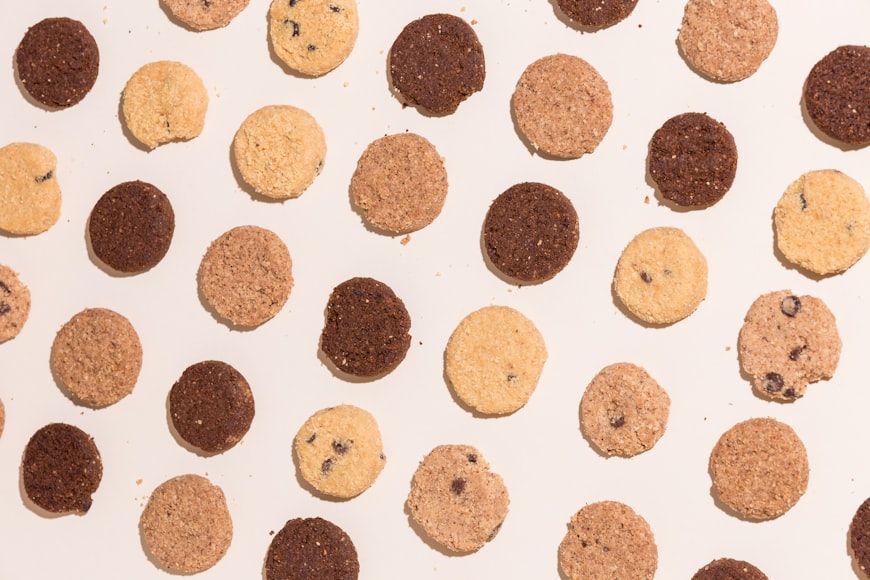
Everyone loves a cookie. But which kind of cookie? The options are seemingly endless, but some are more loved than others. In some cases, it is the cookie itself that makes it a fan-favorite. In others, a particular brand recipe manages to beat the competition and secure the consumers’ loyalty. Here are some cookies that are a resounding success in America.
Chocolate chip
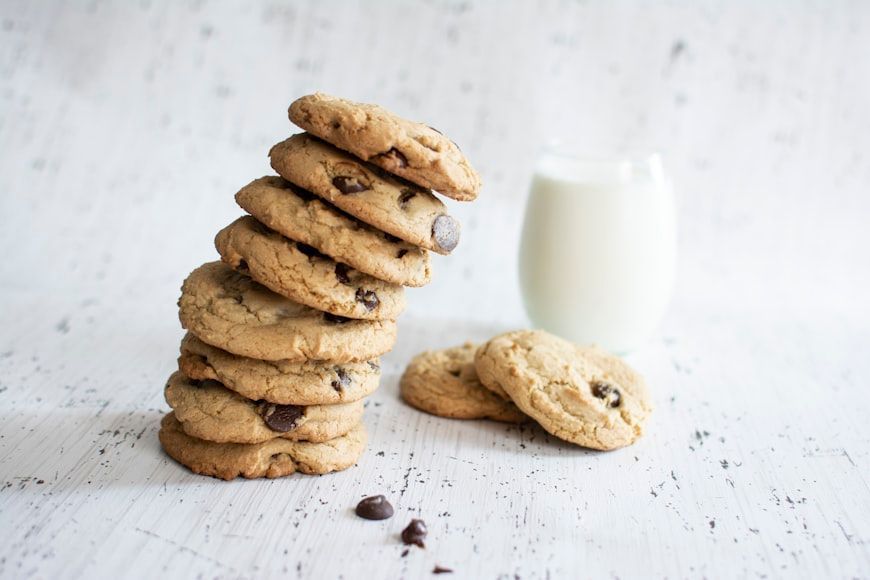
A staple for cookie enthusiasts, chocolate chip cookies have many versions and are distributed by many brands. A true American classic, they were invented (or at least, pioneered) in the 1930s by Ruth Graves Wakefield, who decided to add a chopped bar of Nestlé chocolate into her cookie dough. In exchange for printing the recipe in their packaging, Nestlé paid her $1 and a lifetime supply of chocolate.
Oreo
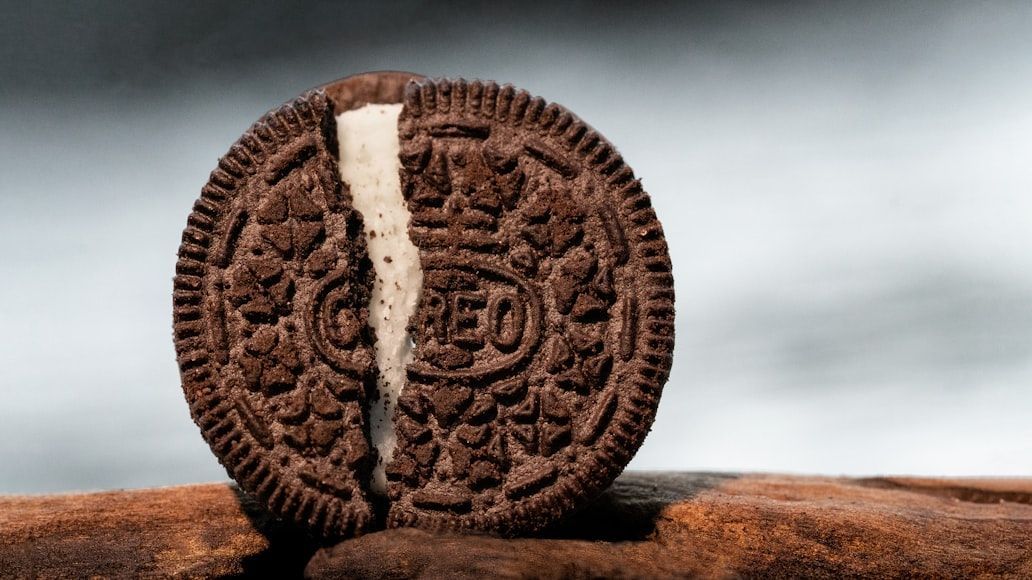
The best-selling cookie in the world, Oreo was initially developed as a copycat of the then-popular Hydrox cookie. The marketing campaign was so successful that Oreo largely surpassed Hydrox, and some people nowadays believe Hydrox to be an Oreo imitation. The origins of the Oreo name are unknown, but it is today synonymous with fondant-filled chocolate cookies.
Snickerdoodle
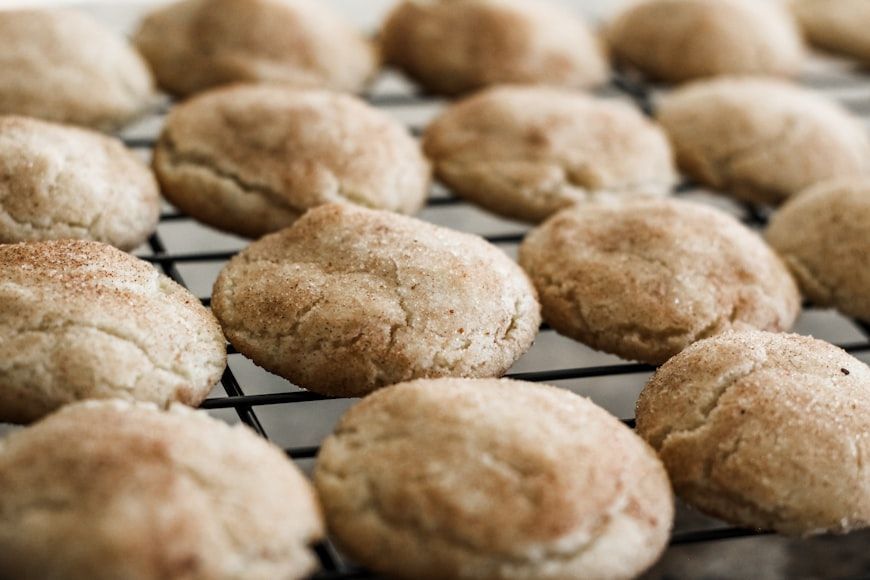
No one is really sure where these chewy, cinnamony cookies originated, but they have earned their place in the American cookie repertoire. The use of cream of tartar as its key ingredient makes the cookie dough slightly tangy and gives it a soft interior that sets it apart from other sugar cookies. The name ‘snickerdoodle’ is attributed to German or Pennsylvania Dutch origins, but some say it is just a nonsense word.
Girl Scout Cookies

When a Girl Scout troop from Oklahoma decided to sell cookies as a fundraiser in 1917, they couldn't have imagined they were starting a million-dollar business. The varieties sold by the Girl Scouts have changed through the decades, but fan-favorites such as Thin Mints, Samoas, and Tagalongs have become permanent staples.
Graham Crackers
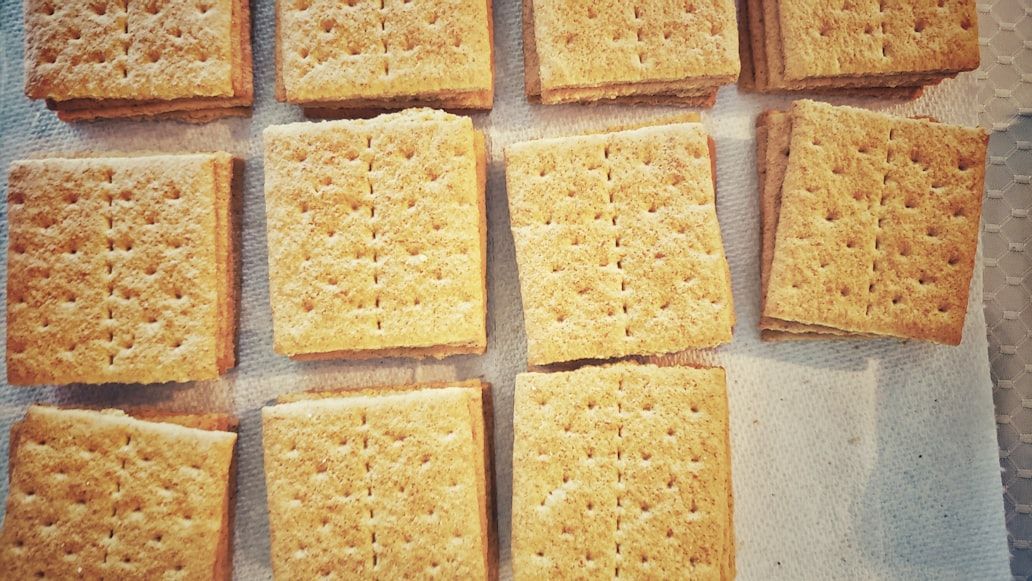
Graham Crackers are typically associated with pie crusts and s’mores, but did you know that they were developed as part of a temperance movement? That’s right, they were invented by Presbyterian minister Sylvester Graham, who believed that a vegetarian, wheat-centered diet could help suppress devious urges. He created a plain, unsweetened, coarse cracker as a diet staple, without knowing it would become integral to many snacks and sweet treats.
Animal Crackers
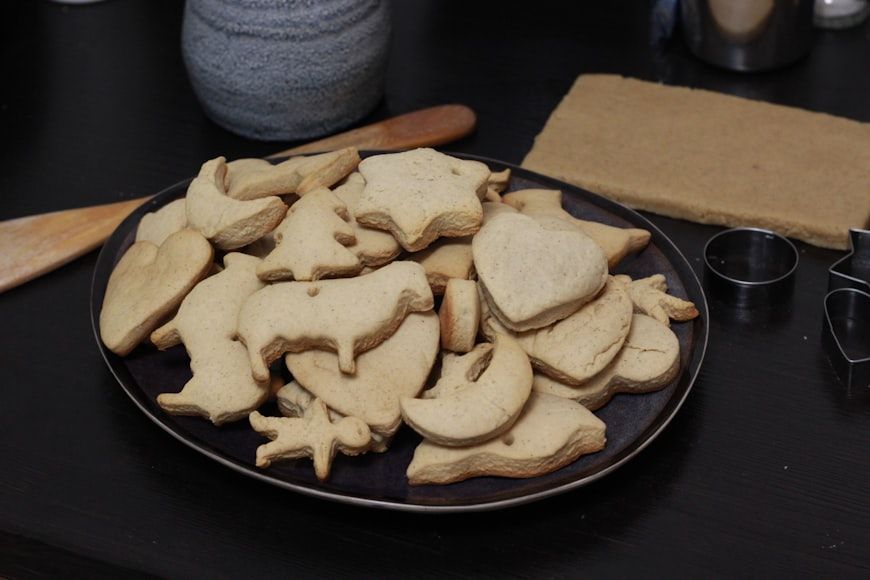
Originally imported from Britain, these cookies were so popular in the late 19th century that imports were unable to keep up with the demand, so bakers started producing them locally. At the turn of the 20th century, they were rebranded as Barnum’s Animals to evoke the popular circus, a name they still use today, though the circus-inspired design has changed to reflect a more ethical treatment of animals.
Shortbread Cookies
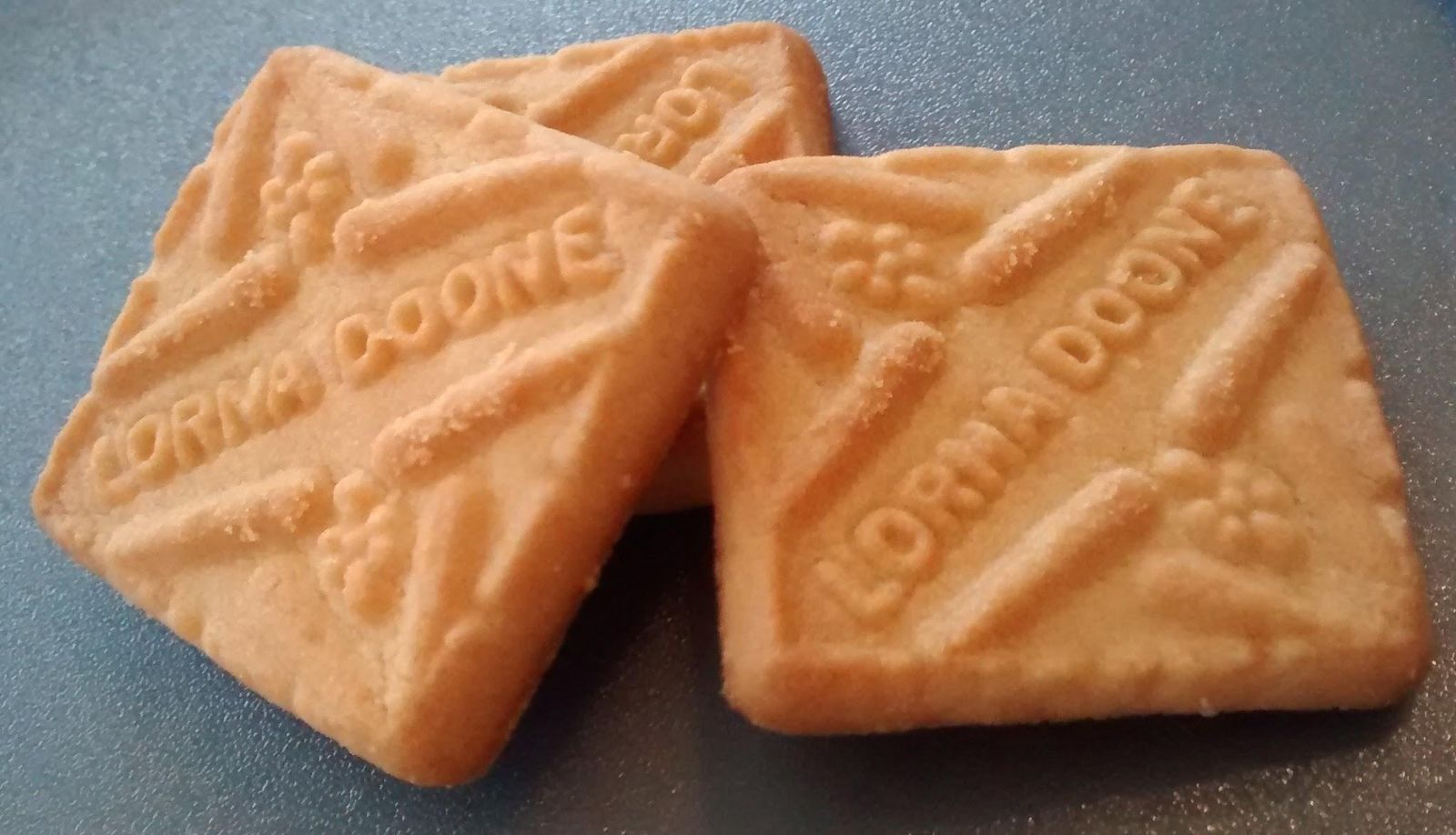
Sweet and buttery, shortbread cookies are believed to be of Scottish origin, where they are associated with Christmas and New Year celebrations. Introduced in the U.S. by Scottish immigrants, they were made popular under the brand Lorna Doone at the beginning of the 20th century.
Nilla Wafers
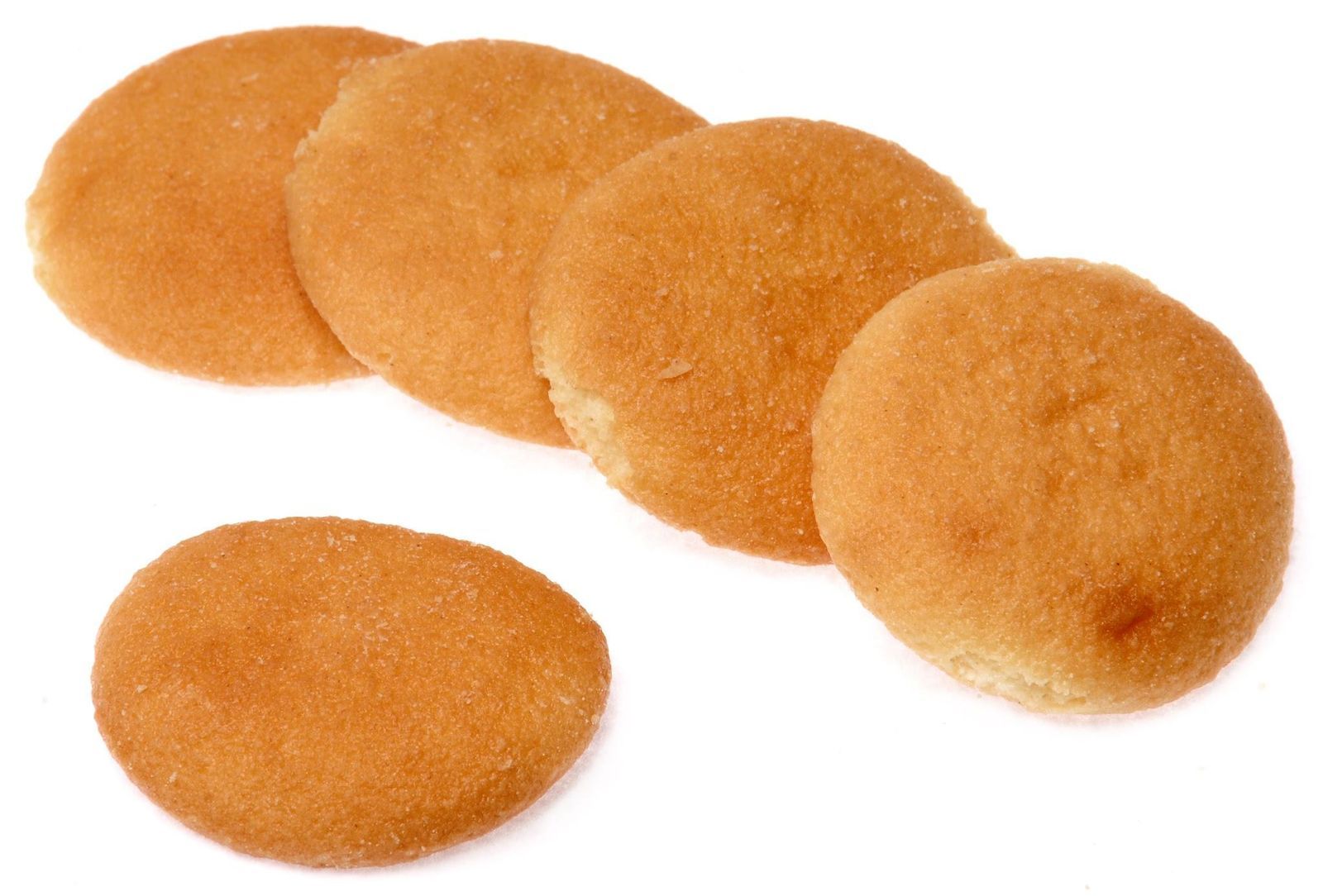
Developed in the 19th century by a German-American confectioner, these cookies might not seem much at first sight, but they have become a staple in the American cookbook. Originally sold as Vanilla Wafers, they became popular in the South as an ingredient for banana pudding, so much so that the recipe was printed on the box. In the 1960s, the name was officially changed to Nilla Wafers.
Fig Newtons
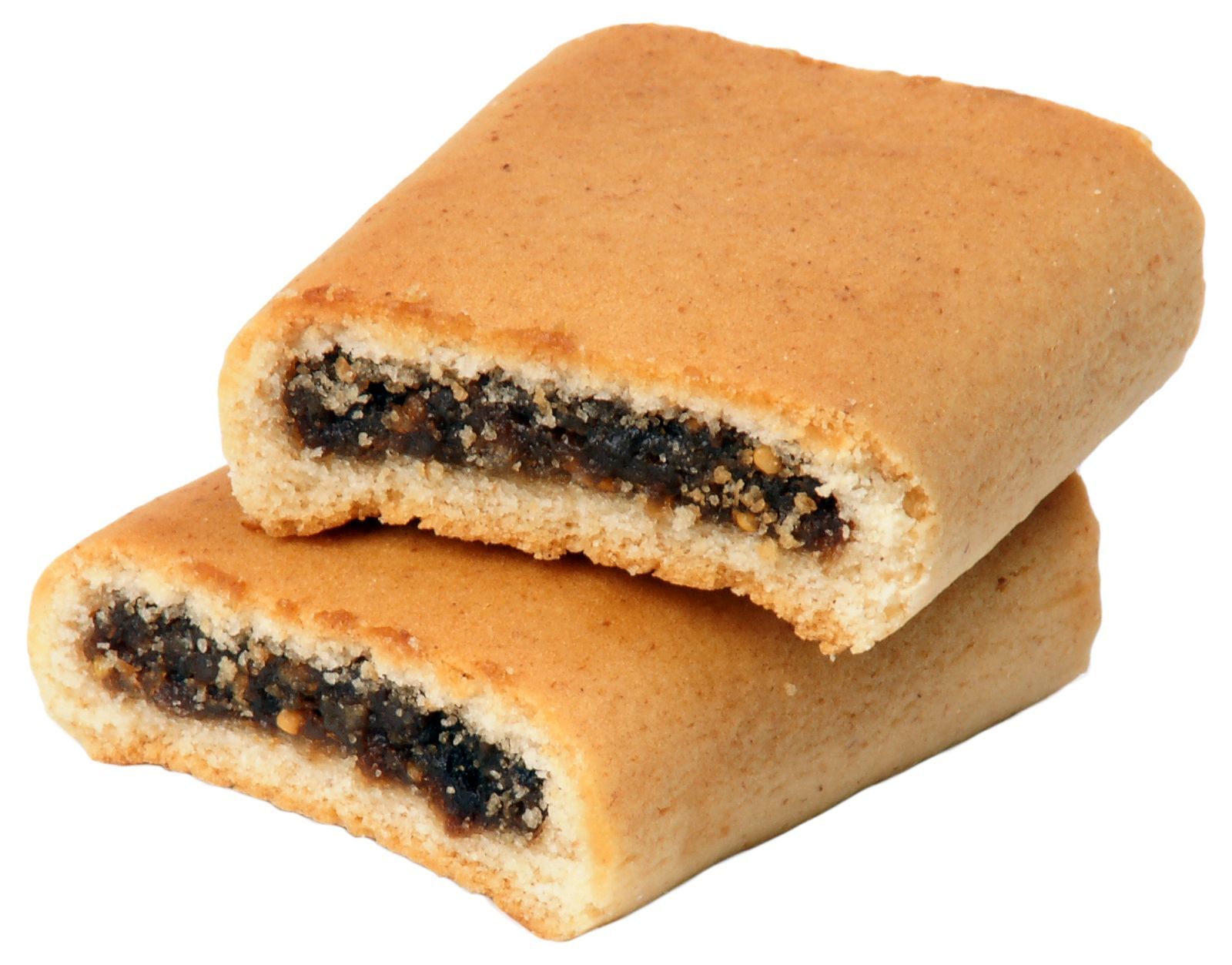
Named after the town of Newton, Massachusetts, these cookies were originally developed in Philadelphia as a copy of the British fig roll. Its creator, Charles Roser, used a machine that allowed him to extrude the cookie and the filling as one, in a continuous roll. He later sold his recipe to the Kennedy Biscuit Company, who popularized it under the Fig Newton name.
Nutter Butter
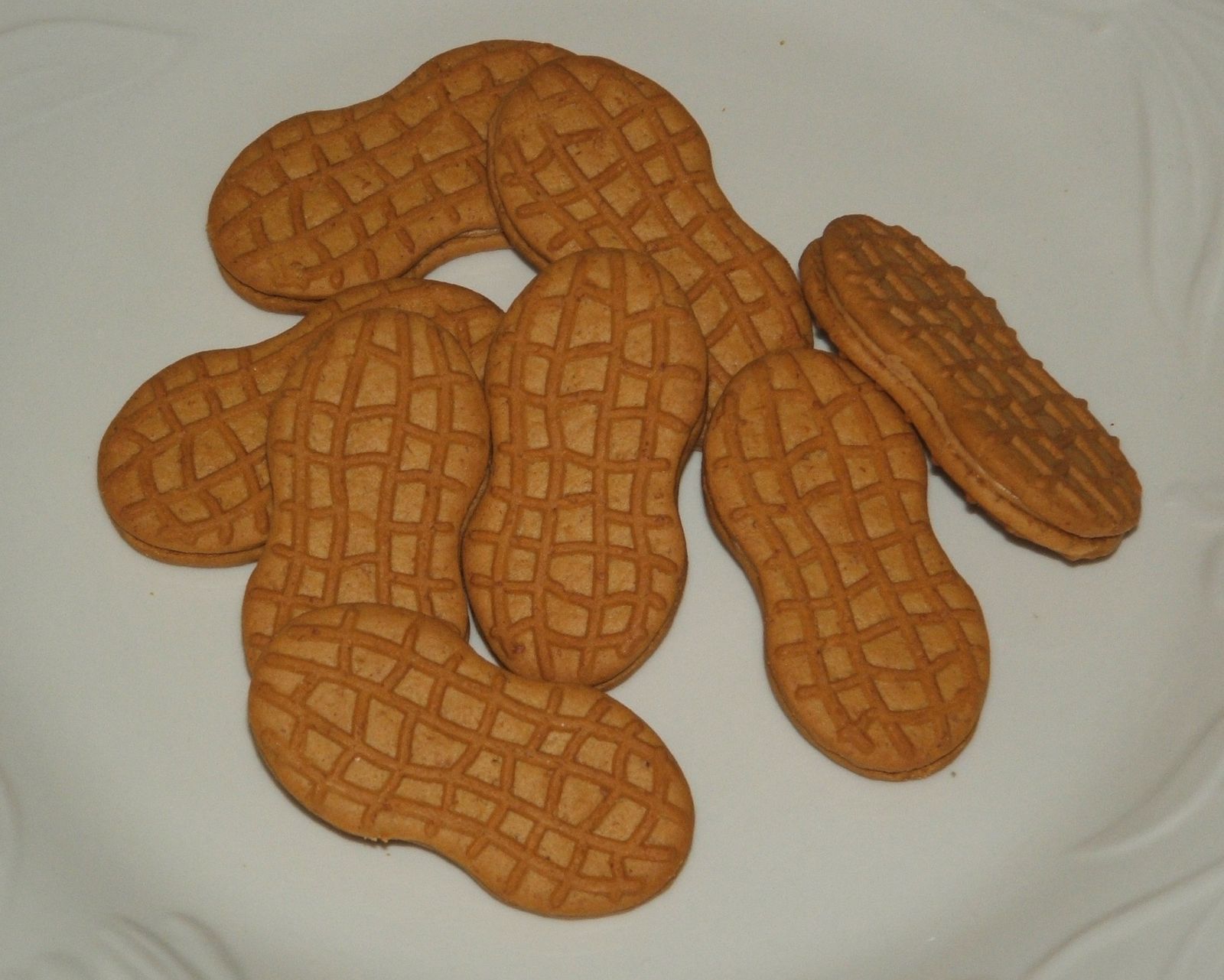
Another best-seller by Nabisco (the owner of Oreo), Nutter Butter is one of the most popular peanut butter sandwich cookies in the market. Besides being a peanut-lovers’ favorite, it has become synonymous with blood donations in the U.S, to the point that donations dropped substantially when the Red Cross stopped offering it to donors. Luckily, Nabisco committed to donating Nutter Butters for this purpose.
Milano cookies
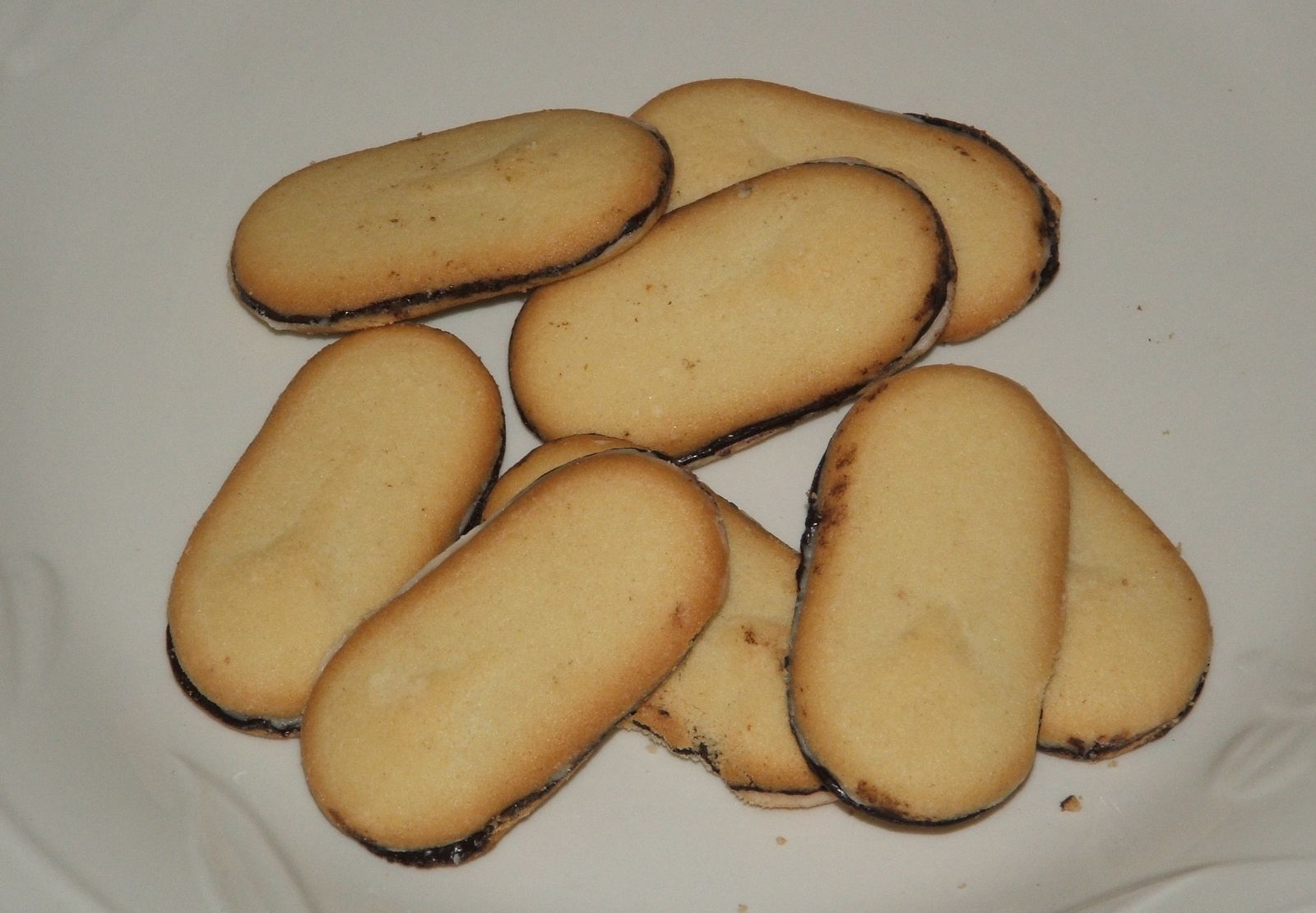
An imitation of Italian-style biscuits, Milano Cookies were developed by the Pepperidge Farm company as part of a ‘European’ cookie series. They have since become extremely popular and have expanded their flavor range beyond their original milk chocolate version. Each year, Pepperidge Farm introduces seasonal and limited-edition flavors based on consumer demand, such as Chai Latte, London Fog, or Café au Lait.