Paints from the past

The color that killed Napoleon Bonaparte and 9 other risky pigments


Published on October 2, 2026
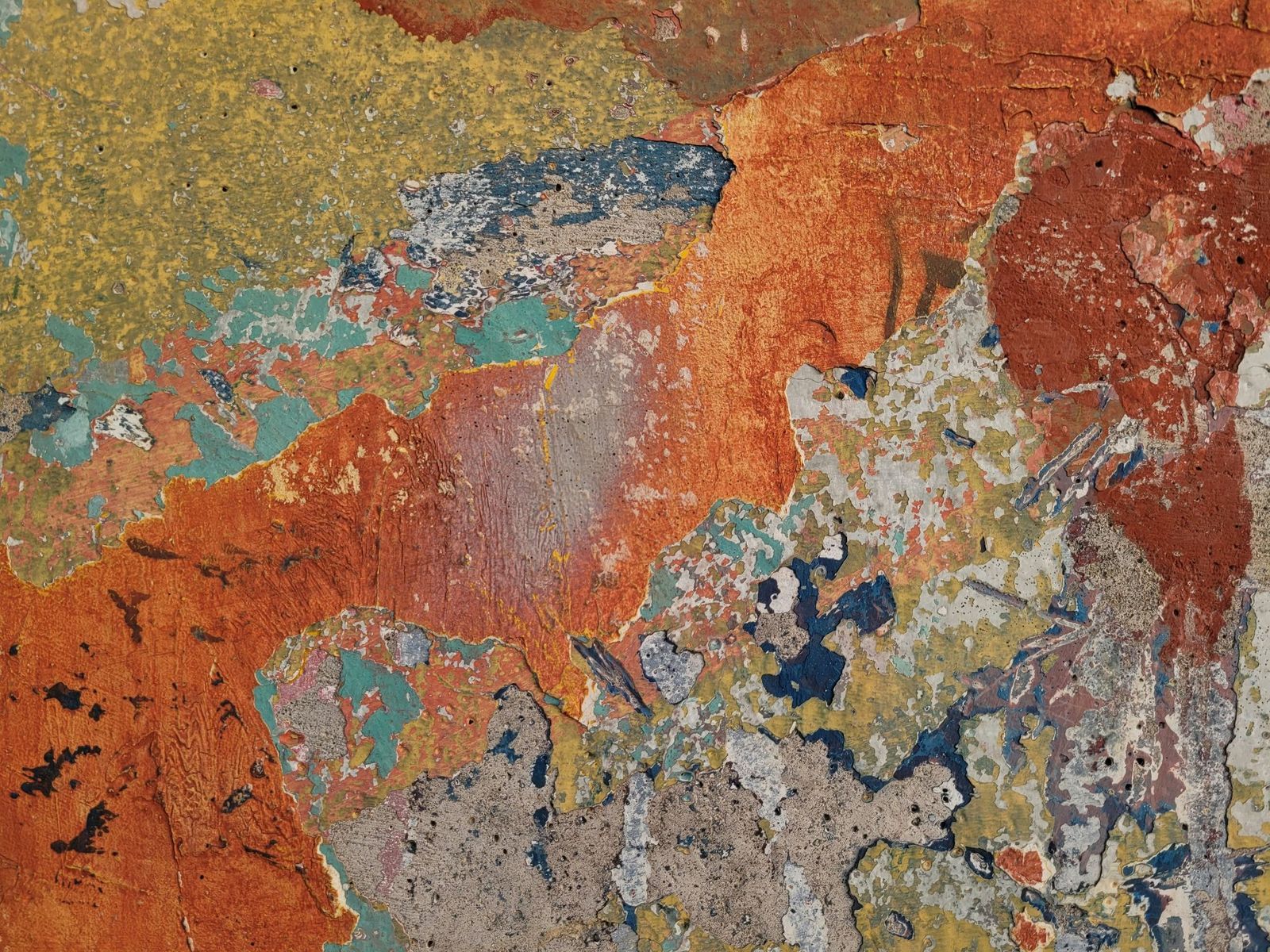

Image: Killari Hotaru

We often assume that the past was a dull, washed-out world. But history has always been bursting with vibrant color, even if humanity had to take extreme measures to capture it. From crushing millions of tiny bugs to robbing ancient tombs and playing with dangerous substances, artists and chemists spent centuries inventing brilliant hues. Here are 10 pigments with surprising, strange, and sometimes terrifying origins.

1

Carmine

Image: spline_x

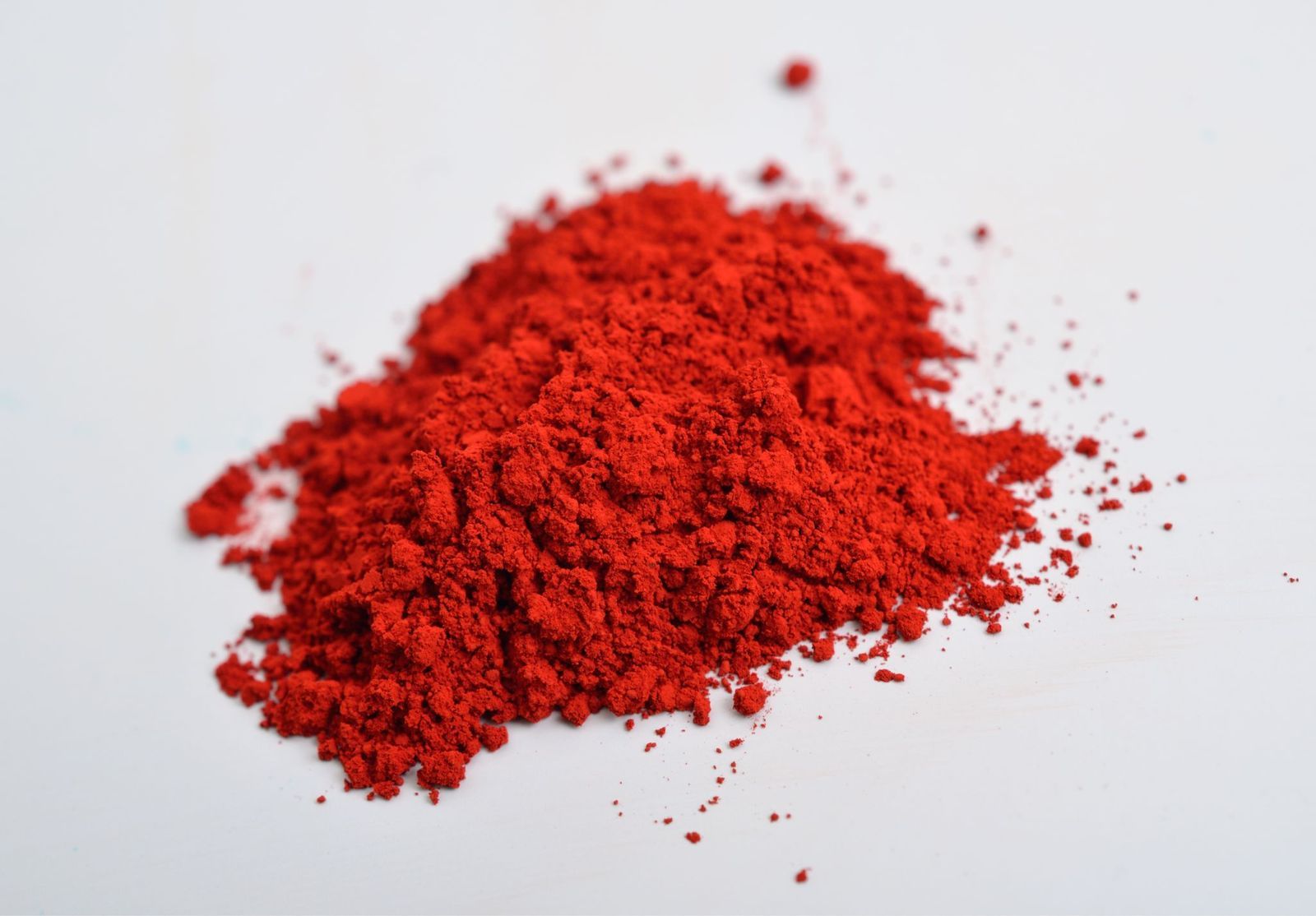
The word carmine refers to a family of deep reds. Its origins trace back to tiny scale insects, Dactylopius coccus (cochineal scale), that feed on cactus berries. When European explorers reached Mexico in the 16th century, they discovered native populations producing reds far more vibrant than anything in Europe.

Harvesters collected the female insects, killed them, and dried them in the sun to extract carminic acid. It took roughly 70,000 insects to make a single pound of pigment. Today, synthetics have replaced it in textiles, but carmine is still used under names like "natural red 4" to color candles and cosmetics.

2

Egyptian Blue

Image: Rawpixel.com

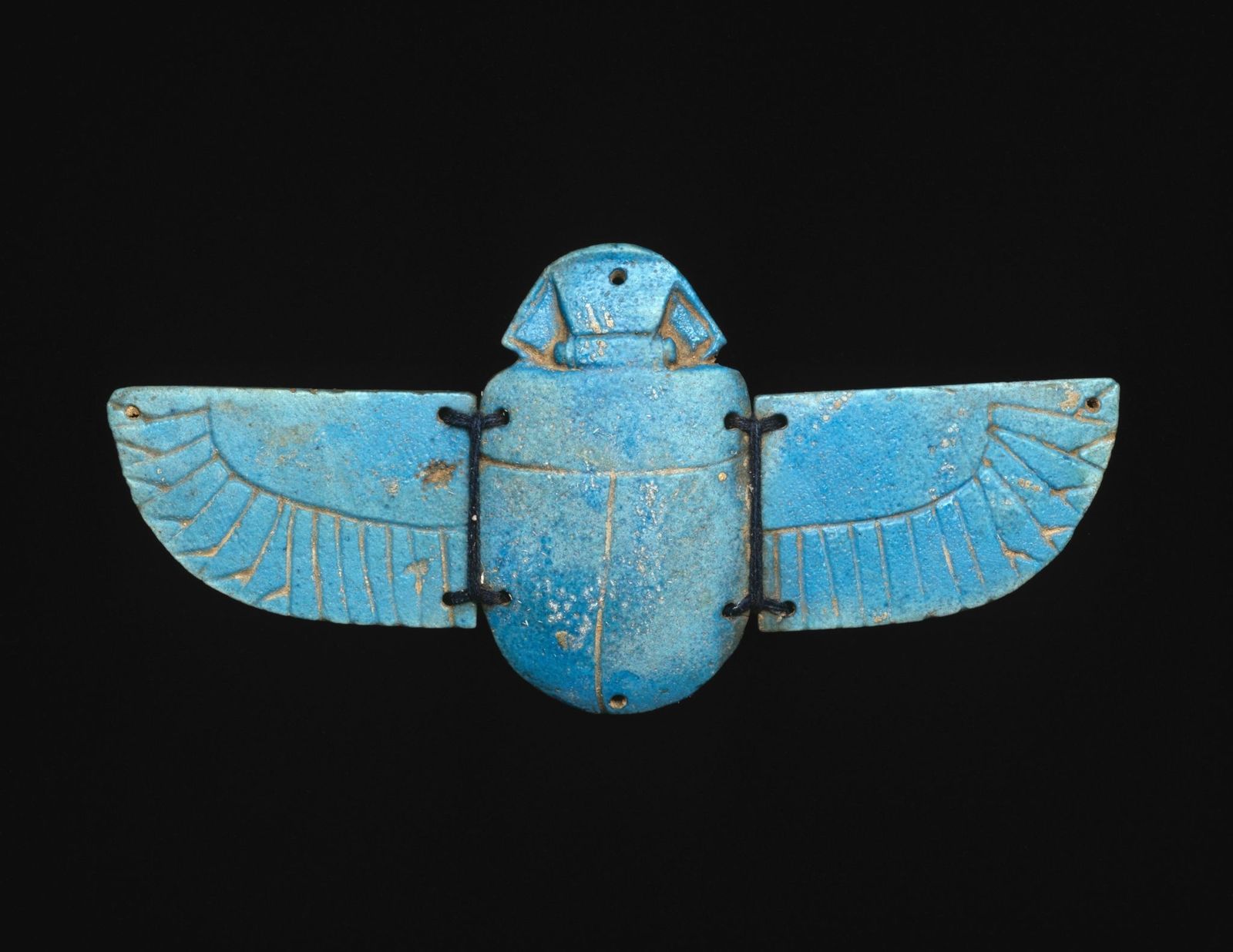
Dating back to the 3rd millennium BCE, Egyptian blue is the first known synthetic pigment in human history. Ancient craftsmen created this vibrant azure by heating quartz, copper, alkali, and lime to extreme temperatures.

This recipe was lost for over a thousand years before it was reverse-engineered in the 19th century. Interestingly, under modern infrared light, Egyptian blue glows with intense fluorescence, helping researchers scan archeological sites.

3

Imperial Yellow

Image: National Library of Australia

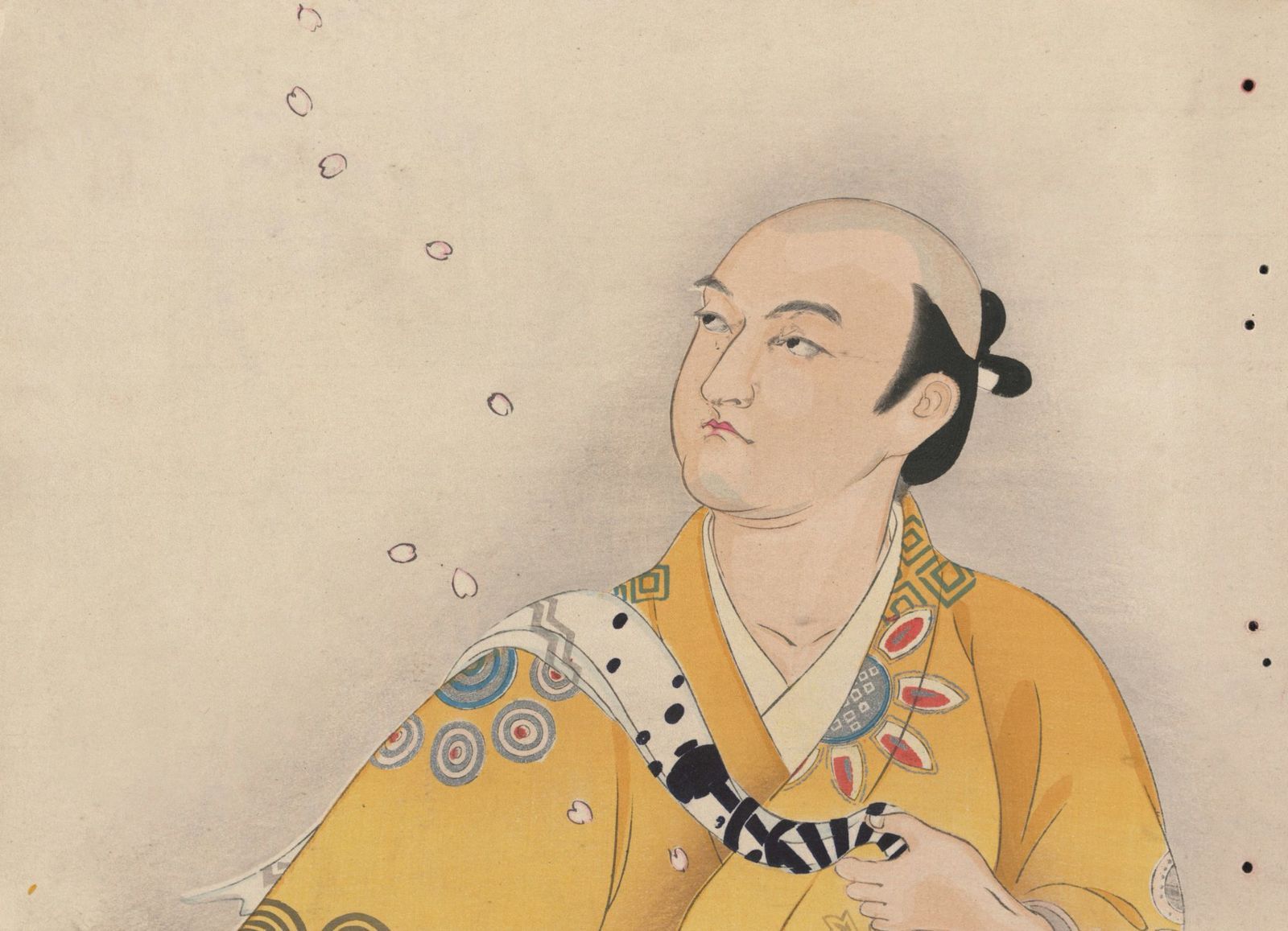
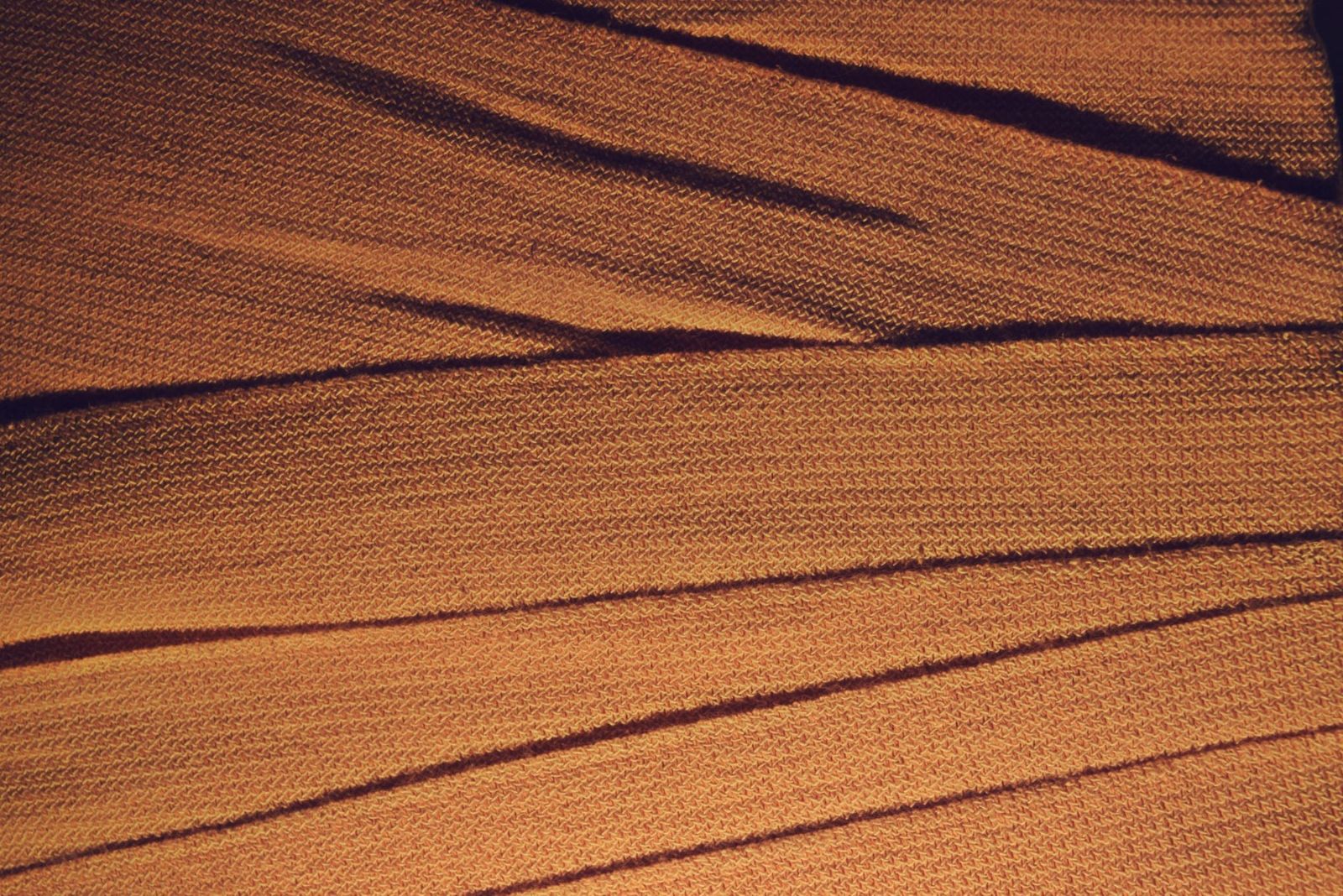
In ancient China, color was regulated by law to determine social status. Starting with the Zhou dynasty, yellow became linked with the throne.

By the Tang dynasty, laws strictly forbade anyone outside the imperial family from wearing garments dyed in reddish-yellow shades. Also, creating this prestigious color wasn’t easy. It was an arduous process that required harvesting massive amounts of Chinese foxglove tubers, grinding them into a paste, and finally staining fabrics.

4

Mauveine

Image: annokhotska

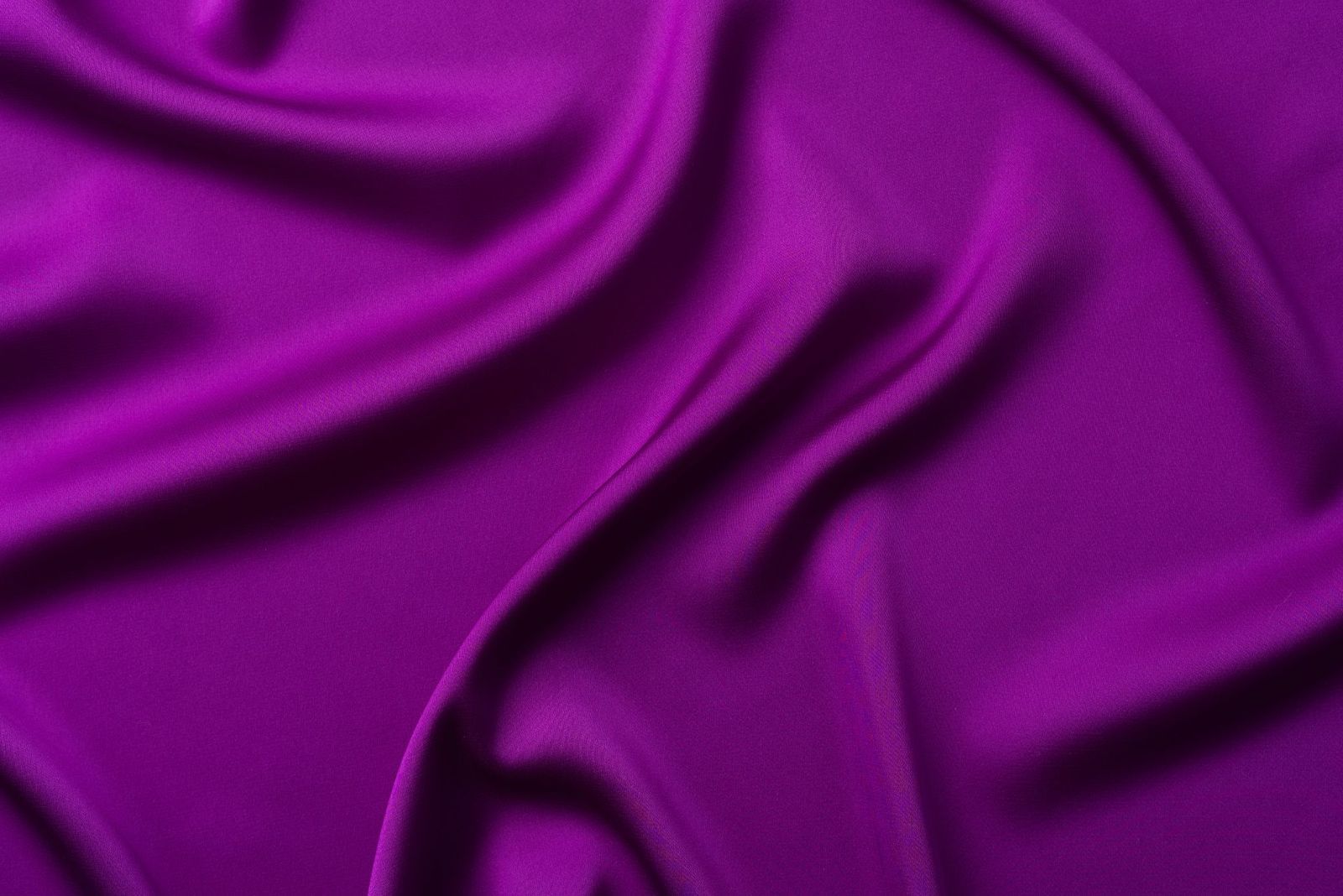
Many great breakthroughs are born from accidents, and mauveine is no exception. In 1856, an 18-year-old English chemist named William Henry Perkin was trying to synthesize a cure for malaria using aniline.

His experiment failed, leaving behind a sticky black residue with bright purple remnants. Perkin recognized the beauty of his accident and launched the world’s first mass-produced synthetic dye, sparking a global industry that changed fashion and art forever.

5

Mummy Brown

Image: Alex Jauk

Over the years, people have made plenty of weird choices in the name of beauty, but mummy brown is probably the creepiest. Popular among 18th- and 19th-century European painters for its rich, translucent shading, this yellowish-brown pigment was literally made by looting Egyptian tombs and grinding down mummified human remains and animals.

When artists discovered what their paint was actually made of, they were horrified. The practice finally ended in 1964 when the supply of preserved bodies ran dry.

6

Orpiment

Image: Minakryn Ruslan

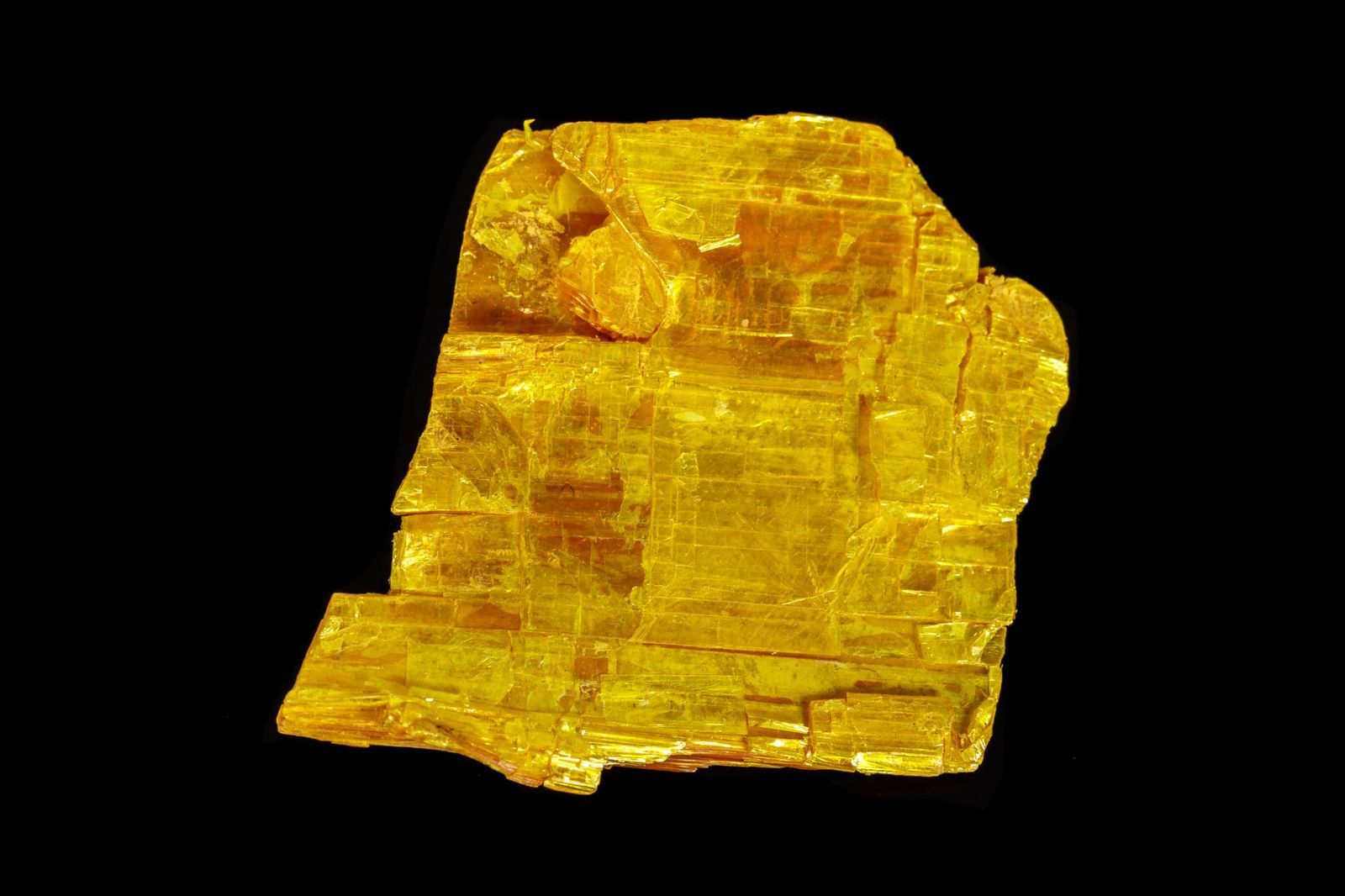
Alchemists and artists have always been fascinated by hues that resemble gold, but orpiment came with lethal consequences. This naturally occurring mineral features a fiery orange-yellow brilliance, yet it contains toxic arsenic sulfide.

Alchemists working in hot, unventilated labs would hang over furnaces heating orpiment to manufacture this golden pigment, poisoning themselves in the process. Despite the danger, master painters relied on its vibrant punch until safer cadmium and chromium alternatives arrived.

7

Pompeiian Red

Image: Ahmet Yüksek ✪

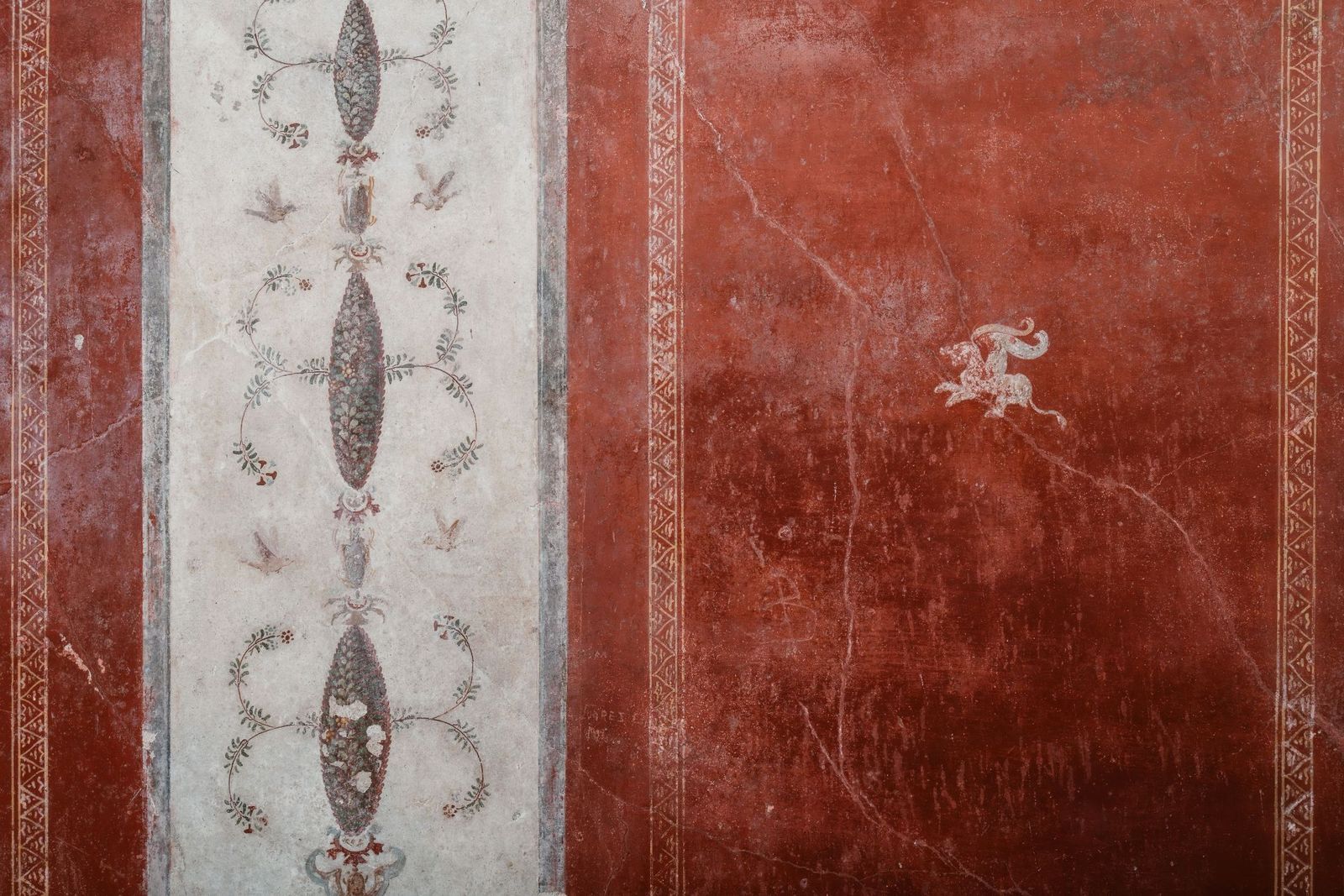
When archaeologists uncovered the ancient Roman city of Pompeii, they found stunning villas adorned with deep red frescoes. For generations, experts believed the color came from local iron-rich clay.

However, modern scientific analysis suggests that those red walls may have originally been yellow ochre. When Mount Vesuvius erupted in 79 CE, the intense volcanic heat cooked the mineral, transforming the yellow walls into the unique red we see today.

8

Prussian Blue

Image: Art Institute of Chicago

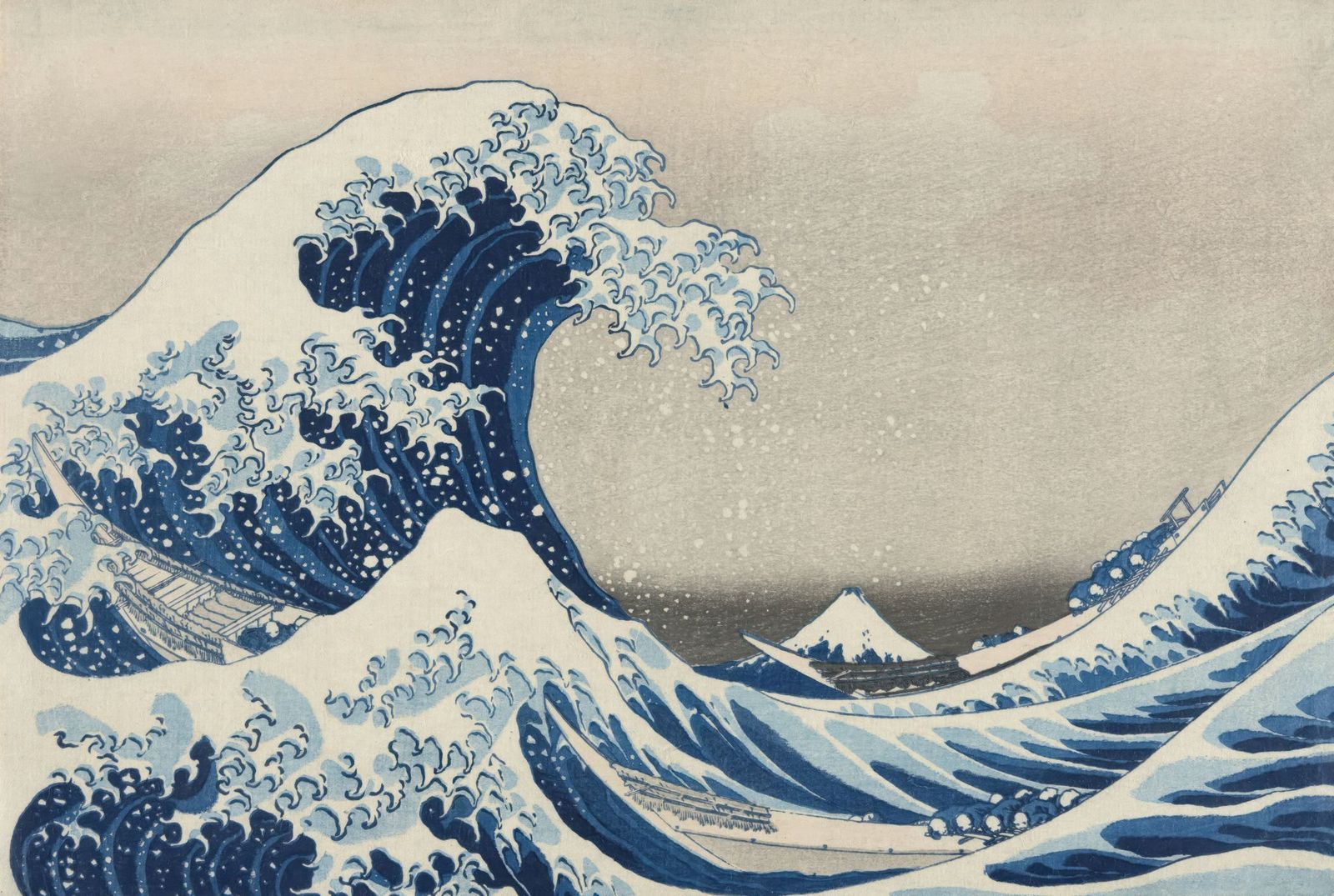
Prussian blue was born in 1706 through a lab mishap. Johann Jacob Diesbach, a German paint maker, was trying to create red carmine, but a contaminated batch of ingredients caused an unexpected chemical reaction, producing a deep blue instead.

This accidental pigment later replaced expensive ultramarine for painters, and it also became the basis for the chemical process behind architectural blueprints.

Fun fact: Purified forms of Prussian blue are still used today as a medical antidote for heavy metal poisoning.

9

Scheele’s Green

Image: Cooper Hewitt, Smithsonian Design Museum, Public domain, via Wikimedia Commons

Invented in 1775 by Swedish-German chemist Carl Wilhelm Scheele, this brilliant green is obtained by mixing copper, oxygen, and arsenic. Scheele’s green became a Victorian obsession, used in everything from children’s toys and dresses to patterned wallpaper.

Tragically, factory workers suffered horrific chronic arsenic poisoning making it. Even worse, when wallpaper made with Scheele’s green got damp, mould could release poisonous arsenic gas into the air (a phenomenon believed to have contributed to Napoleon Bonaparte’s mysterious illness and death in exile).

10

Tyrian Purple

Image: Viva Luna Studios

In the ancient world, purple was the ultimate symbol of wealth and power, often costing its weight in silver. Tyrian purple was especially prized because it resisted fading, but producing it required hard labor and cost marine life.

Derived from the mucus secretions of Murex sea snails, it took roughly 10,000 crushed snails to produce just a single gram of dye. The process left a foul stench along the Mediterranean coasts, so it was a color exclusively worn by emperors until modern technology finally figured out how to synthesize the exact same molecule using engineered bacteria.


Pen to screen

From A to B: 10 movies centered around the world of writers and words


Published on October 2, 2026


Image: Rafaela Biazi

A script may be constructed in words, but it is not a book. At least not in the common sense of the term. That is why it can sometimes be hard to translate a great book into a great movie. Likewise, expressing onscreen the struggles of writing is never an easy task. A few notable exceptions exist, where the passion, the work, the loneliness, and the hardships endured by those who immerse themselves in the world of prose and poetry, are vividly depicted. The following ten are movies that manage to successfully translate those same things. If you haven’t seen any of these, we encourage you to do so: The experience will be a rewarding and inspiring one.

1

Dead Poets Society

Image: Alex Batchelor

The movie that brought a whole new fame level to the Latin phrase Carpe Diem (seize the day), Dead Poets Society was a blockbuster that no one saw coming when it came out in 1989.

Starred by Robin Williams as an English teacher who inspires his students through teaching poetry at a fictional elite boarding school, Dead Poets Society received many accolades, including Academy Awards for Best Picture and Best Director. It remains a classic to this day.

2

Misery

Image: Fabian Mardi

A movie based on a book about a writer who is kidnapped by a fan and forced to rewrite one of his books, Misery is a quintessential Stephen King story. The psychological thriller film starred James Caan and Kathy Bates and was released in 1990 to highly positive reviews and box office success.

Misery manages to capture the deep anxiety and horror of a person who realizes that he is utterly helpless and in the hands of a disturbed individual, far away from society. Stephen King himself has stated that Misery is one of his top ten favorite film adaptations.

3

Capote

Image: CK Hicks

Capote is a movie sometimes more remembered for the actor who played the starring role (and did a fantastic, Academy Award-winning job), Philip Seymour Hoffman, than for the movie itself. But it actually is a great film.

This biographical drama is about Truman Capote, the American novelist, and follows the events during the writing of Capote's 1965 nonfiction book In Cold Blood. The film became a box office success and received acclaim from critics.

4

Finding Forrester

Image: Rachel Martin

Every story about a recluse writer is probably going to be compared to the real-life story of J.D. Salinger and this is not the exception. Finding Forrester is a 2000 American drama film in which, a teenager is invited to attend a prestigious private high school. By chance, Jamal befriends a reclusive writer, William Forrester, through whom he refines his writing talent.

The writer is played by Sean Connery, who later acknowledged that the inspiration for his role was indeed Salinger.

5

Fear and Loathing in Las Vegas

Image: David Lusvardi

As delirious as this movie is, it is a brilliant representation of the actual book and its writing style. Fear and Loathing in Las Vegas was released in 1998 and is based on Hunter S. Thompson's novel of the same name.

The film, starring Johnny Depp and Benicio del Toro as Raoul Duke and Dr. Gonzo respectively, details the duo's journey through Las Vegas as their initial journalistic intentions devolve into an exploration of the city under the influence of psychoactive substances.

6

Barfly

Image: jules a.

Presented as a semi-autobiography of American poet and author Charles Bukowski during the time he spent drinking heavily in Los Angeles, Barfly is a 1987 black comedy that starred Mickey Rourke and Faye Dunaway.

The movie was scripted by Bukowski himself, who later published a longer version of the script as a novel, called Hollywood.

7

Ask the Dust

Image: Ruth Durbin

The previously mentioned Charles Bukowski was a big fan of John Fante, the man who wrote the book on which Ask the Dust is based. This romantic drama film was almost entirely shot in South Africa, even though it portrays Los Angeles.

The movie and the book depict the life of John Fante’s alter ego, Arturo Bandini, as a young struggling writer living in motels and trying to get his works published.

8

Quills

Image: Mitchell Lawler

Inspired by the life and works of the Marquis de Sade, Quills is a fiction film based on the final years of the Marquis's incarceration in the insane asylum at Charenton. The movie starred Geoffrey Rush as de Sade and Kate Winslet as laundress Madeleine "Maddie" LeClerc.

In the film, the Marquis continues to write prolifically even when all writing equipment is taken from him, resorting to using his bed sheets and his own blood as ink.

9

Barton Fink

Image: Jakob Owens

Another film about a young writer trying to make it in Los Angeles, Barton Fink was released in 1991 with John Turturro in the title role. The Coen brothers' movie was written when they were experiencing writer’s block during the production of another script.

Barton Fink depicts the writing process, labor conditions in creative industries, and the relationship between intellectuals and regular people. The main characters are supposedly based on writers Clifford Odets and William Faulkner.

10

Adaptation

Image: Nathan DeFiesta

The last entry on our list is a 2002 comedy-drama film based on director Charlie Kaufman’s struggles to adapt Susan Orlean's 1998 nonfiction book The Orchid Thief while suffering from writer's block.

The movie featured Nicholas Cage, Meryl Streep, and Chris Cooper in the leading roles and received widespread acclaim for their performances as well as for the direction, screenplay, and humor.

Looking for an extra scoop of literary fun?

Learn more with our Word of the day

devious

/ˈdiviəs/