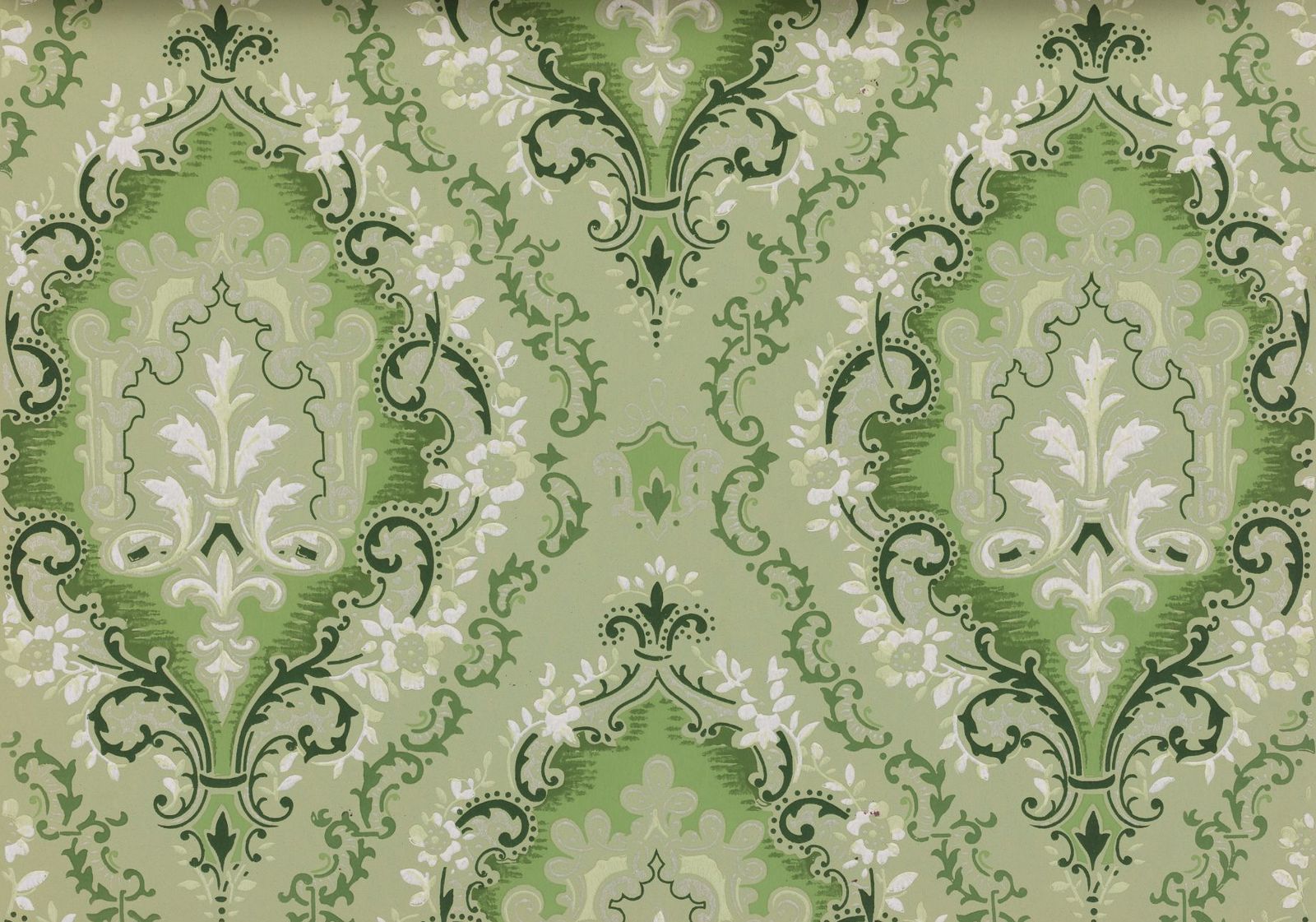
Paints from the past

The color that killed Napoleon Bonaparte and 9 other risky pigments


Published on October 2, 2026

Image: Killari Hotaru

We often assume that the past was a dull, washed-out world. But history has always been bursting with vibrant color, even if humanity had to take extreme measures to capture it. From crushing millions of tiny bugs to robbing ancient tombs and playing with dangerous substances, artists and chemists spent centuries inventing brilliant hues. Here are 10 pigments with surprising, strange, and sometimes terrifying origins.

1

Carmine

Image: spline_x

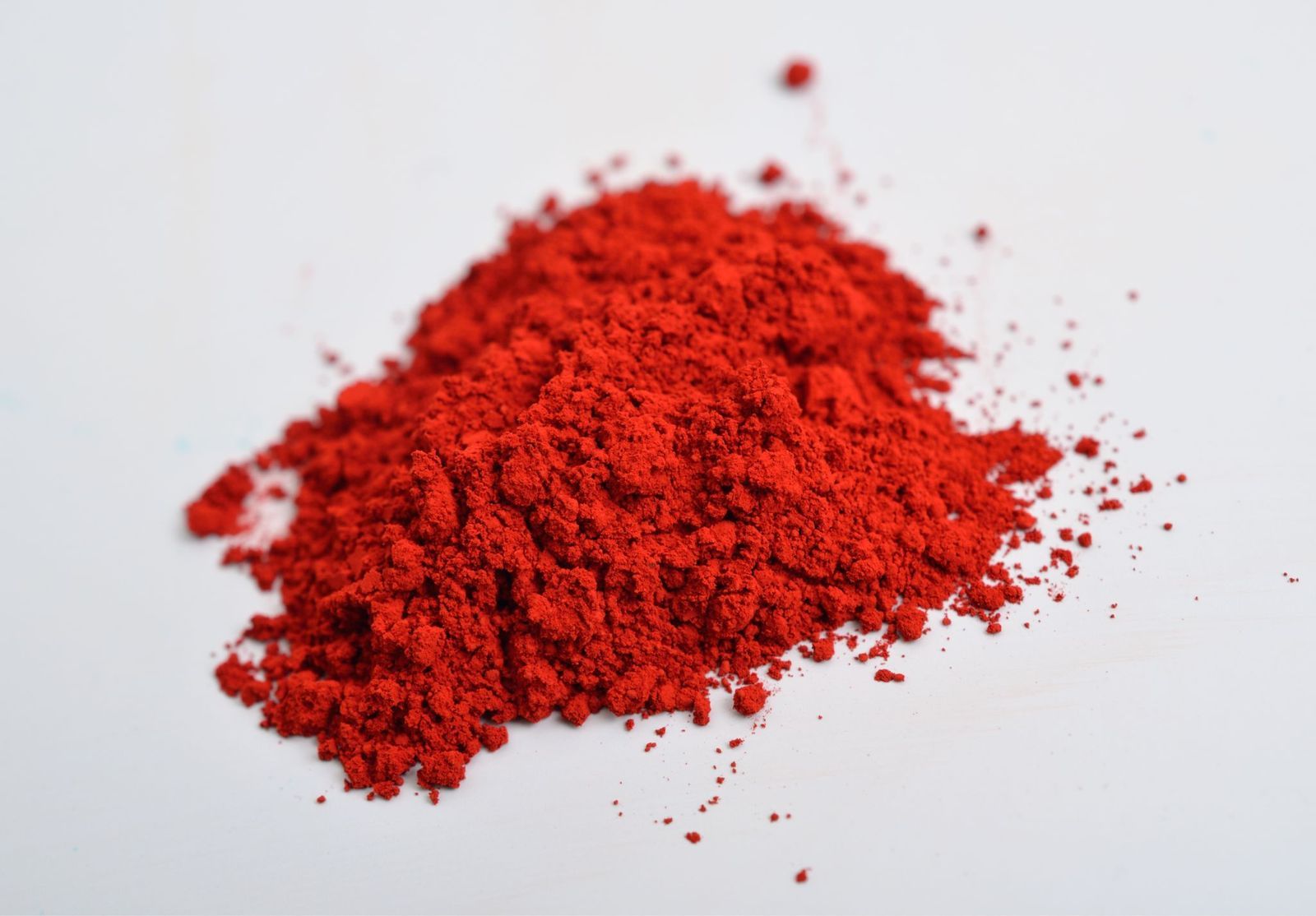
The word carmine refers to a family of deep reds. Its origins trace back to tiny scale insects, Dactylopius coccus (cochineal scale), that feed on cactus berries. When European explorers reached Mexico in the 16th century, they discovered native populations producing reds far more vibrant than anything in Europe.

Harvesters collected the female insects, killed them, and dried them in the sun to extract carminic acid. It took roughly 70,000 insects to make a single pound of pigment. Today, synthetics have replaced it in textiles, but carmine is still used under names like "natural red 4" to color candles and cosmetics.

2

Egyptian Blue

Image: Rawpixel.com

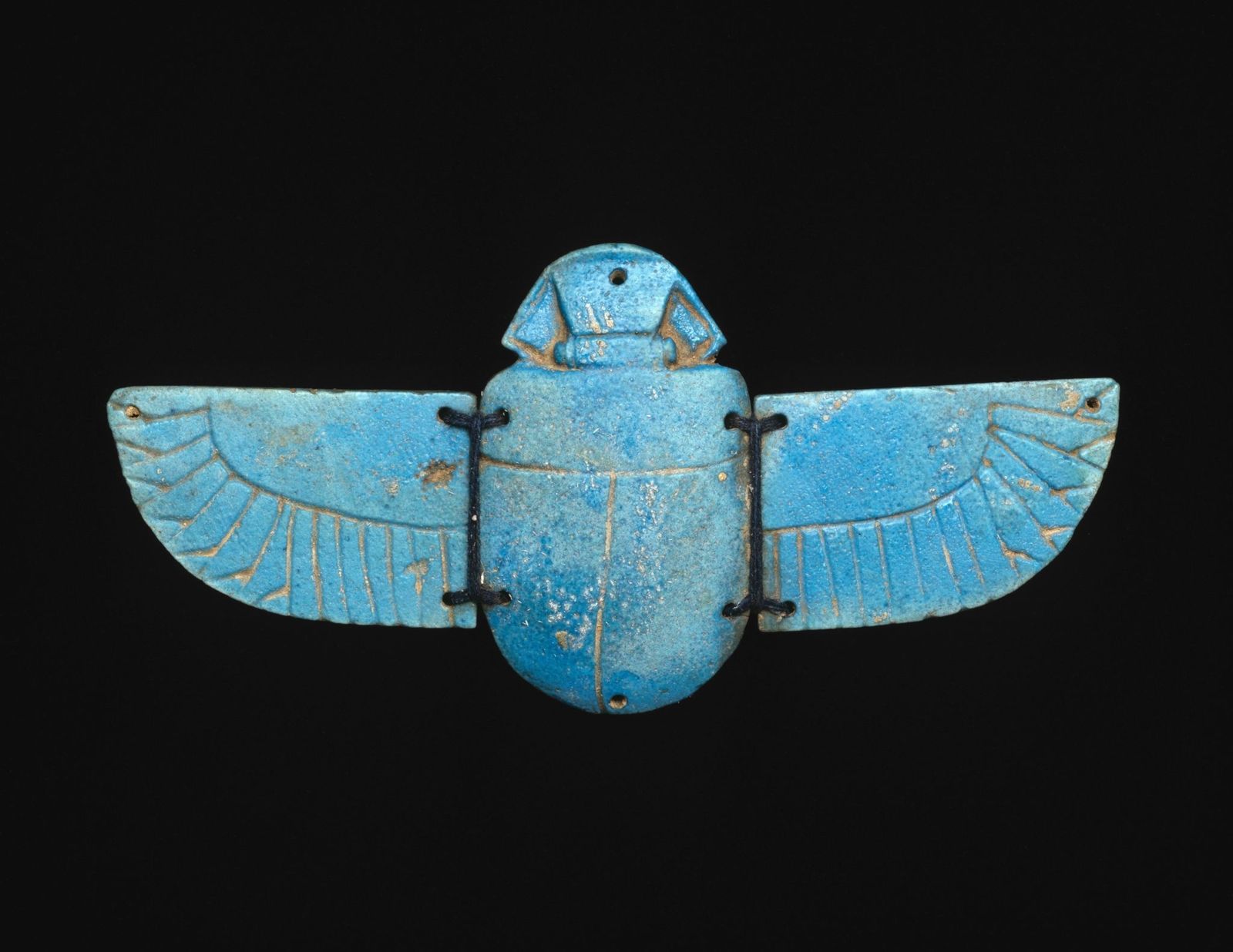
Dating back to the 3rd millennium BCE, Egyptian blue is the first known synthetic pigment in human history. Ancient craftsmen created this vibrant azure by heating quartz, copper, alkali, and lime to extreme temperatures.

This recipe was lost for over a thousand years before it was reverse-engineered in the 19th century. Interestingly, under modern infrared light, Egyptian blue glows with intense fluorescence, helping researchers scan archeological sites.

3

Imperial Yellow

Image: National Library of Australia

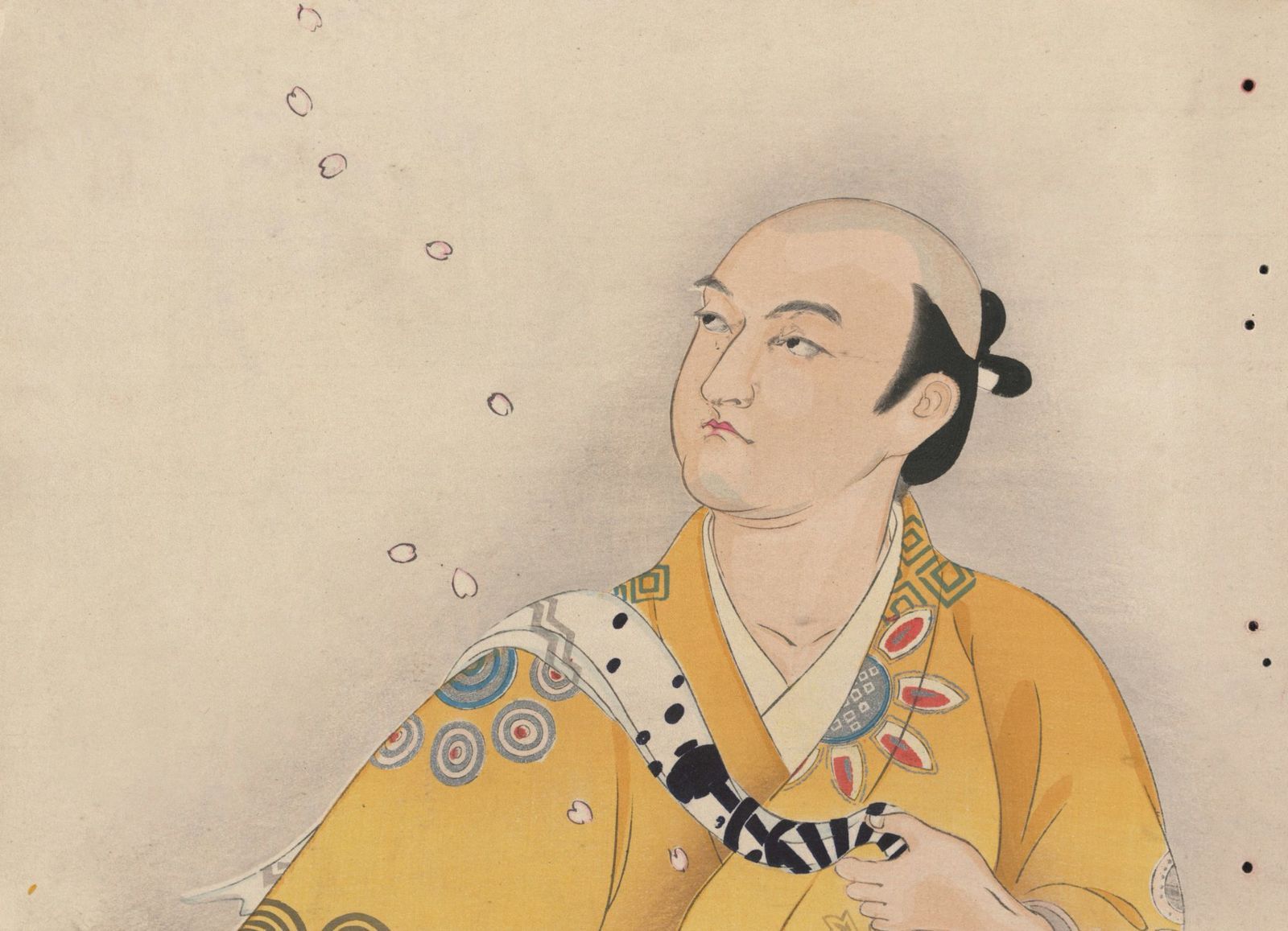
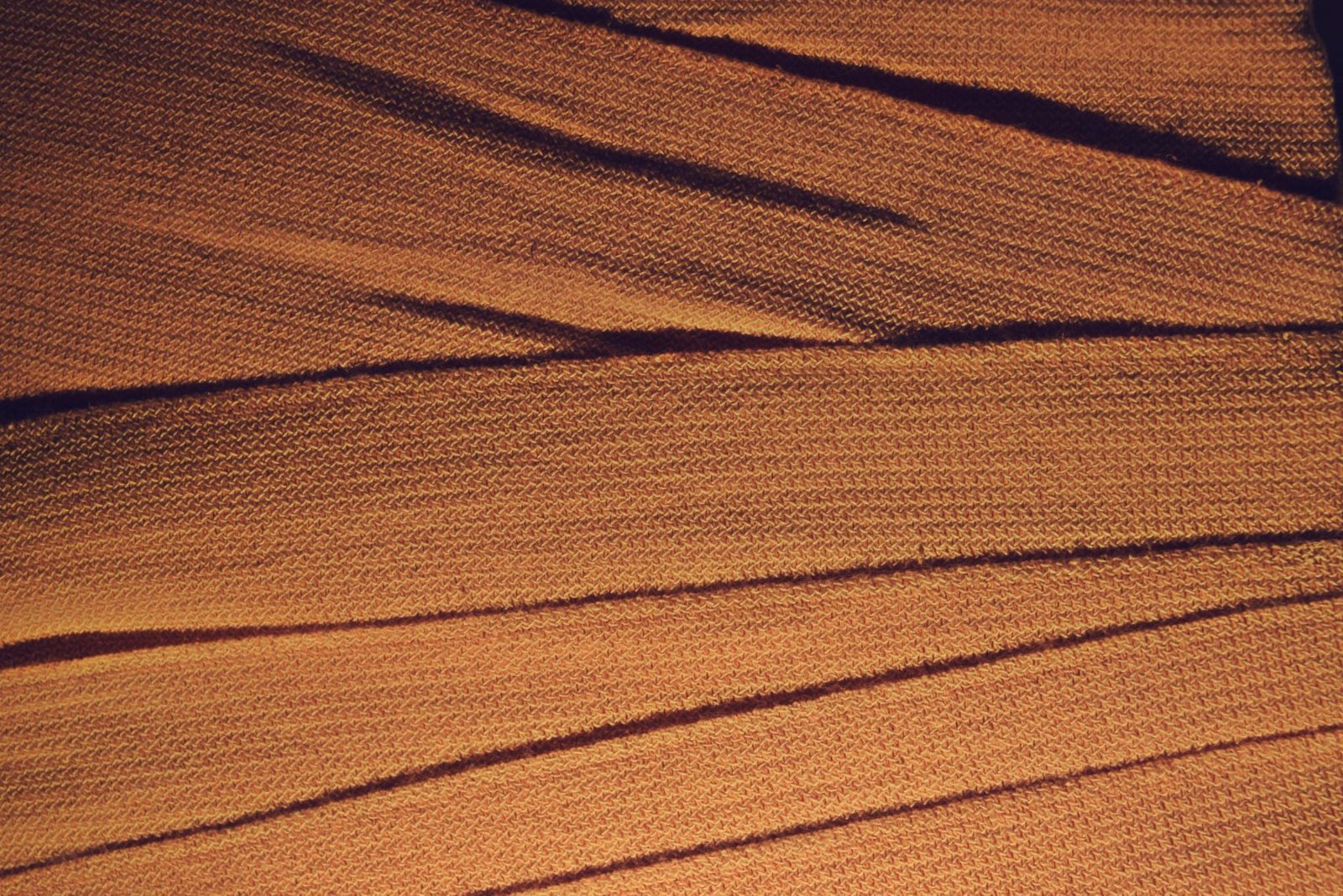
In ancient China, color was regulated by law to determine social status. Starting with the Zhou dynasty, yellow became linked with the throne.

By the Tang dynasty, laws strictly forbade anyone outside the imperial family from wearing garments dyed in reddish-yellow shades. Also, creating this prestigious color wasn’t easy. It was an arduous process that required harvesting massive amounts of Chinese foxglove tubers, grinding them into a paste, and finally staining fabrics.

4

Mauveine

Image: annokhotska

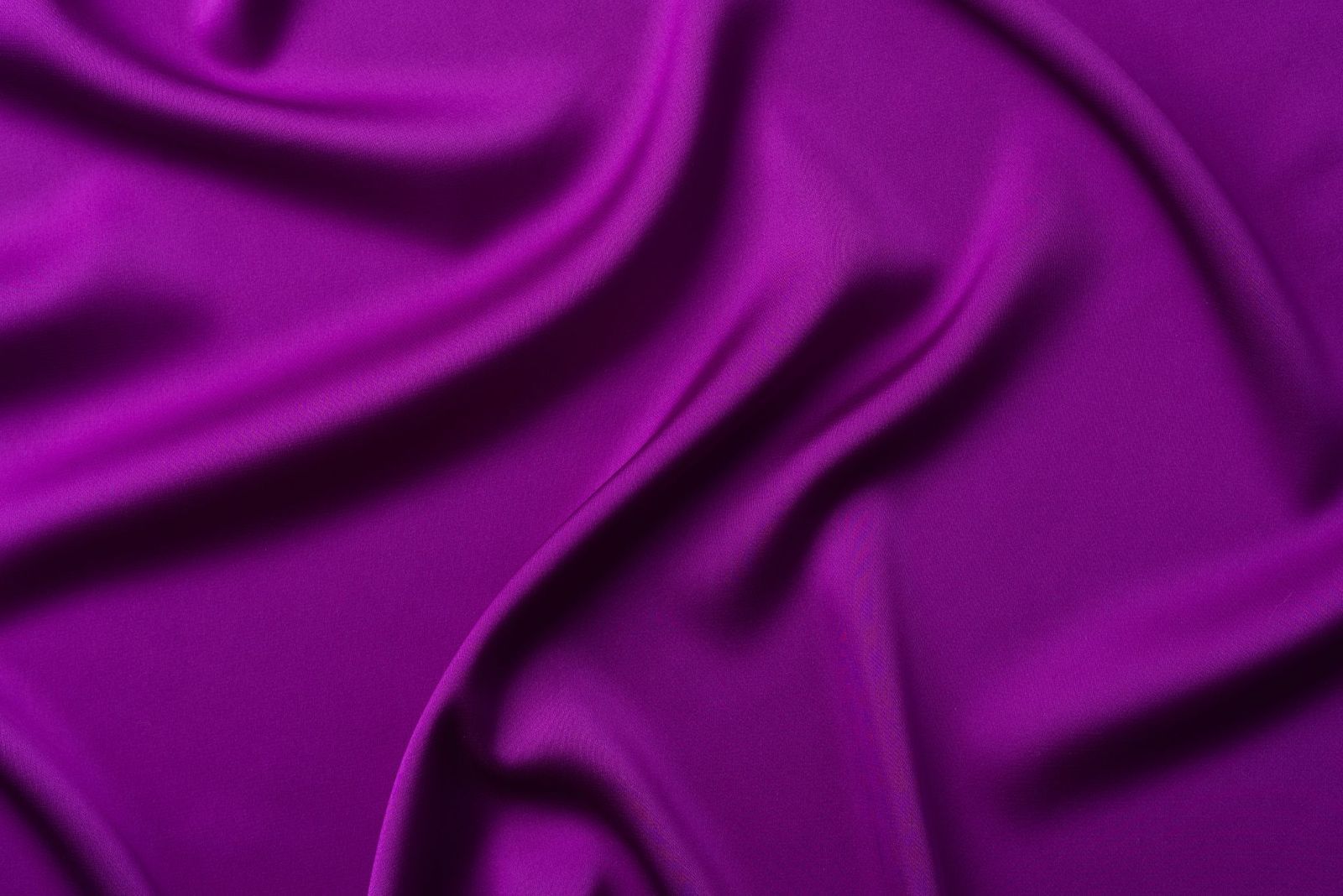
Many great breakthroughs are born from accidents, and mauveine is no exception. In 1856, an 18-year-old English chemist named William Henry Perkin was trying to synthesize a cure for malaria using aniline.

His experiment failed, leaving behind a sticky black residue with bright purple remnants. Perkin recognized the beauty of his accident and launched the world’s first mass-produced synthetic dye, sparking a global industry that changed fashion and art forever.

5

Mummy Brown

Image: Alex Jauk

Over the years, people have made plenty of weird choices in the name of beauty, but mummy brown is probably the creepiest. Popular among 18th- and 19th-century European painters for its rich, translucent shading, this yellowish-brown pigment was literally made by looting Egyptian tombs and grinding down mummified human remains and animals.

When artists discovered what their paint was actually made of, they were horrified. The practice finally ended in 1964 when the supply of preserved bodies ran dry.

6

Orpiment

Image: Minakryn Ruslan

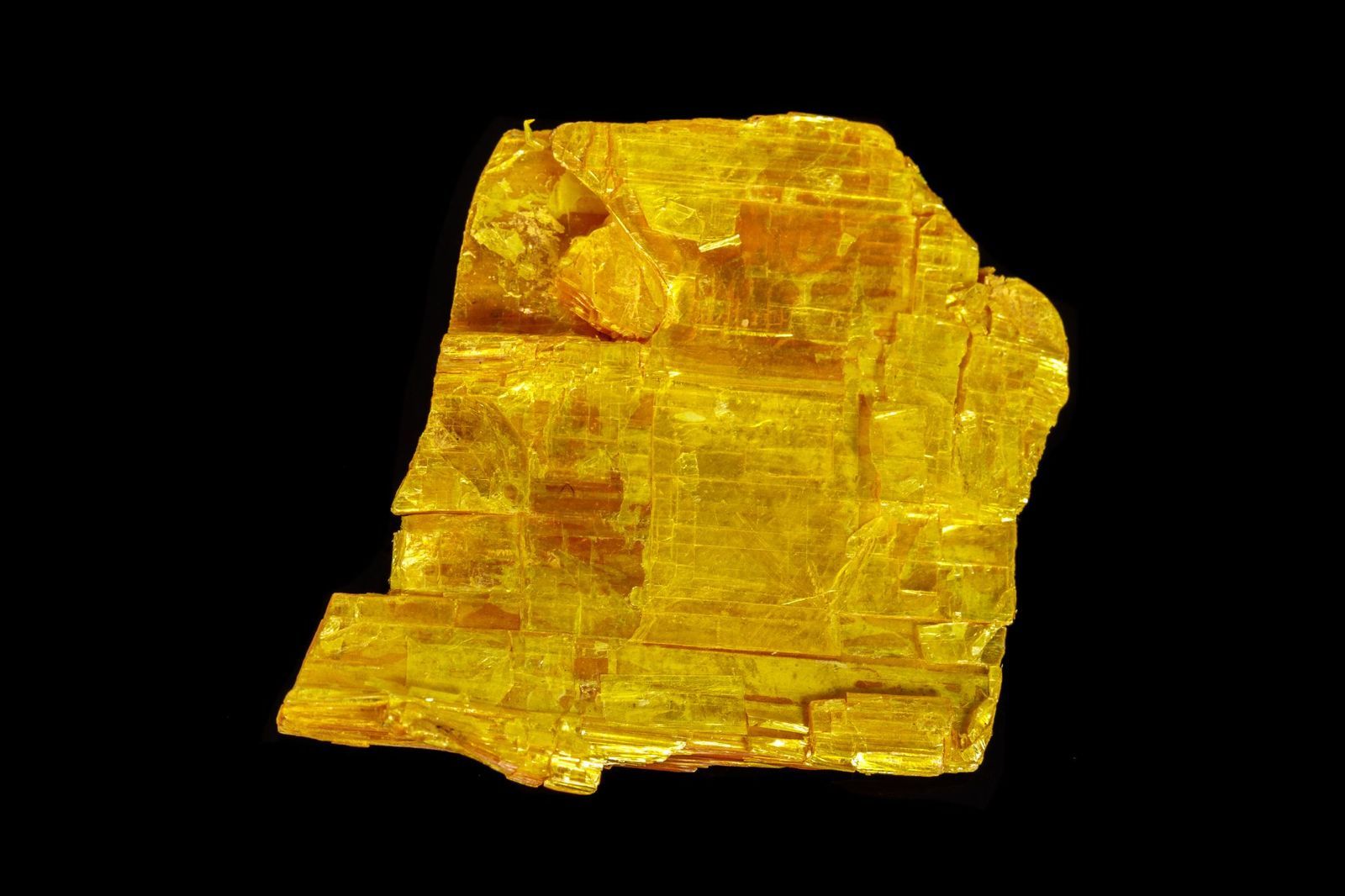
Alchemists and artists have always been fascinated by hues that resemble gold, but orpiment came with lethal consequences. This naturally occurring mineral features a fiery orange-yellow brilliance, yet it contains toxic arsenic sulfide.

Alchemists working in hot, unventilated labs would hang over furnaces heating orpiment to manufacture this golden pigment, poisoning themselves in the process. Despite the danger, master painters relied on its vibrant punch until safer cadmium and chromium alternatives arrived.

7

Pompeiian Red

Image: Ahmet Yüksek ✪

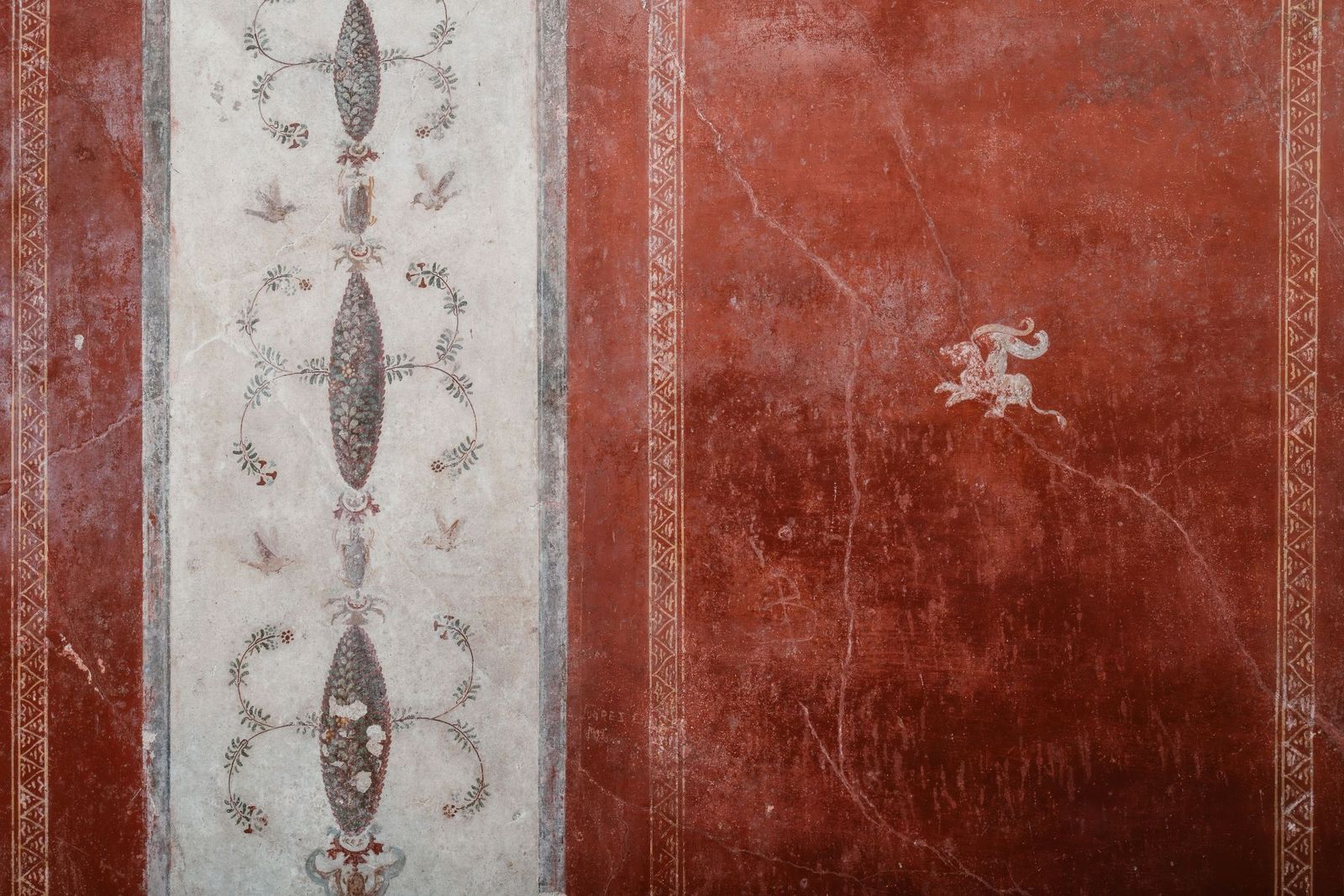
When archaeologists uncovered the ancient Roman city of Pompeii, they found stunning villas adorned with deep red frescoes. For generations, experts believed the color came from local iron-rich clay.

However, modern scientific analysis suggests that those red walls may have originally been yellow ochre. When Mount Vesuvius erupted in 79 CE, the intense volcanic heat cooked the mineral, transforming the yellow walls into the unique red we see today.

8

Prussian Blue

Image: Art Institute of Chicago

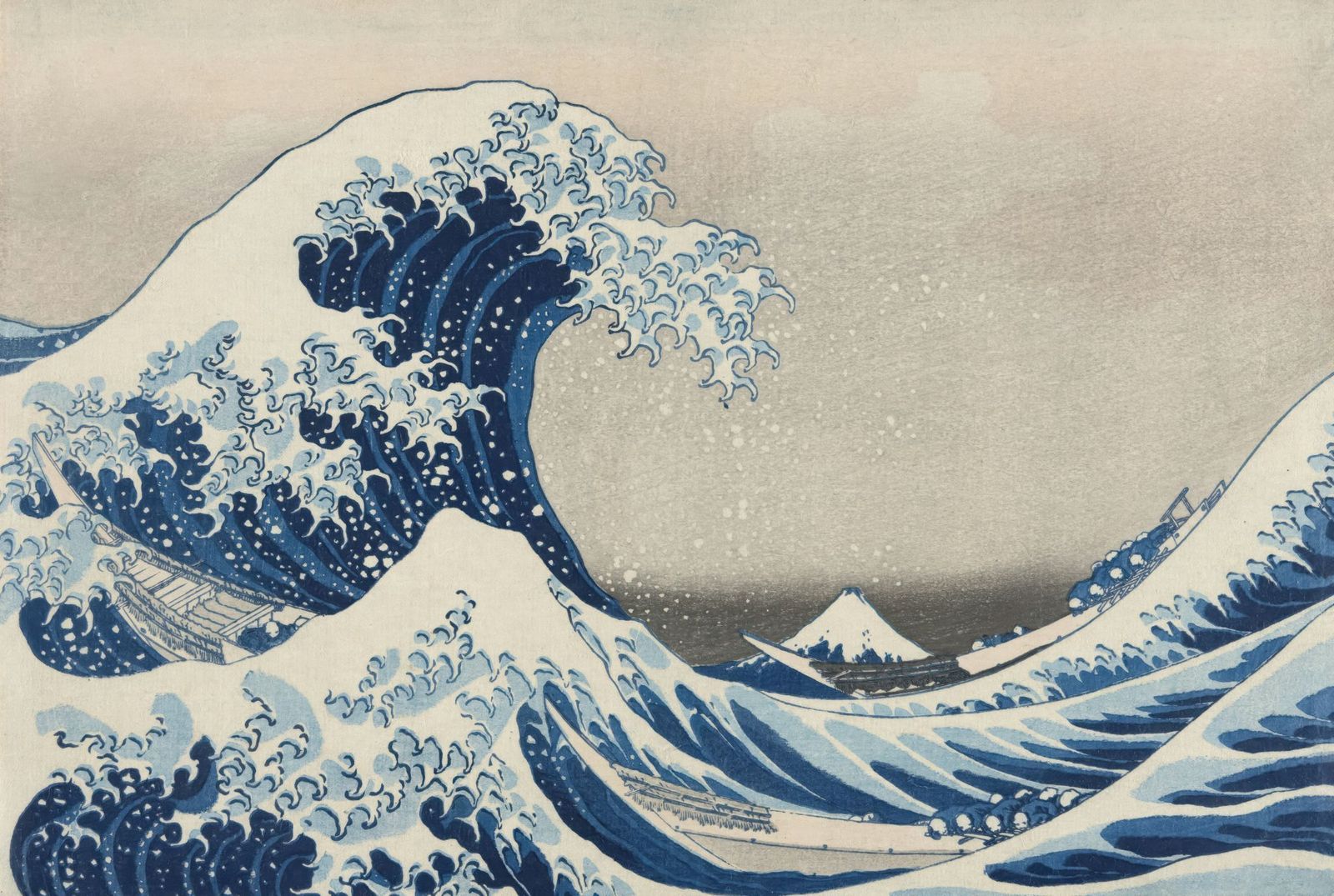
Prussian blue was born in 1706 through a lab mishap. Johann Jacob Diesbach, a German paint maker, was trying to create red carmine, but a contaminated batch of ingredients caused an unexpected chemical reaction, producing a deep blue instead.

This accidental pigment later replaced expensive ultramarine for painters, and it also became the basis for the chemical process behind architectural blueprints.

Fun fact: Purified forms of Prussian blue are still used today as a medical antidote for heavy metal poisoning.

9

Scheele’s Green

Image: Cooper Hewitt, Smithsonian Design Museum, Public domain, via Wikimedia Commons

Invented in 1775 by Swedish-German chemist Carl Wilhelm Scheele, this brilliant green is obtained by mixing copper, oxygen, and arsenic. Scheele’s green became a Victorian obsession, used in everything from children’s toys and dresses to patterned wallpaper.

Tragically, factory workers suffered horrific chronic arsenic poisoning making it. Even worse, when wallpaper made with Scheele’s green got damp, mould could release poisonous arsenic gas into the air (a phenomenon believed to have contributed to Napoleon Bonaparte’s mysterious illness and death in exile).

10

Tyrian Purple

Image: Viva Luna Studios

In the ancient world, purple was the ultimate symbol of wealth and power, often costing its weight in silver. Tyrian purple was especially prized because it resisted fading, but producing it required hard labor and cost marine life.

Derived from the mucus secretions of Murex sea snails, it took roughly 10,000 crushed snails to produce just a single gram of dye. The process left a foul stench along the Mediterranean coasts, so it was a color exclusively worn by emperors until modern technology finally figured out how to synthesize the exact same molecule using engineered bacteria.


Staples of American cuisine

In a nutshell: The surprising origins of 12 common foods and ingredients


Published on October 2, 2026


Image: Sergio Arreola

Did you know that the word food comes from the Old English foda, meaning "nourishment or fuel"? Many of American signature dishes and ingredients are borrowed from other cultures, while others are an inescapable part of our idiosyncrasy. The names of the foods we eat the most in the United States have their origins in different parts of the world. In this article, we have selected 12 popular ingredients to find out how and where they got their names. Explore this list of delicious word histories and see if you can spot your favorite foods!

1

Bacon

Image: Polina Tankilevitch

The thought of a slice of bacon sizzling on a hot skillet makes anyone's mouth water. Bacon is a key ingredient of American cuisine, present in many recipes, from breakfast to dinner. But you probably never stopped to think about where this word we use so often comes from. Today we're going to fix that.

The word bacon was adopted from French in the 14th century and can be traced back to the ancient German term bakkon meaning "back meat." In its early use, the word could refer to fresh or cured pork and was also used to describe a pig's carcass.

2

Mayonnaise

Image: Abet Llacer

Mayonnaise is probably the most popular condiment in the United States. Whether as a sandwich spread or as a salad dressing, mayonnaise is present in many of our traditional dishes. Yet, it is not our own invention: we imported it from Europe.

The origin of the term mayonnaise isn’t very clear. It may have been named after a battle at the city of Mahón, Spain, or it may come from moyeu, an older French word for "egg yolk." Other spellings throughout history include bayonnaise, in reference to the French port of Bayonne. Another theory states that the term may have come from the name of Charles de Lorraine, Duke of Mayenne, who, according to legend, took the time to finish a dish of saucy chicken before a battle.

3

Marshmallow

Image: Leon Contreras

A popular camping tradition and an ingredient in popular snacks, desserts, and cereal, marshmallows are quintessential to American cuisine. So much so that we even have a special day to honor them: 30th August is marked as National Toasted Marshmallow Day.

The word marshmallow comes from the Old English mersc-mealwe, the name of a plant that grows near salt marshes. Back in the 19th century, when was first named, the roots of this plant were used to make early versions of this amazing and versatile confection.

4

Broccoli and cauliflower

Image: Marina Leonova

Broccoli and cauliflower are two controversial vegetables: you either love them or hate them. Yet, according to a survey from Green Giant in 2022, broccoli was voted Americans' favorite vegetable.

Since it’s one of the most consumed vegetables in our country, let us tell you the origin of its name. The word broccoli was adopted from the Italian term broccolo, meaning "sprout". Cauliflower, the least favorite sibling of the Brassica oleracea family, was originally spelled cole florye in English. The term comes from the Italian cavoli fiori, meaning "flowered cabbage".

5

Burrito

Image: ROMAN ODINTSOV

Burritos may be a Mexican dish but in America we absolutely adore them. You probably know that the Spanish word burrito means "little donkey" in English. But where does this name come from?

According to legend, a vendor named Juan Mendez roamed the streets of Ciudad Juarez with his donkey during the Mexican Revolution selling a unique concoction of beans and other fillings wrapped in a huge flour tortilla. By all accounts, people began to call them "burritos". Another theory states that they were named after the animal because they contain many different ingredients, and a donkey can carry big packs filled with many things. Whatever its origin, over the years the burrito has become a favorite lunchtime meal both in northern Mexico and the southern United States.

6

Cookie

Image: Yullina D

Oatmeal, chocolate chip, shortbread, or snickerdoodles? Which ones are your favorites? In America, we have an infinite —and delicious— range of cookies. But while these sweet baked snacks are an undeniable part of our cuisine, we have to look for the origin of their name on the other side of the Atlantic.

The word cookie comes from the Dutch koekje, meaning "little cake." Dutch has made significant contributions to English vocabulary, especially in the food and drink department. Since many of the Anglo-Saxons who settled in Britain came from the area now known as the Netherlands, it is not surprising that Old English vocabulary has many parallels in modern Dutch vocabulary. And cookies are no exception!

7

Macaroni

Image: Hermes Rivera

Succulent, creamy, and popular, Mac & Cheese are as rich as they are legendary. While it is one of America's iconic dishes, the origin of the pasta, as we know, is Italian.

What we refer to as macaroni comes from the southern Italian dialectal maccaroni, a word for a pasty food made of flour, cheese, and butter. In turn, maccaroni goes back to Greek makaria, meaning "food made from barley".

8

Beignet

Image: RDNE Stock project

A beignet is a sweet deep-fried pastry served under a cloud of powdered sugar that tastes similar to doughnuts. Although they have their origin in French cuisine, beignets are a staple of Southern food culture. They were introduced to New Orleans by French immigrants in the 18th century and to this day are a favorite treat among locals and tourists alike.

As you can imagine, the origin of the word beignet —pronounced "bayne-yay"— is French and its literal translation is "fritter". It comes from the Old French buigne, meaning "bump" or "lump", which in turn might have roots in the Celtic term bigne, meaning "to raise".

9

Cereal

Image: Tiard Schulz

One out of every two Americans starts their day with a bowl of cereal. In fact, Americans consume roughly 2.7 billion boxes every year. Although cereal has been around since the advent of agriculture about 10,000 years ago, breakfast cereal is a decidedly American staple food.

The word cereal, used to refer both to the breakfast food and grains in general, derives from the Roman goddess Ceres, who represented agriculture, crops, fertility, and motherhood. Her name, in turn, comes from Proto-Indo-European ḱerēs, meaning "to satiate, feed," also the source of "create" and "increase."

10

Sausage

Image: Jan Kopřiva

Whether as a breakfast meal or grilled for 4th of July celebrations, sausage is one of our most versatile foods and can be eaten alone or used as an ingredient in other dishes.

This type of preparation has been popular throughout Western cuisine for centuries. Before refrigerators and big supermarkets, people needed to preserve foods to eat during long winters. One way to save meat was to salt it and make it into a sausage. For this reason, the origin of this word is easily found in the Latin salsus, meaning "salted".

11

Ketchup

Image: Pedro Durigan

Tomato ketchup became popular in the United States in the mid-19th century. Since then it has seasoned our most famous dishes, from hamburgers to french fries. But did you know that in the old days, there were many other flavors of ketchup?

In fact, it is believed it was a word coined in English to refer to various condiments imported from the East. One theory states that the term ketchup comes from a Chinese word for fish sauce which takes various forms in different dialects including kê-chiap and kôe-tsap. Another version says it derives from the name of a Malaysian sauce called kichap, which was made with pickled fish and mushrooms. In any case, it’s a sauce that always makes us happy!

12

Syrup

Image: Amber Fisher

Our breakfasts would be a lot more dull if we didn't have this golden delicacy to sweeten our pancakes. Syrup is an excellent healthy source of sugar, and we love it! Although the United States is a major producer of syrup, the origin of the word goes back hundreds of years.

The term syrup comes in part from the Old French sirop, meaning "sugared drink" and the Italian siroppo. But these words, in turn, derive originally from the Arabic sharab, which means "to drink".

Looking for an extra scoop of literary fun?

Learn more with our Word of the day

iterate

/ˈɪdəˌreɪt/