Words from the cold North

The Nordic invasions: 10 words adopted by English


Published on February 12, 2026

Credit: Sami Matias Breilin

Romance languages, led by French, have had such a lasting influence on English that we sometimes forget that it is actually a Germanic language, and as such, a relative of the Nordic languages.

However, Nordic languages had left their mark on English centuries before the French-Normans even attempted to conquer England, and they continue to do so to this day. Let’s have a look at some words of Nordic origin that are ingrained in everyday English.

1

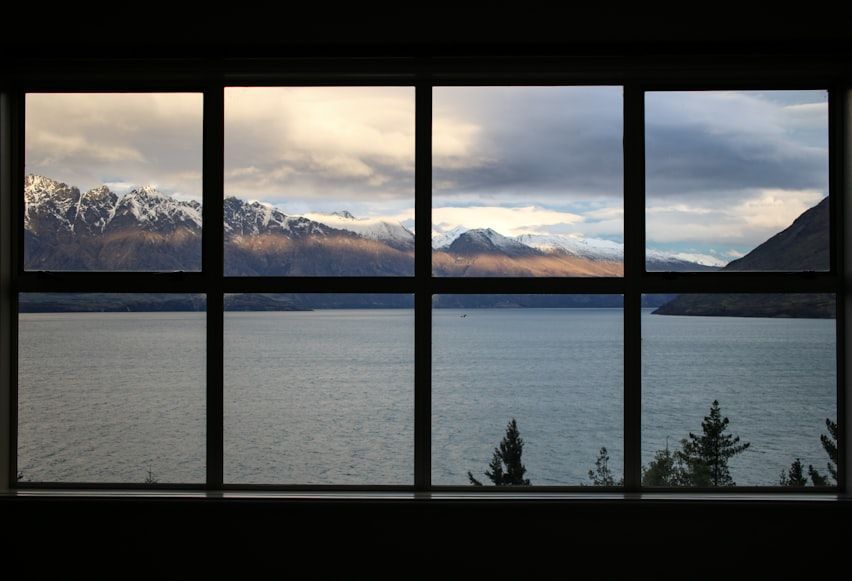
Window

Credit: R Mo

The terms for window used by Old English and Old Norse were both related to the word ‘eye’, but were different. In Old English, the common word was eagþyrl or ‘eye-hole’, while Old Norse used vindauga or ‘wind-eye’. V_indauga_ was one of the many words adopted into English during the Viking invasions and evolved into ‘window’ during the Middle English period.

2

Egg

Credit: Mustafa Bashari

Did you know that the original English word for egg was æg, and it was pronounced like ‘eye’? The word as we know it now was adopted from Old Norse around the 14th century. For a while, egg coexisted with eyren, the plural of æg, but the Norse term was ultimately more popular.

3

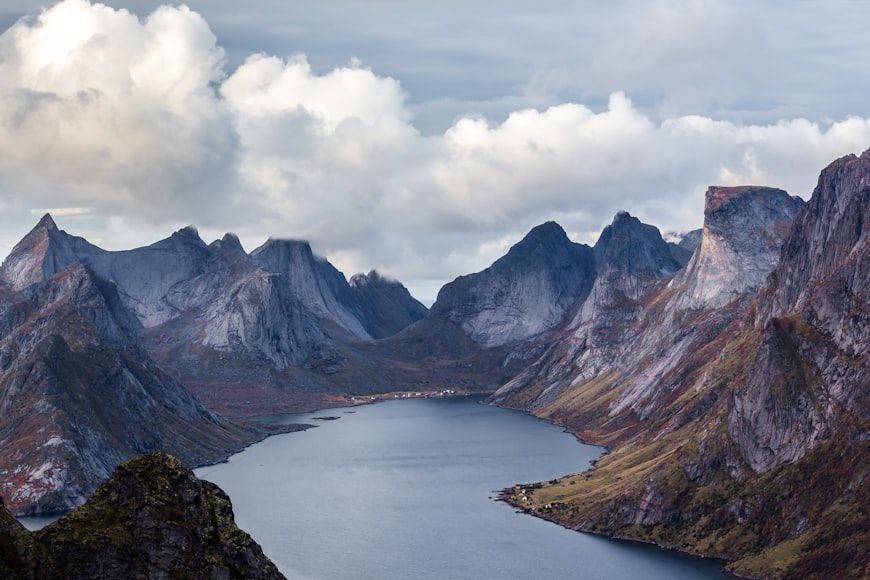
Fjord

Credit: Ferdinand Stöhr

What do the words fjord, ford, and port have in common? They all come from the same Indo-European word meaning ‘crossing’, but through different languages. Old English ford retained the meaning of ‘a shallow river crossing’, while Latin portus was adopted as port (a harbor), and Old Norse fjǫrðr was adopted as fjord (an inlet or estuary that gave passage from the sea to the land).

4

Ski

Credit: Maarten Duineveld

Nordic countries deal with much more snow than England, so the adoption of snow-adjacent vocabulary seems only logical. In addition to this, most of the English terms that start with sk- are of Norse origin. The word ski comes from the Old Norse skíth (meaning ‘snowshoe’), and it was adopted into English during the 18th-century. Related words such as slalom (a sloping track) are of the same origin.

5

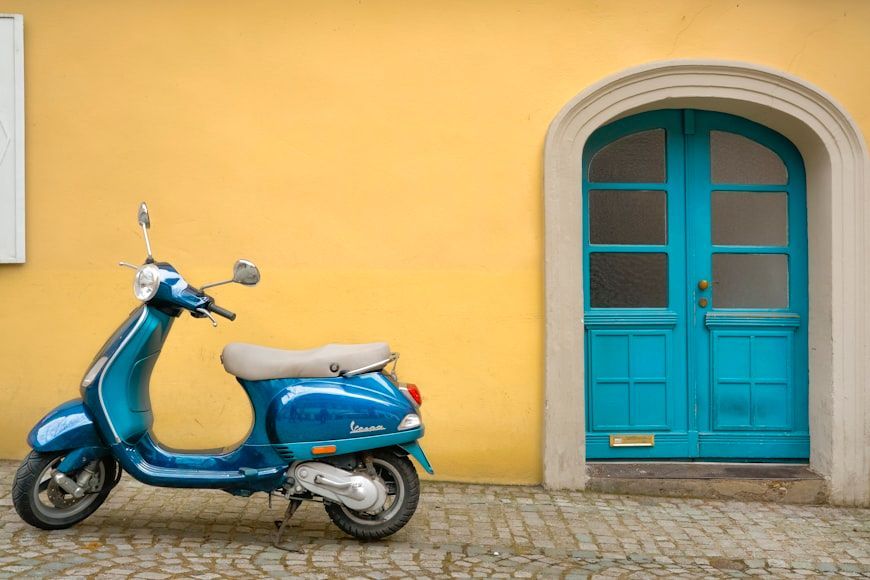
Moped

Credit: Ruslan Bardash

This word, from Swedish origin, was adopted in the 1950s, but it is actually a portmanteau. The original name was trampcykel med motor och pedaler or ‘pedal cycle with engine and pedals’. It seems that the name was a mouthful even for the Swedish, because the shortened version was coined by them.

6

Gang

Credit: Hannah Busing

Nowadays, gang can have a negative connotation in some contexts, but it can also be used in a more neutral sense. This neutral use (gang as ‘group’) comes from Old Norse gangr or ganga, meaning ‘going’ or ‘journey’. Adopted into English, the meaning of gang shifted to ‘a group of people’.

7

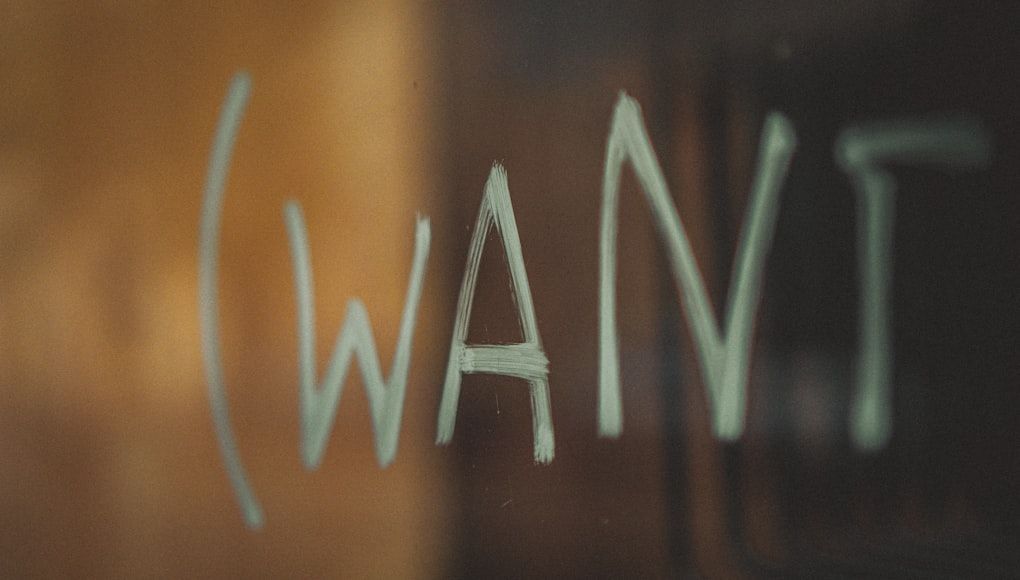
Want

Credit: Christian Lue

People want the things that they don’t have, and that is the origin of this very important English verb. In Old Norse, vant was a neutral form of vanr, ‘deficient, lacking’. Vanta was ‘to be lacking’. Although the word was adopted by English with the meaning of ‘lacking’ something, its original notion was later extended to ‘needing’ and then ‘desiring’.

8

Scuffle

Credit: Devon Janse van Rensburg

The origins of this term are Scandinavian, most likely the Swedish skúfa, meaning ‘to shove’ or ‘to push’. It was adopted into English in the 1500s to describe small, clumsy tussles and fights, though it later adopted also the meaning of moving in a confused or hurried way.

9

Hygge

Credit: Sixteen Miles Out

A much more modern term, hygge became popular in English in the last decade. This Danish word is impossible to translate, and it's used to describe a feeling of coziness, contentment, and comfort. Through its Old Germanic roots, hygge is related to the English hug.

10

Geyser

Credit: Emily Campbell

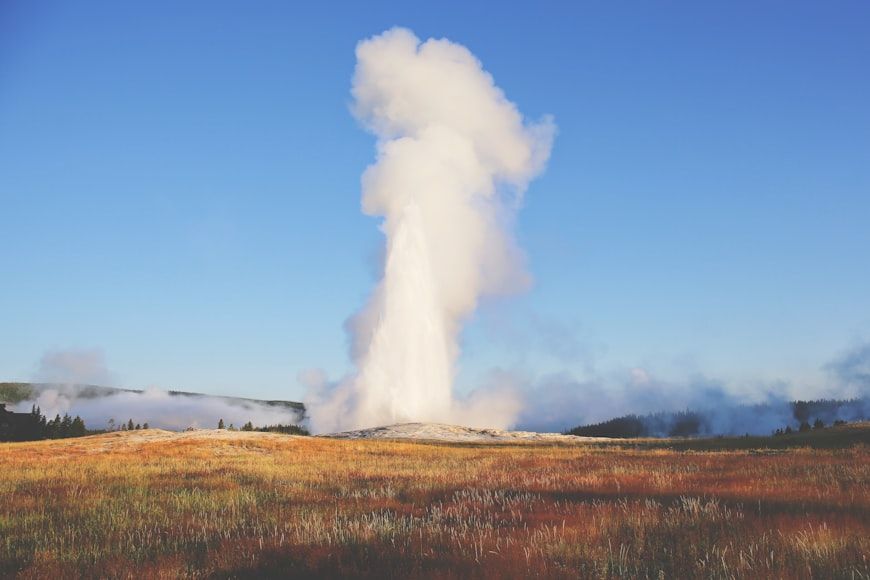
Did you know that geysers are named after an Icelandic geyser called Geysir? The name comes from the Icelandic verb geysa, meaning ‘to gush’ or ‘to go forward’. The Icelandic word for geyser is goshver, but Geysir was so famous that English adopted it as a generic name for all spouting hot springs in the 18th century.



Bookworms reunite!

Test your memory: Match these iconic first lines to books!


Published on February 12, 2026


Credit: Thought Catalog

Don’t you just love a good puzzle? Let’s play a round with some of the most unforgettable first lines in literature. You’ll get a taste of the sentence that set the whole story in motion, plus a quick description of what’s ahead, but without spoiling the title just yet. Don’t worry, the answers are waiting for you further down. Settle in with a cup of coffee and see how many you can get right.

1

Line #1

Credit: Olga Tutunaru

"It is a truth universally acknowledged that a single man in possession of a good fortune must be in want of a wife."

This tale begins in the English countryside, where money, marriage, and manners mix into a lively social dance. The plot follows daughters hoping to secure their futures, nosy neighbors, and a string of misunderstandings that continue to make readers smile centuries later.

2

Line #2

Credit: Rey Seven

"It was a bright, cold day in April, and the clocks were striking thirteen."

Here we step into a chilling future where language is twisted, history is rewritten, and even private thoughts aren’t safe. The story follows one weary worker caught between his conscience and a system that demands absolute obedience. What book is it?

3

Line #3

Credit: Olga Tutunaru

"Call me Ishmael."

The voice belongs to a man who signs on for an epic sea voyage. He joins a crew on a whaling ship, but the real focus is the captain’s dangerous obsession with one particular creature of the deep. The narrator watches it all unfold, with plenty of salt air, danger, and philosophy along the way. Did you guess it already?

4

Line #4

Credit: Clay Banks

"It was the best of times, it was the worst of times…"

This famous opening sweeps us into Europe during a period of revolt and upheaval. In the middle of political storms, two very different men are drawn together by love and sacrifice. It’s a mix of history, tragedy, and hope packed into a sweeping tale that still resonates today. If you don’t know which book it is, keep scrolling and find the answer!

5

Line #5

Credit: Sixteen Miles Out

"It was a pleasure to burn."

You probably know this one! In this dystopian world, books are outlawed, and firemen don’t put out flames; they actually start them. The main character loves his job at first, but soon starts questioning everything. His journey is one of rebellion, discovery, and danger.

6

Line #6

Credit: Francesca Zanette

"All happy families are alike; each unhappy family is unhappy in its own way."

This story transports us to imperial Russia, with shiny ballrooms on one side and a private heartbreak on the other. At its center is one woman whose scandalous choices send shockwaves through her family and society. The novel balances love, betrayal, and tragedy in a way that continues to captivate readers today. Dare to take a guess? Now it’s time to find out the answers!

7

Book #1: Pride and Prejudice by Jane Austen

Credit: Elaine Howlin

Elizabeth Bennet’s wit still enchants readers more than two centuries later. Austen uses humor and sharp observation to poke fun at social climbing, marriage expectations, and the limited options women had in 19th-century England. No wonder this book has never gone out of style, huh?

8

Book #2: 1984 by George Orwell

Credit: Viktor Forgacs

That thirteen-o’clock moment instantly signals that something’s off. Orwell’s novel still feels eerily relevant, with its Big Brother surveillance, strict Party rules, and the constant manipulation of truth. At once a warning and a masterpiece of storytelling, it continues to haunt readers decades after its first publication.

9

Book #3: Moby-Dick by Herman Melville

Credit: Eir Health

Ishmael’s short self-introduction kicks off one of America’s greatest novels. The real star, though, is Captain Ahab, whose obsession with the white whale drives the entire plot. Melville delivers an unforgettable blend of high-seas adventure, philosophical reflection, and haunting obsession.

10

Book #4: A Tale of Two Cities by Charles Dickens

Credit: Daniela Muntyan

Dickens contrasts London and Paris during the French Revolution, capturing both cruelty and courage. The famous first line sets the tone for the chaos of the times. And in the end, one character’s ultimate sacrifice delivers one of the most moving finales in literature.

11

Book #5: Fahrenheit 451 by Ray Bradbury

Credit: Marvin Meyer

Guy Montag, the book-burning fireman, slowly wakes up to the emptiness of his world. Written in the 1950s, Bradbury’s novel eerily anticipates issues ranging from mass entertainment to censorship, delivering a timeless and powerful warning. Simply a masterpiece.

12

Book #6: Anna Karenina by Leo Tolstoy

Credit: Europeana

Tolstoy opens with a sweeping truth about families, before delving into Anna’s personal tragedy. The novel blends love, betrayal, and questions of duty, all set against the backdrop of 19th-century Russian society. It remains one of the most ambitious and enduring novels ever written.

Looking for an extra scoop of literary fun?

Learn more with our Word of the day

stark

/stɑrk/