Who knew?
Was the sinking of the Titanic foretold? Writers who predicted the future
Published on November 16, 2025
 Image: Michael Dziedzic
Do modern inventions ever remind you of things you’ve read in old books? Do you ever find yourself pointing and saying, "Just like The Jetsons!" or "The Simpsons predicted this!"? Sometimes, real life ends up imitating art, even centuries later. Let’s explore 11 cases where writers anticipated the future, ranging from logical to downright eerie.
The sinking of the Titanic
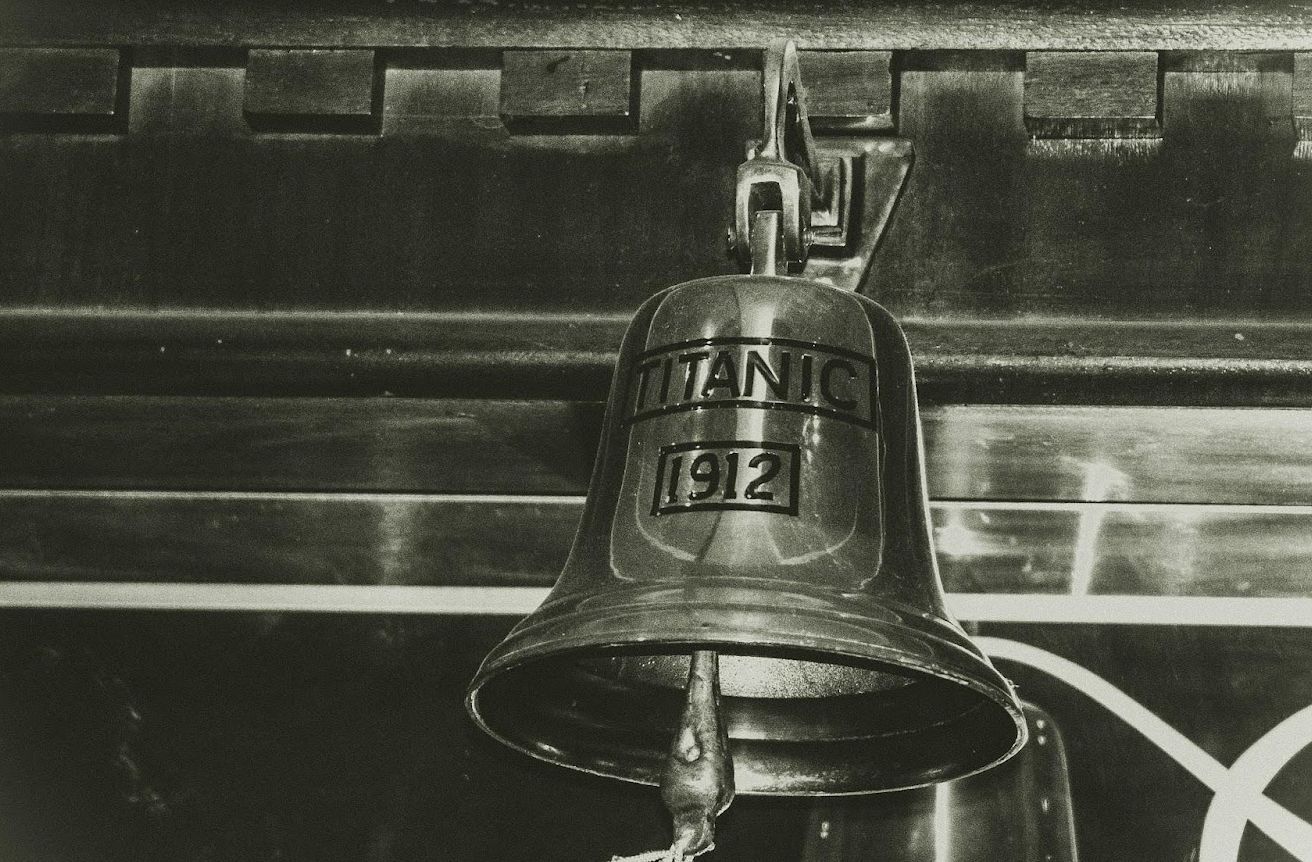 Image: K. Mitch Hodge
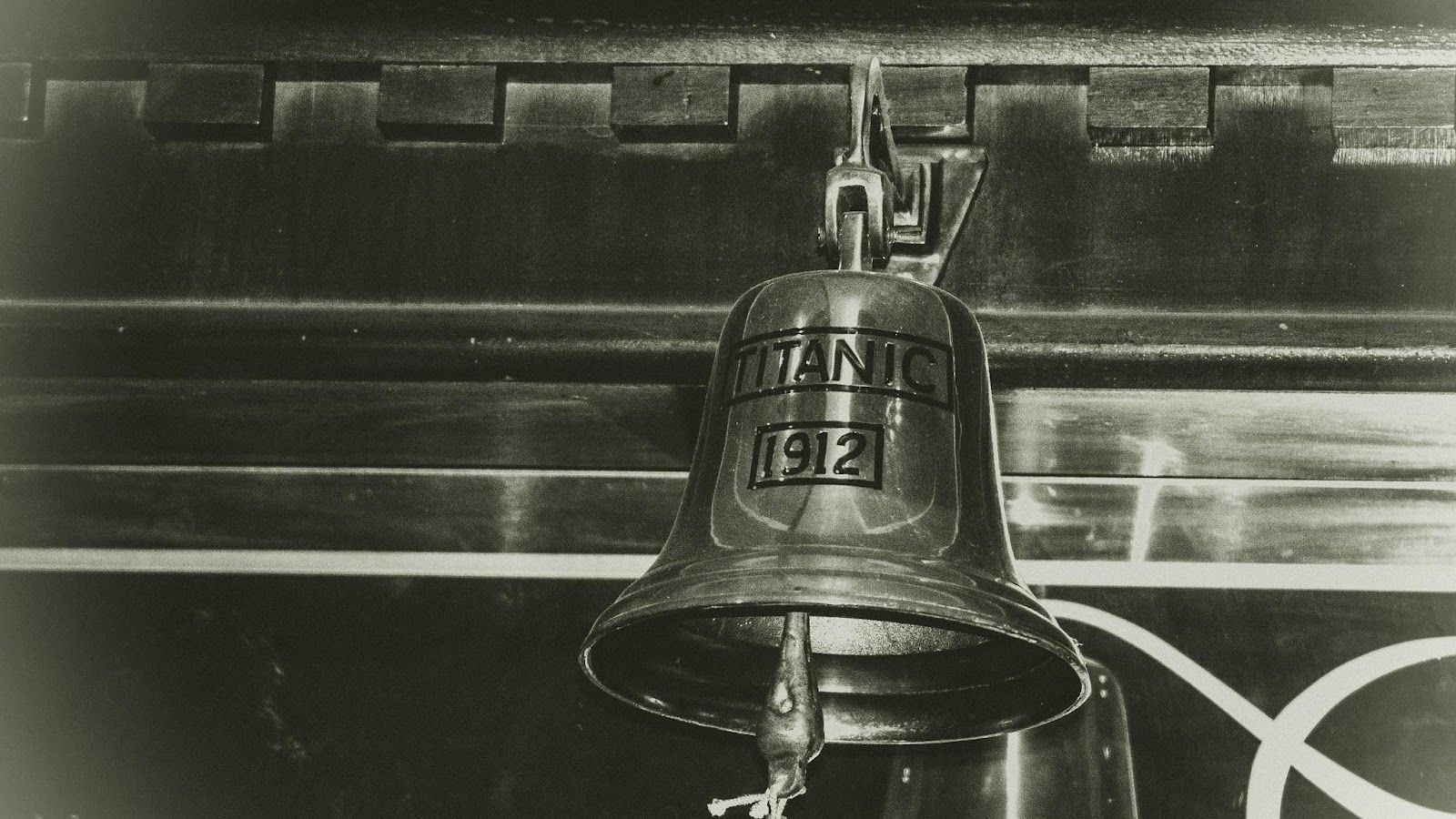
Did you know that a novel from 1898 predicted the Titanic disaster with an eerie degree of precision? Fourteen years before the real event, there was... the Titan.
Morgan Robertson published Futility, later retitled The Wreck of the Titan. It told the story of a massive British ocean liner called the Titan, described as unsinkable. The ship struck an iceberg in the North Atlantic, carried too few lifeboats, and sank in April, all details that mirror the Titanic tragedy.
Screens in the form of tablets
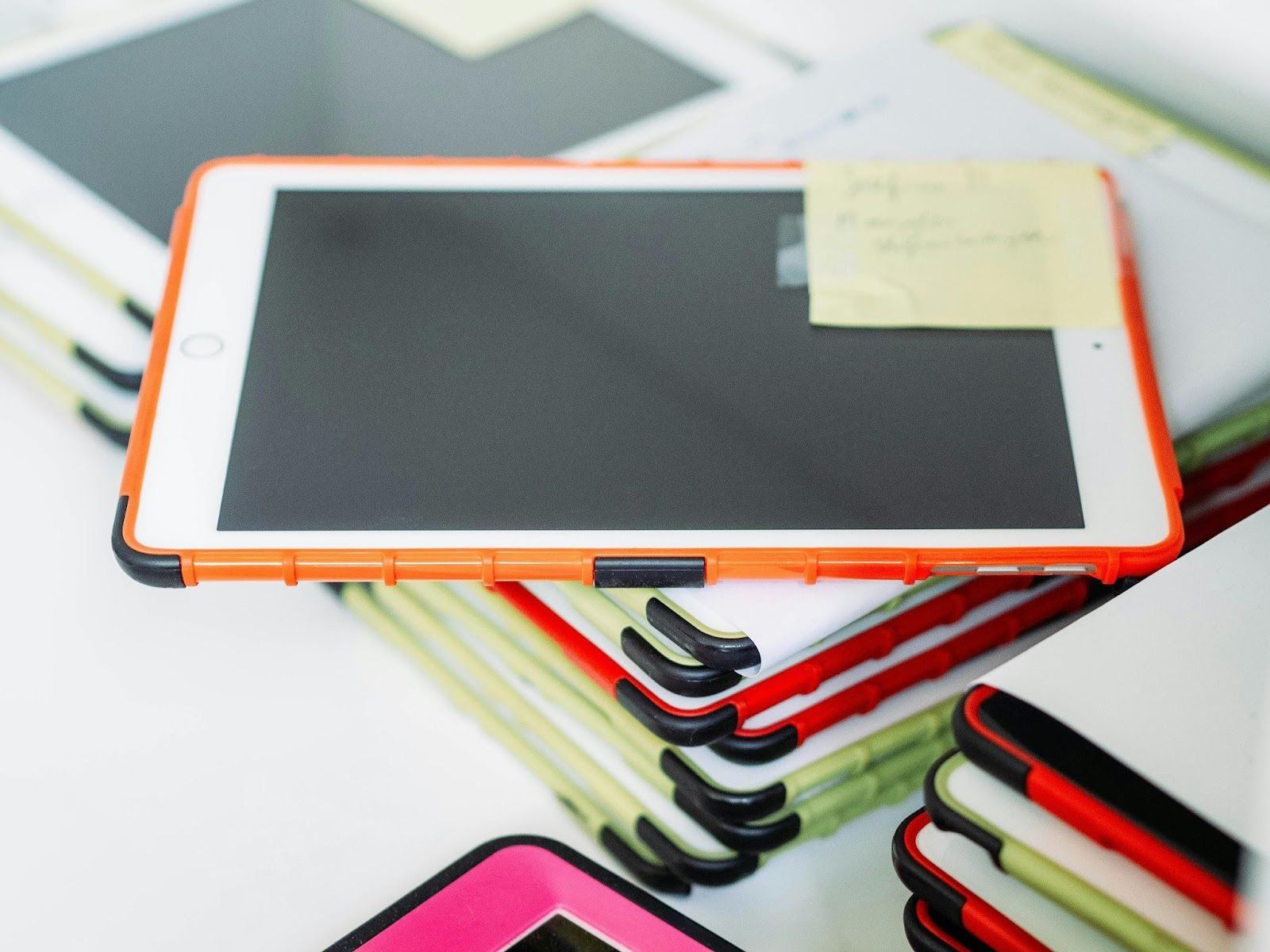 Image: Arthur Lambillotte
Isaac Asimov imagined the iPad, more or less, back in 1964. In an essay for The New York Times, the sci-fi legend described what life might look like in 2014. Among his predictions was that people would use a "compact screen" to read books, watch videos, and communicate with others, all without ever leaving their homes.
Asimov essentially foresaw smart electronic tablets and even hinted at remote work and distance learning decades before they became reality.
Walt Disney Co. purchasing Fox
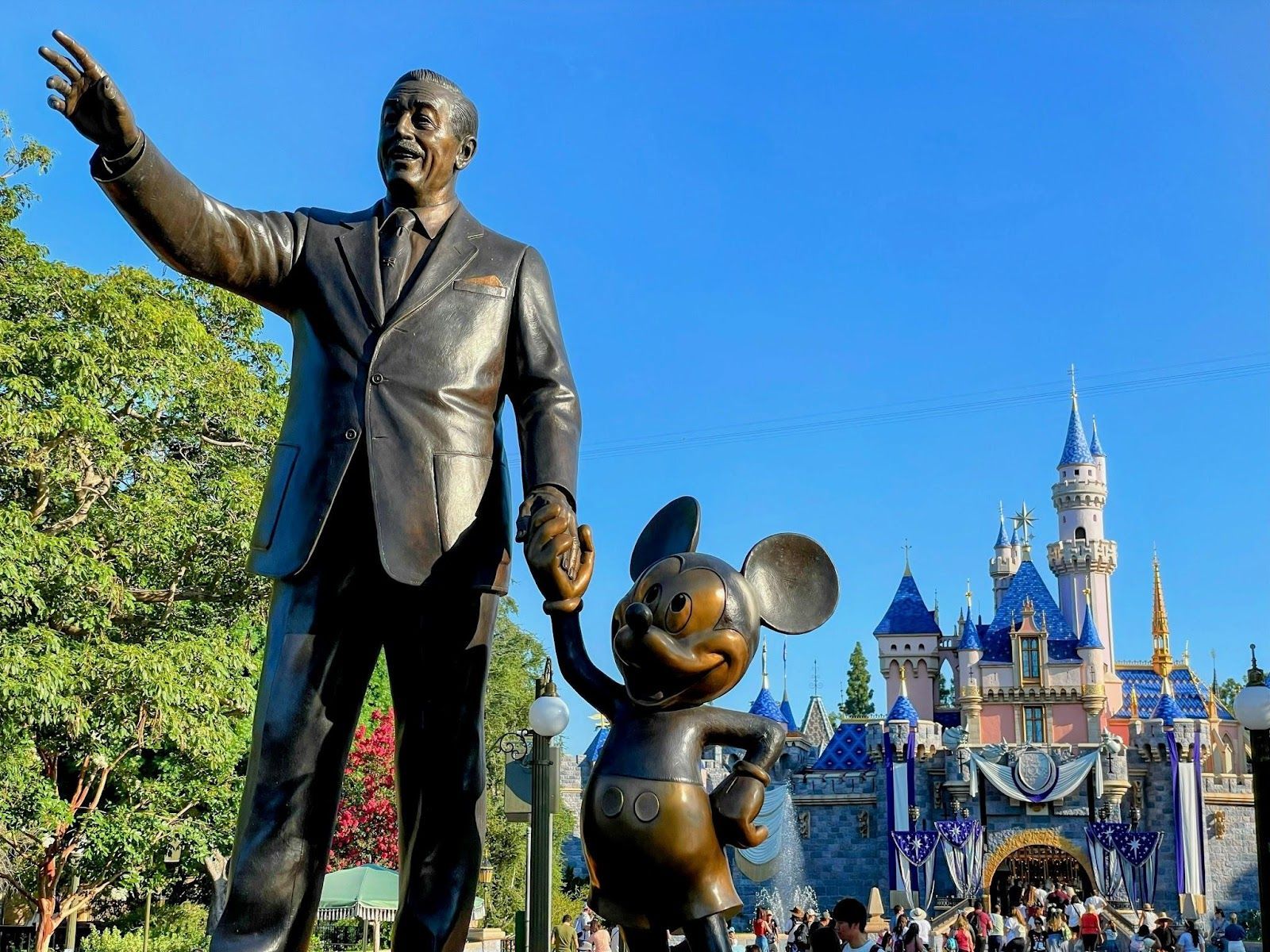 Image: Steve DiMatteo
In a 1998 episode of The Simpsons ("When You Dish Upon a Star"), Homer crashes into a Hollywood meeting and we briefly see a sign that reads: "20th Century Fox — a division of Walt Disney Co."
At the time, this was a playful nod to Disney’s ever-growing empire. But in 2019, it became real: Disney acquired 21st Century Fox for $71.3 billion.
Spaceships launched from Florida
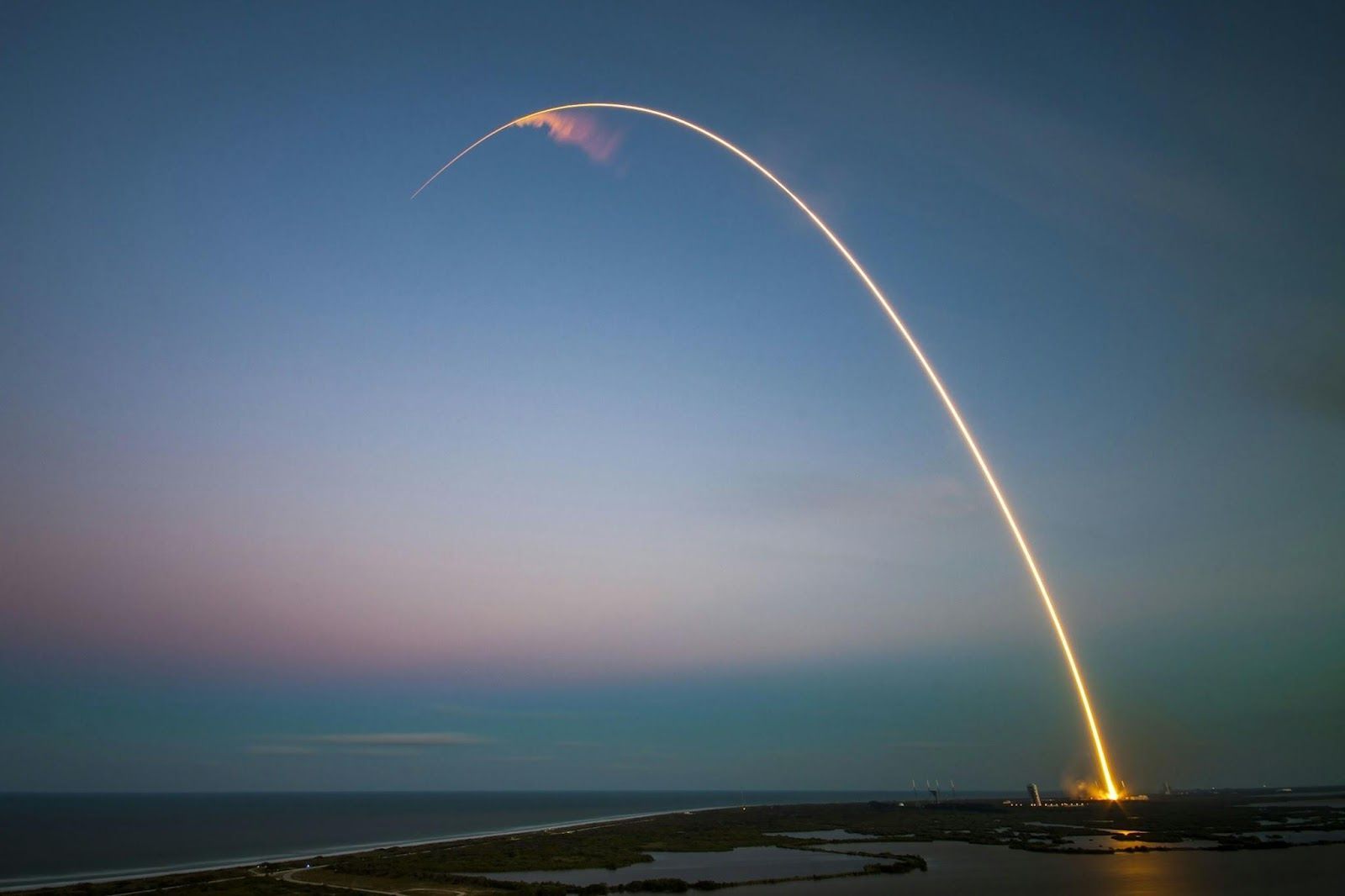 Image: SpaceX
In his 1865 novel From the Earth to the Moon, Jules Verne got more than one detail right, including which U.S. state would one day launch spaceships.
Verne imagined a three-man crew in a projectile fired from Florida (near modern-day Cape Canaveral) that splashed down in the Pacific Ocean. Yes, just like Apollo 11, more than a hundred years later. That’s a remarkably accurate prediction for a piece of fiction written during the Civil War era!
Video calls and conferences
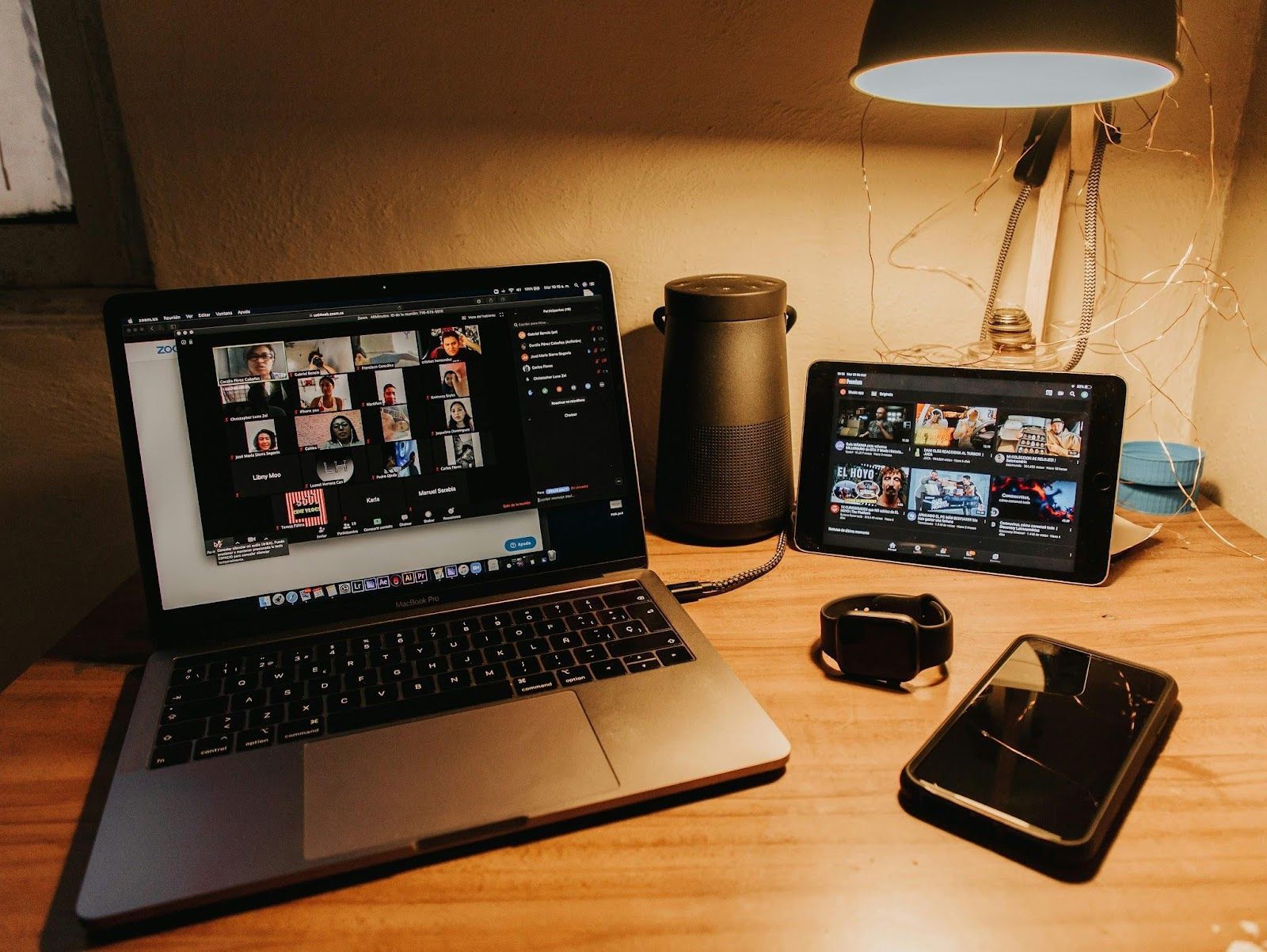 Image: Gabriel Benois
Do you remember seeing people communicate through large flat screens in The Jetsons and laughing at it as an exaggerated gag about the future? Well, who’s laughing now?
In Hanna-Barbera’s 1962 show, the characters used "televiewers" to chat across long distances, surprisingly similar to how we use Zoom or FaceTime today. Other works, like E.M. Forster’s The Machine Stops (1909), had predicted remote video communication even earlier, but The Jetsons cemented the concept visually in pop culture.
In vitro fertilization
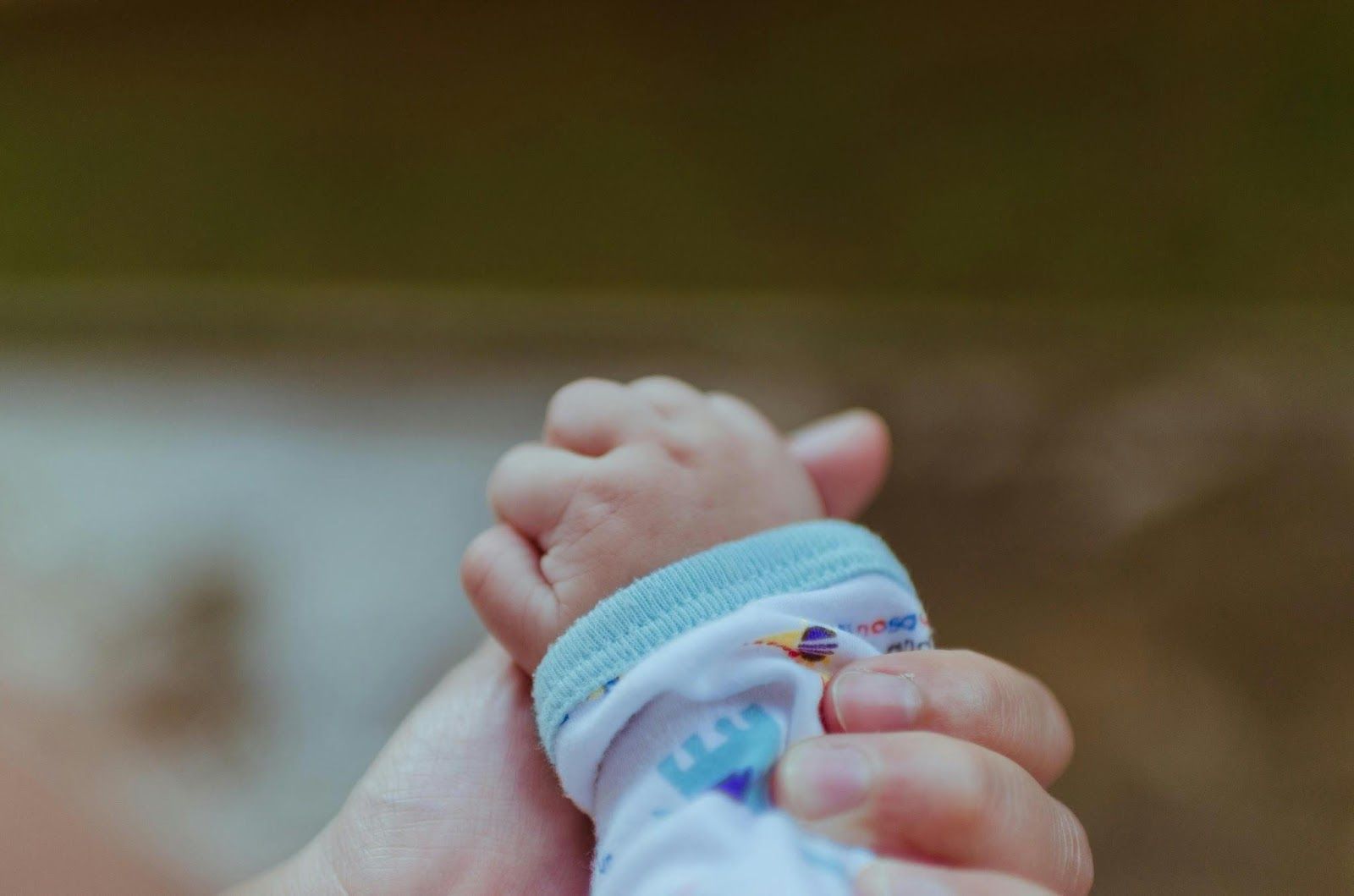 Image: bady abbas
IVF was predicted as far back as 1924, 54 years before the first "test-tube baby" was born.
British biologist J.B.S. Haldane imagined a world of artificial reproduction. In his essay Daedalus; or, Science and the Future, he coined the term "ectogenesis" to describe babies being grown outside the womb.
AI as a widespread therapy
 Image: Emiliano Vittoriosi
In Steel Beach (1992), sci-fi author John Varley envisioned a future where artificial intelligence provided therapy. In his story, the Central Computer actively counsels people, offers psychological evaluations, and responds to emotional needs.
At a time when AI was still seen as a cold, mechanical concept, Varley’s story offered a surprisingly human twist. Today, studies show that many people using AI chatbots turn to them for emotional support and counseling.
The concept of robots (while installing the name)
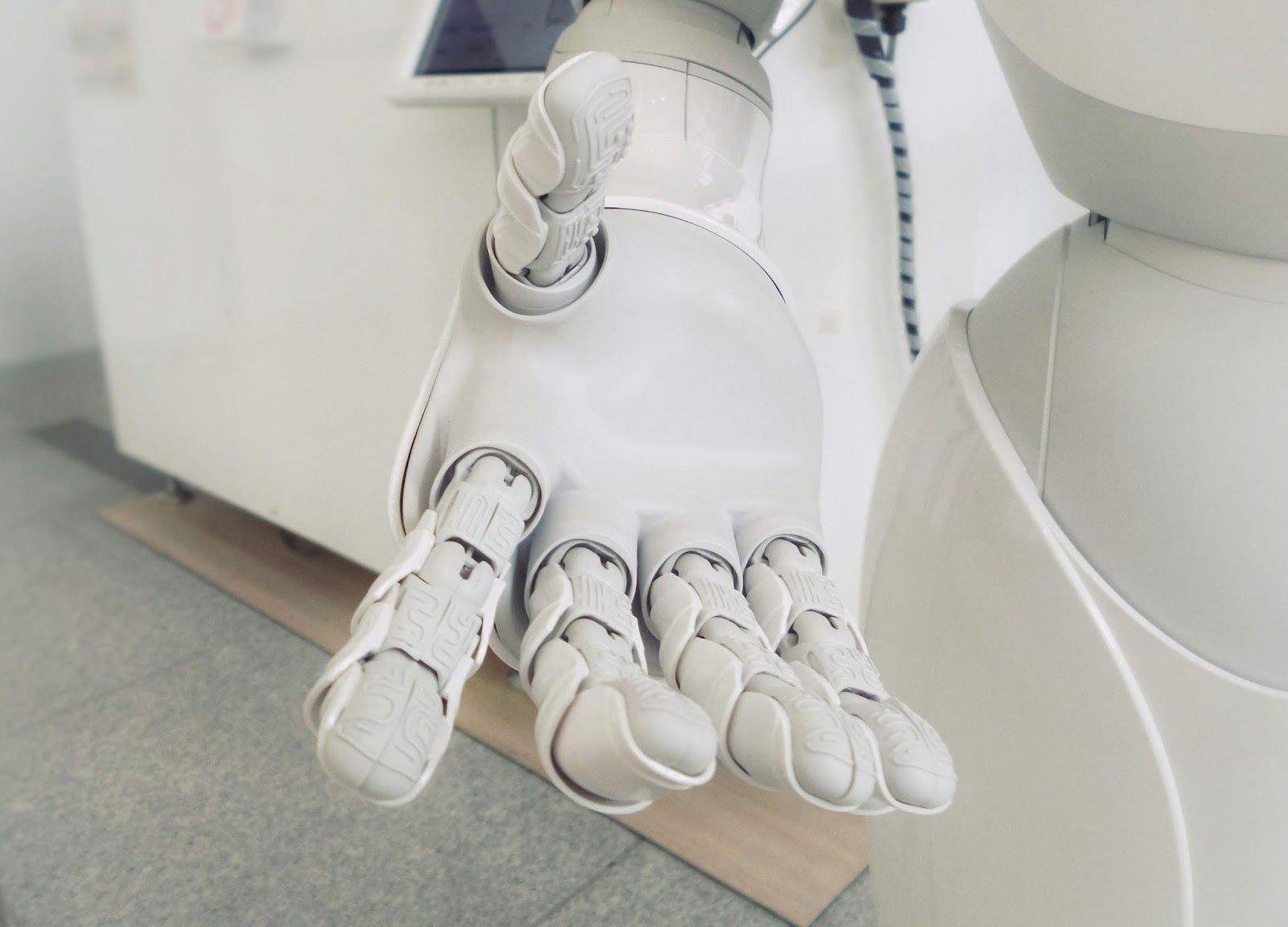 Image: Possessed Photography
The word "robot" entered the English language in 1920 through a Czech play titled R.U.R. (Rossum’s Universal Robots) by Karel Čapek. These "robots" weren’t mechanical machines but biological workers created to serve humans. The name came from the Czech word robota, meaning "forced labor." A century later, the term has clearly stuck.
Artificial (slightly scary) intelligence
 Image: Mateo Avila Chinchilla
In 2001: A Space Odyssey (1968), Arthur C. Clarke introduced HAL 9000, an AI so advanced it could carry out conversations, read lips, and make decisions. But Clarke’s futuristic vision also included video calls, flat-screen tablets, and casual digital multitasking, all decades before such technology existed.
HAL’s breakdown was fiction, but Clarke accurately foresaw how machines would gradually take over our attention.
Lab-grown meat
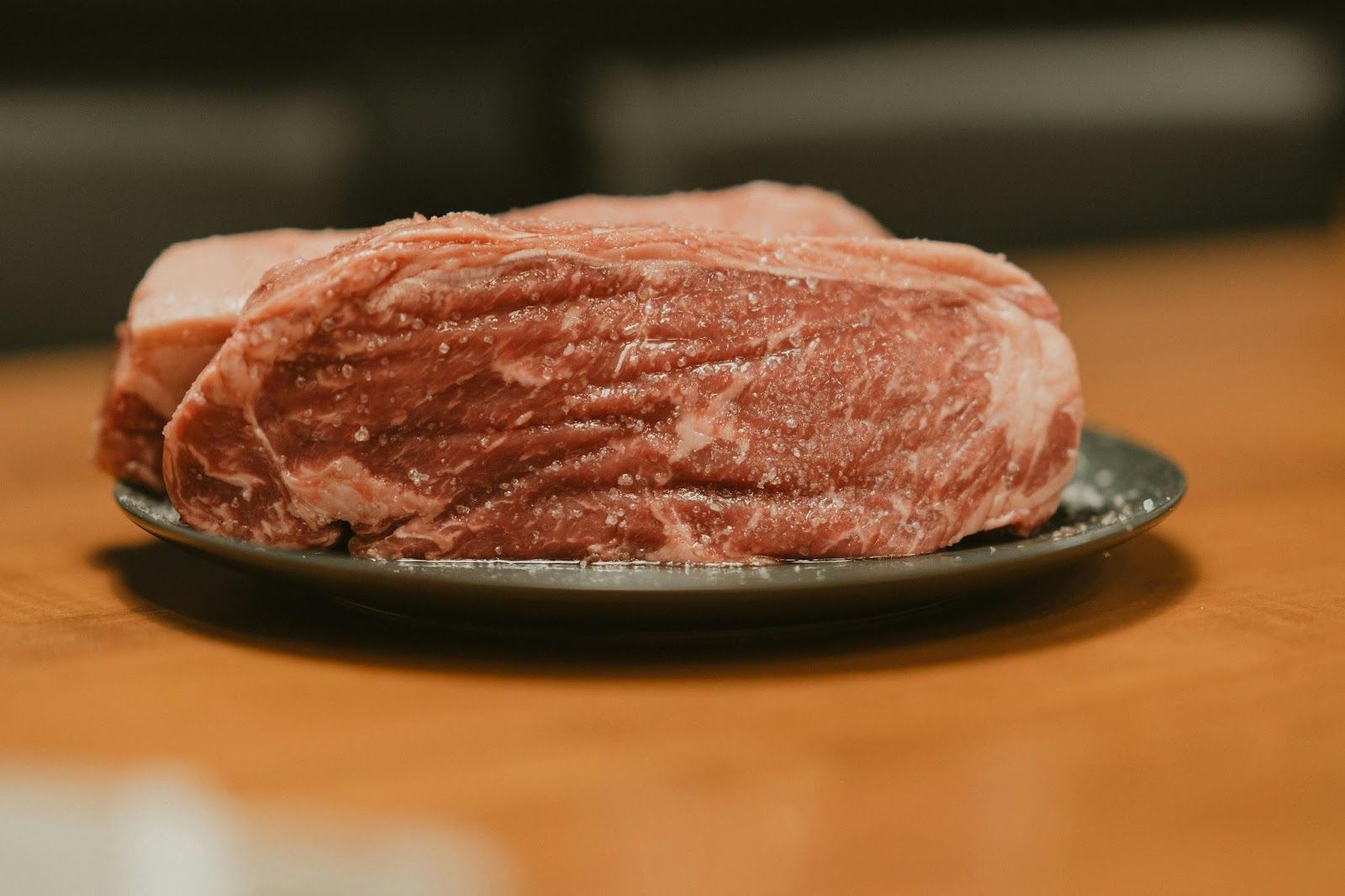 Image: Olivier Amyot
In 1880, Mary E. Bradley published her book Mizora: A Prophecy. Maybe not all of the details in her all-female utopia were prophetic, but she did get one thing right: artificially grown meat. In her world, food wasn’t farmed but created through chemical processes in laboratories.
It sounded outlandish at the time, but today some food companies are doing exactly that. Bradley’s vision came long before environmentalism or animal rights were mainstream. Somehow, in a story about feminism and science, she also imagined what we might now call the vegan burger.
The commercial use of credit cards
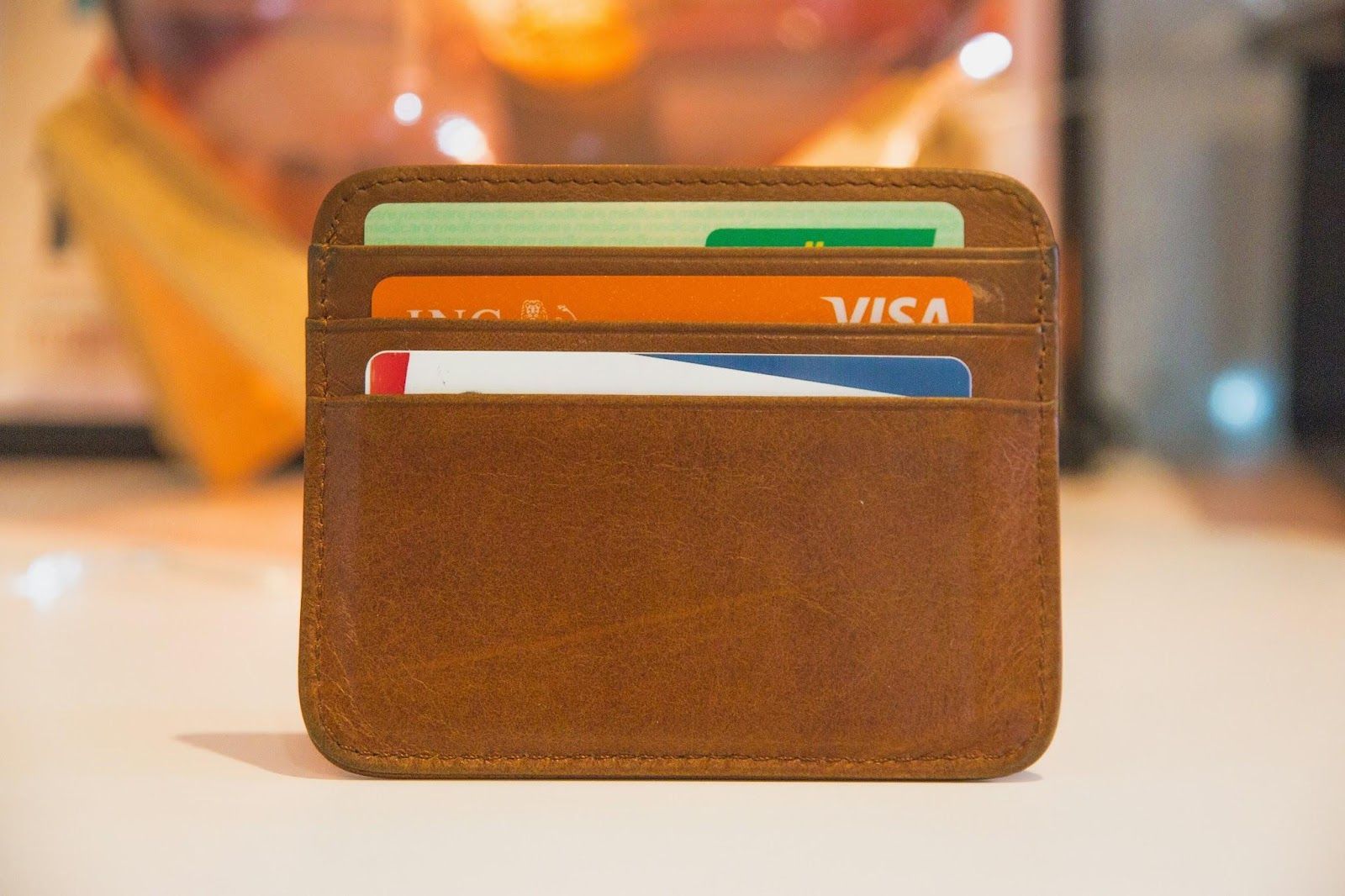 Image: Stephen Phillips - Hostreviews.co.uk
Credit cards might seem like a very modern invention, but they were anticipated in an 1888 novel. Looking Backward, by Edward Bellamy, imagined a future in the year 2000 where everyone received a card loaded with "credit" from the government. People used this card to access goods from massive communal warehouses—similar to what we today would call department stores.