Words to live by

The Italian phrase that turns doing absolutely nothing into an art form


Published on August 15, 2026

Image: Thomas Bethge

Every culture looks at life through its own lens: from a farmer in old Japan to a poet in ancient Rome, they all figured out their own version of "life's too short, don't be a fool about it". But some languages found the perfect handful of words to capture an idea that other languages take a whole paragraph to fumble through. You've probably heard "Carpe diem" shouted by Robin Williams in Dead Poets Society, or maybe your grandfather liked to say "a bird in the hand is worth two in the bush" (which got a big boost from Benjamin Franklin, who printed it in his famous almanac). Here are 10 more gems worth adding to your back pocket.

1

"C'est la vie" (French: "that's life")

Image: Nicoleta Ionescu

You say this when something annoying or disappointing happens and there's simply nothing to be done about it: you missed the bus, the soup's too salty, whatever the case may be. Nobody can pin down exactly when it started, but it's been part of everyday French speech for centuries, and it slipped into English decades ago.

The closest American equivalent is probably "such is life" or the more resigned "it is what it is."

2

"Il dolce far niente" (Italian: "the sweetness of doing nothing")

Image: JaySi

This one celebrates lounging around guilt-free: sipping coffee, watching the world go by, accomplishing absolutely nothing on purpose. It's tied to Italy's relaxed approach to life and shows up whenever someone wants to justify an afternoon nap.

There's no single inventor; it's just baked into Italian culture. English doesn't really have a phrase this poetic, though "kicking back" or "taking it easy" gets at the same idea, minus the charm.

3

"Que será, será" (Spanish: "whatever will be, will be")
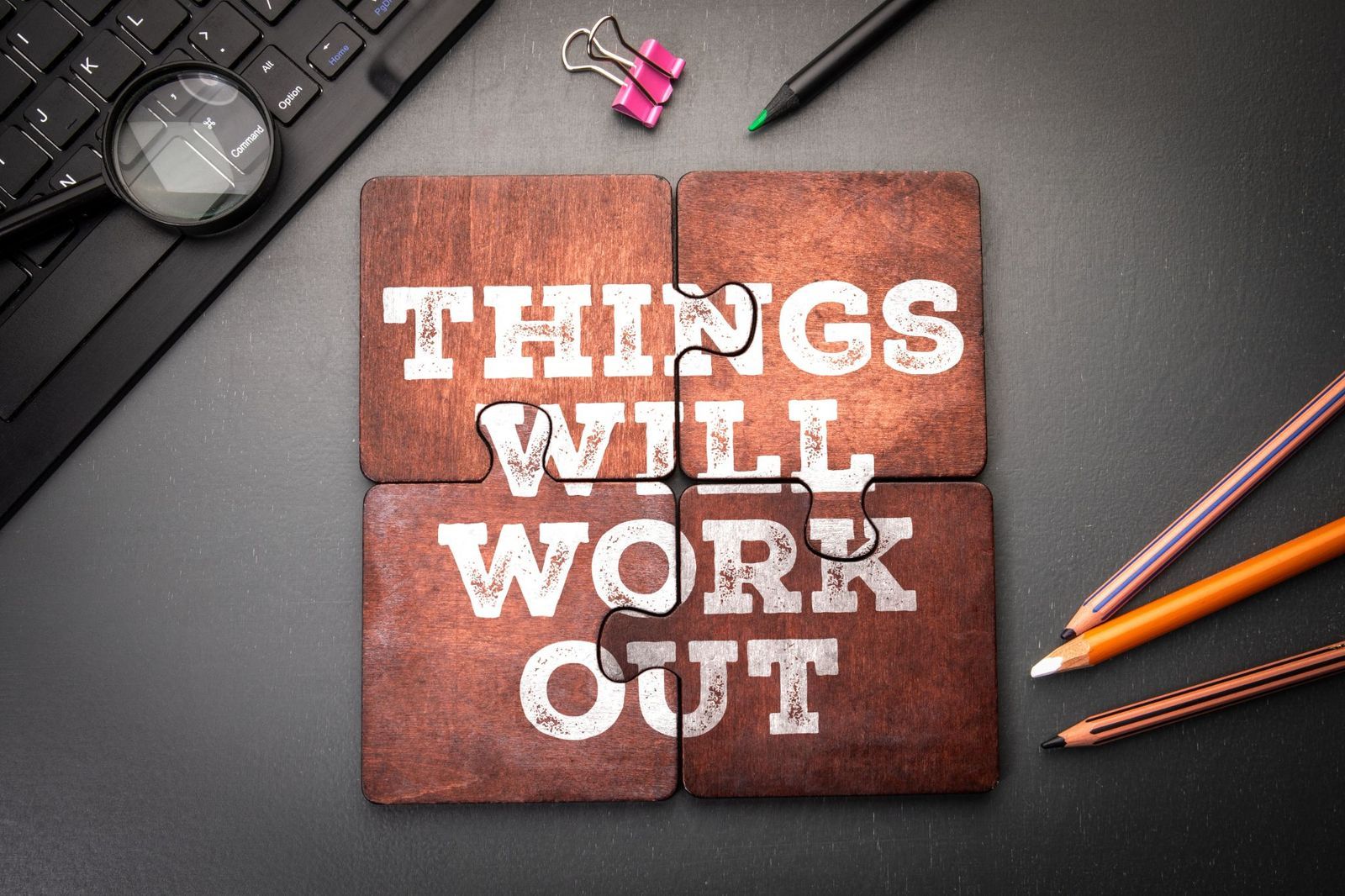
Image: stoatphoto

A gentle way of saying "don't stress about the future, it'll work out how it works out." Many Americans know it from the 1956 Doris Day song, though the phrase itself is older and its exact origin is fuzzy; some trace similar sayings back to medieval Europe. It's perfect for calming down a worrier before a big decision.

English speakers might reach for "what will be, will be" or simply "it'll all work out."

4

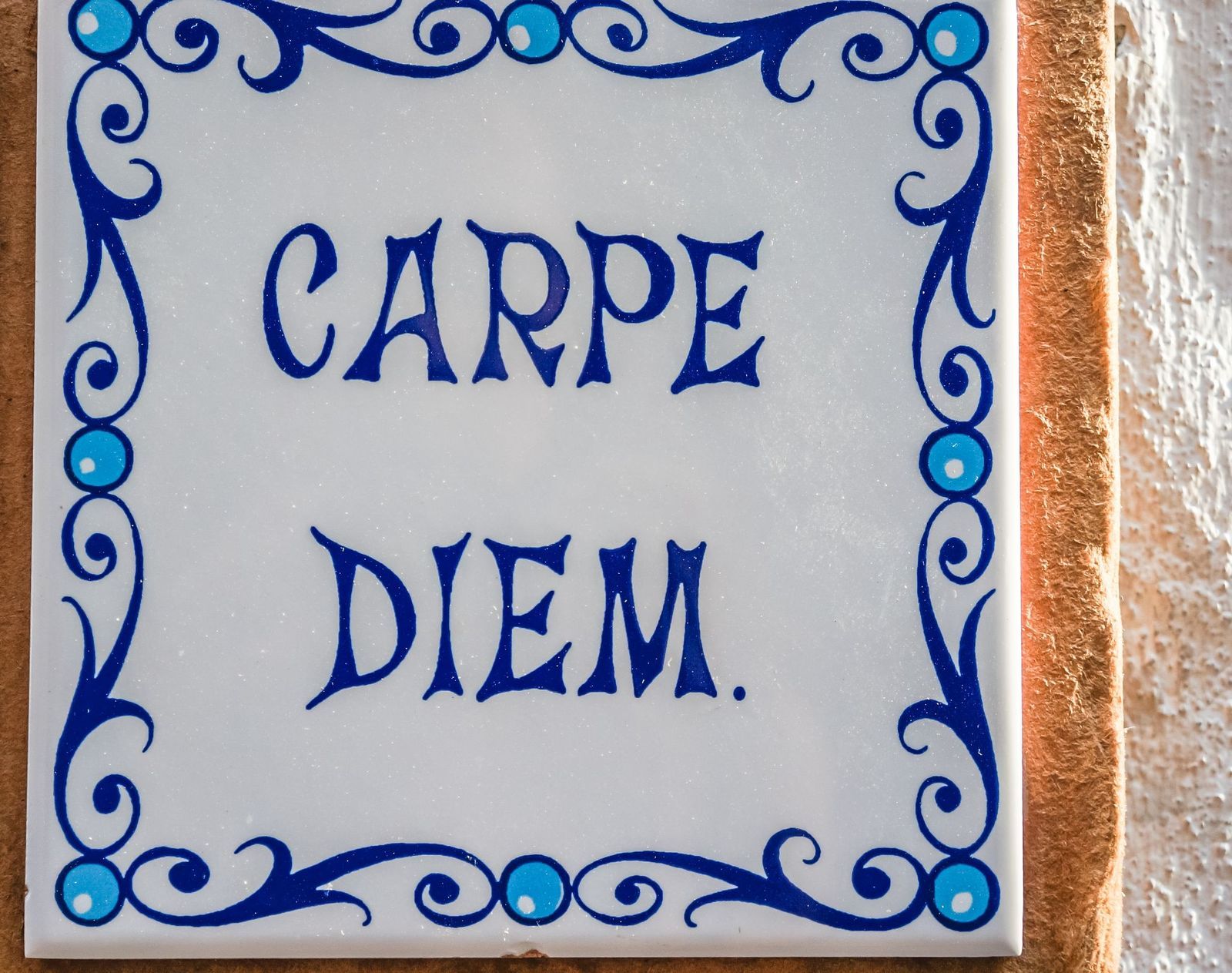
"Carpe diem" (Latin: "seize the day")

Image: Indre Brazauskaite

This one comes straight from the Roman poet Horace, around 23 B.C., urging readers to grab pleasure from today instead of banking on tomorrow. It became a household phrase in America after that unforgettable scene in Dead Poets Society. Use it anytime you're pushing someone (or yourself) to stop overthinking and just do the thing.

The English cousin is "no time like the present."

5

"The best time to plant a tree was 20 years ago" (often called a Chinese proverb)

Image: Yury Zap

The message is: you can't undo a late start, but you can still act now instead of moping around. It's often attributed to ancient Chinese farming wisdom, though nobody can point to an exact author or date. People say this when someone's beating themselves up over a delayed career change, workout plan, or savings account.

The nearest English saying is "better late than never."

6

"Deru kui wa utareru" (Japanese: "The nail that sticks up gets hammered down")

Image: Cagkan Sayin

This reflects a traditional Japanese value of blending in and not causing friction within the group. It's used to explain why someone might hold back from bragging or standing out too much at work or school, even when they deserve more credit. Its exact origins are unclear, but it's long been considered a summary of Japanese social norms.

English has "the squeaky wheel gets the grease"; funny enough, the opposite advice.

7

"When the music changes, so does the dance" (Africa, various regions)

Image: Elena_Alex_Ferns

This proverb, heard across several African countries without one confirmed birthplace, is about adapting when circumstances shift: new boss, new rules, new season of life, whatever the case may be. It's the wise elder's way of saying "stop dancing to a song that already ended."

Americans might say "roll with the punches" or "go with the flow" instead.

8

"A bird in the hand is worth two in the bush" (England)
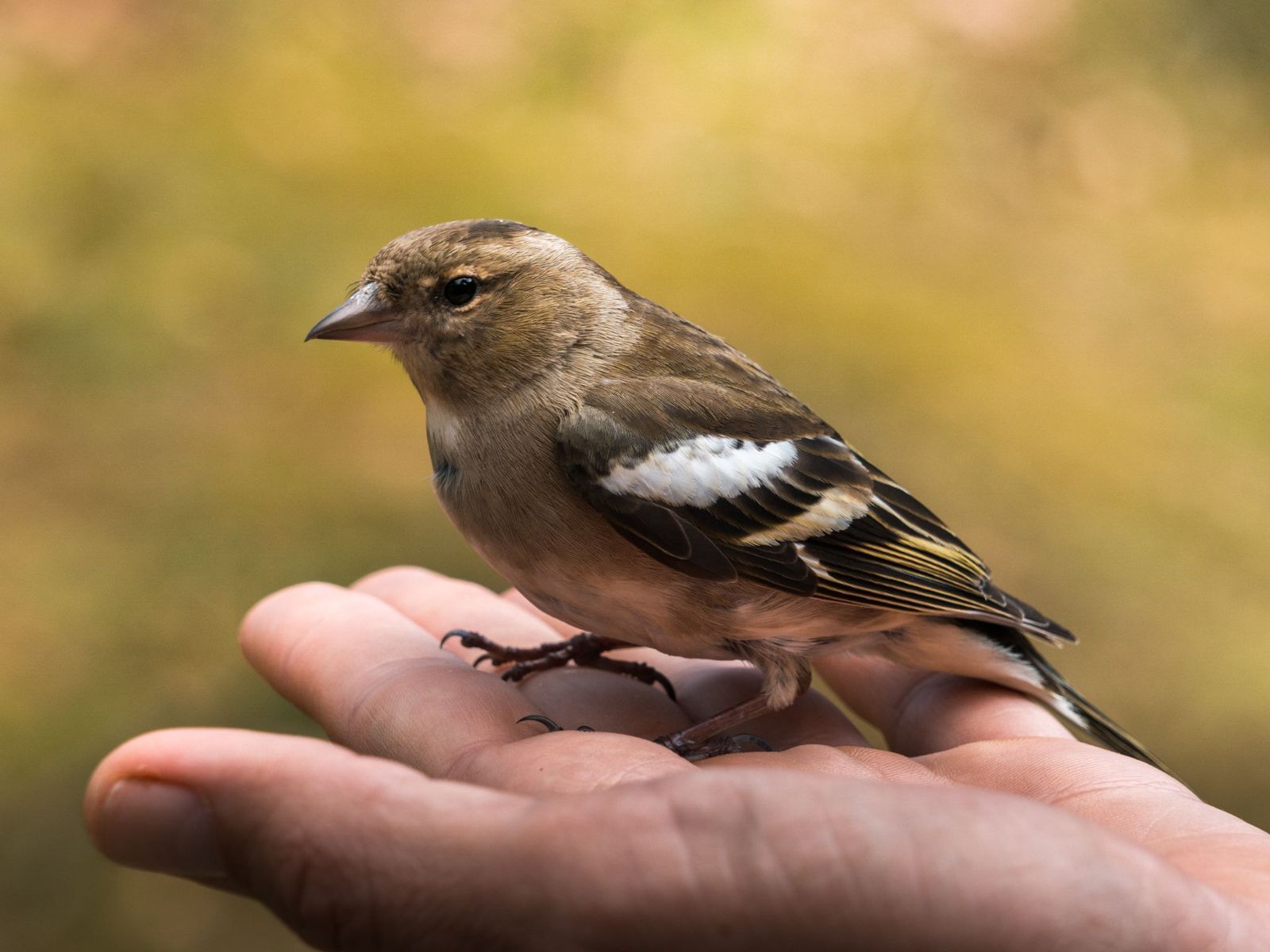
Image: Ansems - de Jong

This warns against risking something certain for something uncertain, however tempting. Benjamin Franklin printed it in his famous Poor Richard's Almanack in the 1700s, though the saying is actually much older, tracing back to medieval English and even earlier fable traditions. It's the go-to line when someone's tempted to gamble a sure thing for a "maybe better" option.

9

"Ubuntu: I am because we are" (African philosophy)

Image: PeopleImages

Rooted in Southern African culture, this idea states that your identity and wellbeing are tied to your community and that you don't exist in isolation. Archbishop Desmond Tutu helped popularize it worldwide during South Africa's post-apartheid years. It's used to encourage compassion and teamwork, and to remind us that we're all connected.

English doesn't have a tidy one-liner for this, though "no man is an island" comes close.

10

"Wo de tian!" (Chinese: "Oh my heavens!")

Image: TimeImage Production

This is simply an exclamation of shock or disbelief, the Mandarin cousin of "oh my gosh!" There's no dramatic origin story here; it's everyday, casual speech, useful for when you accidentally drop your phone in the toilet or hear surprising gossip.

The English equivalent is right there in the translation: "oh my heavens" or "good grief."


WHAT IS A MEME, ANYWAY?

Catfishing & Beyond: 10 everyday words with different meanings online


Published on August 15, 2026


Image: Onur Binay

Each niche of human culture and experience creates its own lingo, with unique expressions to describe the interactions and objects that define its universe. But, being a realm populated mostly by the younger generations, the internet has been brave and unceremonious enough to borrow its slang from various sources. In the online world, a sandbox is not a cube full of sand for the children to play in, and a troll is not a mythical creature to be afraid of. So, scroll on, and discover 10 of these borrowed words that mean different things in the real world and the land of the internet.

1

Bump

Image: Armin Babakhani

While, in the real world, a bump is an obstacle of some sort, in the online world, the term "bump" refers to the action of moving an online post or thread to the top of the list by adding a new comment or post to the thread.

This is done to make that post or thread more visible and readily available for everyone.

2

Block

Image: Dillon Winspear

A word with a similar meaning to bump in the real world, but a very different meaning online, is "block". When we block something or someone in the real world, we are placing an obstacle in the middle of a road or passage, to prevent people or things from passing through.

But when we are referring to the action of blocking someone online, we're talking about preventing someone from contacting you on a social network like Facebook, or from viewing your profile. So, in this case, not quite the same but similar.

3

Catfish

Image: Will Turner

The bottom-dwelling freshwater or marine fish with whisker-like barbels around the mouth, commonly known as a catfish, has no idea that humans call it that way. And even less so, does it know that his name has a completely different meaning on the internet?


In the online world, a "catfish" is a person who sets up a false personal profile on a social networking site for fraudulent or deceptive purposes.

4

Cloud

Image: Emmanuel Appiah

In case somebody needs a reminder, a cloud is a visible mass of condensed vapor particles (such as water or ice) suspended in a planet's atmosphere. It is, without exaggeration, as famous as the sun.


However, in the internet world, a "cloud" is something entirely different, even if there is a poetic resemblance between the two things. The digital version of a cloud is any of several parts of the internet that allow online processing and storage of documents and data as well as electronic access to software and other resources.

5

Friend

Image: Matheus Ferrero

Perhaps one of the most beautiful words in the English language, friend symbolizes a bond between two people who are connected to one another by affection or esteem.

But in the realm of the internet, "friend" is an action that involves adding a person to one’s list of contacts on a social networking site. Again, not entirely dissimilar, but not quite the same thing.

6

Follow

Image: Sarah Kilian

This one might not be so different after all. In the real world, the act of following means going, coming after, or behind someone or something.

And, in the internet world, to "follow" someone means subscribing to their updates on social media. Therefore, it could be argued that following someone isn't all that different in both instances.

7

Meme

Image: Crystal Mapes

Even though a meme was never a wildly popular concept in the real world, pre-internet, it was still a real idea. A meme is an idea, behavior, style, or usage that spreads from person to person within a culture.

However, in the realm of the internet, a "meme" is a cultural item in the form of an image, video, phrase, etc., that spreads online and is often altered creatively or humorously. In both cases, a meme is a concept that is replicated because of its popularity.

8

Sandbox

Image: Ostap Senyuk

Most of us have played in a sandbox as kids. It is, as the name implies, a low box filled with sand that children can play in.

But, in the modern world of internet programming, a "sandbox" is an environment in which software developers or editors can create and test new content, separate from the rest of the project.

9

Troll

Image: Jirka Konietzny

Maybe not in the real world per se, but at least in Scandinavian folklore, a troll is a dwarf or a giant who inhabits caves or hills.

The word "troll" is used within the internet world to define a person who sows discord online by starting arguments or upsetting people. Both definitions describe a mischievous creature, but that is as far as the similarities go.

10

Viral

Image: CDC

Something that is referred to as "viral" is anything that is related to or caused by a virus, spreading like an infection to everything around it.

In the internet sense of the word, something "viral" describes content that becomes very popular by circulating quickly from person to person, online. As we can see, both definitions share a common theme of rapid spread, though the contexts differ.

Looking for an extra scoop of literary fun?

Learn more with our Word of the day

steely

/ˈstili/