Words that defined the 80s

The 80s slang that still lives in our everyday conversations


Published on November 9, 2026


Image: Shaiith

Remember when Madonna owned MTV, your Walkman never left your side, and a trip to the mall felt like a whole event? The 80s were pure magic: big hair, bigger shoulder pads, and a soundtrack that still gets stuck in your head. It was also the decade that gave us a treasure chest of slang we still use today. Maybe you warned a sibling they were "toast" after breaking Mom's favorite lamp, or teased a friend for being a total "wannabe" of their favorite pop star. Let's take a nostalgic stroll through 10 of them.

1

"You're toast"

Image: Kurachik

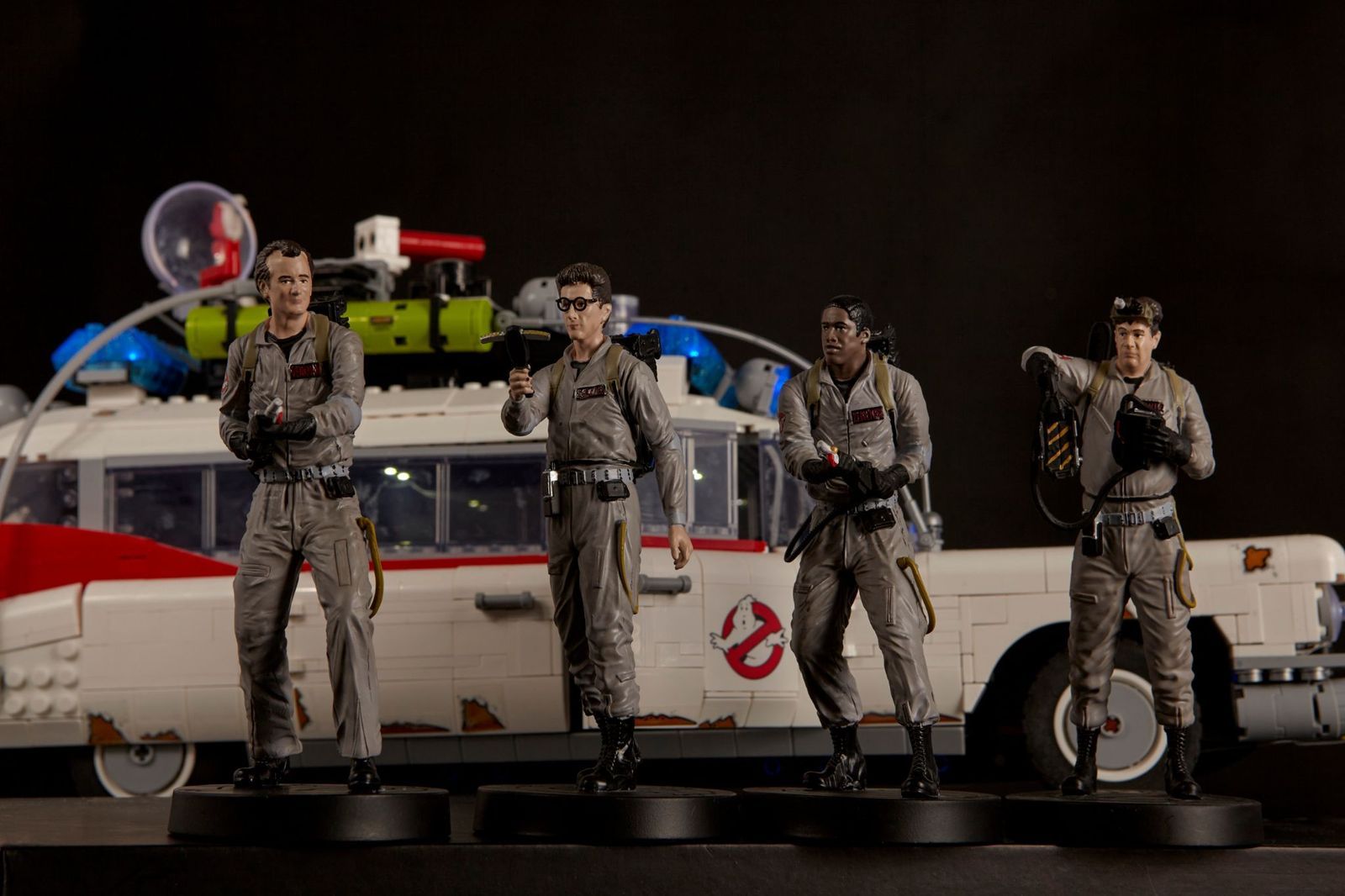
Picture sitting in a packed movie theater in 1984, laughing as Bill Murray delivered his now-legendary line in Ghostbusters. That's really when "you're toast" burned itself into everyday speech.

Before that, it was barely used. Afterward, kids on playgrounds and adults at the office alike started warning each other they were "toast" whenever trouble was coming.

2

"Wannabe"

Image: yakub88

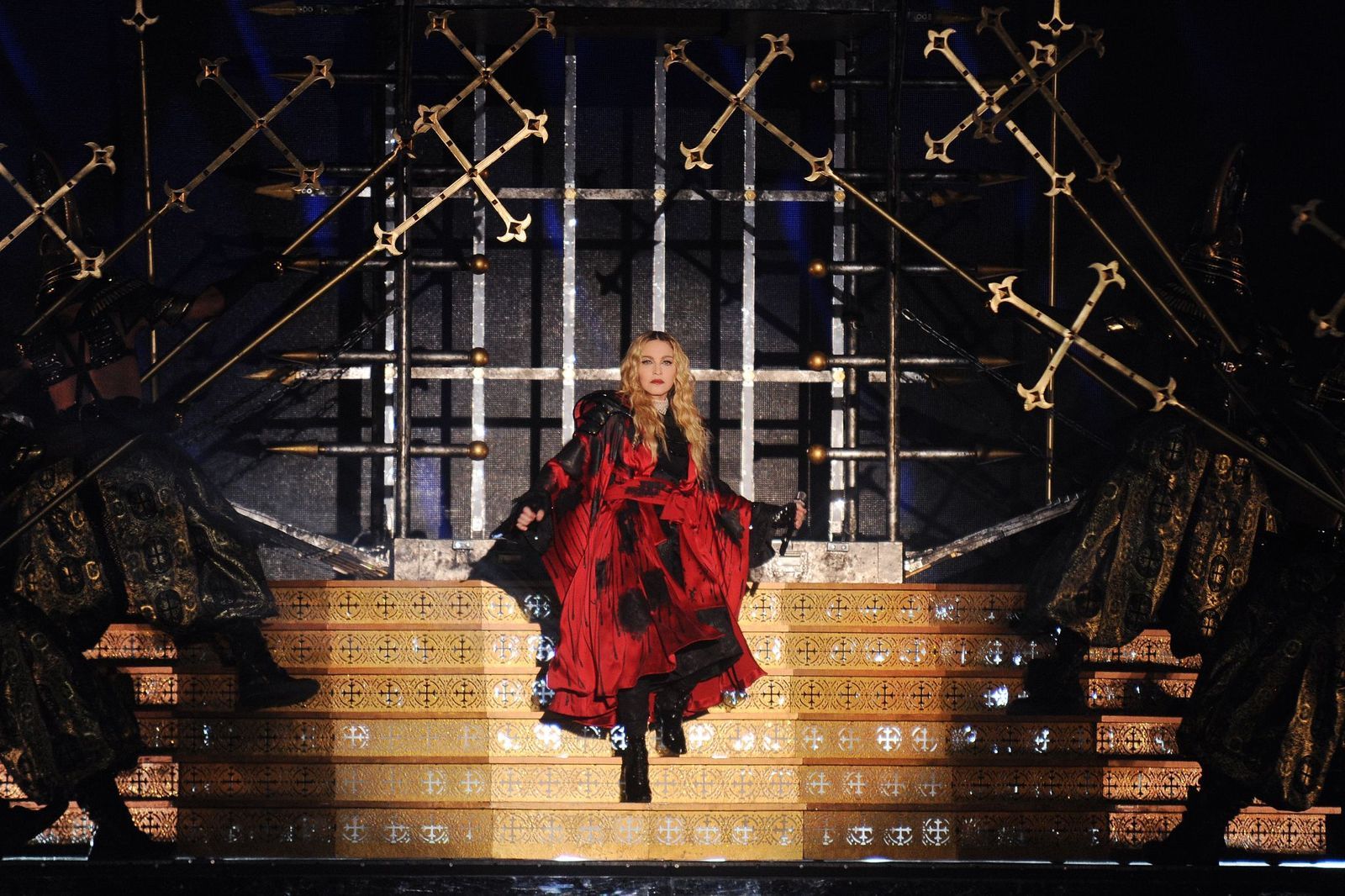
Picture girls in lace gloves and layered necklaces, dancing just like their idol. That image helped cement "wannabe" in pop culture. The term appeared in slang circles in the early 1980s, first describing surfers trying to fit in. But it exploded in 1985 when Time writer John Skow used it to describe Madonna's devoted fans and imitators, forever linking the word to star-struck admiration.

3

"Couch potato"

Image: DC Studio

Imagine a friend who never left the sofa, remote in hand, snacking through every rerun. That was the inspiration behind "couch potato," coined back in 1976 by Tom Iacino and later popularized by cartoonist Robert Armstrong.

As television took over American living rooms in the 1980s, the phrase exploded. It perfectly captured a decade where TV dinners and channel surfing became a national pastime.

4

"Yuppie"

Image: Volodymyr TVERDOKHLIB

Think of the sharp-suited, briefcase-carrying young professional racing to catch the subway with a car phone in hand. That was the "yuppie", short for "young urban professional."

The term emerged around 1980 to describe a new generation chasing career success, nice apartments, and status symbols. It became the label for the decade's ambitious and image-conscious crowd.

5

"Airhead"

Image: sutulastock

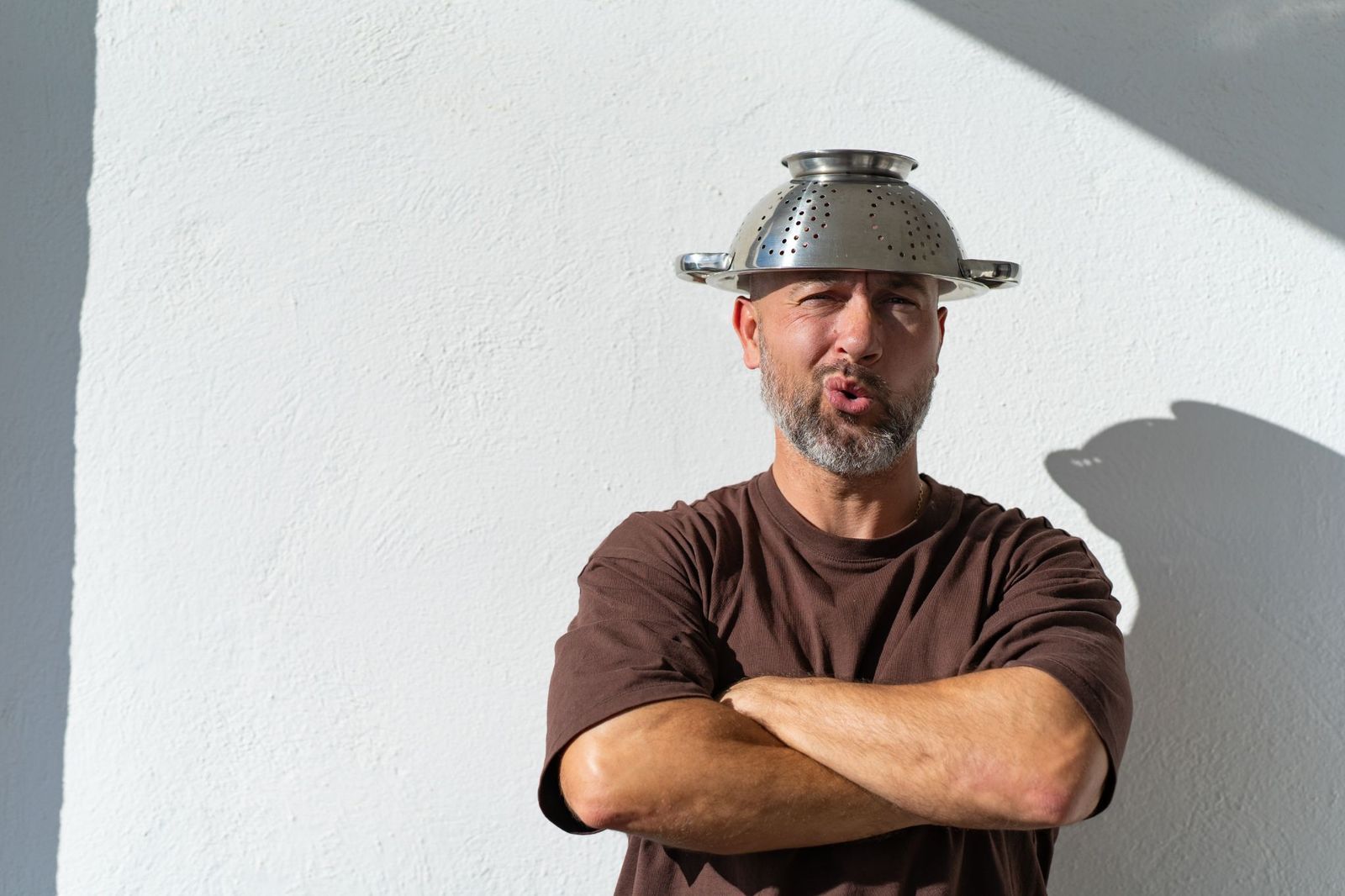
We all knew someone in school who seemed a little spacey, more focused on gossip than homework. That's the classic "airhead." Believe it or not, the word actually dates back to the 1940s. But it found new life in the 1980s, becoming a staple of teen movies and slumber-party conversations. It captured that carefree, ditzy energy so many 80s characters seemed to embody.

6

"Glitch"

Image: Roberto Sorin

Remember the first time your family's new computer froze for no reason? You'd probably blame a "glitch." The word actually started in radio and electronics circles long before, and NASA helped spread it in the 1960s during the space race.

But it truly took off in the 1980s, as personal computers landed in homes everywhere and people needed a word for those mysterious technical hiccups.

7

"Gnarly"

Image: PeopleImages

Close your eyes and picture a surfer catching a massive wave, shouting "gnarly!" to his buddies on the beach. The word started as surfer slang, but by the 1970s and 80s it had spread far beyond the coastline.

Suddenly everything cool, wild, or impressive—a stunt, a haircut, a skateboard trick—was "gnarly."

8

"Shopping spree"

Image: MilanMarkovic78

Picture teenagers spending an entire Saturday wandering a shiny new mall, popping in and out of stores with bags piling up. That scene defined the "shopping spree."

The phrase itself is older, but the 1980s mall boom turned it into a cultural ritual. Malls became social hubs, and going on a spree wasn't just about buying things; it was an experience, a whole day out.

9

"Sellout"

Image: Howard Weiss

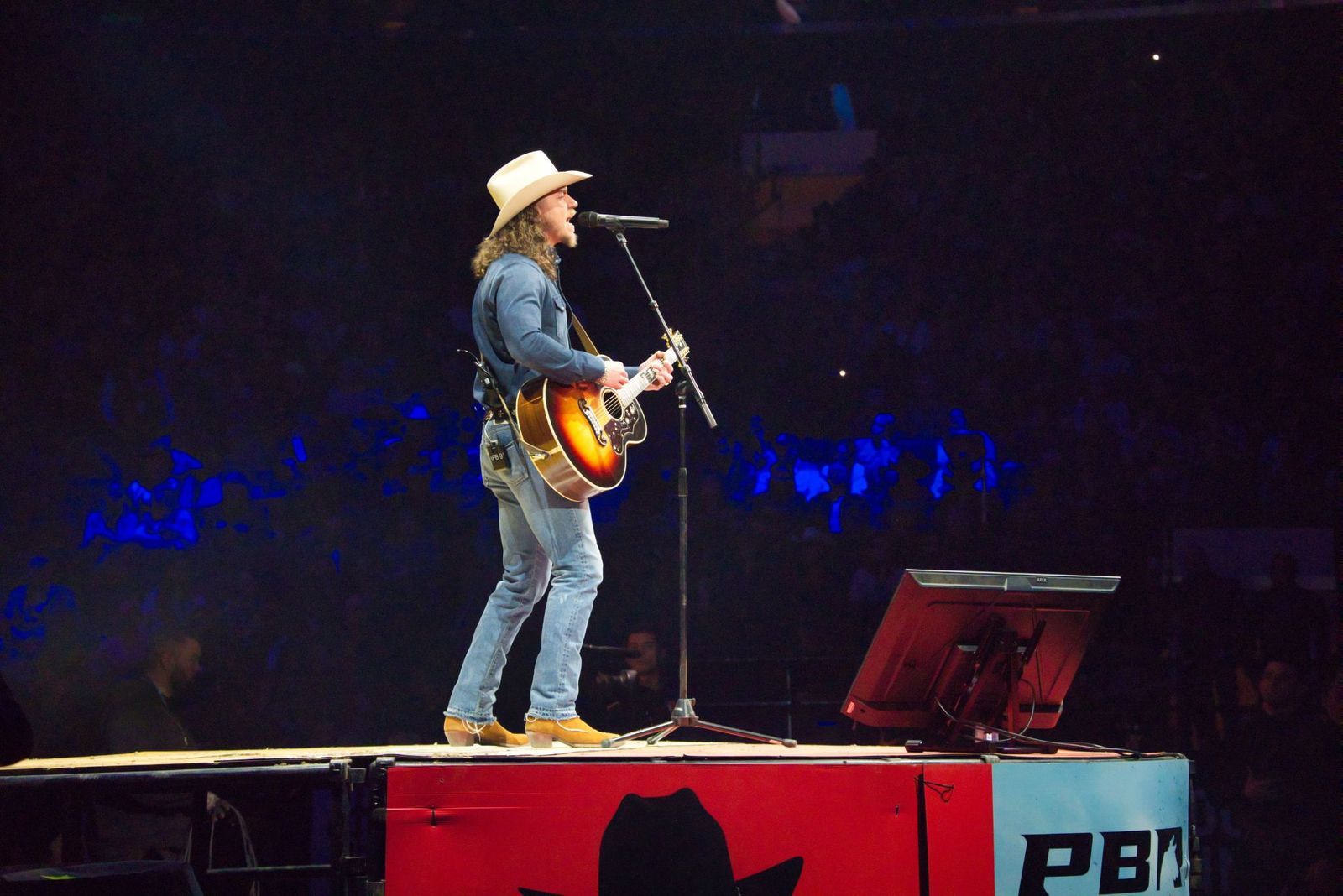
If an underground band suddenly started playing arena shows and appearing on mainstream radio, longtime fans might have grumbled that they had become a "sellout." The word existed long before the 80s, but it took on real weight within punk and alternative music circles during the decade.

Fans used it to call out artists who seemed to trade their roots for fame and fortune.

10

"Guilt trip"

Image: Pixel-Shot

Think of a parent sighing dramatically, saying, "It's fine, don't worry about me," just to make you feel bad. That's a classic "guilt trip." The phrase emerged as slang around 1970, but by the 1980s it had become an everyday expression for that all-too-familiar tactic of using guilt to control someone's behavior.


BRAVE NEW WORLDS

Dive Into The Magical Worlds Of These Fantasy & Science-Fiction Series!


Published on November 9, 2026


Image: Natalia Y.

American author Stephen King once said "books are a uniquely portable magic". We believe he is absolutely right: There is something truly fantastic about the way books transport us to unique worlds, where the laws of our reality are changed into something new and magical. And this world-making ability is probably most evident in the epic fantasy and science fiction genres.

We have selected ten book series which truly make use of their authors’ abilities to imagine new, fantastical scenarios which push the boundaries of our understanding. Keep on reading, you might find a new favorite!

1

Dune - Frank Herbert

Image: Wolfgang Hasselmann

We’ll start this list with what many believe to be the most important science-fiction series on the 20th century. Frank Herbert’s magnum opus is still revered to this day for creating one of the most innovative and inventive settings in history.

While "Dune" delves into psychic abilities, prophecies and the political turmoil between ancient houses, one of its strengths is the way the planet of Arrakis is described. Herbert shows his true mastery in creating not only a breathtaking landscape, but a complex and detailed environment on which themes such as politics, technology and magic can flourish.

2

A Song of Ice and Fire - George R.R. Martin

Image: mauRÍCIO SANTOS

Most known for being the inspiration behind the hit HBO show "Game of Thrones", this book series by American author George R.R. Martin truly changed the way fantasy series are conceived nowadays. A Song of Ice and Fire not only included dragons, magic and armor-clad knights fighting in epic battles, but it also incorporated intrigue, treachery and political machinations to a medieval setting.

While the first book of the series was published nearly 30 years ago, the reading world is still expectantly waiting for the final two books to be published. Martin is definitively taking his time: the latest book in "A Song of Ice and Fire" was published in 2011. Nevertheless, despite this decade-long gap, fans of this series have not wavered and are still eager to find out what the next books have to offer.

3

American Gods - Neil Gaiman

Image: Simone Pellegrini

America is truly a melting pot of civilizations: The "Land of the Free" has provided a home for people from all around the world, on which hundreds of different cultures, heritages and traditions have coexisted for centuries. English author Neil Gaiman was inspired by this multiculturalism to create his 2001 book "American Gods", on which America becomes a place on which different civilizations exchange not only their cultures, but also their gods and mythical creatures.

"American Gods" follows the story of Shadow Moon, an ex-convict who finds himself involved in a matter between the old gods that travelled to America. Shadow gets to know the Norse god Odin, the Hindu god Ganesh, and a leprechaun called Mad Sweeney, among others. The series was adapted into an Emmy-nominated show in 2017.

4

The Dark Tower - Stephen King

Image: Constant Loubier

While Stephen King is known as the indisputable master of horror, with over 65 iconic novels published, he is also a beloved contributor to the fantasy series thanks to his iconic series "The Dark Tower." Mainly comprised of eight novels, this series follows gunslinger Roland Deschain on his quest to reach the Dark Tower, a mythical structure on which all universes are connected.

While the plot might seem simple, it is anything but. King establishes a rich and complex domain, on which countless characters and settings are seamlessly interwoven. It is no wonder that King himself has referred to this series as his "magnum opus": It is a dark but magical universe filled with the genius of this beloved author.

5

The Foundation Series - Isaac Asimov

Image: Robs

Even if you are not a science-fiction fan, you might still be familiar with Isaac Asimov’s "Three Laws of Robotics." This fictional set of rules, first published in the 1942 short story Roundabout, established the way on which artificial life could be safely integrated into our society. And while the Three Laws are heavily ingrained into pop culture to this very day, Asimov contributions to the science-fiction genre go way beyond them, including his groundbreaking series "Foundation."

Originally comprised of three novels published between 1942 and 1950, this series recounts the final days of a future Galactic Empire, and the development of a new discipline known as "psychohistory." In 1982, Asimov published "Foundation's Edge", the first of four books that expanded the universe he created in the 50s.

6

The Witcher - Andrzej Sapkowski

Image: Jonathan Kemper

Just like Game of Thrones, this series by Polish author Andrzej Sapkowski might be better known by the award-winning videogame series of the same name. However, there is a reason behind why fans of the series were so enthralled by the videogame: it finally allowed them to experience in first-hand the fantastic and mysterious world that the book series masterfully describes.

"The Witcher" narrates the travels of Geralt of Rivia, an adventurer who travels across an unnamed fantasy continent fighting evil creatures and monsters. With eight books, spanning over two decades, this epic saga is filled with dark plots, fearsome monsters and thrilling adventures.

7

The Chronicles of Narnia - C.S. Lewis

Image: Ingo Stiller

The first series on this list to be intended for a younger audience, C.S. Lewis classic collection of books is to this day considered a masterpiece in the fantasy genre. Originally published between 1950 and 1956, this series comprises the creation and history of Narnia, and the adventures of a group of children that wander into this fantasy realm.

C.S. Lewis’ books are filled with magical and outstanding characters but perhaps the most well known of them all is the lion Aslan, creator and protector of Narnia. To this day, all seven books of this series are still being published, and cherished by young readers everywhere.

8

Discworld - Terry Pratchet

Image: Anna Wangler

Who says fantasy series can’t also be funny? If there is a fault to most of these epic, grand-scale masterpieces is that they sometimes take themselves to seriously. Their characters tend to be noble and brave warriors, charming renegades or eccentric geniuses: none of these archetypes leaves a lot of room for humour. However, one of the most praised series of all time is known not only for it’s massive length and detailed world-building, but also for its hilarious and colorful humour. We are talking, of course, about Sir Terry Pratchet’s "Discworld."

Set in the titular Discworld, a flat planet held on the back of four giant elephants standing on top of an even bigger turtle, this massive series is comprised of 41 stand-alone novels, with the final entry being published in 2015 following Pratchett’s death. To focus on one main character would be a disservice to the magic of the series: from Rincewind the unskilled wizard to Granny Weatherwax the witch, every character in the Discworld series is filled with life and personality, and they pay tribute to the genius of one of the most creative authors of his time.

9

Conan the Barbarian - Robert E. Howard

Image: Artem Kniaz

When Robert E. Howard created "Conan the Barbarian" in 1931, he couldn’t have been aware of how iconic this ferocious barbarian was going to become. In his over 90 years of history, Conan has appeared in several stories, comics, movies and video-games. He was portrayed by action superstar Arnold Schwarzenegger in the 1982 film "Conan the Barbarian", and later on by Jason Momoa in its 2011 remake. Conan has surely become a timeless pop icon, and to think that he got his start as a side character in a humble pulp magazine.

Conan first appeared as the main character of a Robert E. Howard story in 1932, in the short story "The Phoenix on the Sword." This first tale laid the groundwork of the characteristics Conan would be known for: a black-haired warrior, muscular and fierce but also chivalrous and noble.

10

The Lord of the Rings - J.R.R. Tolkien

Image: Thandy Yung

We’ll end this list with a timeless classic. What’s the first image that comes to mind whenever you hear the term "fantasy book"? Do you think about an old wizard, dressed in a grey robe and a pointy hat? Or maybe do you think about an epic battle between men and hideous monsters, fighting to establish which civilization will remain? There’s a reason why the term "fantasy book" is so heavily associated with characters from J.R.R. Tolkien’s "Lord of the Rings" series: Almost eighty-years since its publication, this masterpiece is still considered the quintessential entry into the fantasy genre.

The three main books of this series ("The Fellowship of the Ring", "The Two Towers" and "The Return of the King") describe Frodo Baggins’ quest onto the evil land of Mordor, in order to destroy a magical ring that could bring the dark lord Sauron back to life. Tolkien’s worldbuilding ability knows no equal: this series established a complex universe comprised of creatures, history and its very own fictional language, known today as "Tolkien Elvish".

Looking for an extra scoop of literary fun?

Learn more with our Word of the day

concede

/kənˈsid/