Slang on the tracks

Nobody died: "deadhead" just meant business was slow


Published on September 22, 2026
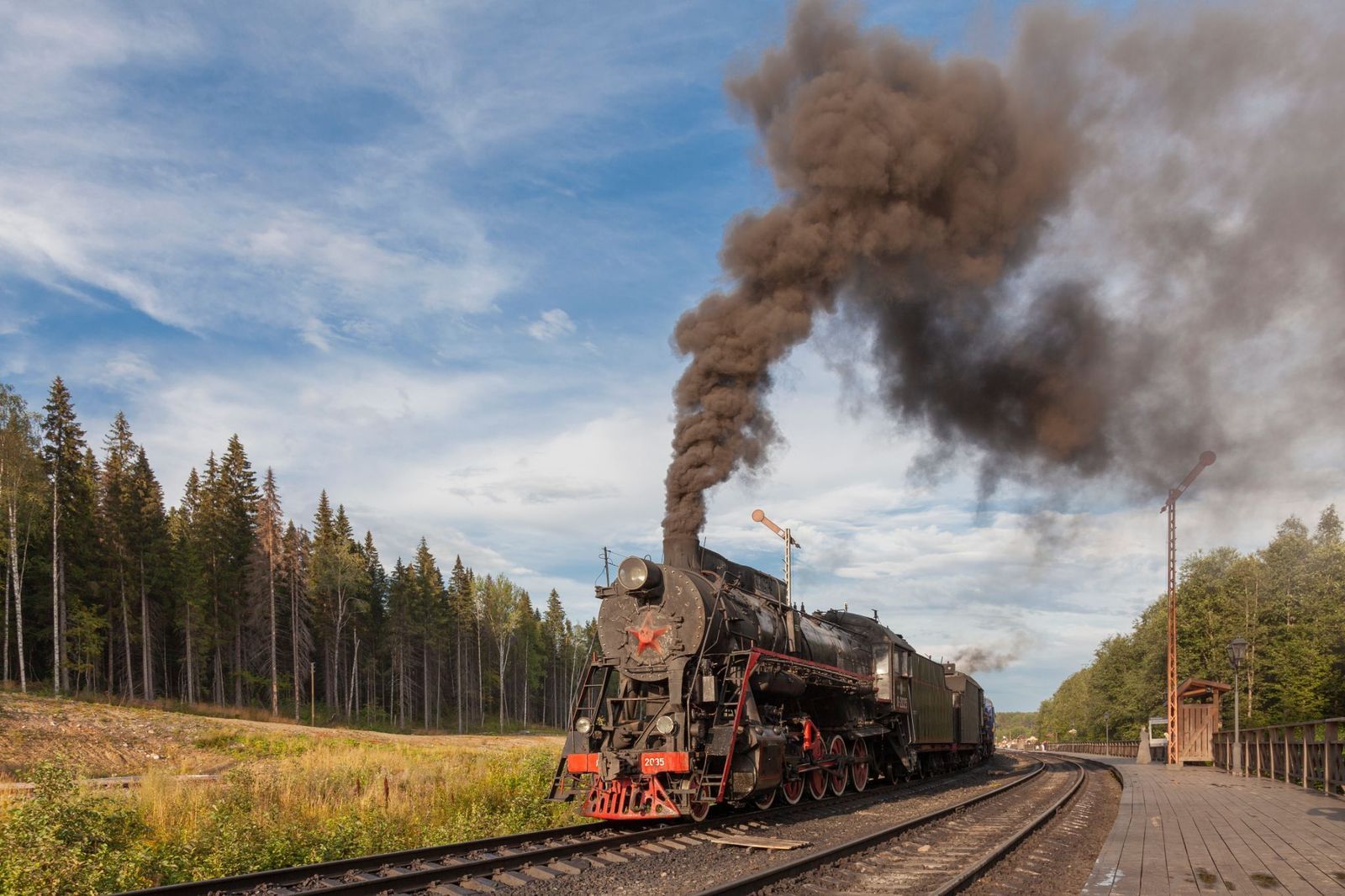

Image: Zubkov Igor

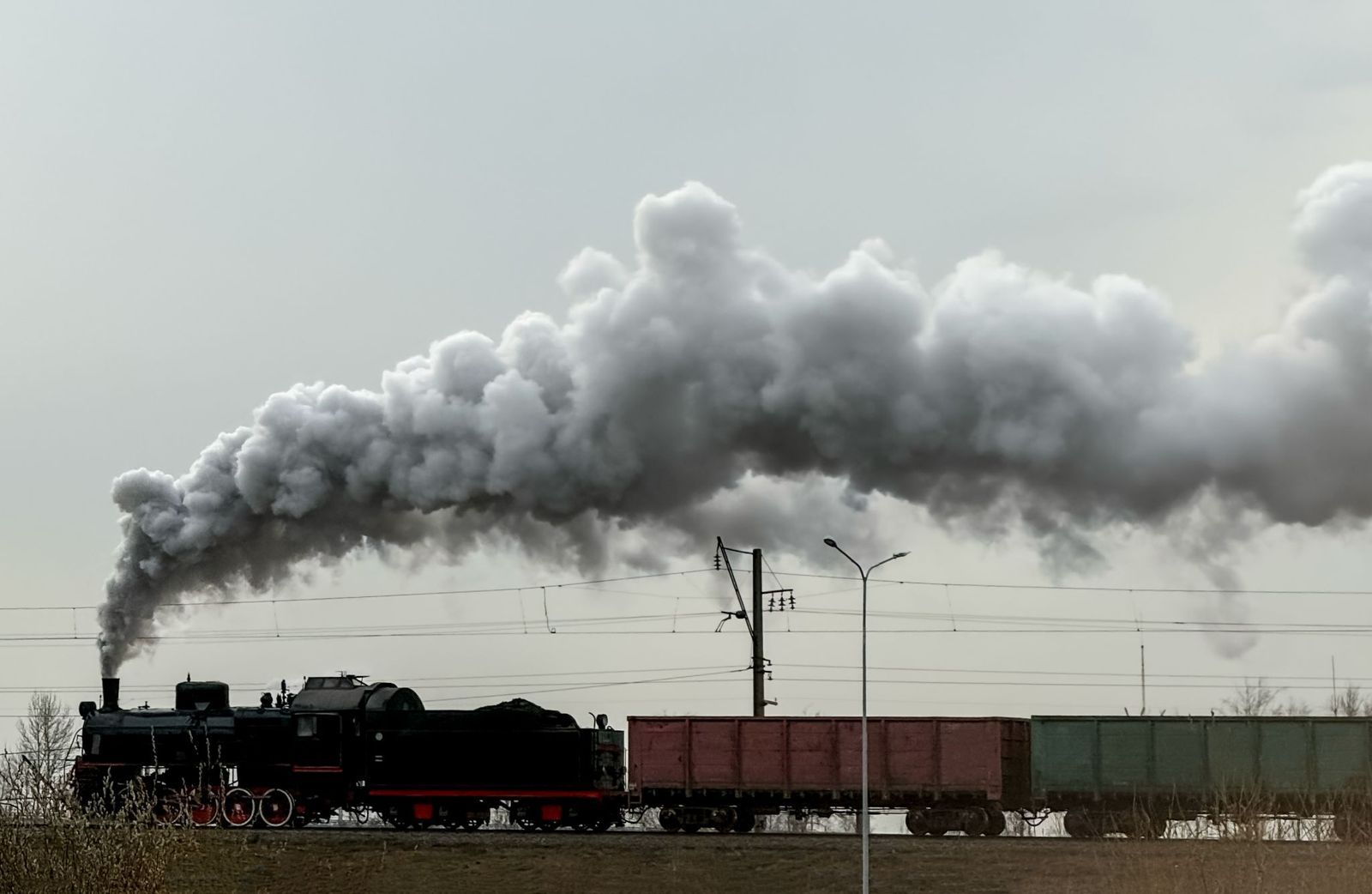
Railroads changed America. They hauled manufactured goods, spare parts, mail, and millions of everyday folks across a country that used to take weeks to cross on foot or wagon. But railroading also built its own tight-knit culture, complete with its own slang. Take highball, the old signal for "all clear, full speed ahead," or caboose, that funny little car that used to trail every freight train. Both are still tossed around today, decades after steam gave way to diesel. Here are 10 more terms that show just how colorful railroad talk really was.

1

Highball

Image: pimpampix

Around the late 1800s, American rail yards used a big wooden ball hoisted up a pole. When the ball was raised high, it meant the track ahead was clear, and the train could go full speed. Crews started saying "highball it," and the phrase stuck around long after those ball signals disappeared, replaced by colored lights.

Today, "highball" still means "go for it, full speed," even outside railroading.

2

Deadhead

Image: kelvn

This term goes back to 1800s American railroading. It described a worker riding a train without actually being on duty for that trip, just catching a ride to reach their next assignment. The term later jumped the rails entirely, showing up in airline talk ("deadhead flights") and everyday business slang for anything moved without generating revenue, like an empty return trip.

3

Caboose

Image: GE_4530

Nobody's totally sure where this one came from, but many word-history experts trace it back to a Dutch sailing term, "kombuis," meaning a ship's kitchen. Somehow, that crossed over into American railroading in the 1800s to describe the little car at the back of a freight train where the crew ate, slept, and kept watch.

Cabooses mostly vanished by the 1980s thanks to new tracking tech, but the word lives on in memory.

4

Gandy dancer

Image: narai chal

First recorded around 1918, this nickname described the crews who laid and maintained track by hand, before machines took over. Nobody agrees on where "gandy" came from—a popular but unproven story blames a Chicago tool company—but the "dancer" part makes sense: workers moved in rhythmic, coordinated steps, often guided by a caller singing out the beat, much like old work songs.

5

Hogger

Image: Johann Knox

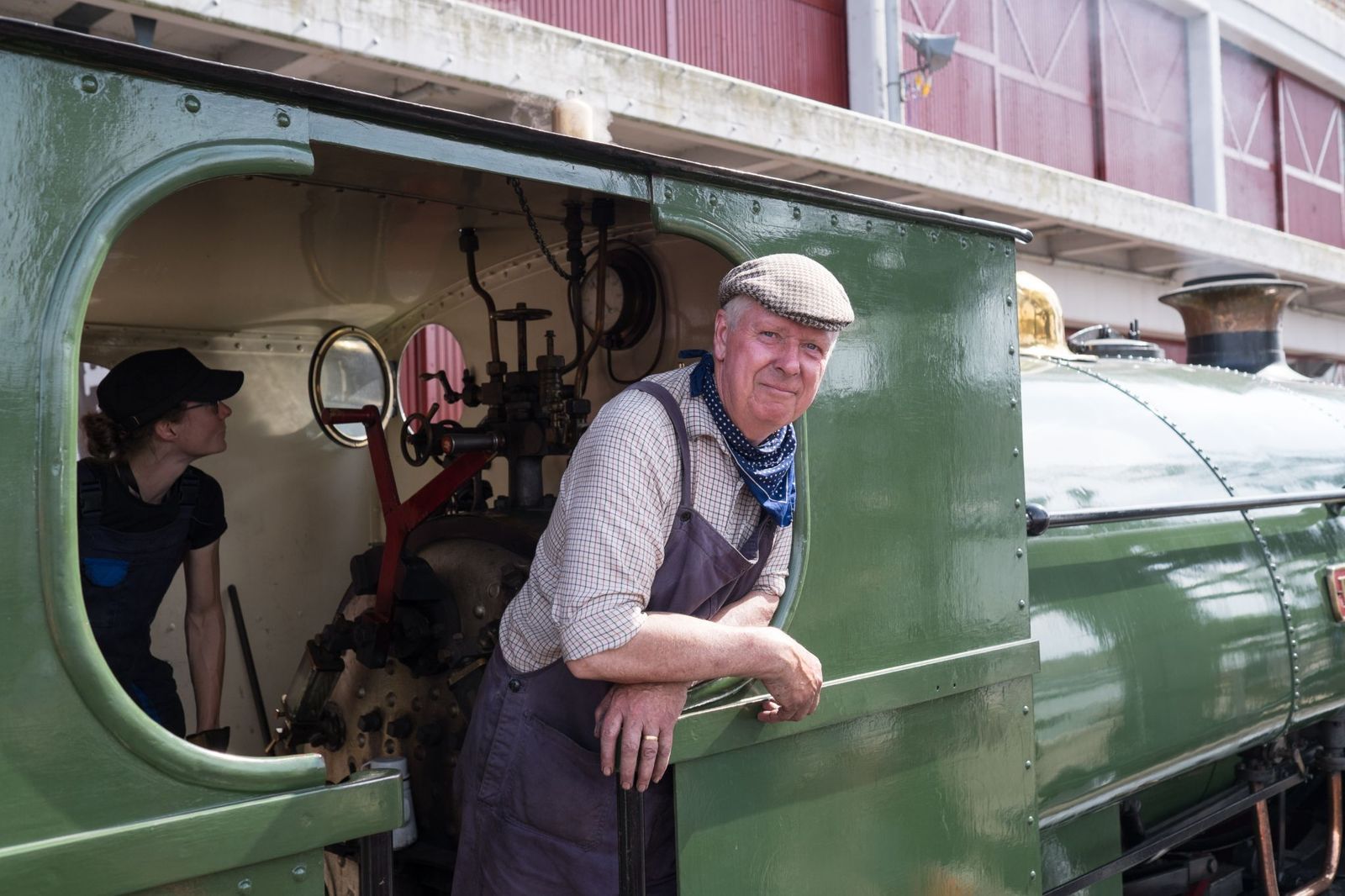
Old-time locomotives, especially the big freight-hauling kind, got nicknamed "hogs" by rail crews sometime in the 1800s. Naturally, the men who drove them became "hoggers," or sometimes "hogheads." It's a good-natured, slightly teasing nickname, the kind railroaders loved tossing at each other.

You'll still hear "hogger" used by old-timers and rail buffs today when talking about engineers.

6

Brass hat

Image: Spech

This one didn't actually start on the railroad. It came from the 19th-century British military, where high-ranking officers wore caps trimmed in gold braid, or "brass." The nickname spread to American business and railroading by the early 1900s, where it became a common, half-joking way to refer to the company president or top bosses, the folks calling the shots from a comfortable office.

7

Foamer

Image: Daniel_Ferryanto

This newer term describes a railfan so excited about trains that they practically "foam at the mouth," snapping photos and chasing locomotives with total enthusiasm. Nobody agrees exactly how it started; some blame the foam scenery hobbyists use for model railroads, others say it's just about that over-the-top excitement.

8

Shoofly

Image: Dani A Castro

First showing up in American newspapers around 1903 to 1905, a "shoofly" is a temporary track built to route trains around a blocked section, like a landslide or construction site. The name likely just comes from "shoo" plus "fly": basically waving traffic out of the way.

It's sometimes mixed up with the old molasses shoofly pie or a Civil War-era song of the same name, but there's no real evidence those are connected.

9

Frog

Image: Alena Lom

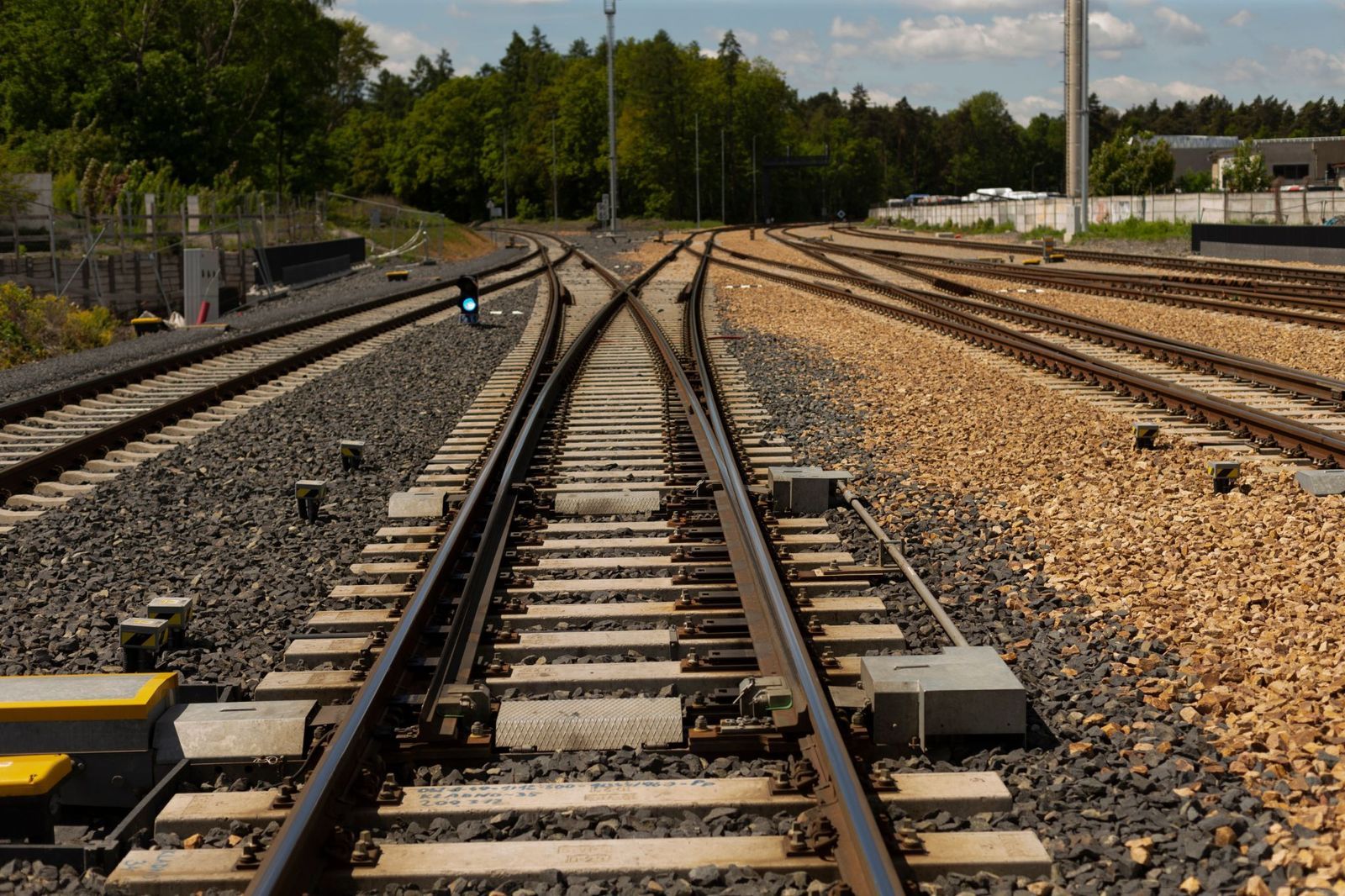
Despite the funny name, a frog has nothing to do with amphibians directly; it's the X-shaped metal piece at a track junction that lets train wheels cross from one rail to another. Railroaders started using the term in the 1800s, likely because the casting's shape reminded someone of a frog's splayed legs.

10

Consist

Image: DiPres

Railroaders took the everyday verb "to consist of" and flipped it into a noun sometime in the 1900s. A train's "consist" is simply its lineup: how many locomotives, freight cars, or passenger cars are hooked together, and in what order. It's a small grammatical trick, but it's stuck around as standard railroad shorthand ever since.


FROM SCREEN TO SLANG

Did You Know These 12 Phrases Came from TV Shows?


Published on September 22, 2026


Image: Unsplash

Pop culture can reach us through every single type of media imaginable. And, in that regard, both the big screen and the small one are powerful generators of content that inform our daily lives.

From memorable catchphrases to poignant one-liners, some idioms have transcended their on-screen origins, embedding themselves in our everyday conversations and shaping the way we express ourselves. Whether it's a piece of advice from a beloved character or a quick retort that becomes part of the cultural lexicon, these expressions have left an indelible mark on our lives.

1

Spam

Image: Hannes Johnson

While the term "spam" didn't originate in the realm of movies or television, its current meaning as unwanted mail did.

In a classic Monty Python sketch, a group of Vikings incessantly repeats the word "spam" as they sing a menu that includes processed meat, drowning out all other conversation. The repetitive and overwhelming nature of this skit amusingly mirrored the flood of unsolicited emails in early online communication. Over time, the term evolved, transcending its comedic roots and becoming synonymous with digital clutter.

2

Google

Image: Pawel Czerwinski

Aside from being the name of a gigantic tech company, "Google" has become a widely popular verb that describes the action of making a query on the search engine of the same name.

The first recorded use of the phrase on TV happened on "Buffy, The Vampire Slayer," where her friend Willow uttered the words "Have you Googled her yet?" referencing the search engine. A humble origin for a ubiquitous term.

3

Groundhog day

Image: Ralph Katieb

The term "Groundhog Day" was coined from the title of the 1993 comedy-drama starring Bill Murray. The movie follows a cynical weatherman trapped in a time loop, reliving the same day over and over again.

The phrase has since transcended its cinematic origins to become a metaphor for the repetitive nature of daily life or tasks that seem endlessly redundant. The film's enduring popularity has ingrained "Groundhog Day" into the lexicon as a symbol of monotony, prompting people to humorously reference the concept whenever they find themselves caught in a seemingly endless cycle of routine.

4

D'oh!

Image: Omid Roshan

Possibly one of the most famous onomatopoeias to ever emerge from the TV, "d'oh!" has become an iconic catchphrase synonymous with exasperation, and its origin can be traced back to the animated television series "The Simpsons."

Coined by the show's creator, Matt Groening, "d'oh!" serves as the frustrated utterance of the bumbling yet endearing character Homer Simpson. Introduced in the early seasons of the show, the exclamation quickly gained popularity for its versatility in expressing anything from mild annoyance to major blunders.

5

Nimrod

Image: Aaron Burden

While its current meaning denotes a foolish or inept person, the origin of the word "nimrod" can be traced back to biblical sources. In the Bible, Nimrod is a figure described as a mighty hunter and a great king, but the evolution of the term took an unexpected turn.

In the mid-20th century, the term started being used sarcastically by the Looney Tunes character Bugs Bunny. The rabbit used the term ironically to mock his adversaries. Over time, the sarcasm stuck, and "nimrod" morphed into a colloquial expression for someone perceived as clueless or ineffectual.

6

Gaslight

Image: Vladimir Fedotov

The roots of the term "gaslight" can be traced back to the 1938 play "Gas Light", which was later adapted into two films—one in the UK in 1940 and another in the US in 1944.

The plot revolves around a husband who manipulates his wife into believing she's going insane by dimming the gaslights in their home. This psychological thriller popularized the notion of subtle manipulation and psychological abuse, giving rise to the term "gaslighting."

7

Friend Zone

Image: Toa Heftiba

"Friend zone" has become a ubiquitous part of modern dating discourse, and its roots can be traced back to the realm of popular culture, specifically the television sitcom "Friends".

While the phrase itself may not have originated on the show, its popularization can be attributed to the character Ross Geller, portrayed by David Schwimmer. Ross often found himself being romantically interested in female friends who saw him strictly as a friend. The notion of being relegated to the "friend zone" gained cultural traction, signifying unrequited romantic feelings within a friendship.

8

And that's the way it is

Image: Sam McGhee

The iconic sign-off "And that's the way it is" was popularized by one of the most respected figures in television news, Walter Cronkite. As the longtime anchor of the CBS Evening News, Cronkite would conclude his broadcasts with this definitive statement, emphasizing the factual nature of the news presented.

While the phrase itself did not originate in any form of scripted entertainment, its impact on language and cultural memory shows how a well-delivered line from a news anchor can become ingrained in the public consciousness.

9

Who are you wearing?

Image: Jakub Zerdsicki

The phrase "Who are you wearing?" emerged as a hallmark of red carpet interviews, and its origin is closely tied to the indomitable Joan Rivers. Coined by the comedian and television host, the question became a signature element of her coverage during award shows, marking her irreverent yet insightful approach to fashion critique.

Rivers used the question to extract not only information about the designers behind celebrities' outfits but also to inject humor and critique into the conversation. First popularized on her show "Live from the Red Carpet," the phrase quickly became a cultural touchstone, shaping the way the public engages with celebrity fashion.

10

Everybody lies

Image: Markus Frieauff

The phrase "Everybody lies" comes from the medical drama "House," where the brilliant but unconventional Dr. Gregory House, played by Hugh Laurie, uttered this cynical mantra.

The phrase expresses the central theme of the show: that truth is often elusive. Dr. House, a character known for his skepticism, popularized this observation, asserting that even the most seemingly transparent individuals conceal truths. Beyond the show, "Everybody lies" has permeated popular culture, becoming a provocative reflection on human nature and the inherent complexities of honesty.

11

You're toast

Image: Seriously Low Carb

The phrase "You're toast" gained prominence as a line from "Ghostbusters". This ominous declaration is uttered by the character Peter Venkman, played by Bill Murray, during a confrontational scene with the Stay Puft Marshmallow Man.

Since its cinematic debut, "You're toast" has transcended its ghostly origins to become a colloquial idiom, often used in a lighthearted manner to convey a sense of impending defeat or inevitable trouble.

12

Hakuna Matata

Image: Ivan Diaz

"Hakuna Matata," a Swahili phrase meaning "no worries," was popularized by the animated movie "The Lion King". Coined in the 1994 film, Pumbaa and Timon introduced this infectious philosophy to a global audience.

The phrase defines a worry-free, laid-back attitude toward life, resonating with audiences of all ages. The cultural impact of "Hakuna Matata" extends beyond the screen, as it has become a widely recognized catchphrase, symbolizing a desire for a stress-free existence.

Looking for an extra scoop of literary fun?

Learn more with our Word of the day

expose

/ɪkˈspoʊz/