Slang on the tracks

Ten words railroaders invented that you still use to this day


Published on September 22, 2026
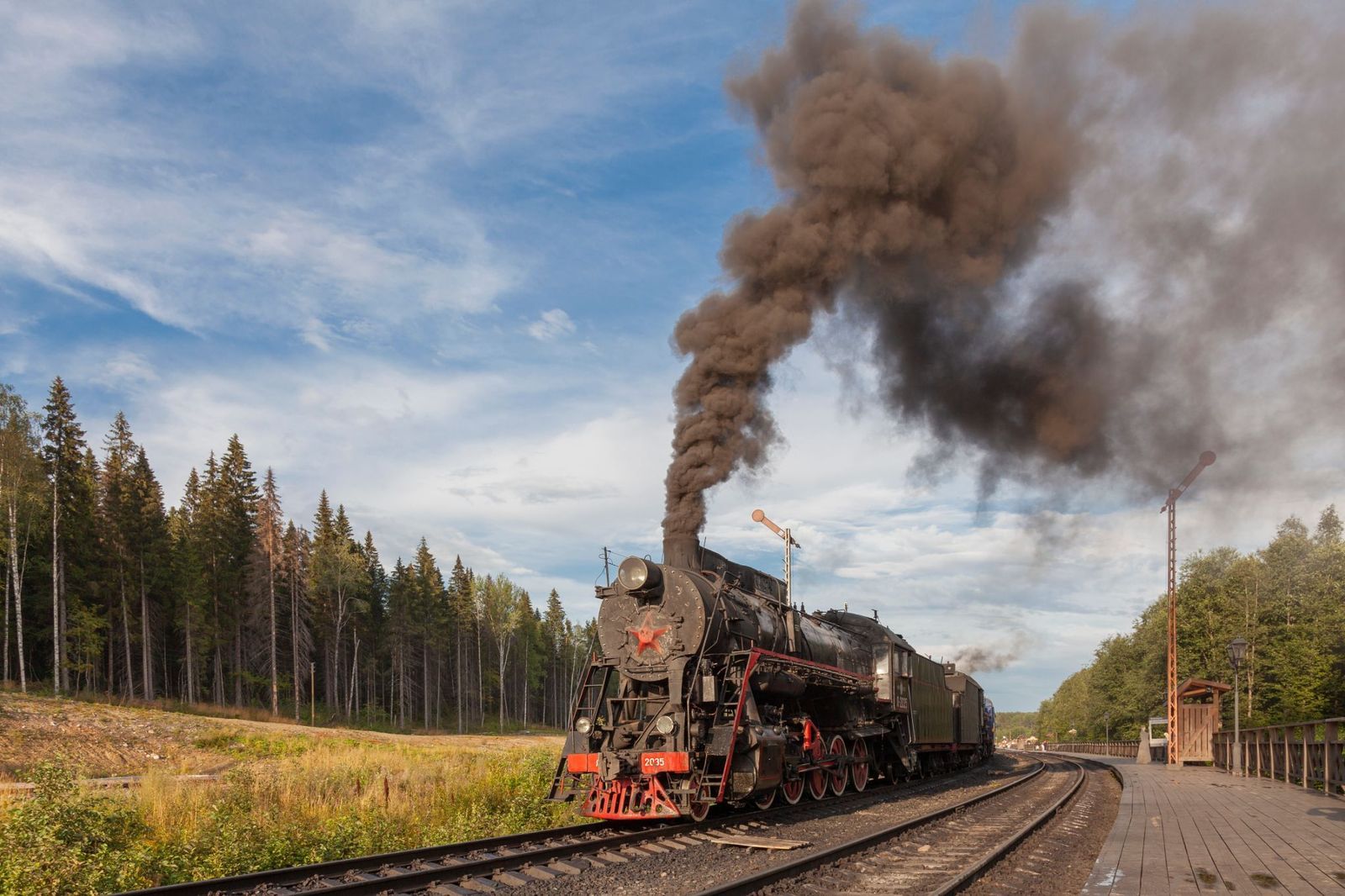

Image: Zubkov Igor

Railroads changed America. They hauled manufactured goods, spare parts, mail, and millions of everyday folks across a country that used to take weeks to cross on foot or wagon. But railroading also built its own tight-knit culture, complete with its own slang. Take highball, the old signal for "all clear, full speed ahead," or caboose, that funny little car that used to trail every freight train. Both are still tossed around today, decades after steam gave way to diesel. Here are 10 more terms that show just how colorful railroad talk really was.

1

Highball

Image: pimpampix

Around the late 1800s, American rail yards used a big wooden ball hoisted up a pole. When the ball was raised high, it meant the track ahead was clear, and the train could go full speed. Crews started saying "highball it," and the phrase stuck around long after those ball signals disappeared, replaced by colored lights.

Today, "highball" still means "go for it, full speed," even outside railroading.

2

Deadhead

Image: kelvn

This term goes back to 1800s American railroading. It described a worker riding a train without actually being on duty for that trip, just catching a ride to reach their next assignment. The term later jumped the rails entirely, showing up in airline talk ("deadhead flights") and everyday business slang for anything moved without generating revenue, like an empty return trip.

3

Caboose

Image: GE_4530

Nobody's totally sure where this one came from, but many word-history experts trace it back to a Dutch sailing term, "kombuis," meaning a ship's kitchen. Somehow, that crossed over into American railroading in the 1800s to describe the little car at the back of a freight train where the crew ate, slept, and kept watch.

Cabooses mostly vanished by the 1980s thanks to new tracking tech, but the word lives on in memory.

4

Gandy dancer

Image: narai chal

First recorded around 1918, this nickname described the crews who laid and maintained track by hand, before machines took over. Nobody agrees on where "gandy" came from—a popular but unproven story blames a Chicago tool company—but the "dancer" part makes sense: workers moved in rhythmic, coordinated steps, often guided by a caller singing out the beat, much like old work songs.

5

Hogger

Image: Johann Knox

Old-time locomotives, especially the big freight-hauling kind, got nicknamed "hogs" by rail crews sometime in the 1800s. Naturally, the men who drove them became "hoggers," or sometimes "hogheads." It's a good-natured, slightly teasing nickname, the kind railroaders loved tossing at each other.

You'll still hear "hogger" used by old-timers and rail buffs today when talking about engineers.

6

Brass hat

Image: Spech

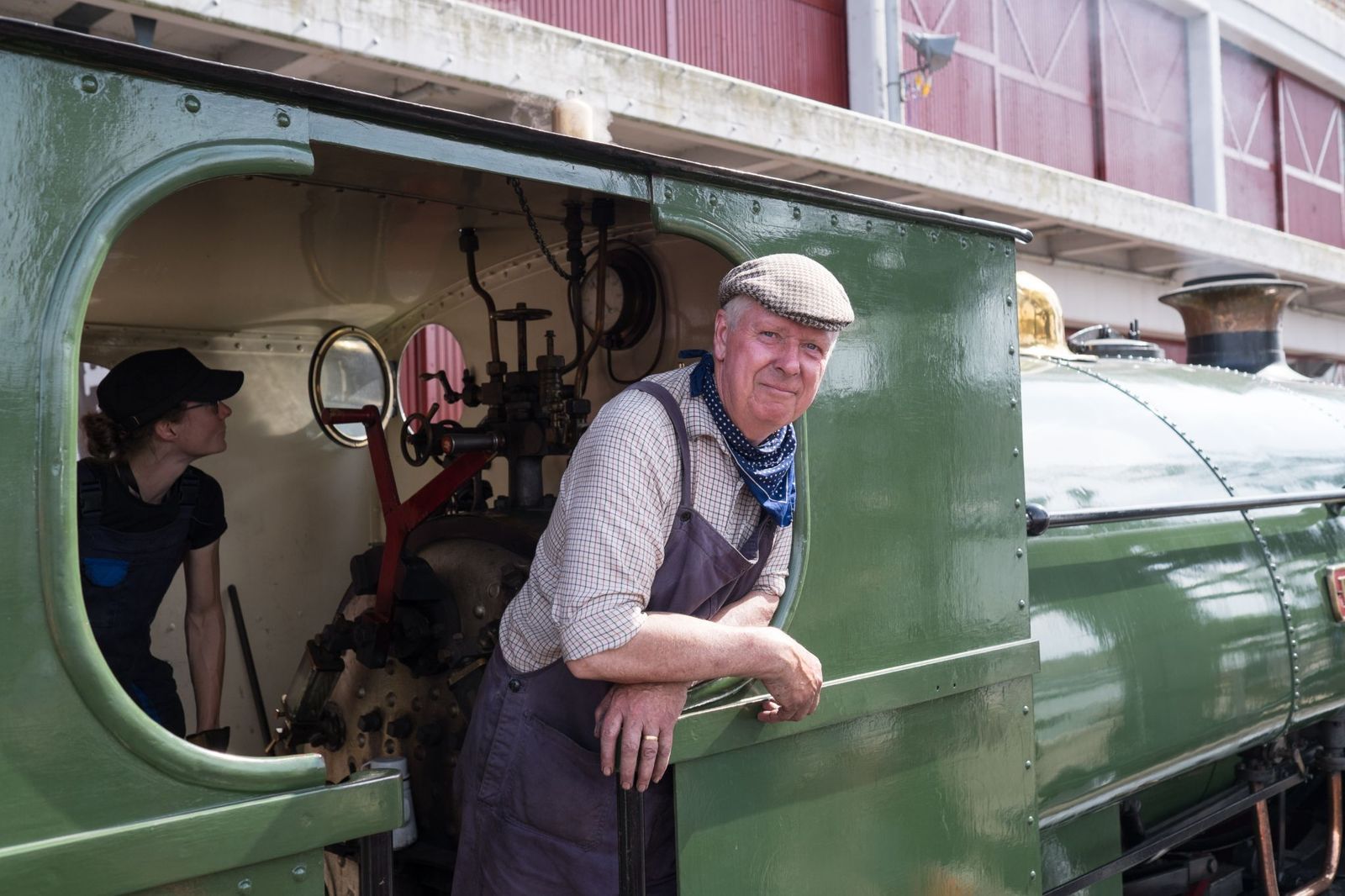
This one didn't actually start on the railroad. It came from the 19th-century British military, where high-ranking officers wore caps trimmed in gold braid, or "brass." The nickname spread to American business and railroading by the early 1900s, where it became a common, half-joking way to refer to the company president or top bosses, the folks calling the shots from a comfortable office.

7

Foamer

Image: Daniel_Ferryanto

This newer term describes a railfan so excited about trains that they practically "foam at the mouth," snapping photos and chasing locomotives with total enthusiasm. Nobody agrees exactly how it started; some blame the foam scenery hobbyists use for model railroads, others say it's just about that over-the-top excitement.

8

Shoofly

Image: Dani A Castro

First showing up in American newspapers around 1903 to 1905, a "shoofly" is a temporary track built to route trains around a blocked section, like a landslide or construction site. The name likely just comes from "shoo" plus "fly": basically waving traffic out of the way.

It's sometimes mixed up with the old molasses shoofly pie or a Civil War-era song of the same name, but there's no real evidence those are connected.

9

Frog

Image: Alena Lom

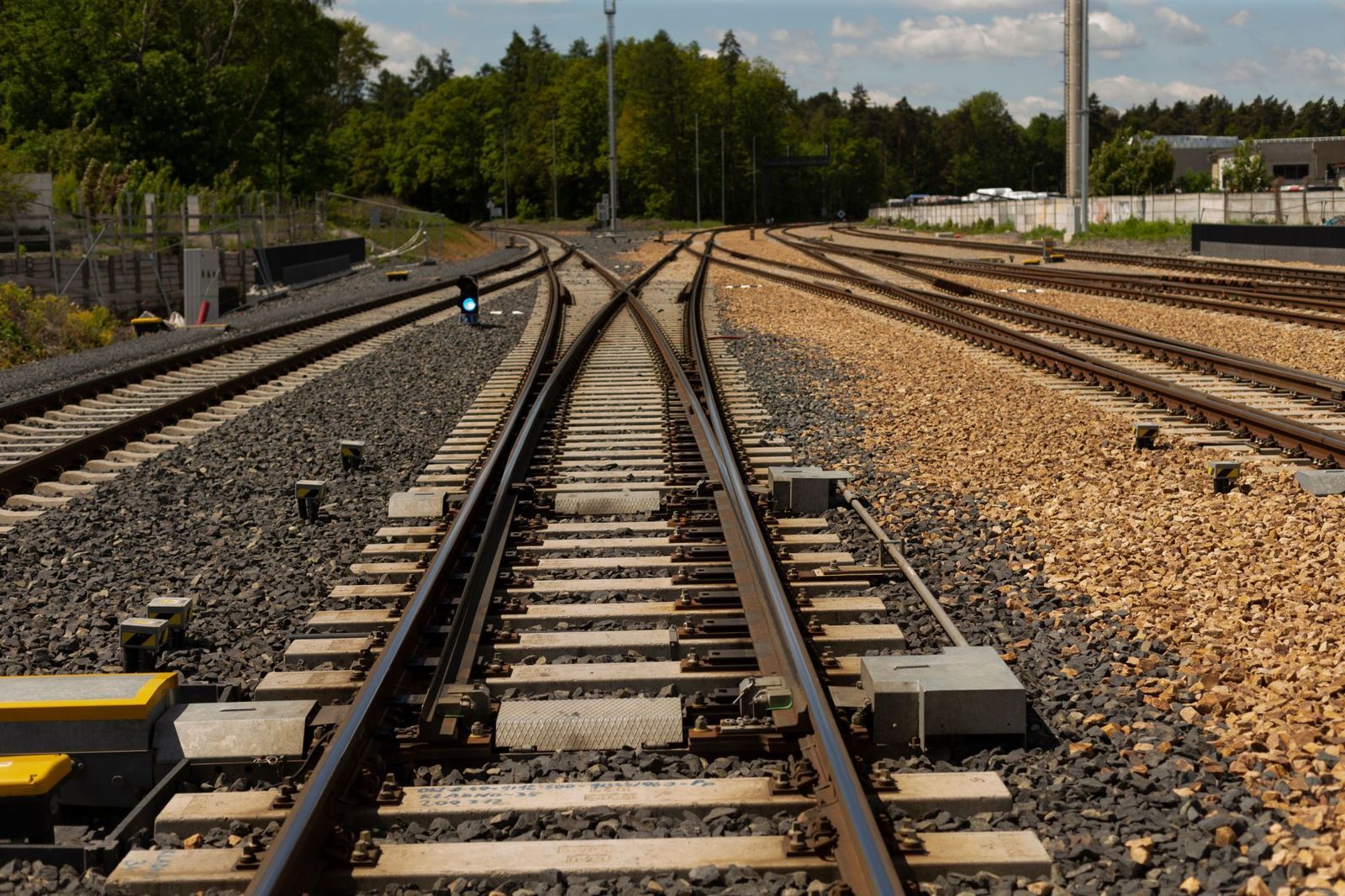
Despite the funny name, a frog has nothing to do with amphibians directly; it's the X-shaped metal piece at a track junction that lets train wheels cross from one rail to another. Railroaders started using the term in the 1800s, likely because the casting's shape reminded someone of a frog's splayed legs.

10

Consist

Image: DiPres

Railroaders took the everyday verb "to consist of" and flipped it into a noun sometime in the 1900s. A train's "consist" is simply its lineup: how many locomotives, freight cars, or passenger cars are hooked together, and in what order. It's a small grammatical trick, but it's stuck around as standard railroad shorthand ever since.


EERIE TALES

10 Chilling Ghost Stories That Will Haunt Your Imagination


Published on September 22, 2026


Image: Cederic Vandenberghe

Told quietly around a campfire, or whispered before bedtime, stories of the supernatural have always been an important part of human culture, captivating our imaginations and sending shivers down our spines. From ancient folklore to modern tales of the unknown, ghost stories continue to intrigue and terrify us.

Join us on a chilling journey through some of the best ghost stories out there. But beware, some of these might linger in your thoughts long after reading this article.

1

The Gray Lady

Image: Sayan Ghosh

Hampton Court Palace in England boasts a chilling resident: the Gray Lady. Legend has it that she is the ghost of Sybil Penn, an English courtier who was a nurse and teacher to Edward VI of England and personal attendant of Elizabeth I of England. After her monument at St Mary's Church in Hampton was moved in 1829, several stories regarding her figure became popular in the area. It was said the noise of a spinning wheel was heard at Hampton Court, and that soon after a closed-up room with a spinning wheel was discovered. Visitors have reported glimpses of her ghostly figure, dressed in gray, wandering the hallways and even crossing the palace's famous Haunted Gallery.

2

The Bell Witch Haunting

Image: m wrona

Originating in the early 19th century in Tennessee, the Bell Witch legend tells of a vengeful spirit tormenting the Bell family from 1817 to 1821. Mysterious noises, physical attacks, and eerie whispers plagued the household. According to the Bell family, the otherworldly entity was able to speak, shapeshift, and even be in more than one place at a time, akin to the poltergeists of German folklore. The haunting became so infamous that it is said that even President Andrew Jackson visited. After witnessing an excessively boastful "witch slayer" get beaten and humiliated by the entity, he allegedly exclaimed: "By the eternal, boys, I never saw so much fun in all my life. This beats fighting the British."

3

The Tower of London

Image: Nick Fewings

The legendary Tower of London is not just a fortress of stone and history—according to popular tradition, it is also home to several spectral inhabitants. Being a place with such a grisly history, its walls bearing witness to countless murders and executions, this should not come as a surprise. Guards and visitors have reported sightings of many ghostly apparitions that correspond with historical figures who suffered gory fates within the Tower, like a headless Anne Boleyn or the tortured screams of Guy Fawkes. Some claim these apparitions bring an ominous forewarning of impending tragedy.

4

Residual Energy at Gettysburg

Image: John Kostyk

The Battle of Gettysburg was a turning point in the American Civil War, and its echoes reverberate beyond the pages of history. Many visitors have reported eerie occurrences—apparitions, phantom sounds of battle, and ghostly soldiers. Some believe the intense emotions of the battle left residual energy etched into the landscape. The bloodiest portions of the battlefield are said to be especially haunted, and spots like the macabrely named Slaughter Pen and Devil’s Den are mentioned again and again in stories about ghostly apparitions in the area.

5

The Brown Lady

Image: Abigail Keenan

Raynham Hall in Norfolk, England, is home to the infamous Brown Lady, whose spectral figure has terrified onlookers for centuries. Legend has it that Lady Dorothy Walpole (sister of the first British Prime Minister), accused of infidelity and locked by her husband in the family home until her death, roams the halls to this day. In 1936, photographers allegedly captured her ghostly image descending the grand staircase, solidifying her bone-chilling legacy.

6

The Okiku Doll Curse

Image: Aimee Vogelsang

The Okiku doll, residing in the Mannenji temple in Japan, is not an ordinary children's toy, at least according to modern Japanese folklore. Legend has it that the spirit of the deceased original owner of the doll—a little girl also named Okiku—resides within it. The hair on the doll is said to grow mysteriously, and those who look into her eyes can get a glimpse of the girl’s tormented soul.

7

The Ghosts of Versailles

Image: mana5280

The history of French royalty is ripe with macabre tales that delve into the darker side of human behavior. So, it should not come as a surprise that the opulent Palace of Versailles, once home to monarchs and courtesans, harbors more than just royalty gossip. Visitors and staff have reported ghostly encounters, from the restless spirits of Marie Antoinette and Louis XVI to the spectral echoes of the French Revolution. There’s even a claim of time travel! In any case, the sumptuous halls of the palace hold far more secrets than they seem.

8

Spectral Presidents

Image: Tabrez Syed

The White House, the epicenter of U.S. politics, is rumored to host more than just the living representatives of the American people. Past presidents and First Ladies have reported ghostly sightings, including Abraham Lincoln, Ulysses S. Grant, and William McKinley. A particularly frightening case happened during the Taft administration when the ghost of an unidentified 15-year-old boy—called the "Thing"—instilled terror among the domestic staff. According to a military aide, the ghost often materialized as "a slight pressure on the shoulder, as if someone were leaning over your shoulder to see what you might be doing." Eventually, Taft himself intervened, threatening to fire anyone who repeated stories about the haunting.

9

The LaLaurie Mansion

Image: Martin Lostak

Considered one of the most haunted places in New Orleans, the LaLaurie Mansion has a dark past associated with Madame Delphine LaLaurie's gruesome crimes. Slaves and servants were tortured and killed within its walls, and historians suspect that she even abused and tortured her daughters. After the mansion was set ablaze in 1834, many of the atrocious crimes committed under its roof were revealed to the shock of the public, and Madame Delphine had to precipitously flee from the city.

10

The Crying Boy

Image: Annie Spratt

A seemingly innocent mass-produced painting, "The Crying Boy," gained notoriety in the 1980s, after an Essex firefighter claimed that copies of the painting were often found among the debris of incinerated houses, unscathed. Rumors of a curse soon spread, leading many to believe that the painting brought misfortune and personal tragedy to its owners. Others even maintained that the eyes of the crying child followed them as they moved.

Looking for an extra scoop of literary fun?

Learn more with our Word of the day

iterate

/ˈɪdəˌreɪt/