Take a deep breath before you read about these new scientific discoveries


Published on September 8, 2026


Image: Tara Winstead

Science moves so fast that you probably haven't heard that cancer can now be detected with a simple blood test or that you can choose the color of a baby's eyes before in vitro fertilization. Some of these breakthroughs are controversial, while others represent extraordinary progress in preventing disease and in fighting pollution. Here are some of the most fascinating recent scientific discoveries that you may not know about. Come join us!

1

Cancer could be detected with a simple blood test
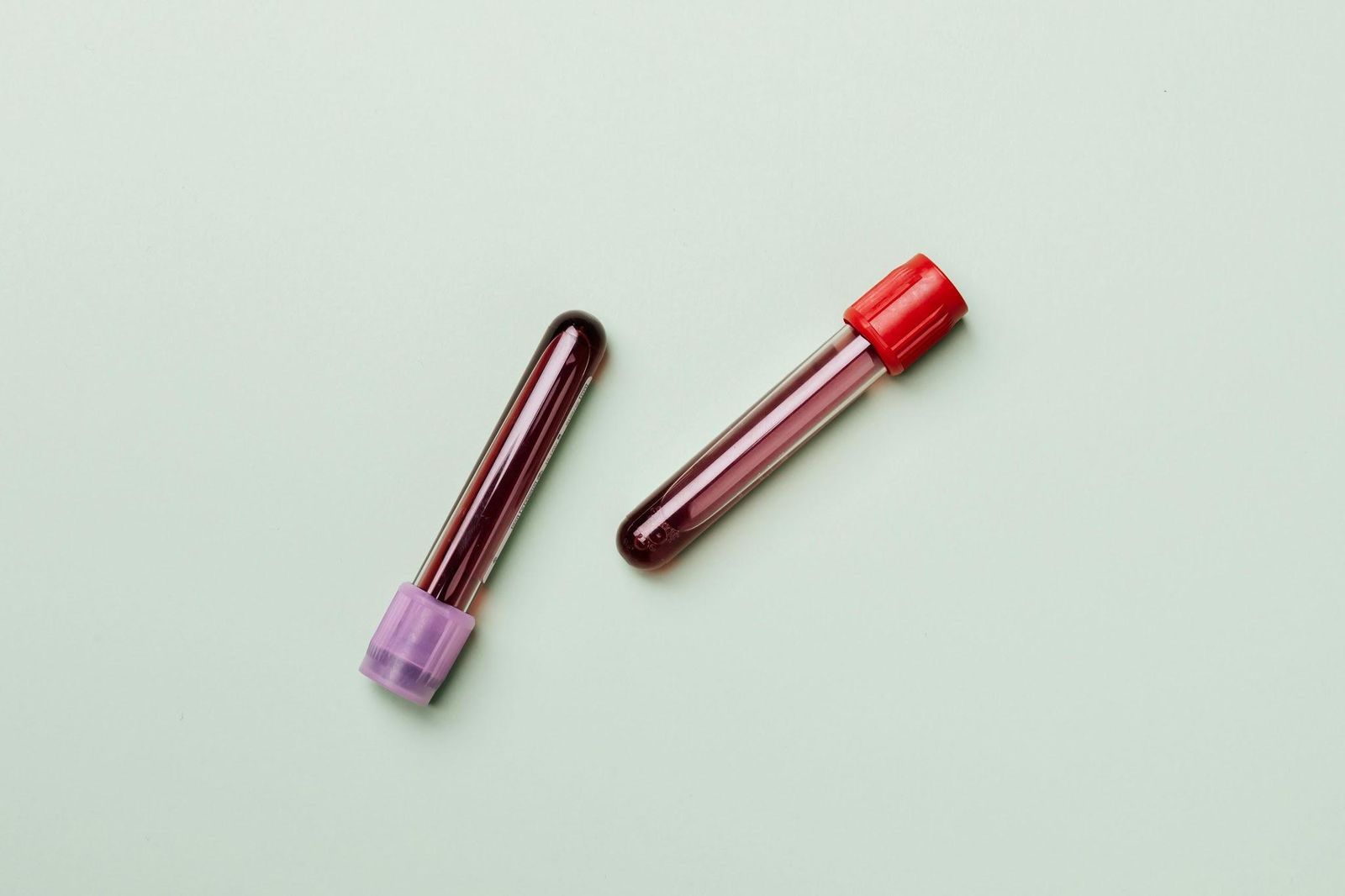
Image: Kaboompics.com

A team of researchers from Johns Hopkins University discovered something that could completely change cancer diagnosis and treatment worldwide. The study, published in the journal Cancer Discovery, found that cancer can be detected up to three years before doctors can provide an official diagnosis.

The researchers discovered that cancerous tumors shed genetic material that can show up in the bloodstream much earlier than previously thought. Early detection of this disease is crucial and significantly impacts the survival rate of patients. Thanks to this groundbreaking finding, it will be possible to develop more effective methods in preventing and detecting cancer.

2

Carbon dioxide can be turned into textile fibers
Image: Ian Talmacs

The textile industry emits billions of tons of pollutants every year, but two 28-year-old American twins found a way to make it more sustainable. Neeka and Leila Mashouf created an innovative system that captures C02 and transforms it into biodegradable fibers to create new textiles.

The scientists were able to mimic the process by which trees convert carbon into cellulose, although in their case, they use a chemical reactor. Their discovery could revolutionize the construction sector and the production of packaging, pharmaceuticals, and cosmetics. In 2025, the European Patent Office recognized the Mashouf sisters with the Young Inventors Award.

3

Is the answer to diabetes in stem cells?
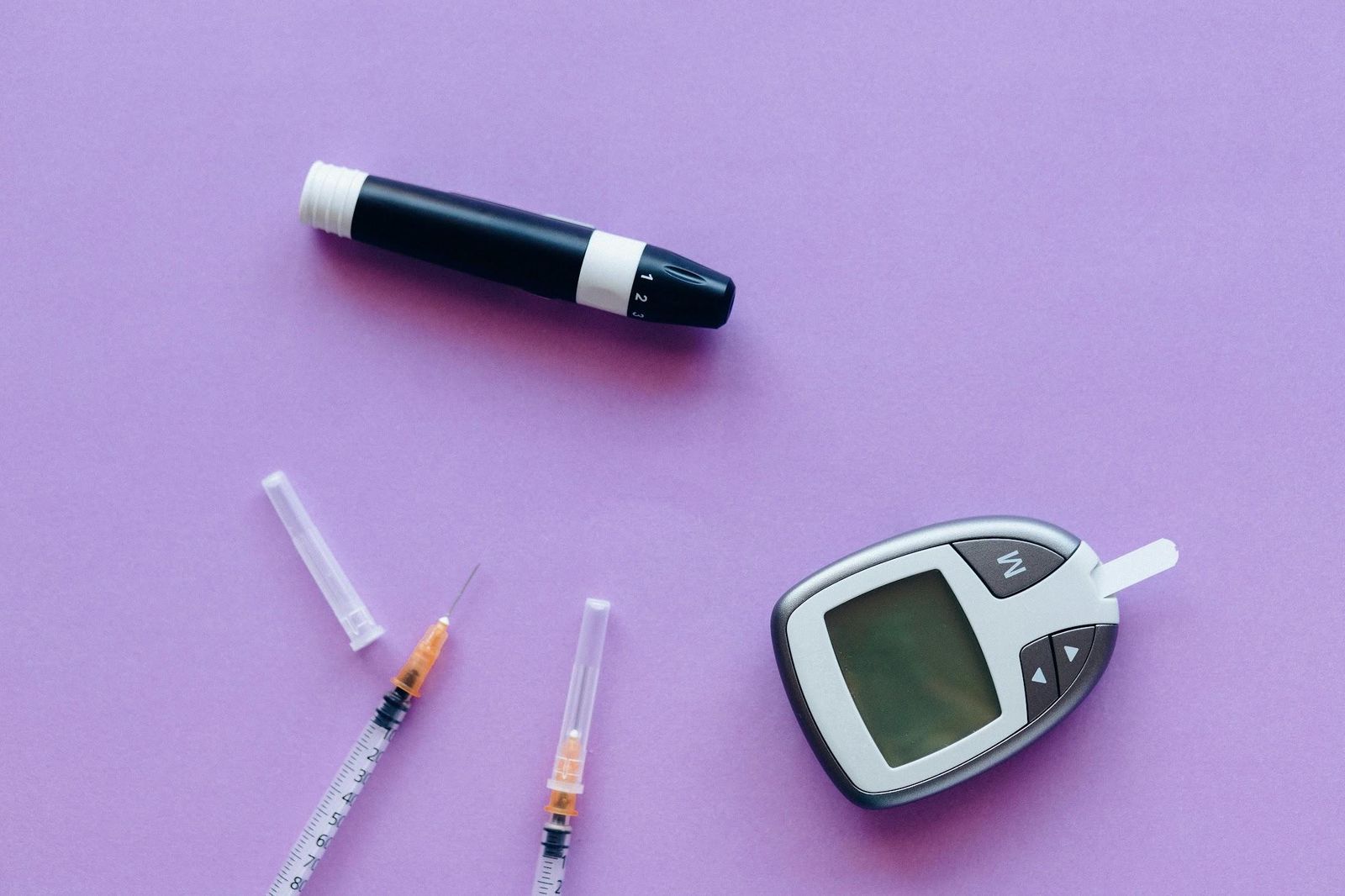
Image: Nataliya Vaitkevich

A 36-year-old Canadian woman diagnosed with type 1 diabetes was part of a stem cell experiment that resulted in her never needing insulin again. Before undergoing this innovative treatment, Amanda Smith had spent nearly a decade of her life constantly measuring her levels and giving herself insulin injections.

Of the 12 patients who received the cells for this study, 10 did not need insulin again for at least a year. The cells were implanted directly into the liver, which means they’ll need to take immunosuppressants to prevent their body from rejecting the cells, which could lead to risks such as infections, cancer, and organ damage.

4

The world's largest sand battery

Image: Samsung Memory

Can you imagine storing energy in sand? This is what a company in Finland was able to achieve by building the largest sand battery in the world.

It is a cylindrical structure capable of storing 100 MWh of thermal energy. The device is charged by heat produced from renewable sources such as the sun or wind, which reduces pollutant emissions by up to 70%. When needed, the energy is released in the form of steam or hot air and can be used for industrial processes or heating systems.

5

Fish are responsible for your toothache
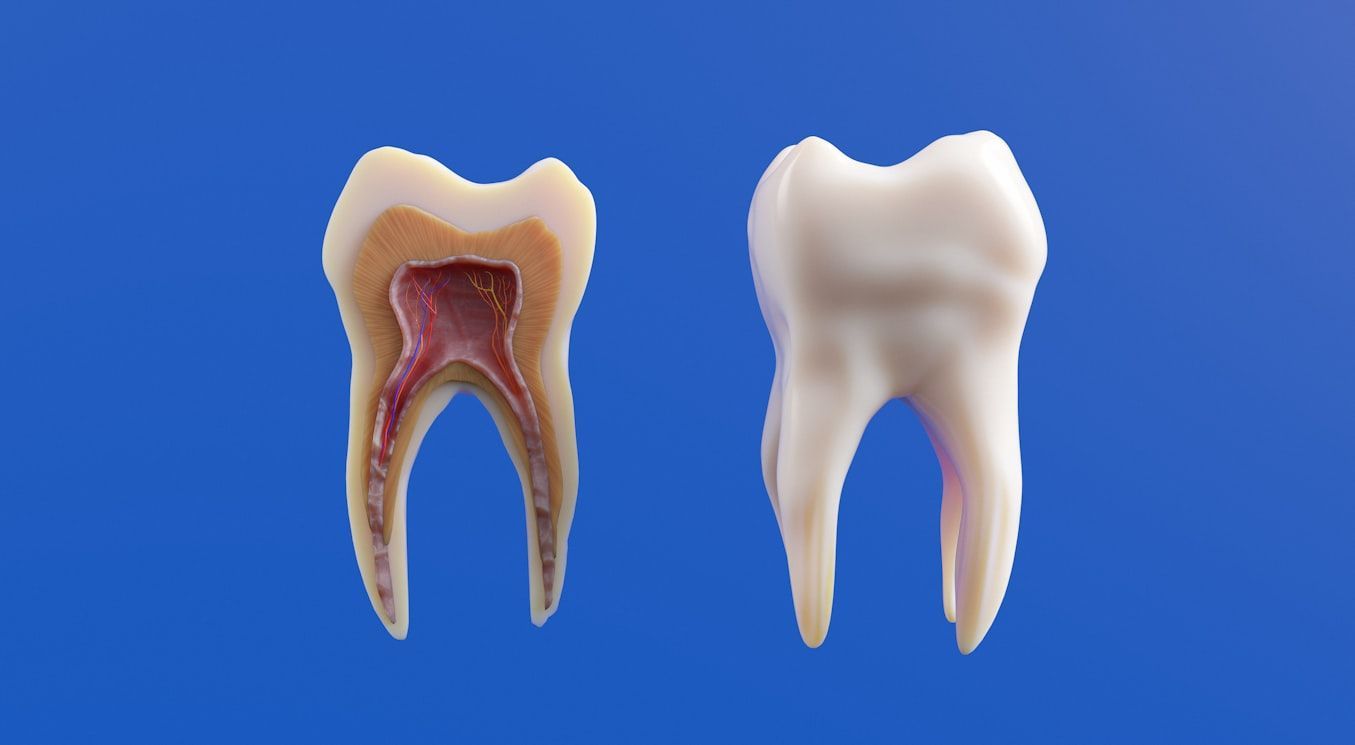
Image: Aakash Dhage

There is nothing worse than a toothache; the good news is, scientists have found the source of our dental sensitivity. The exact origin of teeth has always been a great scientific mystery. Recently, a team from the University of Chicago discovered that the answer lies in a fish from about 465 million years ago.

These creatures had external bumps called odontoids. Those odontoids had a sensory function to detect temperatures and vibrations, and probably evolved to become our teeth. So now you know, the next time you get a toothache, you can blame it on those prehistoric armored fish!

6

A tiny, eco-friendly aquatic robot

Image: Erik Mclean

A group of Swiss researchers has developed an innovative robot that could change the way research is conducted in aquatic environments. It uses surface tension to move through the water in the same way as some insects do.

The tiny robot is shaped like a boat and is built out of fish food, which turns it into food for wildlife at the end of its useful life. The design, which also uses biodegradable fuel, is particularly efficient as it doesn’t rely on plastics, batteries, and electronic components to operate. These robots are expected to collect environmental data on water pH, temperature, pollutants, and the presence of microorganisms.

7

Plastic can be converted into painkillers

Image: Anna Shvets

Scientists at the University of Edinburgh were able to use E. coli bacteria to convert the molecules of PET plastic, usually used in water bottles, into acetaminophen, better known as paracetamol, a medicine that you have probably taken to treat the flu.

By genetically modifying the bacteria and through a fermentation process, they were able to turn plastic into paracetamol in just 24 hours with a 92% effectiveness. How is this possible? Paracetamol is also a petroleum derivative; it is produced by converting a molecule known as terephthalic acid into the drug's active ingredient. For now, the experiment has only been achieved in the laboratory and in low quantities, but it is a major breakthrough in the fight against environmental pollution.

8

The ashes of your loved ones can become artificial reefs
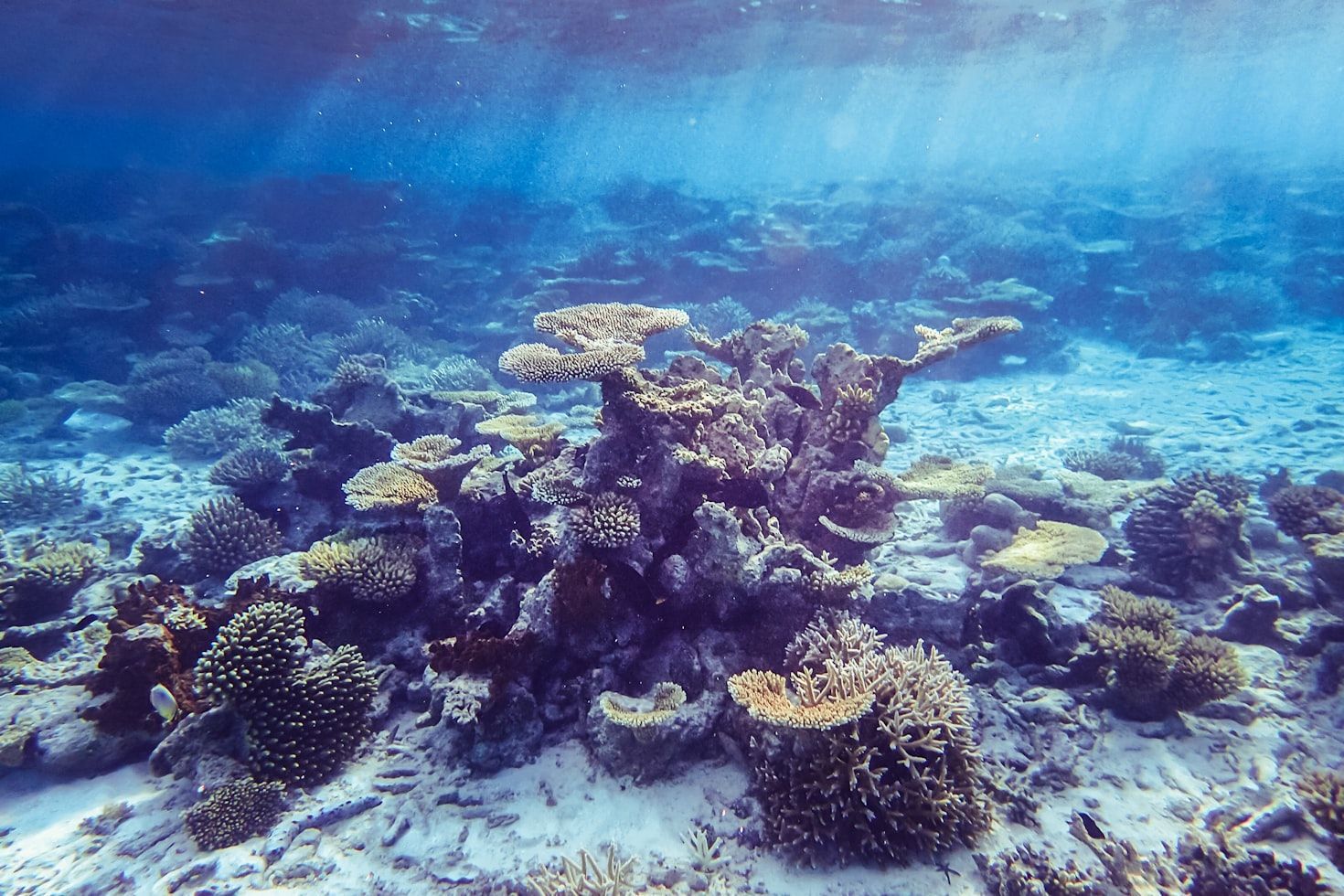
Image: yang wewe

No, it's not the plot of some science fiction movie. A UK company has found an out-of-the-box solution to fight funeral industry pollution: by mixing the ashes of your loved ones with pieces of seashells to create artificial reefs that can support deep-sea life.

So far, the company has worked only with pet ashes, whose artificial reefs were left in Bali. They hope to be able to start human "sea graveyards" in 2026. What do you think of this idea?

9

An electronic tattoo that measures stress

Image: Nik

We have all felt overwhelmed at one time or another; however, due to the fast-paced culture we live in, we often don't realize it and continue to work nonstop. A group of researchers may have found a solution.

Through sensors, an electronic tattoo that sticks to the skin without adhesive can track brain and eye activity to determine mental fatigue. And it not only detects stress, but can also predict it! This discovery will undoubtedly be essential in work environments, but also to remind us that sometimes we need to take a breath before we reach complete burnout.

10

Babies by design

Image: Pavel Danilyuk

The New York-based startup Nucleus Genomics has launched a "genetic optimization" service that allows parents to analyze embryos to determine physical traits and even the IQ their baby will have before in vitro fertilization.

Although these types of services already existed, they only focused on potential health issues instead of other physical traits such as intelligence, height, or eye color. Nucleus Genomics’s new approach raises a whole ethical debate about genetic medicine. Do you agree with this type of manipulation of nature?


WE HOPE YOU HAVE THE TIME

Go The Distance: Unravel These Ten Laughably Long English Words!


Published on September 8, 2026


Image: Diana Polekhina

English can sometimes be a daunting language. Think about the challenges a non-native speaker must face in order to learn that "buy", "by", and "bye" are spelled differently but sound the same, or that the word "bear" can both mean "a large mammal" and "to support the weight of something". However, we believe that this difficulty is a large part of what makes the English language so beautiful, filled with unique words and spellings that completely amaze us.

We have compiled a list of ten long words that would both terrify a Spelling Bee contestant and make the mouth of a Scrabble player water. These words range from "a few letters too long" to "ridiculously lengthy". Enjoy!

1

Connecticutensian

Image: Rusty Watson

We’ll begin this list with one of the longest American demonyms we could find. While the official designations for the good people living in "The Constitution State" are "Connecticuter" and "Connecticutian", the unofficial demonym "Connecticutensian" can also be used.

Interestingly, none of these above-mentioned denominations is as regularly used as the colloquial nickname "nutmeggers". This comes with the unofficial nickname of Connecticut, known as "The Nutmeg State".

2

Pulchritudinous

Image: Caroline Veronez

Looking for new ways to tell your partner they are beautiful, but the words "pretty" or "handsome" seem to be overused? Don’t worry, we got you covered. Next time you are enjoying a candle-lit dinner, try looking into their eyes and saying, "Darling, you look absolutely pulchritudinous tonight."

Well, maybe this is not the most romantic of words, but it is still pretty interesting. It is derived from the word pulchritude, an out-of-style noun that means "beauty". In turn, this word comes from the Latin word pulcher, which translates to "beautiful".

3

Floccinaucinihilipilification

Image: Gary Chan

Try saying this three times fast. As quirky as this word sounds, its meaning is not as fun. "Floccinaucinihilipilification" is a word that describes the act of considering something completely worthless or unimportant.

However, don’t be too discouraged by this word’s meaning: chances are it was never used in casual conversation. In fact, it is mostly quoted as an example of a ridiculously long word, and not as an actual measure of importance.

4

Tergiversation

Image: Pawel Czerwinski

While the verb "tergiversate" isn’t exactly synonymous with lying, they are both cut from the same cloth. Its noun form, "tergiversation", describes the act of producing different statements, often twisting and turning facts to protect self-interest.

However, tergiversate has an accidental ring to it that lying usually doesn’t, since someone caught in tergiversation is found after stating contradictory facts that evidence his or her deceitful ways.

5

Antidisestablishmentarianism

Image: Akira Hojo

Just like "floccinaucinihilipilification", the word "antidisestablishmentarianism" is considered one of the longest non-scientific words in the English language. However, the main difference between them is that antidisestablishmentarianism was for a while present in everyday vocabulary, albeit in 19th-century England.

This word describes a movement that advocated for the Church of England to continue to receive government patronage. In fact, it was created as a response to another movement also blessed with an extremely lengthy name called "disestablishmentarianism", which called for the separation between church and state.

6

Uncopyrightable

Image: Umberto

While this word is definitively a mouthful, it is also rather straightforward. "Uncopyrightable" describes cultural products such as books, films, or photographs that can’t be claimed or protected under copyright laws.

The characteristics that might make something uncopyrightable are various: If the author is unknown, for instance, or if a certain item belongs to the public, like a legal code or constitution. Sometimes the matter of who is the author of a certain cultural item is disputed, and therefore no individual can truly claim ownership, so the work is deemed uncopyrightable.

7

Incomprehensibleness

Image: Sander Sammy

It is rather ironic that we try to explain the meaning of such a bewildering word as "incomprehensibleness" when it literally defines a state in which something is particularly or downright impossible to understand.

While its synonym "incomprehensibility" is far more regularly used, we must take our hats to "incomprehensibleness", a noun that took a word with an already difficult spelling and added a few extra letters just for the sake of being extra confusing.

8

Consanguineous

Image: Liv Bruce

Just like with "Pulchritudinous", we believe there are warmer ways to refer to your family, but let’s explore this word on the off chance you want to show your affection at the next Thanksgiving in a more formal, slightly offputting way.

"Consanguineous" is an adjective for people related by blood and, while it is mostly used in matters related to ancestry, it is perfectly suitable to describe your immediate family. The main root of this word comes from the Latin word sanguin, which means "blood".

9

Supercalifragilisticexpialidocious

Image: Andreas Praefcke

We know what you are thinking: This one feels a little bit like cheating. After all, this word was first said by the legendary Julie Andrews in the timeless Disney film "Mary Poppins", and it was written as an extremely long adjective, meant to sound silly for comedic effect.

However, you might be surprised to learn that this word has been included in several renowned dictionaries: Cambridge Dictionary defines "supercalifragilisticexpialidocious" as "extremely good". And while its use will forever be associated with our favorite British nanny, this wacky word has truly transcended its medium.

10

Hippopotomonstrosesquipedaliophobia

Image: Brett Jordan

We’ll end this article with a bit of an ironic twist. Besides being the longest word we could find, "hippopotomonstrosesquipedaliophobia" describes an irrational fear, as all words ending in "phobia" do. However, this noun holds the dubious distinction of describing an unreasonable fear to itself, since someone suffering from this phobia is terrified of long words.

To make matters worse, some people spell this word with an extra P ("hippopotomonstrosesquippedaliophobia"), which some believe is a humorous misspelling in order to make the word even longer.

Looking for an extra scoop of literary fun?

Learn more with our Word of the day

filter

/ˈfɪltər/