Tour the South through language
Southerners speak in code, but we're here to decode them
Published on June 24, 2026
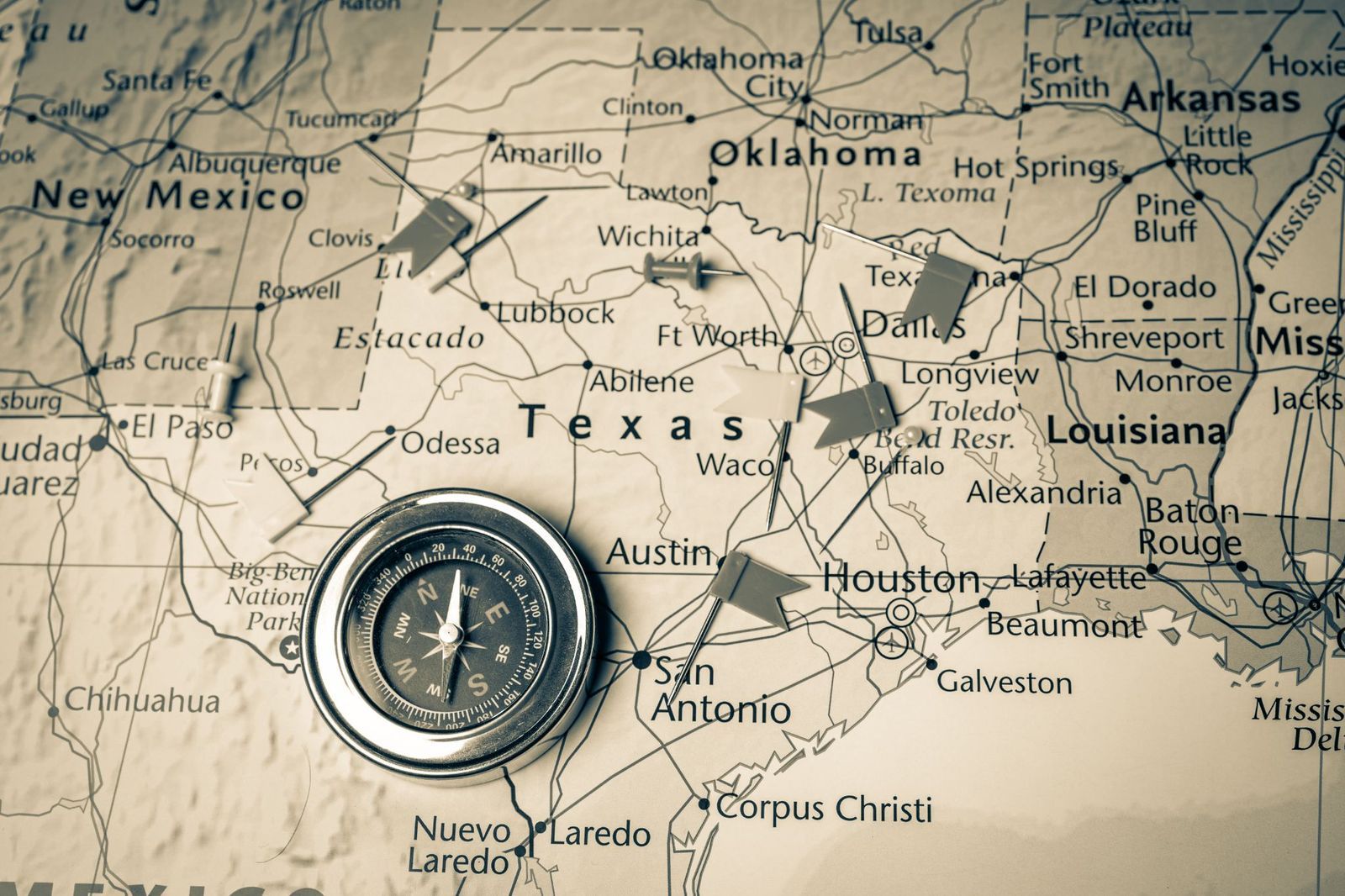
Maybe you’ve heard someone say they’re "fuller than a tick" after Thanksgiving dinner, or thought your next-door neighbor was "too big for his breeches." These old Southern expressions have been floating around front porches, family reunions, church socials, and kitchen tables for generations. Most know what they mean, but few know where they came from. As it turns out, the stories behind these sayings are every bit as intriguing as the expressions themselves. Here’s the story of 10 Southern favorites.
Too big for your breeches

Everyone has seen it happen: A coworker gets promoted, a neighbor wins a local election, or a young athlete becomes the star of the team. At first, everyone is happy for them, but soon they start acting as if ordinary rules don’t apply to them. Before you know it, people are already whispering they are too big for their breeches.
This classic Southern criticism is aimed at people whose egos have grown faster than you can tell. One of its earliest recorded appearances came in 1835 when frontiersman and Congressman Davy Crockett used it while discussing President Andrew Jackson. Over time, parents, teachers, and grandparents adopted the expression as a gentle warning against arrogance. In a region that traditionally valued humility and neighborliness, getting "too big for your breeches" was often a sign that a person needed a reality check before life delivered one.
Pretty as a speckled pup
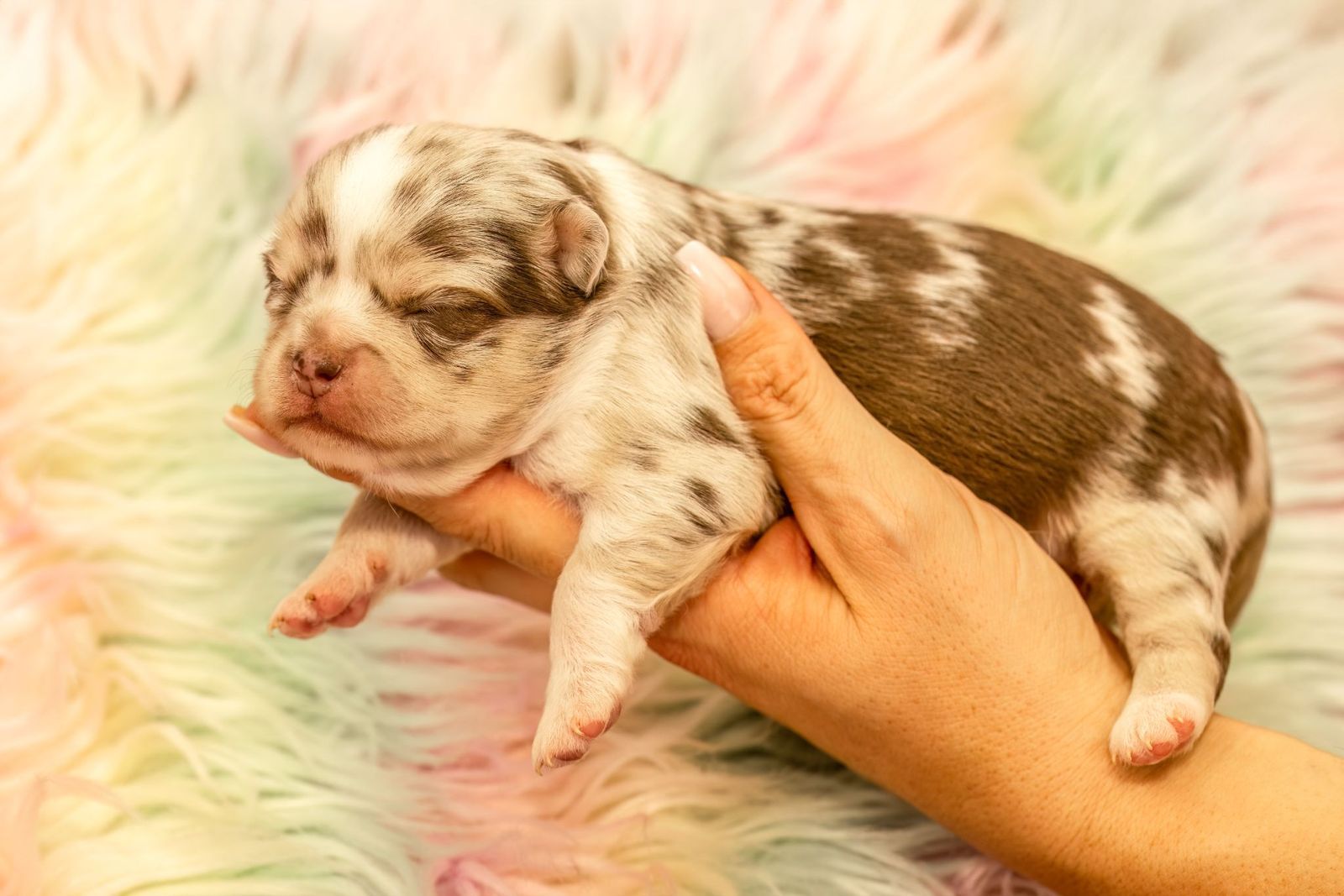
You’re not a true grandparent until you show your grandkids’ pictures to your friends and proudly say the baby is "pretty as a speckled pup." One of the South's warmest compliments, the expression describes someone who is exceptionally cute or charming.
The saying emerged in the rural South and Appalachian Mountains during the late 1800s, where hunting dogs were an important part of everyday life. Puppies with spotted coats, particularly breeds like Bluetick Coonhounds and English Setters, were admired for their distinctive markings and irresistible appearance. Southerners, known for turning everyday observations into colorful language, began comparing attractive children and young women to these beloved pups. Some families even embellished the phrase, describing someone as "pretty as a speckled pup with a ribbon around its neck."
Fuller than a tick

We’ve all been there. The holiday meal is over, you’ve had seconds of the mashed potatoes, a slice of pie, and maybe another helping of stuffing. Then someone offers dessert, and all you can do is lean back and say you're "fuller than a tick."
This vivid expression means being completely stuffed after eating, and its roots go back much further than many people realize. Records show similar versions existed as early as the 1600s. The comparison comes from the appearance of ticks after they've fed. These tiny creatures swell dramatically, becoming several times larger than their normal size. The phrase became especially common after large Sunday dinners, church suppers, and holiday feasts, where refusing another helping was practically impossible. Even today, few expressions paint a clearer picture of overeating.
Going to see a man about a horse

Social life is important, but there’s always a time during a meeting when you just want to stand up, say you’re "going to see a man about a horse," and head back home. You know everyone will nod, no questions asked, and that’s because you’ve used a polite way to leave the meeting without explaining much about why you’re actually going.
The expression dates back to the mid-1800s. One of the earliest known examples appeared in an 1866 stage play called Flying Scud, written by Irish playwright Dion Boucicault. Funnily enough, the phrase gained special popularity during Prohibition in the United States, because it could disguise a trip to buy illegal alcohol. Part of its charm lies in its deliberate vagueness. Everyone understands it means something else, but good manners keep anyone from asking for details.
‘Til the cows come home

Have you ever argued with someone who simply refuses to change their mind? A debate might go on for hours, so, eventually, you might throw up your hands and say you could discuss the issue "'til the cows come home."
The roots of this expression, which refers to doing something for a very long time, stretch back more than 400 years. One recorded example appears in a language textbook published in 1593. The imagery comes from farm life, where cows often wandered slowly back to the barn at their own leisurely pace. In parts of Scotland, cattle sometimes grazed for months before returning home, which may have influenced the saying’s development. Southern speech preserved many old British expressions that disappeared elsewhere, and this one fit perfectly with the region’s love of colorful exaggeration. It’s hard to imagine a more relaxed timetable than waiting for cattle to decide when they’re ready to come back.
What in the Sam Hill

You’re searching for your car keys, you’ve checked every room twice, and now they’re somehow sitting on the kitchen counter where you had already checked before. That’s when many Southerners go, "What in the Sam Hill is going on?"
The phrase refers to the state of confusion, frustration, or surprise without resorting to profanity. And even if linguists can’t trace back its origin, they all agree it was born out of the need to be polite, even when shocked. For earlier generations, especially in churchgoing communities, it’s preferable to use milder expressions, avoiding making direct references to hell. "Sam Hill" is one of those creative substitutes. Although who Sam Hill is is as much of a mystery as where the expression comes from.
Madder than a wet hen

Everyone knows someone who gets irritated when things don’t go their way. When that frustration reaches a boiling point, Southerners might describe the person as "madder than a wet hen." And it’s not a surprise that the vivid imagery comes directly from farm life.
Hens that are sitting on eggs can become fiercely protective and remarkably bad-tempered. Farmers discovered that dipping a broody hen in cool water sometimes interrupted the behavior and encouraged the bird to return to its normal routine. Unfortunately, the soaking often left the hen quite unhappy. Anyone who has encountered an angry wet chicken can appreciate how the comparison developed. The phrase became a way to describe someone whose temper has clearly gotten the better of them.
More than Carter has pills

You know that feeling when you open a cluttered garage and discover enough tools, screws, and spare parts to stock a hardware store? If you’d lived in the South, you might hear someone say there’s "more than Carter has pills".
Referring to an enormous quantity of things, the expression originated with Carter’s Little Liver Pills, a patent medicine introduced by Samuel J. Carter in Pennsylvania in 1868. The company became famous for relentless advertising campaigns that appeared in newspapers, magazines, and storefronts across the country. For decades, Americans saw the product promoted as a remedy for everything from constipation to headaches. The ads were so widespread and the pills so plentiful that people naturally began using the company as a benchmark for abundance. Before long, anything that existed in huge quantities had "more than Carter has pills."
Ain't got the sense God gave a billy goat

You’ve probably encountered a door marked "pull" and tried to push it, only to become increasingly frustrated when it didn’t open. That’s exactly the kind of situation that inspires the remark, "Ain’t got the sense God gave a billy goat." That is to say, someone lacks common sense.
The humor comes from comparing a person’s judgment to that of a billy goat, an animal not generally celebrated for wisdom. The popularity of the phrase in Southern culture is a reflection of how the local scenery influenced language, in a place where livestock were familiar reference points in everyday conversation. Rather than calling someone foolish outright, the humor and exaggeration of the phrase softens the sting while still making the point perfectly clear.
Doesn't amount to a hill of beans
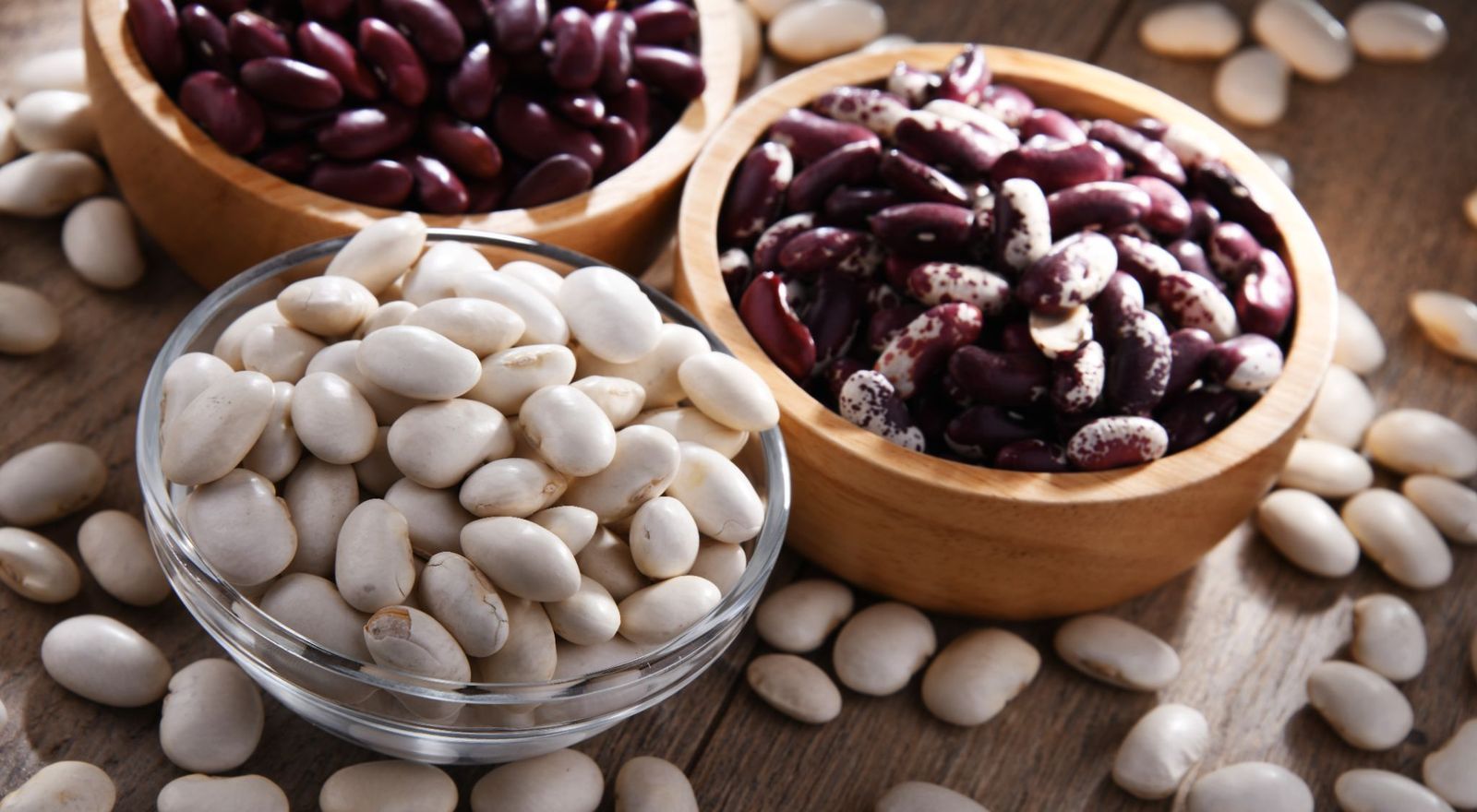
Imagine spending hours worrying about a minor problem, only to realize later that it really didn’t matter at all. That’s when an older Southerner might tell you, "It doesn’t amount to a hill of beans."
The expression means something has little value or importance, and its story begins with agriculture. During the 1800s, farmers commonly planted beans in small hills. Because beans were inexpensive, easy to grow, and abundant, a single hill of beans wasn’t worth very much. Earlier English writers had already used beans as symbols of low value, but Americans added the farming imagery that made the expression memorable. And it received an extra boost in 1942, when Humphrey Bogart delivered the famous line in Casablanca: "The problems of three little people don’t amount to a hill of beans in this crazy world." More than eighty years later, the saying remains as useful as ever.