Battle-born everyday words
Some of your favorite expressions were born in the heat of war
Published on September 19, 2026
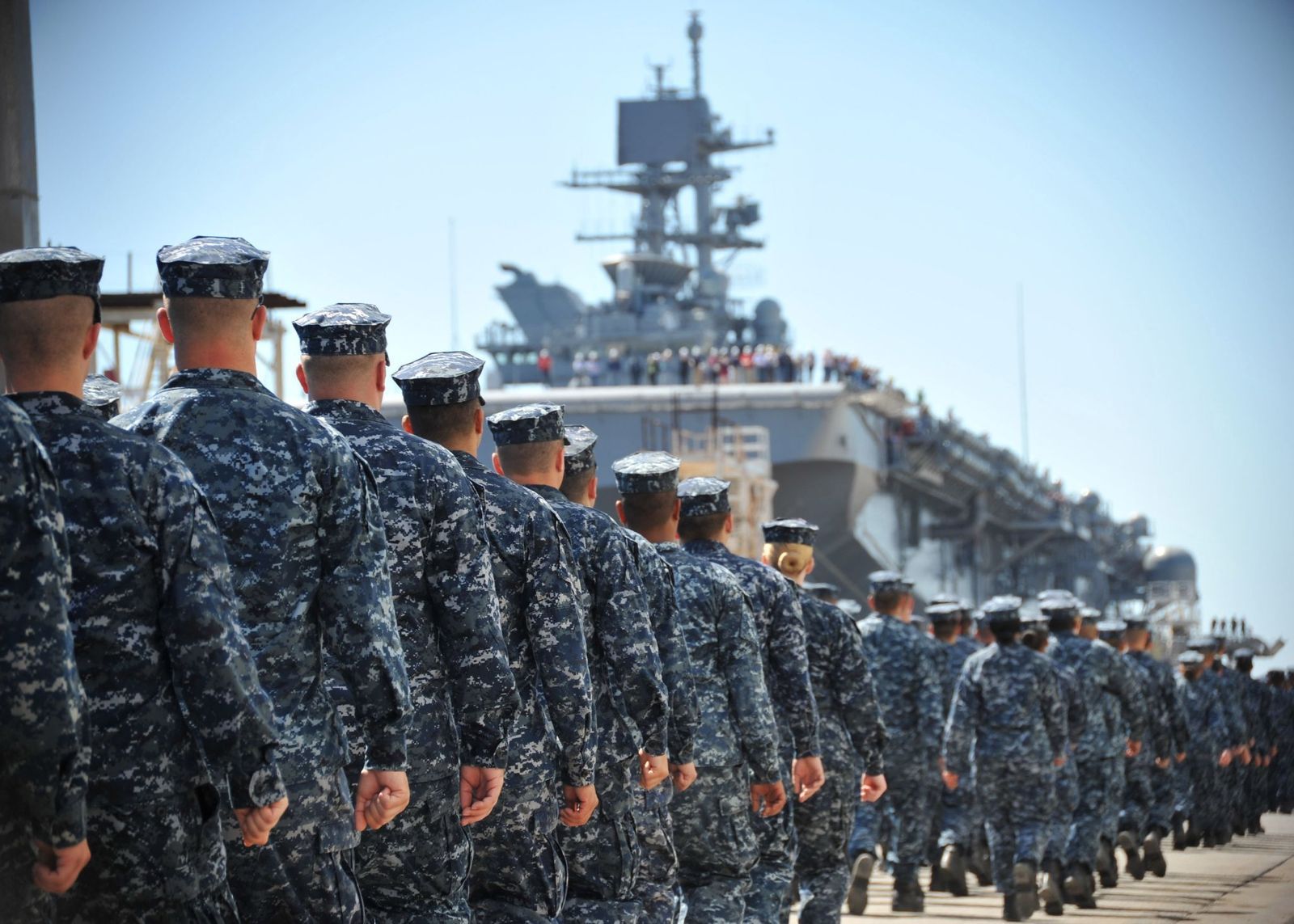
Health breakthroughs (like modern trauma care) and everyday tech (like the microwave oven) came straight out of wartime research labs. But there's a quieter legacy nobody talks about: language. Military vocabulary quietly slipped into ordinary conversation. Take the trench coat, invented for officers freezing in WWI trenches, now just a stylish coat you grab on a rainy day. Or SNAFU, once army slang for total chaos, is now what you call it when your printer jams for the third time. Here are 10 examples you've probably used without realizing where they came from.
Trench coat

Born in WWI, the trench coat was designed for British and French officers standing in muddy, waterlogged trenches: durable, belted, and weatherproof. After the war, civilians loved the practical look and adopted it for city life.
By the mid-20th century, it became a fashion icon, thanks to detective movies and spies. Today, you probably own one just to survive rainstorms.
Sideburns
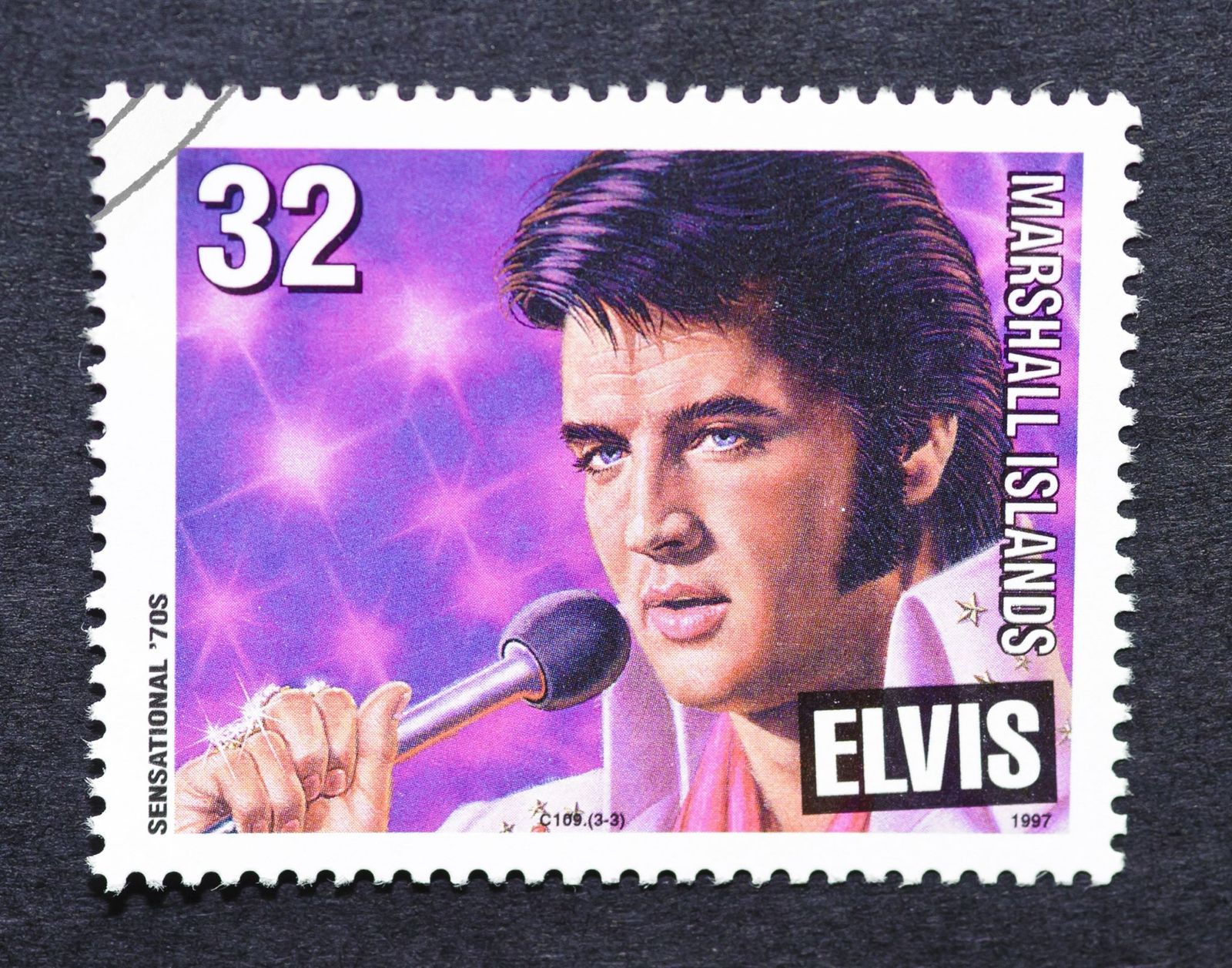
Named after Civil War general Ambrose Burnside, who sported a bold strip of facial hair connecting to his mustache, this style became famous through news coverage of the war. Civilians liked the look and kept it going long after the fighting ended.
It's now just a grooming term, no history lesson required. Elvis wore them; your barber trims them.
Blockbuster
This one started as a literal WWII bomb, powerful enough to level an entire city block. Grim stuff. But Hollywood, always looking for a punchy word, borrowed it in the 1950s to describe a movie so big it "blew away" everything else at the box office.
Now it just means your favorite summer movie made a ton of money.
SNAFU
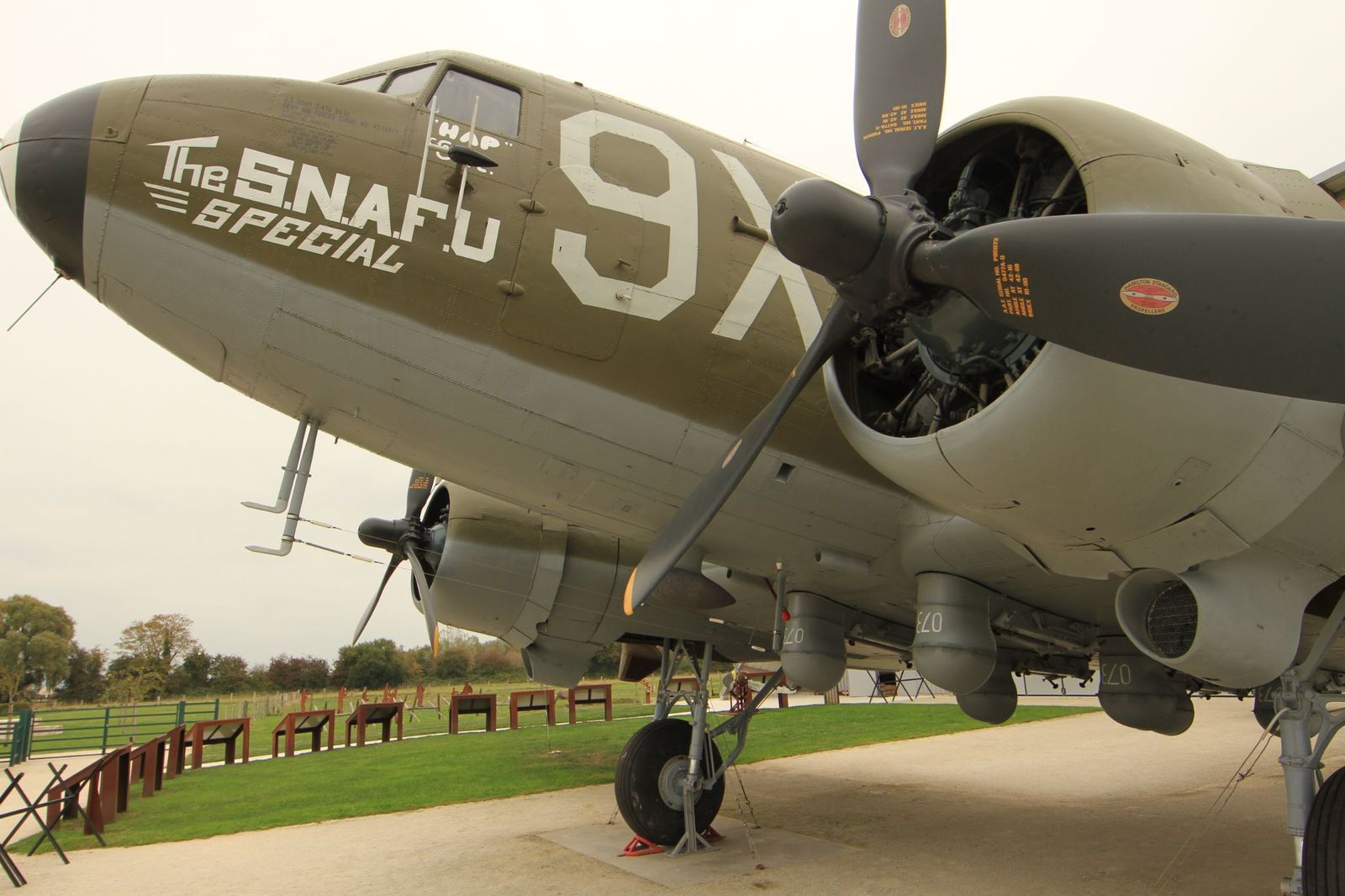
American soldiers in WWII coined this one as a sarcastic acronym meaning things were a complete, chaotic mess: SNAFU stands for "situation normal: all fed up,". Troops used it constantly to laugh off disasters. Civilians picked it up after the war, and now it just means any everyday screw-up.
Your flight got cancelled, and your luggage vanished? That's a classic SNAFU; no soldiers required.
Flak
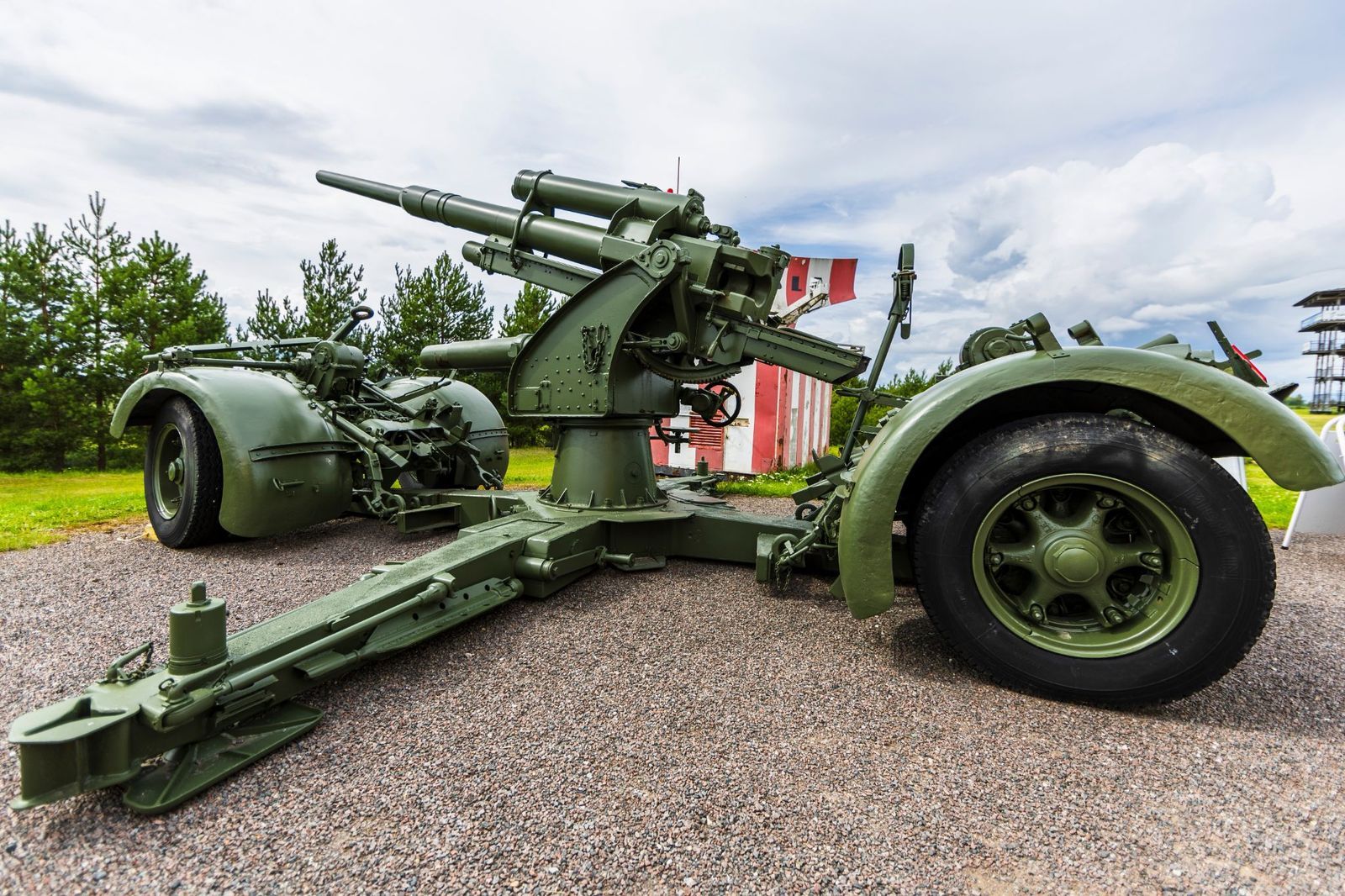
"Flak" came from the German word Fliegerabwehrkanone, literally "aircraft-defense cannon", and was used to describe the exploding shells fired at enemy planes during WWII. Pilots dreaded flying through it. Over time, people borrowed the image of getting hit from all directions to describe verbal attacks.
Now if you tell your spouse you forgot the anniversary dinner reservation, you're bracing for some serious flak.
Bunker
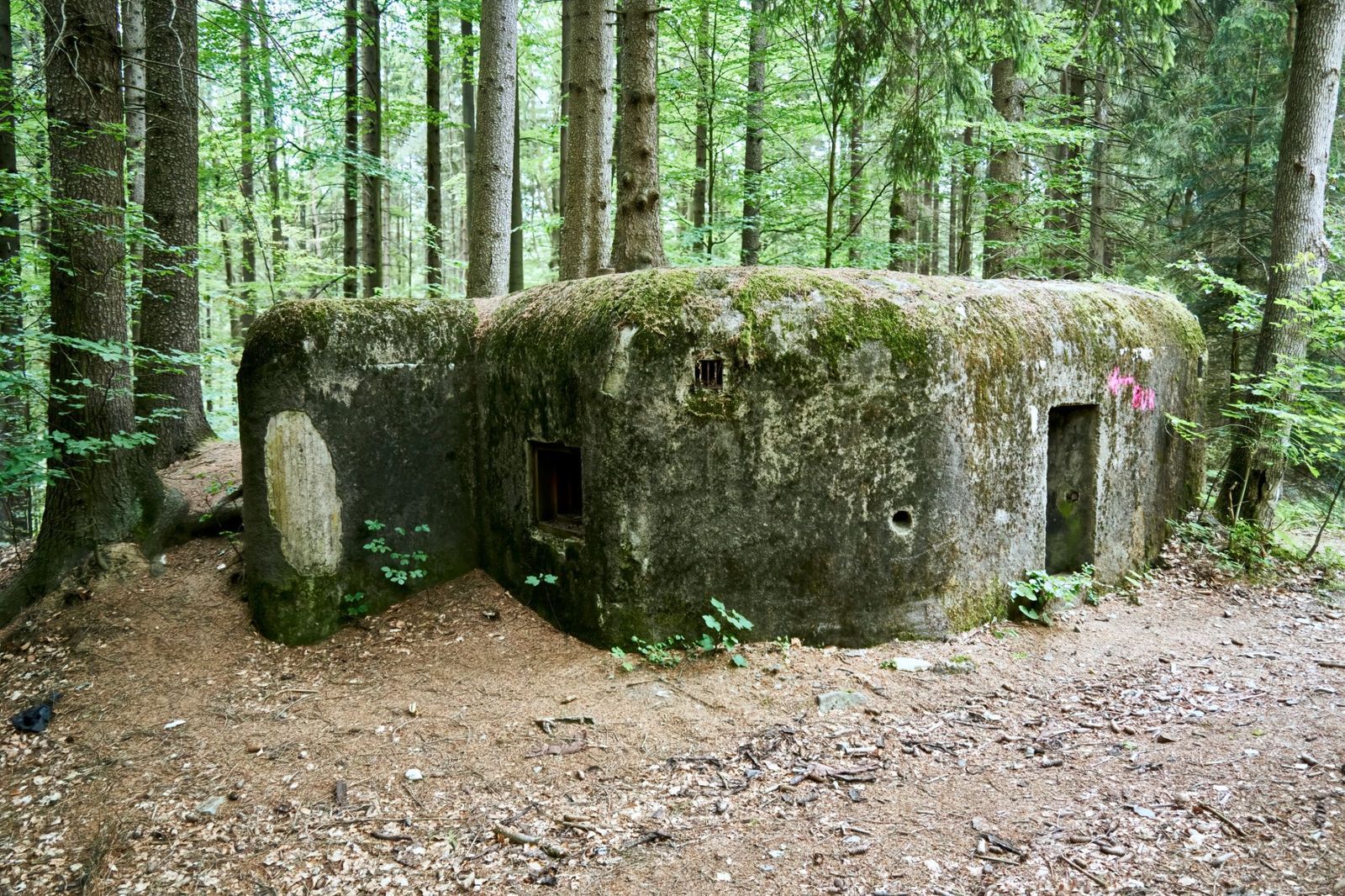
Originally a fortified shelter built to protect soldiers from bombing and shelling, the bunker was pure wartime survival architecture. After the wars, the word stuck around for anything reinforced and defensive-feeling.
These days, it describes storm shelters, wine cellars, even a golfer's sand trap. If your neighbor built a concrete room under his garage for tornado season, he's got a bunker.
Camouflage
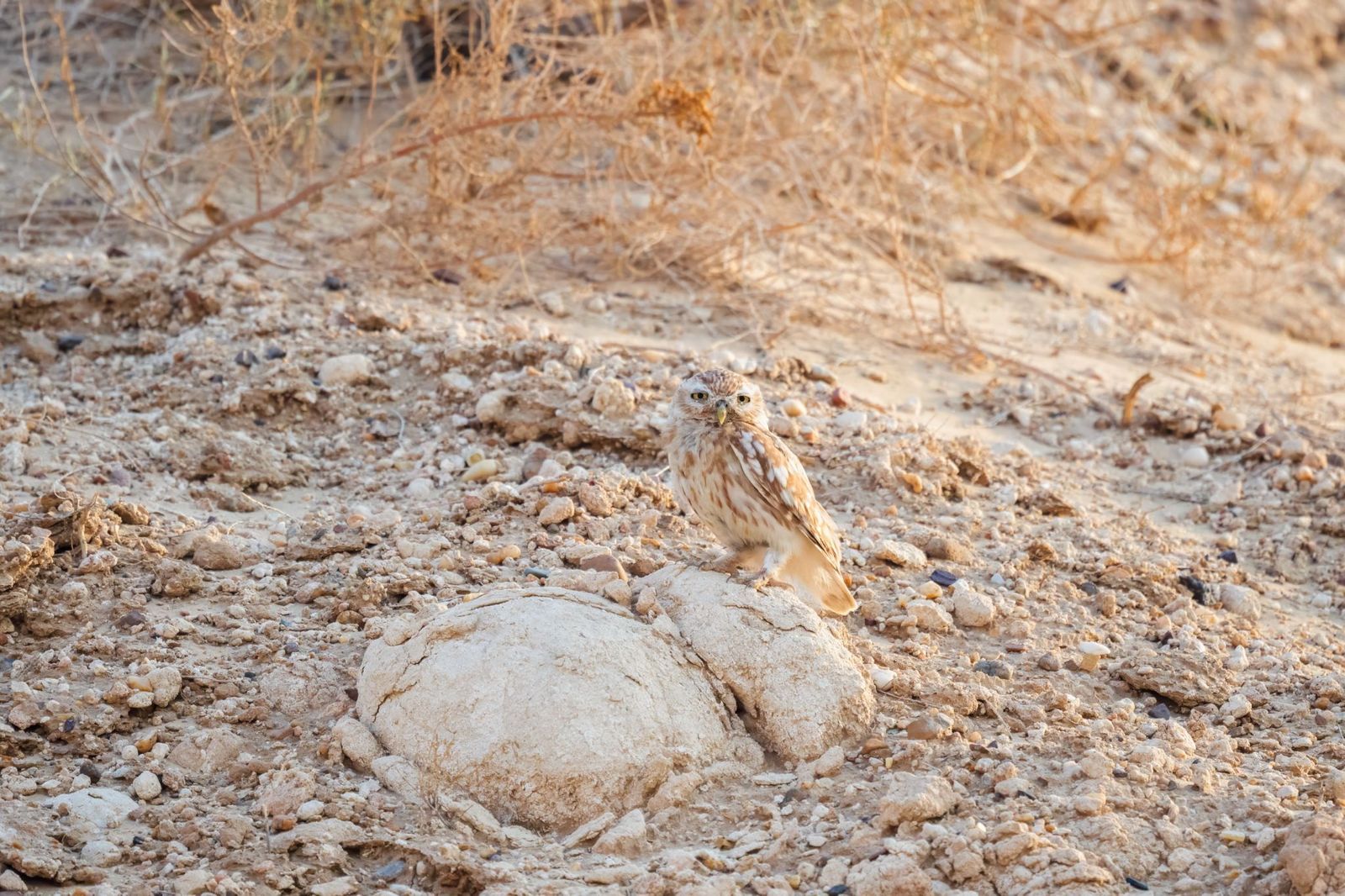
The military borrowed this word from French artists, who'd studied how animals blend into their surroundings to avoid predators. Armies applied the same idea to conceal tanks, uniforms, and equipment from enemy eyes during WWI. Civilians eventually embraced the pattern as a fashion statement, and the word itself came to mean any kind of blending in or hiding.
Wearing a camo jacket to the grocery store, or "camouflaging" a bad haircut with a hat: either way, you're covering something up.
Brainwashing

This unsettling term emerged during the Korean War, describing coercive tactics used on prisoners to change their beliefs. It sounded straight out of science fiction at the time. Now it's used far more casually, for anything from pushy advertising to a friend's obsession with a diet fad.
No man's land
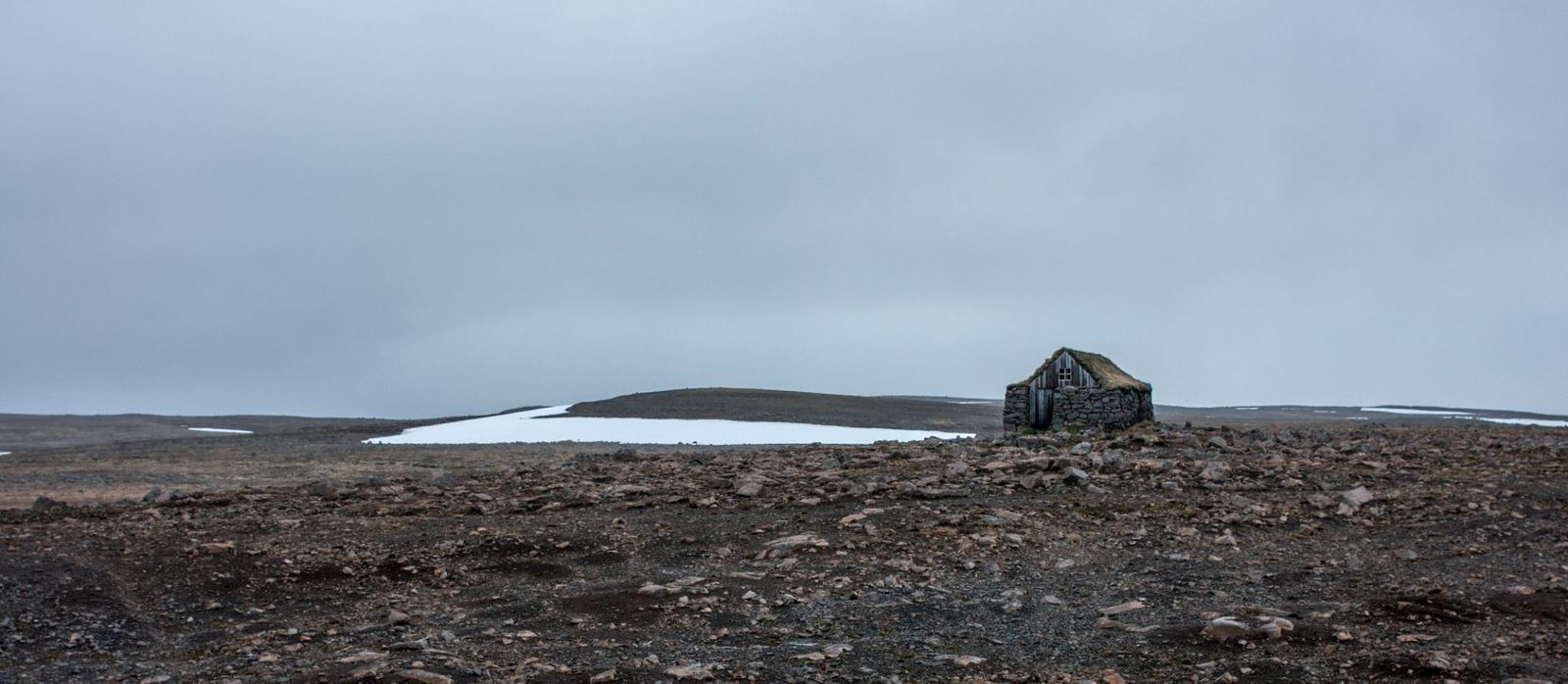
Centuries old, this phrase originally described unclaimed or disputed territory, then gained new meaning during WWI as the deadly strip between opposing trenches, a place nobody dared cross. Today it simply means any confusing, undefined space.
Radar
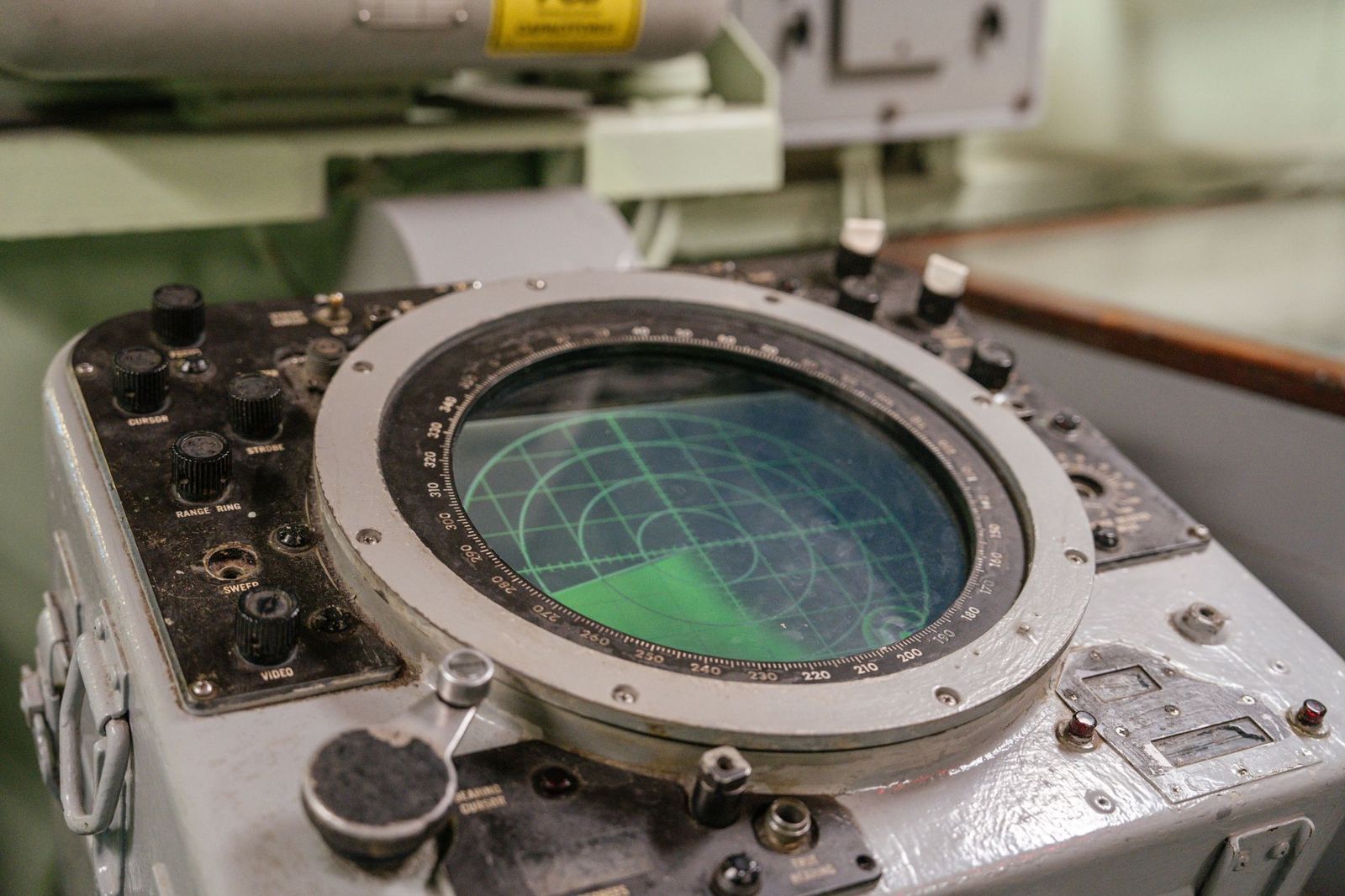
Developed in secret during WWII to detect approaching enemy planes and ships, radar was cutting-edge, classified technology. After the war, it became public knowledge and its name drifted into daily speech. Now, if something catches your attention, it's "on your radar", and if it sneaks past you, it flies "under the radar."


