Bookworms reunite!
Six opening lines every reader should know, do you?
Published on December 14, 2025
 Image: Thought Catalog
Don’t you just love a good puzzle? Let’s play a round with some of the most unforgettable first lines in literature. You’ll get a taste of the sentence that set the whole story in motion, plus a quick description of what’s ahead, but without spoiling the title just yet. Don’t worry, the answers are waiting for you further down. Settle in with a cup of coffee and see how many you can get right.
Line #1
 Image: Olga Tutunaru
"It is a truth universally acknowledged that a single man in possession of a good fortune must be in want of a wife."
This tale begins in the English countryside, where money, marriage, and manners mix into a lively social dance. The plot follows daughters hoping to secure their futures, nosy neighbors, and a string of misunderstandings that continue to make readers smile centuries later.
Line #2
 Image: Rey Seven
"It was a bright, cold day in April, and the clocks were striking thirteen."
Here we step into a chilling future where language is twisted, history is rewritten, and even private thoughts aren’t safe. The story follows one weary worker caught between his conscience and a system that demands absolute obedience. What book is it?
Line #3
 Image: Olga Tutunaru
"Call me Ishmael."
The voice belongs to a man who signs on for an epic sea voyage. He joins a crew on a whaling ship, but the real focus is the captain’s dangerous obsession with one particular creature of the deep. The narrator watches it all unfold, with plenty of salt air, danger, and philosophy along the way. Did you guess it already?
Line #4
 Image: Clay Banks
"It was the best of times, it was the worst of times…"
This famous opening sweeps us into Europe during a period of revolt and upheaval. In the middle of political storms, two very different men are drawn together by love and sacrifice. It’s a mix of history, tragedy, and hope packed into a sweeping tale that still resonates today. If you don’t know which book it is, keep scrolling and find the answer!
Line #5
 Image: Sixteen Miles Out
"It was a pleasure to burn."
You probably know this one! In this dystopian world, books are outlawed, and firemen don’t put out flames; they actually start them. The main character loves his job at first, but soon starts questioning everything. His journey is one of rebellion, discovery, and danger.
Line #6
 Image: Francesca Zanette
"All happy families are alike; each unhappy family is unhappy in its own way."
This story transports us to imperial Russia, with shiny ballrooms on one side and a private heartbreak on the other. At its center is one woman whose scandalous choices send shockwaves through her family and society. The novel balances love, betrayal, and tragedy in a way that continues to captivate readers today. Dare to take a guess? Now it’s time to find out the answers!
Book #1: Pride and Prejudice by Jane Austen
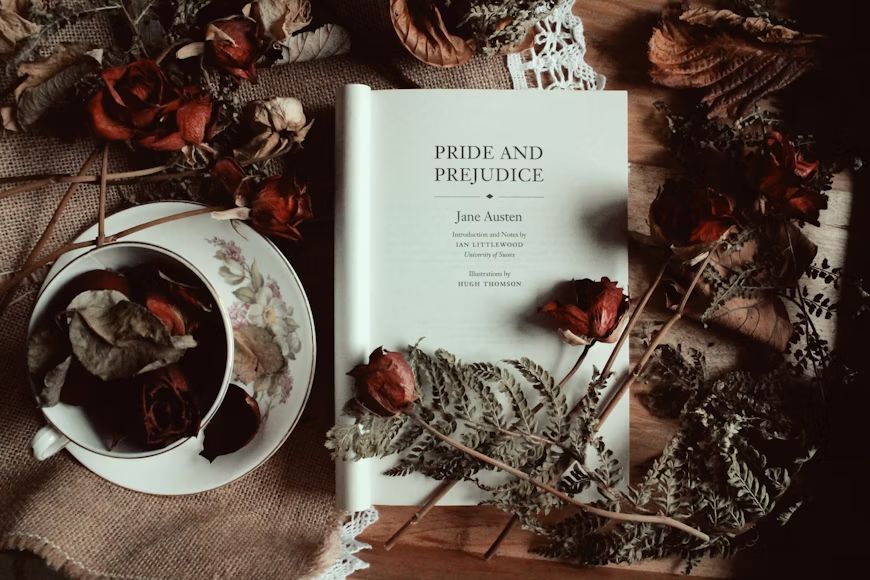 Image: Elaine Howlin
Elizabeth Bennet’s wit still enchants readers more than two centuries later. Austen uses humor and sharp observation to poke fun at social climbing, marriage expectations, and the limited options women had in 19th-century England. No wonder this book has never gone out of style, huh?
Book #2: 1984 by George Orwell
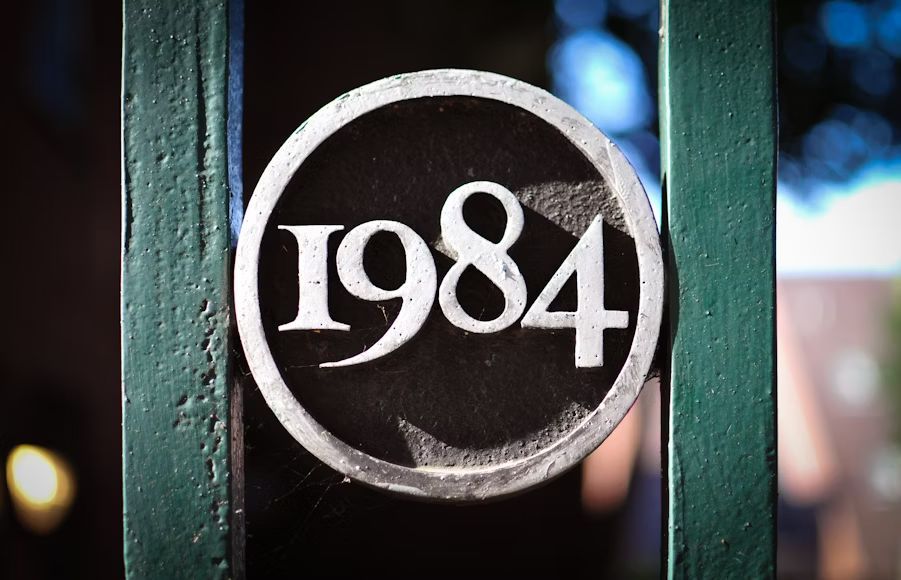 Image: Viktor Forgacs
That thirteen-o’clock moment instantly signals that something’s off. Orwell’s novel still feels eerily relevant, with its Big Brother surveillance, strict Party rules, and the constant manipulation of truth. At once a warning and a masterpiece of storytelling, it continues to haunt readers decades after its first publication.
Book #3: Moby-Dick by Herman Melville
 Image: Eir Health
Ishmael’s short self-introduction kicks off one of America’s greatest novels. The real star, though, is Captain Ahab, whose obsession with the white whale drives the entire plot. Melville delivers an unforgettable blend of high-seas adventure, philosophical reflection, and haunting obsession.
Book #4: A Tale of Two Cities by Charles Dickens
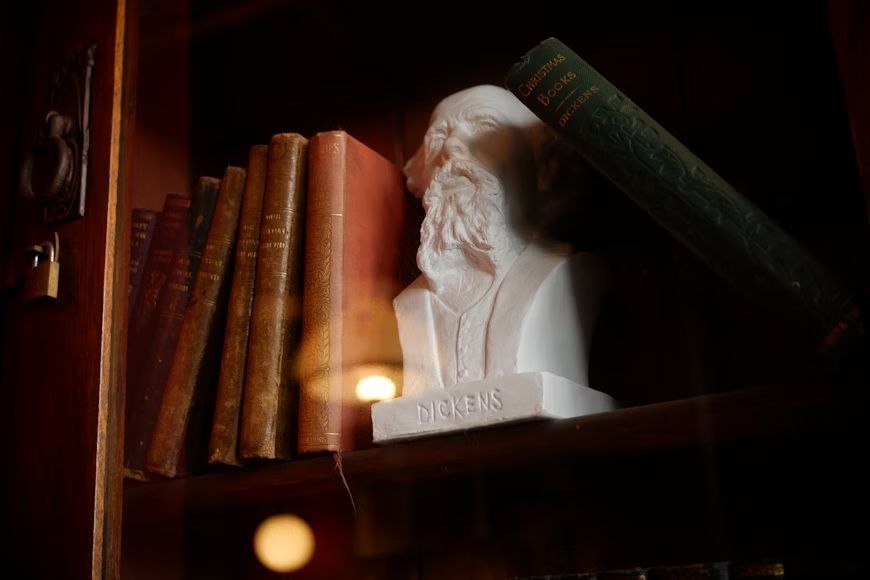 Image: Daniela Muntyan
Dickens contrasts London and Paris during the French Revolution, capturing both cruelty and courage. The famous first line sets the tone for the chaos of the times. And in the end, one character’s ultimate sacrifice delivers one of the most moving finales in literature.
Book #5: Fahrenheit 451 by Ray Bradbury
 Image: Marvin Meyer
Guy Montag, the book-burning fireman, slowly wakes up to the emptiness of his world. Written in the 1950s, Bradbury’s novel eerily anticipates issues ranging from mass entertainment to censorship, delivering a timeless and powerful warning. Simply a masterpiece.
Book #6: Anna Karenina by Leo Tolstoy
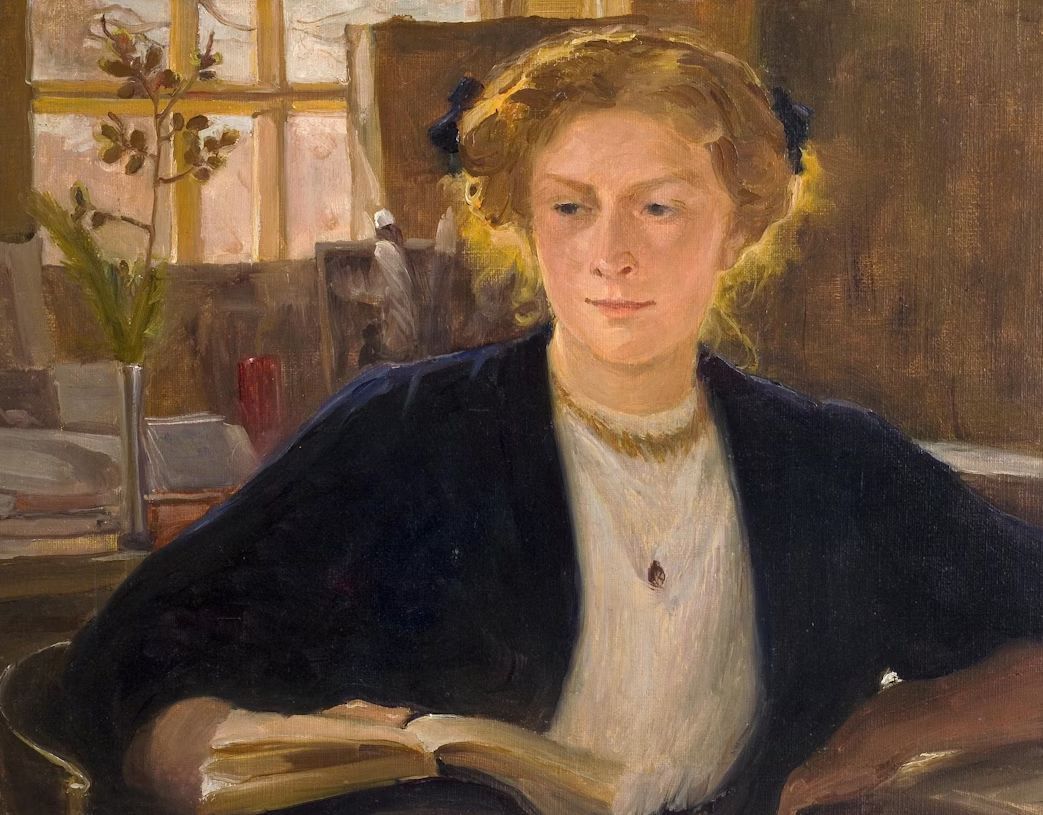 Image: Europeana
Tolstoy opens with a sweeping truth about families, before delving into Anna’s personal tragedy. The novel blends love, betrayal, and questions of duty, all set against the backdrop of 19th-century Russian society. It remains one of the most ambitious and enduring novels ever written.


