Time is of the essence

Shorter words are becoming the norm: These 12 terms used to be longer


Published on February 23, 2026


Image: Markus Winkler

Blame it on the faster pace of modern life, practicality, or whatever else you can think of, but the tendency to optimize time has seeped into our everyday lives and even into our language. Many formal words have been trimmed into shorter versions of themselves, often starting as slang and then becoming standard speech. Did you ever use any of the following words in their longer form?

1

Omnibus to bus

Image: Jonathan Borba

In the nineteenth century, public coaches were called omnibuses, a Latin term suggesting transport "for all." Passengers soon favored the shorter, quicker "bus" in daily talk.


The shortened word spread rapidly across cities and timetables. Today, omnibus survives mainly in legal texts or historical descriptions.

2

Influenza to flu

Image: CDC

During early epidemics, newspapers shortened influenza to "flu" for speed and space, helping the clipped form spread rapidly.

Today, flu is the everyday name for the illness, while influenza persists in medical and scientific writing. Both remain correct, but only one feels familiar.

3

Brassiere to bra

Image: Kristen Plastique

The French-derived brassiere was common in early 20th-century catalogs, but shoppers quickly favored the brisk, modern "bra."

After mid-century marketing shifts, the clipped form became universal. Today, brassiere sounds dated outside historical writing.

4

Facsimile to fax

Image: Ann Ann

We might think otherwise today, but a facsimile transmission was once cutting-edge technology. Soon enough, office workers favored the short, punchy "fax."

As machines spread, the clipped form took over press releases and everyday conversation alike. The original term is now largely historical.

5

Moving Picture to movie

Image: Daniel Guerra

Early films were described as moving pictures, but audiences soon began calling them "movies" because, well, it was shorter and catchier.

Hollywood’s rise helped seal the popularity of the shorter form. Today, the longer phrase survives mainly in historical analysis or nostalgic usage.

6

Taximeter to taxi

Image: Waldemar Brandt

Passengers on city streets once hired a taximeter cab, later shortened to taxicab, but everyday speech eventually clipped it to the more convenient and expeditious "taxi."

The shorter word spread globally, becoming the universal name for hired cars. The long form persists mainly in regulations.

7

Weblog to blog

Image: Kenny Eliason

Originally coined as weblog, a portmanteau of web and log, the term was later jokingly split as we blog, inspiring the now-standard "blog."

The clipped form quickly overtook its parent. Today, it refers both to the site and to the act of publishing online posts.

8

Hooded Sweatshirt to hoodie

Image: Eugene Chystiakov

Retailers once promoted hooded sweatshirts, but youth culture shortened the name to "hoodie," giving it a modern identity.

The clipped form became mainstream across fashion and sportswear. The longer phrase now appears mainly in catalogs or formal product descriptions.

9

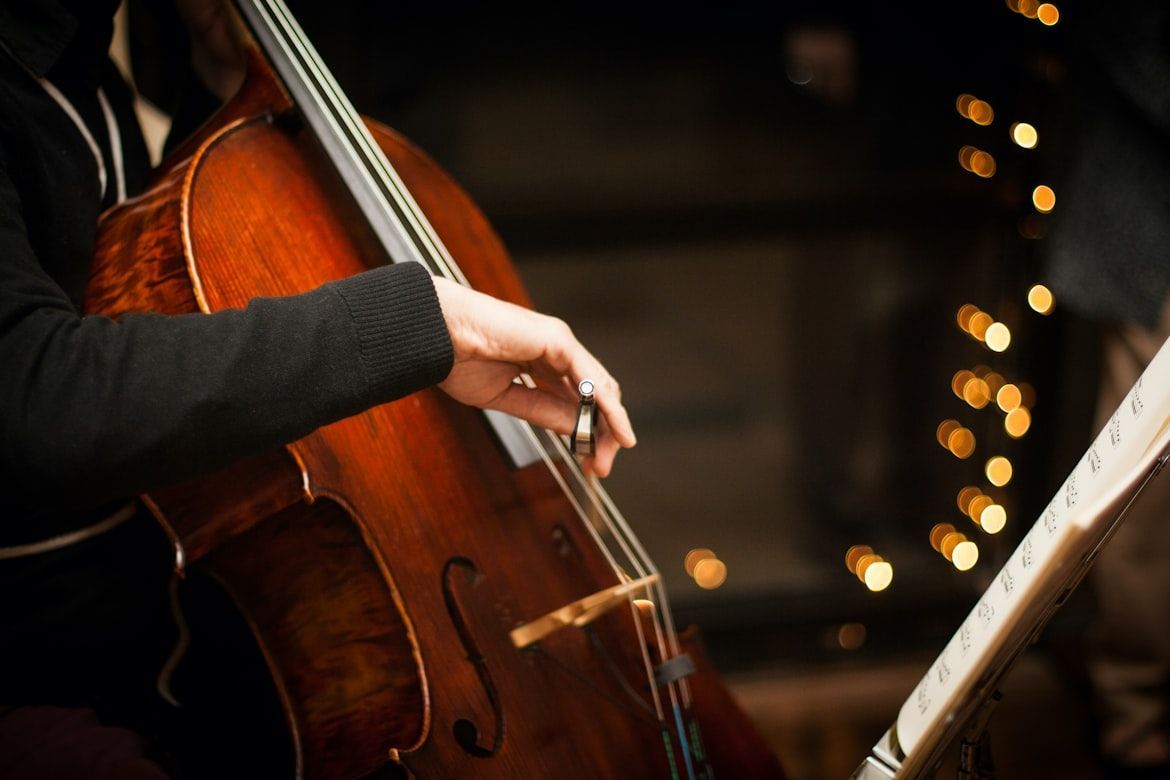
Violoncello to cello

Image: Manny Becerra

The elegant Italian word violoncello entered English intact before musicians clipped it to the smoother, more practical "cello."

The shortened form became the everyday name of the instrument. The longer term survives mostly in formal scores, academic contexts, and archival writing.

10

Pianoforte to piano

Image: Ebuen Clemente Jr

The original pianoforte highlighted the instrument’s ability to play softly and loudly, but speakers quickly favored the simpler and more universal "piano."

As the instrument spread through homes and concert halls, the shorter term dominated. Pianoforte remains in scholarly texts and classical sheet music.

11

Dormitory to dorm

Image: Nguyen Dang Hoang Nhu

The Latin-derived word dormitory described shared student housing, but campus life quickly adopted the brisker, more casual "dorm."

The clipped form feels friendly and familiar, reflecting college culture. The full term appears mainly in brochures and official policies.

12

Pantaloons to pants

Image: BBiDDac

In the nineteenth century, men wore pantaloons, a somewhat funny term that later evolved into "pants" as fashion and language changed.

The shorter form became the everyday American generic term for trousers. Pantaloons now survives almost exclusively in costume history, literature, and theater.



Snowy sayings

The real roots of 10 winter idioms you use every day!


Published on February 23, 2026


Image: Aaron Burden

You might not realize it, but the world around us shapes the way we speak. And the seasons are no exception. Have you ever wondered why we say someone is "snowed under" or that they suddenly get "cold feet"? These expressions aren’t random. Today, we’re exploring the origins and meanings of 10 popular winter idioms.

1

Cold feet

Image: Tristan Hess

You’ve thought it through, made your decision, and planned everything. But then nerves take over, and you hesitate. That’s when we say you’re getting "cold feet," and it’s something we’ve all felt at some point.

The expression comes from Germany, though its exact origins are debated. One theory comes from war, describing soldiers ready to fight but unable to charge because their feet were frozen. Another comes from a 19th-century German novel, where a poker player backs out of a game before losing, claiming he couldn’t focus because of his "cold feet."

2

Walk on thin ice

Image: Pix Tresa

If you’ve ever been in a risky situation where a small mistake could lead to disaster, you might say you’ve "walked on thin ice," even if you’ve never been near snow.

The phrase originally described the real danger of walking on thin ice over water in frozen regions. By the mid-19th century, it became a metaphor, used to describe any situation where one is in danger.

3

Give someone the cold shoulder

Image: Obie Fernandez

If your friend ignores your calls or says they won’t be home when you plan to visit, they might be giving you the "cold shoulder." One of the most widely accepted origins of this idiom comes from the Middle Ages. Back then, if an unwelcome guest arrived, hosts couldn’t just shut the door. Instead, they would serve a cold shoulder of beef, mutton, or lamb, instead of a warm, welcoming meal. Unbelievable!

4

A snowball’s chance in hell

Image: benjamin lehman

If you applied for a job that’s completely unrelated to your experience and you’re totally unprepared, we might say your odds are "a snowball’s chance in hell." This idiom, used to express extreme improbability or near-impossibility, emerged in the United States around the 1880s. One of its earliest recorded uses appeared in The Detroit Free Press, describing the slim prospects of a political candidate.

5

Put something on ice

Image: Scott Rodgerson

If you’re working on a project but your creativity is running low and progress stops, it might be time to "put it on ice." This popular idiom simply means to pause something or set it aside for a while. Its origins are quite literal: before modern refrigerators, people stored food with blocks of ice to preserve it for later use.

6

Tip of the iceberg

Image: Spitfire Photography

Imagine your friend is telling you about all the problems they’re facing. You’re shocked by what’s already happened, and then they say, "Wait, that’s just the tip of the iceberg." Oh no! This means things will get even worse.

The idiom is used metaphorically to describe a small, visible part of a larger, hidden problem. But what’s especially interesting is its root: while the exact moment it emerged is unknown, it’s believed to have gained popularity in the first half of the 20th century, shortly after the famous sinking of the Titanic.

7

When hell freezes over

Image: David Tovar

If "a snowball’s chance in hell" means that something is extremely unlikely, then "when hell freezes over" goes even further, indicating absolute impossibility.

The phrase imagines the logical absurdity of a vast place that is completely on fire, suddenly freezing over. It first emerged in the late 19th century, and according to written records, its popularity grew around the 1920s, becoming a widely recognized idiom in everyday English.

8

Be left out in the cold

Image: Ilona Frey

Do you remember Kevin, the main character in Home Alone? Even though he was inside the house, he was essentially "left out in the cold." But how? The expression is used to describe someone who has been forgotten, excluded, or ignored, just like poor Kevin in the movie.

While the exact origins of the phrase are unknown, it likely comes from the literal idea of leaving someone outside, exposed to the cold, without shelter or warmth, highlighting the feeling of being left out.

9

Snowed under

Image: Vitaly Gariev

When work piles up, deadlines loom, and your stress levels rise, we might say you’re "snowed under." This expression, used to describe someone who is overwhelmed, dates back to around 1880. Its origins are literal, referring to the terrible experience of being buried under a heavy snowfall, unable to move, and suffering in the cold.

10

Winter is coming

Image: Andre Taissin

When exam season rolls around, and students face a heavy workload, they might say, "Winter is coming." This expression, used to warn of future challenges, originally refers to the real hardships that winter brings to animals and plants.

Although it has been around for a long time, it gained huge popularity in recent years thanks to the hit TV series Game of Thrones, based on George R.R. Martin’s A Song of Ice and Fire books.

Looking for an extra scoop of literary fun?

Learn more with our Word of the day

alter

/ˈɔltər/