Stories we remember
She lived to 104, but one child's question changed her life forever
Published on October 31, 2026
The story of a cat in a red-and-white hat, a spider who saved a pig, and a classic written with just 50 words. Add a World War II mapmaker, a children’s author behind a hit song for Johnny Cash, and a librarian inspired by a boy asking for stories about "kids like us," and you get 10 surprising stories behind the books we loved when we were little. Ready to revisit these childhood favorites?
Dr. Seuss — The Cat in the Hat, Green Eggs and Ham
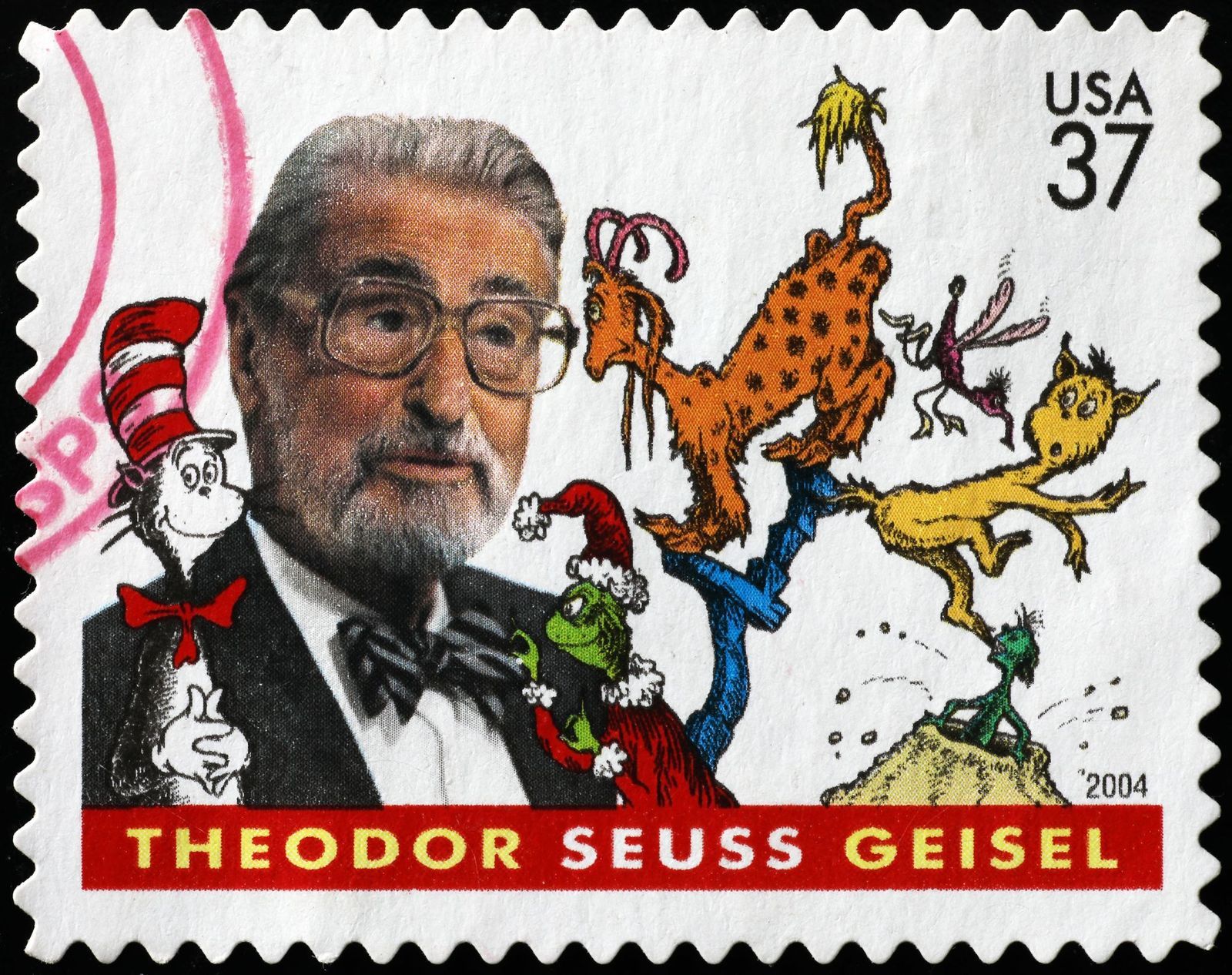
Theodor Seuss Geisel (1904-1991), better known by his pen name, Dr. Seuss, was the legendary author and illustrator whose whimsical books shaped generations of childhoods. Despite the Doctor in his name, Geisel was not a medical doctor—he adopted the pen name while in college, later adding "Dr." partly in reference to his father’s unfulfilled hopes that he would earn a doctorate.
Before writing children's books, Geisel worked as a cartoonist and advertising illustrator. His breakthrough came in the late 1950s. Challenged to create a more engaging alternative to the school primers at the time, he wrote The Cat in the Hat (1957), a book that helped change the way children learned to read. He followed it with Green Eggs and Ham (1960), reportedly after a bet with his publisher that he couldn't write a book using just 50 different words.
Shel Silverstein — The Giving Tree

Shel Silverstein (1930-1999), whose full name was Sheldon Allan Silverstein, was an American writer, poet, cartoonist, and songwriter born in Chicago, Illinois. He became famous for his imaginative children’s books and poetry. One of his best-known books is The Giving Tree (1964), a poignant and often-debated story about the relationship between a boy and an apple tree, raising questions about generosity, sacrifice, and love.
Before becoming a household name in children’s literature, Silverstein was also a cartoonist for Playboy magazine. He had a successful music career, too, writing Johnny Cash’s Grammy-winning hit "A Boy Named Sue" and Dr. Hook’s "The Cover of Rolling Stone." His work is known for simple yet striking black-and-white monochromatic ink drawings, unconventional humor, and themes that resonate with both children and adults.
Richard Scarry — Busytown books
Richard Scarry (1919-1994), born in Boston, Massachusetts, was one of the most prolific and beloved American children's authors and illustrators of his generation. He published more than 300 books that sold over 100 million copies worldwide.
Best known for creating the vibrant, whimsical universe of Busytown, Scarry introduced young readers to the adult world through detailed illustrations of animals behaving like people. Generations of children have spent hours exploring his busy pages, learning about jobs, transportation, and how communities work. During World War II, he served in the U.S. Army, where he worked as an informational art director and mapmaker, creating visual materials to communicate information clearly.
Beverly Cleary — Ramona Quimby, Henry Huggins

Beverly Cleary, who lived from 1916 to 2021 (104 years), was an American children’s author who wrote more than 40 books about the everyday humor, challenges, and genuine feelings of growing up.
Cleary worked as a children's librarian in Yakima, Washington, and started writing after a young boy asked her where he could find books about "kids like us." Inspired by that question, she created relatable characters whose stories reflected the worries of ordinary children. Many of her best-known books are set in Portland, Oregon, where she grew up, and explore everything from sibling rivalry and boredom to family finances and childhood dreams, always with warmth and humor.
E.B. White — Charlotte’s Web, Stuart Little
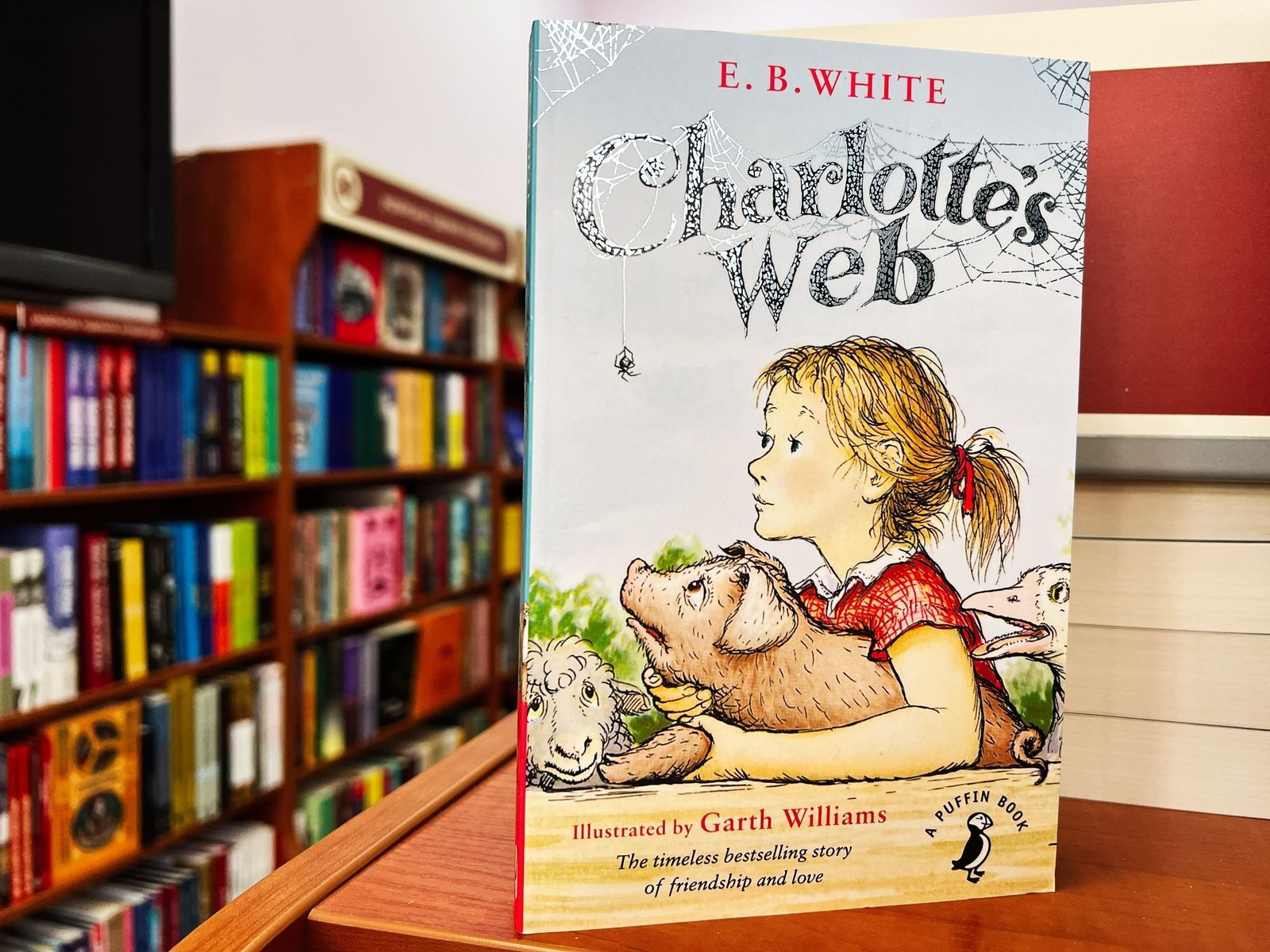
E.B. White, whose full name was Elwyn Brooks White and whose nickname was "Andy" (1899–1985), was an American writer and essayist. Although he wrote only three children’s books, each became a classic: Stuart Little (1945), Charlotte’s Web (1952), and The Trumpet of the Swan (1970).
White was a longtime contributor to The New Yorker and a columnist for Harper’s Magazine. He spent much of his adult life on a farm in coastal Maine and received the Presidential Medal of Freedom in 1963 and a special Pulitzer Prize in 1978.
Laura Ingalls Wilder — Little House series
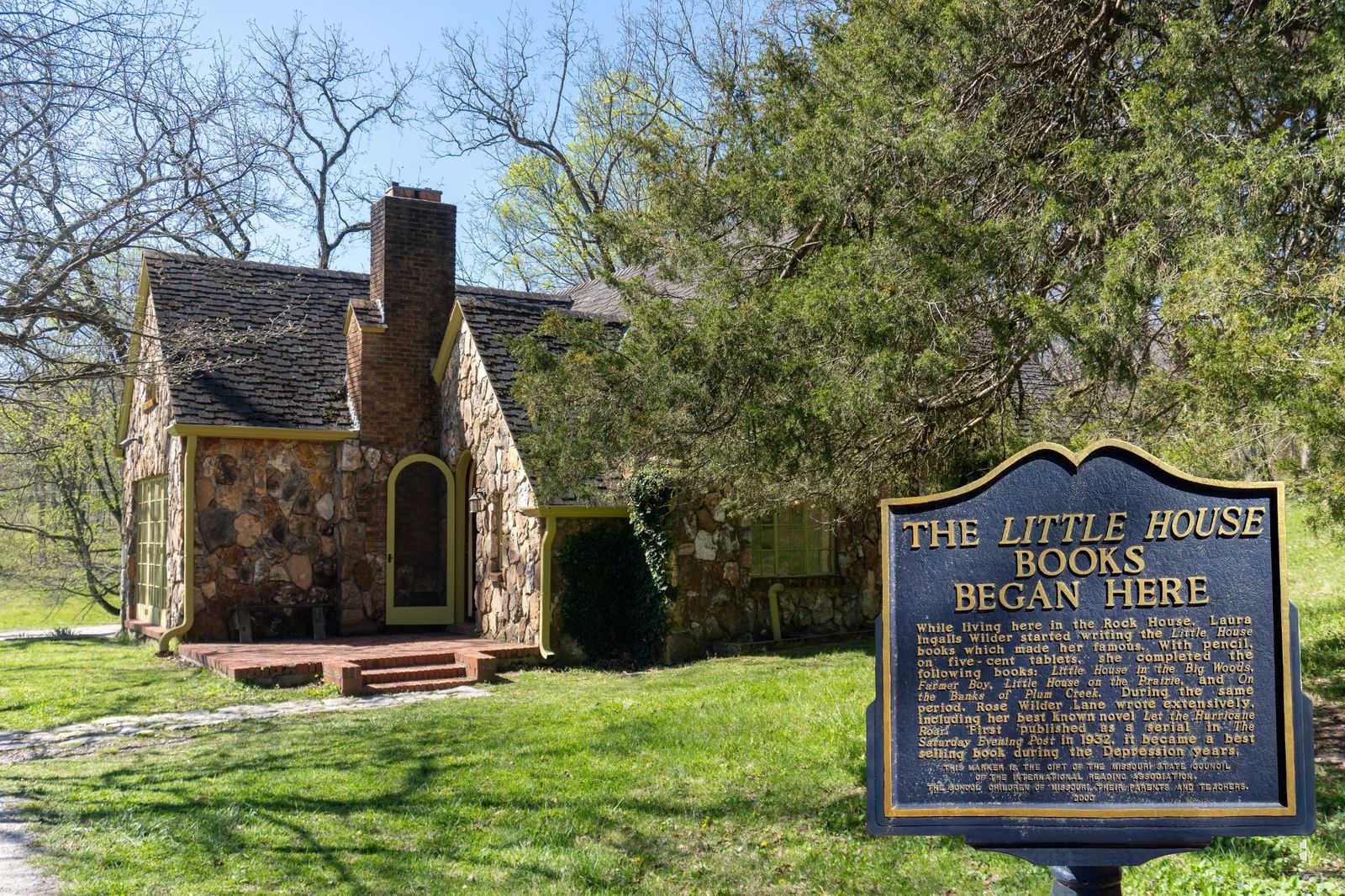
Laura Ingalls Wilder (1867–1957) was the American author behind the beloved Little House children’s book series. Born near Pepin, Wisconsin, she grew up in a pioneer family that moved across the American frontier through Kansas, Minnesota, Iowa, and the Dakota Territory.
She published her first book, Little House in the Big Woods, in 1932 at age 65, with encouragement and editorial help from her daughter, Rose Wilder Lane. Wilder’s earlier autobiographical manuscript, later published as Pioneer Girl: The Annotated Autobiography, was originally written for adults and later reworked into the children’s novels for which she became famous.
Maurice Sendak — Where the Wild Things Are
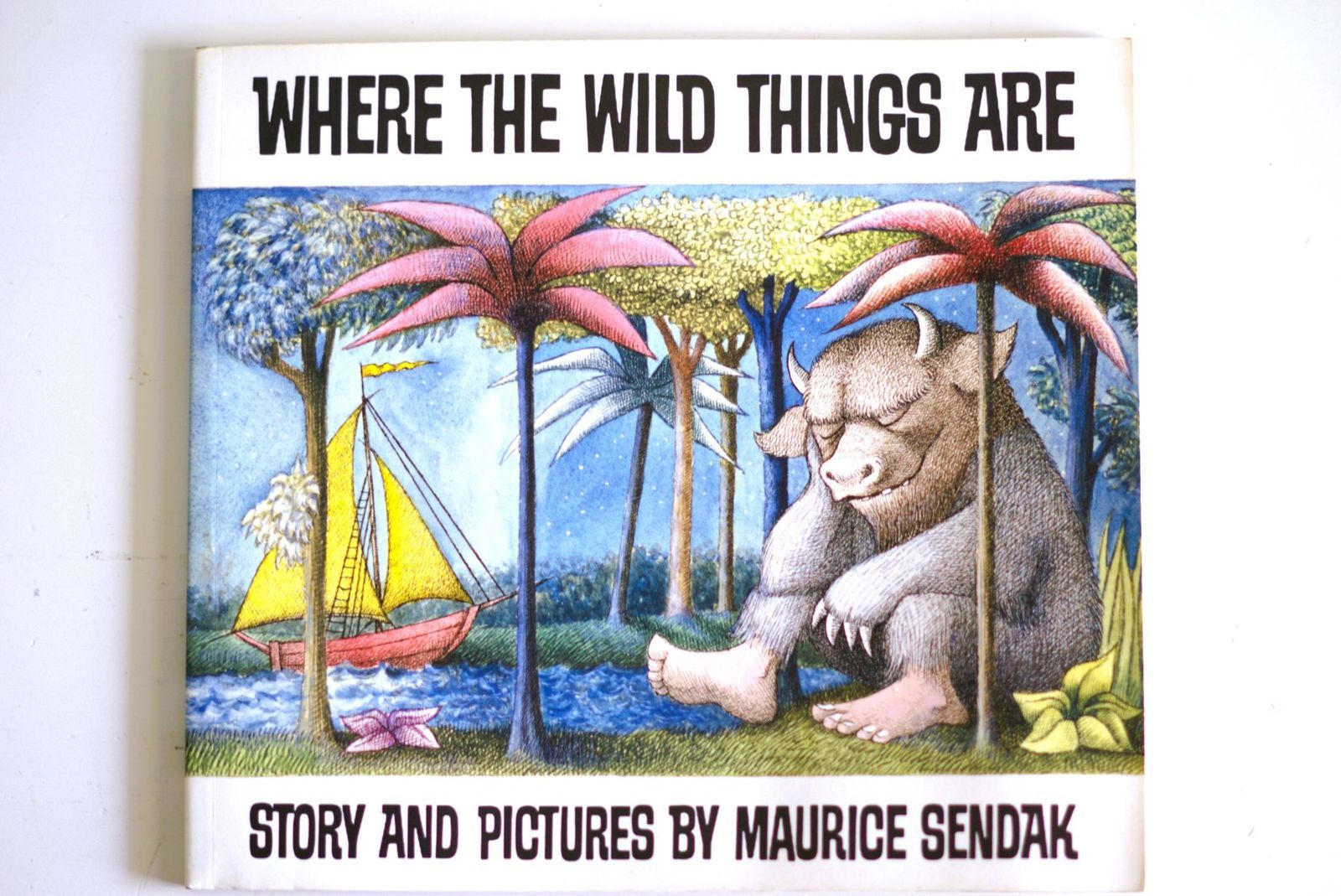
Maurice Sendak (1928-2012), who was born in Brooklyn, New York, became one of the most influential figures in children’s literature. His work challenged the idea that picture books should present children with only safe, cheerful worlds, exploring darker emotions and the complexities of growing up.
Rather than offering only comforting bedtime stories, Sendak fiercely respected the emotional complexity of childhood. He famously said he did not set out specifically to write for children, and his books acknowledged their fears, anger, and resilience. This approach shines through in classics such as Where the Wild Things Are (1963), In the Night Kitchen (1970), and Outside Over There (1981).
Eric Carle — The Very Hungry Caterpillar
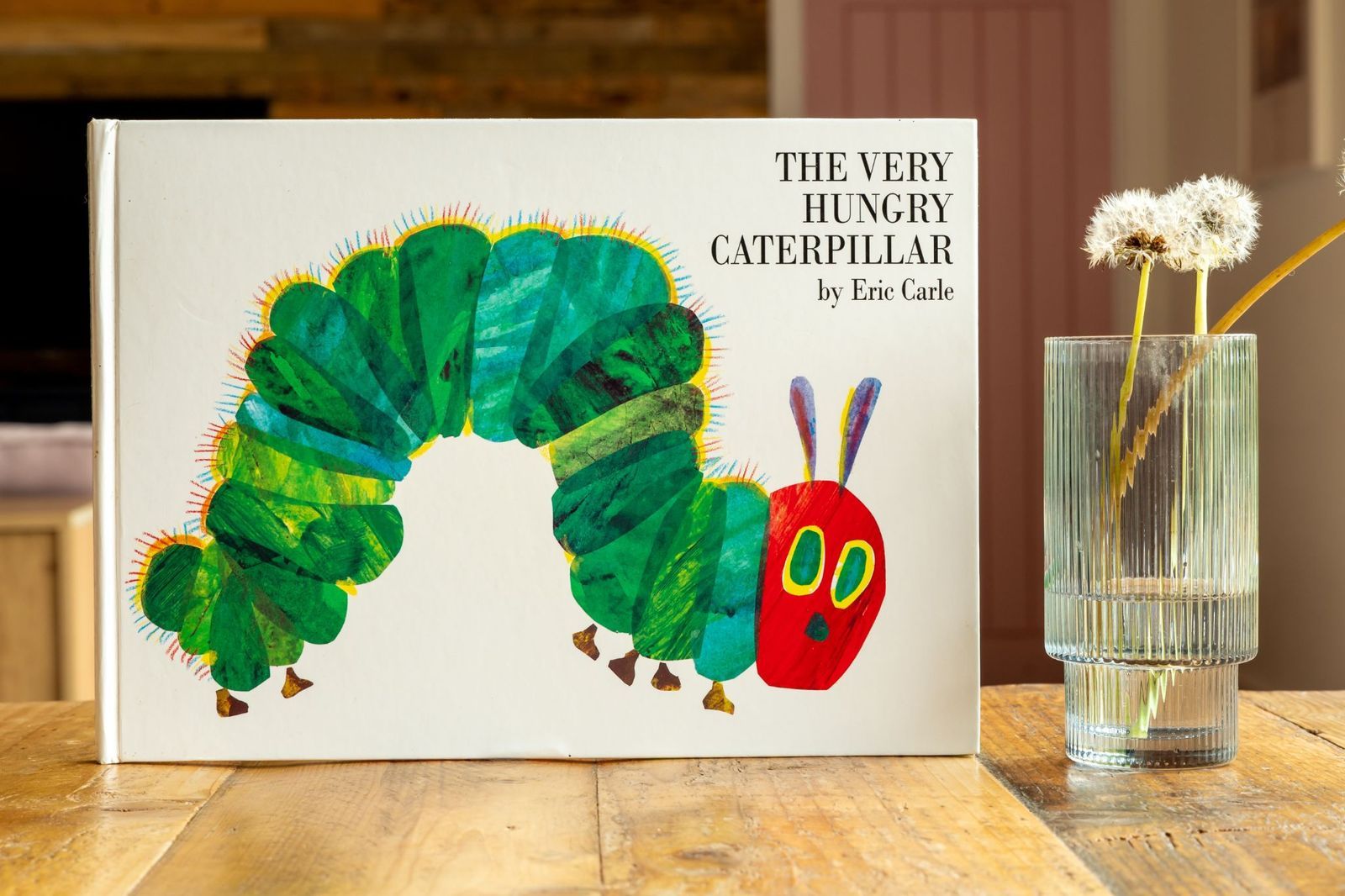
Eric Carle (1929–2021), born in Syracuse, New York, to German parents, was an American author, artist, and illustrator best known for his children’s picture books, which feature vivid illustrations made from hand-painted tissue paper collages, often depicting animals and the natural world.
His most famous work was The Very Hungry Caterpillar (1969), which has been translated into more than 70 languages and sold tens of millions of copies worldwide. He also co-founded The Eric Carle Museum of Picture Book Art in Amherst, Massachusetts, with his wife, Bobbie, in 2002.
Margaret Wise Brown — Goodnight Moon
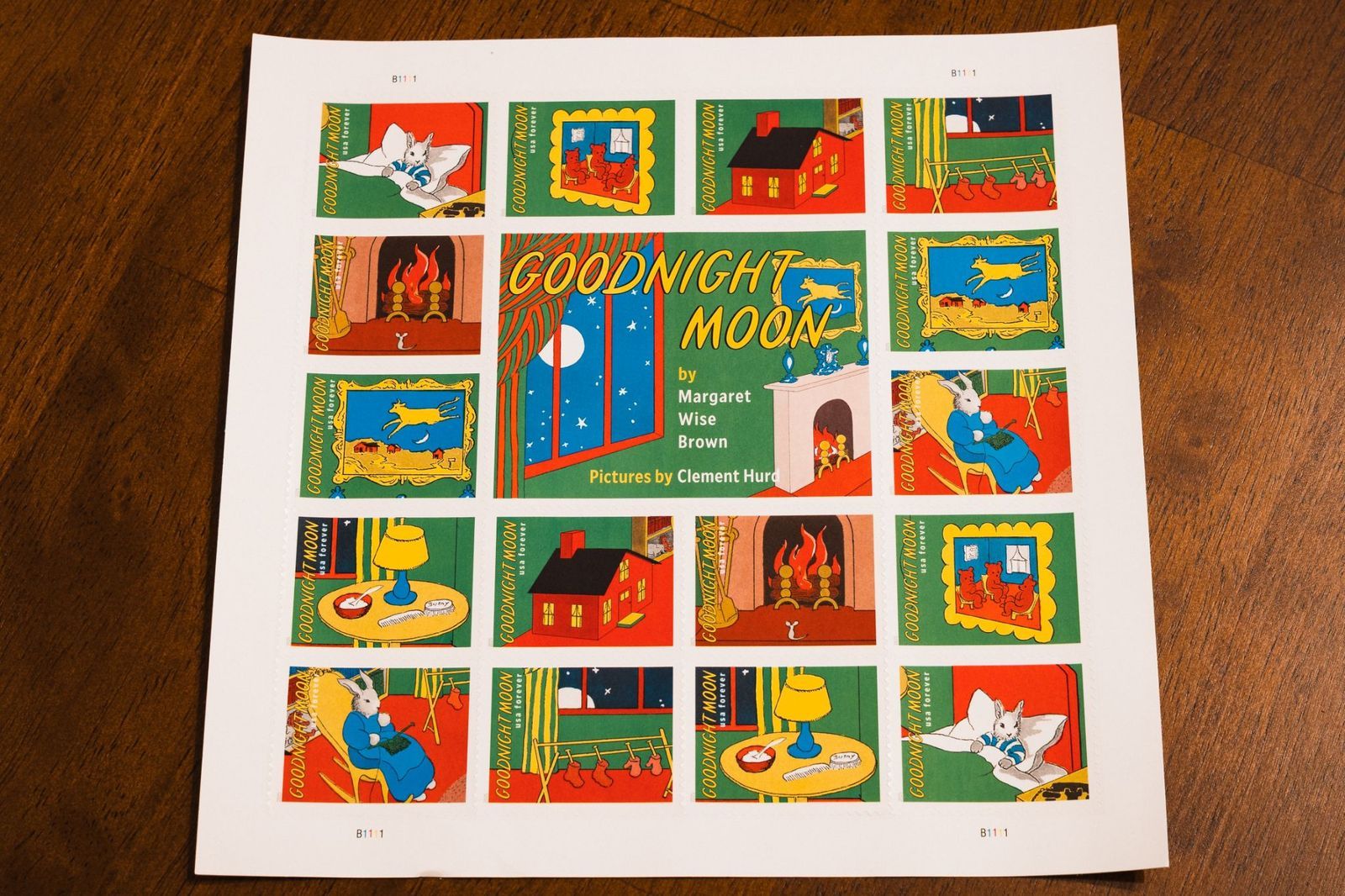
Margaret Wise Brown (1910–1952) was an American author who wrote over 100 children's books, including the timeless classics Goodnight Moon and The Runaway Bunny.
Her stories focused on young children’s immediate experiences and sensory worlds rather than the moral lessons often found in traditional fairy tales. Brown worked with renowned illustrators such as Clement Hurd and Leonard Weisgard. She also sometimes wrote under pen names, including Golden MacDonald, Timothy Hay, and Juniper Sage.
Judy Blume — Tales of a Fourth Grade Nothing, Are You There God? It’s Me, Margaret
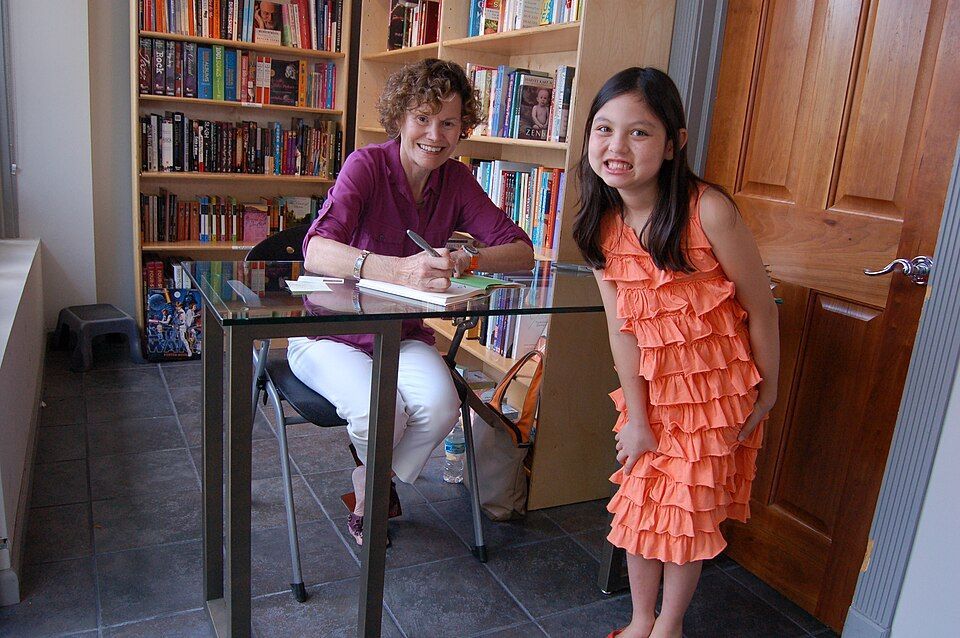
Judy Blume, born in Elizabeth, New Jersey, in 1938 and alive as of 2026, is an acclaimed American author known for iconic children’s and young adult books such as Are You There God? It’s Me, Margaret, Tales of a Fourth Grade Nothing, and Deenie.
She published her first book, The One in the Middle Is the Green Kangaroo, in 1969, and her books have since sold more than 80 million copies worldwide. Her stories tackle subjects including puberty, body image, family dynamics, religion, and the emotional realities of growing up. Blume has also become a prominent advocate for intellectual freedom and against book censorship.


