Watch what you order

Duck sauce has no duck, Welsh rabbit has no rabbit: Misnamed meals 101


Published on October 13, 2025
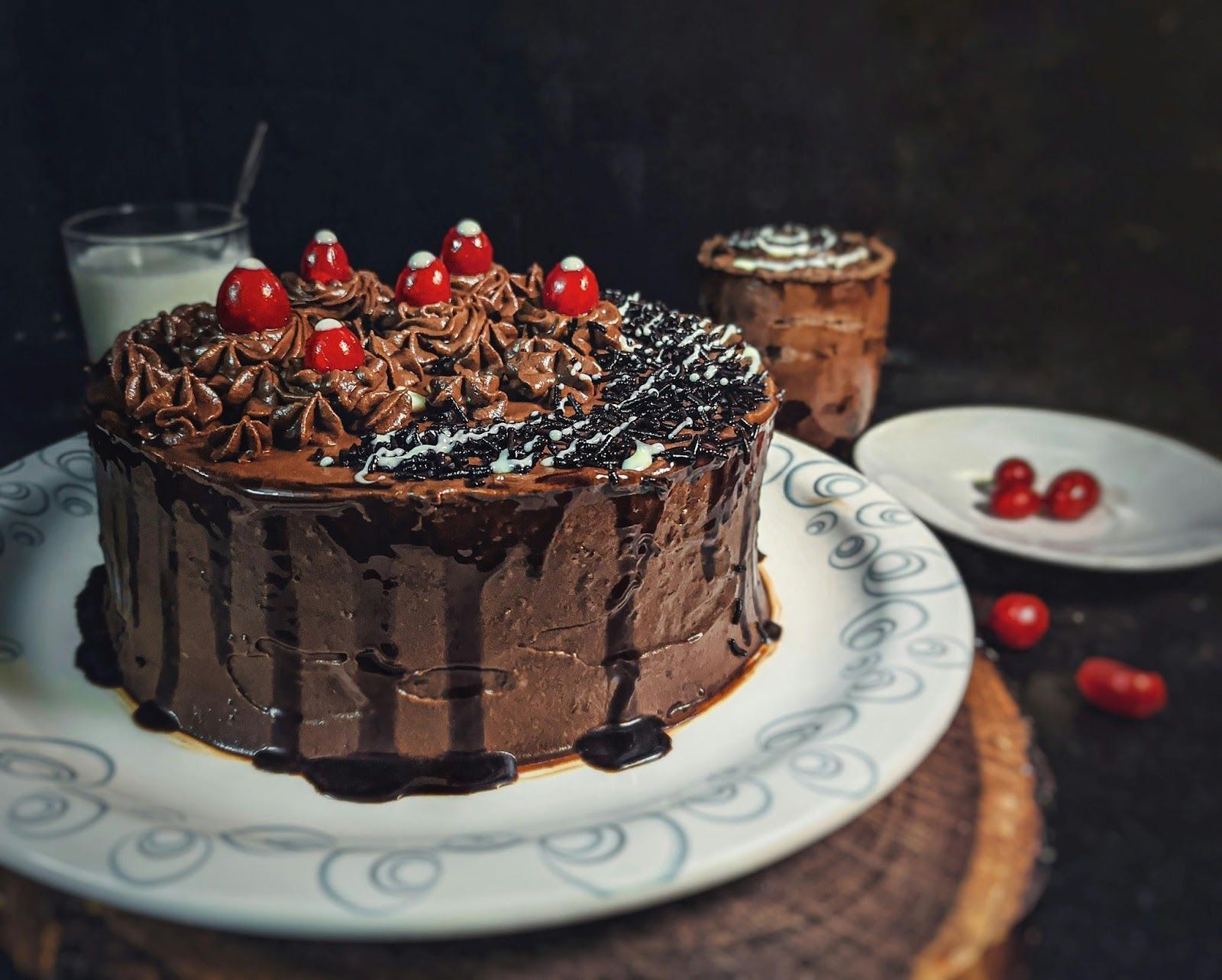

Image: Umesh Soni

If "puppy chows" are not dog snacks, "duck sauce" contains no duck whatsoever, and "German Chocolate Cake" is reportedly Texan… who is handing out these misleading dish names? Decidedly, some of the terms on this list might make you check with the waiter before you place your order. Let’s explore the stories behind unexpected food labels!

1

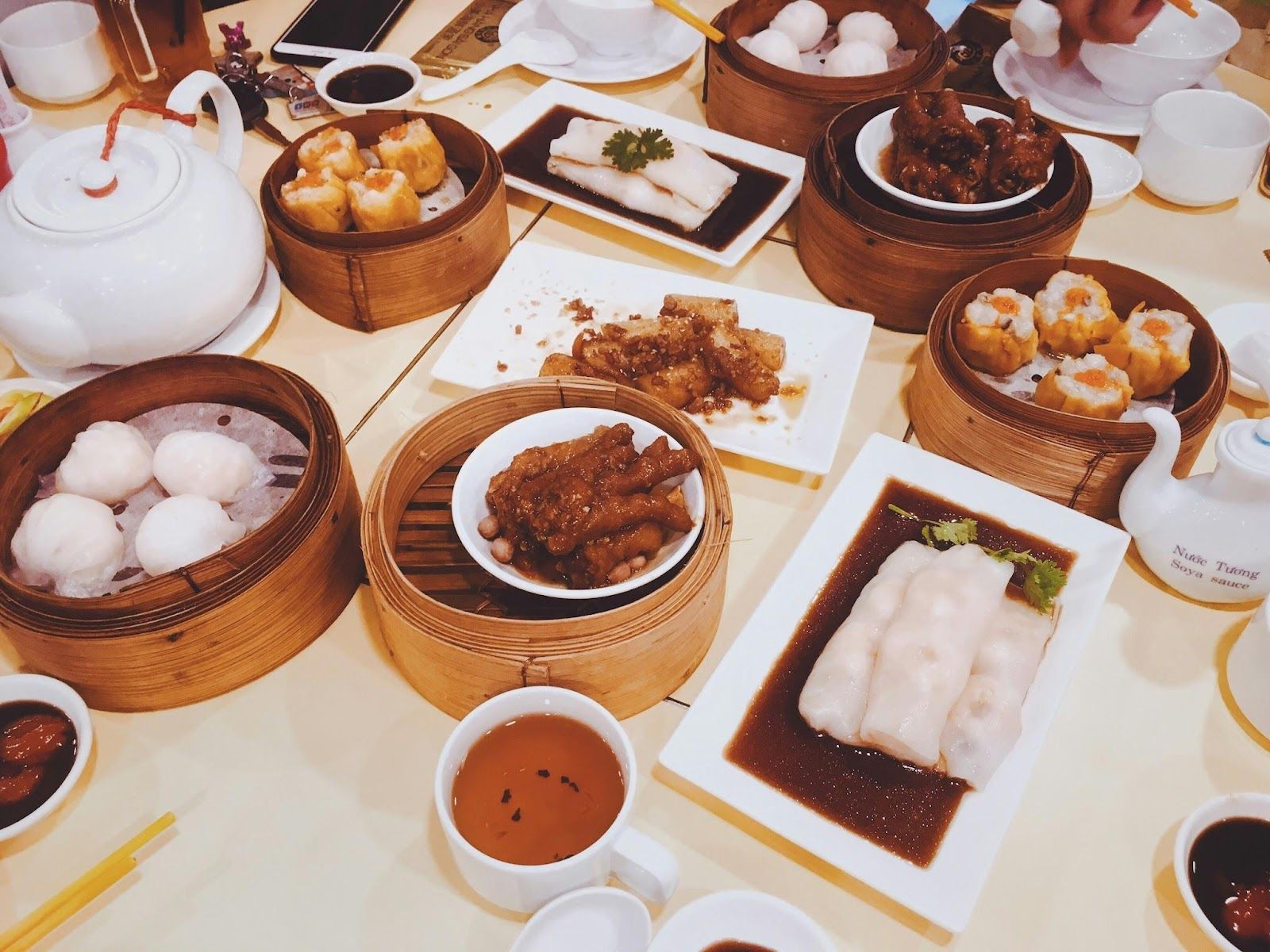
Duck sauce

Image: Van Thanh

This might be good news: No ducks are harmed in the making of this popular takeout condiment! Duck sauce is a sweet-and-sour orange jelly often served with Chinese-American dishes.

It’s made from apricots, plums, or peaches, combined with sugar and vinegar. The name likely came about because it was invented as a match for crispy duck dishes in Chinese restaurants.

2

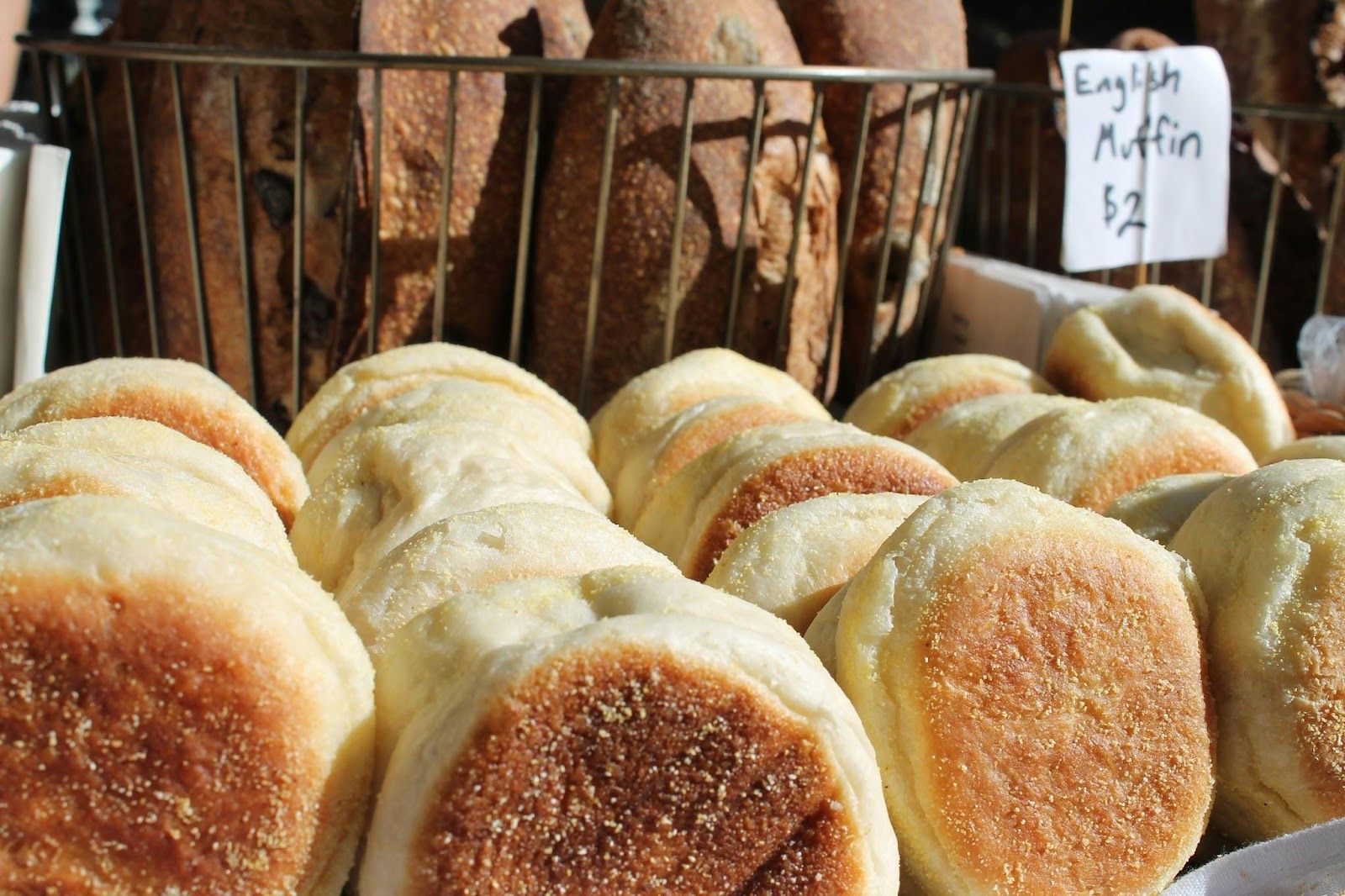
English muffin

Image: Taria Camerino

English muffins look nothing like American muffins, do they? And, technically, they do not come from England either.

These breads were popularized in the US by Samuel Bath Thomas, a British immigrant who began selling his "toaster crumpets" in New York in the late 1800s. It was the American consumers who branded them as "English muffins."

3

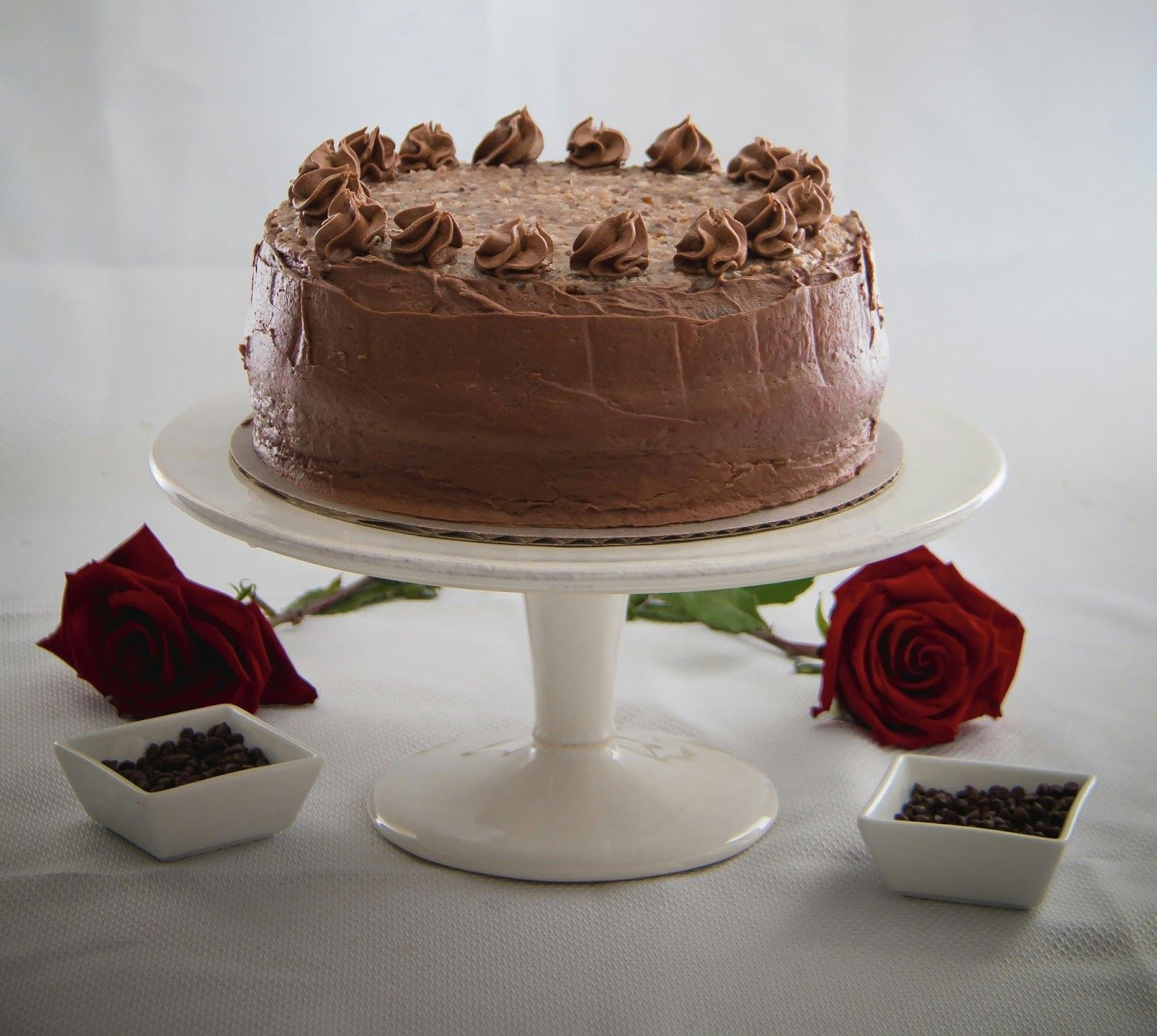
German Chocolate Cake

Image: Logan Clark

Did you know that German Chocolate Cake was actually popularized in… Texas? It did not come from Germany. The name refers to Samuel German, an American baker who created the delicious dark baking chocolate for Baker’s Chocolate Company.

In the 50s, a Texas homemaker later used his chocolate in a layered coconut-pecan cake recipe, and newspapers spread it with that name.

4

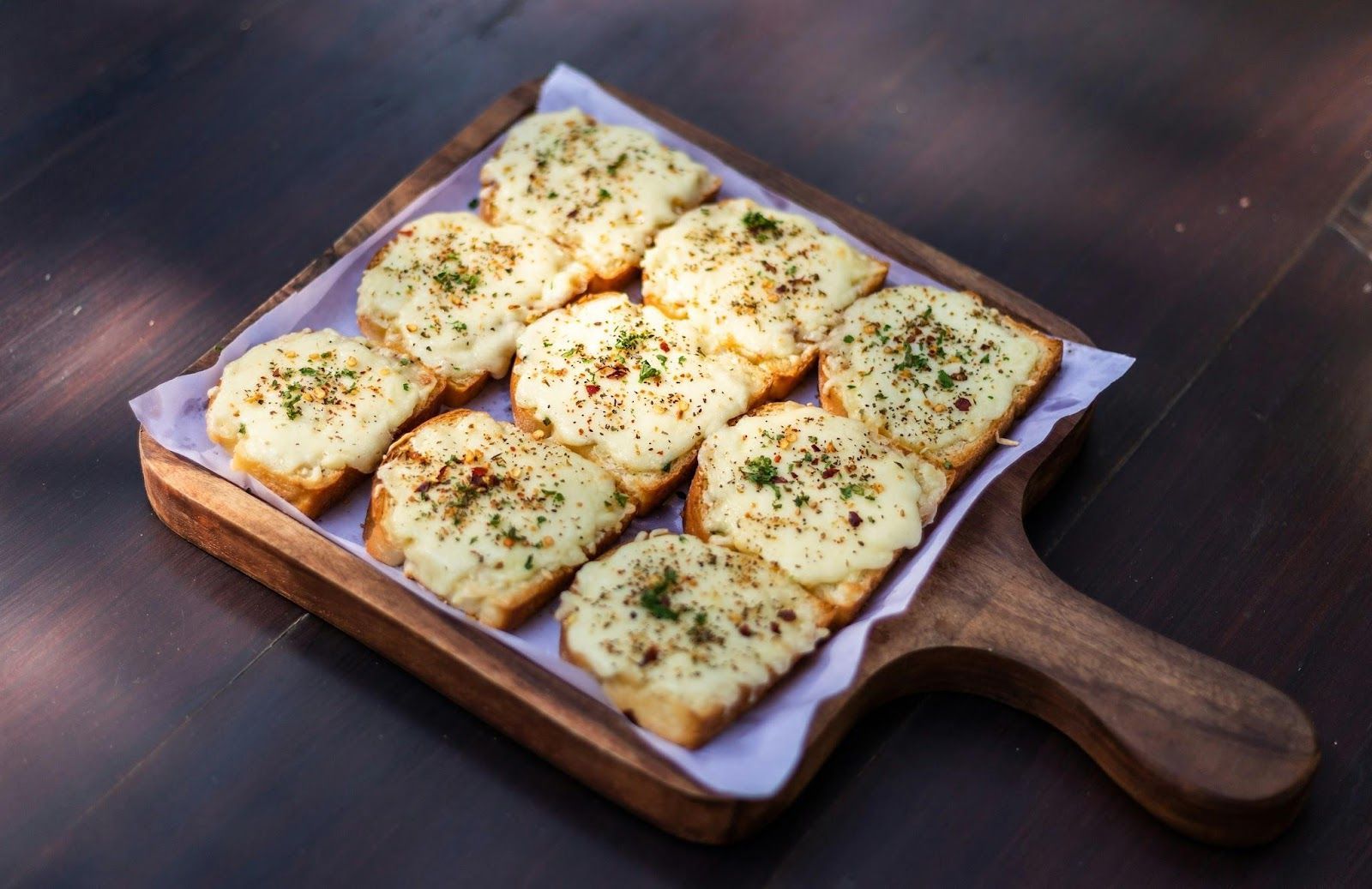
Welsh rabbit

Image: Jay Gajjar

There’s no duck in duck sauce, and there’s no rabbit in Welsh rabbits, or Welsh rarebit! It’s actually melted cheese sauce served on toasted bread. Sometimes it comes flavored with ale, mustard, or spices.

The term "Welsh rabbit" was a tongue-in-cheek jab, likely implying that cheese was the "poor man’s meat" in Wales.

5

Rocky Mountain oysters

Image: Alex Gorey

Definitely not oysters! There’s nothing oceanic about this dish. Rocky Mountain oysters are actually bull or sheep testicles, usually battered, deep-fried, and served as bar fare or at ranch festivals in the American West.

6

Bombay duck

Image: Piotr Musioł

Don’t expect poultry when you order this South Asian specialty! Bombay duck is actually a type of dried fish, locally known as "bombil," long eaten along India’s western coast.

Why the name, then? Some theorize that it derived from the mail system that transported this food, the ‘Bombay Dak’ (which translates to Bombay Mail).

7

Puppy chow

Image: Charles Chen

You may or may not know this, but some Midwestern states enjoy a homemade candy called "puppy chow." Contrary to what the name might imply, it is not meant for dogs!

They are usually made of cereal, chocolate, peanut butter, and powdered sugar. The same snack goes by other cute names, like "monkey munch" or "muddy buddies."

8

Sweetbreads

Image: Jolien Coryn

No bread and not "sweet." This dish has a grossly misleading name. Sweetbreads are the thymus or pancreas glands of young animals, prized in French cuisine for their delicate, tender texture.

The "sweet" refers to their mild flavor compared to other organ meats, while "bread" may stem from an old English word for "flesh."

9

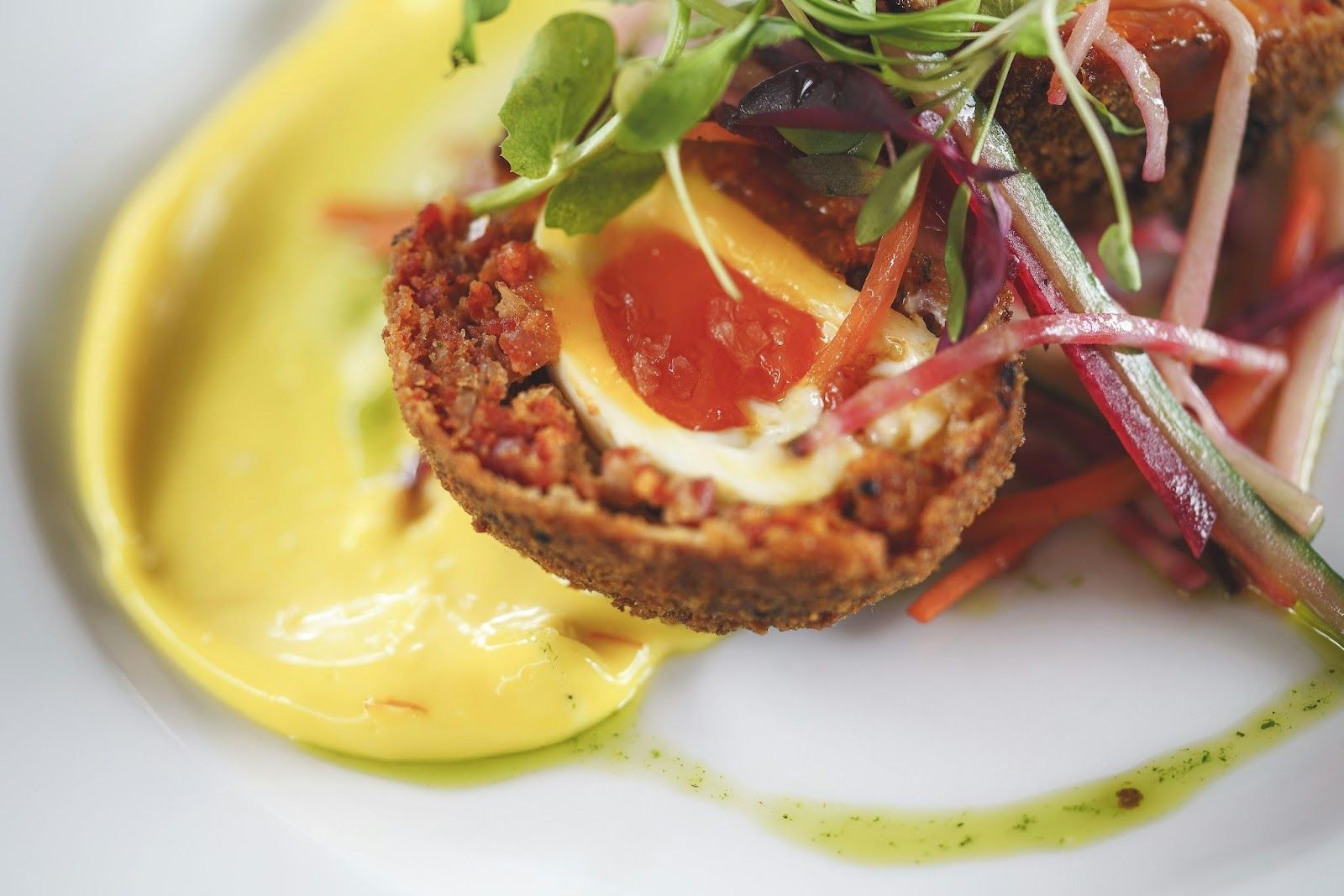
Scotch egg

Image: Sebastian Coman Photography

It turns out, "Scotch egg" is not Scottish at all. Some place the origins in London, while others point to Indian dishes like kofta as possible inspirations.

The dish is a hard or soft-boiled egg wrapped in sausage meat, breaded, and fried.

10

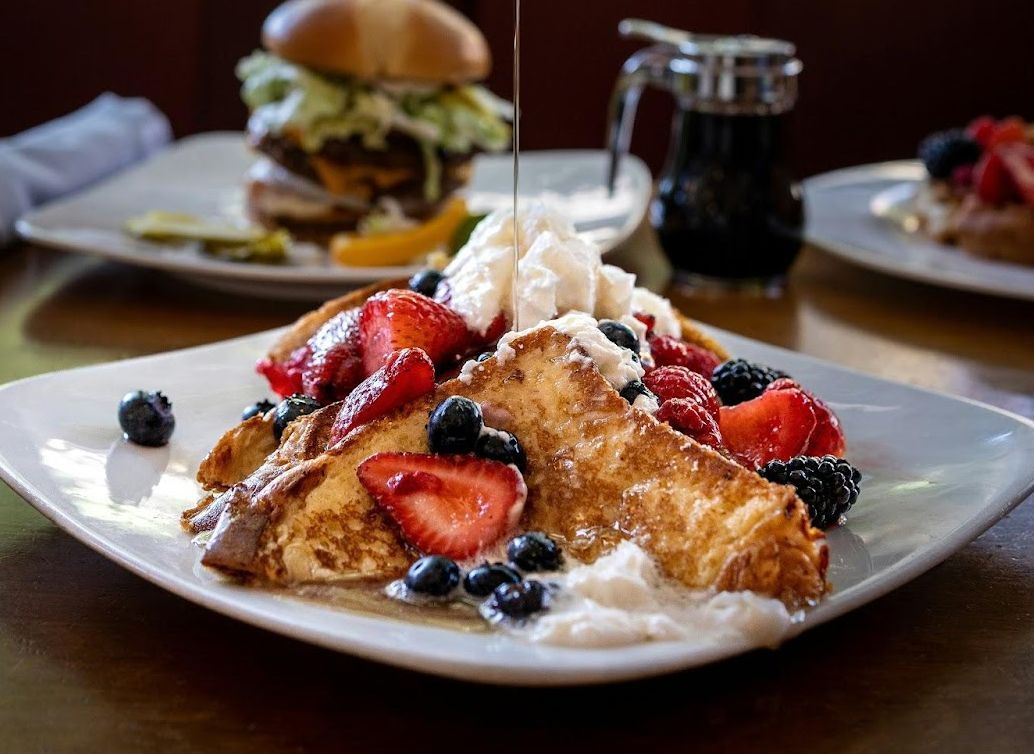
French toast

Image: Alexandra Tran

We all know what French toast means, but, just like French fries, the origins are disputed! This classic breakfast recipe is far more ancient and pan-European than the name implies.

Versions of egg-soaked bread fried in fat go back to ancient Rome, and have popped up across Europe for centuries under names like pain perdu in France or arme ritter in Germany.

11

Mincemeat

Image: Priscilla Du Preez 🇨🇦

Hearing "mincemeat," most people imagine ground beef. But this pie filling doesn’t always involve minced beef, as it once did.

Traditional mincemeat once did contain actual minced beef or mutton mixed with dried fruits, spices, and suet. Over time, many chose to drop the meat content, but the name stayed.


DECODING DNA

10 Surprising Facts About Genetics and DNA


Published on October 13, 2025


Image: Sangharsh Lohakare

Genetics can both fascinate and befuddle us with its complexity, but understanding its mechanisms just might be the key to deciphering the building blocks of our entire existence. From genes that are shared between different species to viruses that insert themselves into our DNA, here are 10 things you—likely—didn’t know about genetics and DNA.

1

Human DNA Could Stretch to the Moon and Back

Image: Ganapathy Kumar

We vastly underestimate the amount of DNA we carry around in our cells. If you were to unravel all the DNA molecules in your body and lay them end to end, they would stretch an astonishing 10 billion miles—enough to reach the moon and back over 40 thousand times! However, despite the vast amount of DNA in our bodies, if we were to gather and weigh all of it together, it would surprisingly amount to only around 8 ounces.

2

You Share A Lot Of DNA with Bananas

Image: Harshad Khandare

Surprisingly, humans share about 50% of their DNA with bananas! But this shouldn’t be too surprising given the fact that all life on Earth evolved from a single organism, roughly 3.5 billion years ago. Every living creature on our planet has the same type of DNA, undergoing almost identical processes in order to live and reproduce.

3

Some Animals Can Regenerate Lost Body Parts

Image: Pedro Lastra

Certain species, like salamanders and starfish, possess remarkable regenerative abilities, allowing them to regrow lost limbs. Other species like axolotls or jellyfish can even go further, regenerating anything from parts of their brains to crucial internal organs, or even recovering from being cut in half! Understanding the genetic mechanisms behind this ability holds promise for regenerative medicine and even tissue engineering.

4

You Inherit More DNA from Your Mom

Image: Hillshire Farm

Surprisingly, we inherit slightly more DNA from our mother’s side. While everyone receives 50% of DNA from each parent, a small portion of mitochondrial DNA, which is passed down exclusively from mother to child, contributes to this imbalance. Mitochondrial DNA also allows for tracing the ancient relationships of human populations, and for this reason, it is extensively studied in anthropology and evolutionary biology.

5

DNA Can Store Digital Data

Image: Pietro Jeng

Scientists have already successfully stored digital data within DNA molecules, and many believe the technique has potential as a long-term storage solution. Its vast storage capacity and durability make it very attractive to store digital information, but the technology is still in development.

6

DNA Can Be Altered by Environmental Factors

Image: George Prentzas

DNA is sort of a blueprint that determines most of our traits and characteristics, but it is far from having the last say on how particular traits or genes will express themselves. Environmental factors can modify gene expression without changing the underlying DNA sequence, potentially impacting health and development. This is the reason that even identical twins have noticeable differences, like unique fingerprints.

7

Trauma Can Sometimes Be Passed Down In Your DNA

Image: Transly Translation Agency

Studies have shown that certain environmental factors experienced by parents, like exposure to stress or traumatic events, can leave chemical marks on DNA that are passed down to offspring. This phenomenon is called transgenerational epigenetic inheritance, and though it seems to contradict some of the tenets of Darwinian ideas, it is now widely accepted as one of the many mechanisms of genetic inheritance in most living organisms.

8

Genetic Mutations Can Make You Immune To Certain Diseases

Image: Fusion Medical Animation

Rare genetic mutations can give natural immunity to certain diseases. In time, if these genes can be distributed sufficiently within a given population this can even lead to collective immunity. For example, there is a genetic mutation called CCR5-delta 32 that provides natural immunity to the Human Immunodeficiency Virus (HIV) by altering the structure of a specific protein these viruses use to infect cells. Studying these unique phenomena can be promising for developing cures and more effective treatments.

9

We Carry A Lot Of 'Junk' DNA

Image: Sangharsh Lohakare

A significant portion of the human genome consists of non-coding DNA, often referred to as "junk" DNA because it does not code for proteins. However, recent research suggests that this non-coding DNA plays important roles in gene regulation and genome stability, challenging the notion of it being just 'junk'.

10

DNA Can Be Transferred Between Species

Image: Belinda Fewings

Horizontal gene transfer is a very weird phenomenon where genetic material is transferred between completely different species, bypassing traditional vertical inheritance from parent to offspring. Although the mechanism behind this process is poorly understood, scientists believe that it played a significant role in the evolution of many organisms. In fact, certain types of viruses force this to happen in order to encode themselves into the DNA of their hosts and reproduce.

Looking for an extra scoop of literary fun?

Learn more with our Word of the day

loot

/lut/