Watch what you order

Rocky Mountain oysters aren’t what you think: Strange food names


Published on October 13, 2025
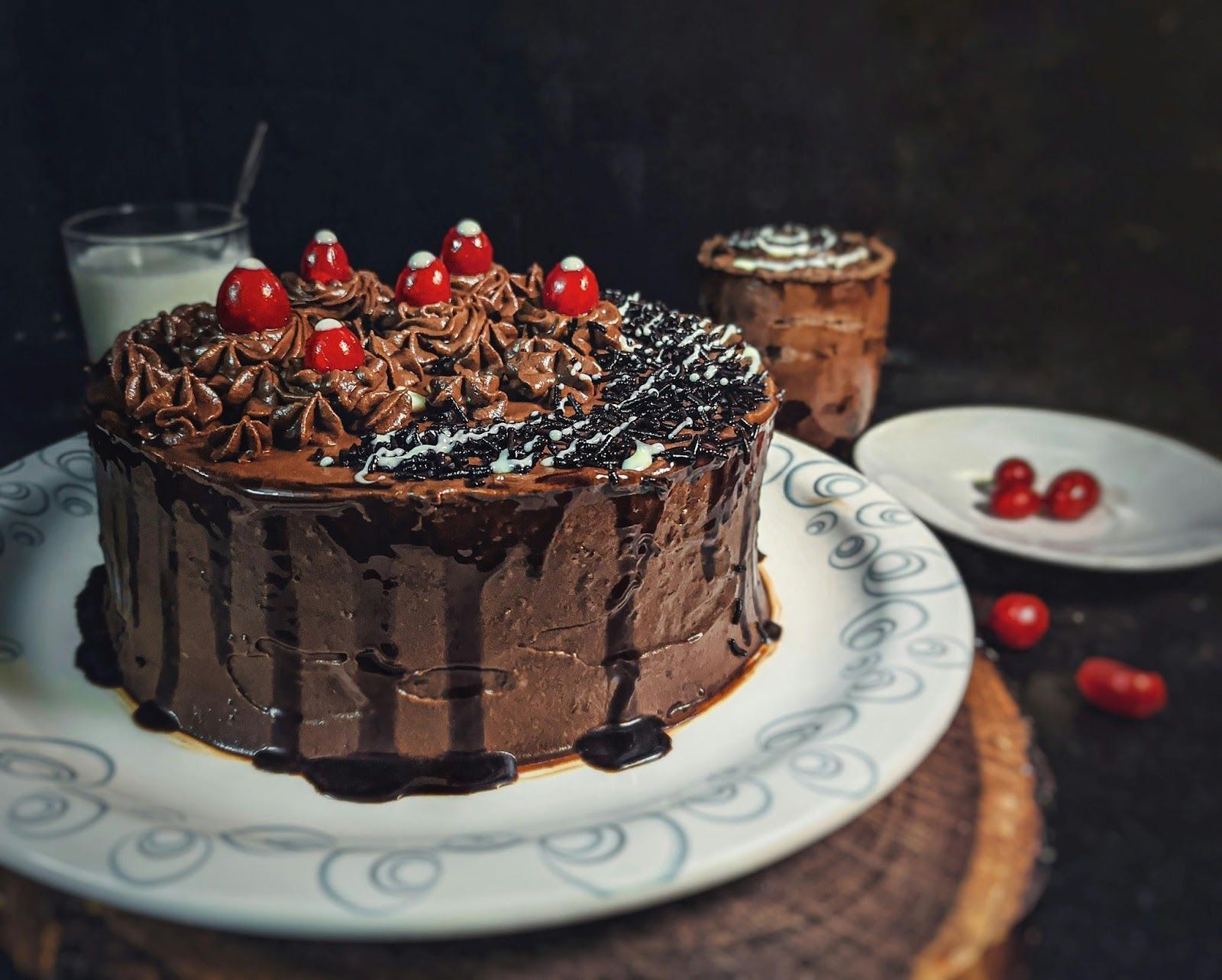

Image: Umesh Soni

If "puppy chows" are not dog snacks, "duck sauce" contains no duck whatsoever, and "German Chocolate Cake" is reportedly Texan… who is handing out these misleading dish names? Decidedly, some of the terms on this list might make you check with the waiter before you place your order. Let’s explore the stories behind unexpected food labels!

1

Duck sauce

Image: Van Thanh

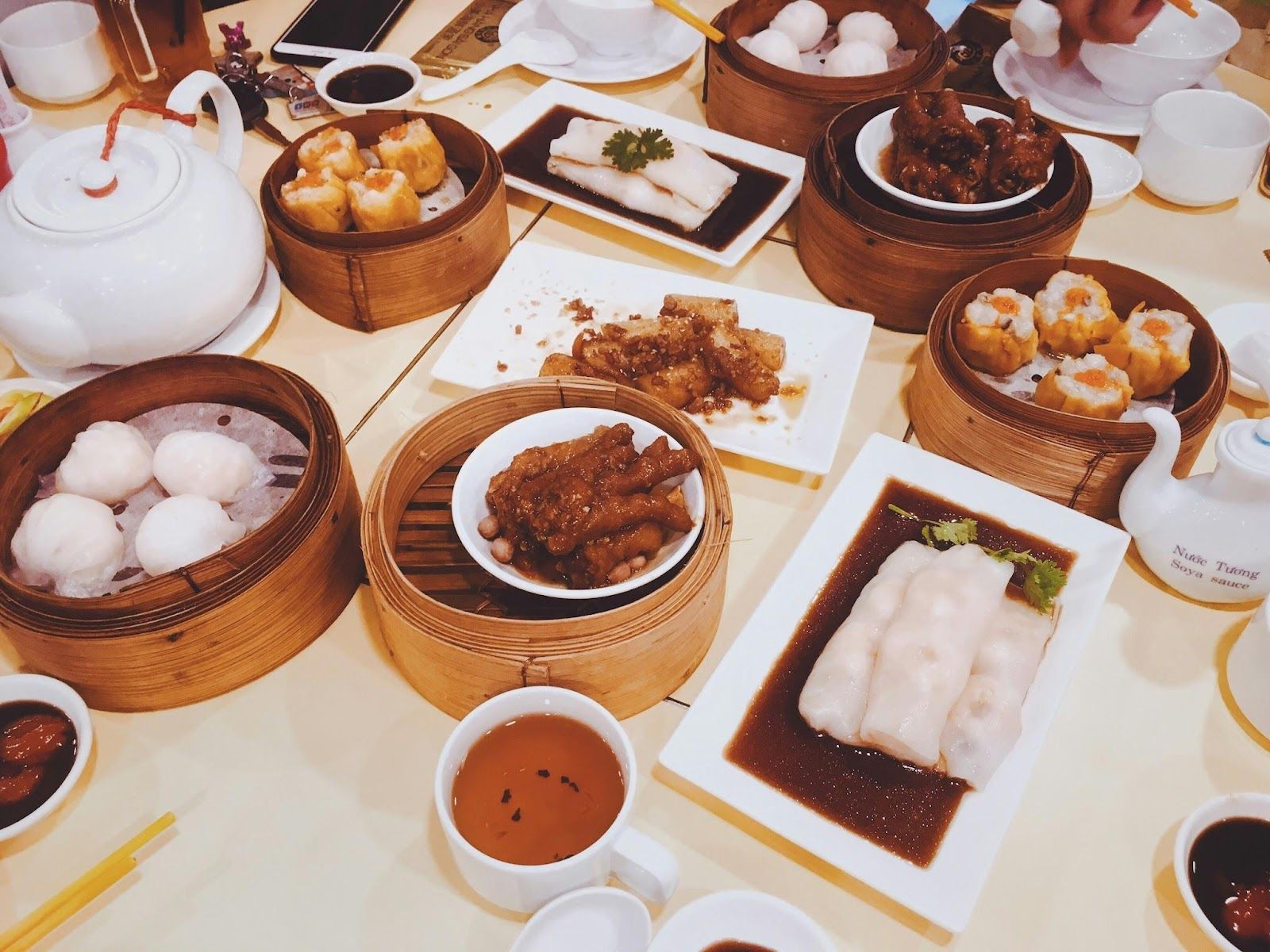
This might be good news: No ducks are harmed in the making of this popular takeout condiment! Duck sauce is a sweet-and-sour orange jelly often served with Chinese-American dishes.

It’s made from apricots, plums, or peaches, combined with sugar and vinegar. The name likely came about because it was invented as a match for crispy duck dishes in Chinese restaurants.

2

English muffin

Image: Taria Camerino

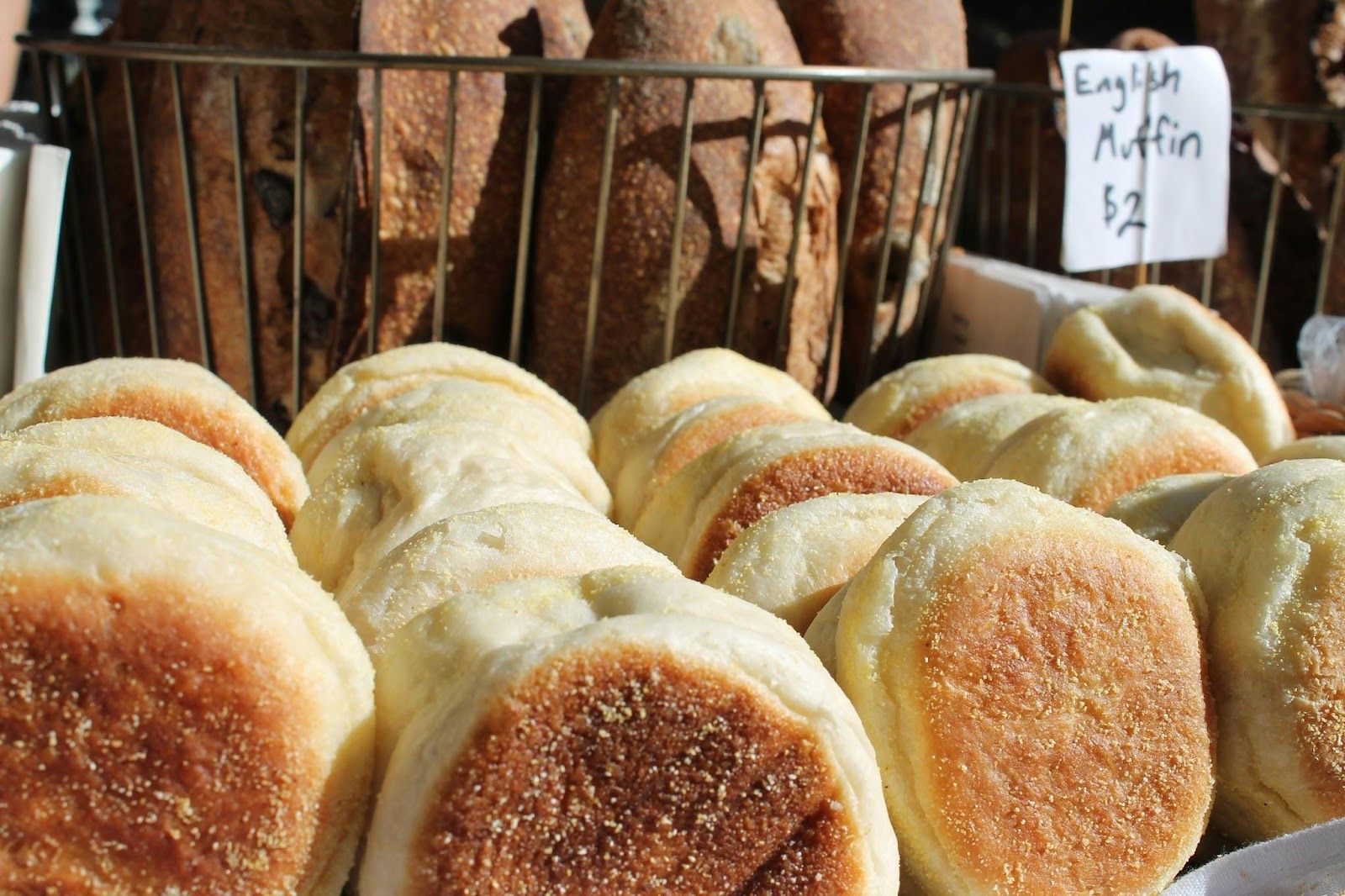
English muffins look nothing like American muffins, do they? And, technically, they do not come from England either.

These breads were popularized in the US by Samuel Bath Thomas, a British immigrant who began selling his "toaster crumpets" in New York in the late 1800s. It was the American consumers who branded them as "English muffins."

3

German Chocolate Cake

Image: Logan Clark

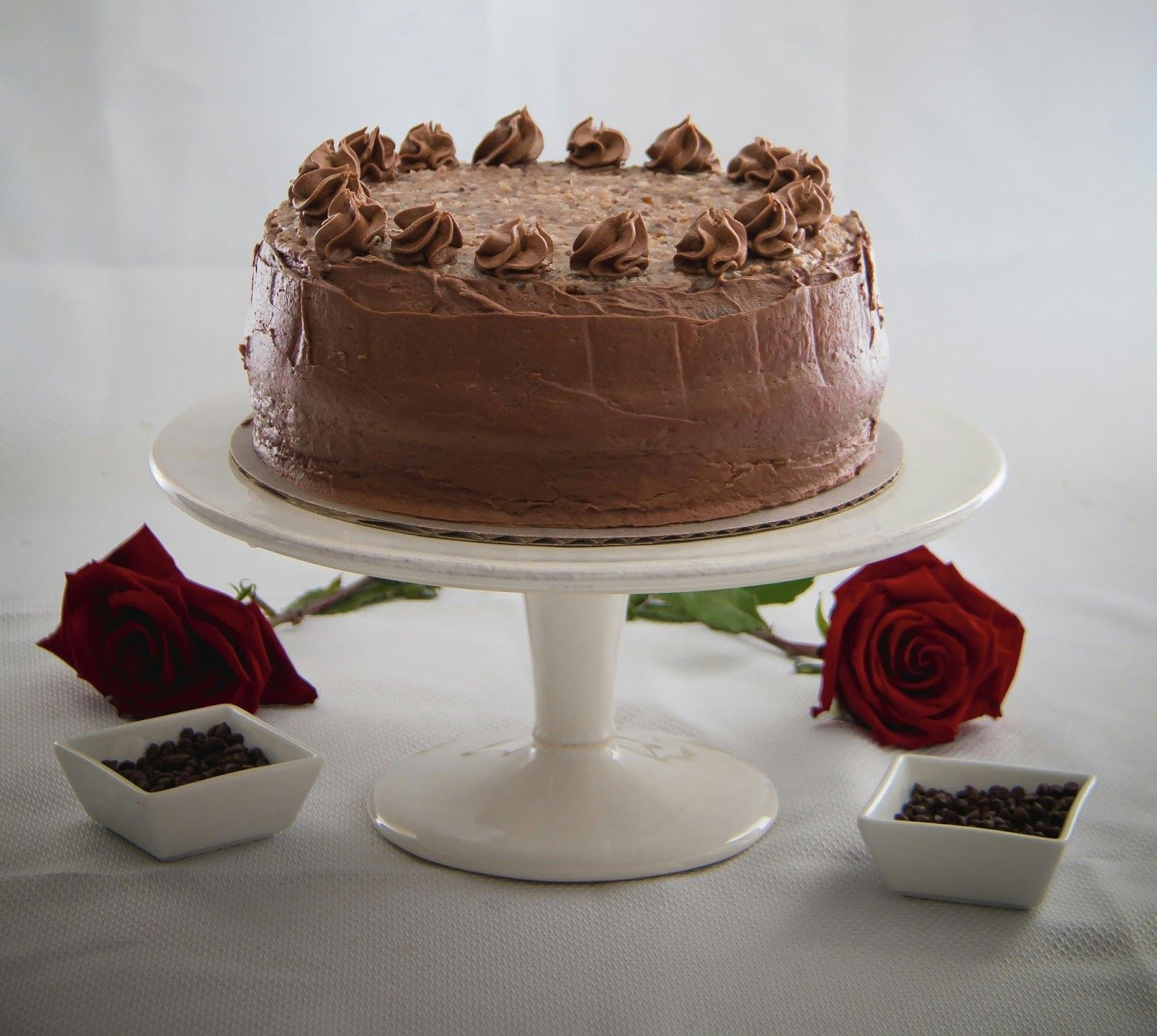
Did you know that German Chocolate Cake was actually popularized in… Texas? It did not come from Germany. The name refers to Samuel German, an American baker who created the delicious dark baking chocolate for Baker’s Chocolate Company.

In the 50s, a Texas homemaker later used his chocolate in a layered coconut-pecan cake recipe, and newspapers spread it with that name.

4

Welsh rabbit

Image: Jay Gajjar

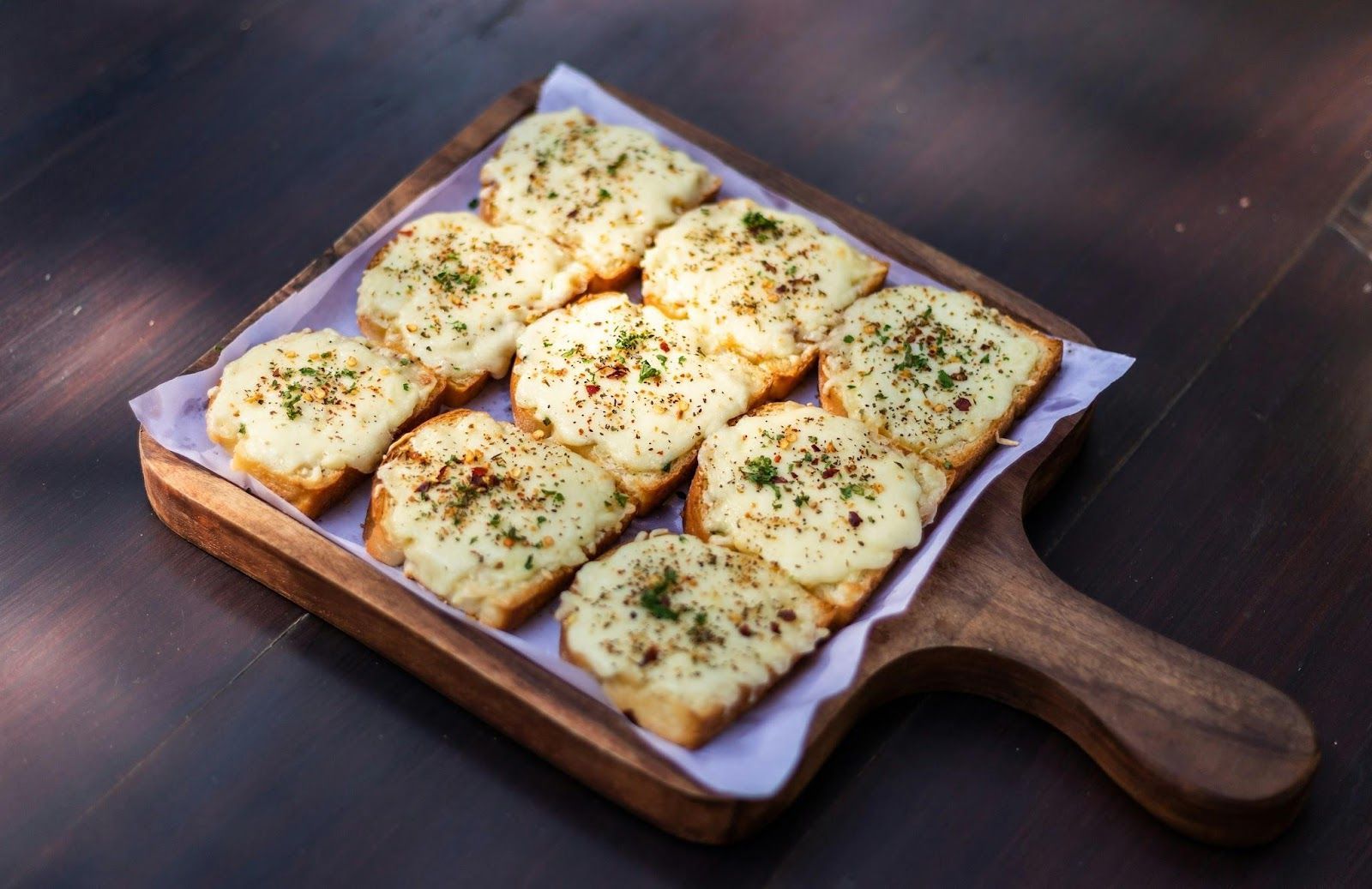
There’s no duck in duck sauce, and there’s no rabbit in Welsh rabbits, or Welsh rarebit! It’s actually melted cheese sauce served on toasted bread. Sometimes it comes flavored with ale, mustard, or spices.

The term "Welsh rabbit" was a tongue-in-cheek jab, likely implying that cheese was the "poor man’s meat" in Wales.

5

Rocky Mountain oysters

Image: Alex Gorey

Definitely not oysters! There’s nothing oceanic about this dish. Rocky Mountain oysters are actually bull or sheep testicles, usually battered, deep-fried, and served as bar fare or at ranch festivals in the American West.

6

Bombay duck

Image: Piotr Musioł

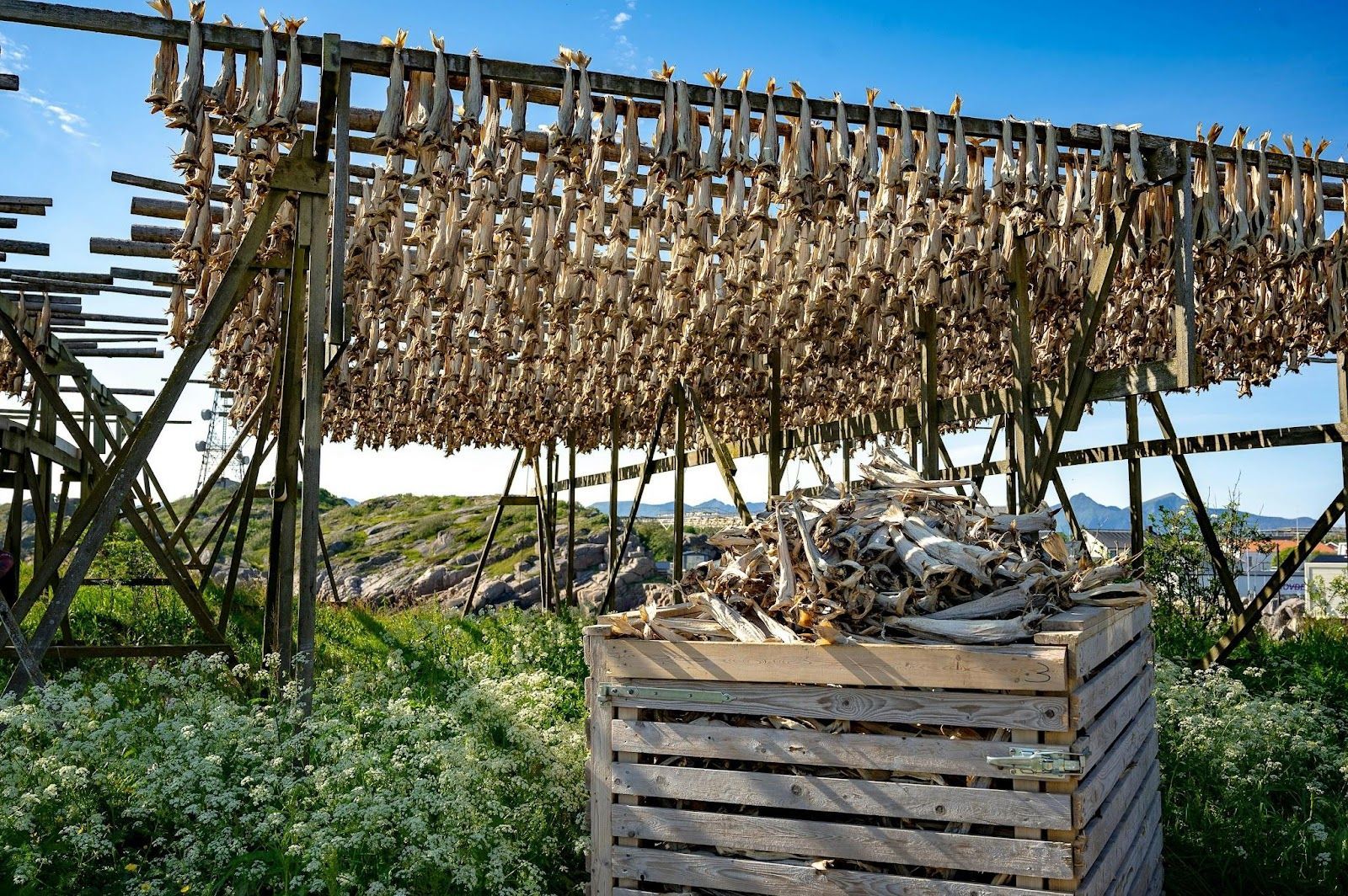
Don’t expect poultry when you order this South Asian specialty! Bombay duck is actually a type of dried fish, locally known as "bombil," long eaten along India’s western coast.

Why the name, then? Some theorize that it derived from the mail system that transported this food, the ‘Bombay Dak’ (which translates to Bombay Mail).

7

Puppy chow

Image: Charles Chen

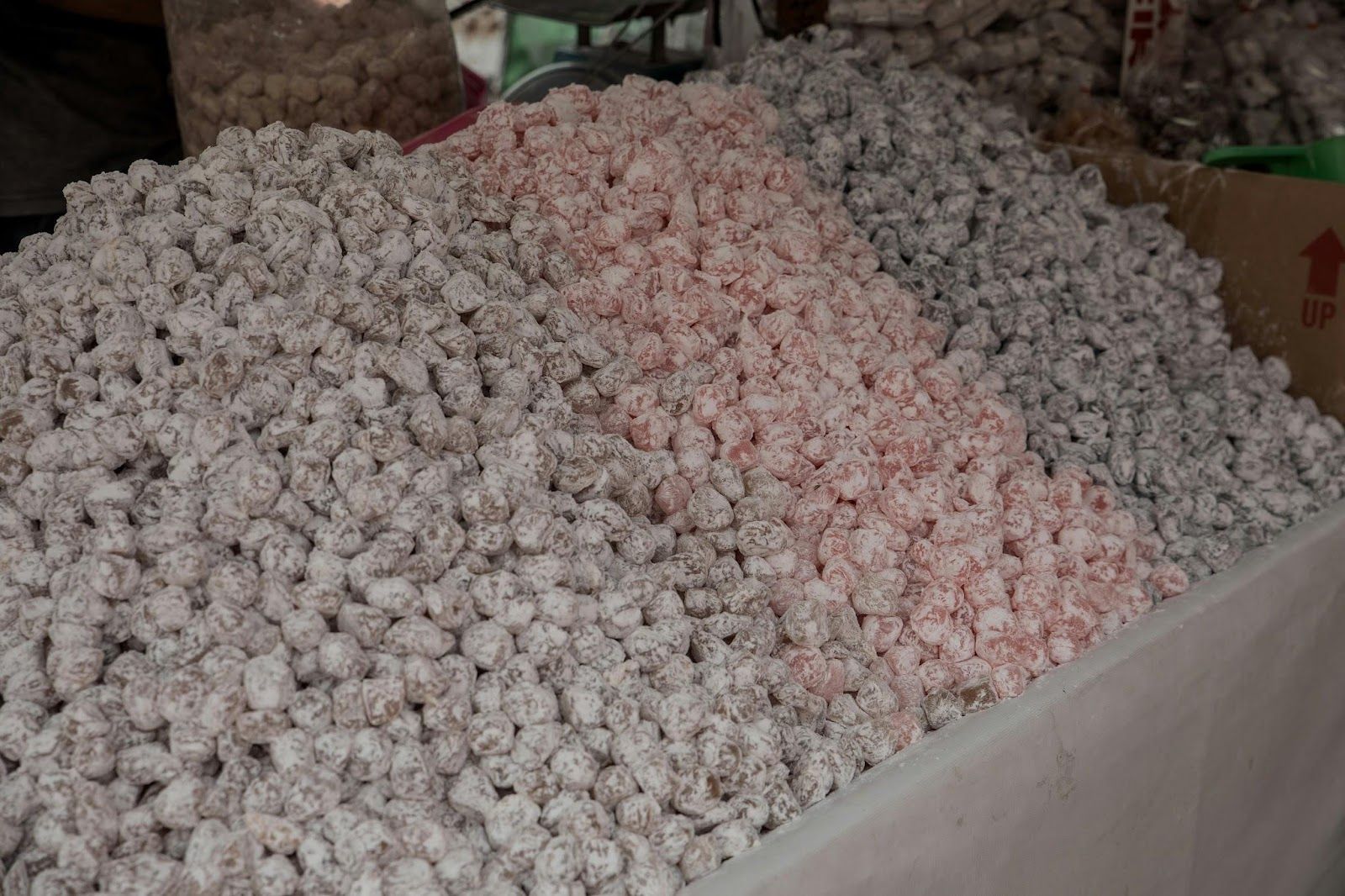
You may or may not know this, but some Midwestern states enjoy a homemade candy called "puppy chow." Contrary to what the name might imply, it is not meant for dogs!

They are usually made of cereal, chocolate, peanut butter, and powdered sugar. The same snack goes by other cute names, like "monkey munch" or "muddy buddies."

8

Sweetbreads

Image: Jolien Coryn

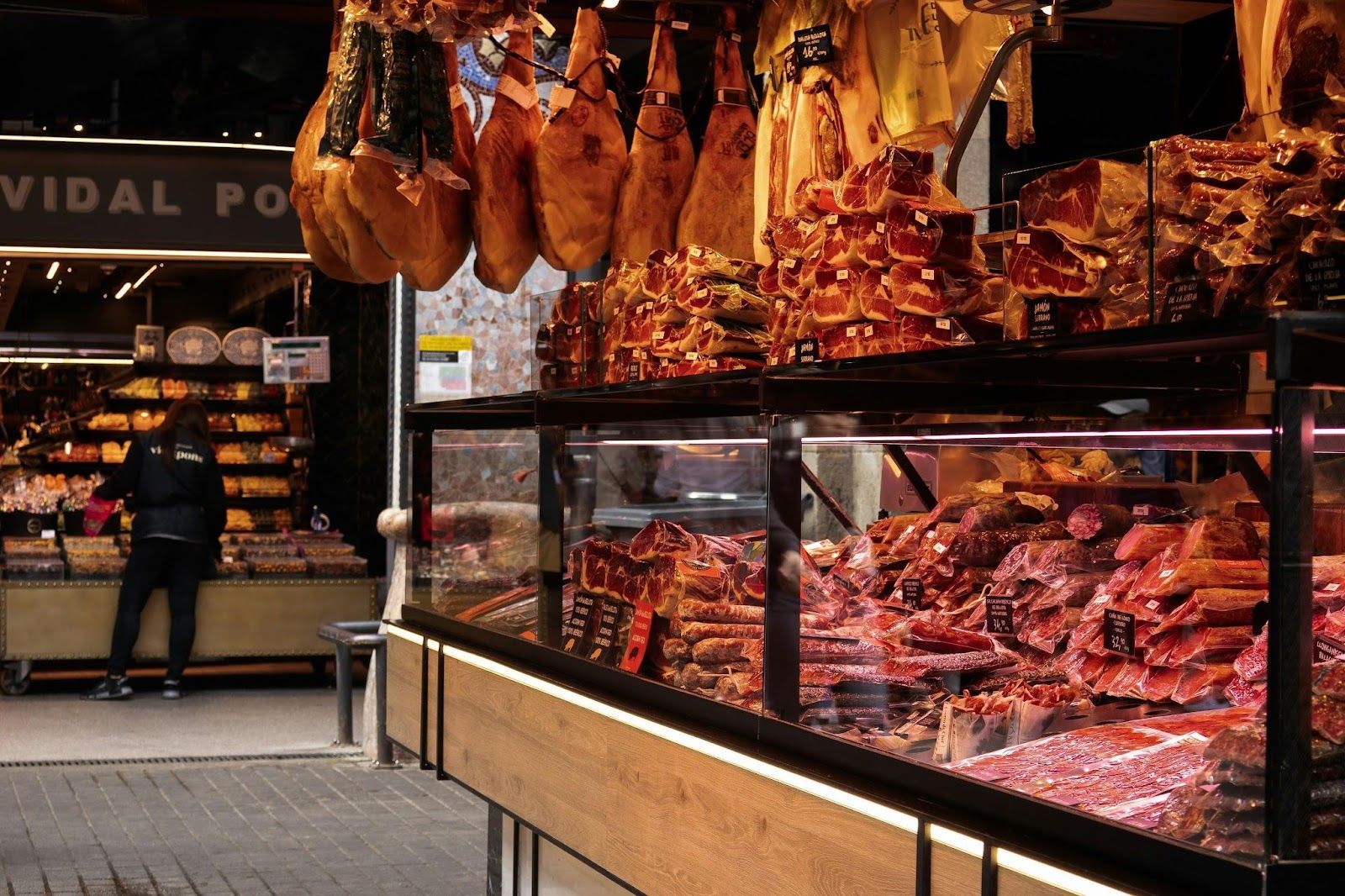
No bread and not "sweet." This dish has a grossly misleading name. Sweetbreads are the thymus or pancreas glands of young animals, prized in French cuisine for their delicate, tender texture.

The "sweet" refers to their mild flavor compared to other organ meats, while "bread" may stem from an old English word for "flesh."

9

Scotch egg

Image: Sebastian Coman Photography

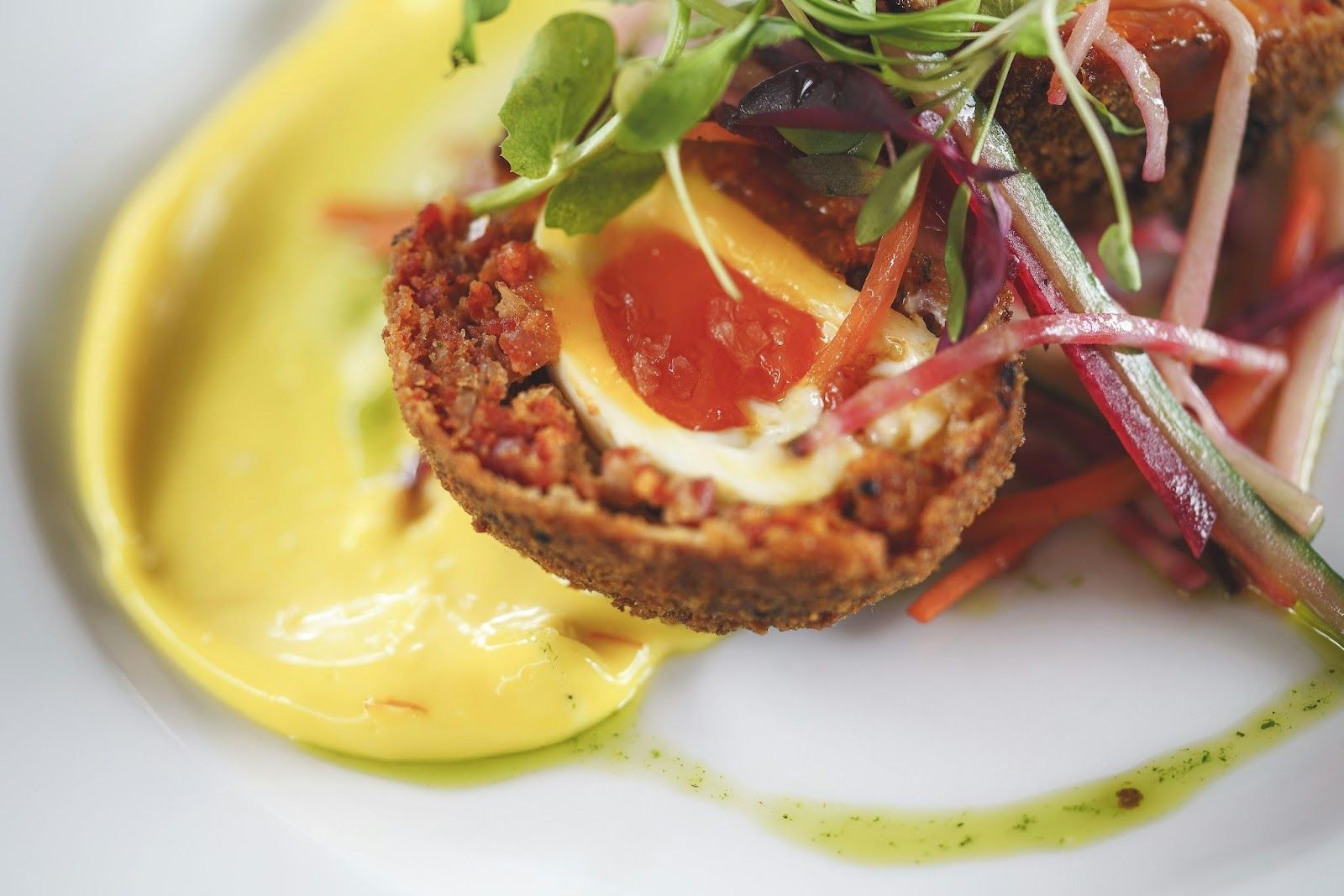
It turns out, "Scotch egg" is not Scottish at all. Some place the origins in London, while others point to Indian dishes like kofta as possible inspirations.

The dish is a hard or soft-boiled egg wrapped in sausage meat, breaded, and fried.

10

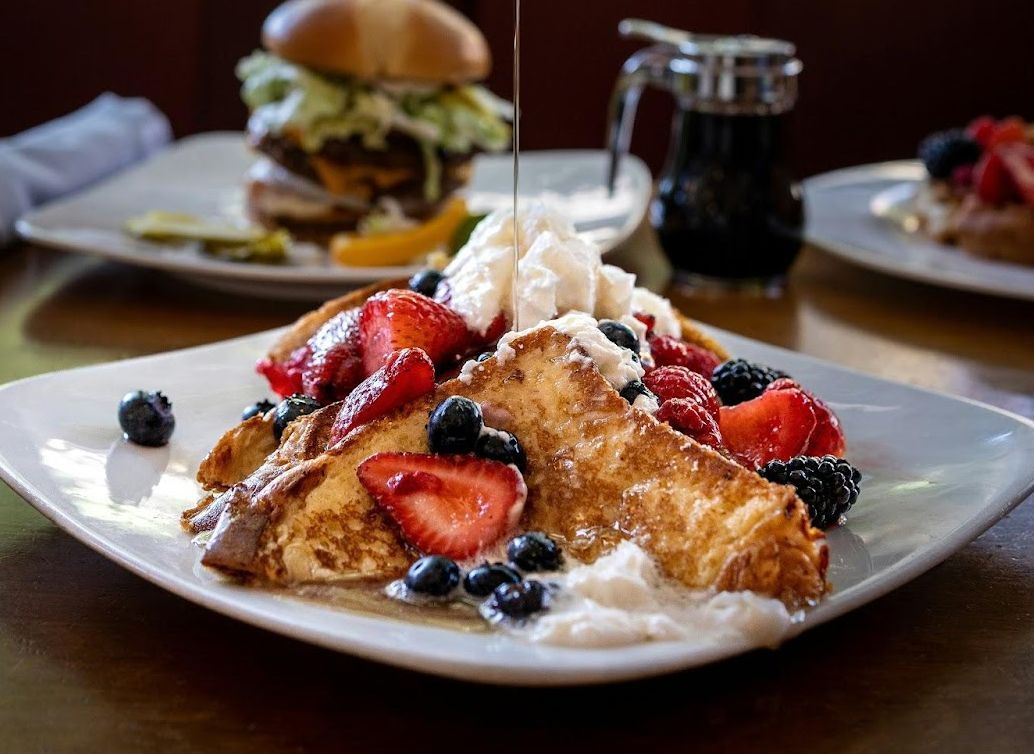
French toast

Image: Alexandra Tran

We all know what French toast means, but, just like French fries, the origins are disputed! This classic breakfast recipe is far more ancient and pan-European than the name implies.

Versions of egg-soaked bread fried in fat go back to ancient Rome, and have popped up across Europe for centuries under names like pain perdu in France or arme ritter in Germany.

11

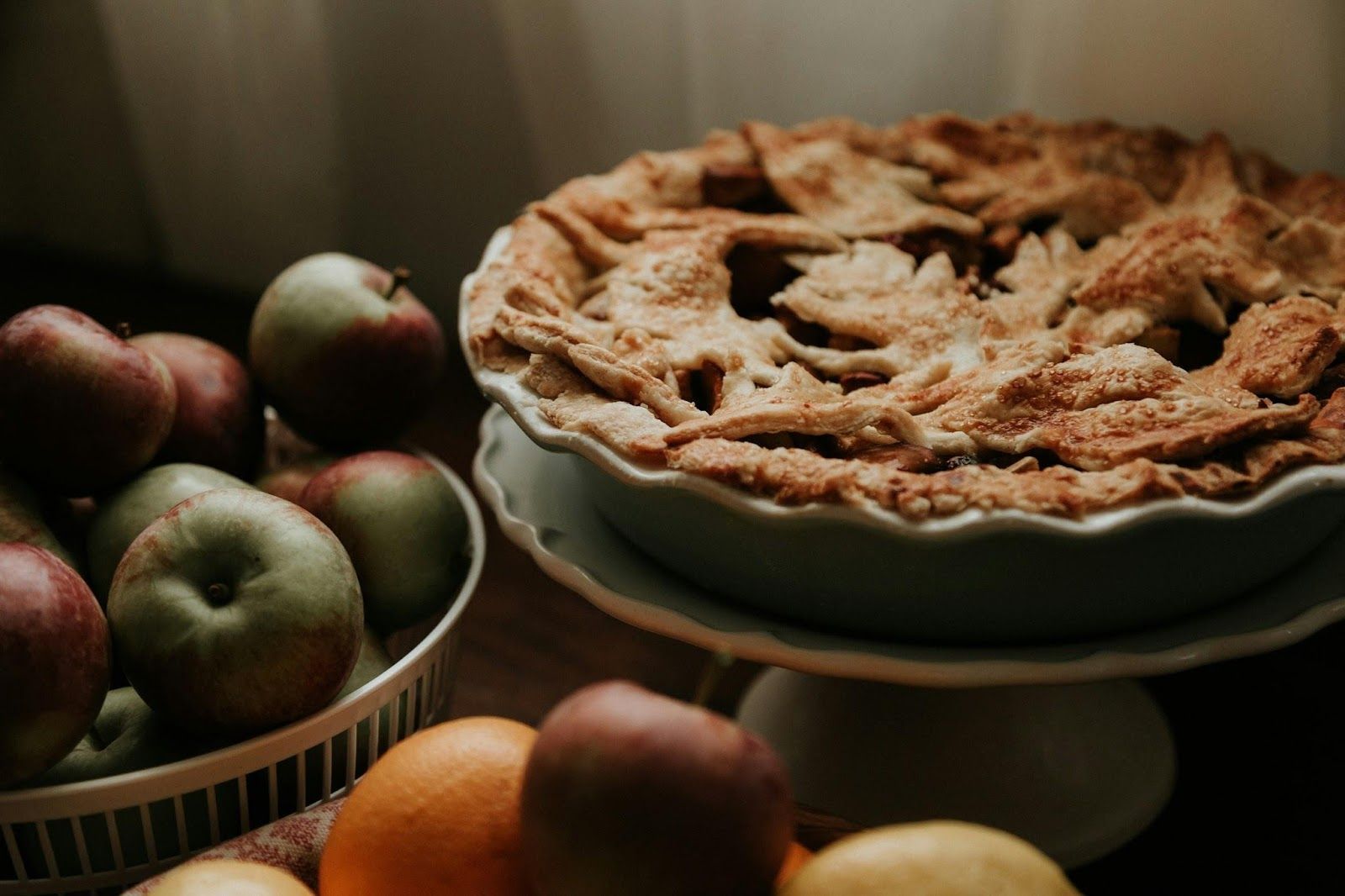
Mincemeat

Image: Priscilla Du Preez 🇨🇦

Hearing "mincemeat," most people imagine ground beef. But this pie filling doesn’t always involve minced beef, as it once did.

Traditional mincemeat once did contain actual minced beef or mutton mixed with dried fruits, spices, and suet. Over time, many chose to drop the meat content, but the name stayed.


Ocean wonders

Don't dive into the sea before you read this! 10 secrets about octopuses


Published on October 13, 2025


Image: Maximillian Conacher

Have you ever wondered how octopuses live? How do they hunt, feed, and escape predators? They may not be the cutest animals on Earth, but it turns out they are able to do incredible things! Recent discoveries have revealed that octopuses are much more intelligent than we ever thought. These creatures can evaluate options, strategize, and even recognize other animals, including humans! If you want to learn more, join us as we reveal these 10 surprising secrets about the life of octopuses!

1

Long-term residents

Image: Ashleigh Joy Photography

Today, we can find several species of octopus in our oceans, but this doesn't mean that they are something recent. In fact, it's quite the opposite.

Octopuses have been around for a long, long time. The oldest known relative of cephalopods dates back about 330 million years. That's a really long time ago! This ancient fossil, discovered in what is now Fergus County, Montana, belonged to a creature with ten arms.

So much time navigating the seas has served them well, allowing octopuses to develop skills we humans can only dream of.

2

Camouflage

Image: Roger Darnell

Chameleons might be famous for their camouflage skills, but they're not the only ones with this superpower. Blending into the surroundings and becoming practically invisible is an art practiced by octopuses, too.

Even though they have many arms to hide -8, to be exact- this is not a problem for octopuses when it comes to camouflage. Octopus skin is quite different from ours: they have special cells called chromatophores that let them change not only the color of their skin but also the texture! And that's not all; this process only takes a couple of seconds, adapting their colors and textures to blend with sand, corals, rocks, and any other surface.

3

Disguises and imitations

Image: Heidi Bruce

Octopuses not only blend in with the colors and shapes of their surroundings but can also mimic other creatures. That's right, they are masters of disguise.

Like a comic book villain who changes appearance to trick others, the mimic octopus can alter its color and shape to resemble other animals in its environment, often choosing to impersonate the shapes of the creatures most feared and avoided by predators.

This octopus can imitate, for example, a venomous sea snake by sporting stripes of different colors and wiggling its arms in a snake-like dance, copying both its appearance and behavior!

4

They recognize other creatures, including humans

Image: Αντωνης Κοροτσάκης

To imitate and adapt, octopuses need to be aware of their surroundings and recognize different places and animals. And they do it.

Octopuses can recognize other sea creatures, and some research even suggests they might recognize humans. There have been documented cases where researchers return to visit the same octopus in the sea, and the octopus often develops a gradual trust in them. Amazing!

There's a reason for all this: besides their excellent vision and sensory perception, octopuses also have an exceptional memory that helps them retain and use new information.

5

They use tools

Image: Aaron Burden

Certain abilities are clear signs of high intelligence in animals, and using tools is one of those.

Octopuses use objects from their surroundings, adapting them to suit their needs. Take the veined octopus, for example. This species collects shells to use as a shelter when escaping predators or as a shield when dealing with difficult prey. Amazing, right?

But that's not all! These octopuses have also been observed gathering shells and carrying them for future use. This behavior suggests not just intelligence and good memory, but also the ability to plan ahead!

6

Huge brains

Image: Sunira Moses

All that knowledge and skills are packed into a huge brain.

As we've seen, octopuses offer much more than just 8 arms and an extensive color palette. These animals also have impressive intelligence and a highly complex nervous system, which is reflected in the large size of their brains. In fact, their brain-to-body ratio is one of the highest among invertebrates. In other words, their brain is really big, considering their body proportions.

Given all that this creature is capable of, the size of its brain is no surprise.

7

Great memory and problem-solving skills

Image: Kostas Morfiris

Octopuses are great at problem-solving. They not only learn from their experiences but also remember the knowledge, locations, and animals they encounter, using this information for future situations.

All this makes them great learners and excellent performers. In different experiments, both in captivity and in the wild, octopuses have demonstrated their ability to open jars, navigate through mazes with ease, and elaborate complex strategies for hunting, among other surprising behaviors. Many octopuses, for example, hide near the paths of passing crabs and wait for the perfect moment to launch a surprise attack. A real ambush!

8

Three hearts

Image: rivage

A single heart isn't enough to keep a large brain, a mutable body, and 8 long tentacles irrigated.

That is why octopuses have the privilege of possessing no less than 3 hearts, all with a well-defined function. 2 of these hearts are responsible for pumping blood to the gills for oxygenation. Then, the third heart, the systemic heart, circulates the oxygenated blood throughout the rest of the body.

Want to know more? The third heart stops beating when the octopus swims!

9

Sacrificial parenting

Image: Yaselyn Perez

There's a lot we can say about octopuses, but calling them selfish isn't one of them. Why? Well, let's see.

When octopus mothers lay their eggs, they reserve all their focus, dedication, and energy to caring for them. The mother cleans, protects, and arranges the eggs, never taking her eyes off them. In doing so, it abandons all other activities, even stopping eating entirely.

Unfortunately, by not eating, the octopus becomes weak and debilitated. As a consequence, once the eggs hatch, the mother often doesn't survive.

10

Blue blood

Image: engin akyurt

Octopuses might not be royalty, but they do have blue blood! That's right; these creatures never stop surprising us. First, they have 3 hearts, and now they show us blood that's literally blue!

How is it different from our blood? Human blood contains hemoglobin, which has iron and gives it its characteristic red color. On the other hand, the blood that circulates in the incredible bodies of octopuses contains a protein called hemocyanin, which is what makes the difference. Hemocyanin contains copper, which gives the blood its blue color when it's oxygenated.

Looking for an extra scoop of literary fun?

Learn more with our Word of the day

assimilate

/əˈsɪməˌleɪt/