Watch what you order

Don't feed your dog puppy chows! Misleading food names


Published on October 13, 2025
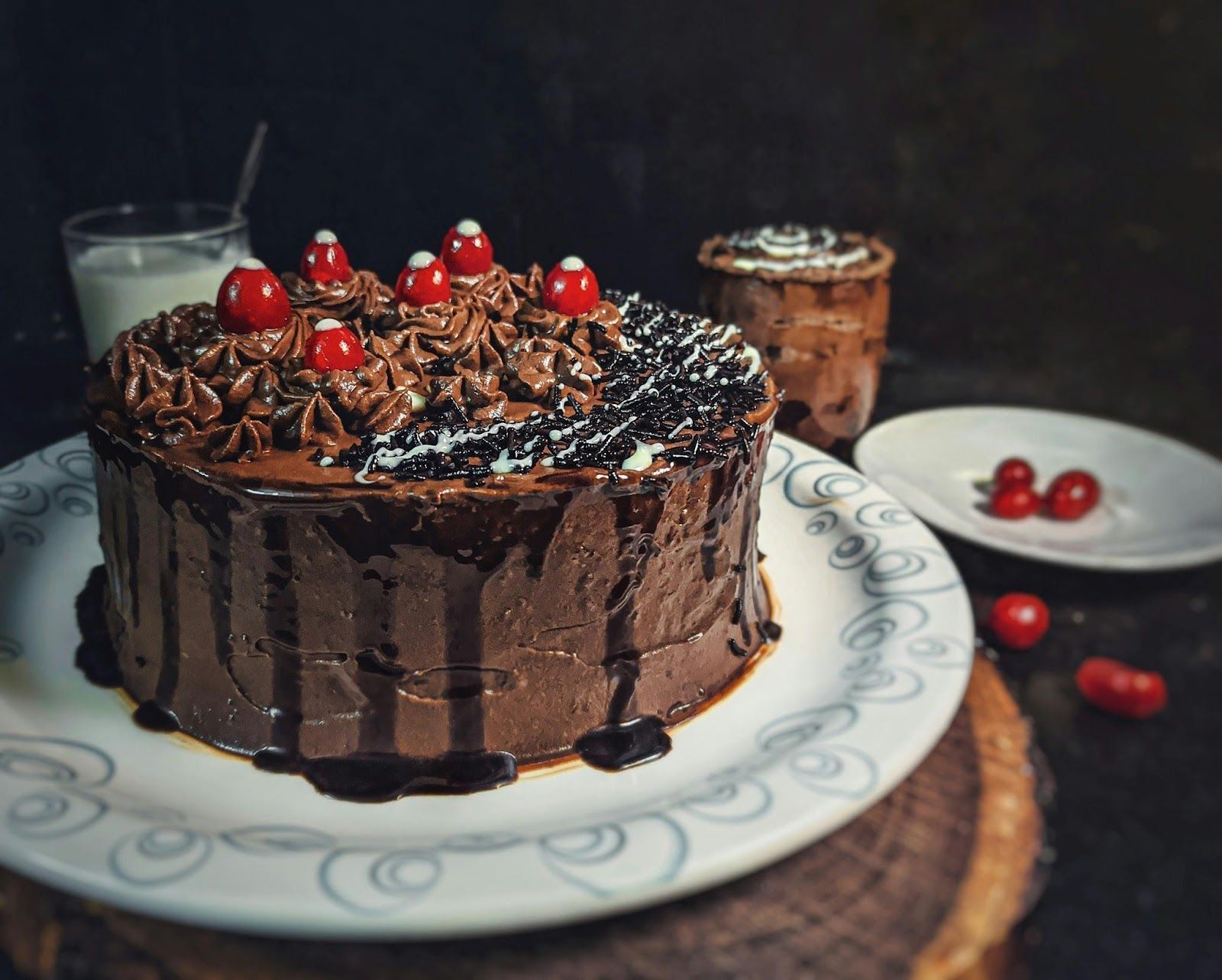

Image: Umesh Soni

If "puppy chows" are not dog snacks, "duck sauce" contains no duck whatsoever, and "German Chocolate Cake" is reportedly Texan… who is handing out these misleading dish names? Decidedly, some of the terms on this list might make you check with the waiter before you place your order. Let’s explore the stories behind unexpected food labels!

1

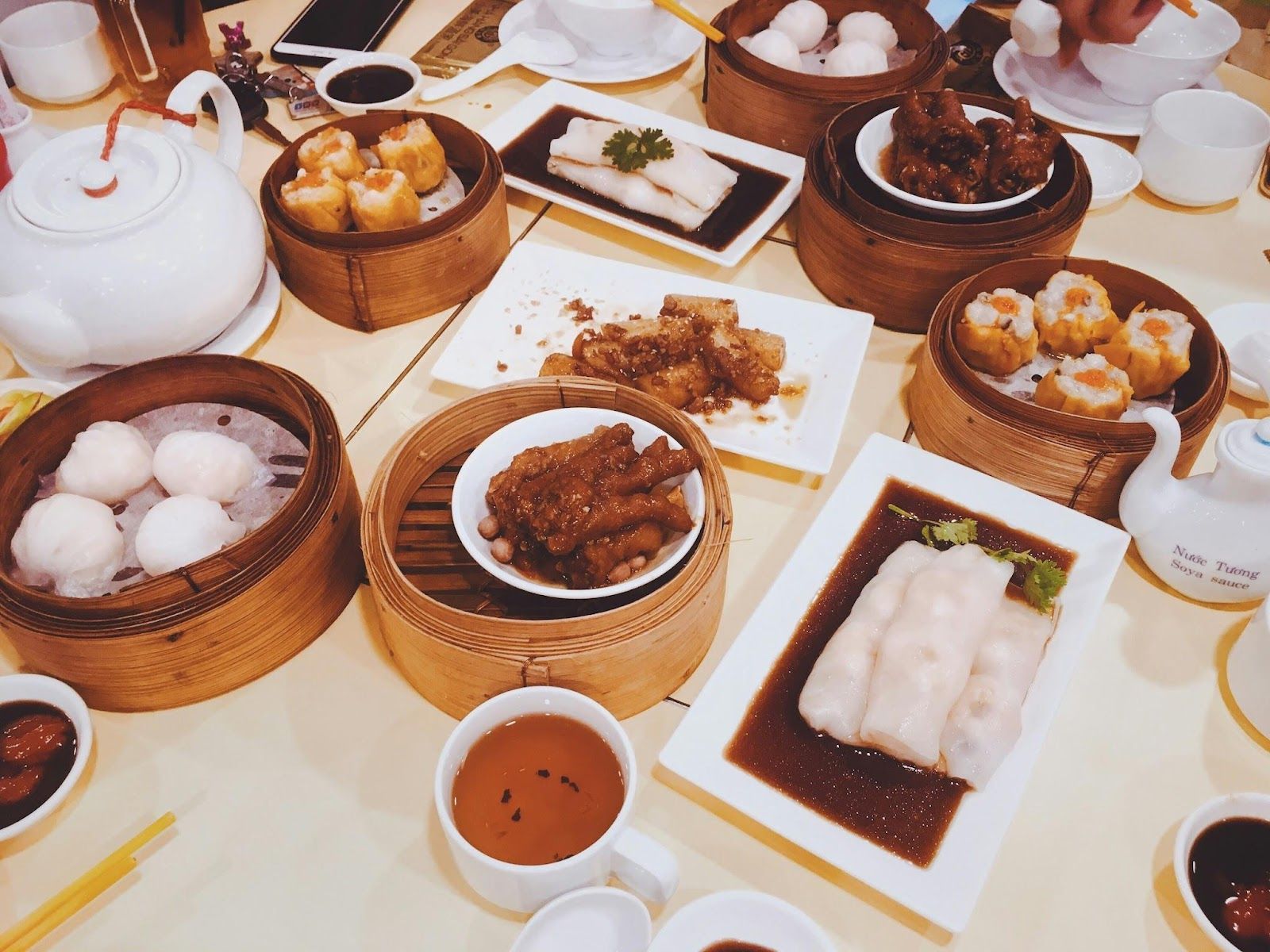
Duck sauce

Image: Van Thanh

This might be good news: No ducks are harmed in the making of this popular takeout condiment! Duck sauce is a sweet-and-sour orange jelly often served with Chinese-American dishes.

It’s made from apricots, plums, or peaches, combined with sugar and vinegar. The name likely came about because it was invented as a match for crispy duck dishes in Chinese restaurants.

2

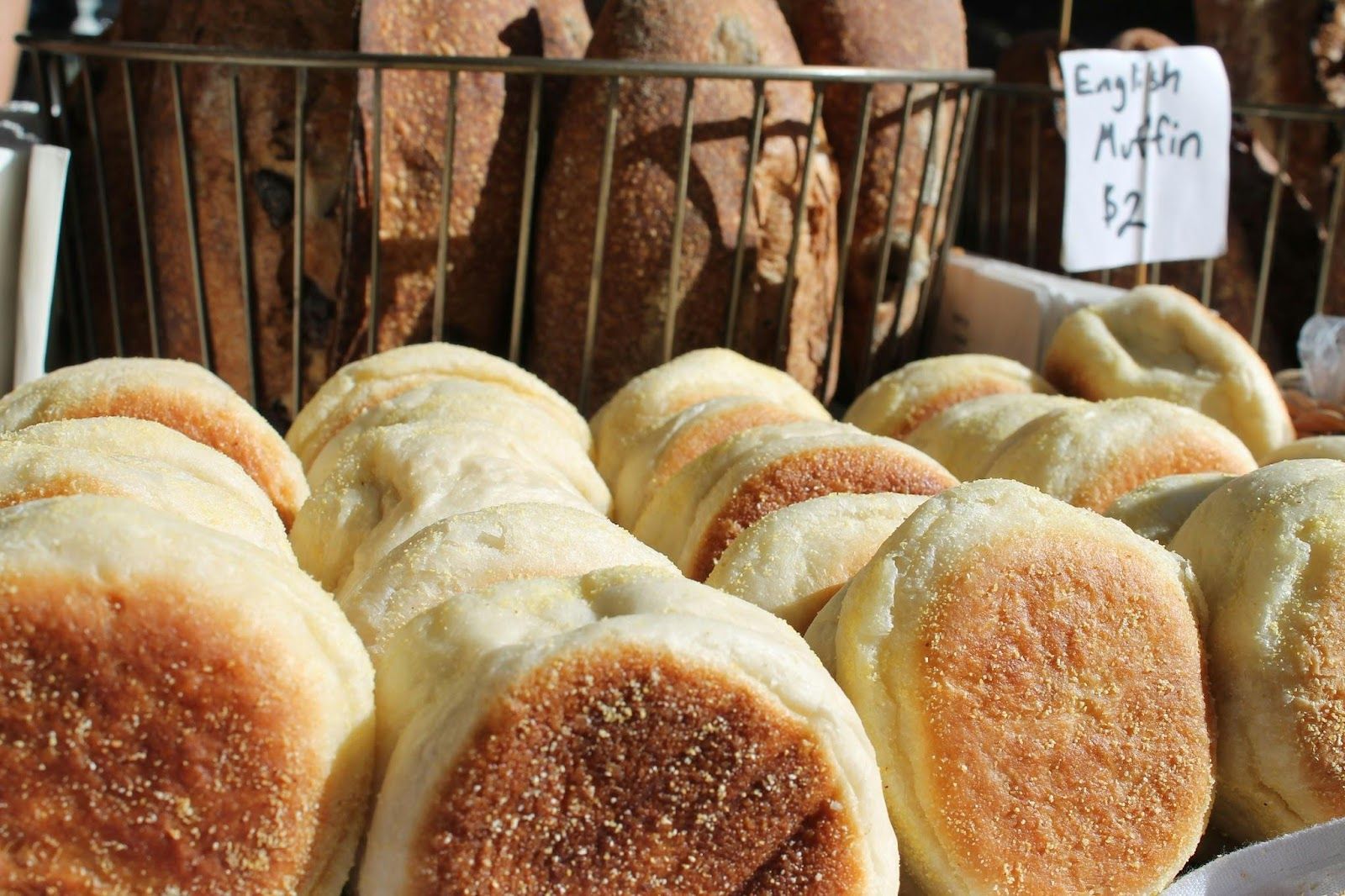
English muffin

Image: Taria Camerino

English muffins look nothing like American muffins, do they? And, technically, they do not come from England either.

These breads were popularized in the US by Samuel Bath Thomas, a British immigrant who began selling his "toaster crumpets" in New York in the late 1800s. It was the American consumers who branded them as "English muffins."

3

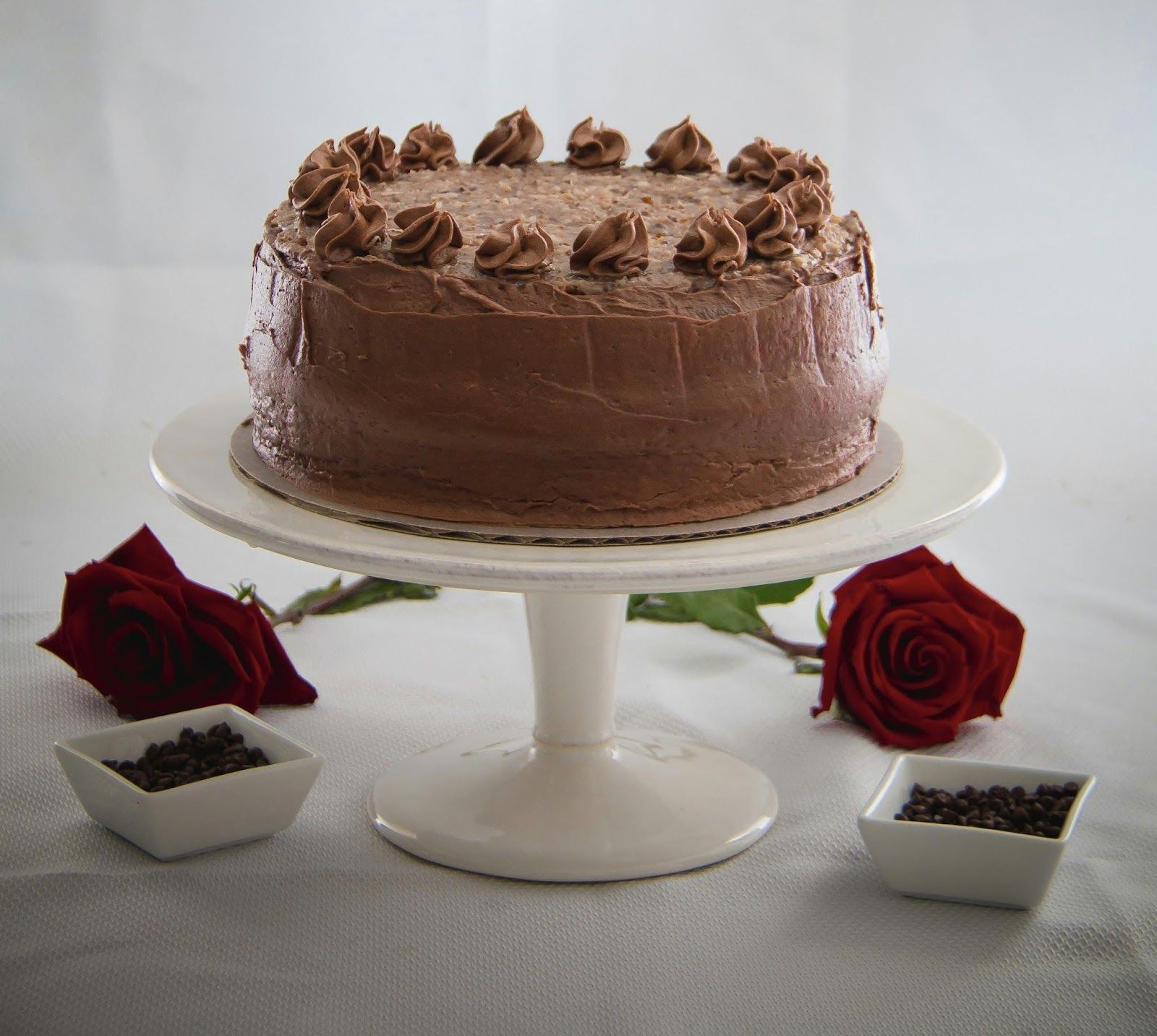
German Chocolate Cake

Image: Logan Clark

Did you know that German Chocolate Cake was actually popularized in… Texas? It did not come from Germany. The name refers to Samuel German, an American baker who created the delicious dark baking chocolate for Baker’s Chocolate Company.

In the 50s, a Texas homemaker later used his chocolate in a layered coconut-pecan cake recipe, and newspapers spread it with that name.

4

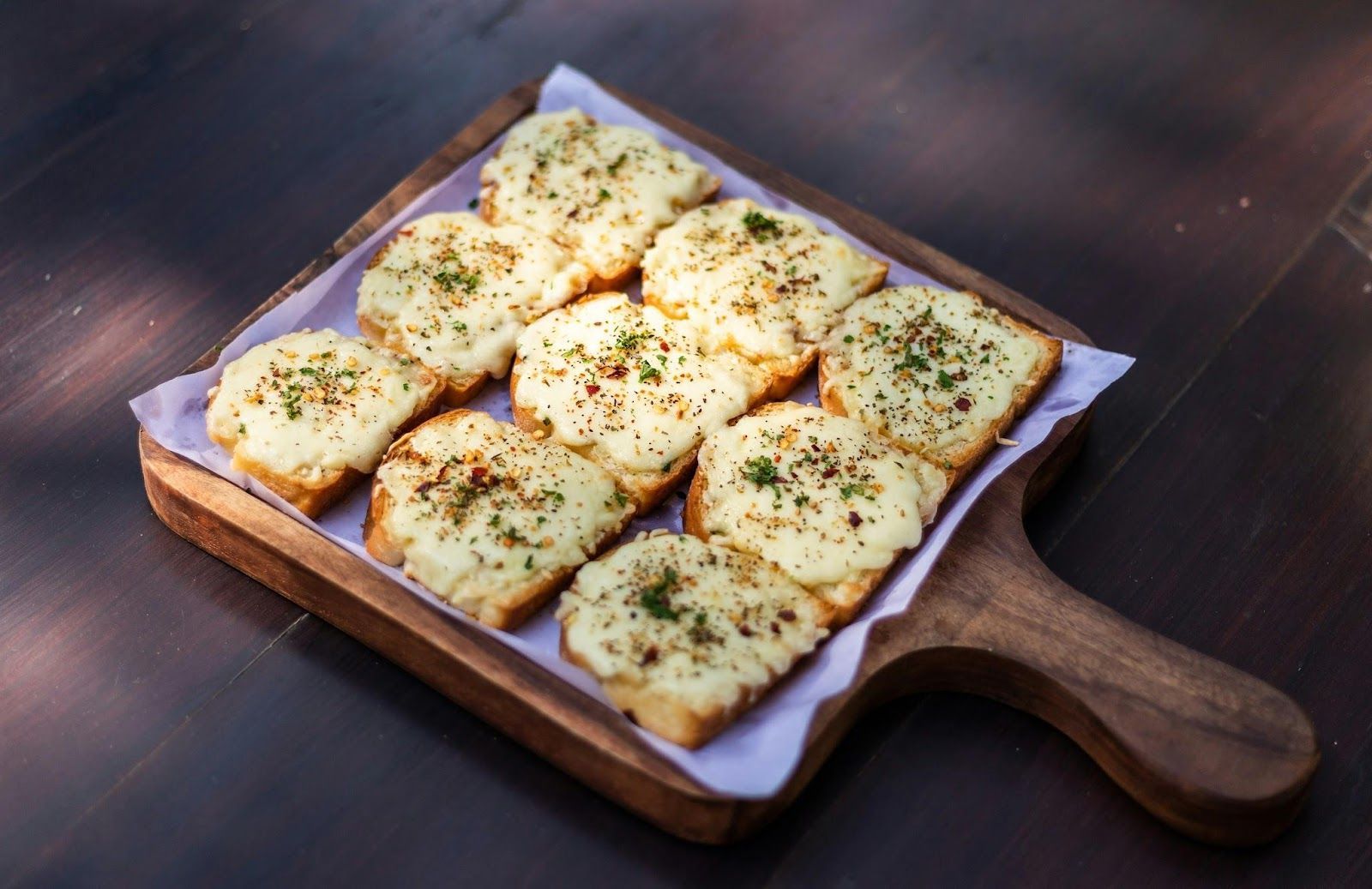
Welsh rabbit

Image: Jay Gajjar

There’s no duck in duck sauce, and there’s no rabbit in Welsh rabbits, or Welsh rarebit! It’s actually melted cheese sauce served on toasted bread. Sometimes it comes flavored with ale, mustard, or spices.

The term "Welsh rabbit" was a tongue-in-cheek jab, likely implying that cheese was the "poor man’s meat" in Wales.

5

Rocky Mountain oysters

Image: Alex Gorey

Definitely not oysters! There’s nothing oceanic about this dish. Rocky Mountain oysters are actually bull or sheep testicles, usually battered, deep-fried, and served as bar fare or at ranch festivals in the American West.

6

Bombay duck

Image: Piotr Musioł

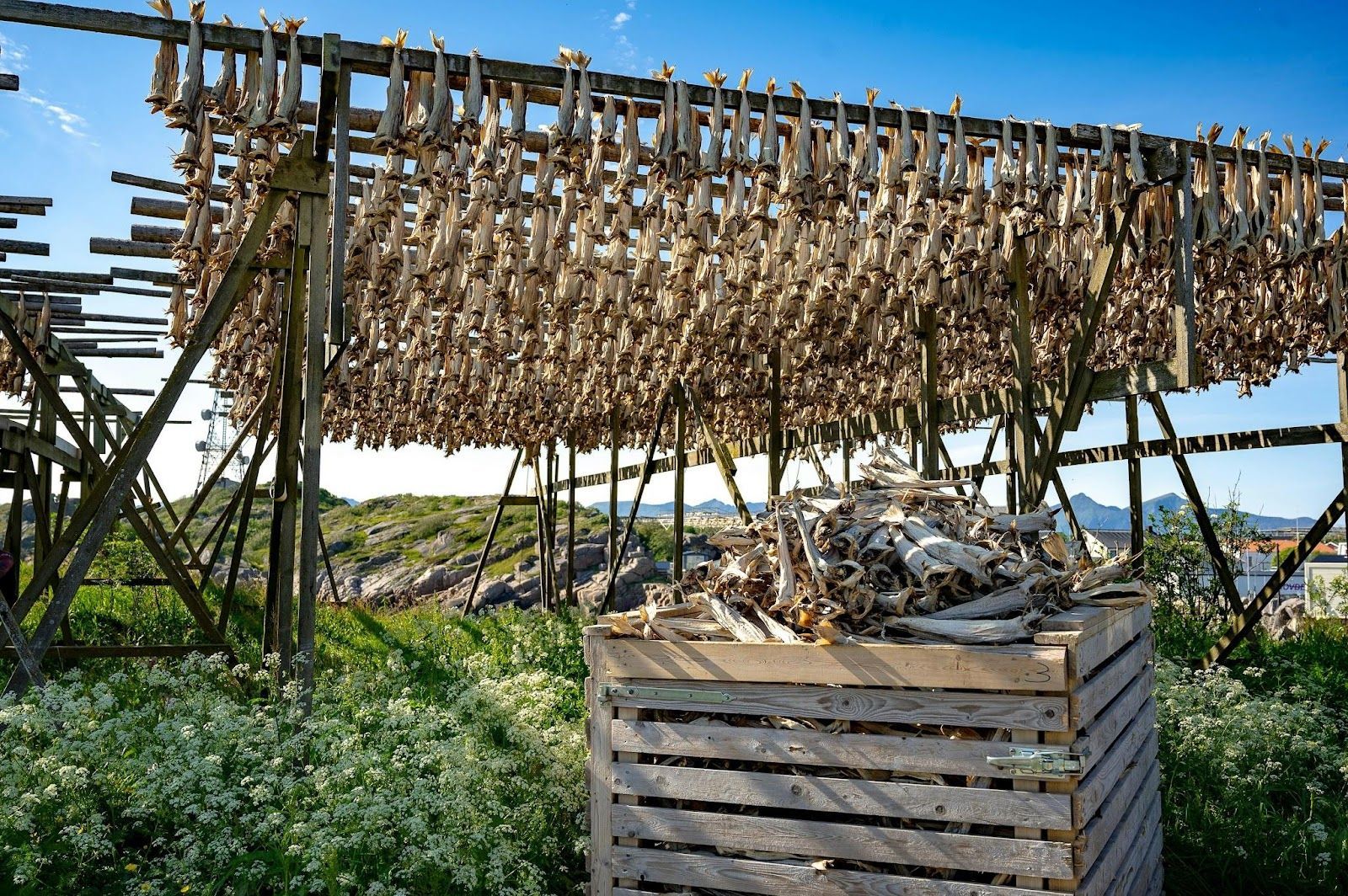
Don’t expect poultry when you order this South Asian specialty! Bombay duck is actually a type of dried fish, locally known as "bombil," long eaten along India’s western coast.

Why the name, then? Some theorize that it derived from the mail system that transported this food, the ‘Bombay Dak’ (which translates to Bombay Mail).

7

Puppy chow

Image: Charles Chen

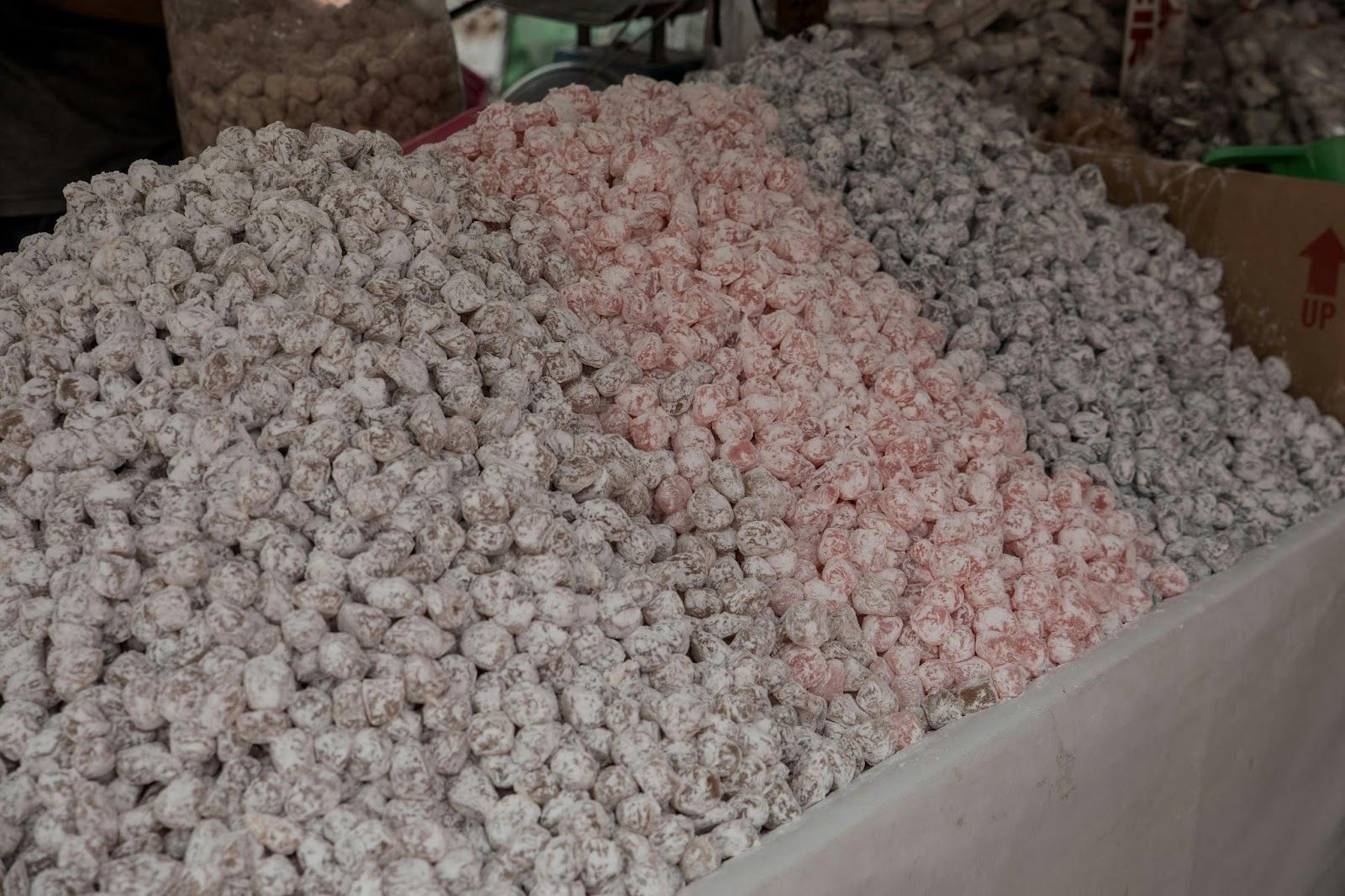
You may or may not know this, but some Midwestern states enjoy a homemade candy called "puppy chow." Contrary to what the name might imply, it is not meant for dogs!

They are usually made of cereal, chocolate, peanut butter, and powdered sugar. The same snack goes by other cute names, like "monkey munch" or "muddy buddies."

8

Sweetbreads

Image: Jolien Coryn

No bread and not "sweet." This dish has a grossly misleading name. Sweetbreads are the thymus or pancreas glands of young animals, prized in French cuisine for their delicate, tender texture.

The "sweet" refers to their mild flavor compared to other organ meats, while "bread" may stem from an old English word for "flesh."

9

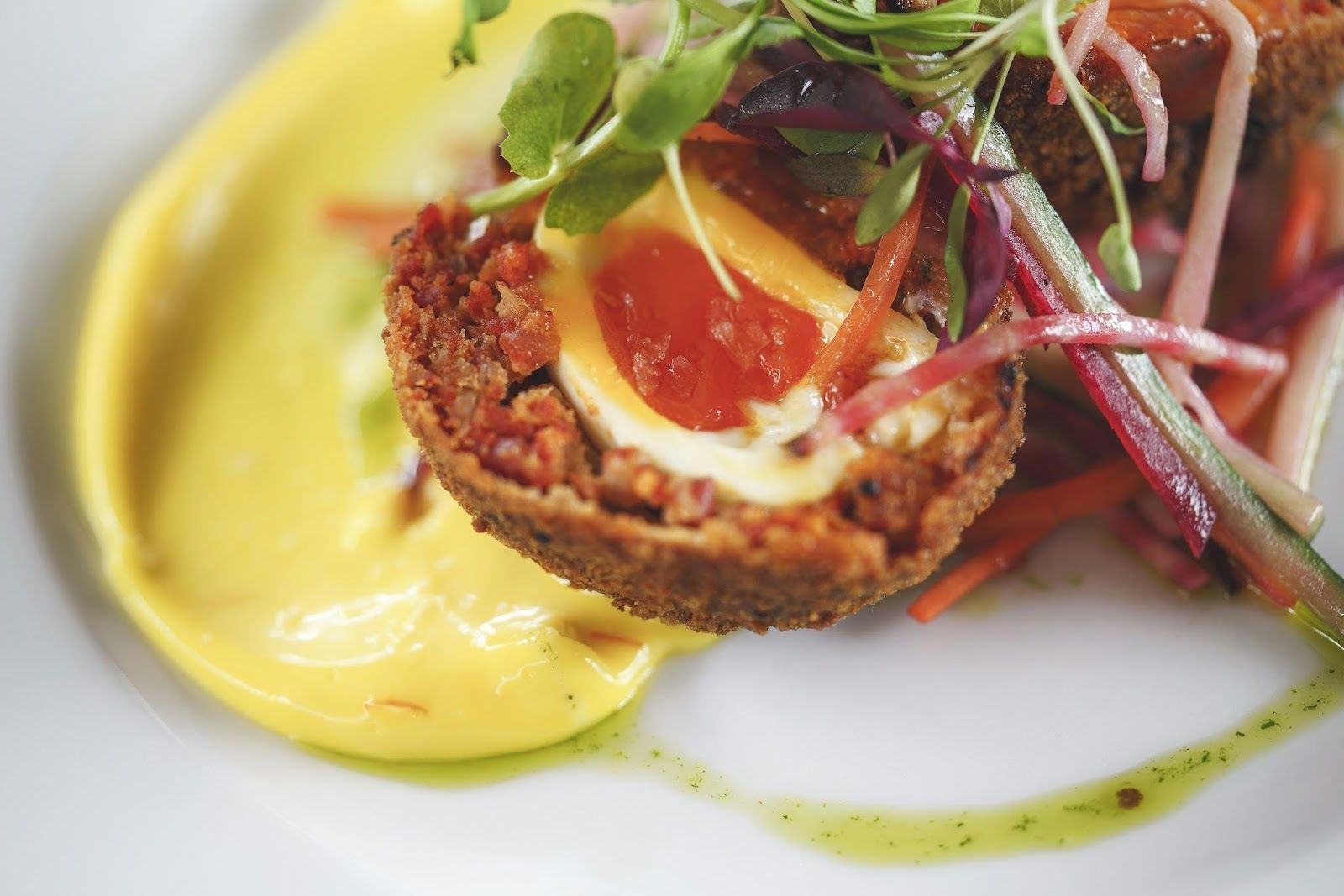
Scotch egg

Image: Sebastian Coman Photography

It turns out, "Scotch egg" is not Scottish at all. Some place the origins in London, while others point to Indian dishes like kofta as possible inspirations.

The dish is a hard or soft-boiled egg wrapped in sausage meat, breaded, and fried.

10

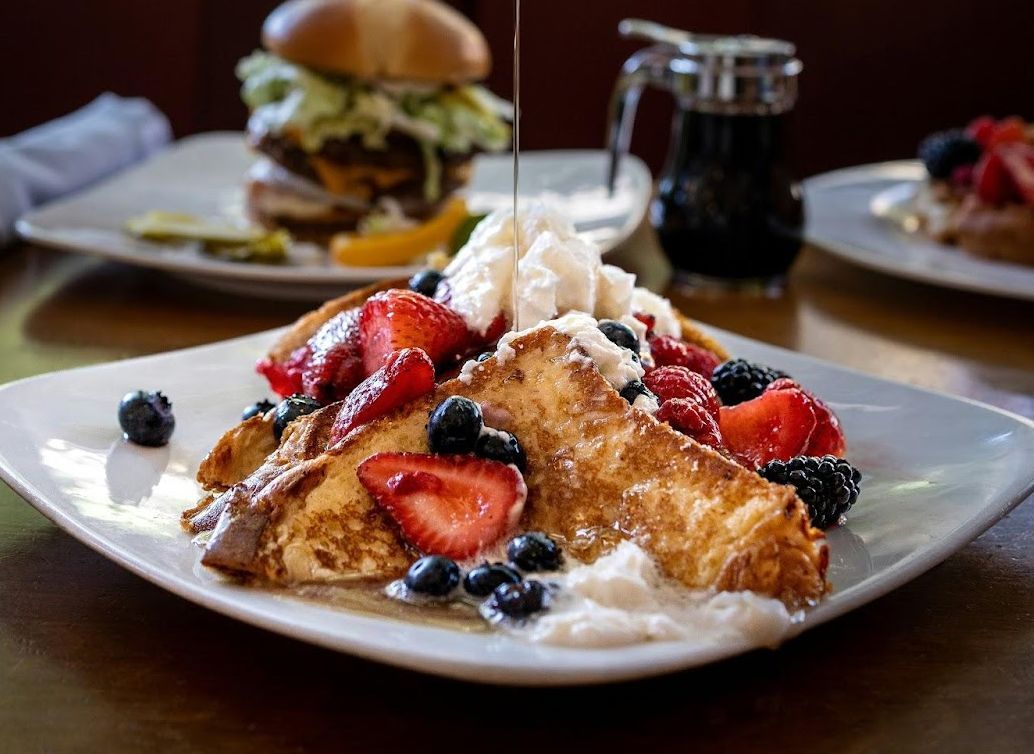
French toast

Image: Alexandra Tran

We all know what French toast means, but, just like French fries, the origins are disputed! This classic breakfast recipe is far more ancient and pan-European than the name implies.

Versions of egg-soaked bread fried in fat go back to ancient Rome, and have popped up across Europe for centuries under names like pain perdu in France or arme ritter in Germany.

11

Mincemeat

Image: Priscilla Du Preez 🇨🇦

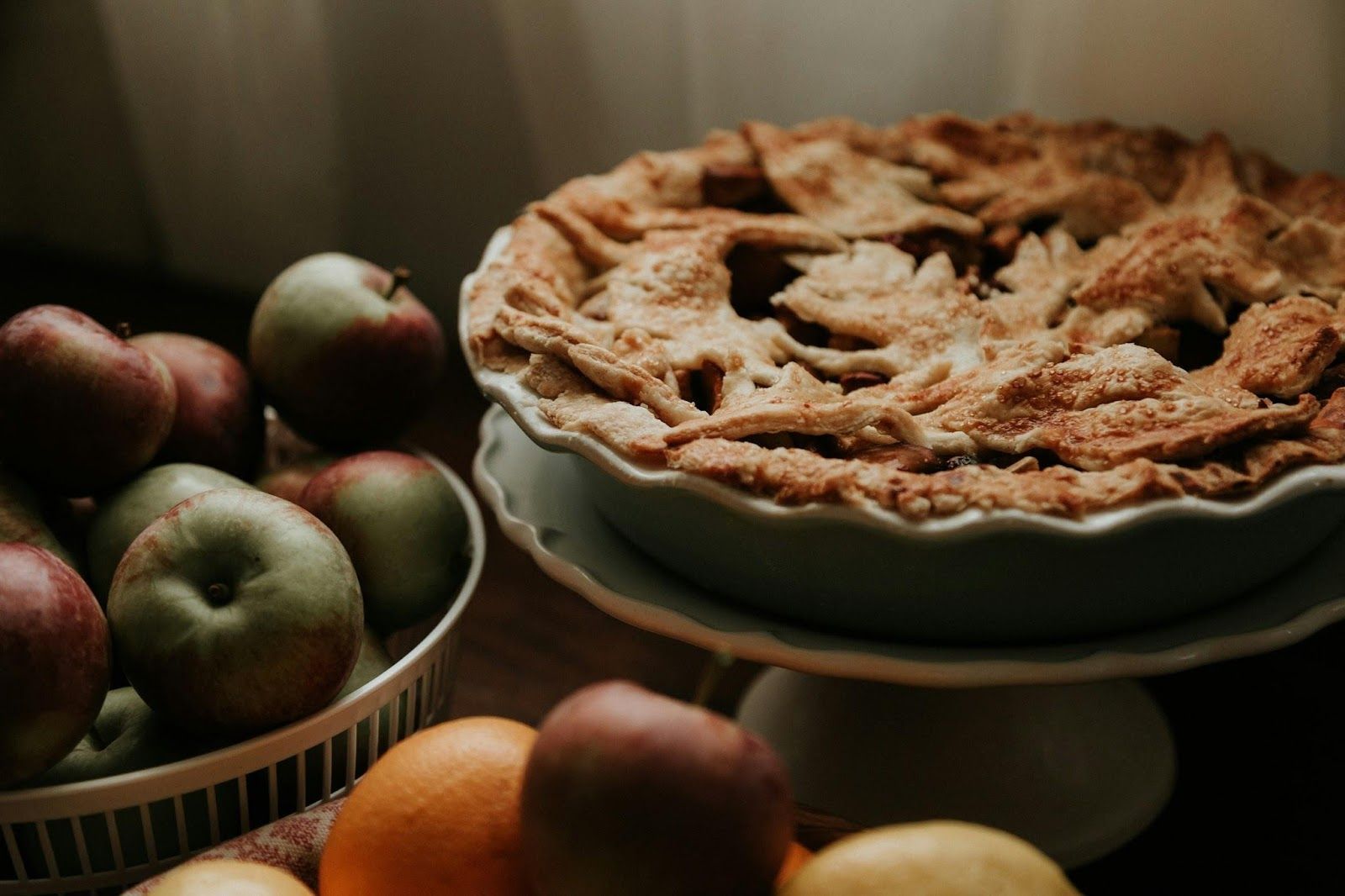
Hearing "mincemeat," most people imagine ground beef. But this pie filling doesn’t always involve minced beef, as it once did.

Traditional mincemeat once did contain actual minced beef or mutton mixed with dried fruits, spices, and suet. Over time, many chose to drop the meat content, but the name stayed.


BIZARRE EARTH

Meet The Real World Doors To Hell And 9 Other Geographical Oddities


Published on October 13, 2025


Image: Gaël Gaborel - OrbisTerrae

Our planet is truly an extraordinary place. Not only is it capable of hosting an incredibly vast array of life, but it is also full of all kinds of mysteries that even today defy explanation. From curious geographical oddities to spooky natural phenomena, there’s surely something for everyone.

So, if you are one of those people who loves to look at a map of the world and wonder what’s hiding in each of its corners, this article is for you!

1

The ‘Not So Lost’ World

Image: Joshua Case

Ever wonder where Arthur Conan Doyle got the inspiration for his sci-fi novel "The Lost World"? Apparently, there really is such a place after all!

Mount Roraima, towering over the borders of Venezuela, Brazil, and Guyana, is a massive flat-topped mountain surrounded by sheer cliffs. Its unique shape has inspired various myths and stories, and the summit is home to unique plant species found nowhere else on Earth, just like in the adventures of the daring Professor Challenger and his friends.

2

The Eye Of The Sahara

Image: Moulaye Sidi Aly

The Richat Structure, also known as the Eye of the Sahara, is a massive circular formation in Mauritania that resembles a bull's-eye from space. Originally thought to be an impact crater, it is now believed to be a geological dome eroded over millions of years, revealing concentric layers of rock.

Even more intriguing is the fact that the structure hosts exceptional accumulations of Acheulean archaeological artifacts, suggesting that our ancestors might have deemed it a very special place.

3

A Dragon Under The Sea

Image: Mandy Beerley

The visible part of Kilauea, located on the Big Island of Hawaii, is just the tip of a massive submarine volcano. Its underwater portion holds great geological significance, as it reveals the history of the volcano's gradual growth through underwater eruptions over the past 100,000 years.

Native Hawaiians recognize the importance of this geological phenomenon, considering it a sacred place and the home of the volcanic deity Pelehonuamea.

4

Where To Fit Mount Everest

Image: Michael Clarke

Do you suddenly feel like Mount Everest is taking up too much space? Well, here’s an easy fix for you: stuff it within the Mariana Trench. It fits!

If you have never heard of it before, The Mariana Trench, located in the western Pacific Ocean, is the deepest part of our world's oceans. Its incredible depth is such that Mount Everest, the tallest mountain on Earth when measured from sea level, could fit inside it with more than a mile to spare.

5

Ice And Fire

Image: Robert Haverly

A true battle of ice and fire, Mount Erebus, an active volcano in Antarctica, is one of the few places on Earth where a persistent lava lake exists. Located on Ross Island, this volcano emits gases rich in sulfur dioxide, creating an otherworldly environment reminiscent of volcanic landscapes found on distant moons like Io.

Even more astonishing, scientists have recently discovered that the volcano expels pockets of gas containing roughly 80 grams of crystallized gold daily, amounting to around $6,000!

6

The Weirdest Border Ever

Image: Thomas Bormans

There is a place in the world where determining which country you're in can be exceptionally difficult. The border between the Netherlands and Belgium is one of the most complex in the world, particularly in the town of Baarle. The town is split into Baarle-Nassau (Netherlands) and Baarle-Hertog (Belgium) with over 20 separate enclaves and exclaves.

This intricate border arrangement leads to houses and even rooms split between two countries. The bizarre border divisions originated from medieval treaties and land swaps between feudal lords, resulting in an irregular and tangled boundary that remains today.

7

A Lone Giant

Image: Sergey Pesterev

Mount Kilimanjaro in Tanzania holds the title of the highest free-standing mountain in the world, rising 19,341 feet above sea level. Unlike most mountains, which usually are part of a range, Kilimanjaro stands alone, a stunning and solitary peak that dominates the Tanzanian landscape.

Its uniqueness lies in the fact that it's not just an ordinary mountain but a massive stratovolcano. It consists of three cones—Kibo, Mawenzi, and Shira. Fortunately, it's currently dormant, although there were eruptions reported in the 19th century.

8

Tongue Twister Island

Image: Sharissa Johnson

Victoria Island in Canada is a fascinating example of a recursive island—an island within a lake on an island in a lake on an island. Feeling dizzy already?

This unique geographical feature can be found within the larger Victoria Island in the Arctic Archipelago, which itself contains several lakes and islands. It’s even possible that this curious island has never been visited before, as the nearest inhabited area is almost 90 miles away and there are no nearby roads.

9

A Stone Labyrinth

Image: Robs

The Stone Forest in Yunnan, China, is a labyrinth of limestone formations resembling petrified trees. Over 270 million years old, rain and erosion sculpted these tall, thin pillars, creating a surreal landscape that stretches over 150 square miles.

If you plan on visiting, be aware that the area is a UNESCO World Heritage site and a highly popular tourist destination, so it's advisable to book tickets in advance.

Image: Ybrayym Esenov

10

The Doors to Hell

Fancy a walk through the closest Hell’s customs checkpoint? Well, if you book a flight to Turkmenistan, you can!

The Door to Hell, or Darvaza Gas Crater, is a natural gas field in Turkmenistan that collapsed into a cavern in 1971. To prevent the spread of methane gas, geologists set it on fire expecting it to burn out in a few weeks. Over four decades later, the crater still burns, emitting a glow that can be seen from miles away.

Looking for an extra scoop of literary fun?

Learn more with our Word of the day

bemused

/bəˈmjuzd/