Watch what you order

No, German Chocolate Cake isn't German: Beware of misleading dish names


Published on October 13, 2025
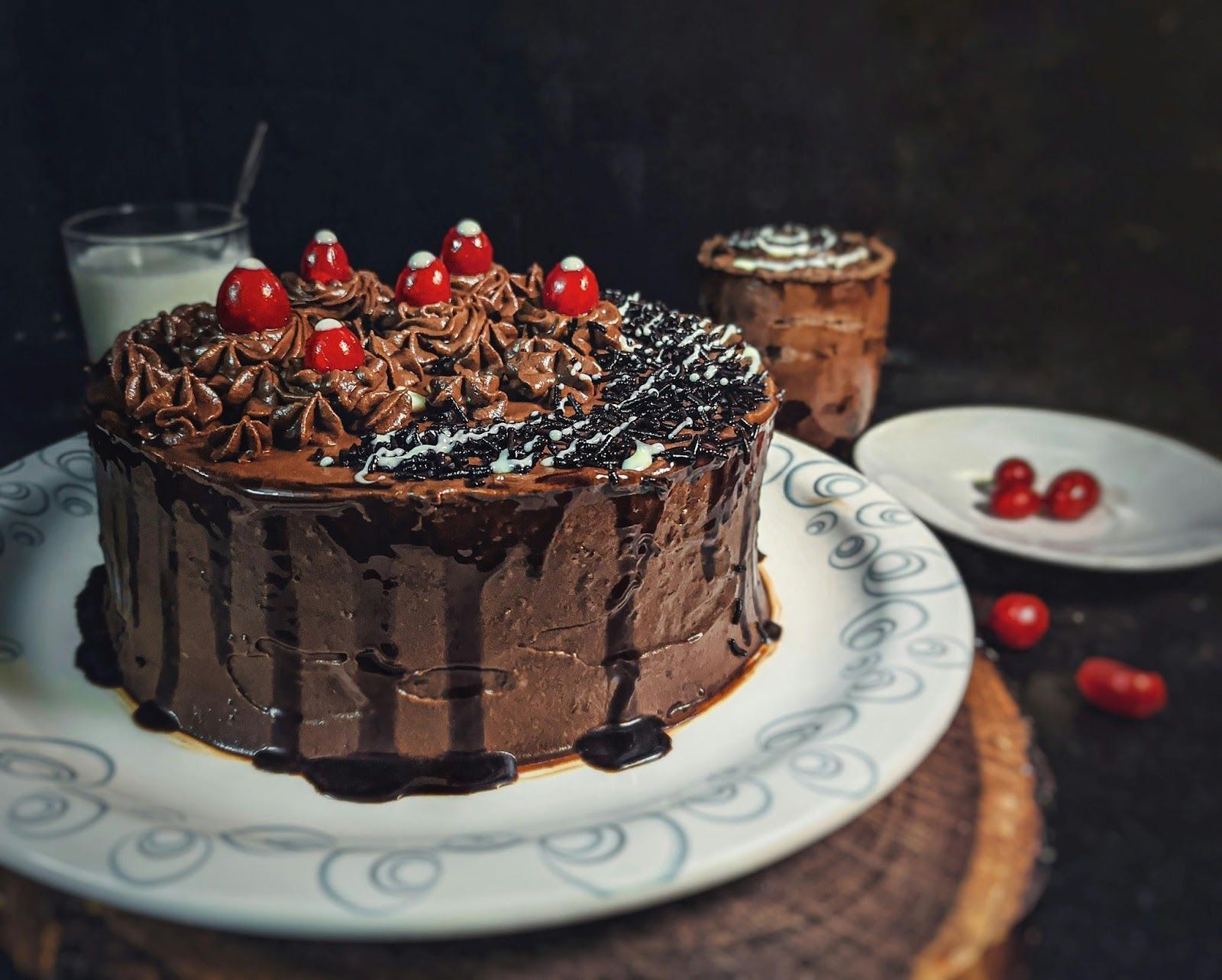

Image: Umesh Soni

If "puppy chows" are not dog snacks, "duck sauce" contains no duck whatsoever, and "German Chocolate Cake" is reportedly Texan… who is handing out these misleading dish names? Decidedly, some of the terms on this list might make you check with the waiter before you place your order. Let’s explore the stories behind unexpected food labels!

1

Duck sauce

Image: Van Thanh

This might be good news: No ducks are harmed in the making of this popular takeout condiment! Duck sauce is a sweet-and-sour orange jelly often served with Chinese-American dishes.

It’s made from apricots, plums, or peaches, combined with sugar and vinegar. The name likely came about because it was invented as a match for crispy duck dishes in Chinese restaurants.

2

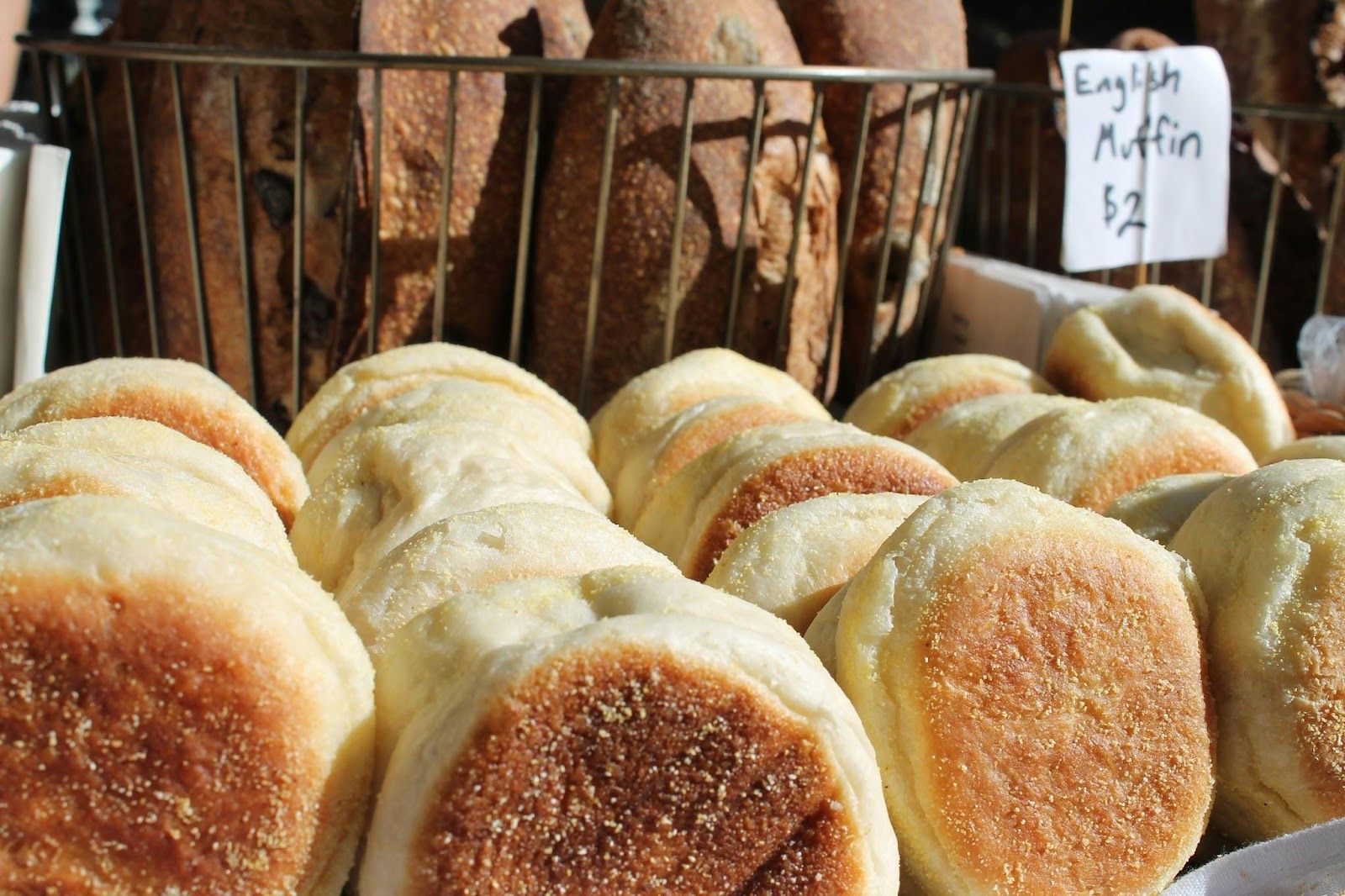
English muffin

Image: Taria Camerino

English muffins look nothing like American muffins, do they? And, technically, they do not come from England either.

These breads were popularized in the US by Samuel Bath Thomas, a British immigrant who began selling his "toaster crumpets" in New York in the late 1800s. It was the American consumers who branded them as "English muffins."

3

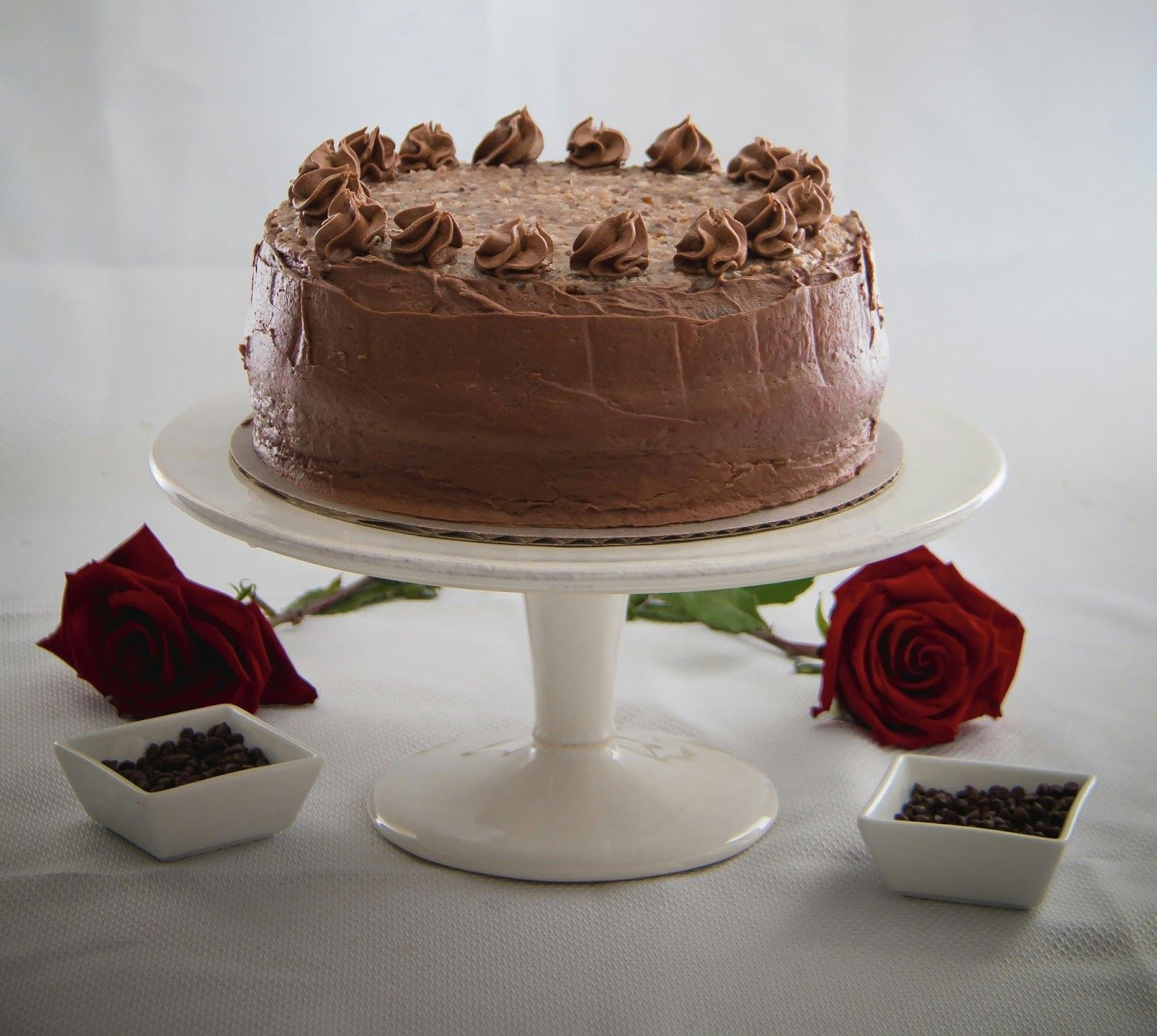
German Chocolate Cake

Image: Logan Clark

Did you know that German Chocolate Cake was actually popularized in… Texas? It did not come from Germany. The name refers to Samuel German, an American baker who created the delicious dark baking chocolate for Baker’s Chocolate Company.

In the 50s, a Texas homemaker later used his chocolate in a layered coconut-pecan cake recipe, and newspapers spread it with that name.

4

Welsh rabbit

Image: Jay Gajjar

There’s no duck in duck sauce, and there’s no rabbit in Welsh rabbits, or Welsh rarebit! It’s actually melted cheese sauce served on toasted bread. Sometimes it comes flavored with ale, mustard, or spices.

The term "Welsh rabbit" was a tongue-in-cheek jab, likely implying that cheese was the "poor man’s meat" in Wales.

5

Rocky Mountain oysters

Image: Alex Gorey

Definitely not oysters! There’s nothing oceanic about this dish. Rocky Mountain oysters are actually bull or sheep testicles, usually battered, deep-fried, and served as bar fare or at ranch festivals in the American West.

6

Bombay duck

Image: Piotr Musioł

Don’t expect poultry when you order this South Asian specialty! Bombay duck is actually a type of dried fish, locally known as "bombil," long eaten along India’s western coast.

Why the name, then? Some theorize that it derived from the mail system that transported this food, the ‘Bombay Dak’ (which translates to Bombay Mail).

7

Puppy chow

Image: Charles Chen

You may or may not know this, but some Midwestern states enjoy a homemade candy called "puppy chow." Contrary to what the name might imply, it is not meant for dogs!

They are usually made of cereal, chocolate, peanut butter, and powdered sugar. The same snack goes by other cute names, like "monkey munch" or "muddy buddies."

8

Sweetbreads

Image: Jolien Coryn

No bread and not "sweet." This dish has a grossly misleading name. Sweetbreads are the thymus or pancreas glands of young animals, prized in French cuisine for their delicate, tender texture.

The "sweet" refers to their mild flavor compared to other organ meats, while "bread" may stem from an old English word for "flesh."

9

Scotch egg

Image: Sebastian Coman Photography

It turns out, "Scotch egg" is not Scottish at all. Some place the origins in London, while others point to Indian dishes like kofta as possible inspirations.

The dish is a hard or soft-boiled egg wrapped in sausage meat, breaded, and fried.

10

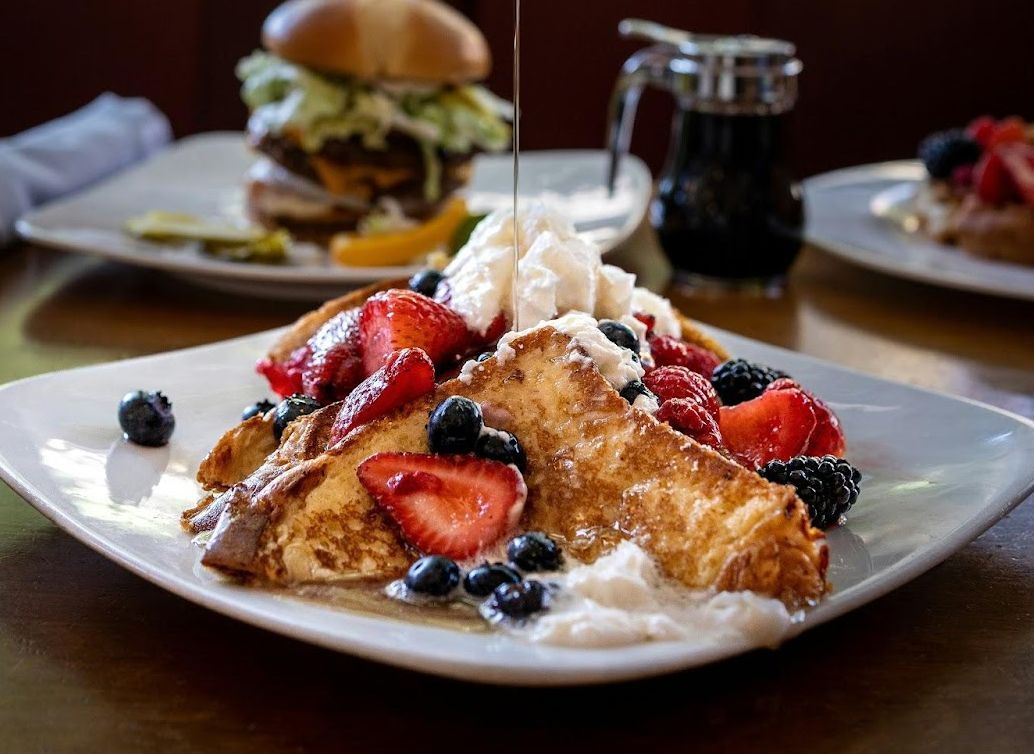
French toast

Image: Alexandra Tran

We all know what French toast means, but, just like French fries, the origins are disputed! This classic breakfast recipe is far more ancient and pan-European than the name implies.

Versions of egg-soaked bread fried in fat go back to ancient Rome, and have popped up across Europe for centuries under names like pain perdu in France or arme ritter in Germany.

11

Mincemeat

Image: Priscilla Du Preez 🇨🇦

Hearing "mincemeat," most people imagine ground beef. But this pie filling doesn’t always involve minced beef, as it once did.

Traditional mincemeat once did contain actual minced beef or mutton mixed with dried fruits, spices, and suet. Over time, many chose to drop the meat content, but the name stayed.


BEYOND THE SCRIPT

Ten actors who totally lost themselves in their roles


Published on October 13, 2025


Image: Avel Chuklanov

Sometimes actors take their jobs very seriously, even perhaps too seriously, going above and beyond the requirements of their role. Long after the cameras stopped rolling, these performers might still refuse to break character in order to be able to bring a sense of authenticity to the silver screen.

From committed method actors to those who just can't seem to shake off their on-screen personas, here are ten actors who took their performances to the extreme.

1

Jim Carrey as Andy Kaufman

Image: Noemi Nuñez, CC BY-SA 2.0

In "Man on the Moon," the 1999 biopic on eccentric comedian Andy Kaufman, Jim Carrey portrayed the titular role with such commitment to the part that, to the amusement (and mild annoyance) of everyone on set, he found he couldn’t quite shake the character off even long after the cameras stopped rolling. The immersive experience marked the actor so deeply that, on many occasions, he referred to "knowing" Kaufman, despite never having met him while still alive.

2

Johnny Depp as Jack Sparrow

Image: Harald Krichel, CC BY-SA 3.0

Johnny Depp is another actor famous for always taking his commitment to the role a bit too far, and his portrayal of Captain Jack Sparrow was no exception.

In fact, the Sparrow persona blended so perfectly with his own personality that other cast members found it difficult to tell Depp’s acting from his being serious. One of his former security guards claimed that even outside of the set, he was "basically Jack Sparrow all the time."

3

Sacha Baron Cohen as Borat Sagdiyev

Image: teh_defiance, CC BY-SA 2.0

To the chagrin of everyone involved - unwillingly, more often than not - in one of his many eccentric skits, Sacha Baron Cohen's portrayal of the bumbling and politically incorrect journalist Borat is mind-bogglingly intense. His immersive acting has a purpose though, and that is to catch people off guard and induce them to act in a genuine manner.

However, as his humor often treads dangerously close to the edge of social acceptability, Baron Cohen has confessed that another reason he never breaks character is because things can go very wrong if the thin veil of disbelief is lifted, "someone might even call the police."

4

Anne Hathaway as Fantine

Image: Mingle Media TV, CC BY-SA 2.0

In "Les Misérables," Anne Hathaway gives a haunting portrayal of Fantine, a poor factory worker forced into desperate means to support her daughter. Hathaway took the role perhaps too seriously, as she cut off all of her hair and embarked on a "starvation" diet that led her to lose a ton of weight.

To make matters worse, she reportedly had an identity crisis during filming, likely exacerbated by the demanding transformation process she underwent for the movie.

5

Leonardo DiCaprio as Calvin Candie

Image: LallaBLove, CC BY 4.0

In Quentin Tarantino's "Django Unchained," Leonardo DiCaprio took on the role of Calvin Candie, a ruthless plantation owner. Well-known for his painstaking dedication to his craft, DiCaprio fully embraced the sinister persona of Candie, reportedly even holding back real pain when he cut his hand with broken glass during a particularly emotionally charged scene.

Of course, the director Quentin Tarantino kept the broken glass take in the movie, making the portrayal of this terrifying character even more chilling.

6

Viggo Mortensen as Aragorn

Image: Ivan Gonzalez from Badalona, España, CC BY 2.0

In Peter Jackson's "The Lord of the Rings" trilogy, Viggo Mortensen portrayed Aragorn, the reluctant hero and rightful heir to the throne of Gondor. Although he was not the first pick for the role, both the director and producers felt he was perfect for the role as soon as he arrived on set.

Mortensen's commitment went beyond mere acting; he learned to speak Elvish, trained in sword fighting, hiked to some of the film's most remote locations, and performed many of his own stunts, even though most of this was not actually required to play the part.

7

Kate Winslet as Hanna Schmitz

Image: Andrea Raffin, CC BY-SA 3.0

In "The Reader," Kate Winslet delivered a powerful performance as Hanna Schmitz, a former Nazi prison guard with a dark secret. Winslet immersed herself in the complexities of her character, capturing both Hanna's own vulnerability and her capacity for cruelty.

To pull off a perfect German accent, she kept talking like her character even behind cameras, to the point where her children regularly complained and asked her to stop making "funny voices."

8

Daniel Day-Lewis as Bill the Butcher

Image: Siebbi, CC BY 3.0

In Martin Scorsese's "Gangs of New York," Daniel Day-Lewis delivered a tour de force performance as Bill the Butcher, a ruthless gang leader in 19th-century New York City. One of the most acclaimed method actors in the world, Day-Lewis reportedly spent months researching the time period and even learned how to speak in a 19th-century New York accent.

He was so committed to authenticity that he refused to wear anything else than his period-accurate - and not very toasty - clothes while filming in the midst of winter, leading him to contract pneumonia, for which he also refused treatment with modern medicine. Later, he said that taking these risks is important for his process and that he considers it sort of an "occupational hazard."

9

Christian Bale as Trevor Reznik

Image: Lance Cpl. Hope Straley, Public domain

In "The Machinist," Christian Bale underwent a shocking physical transformation to portray Trevor Reznik, an insomniac factory worker plagued by guilt and paranoia. Bale famously lost over 60 pounds for the role, reducing himself to a skeletal figure.

To achieve this, his diet reportedly consisted of only an apple, water, coffee, and the occasional whiskey, equivalent to roughly 100 calories per day. His intense commitment to the character's downward spiral into madness is evident in every haunting scene, making "The Machinist" a visceral and unforgettable cinematic experience.

10

Hilary Swank as Maggie Fitzgerald

Image: Dick Thomas Johnson, CC BY 2.0

Hilary Swank earned an Academy Award for Best Actress for her magnetic portrayal of Maggie Fitzgerald, a young woman who defies all odds to pursue her dream of becoming a professional boxer.

To fit into the part, she trained just like an aspiring professional boxer would, gaining nearly 20 pounds of muscle in the process. Swank was so immersed in the role that she didn’t notice a blister on her foot developing into a dangerous staph infection that required immediate medical intervention.

Looking for an extra scoop of literary fun?

Learn more with our Word of the day

disgruntled

/dɪsˈɡrəntld/