Learn the lingo
Read on if you ever wanted to know what the codes used in stores mean
Published on September 25, 2026
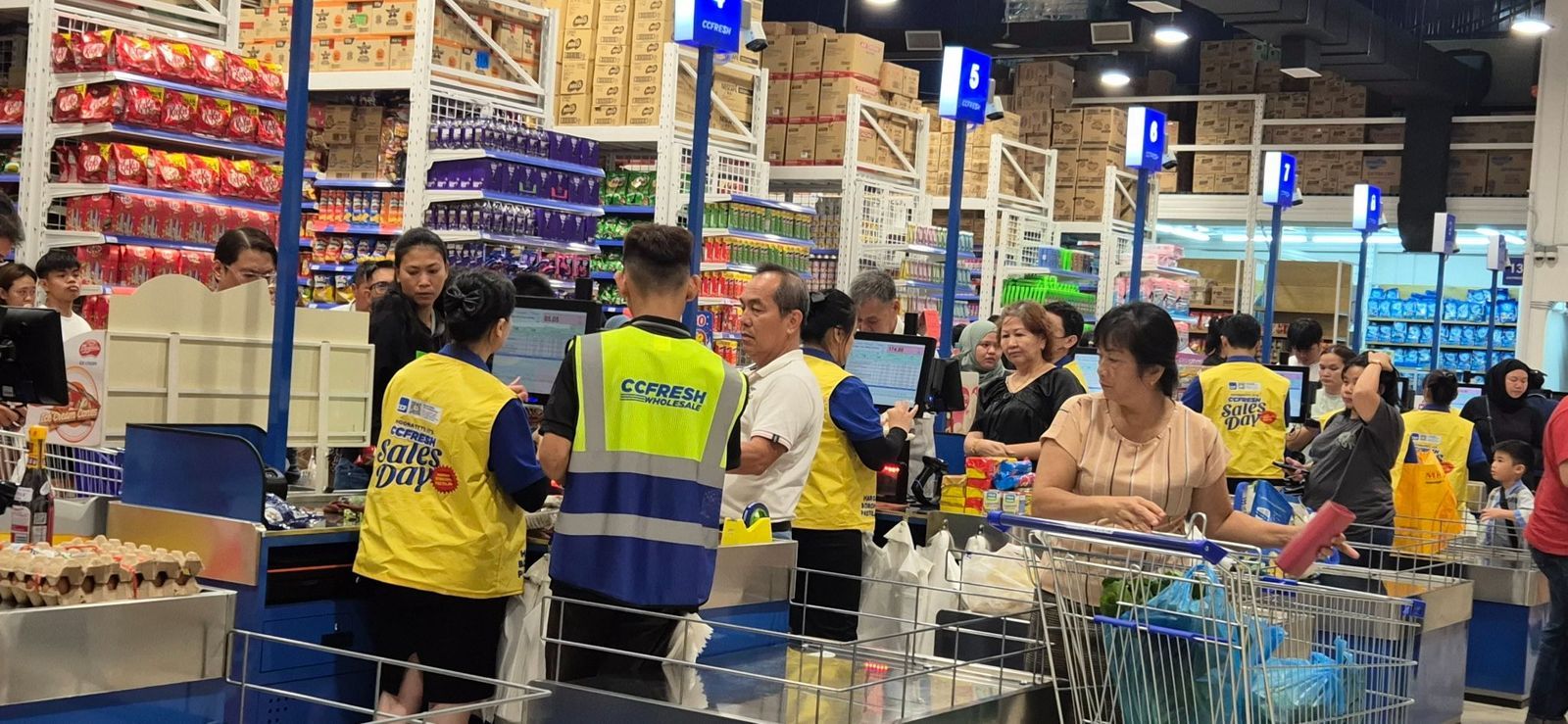
Ever heard a mysterious "Code Yellow" or "Code 50" over a store loudspeaker and wondered if you should keep shopping or head for the exit? Retailers use coded announcements to communicate quickly without broadcasting every detail to customers. There’s no universal codebook, so the meanings can change from one chain to another, and some operational codes even vary by location. Here are 10 codes you might hear while shopping and what they can mean.
Code Black - Walmart
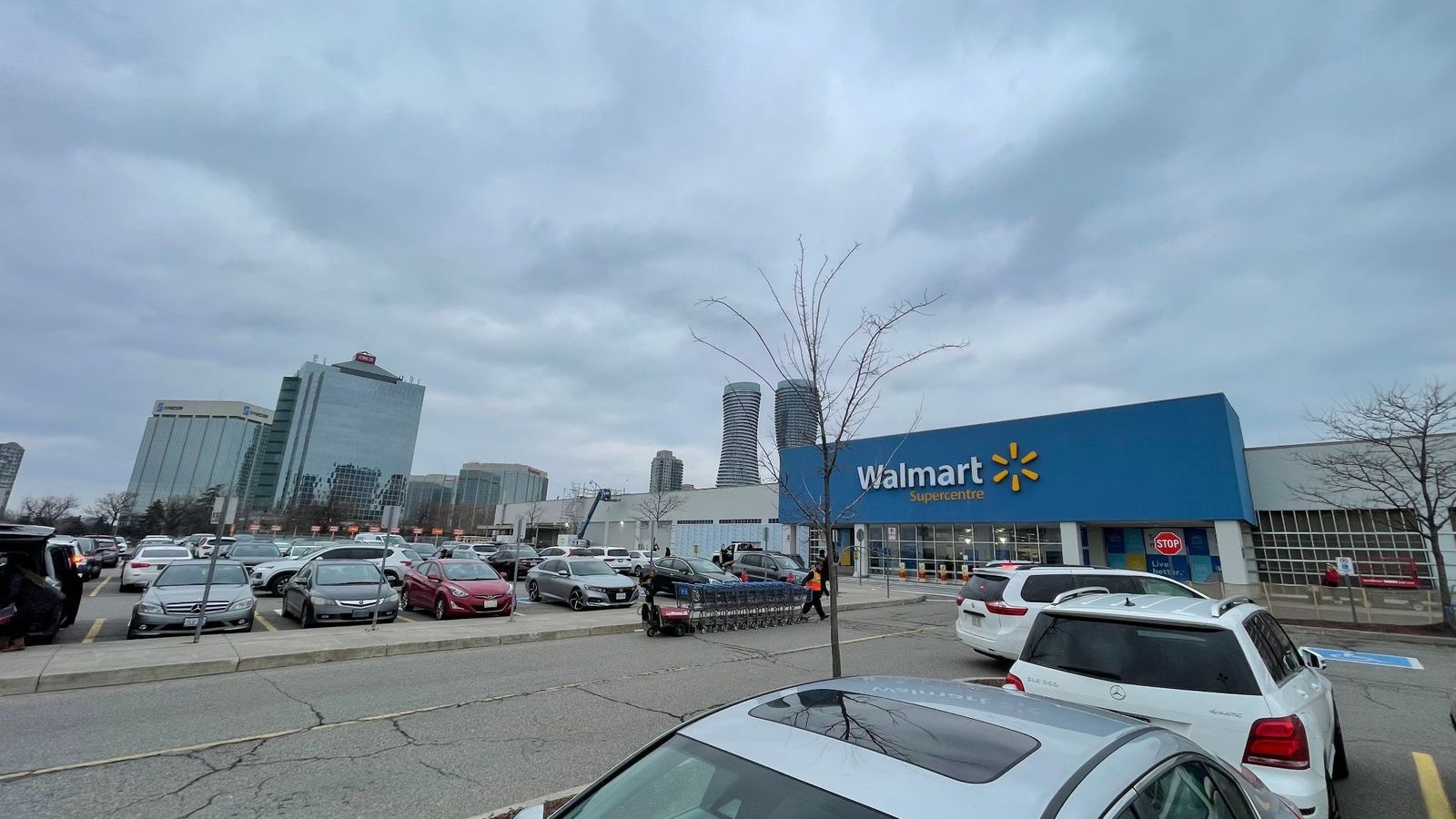
At Walmart, hearing "Code Black" isn't a commentary on the day's sales. Company emergency documentation identifies it as the warning for severe weather, alerting employees that potentially dangerous conditions require attention.
That might mean the sort of storm that makes staying inside safer than heading for the parking lot. Walmart's documented emergency vocabulary also assigns other colors to specific dangers, allowing employees to quickly recognize the nature of a situation quickly without a lengthy announcement.
Code Orange - Walmart

Orange has a very different meaning in Walmart's emergency system. Company documentation identifies Code Orange as a chemical spill or hazardous materials incident, a situation in which employees may need to secure an area and follow special safety procedures.
That's particularly relevant in a giant retailer selling everything from household cleaners to automotive products. So if you hear the mysterious phrase while debating which detergent to buy, it isn't necessarily time to panic, but employees nearby may suddenly have something more pressing to handle.
Code Yellow - Target
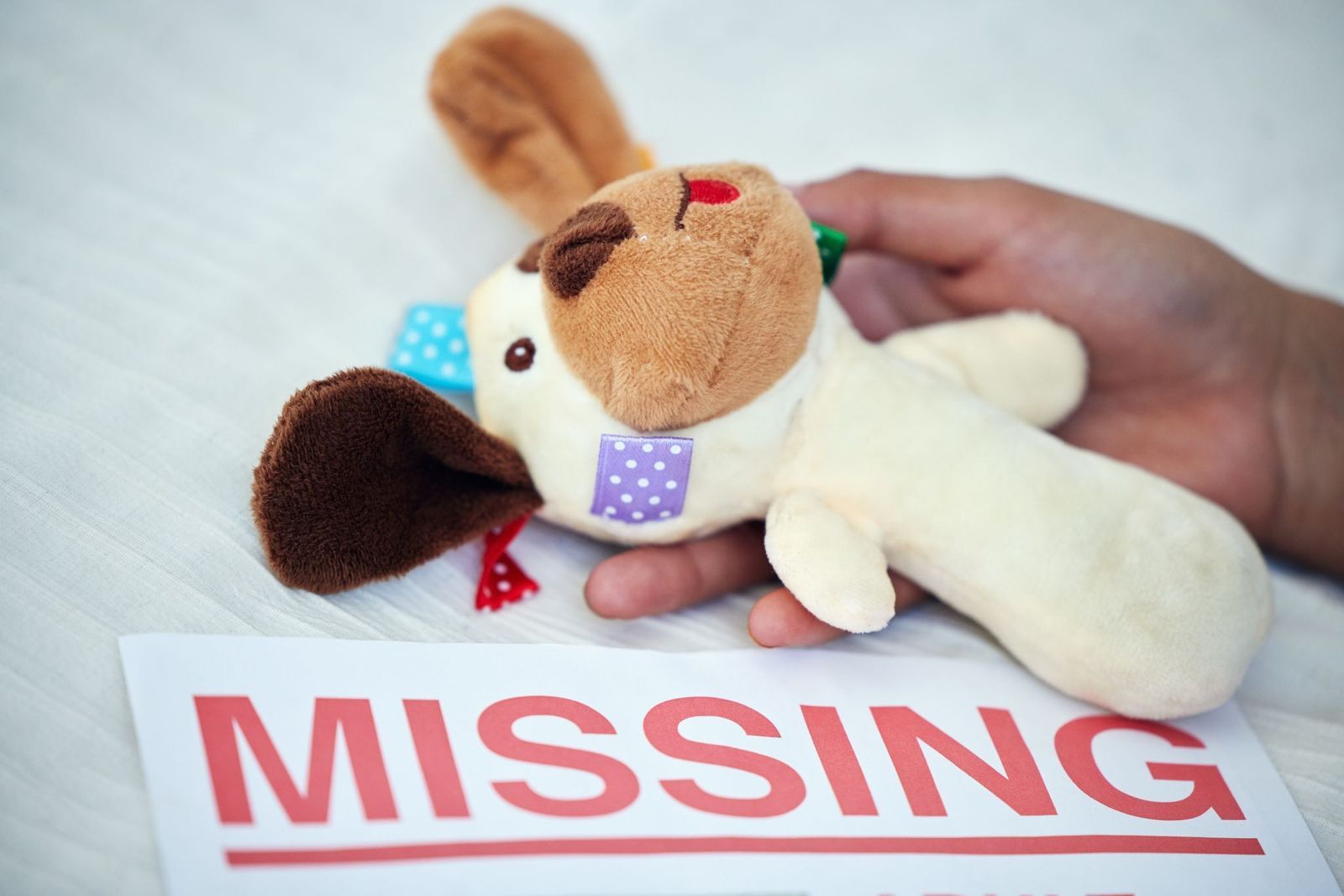
At Target, Code Yellow is associated with a missing child. Employee accounts describe it as an announcement that quickly changes everyone's priorities: staff receive information about the child, begin looking around the store, and pay particular attention to exits.
It's a reminder that these seemingly cryptic announcements can have a practical purpose. Instead of publicly announcing sensitive details over the loudspeaker, a short code immediately tells trained employees what kind of response is needed while avoiding unnecessary confusion among shoppers.
Code Red - Target

This one is considerably easier to guess. Target employees have consistently described Code Red as the store's fire alert. Once it's announced, employees know they're dealing with something very different from an ordinary customer-service request.
Red has a similar association elsewhere, but don't assume retail colors form a universal language. Different companies develop their own procedures and terminology. At Target, Red, Yellow and Green have traditionally distinguished three very different situations: fire, a missing child and a medical incident.
Code Green: Target

If Target employees suddenly start talking about a Code Green, somebody may need medical help. Long-running employee accounts identify Green with an injury or medical emergency involving a customer or team member.
Employees have recalled Code Greens being called for everything from falls to customers becoming seriously ill. That's also why the deliberately vague wording makes sense: announcing someone's private medical problem to an entire store would hardly help. Two words can instead alert the people who need to respond.
Code 50 - Lowe’s
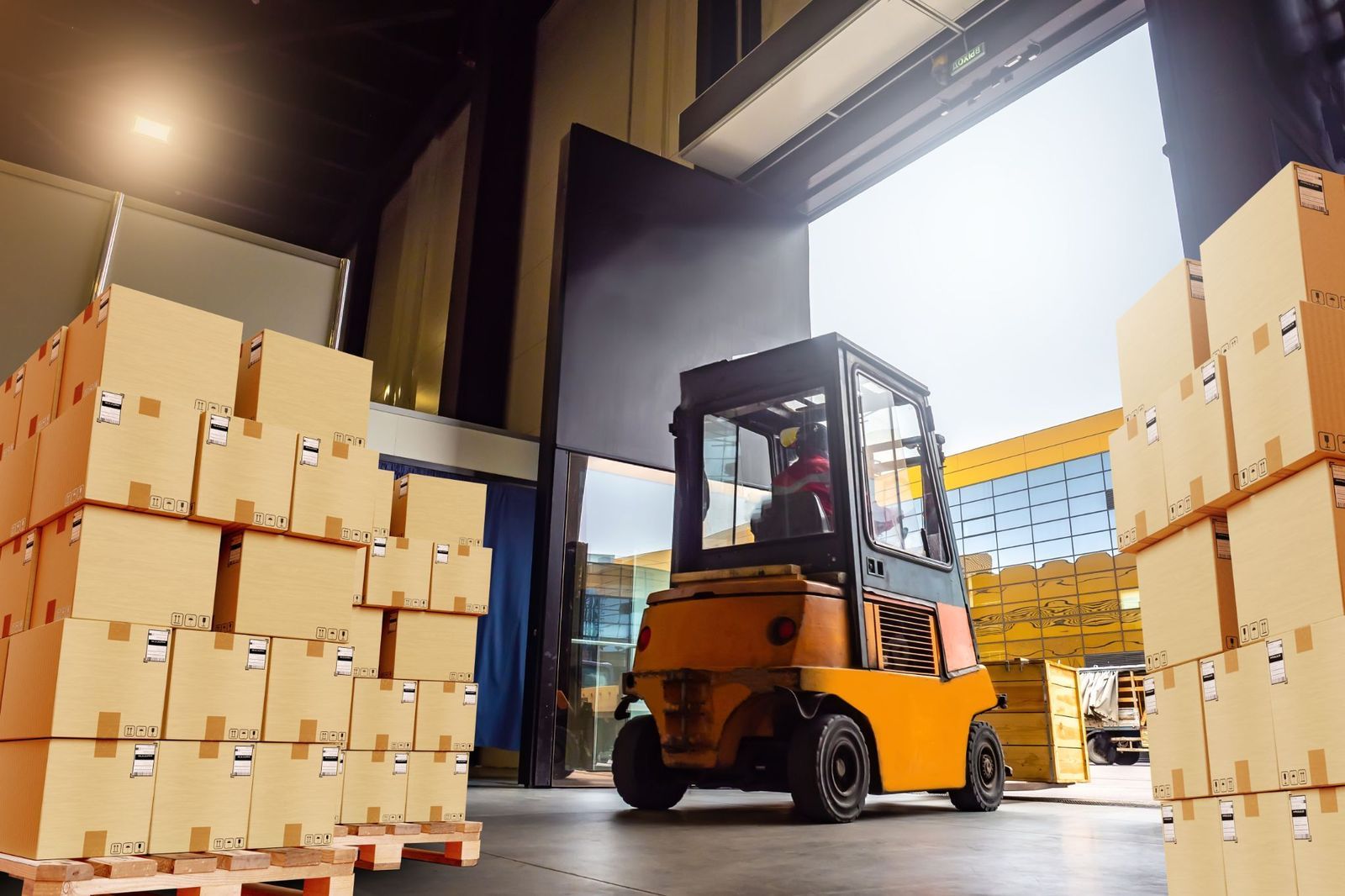
Thankfully, not every mysterious store code signals an emergency. At Lowe's, Code 50 is widely described by employees as a request for loading assistance, usually because a customer has bought something too large or heavy for one person to handle comfortably.
Considering what Lowe's sells, opportunities aren't exactly scarce. Lumber, appliances, bags of concrete, and other bulky purchases eventually have to make the journey from store to vehicle. Code 50 is essentially a discreet way of saying, "We need some extra muscle over here."
Code 75 - Lowe’s
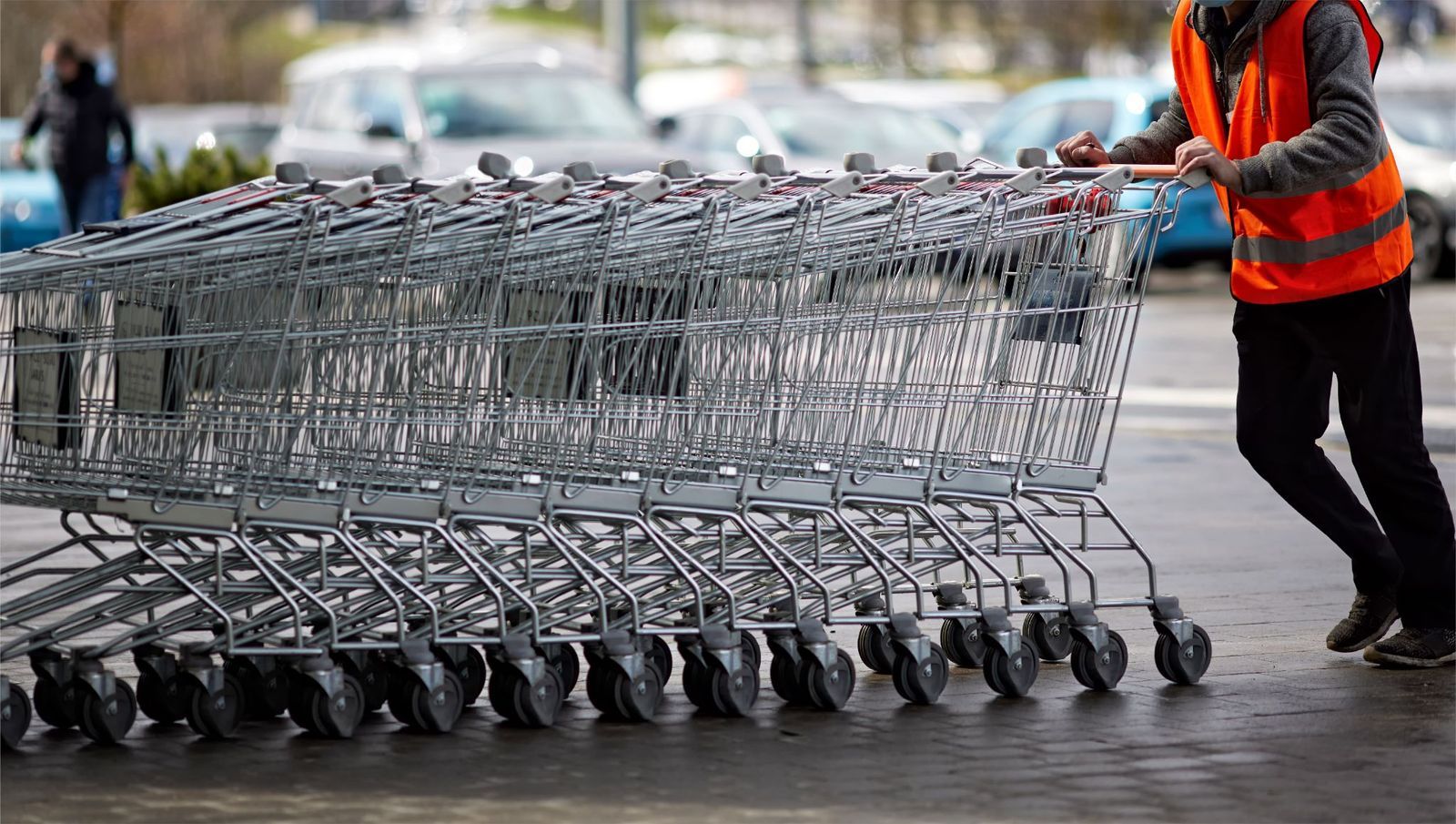
Here's another code that's far less alarming than it sounds. Lowe's employees have described Code 75 as a call to collect shopping carts from the parking lot. Available associates may suddenly find themselves heading outside to round up the wandering fleet.
Operational codes can vary between individual locations, so Code 75 isn't necessarily carved in stone at every Lowe's. Still, the mundane meaning makes it particularly fun. That ominous-sounding number coming over the PA may simply mean the cart corral is overflowing.
Code 22 - IKEA
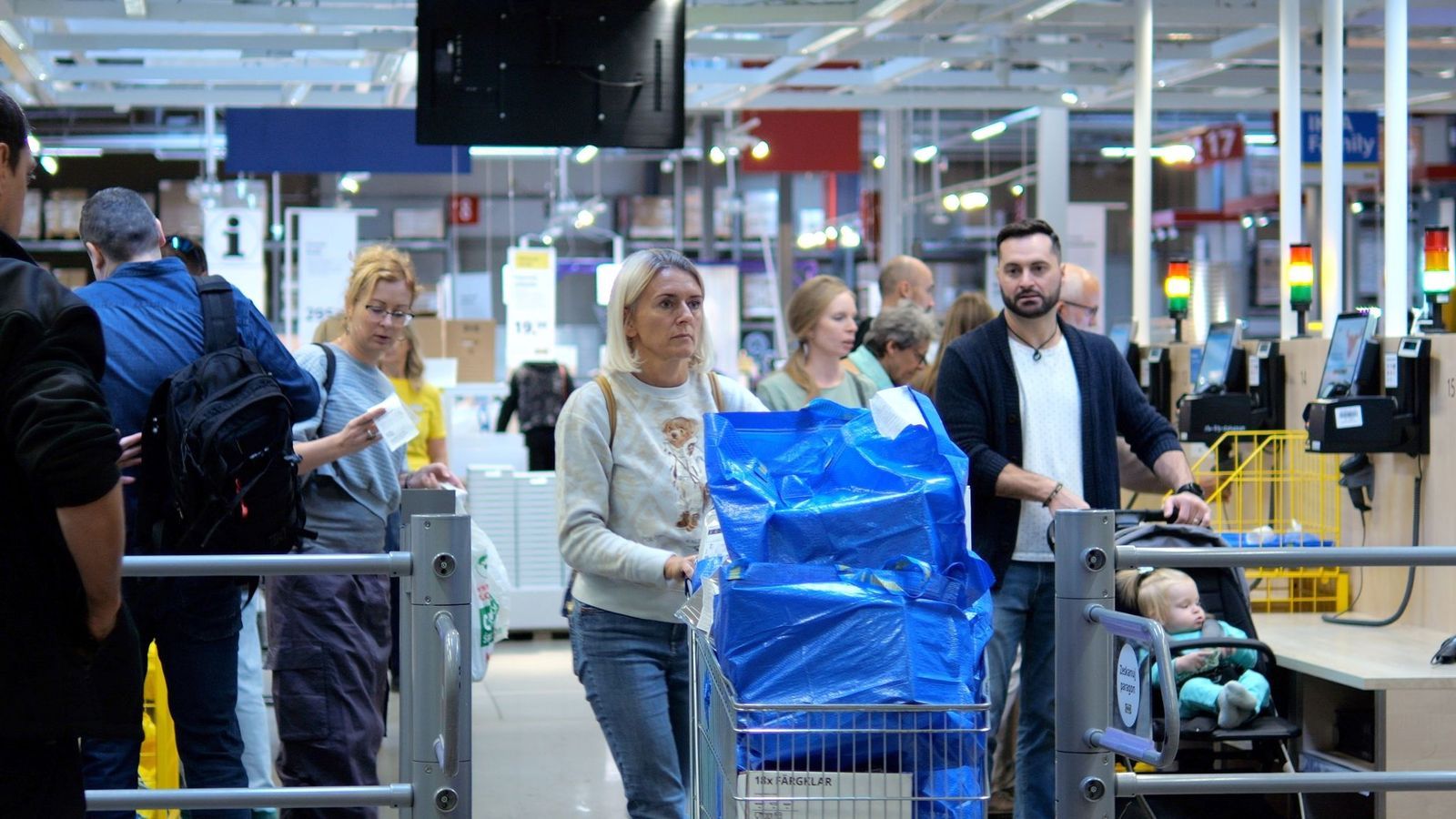
A Code 22 at IKEA might sound mysterious but, in fact, is used when checkout lines become overwhelmed.
Register-trained workers elsewhere in the store can then be summoned to help handle the rush. Employees have said the call is especially familiar during busy periods such as weekends. In other words, Code 22 is retail shorthand for something shoppers already know perfectly well: that line is getting much too long.
Code Orange - Home Depot
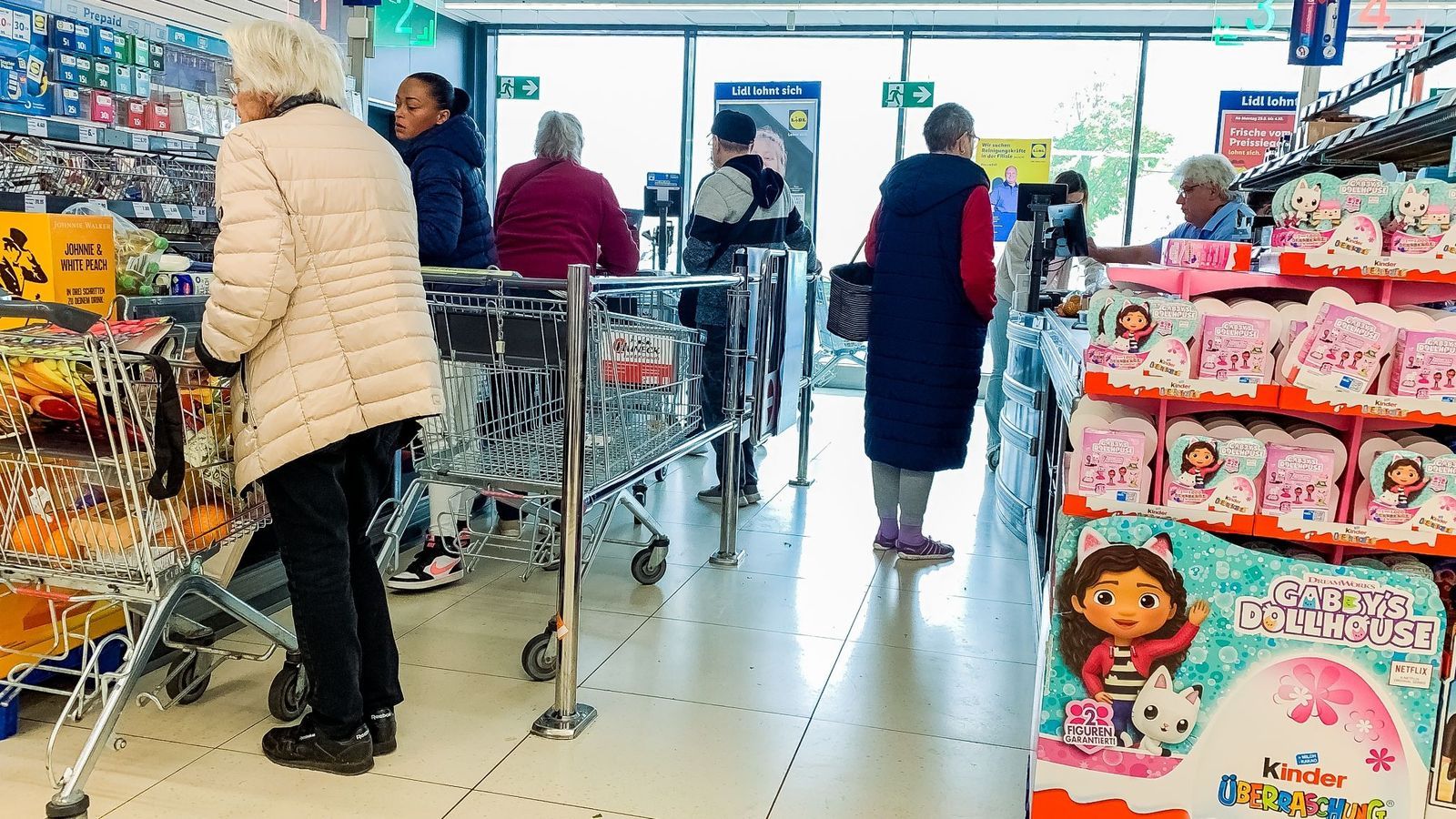
At Home Depot, employee accounts describe Code Orange as an "all hands" request when a department or area needs additional help. Rather than signaling a disaster, it can mean employees are being summoned because customers or work are piling up faster than the available staff can cope.
That's a perfect demonstration of why you shouldn't try decoding store announcements by color alone. Walmart uses Code Orange for a hazardous-material situation, while Home Depot workers have used the same color for additional assistance. Same words, considerably different levels of urgency.
Code 21 - Walgreens

Code 21 may sound like something out of a police drama, but at Walgreens, its reported purpose is much more ordinary. Employees describe it as a call for an eligible coworker when a cashier can't complete an age-restricted transaction because of age requirements.
The exact rules can depend on local law and company procedures, but the basic idea is quite mundane: the person operating the register needs another employee to finish a particular sale. So the next mysterious announcement you hear while shopping might not involve an emergency at all: it could simply be retail's secret language keeping the store moving.


