Prophet or futurist? 10 technologies Verne predicted in the 19th century
Published on January 4, 2026
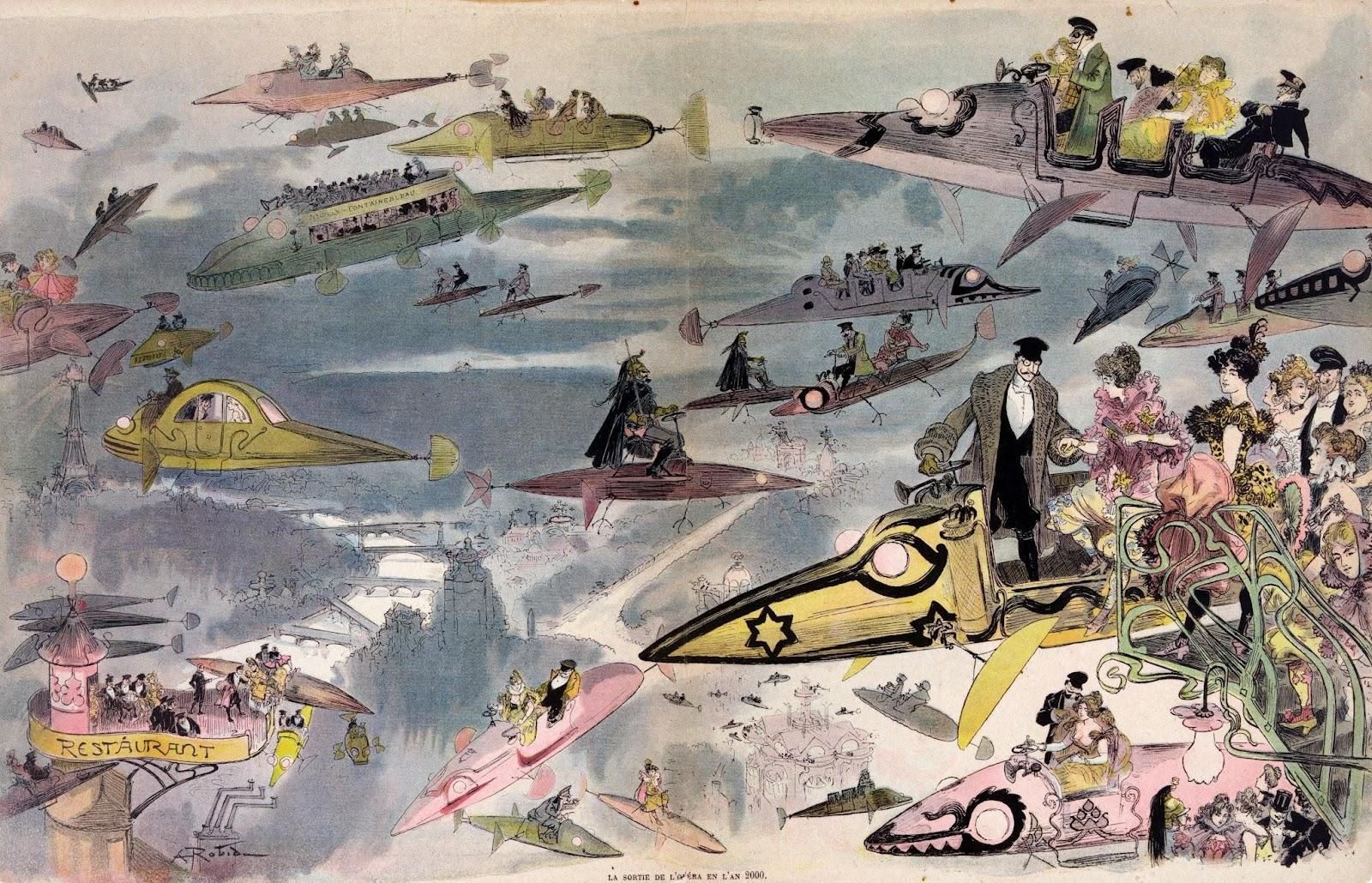 Image: Albert Robida, Public domain, via Wikimedia Commons
Before science fiction was even a thing, Jules Verne was already inventing the future in his novels. He filled his adventures with strange contraptions, daring machines, and ideas that seemed unlikely in the 19th century. The twist? So many of those daydreams turned into everyday reality. From submarines gliding beneath the seas to rockets racing skyward, Verne’s stories can be read less as fantasy and more as a premonition of what was to come. What follows are ten of his most remarkable visions, proof of how closely imagination can become reality.
A trip to the moon
 Image: Victor Serban
In the 19th century, people regarded Verne’s stories as mere fantasy adventures. But flip through them today, and they feel like you are reading an early NASA mission report. In From the Earth to the Moon (1865) and its sequel Around the Moon (1869), the French writer imagines three daring men being shot into space from Florida, traveling inside a metal capsule. After a five-day trip to lunar orbit, the projectile lands safely in the ocean.
Although it was probably a crazy and far-fetched idea at the time, a century later, Apollo astronauts followed nearly the same playbook, proving that Verne’s "make-believe" wasn’t so impossible after all.
Machines fueled by water
 Image: Lena Koval
Jules Verne was probably one of the first to dream of machines fueled by water instead of coal or oil. In his vision, the humble liquid would be split into hydrogen and oxygen, releasing its hidden energy to drive engines of the future. For readers in the 19th century, this idea felt both magical and oddly precise, as if Verne had peeked into tomorrow’s laboratories. Today, hydrogen power is still experimental, yet it remains one of science’s most promising—and elusive—goals, holding the potential for clean energy on a grand scale.
Skyscrapers and elevators everywhere
 Image: David Rodrigo
Rising from the earth like shimmering glass mountains, Jules Verne imagined ever-shining cities. He pictured towers of steel and glass that didn’t go dark at sunset but glowed brilliantly through the night, powered by the then-new magic of electricity. Inside, elevators would whisk people effortlessly upward, transforming the way cities could be built. Back then, most buildings barely climbed ten stories, and the idea of infinite skylines was almost otherworldly. Today, it’s exactly what we see through the window in any modern city.
Submarines before submarines
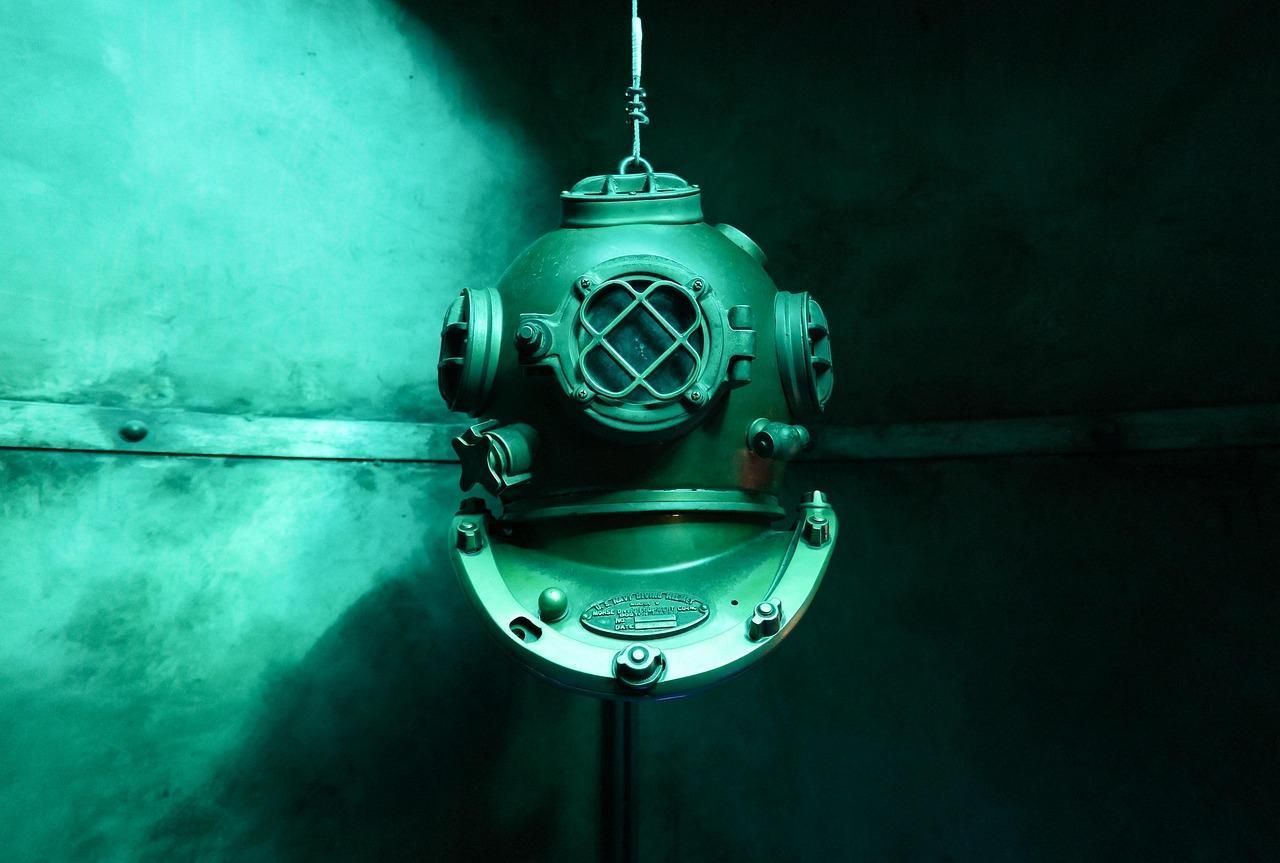 Image: seth0s
Imagine reading about a ship that could submerge into the waves and roam the oceans like a sea creature long before such a thing was possible. That’s exactly what Jules Verne wrote about in Twenty Thousand Leagues Under the Sea (1870). His Nautilus was a 230-foot machine, armed with a library of 12,000 books and capable of sinking any ship.
Although Verne didn’t actually invent submarines, at the time of the book’s publication, they were no more than unreliable and primitive prototypes. If anything, Verne’s fictional vessel anticipated the technology of the submarines that now explore the oceans of the real world. His invention might have been a fantasy, but it was also a glimpse into the future.
News on demand
 Image: Maxim Hopman
Can you imagine having to hear the news secondhand in the town square? Jules Verne probably knew that, in the future, people would need to be informed at all times. So, he invented a daily news report delivered by voice—spoken bulletins that could be piped straight into homes and even announced at public kiosks. We can only imagine what this meant for his readers in the 19th century, but we can now easily relate to the news being available whenever we want. Long before antennas or TV screens, he foresaw a world where the latest headlines could arrive instantly, without a scrap of paper.
The ancestor of the helicopter
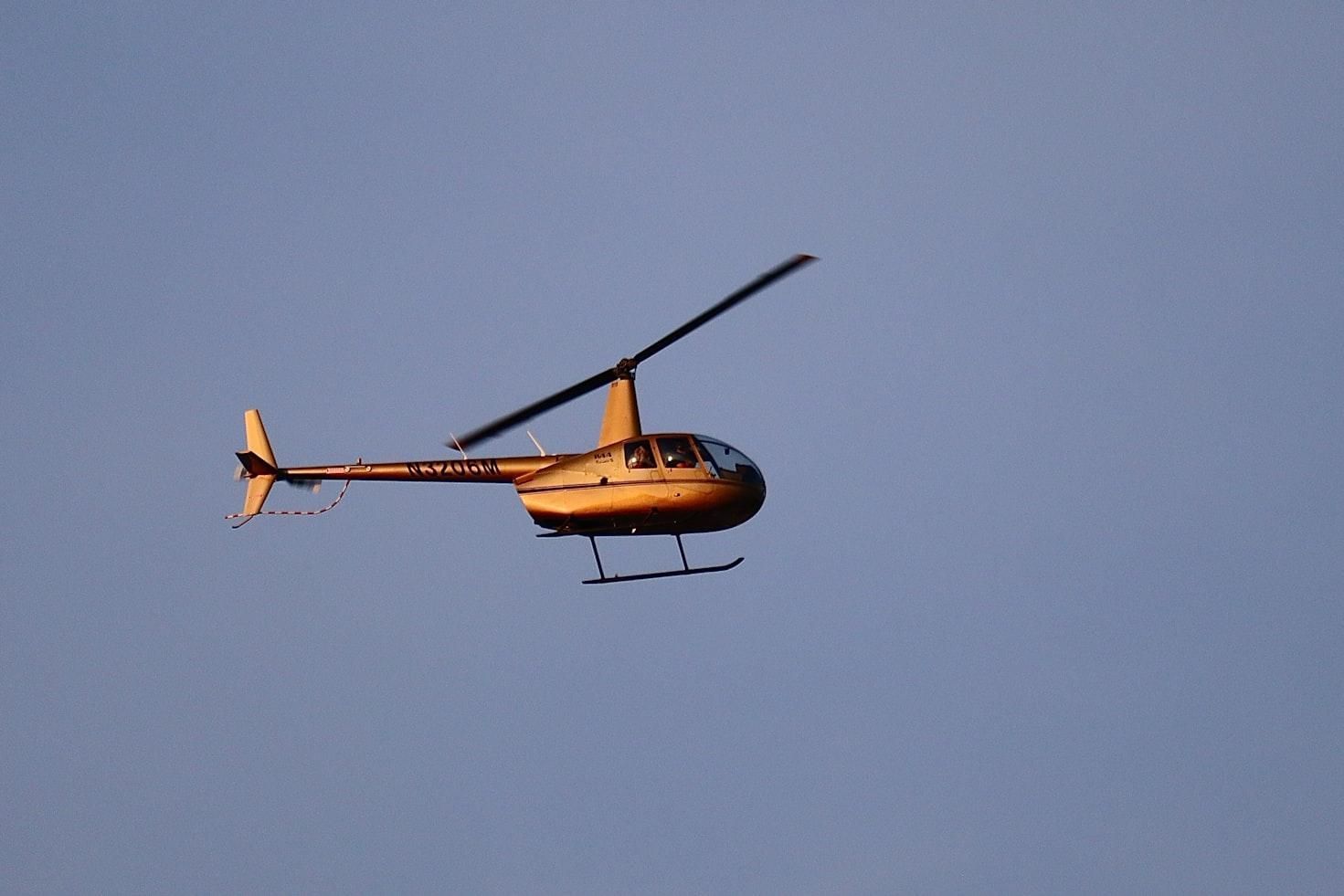 Image: Rebecca Johnsen
Many years ago, a machine flying through the sky as high as a cathedral with the ease of a bird would have seemed improbable. But Jules Verne’s imagination could go as far as he wanted. In Robur the Conqueror (1886), he introduces the "Albatross," a fantastic flying ship that can lift straight off the ground, hover in place, and maneuver with uncanny grace. Does this description sound familiar? That’s because Verne outlined the blueprint for the helicopter decades before engineers made it real in the 20th century.
Video calls, 19th-century style
 Image: Windows
What seemed like a futuristic gadget in 1889 now feels like part of our everyday lives. In his novel In the Year 2889, Jules Verne describes the "phonotelephote," a device that allows people not only to communicate with others who are miles away but also to see each other’s faces in real time. For 19th-century readers, the idea was dazzling, almost too magical to believe. Yet today, we hardly think twice before tapping into a video call on our phones or computers. Verne essentially predicted FaceTime and Zoom calls a full century before the first computer was even connected to the internet.
Electric cars
 Image: Or Hakim
Many decades before the first electric cars ever rolled off an assembly line, Jules Verne was already letting his imagination race ahead. In The Mysterious Island (1874), he described wagons that needed no horses, powered instead by rechargeable batteries. To 19th-century readers, the idea of a vehicle moving smoothly on its own was unthinkable, closer to magic than mechanics. Yet Verne’s vision sounds strikingly familiar to anyone who has seen a quiet electric car glide down the highway today. What was once a dream in the pages of a novel has become a daily sight in traffic.
Music made by machines
 Image: Geoff Maredi
Poetic yet technical—that was Jules Verne’s gift. Take his vision of music made not with violins or flutes, but with machines. In his once-shelved novel Paris in the Twentieth Century (written in 1863 but not published until the 1990s), the writer imagined concerts filled with sounds produced by electrical instruments. For 19th-century readers, it probably sounded absurd. Yet a hundred years later, synthesizers and electric keyboards defined popular music, proving Verne had once again tuned in early to the future.
Solar sails in space
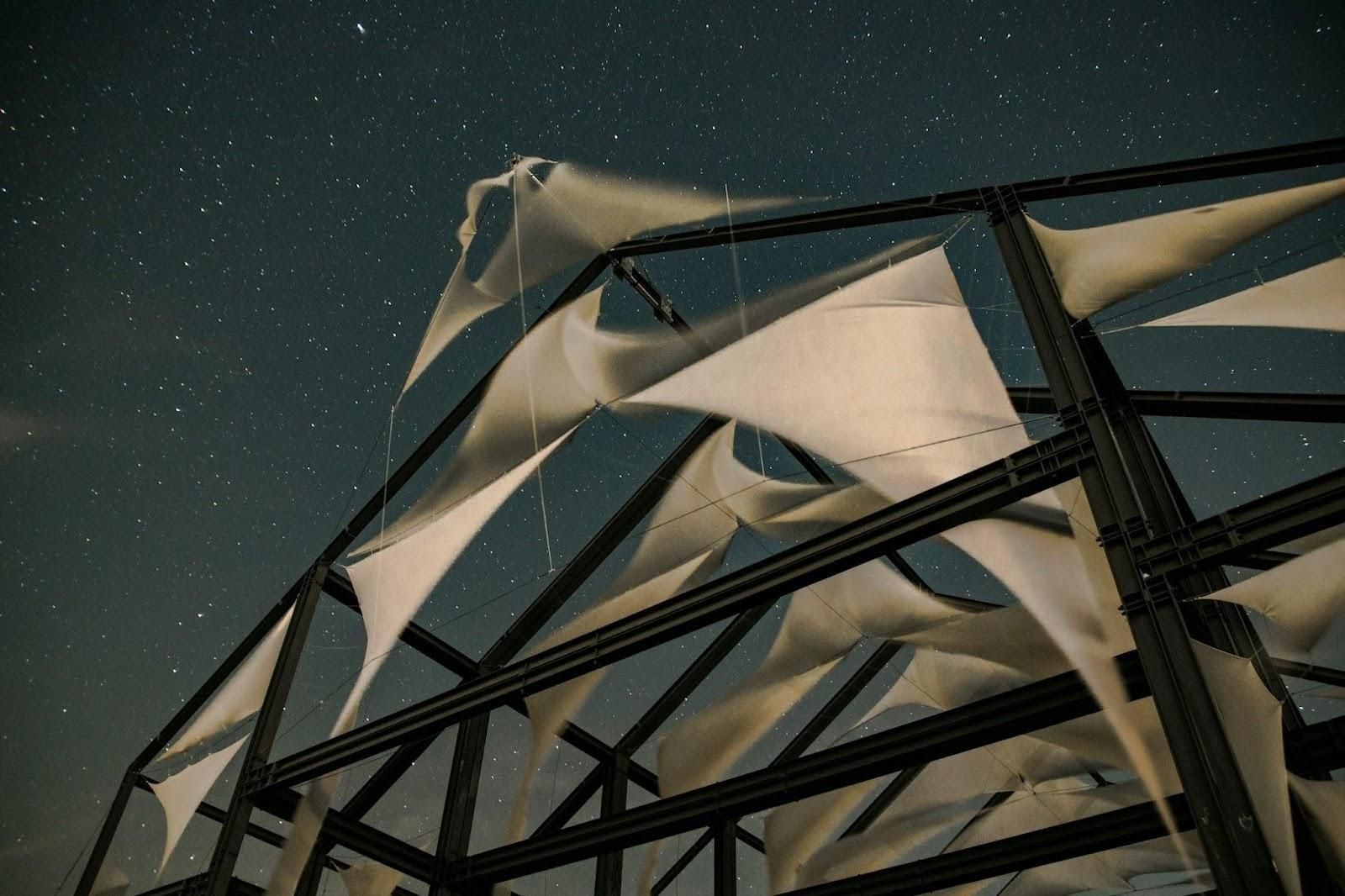 Image: Tim Dennert
A ship that needs no fuel, gliding through space on nothing but light—it sounds like poetry. Yet Verne imagined exactly that. He described enormous sails stretched wide, catching not the wind but the faint pressure of sunlight itself and using it to push vessels across the vast silence of space. In his day, it was a dream almost too delicate to believe, like navigating the ocean with moonbeams. But the image stuck, and now scientists and space agencies are testing real solar sails, proving that his most poetic vision wasn’t just fantasy but a glimpse of tomorrow waiting to unfold in orbit.


