One of these things is not like the others

Produce in disguise: 10 fruits and vegetables that are not what they seem


Published on December 10, 2025

Image: Alexandr Podvalny

The classification of food can be challenging because it often relies on subjective criteria. Not everyone utilizes ingredients in the same way or for the same purposes, so how we see these items is influenced by cultural and social factors.

An example of this is what produce we consider to be a fruit, a vegetable, or a nut, which doesn’t always align with its botanical classification. Let’s look at some fruits and vegetables that are not what they seem to be.

1

Tomato

Image: Dan Gold

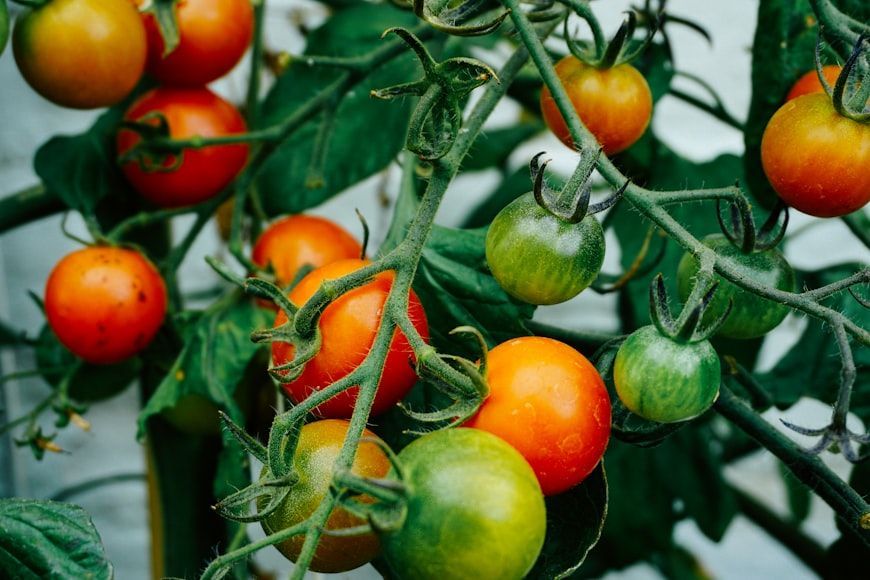
Let’s start with a classic. Most people know that tomatoes are a fruit commonly used as a vegetable (The U.S. Supreme Court once had to rule on this due to customs regulations). They have seeds surrounded by a fleshy pulp. But did you know that tomatoes are actually berries? Botanically, ‘berry’ is used for all fruit without a pit or stone where each flower develops into a single fruit.

Tomatoes are part of the Nightshade family, meaning they are related to chillies, potatoes, and the tobacco plant.

2

Avocado

Image: John Vid

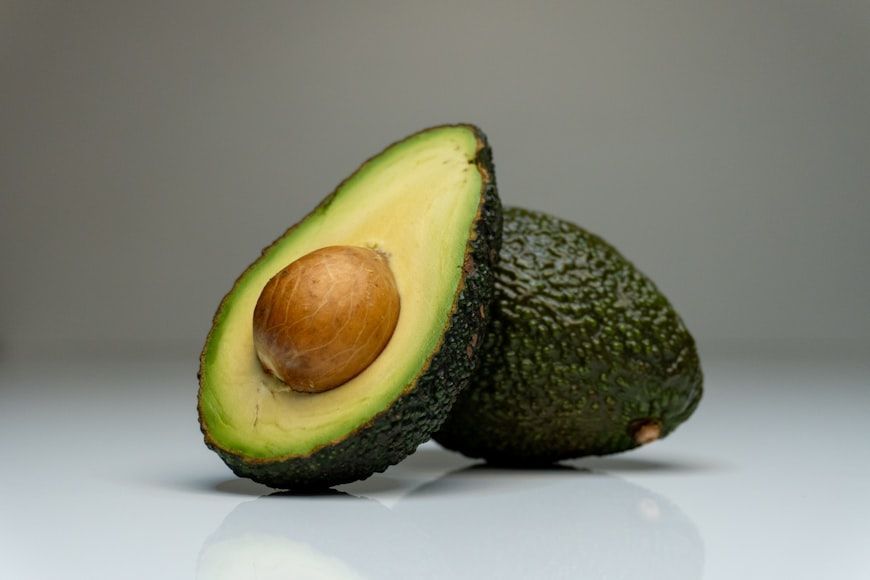
This one is for all the avocado toast lovers: Avocados are a fruit. A berry, more specifically. While in Western countries avocados are used in savoury preparations, many cultures around the world use them in desserts and sweet drinks.

But aren’t berries fruits without a stone? One would think that the stone is hard to miss in this case. Botanists are still arguing on this one, but the general consensus is that the avocado seed does not fulfill the requirements to be considered a stone. Some common plants that you might not know were related to the avocado are the bay laurel and the cinnamon tree.

3

Peanut

Image: Ashes Sitoula

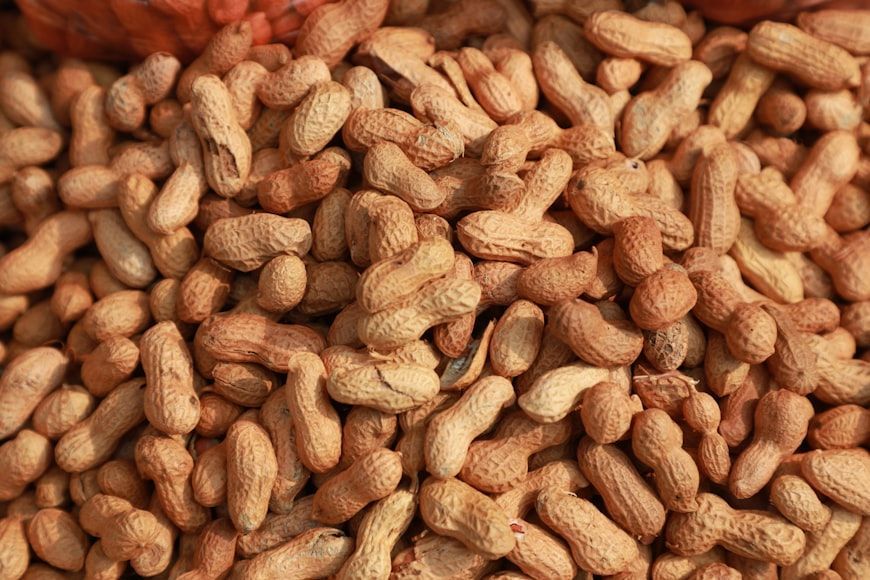
A staple in the nut/dried fruit category, peanuts are neither fruits nor nuts in a botanical sense. They are actually the seed of a legume, but even then, they are unique because they are the only legume that develops underground.

Peanuts are classified and treated as nuts for culinary purposes, so people often think that a peanut allergy is the same as a nut allergy, but these are two very distinct (although dangerous) reactions. As part of the Fabaceae family, peanuts are related to soybeans, chickpeas, lentils, and peas.

4

Zucchini

Image: Mockup Graphics

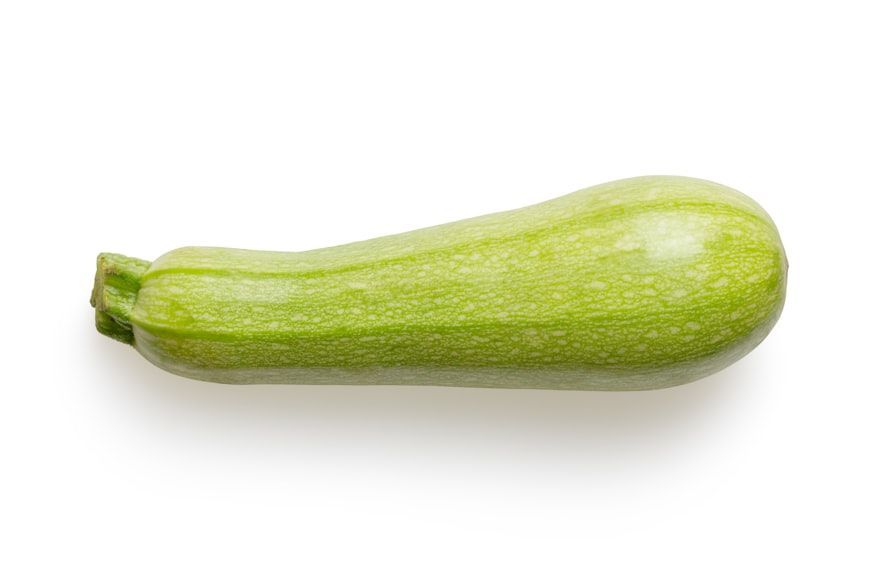
Zucchinis are used as a vegetable, but they are multiseeded, fleshy, and have an edible outer layer. Rings any bells? That’s right, zucchinis are a type of berry. A member of the Cucurbitaceae family, they are relatives of cucumber, squash, watermelon, and the luffa (yes, the one used in the shower).

As an ingredient, zucchinis are usually harvested before they mature, because ripe zucchinis have tougher skin, harder seeds, and are bitter.

5

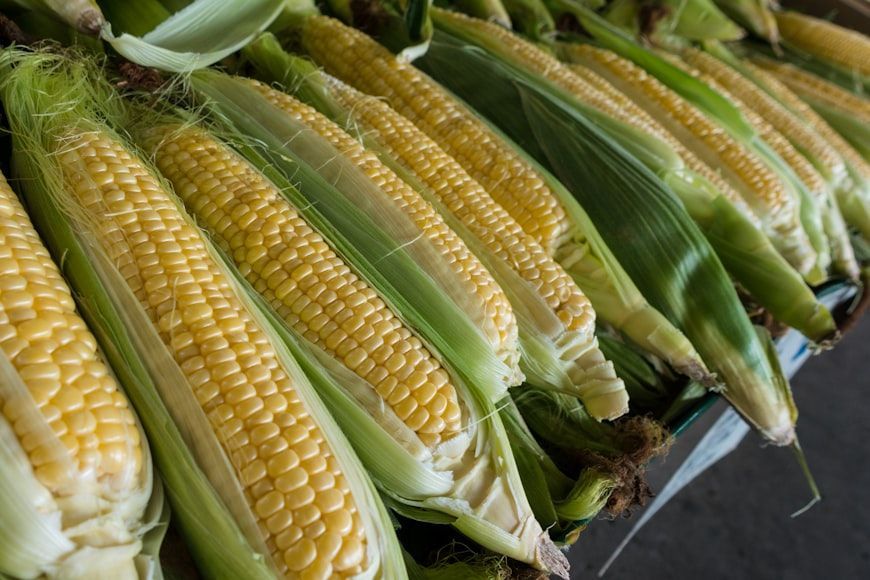
Corn

Image: Andre Ouellet

Also known as maize, corn is used in savoury and sweet preparations alike. Classified as a grain for culinary purposes, it is actually a grass that bears fruit. So, technically, corn is a fruit.

But where are the seeds and the skin? In the grass (Poaceae) family, each flower has a seed that fuses with the skin and forms a kernel. Other relatives that behave in the same way are wheat, rice, sugarcane, and barley.

6

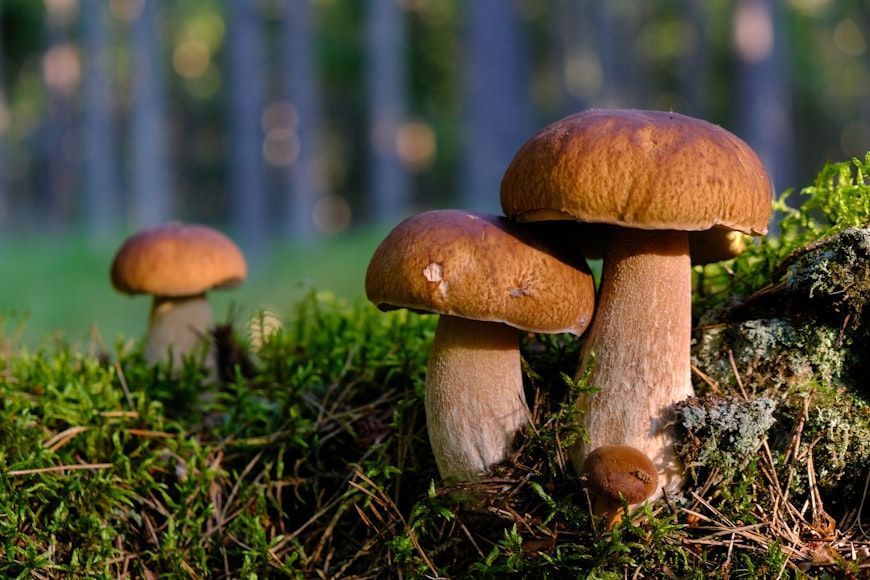
Mushroom

Image: Transly Translation Agency

Mushrooms are vegetables in a culinary sense, and a "fruit" body in a botanical sense, but they are neither vegetables nor fruits, because they are not plants. Culinary mushrooms are edible fungi, and as such, they have a totally different classification.

Mushrooms are not the only fungi that have culinary uses: other cases include yeast used for leavening or alcoholic beverages, fermented foods, or the mold used for blue cheese.

7

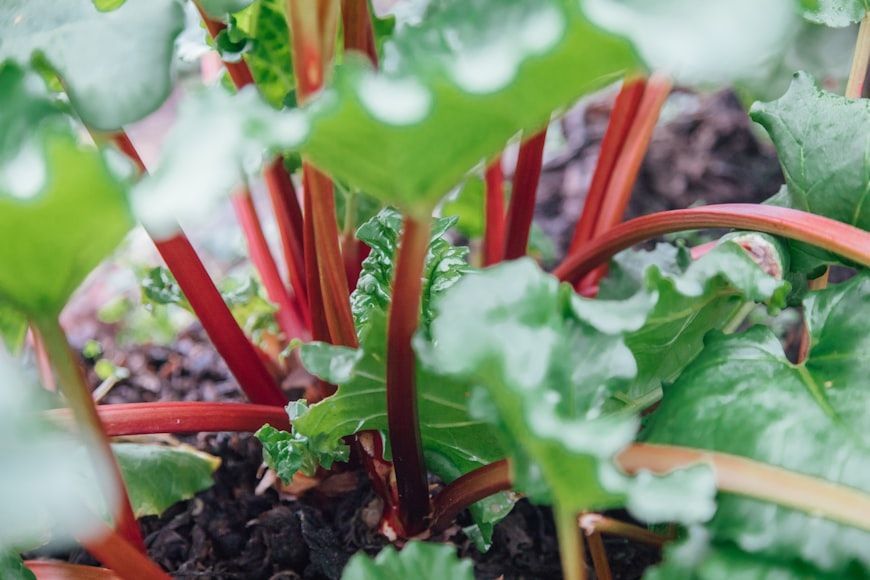
Rhubarb

Image: kaori nohara

Rhubarb is a vegetable, but is traditionally used for tarts, jams, and other sweet desserts. The only edible part of the plant is the stalk, as the leaves can be toxic.

Edible rhubarb is a hybrid, and it’s not closely related to other edible plants, although it is a distant relative of buckwheat.

8

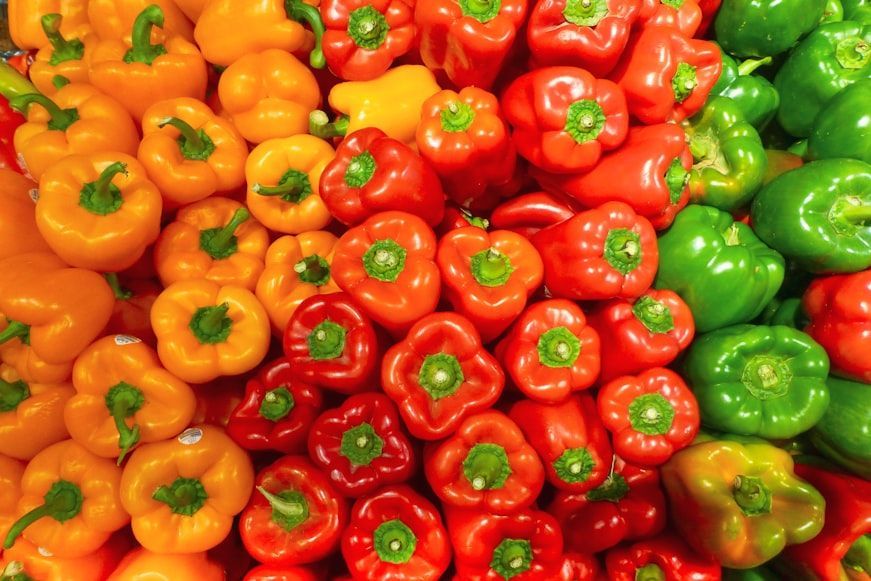
Bell Pepper

Image: Nick Fewings

Also called capsicum or sweet pepper, bell peppers are a berry of the Nightshade family (which makes them a relative of tomatoes and potatoes). Although they are classified as berries, they lack one of their main characteristics: instead of having seeds surrounded by fleshy pulp, plants in the capsicum species are hollow.

Fun fact: plants in the capsicum species have no relation whatsoever to the pepper spice, but they were given that name because Europeans used the word ‘pepper’ for all plants and spices that were pungent.

9

Strawberry

Image: Oliver Hale

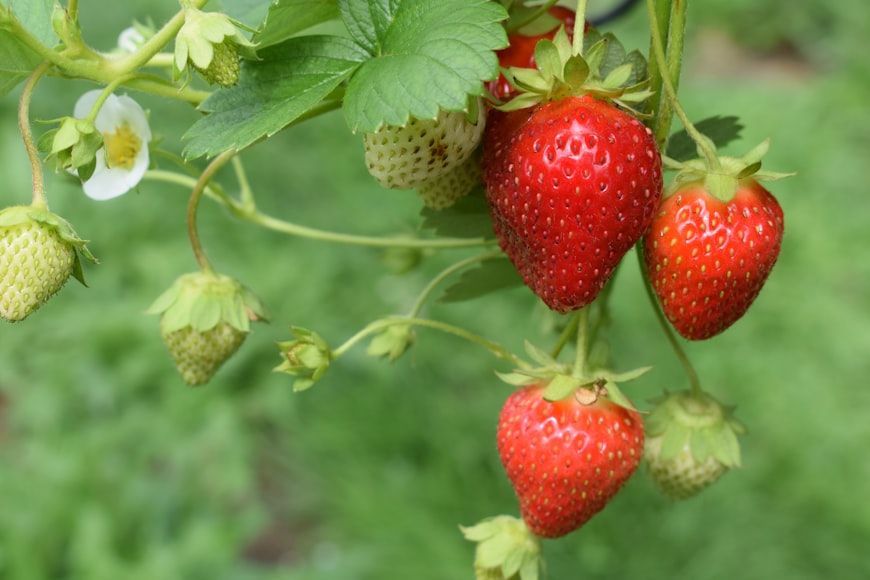
Despite their name, strawberries are not berries in the botanical sense of the word, because they develop multiple fruits from each flower, and they don’t have seeds (even if they look like they do). Historically, the English language has used the word ‘berry’ for any small, brightly colored, and juicy edible fruit.

So, where do strawberries come from? They are a hybrid, and they belong to the Rosaceae family, which makes them a relative of apples, cherries, peaches, almonds, and roses.

10

Cashew

Image: Kischmisch

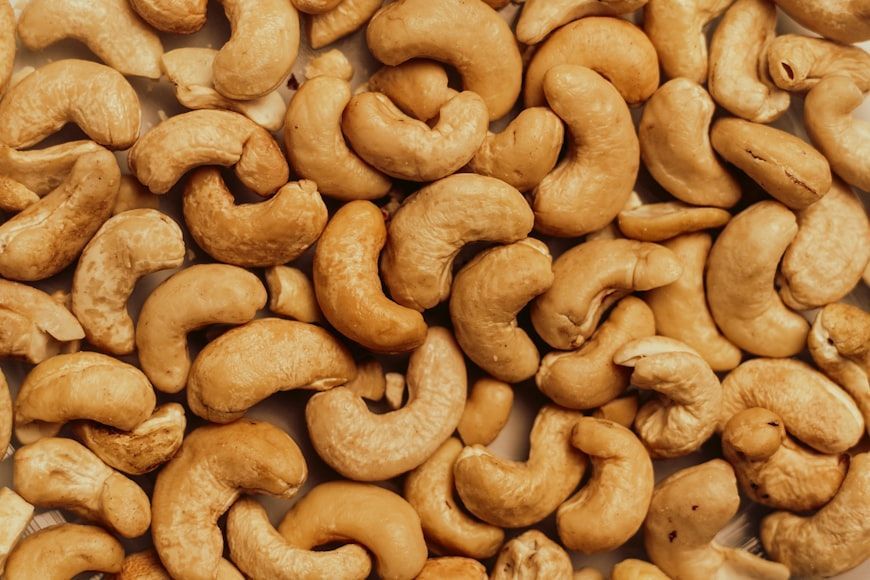
From a culinary point of view, cashews are classified as nuts. But nuts, in their botanical sense, are fruits protected by a hard shell that doesn’t open on their own. Cashews are actually drupes, or stone fruits.

In this case, what we eat is the seed of the cashew fruit. As a member of the Anacardiaceae family, cashews are related to mangoes, sumac, and (by a more recent classification) to pistachios.


LITERARY PIONEERS

10 Books With Mind-Bending Plots That'll Leave You Dumbfounded


Published on December 10, 2025


Image: Christin Hume

Literature is the realm of limitless imagination, so why do we expect every book to be the same? Realism and structure can be the pillars on which an author chooses to build their story, and these can certainly add to the strength of their writing, but that does not necessarily have to be the case for everyone. Many classics of all time literature defy conventions, and we wouldn’t even have modern literature without these pioneers!

So, prepare to have your literary sensibilities shaken on this trip through some of the funniest and craziest books out there—at least, according to us. You might even find your next favorite read!

1

"Ulysses" by James Joyce

Image: Naomi Hutchinson

Infamous for being extremely difficult to read - and even more to understand, Joyce's magnum opus, Ulysses, is a literary puzzle that unfolds over a single day in Dublin. Its experimental narrative style, filled with stream-of-consciousness writing and linguistic innovations, challenges readers to navigate the complexities of life and language.

If you are not a fan of modernist literature, you might be wondering if this hefty volume is actually worth reading. Think of Joyce’s Ulysses as a very long and complicated joke, one that the author definitely did not expect anyone to take too seriously. With that in mind, it should be a fun - though challenging - read.

2

"The Man Who Was Thursday" by Chesterton

Image: Etienne Girardet

Chesterton's metaphysical thriller takes readers on a surreal journey through anarchic conspiracies and philosophical paradoxes. As the protagonist, Gabriel Syme, infiltrates a secret council of anarchists, he discovers that nothing is really what it seems, as most members of the group seem to also be secretly working for the police.

The masterful narrative of the novel veers into unexpected territories, blurring the lines between reality and illusion. After reading this book you will certainly be left thinking about the nature of order, chaos, and the reality we live in.

3

"A Confederacy of Dunces" by John Kennedy Toole

Image: mana5280

Ignatius J. Reilly, an unemployed 30-year-old medieval historian, the eccentric protagonist of Toole's posthumously published novel, leads readers on a picaresque odyssey through the streets of New Orleans. Sort of a modern Don Quixote, the novel explores the protagonist’s outrageous adventures as he is forced to face the real world and actually get a job for the first time in years.

This Pulitzer Prize-winning work is certainly hard to read through without bursting into uncontrollable laughter, so be warned. Toole's unique narrative style and memorable characters make this novel a rollercoaster of hilarity and social commentary that you will never want to forget.

4

"V." by Thomas Pynchon

Image: Korie Jenkins

The debut novel by enigmatic author Thomas Pynchon - known among other things for being particularly averse to being photographed - serves as a great introduction to his labyrinthine worlds. This book takes readers on a tour de force through the globe and various points in time, exploring the themes of conspiracy, paranoia, and all sorts of weird or unexplained phenomena as the characters try to locate a mysterious entity known as "V."

Pynchon’s erudite and eccentric narrative spans from uncomfortably detailed descriptions of rhinoplasty to fine insight into the inner workings of the American military-industrial complex, as well as the hysterical adventures of a group of alligator hunters in the Manhattan sewers. Though it may look like a daunting read at first, it will drag you into it if you give it an opportunity.

5

"Slaughterhouse-Five" by Kurt Vonnegut

Image: Karsten Winegeart

A classic masterpiece of American narrative, Slaughterhouse-Five is widely regarded as one of the greatest anti-war novels ever written. As its main character, Billy Pilgrim, becomes "unstuck in time" and experiences events out of order, the novel goes back and forth between different eras of his life.

Vonnegut blends black humor, sci-fi, and historical events with ease in a novel that will leave you thinking deeply about war and the meaning of life.

6

"The Hitchhiker's Guide to the Galaxy" by Douglas Adams

Image: Lanju Fotografie

Originating in a 1978 radio comedy broadcast on BBC Radio 4 primarily scripted by Douglas Adams, The Hitchhiker's Guide to the Galaxy was later novelized to great success, becoming an international phenomenon. Blending science fiction with absurdist humor, Adams' classic takes readers on a cosmic journey filled with eccentric characters and improbable situations.

From the destruction of Earth to intergalactic hitchhiking, this book's offbeat plot and witty narrative style redefined the possibilities of science fiction comedy.

7

"Infinite Jest" by David Foster Wallace

Image: Brandi Redd

Often described as an "encyclopedic novel," Wallace's magnum opus is not only a colossal novel in length but also in complexity. The unconventional narrative and intricate plot incorporate hundreds of footnotes and digressions, slowly dragging the reader into a singularity of heterogeneous commentary on just about anything while managing to keep a humorous tone.

If this seems like a tough nut to crack, it’s because it is. But if you are into reading a timeless classic akin to War and Peace in its span and ambition - perhaps during a summer vacation - Infinite Jest is just what you are looking for!

8

"Frankenstein" by Mary Shelley

Image: National Cancer Institute

An absolutely essential classic for both science fiction and horror fans, Shelley's classic novel, Frankenstein, revolutionized literature. By exploring themes like the limits and morals of scientific research and experimentation, as well as the question of life and consciousness itself, Frankenstein became one of the most popular gothic novels of the 19th century and stands as a firm literary anchor well into modern times, retold again and again from a million perspectives.

9

"Always Coming Home" by Ursula K. Le Guin

Image: Craig Melville

Le Guin's speculative fiction masterpiece, Always Coming Home, is a complex and multifaceted work that blurs the lines between novel, ethnography, and poetry.

Set in a future California, the book explores the society of the Kesh people, a group that survives in a distant future, long after modern society collapsed. The novel incorporates a dense tapestry of narratives, myths, and cultural insights that are as beautifully crafted as thought-provoking.

10

"Pale Fire" by Vladimir Nabokov

Image: jules a.

Better known for his best-seller Lolita, Nabokov was a daring and creative writer known for his clever plots and metaphors. Pale Fire, a novel he wrote after becoming financially independent, unfolds through a 999-line poem and its commentary.

As readers navigate the intricate layers of the novel, they discover a complex narrative filled with deception, obsession, and literary gamesmanship, making Pale Fire a truly mind-bending experience. An example of "metafiction," it is certainly an unconventional read, but it is considered by many to be Nabokov's most perfect novel and an outstanding display of his enduring genius.

Looking for an extra scoop of literary fun?

Learn more with our Word of the day

accede

/ækˈsid/