English forecast

Out of the blue and under the weather: 12 sayings with stormy roots


Published on April 27, 2026


Image: Kir Simakov

Weather shapes more than just the land — it shapes language too! From "under the weather" to "every cloud has a silver lining," weather-inspired idioms reveal centuries of human observation, culture, and storytelling. Here, we explore 12 of the most colorful phrases that use the climate to express emotion, behavior, and fate.

1

Under the weather

Image: Greg Pappas

Originally a maritime expression, sailors used "under the weather" to describe seasickness or being knocked down by bad weather. The phrase eventually broadened to mean generally feeling unwell.

At the time, sickness was often blamed on stormy conditions, as exposure to harsh weather could make one weak. Today, it’s a common way to explain low energy or mild illness without clinical detail.

2

Every cloud has a silver lining

Image: Shashank Sahay

This phrase comes from John Milton’s 1634 poem "Comus", highlighting hope even in dark times. It likens clouds to problems, with sunlight peeking as a symbol of opportunity.

The idiom has been widely adopted in English literature and daily conversation. It encourages resilience, suggesting that difficult experiences often carry hidden benefits or lessons within.

3

Steal someone’s thunder

Image: stelios theofilou

Originating in the early 18th century, playwright John Dennis invented a "thunder machine" for a play. Competitors later stole his idea, prompting Dennis to accuse them of "stealing his thunder."

Today, the idiom means taking credit for someone else’s idea or preempting their achievement.

4

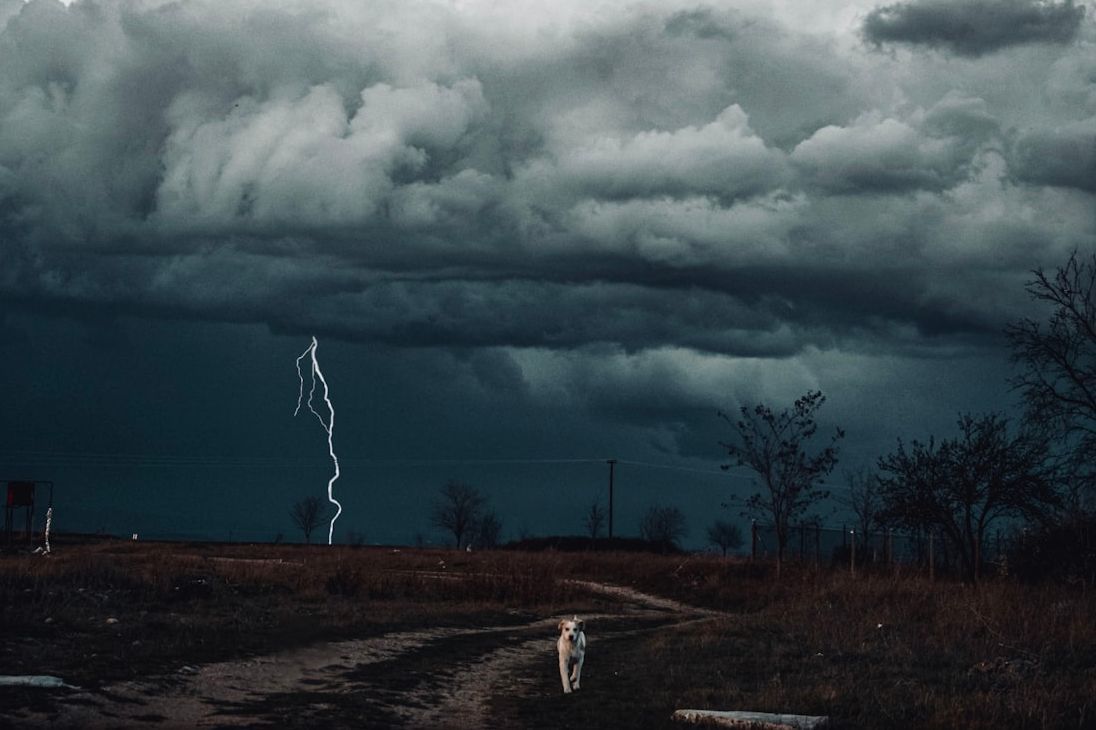
Calm before the storm

Image: Dave Hoefler

Derived from meteorology, this phrase refers to unusually peaceful conditions before a severe storm. As an idiom, the metaphor emphasizes the often deceptive nature of calm periods.

There’s real science behind too! Meteorologists note that real storms are often preceded by a drop in wind and pressure, creating a brief lull before turbulence hits.

5

Throw caution to the wind

Image: Lili Kovac

First recorded in the 16th century, this phrase refers to abandoning prudence, likening "caution" to something thrown into unpredictable air currents.

The wind has long symbolized both freedom and risk in language and literature. Certainly, the metaphor’s vivid imagery has helped the phrase endure in English for centuries.

6

Take a rain check

Image: Geetanjal Khanna

Originating in 19th-century American baseball, fans received "rain checks" when games were canceled due to weather. It guaranteed admission at a later date.

The phrase later expanded into general use, signaling a polite postponement or decline of an invitation.

7

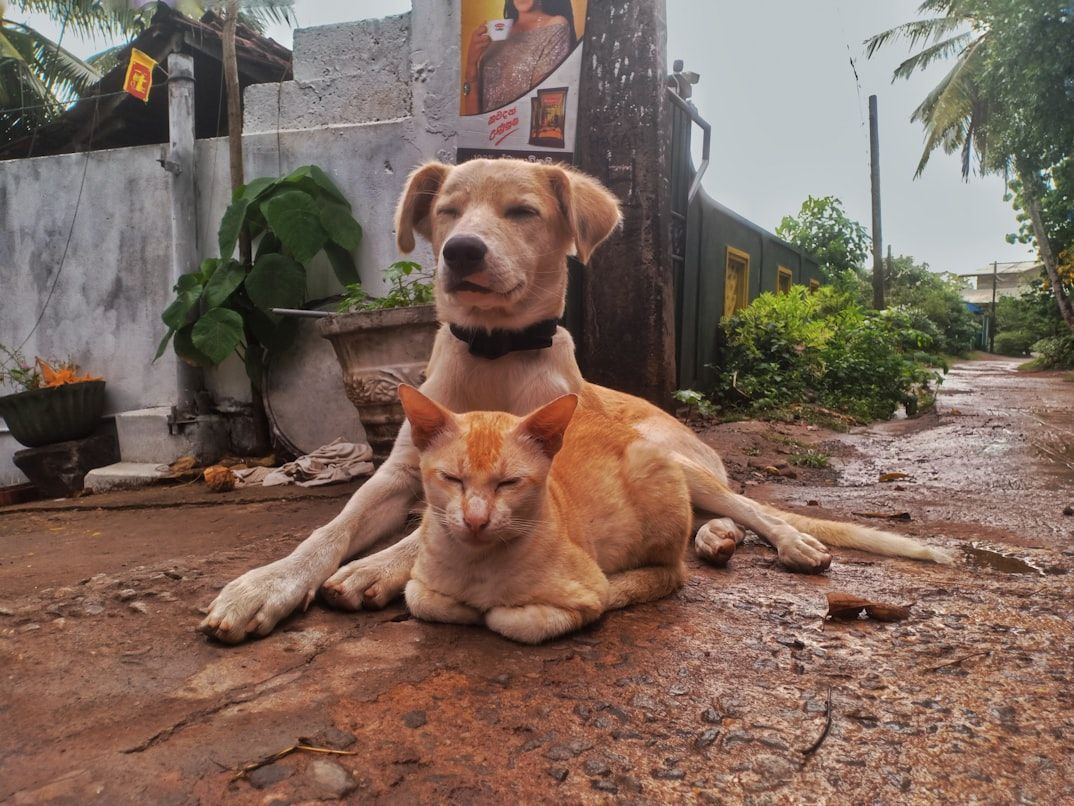
It’s raining cats and dogs

Image: Lakindu Sepala

One explanation for the origin of this phrase dates to 17th-century England, where heavy storms often washed unfortunate animals into the streets. Another theory traces it to the Greek kata doxa, meaning "against what’s expected."

Today, it simply exaggerates intense rainfall. Its bizarre imagery has made it one of the most memorable English weather idioms.

8

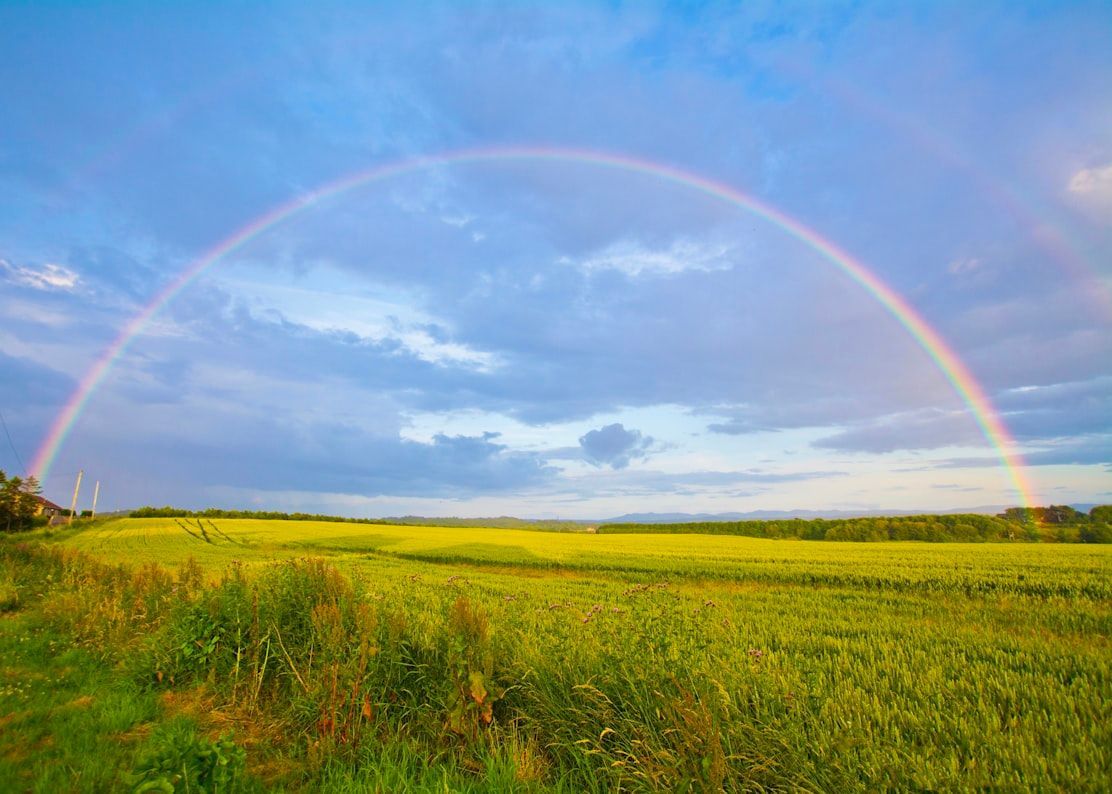
Chasing rainbows

Image: Stainless Images

Linked to Irish folklore, rainbows were often thought to hide treasure or symbolize promise. The phrase metaphorically describes the pursuit of something unattainable.

Scientifically, rainbows form when light refracts through water droplets, a precise combination of conditions that makes them relatively rare and fleeting.

9

Storm in a teacup

Image: Lydia Norstad

British in origin, the phrase compares intense disputes over trivial matters to a violent storm contained within the confines of a teacup.

Its absurd imagery warns against overreacting and points to how perception can easily magnify objectively minor events.

10

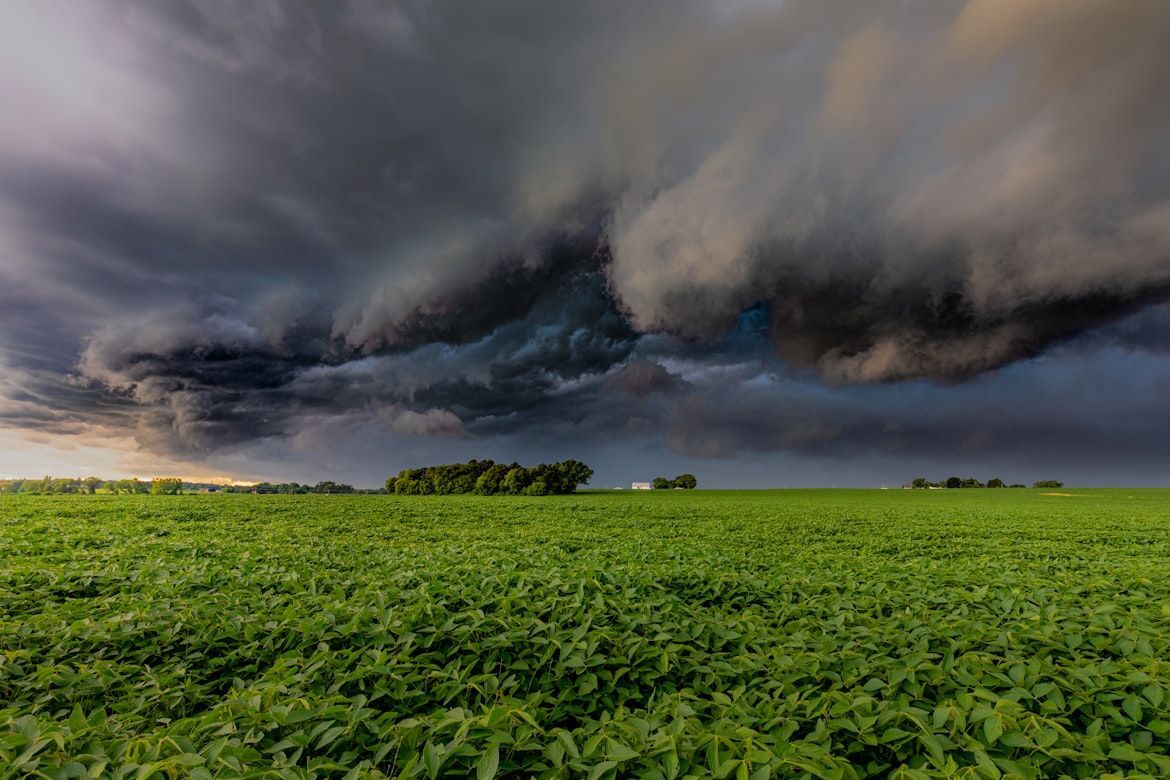
Take by storm

Image: Duncan Kidd

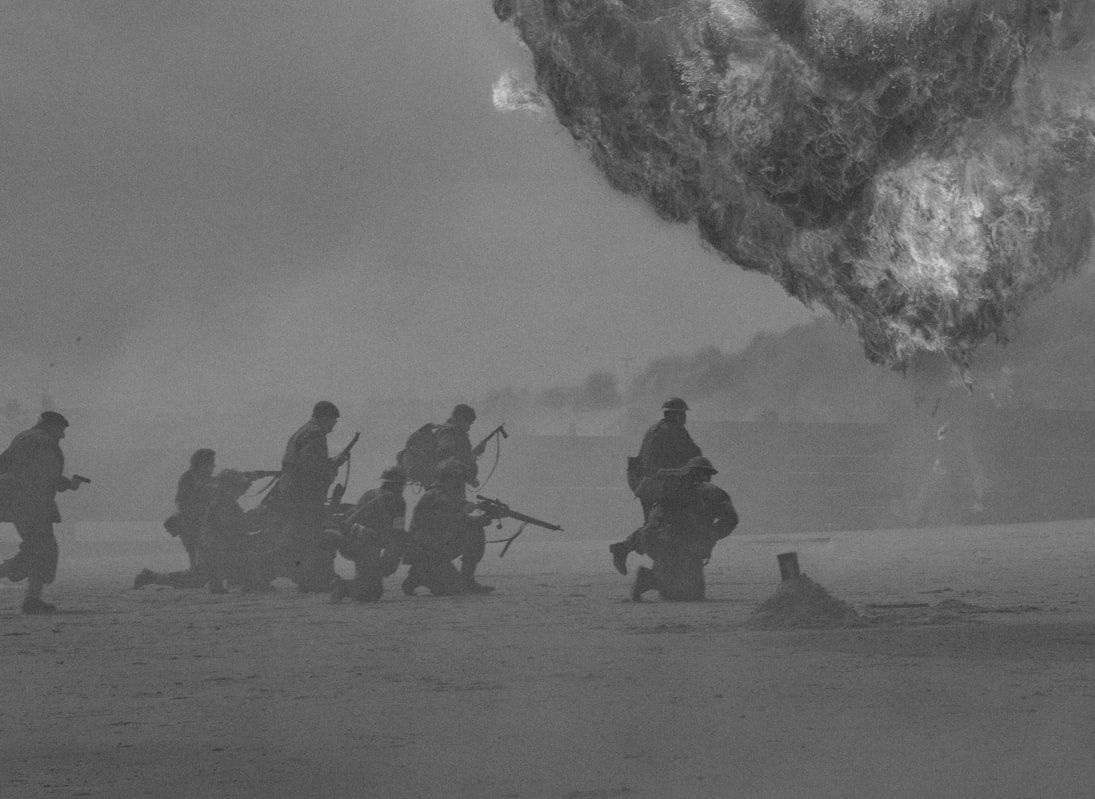
This military-inspired idiom compares rapid, forceful success to a sudden storm. It first appeared in the 18th century to describe swift battlefield victories.

The imagery captures the unstoppable force of a fierce stormfront. Today, it is used in politics, entertainment, and business to describe swift, wide-reaching impact or decisive victories.

11

Fair-weather friend

Image: Sam McNamara

Never trust a fair-weather friend… this cautionary phrase compares fickle friendships to sunny weather, thriving only when times are good and disappearing at the first sign of trouble.

First recorded in the 1600s, the idiom warns against unreliable allies and remains common in modern vocabulary.

12

Out of the blue

Image: Kumiko SHIMIZU

This idiom derives from the real phenomenon of lightning appearing from a seemingly clear sky, likening unexpected events to this rare meteorological occurrence.

The earliest recorded use in English dates to the 19th century, and it was often originally phrased as "a bolt out of the blue."


SINGULAR LINGUISTIC SENSATIONS

Word Hunting! 10 Unusual Isograms that You Probably Overlooked!


Published on April 27, 2026


Image: Amanda Jones

Morphology, and the study of the language in general, can easily become a fascinating field. After all, it’s filled with fascinating examples like words that fell out of use, the longest words of the English language, and even words that do not repeat a single letter. These last ones are called isograms, and the longer they are, the less we use them but the more fascinating they are.

Long, unusual isograms go against language economy. However, from time to time, using words like "adjunctively" or "beclamouring" is the only way to express our ideas with the kind of feeling only these words have.

Join us as we go through ten isograms you probably never use, but should!

1

Webliography: Navigating Digital Resources

Image: Domenico Loia

Are you an Internet buff? This word is for you! A webliography is a curated list of online resources on a specific topic. Similar to a bibliography, but focused on digital content, it includes websites, articles, blogs, and videos.

Webliographies are valuable tools in academic research and professional projects, providing easy access to credible online information. Nowadays, we can say there are as many bibliographies as humans, or even double that amount! Modernity is quite transparent in this sense: Digital literacy and web-based resources have become paramount!

2

Gunpowderish: The Scent of Explosives

Image: Adrien Olichon

The term "gunpowderish" describes something resembling or having gunpowder characteristics. You can already smell it, can’t you? This might refer to a strong, acrid smell similar to spent fireworks or a tense atmosphere likened to the explosive potential of gunpowder.

While not commonly used, "gunpowderish" evokes vivid sensory images and can describe situations fraught with tension or danger. It’s a word that captures the essence of volatility and the power of descriptive language. And for some, it is the smell of a fresh new year kicking in!

3

Imponderably: Beyond Comprehension

Image: Anthony Tori

"Imponderably" refers to something that is difficult or impossible to measure or understand, nothing like this article, as you can see! This term is often used to describe abstract concepts or situations that are beyond human comprehension.

Whether it’s the vastness of the universe or the complexities of human consciousness, "imponderably" highlights the limits of our knowledge. It’s a reminder of the mysteries that still exist and the continuous quest for understanding in science and philosophy.

4

Campgrounds: Nature’s Retreat

Image: Christopher Jolly

You may be familiar with this term if you go camping often. Campgrounds are the perfect escape for those looking to reconnect with nature. These designated areas allow you to set up tents, park RVs, or rent cabins, often surrounded by stunning natural landscapes.

Whether you’re in a national park or a private site, campgrounds offer the chance to enjoy activities like hiking, fishing, and wildlife watching. It’s a great way to unwind, share stories around the campfire, and create lasting memories with family and friends. If you’ve never visited a campground, this might be the perfect opportunity to do so! At least you’ll have the vocabulary for it!

5

Disgraceful: Actions That Tarnish Reputations

Image: Nik

Actions speak louder than words, or so they say. But in this case, an action and this word together might be the end of a person! When someone behaves disgracefully, they engage in actions that bring about shame and a loss of respect. This word is used to describe conduct that deviates from moral standards and often leads to public humiliation.

Whether it’s a scandal involving a public figure or unethical behavior in everyday life, being labeled as disgraceful has serious consequences. It highlights the importance of integrity and the impact our actions have on our reputation and social standing.

6

Misanthropy: A Skeptical View of Humanity

Image: Ryoji Iwata

Ah, how many human beings in this planet, and how many points of view, right? Well, misanthropy is just one of those. Not a nice one, if we might add.

Misanthropy is a term that describes a general dislike or distrust of humankind. A misanthrope often views human nature with skepticism and prefers solitude over social interaction. This deep-seated attitude can stem from personal disappointments or a critical view of societal flaws.

While it’s often seen negatively, understanding misanthropy can shed light on the complexities of human relationships and societal dynamics. It’s a reminder of the diverse perspectives that shape our worldviews. Are you a misanthrope?

7

Shedworking: The Garden Office Revolution

Image: ergonofis

The pandemic has turned millions of people to home-office and remote working. The thing is, not every home was ready to welcome an office and that is where shedworking came into play.

Shedworking is a growing trend where people set up their workspaces in garden sheds. This concept offers a quiet and separate space from the main living area, enhancing productivity and work-life balance. Shedworking is popular among remote workers, freelancers, and entrepreneurs who need a dedicated workspace without the commute.

It’s a creative solution that combines the comfort of home with the focus of an office, often surrounded by the tranquility of nature.

8

Multipronged: Approaching from All Angles

Image: Jason Goodman

"Multipronged" describes a strategy that tackles a problem from several directions simultaneously. This approach is common in business, military tactics, and problem-solving. For instance, a multipronged marketing campaign might use social media, email, and influencer partnerships to reach a wider audience.

In medicine, a multipronged treatment plan could combine medication, therapy, and lifestyle changes for better results. The strength of this strategy lies in its flexibility and comprehensiveness, allowing for adjustments and increasing the likelihood of success. Multipronged approaches show the power of coordinated efforts and diverse perspectives in overcoming complex challenges. Are you up for this approach?

9

Stenography: The Art of Shorthand

Image: M. Cooper

Does this sound familiar? You might have seen this in legal series or movies, and it was even a skill taught at school quite some time ago. Stenography is the practice of transcribing spoken words quickly using shorthand. This skill is essential in legal and governmental settings where accurate records of proceedings are required.

Stenographers use specialized machines to capture speech at high speeds, ensuring that important conversations and testimonies are documented verbatim. This profession highlights the importance of precision and the role of technology in supporting communication and documentation.

10

Misconjugated: When Verbs Go Wrong

Image: Sincerely Media

Nobody, not even the best-spoken people, is free of mistakes. A verb can easily go wrong and that’s what this word means. Misconjugated verbs are those that aren’t formed correctly, breaking the rules of grammar. It’s a common mistake we all make, like saying "She go to the store" instead of "She goes to the store."

These errors can pop up in casual conversation, writing, or when learning a new language, causing confusion and distracting from the message. Misconjugating verbs highlights the tricky parts of language and why proper grammar is so important. It’s a reminder that getting verb forms right helps us communicate clearly and effectively. So, next time you're unsure, double-check those verbs to keep your sentences smooth and understandable!

Looking for an extra scoop of literary fun?

Learn more with our Word of the day

destitute

/ˈdɛstəˌtut/