English forecast
Out of the blue and under the weather: 12 sayings with stormy roots
Published on April 27, 2026
 Image: Kir Simakov
Weather shapes more than just the land — it shapes language too! From "under the weather" to "every cloud has a silver lining," weather-inspired idioms reveal centuries of human observation, culture, and storytelling. Here, we explore 12 of the most colorful phrases that use the climate to express emotion, behavior, and fate.
Under the weather
 Image: Greg Pappas
Originally a maritime expression, sailors used "under the weather" to describe seasickness or being knocked down by bad weather. The phrase eventually broadened to mean generally feeling unwell.
At the time, sickness was often blamed on stormy conditions, as exposure to harsh weather could make one weak. Today, it’s a common way to explain low energy or mild illness without clinical detail.
Every cloud has a silver lining
 Image: Shashank Sahay
This phrase comes from John Milton’s 1634 poem "Comus", highlighting hope even in dark times. It likens clouds to problems, with sunlight peeking as a symbol of opportunity.
The idiom has been widely adopted in English literature and daily conversation. It encourages resilience, suggesting that difficult experiences often carry hidden benefits or lessons within.
Steal someone’s thunder
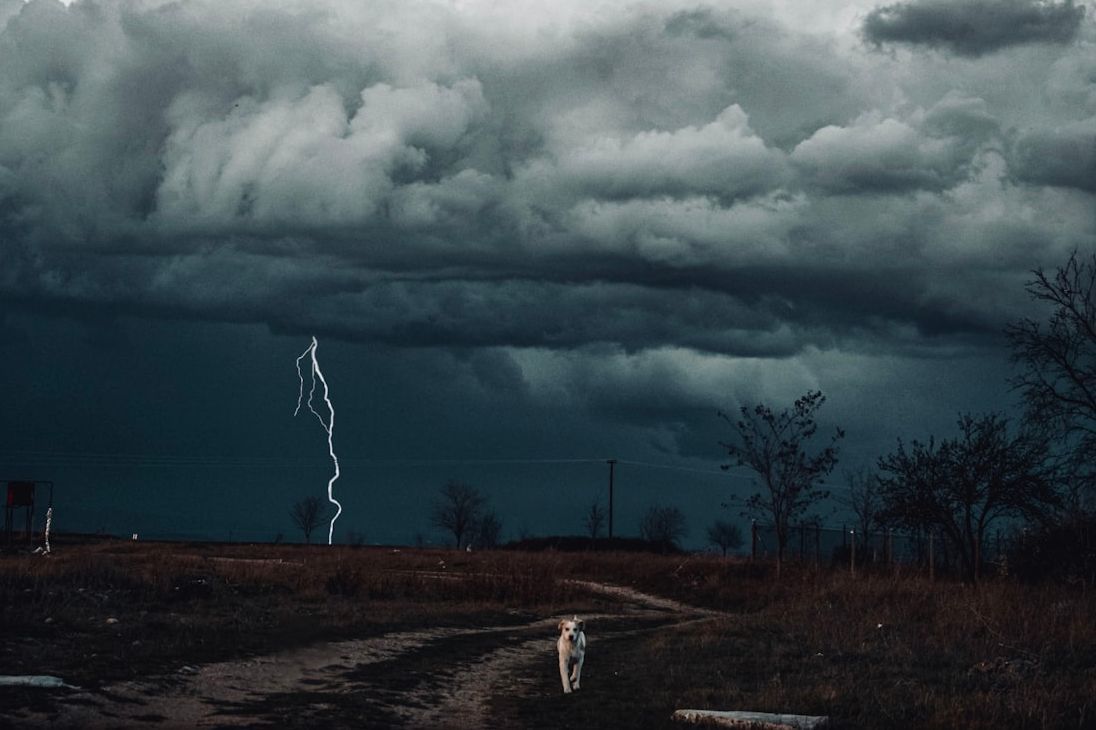 Image: stelios theofilou
Originating in the early 18th century, playwright John Dennis invented a "thunder machine" for a play. Competitors later stole his idea, prompting Dennis to accuse them of "stealing his thunder."
Today, the idiom means taking credit for someone else’s idea or preempting their achievement.
Calm before the storm
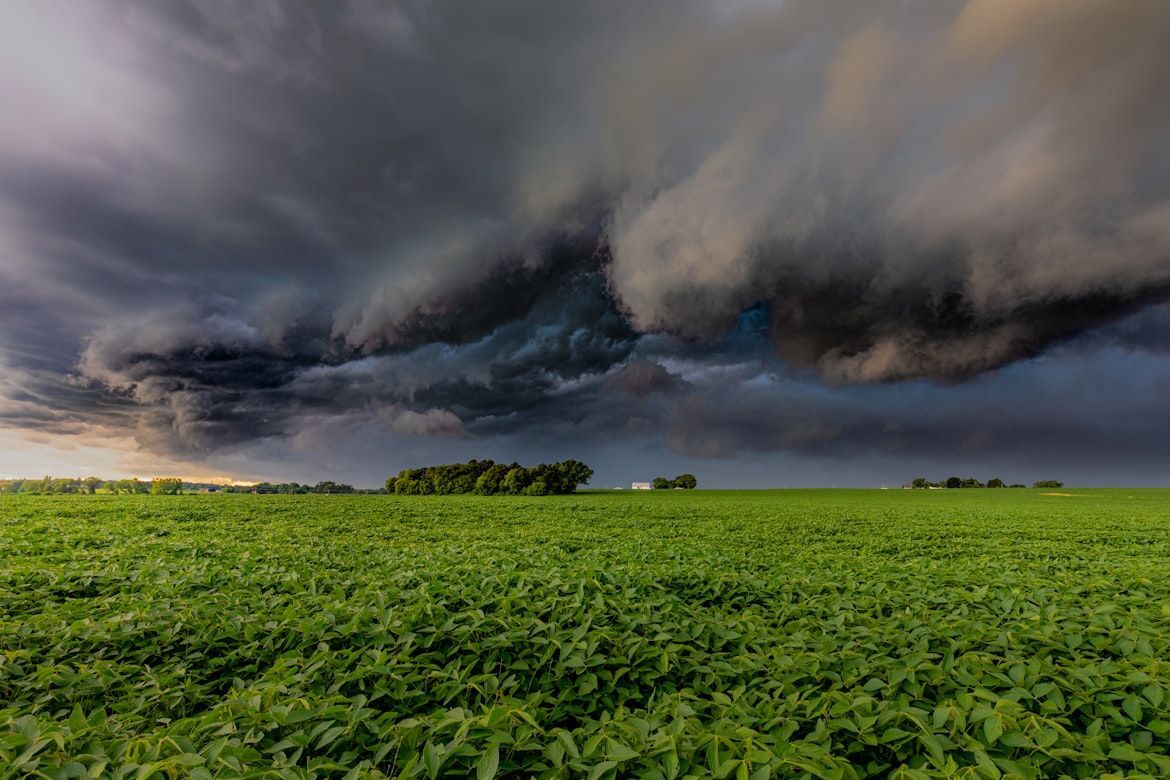 Image: Dave Hoefler
Derived from meteorology, this phrase refers to unusually peaceful conditions before a severe storm. As an idiom, the metaphor emphasizes the often deceptive nature of calm periods.
There’s real science behind too! Meteorologists note that real storms are often preceded by a drop in wind and pressure, creating a brief lull before turbulence hits.
Throw caution to the wind
 Image: Lili Kovac
First recorded in the 16th century, this phrase refers to abandoning prudence, likening "caution" to something thrown into unpredictable air currents.
The wind has long symbolized both freedom and risk in language and literature. Certainly, the metaphor’s vivid imagery has helped the phrase endure in English for centuries.
Take a rain check
 Image: Geetanjal Khanna
Originating in 19th-century American baseball, fans received "rain checks" when games were canceled due to weather. It guaranteed admission at a later date.
The phrase later expanded into general use, signaling a polite postponement or decline of an invitation.
It’s raining cats and dogs
 Image: Lakindu Sepala
One explanation for the origin of this phrase dates to 17th-century England, where heavy storms often washed unfortunate animals into the streets. Another theory traces it to the Greek kata doxa, meaning "against what’s expected."
Today, it simply exaggerates intense rainfall. Its bizarre imagery has made it one of the most memorable English weather idioms.
Chasing rainbows
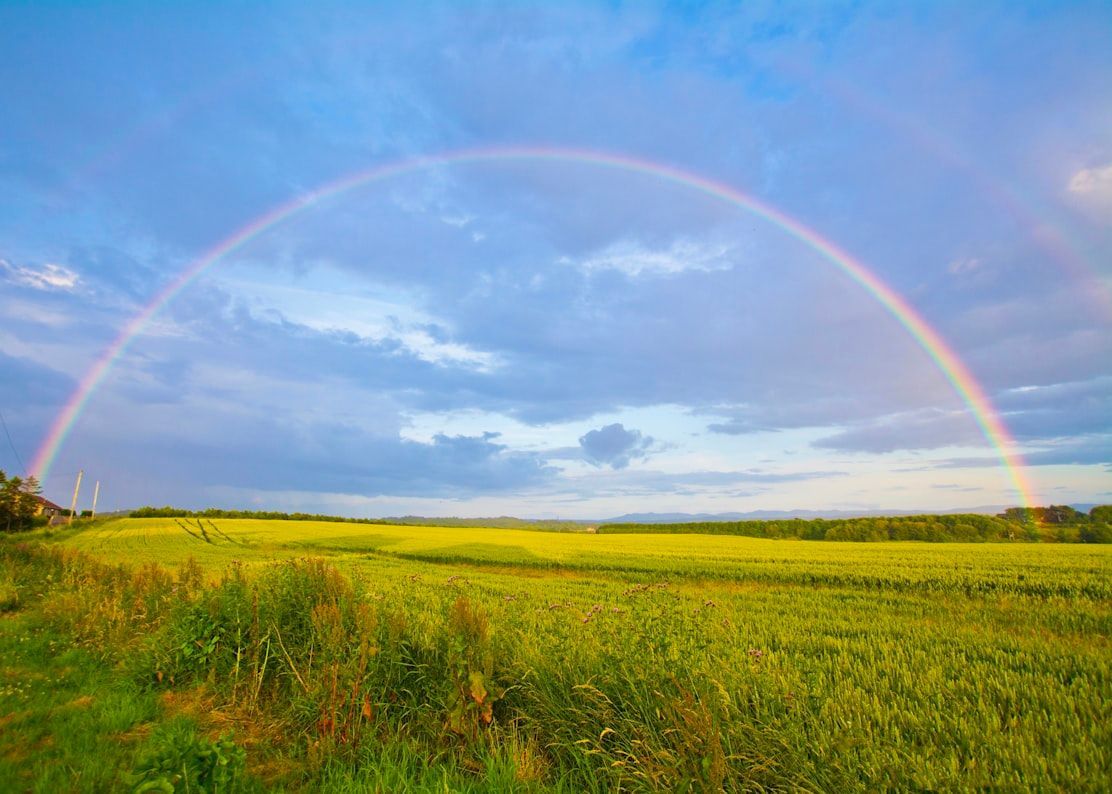 Image: Stainless Images
Linked to Irish folklore, rainbows were often thought to hide treasure or symbolize promise. The phrase metaphorically describes the pursuit of something unattainable.
Scientifically, rainbows form when light refracts through water droplets, a precise combination of conditions that makes them relatively rare and fleeting.
Storm in a teacup
 Image: Lydia Norstad
British in origin, the phrase compares intense disputes over trivial matters to a violent storm contained within the confines of a teacup.
Its absurd imagery warns against overreacting and points to how perception can easily magnify objectively minor events.
Take by storm
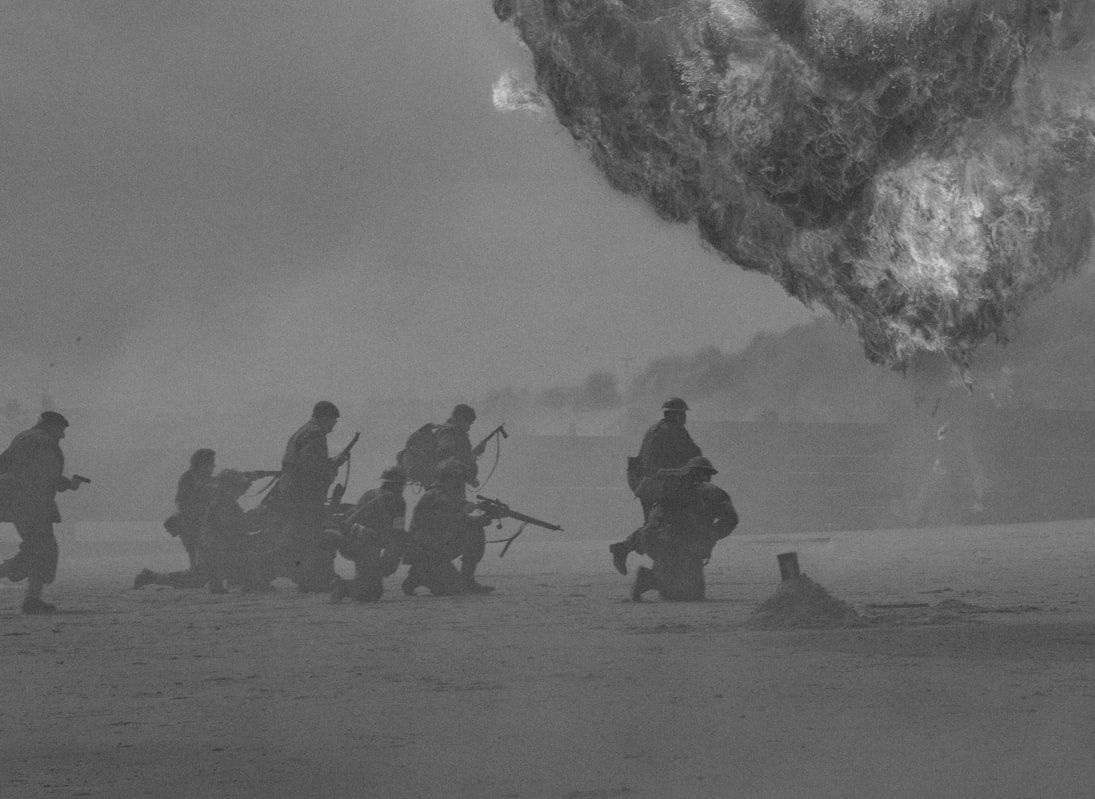 Image: Duncan Kidd
This military-inspired idiom compares rapid, forceful success to a sudden storm. It first appeared in the 18th century to describe swift battlefield victories.
The imagery captures the unstoppable force of a fierce stormfront. Today, it is used in politics, entertainment, and business to describe swift, wide-reaching impact or decisive victories.
Fair-weather friend
 Image: Sam McNamara
Never trust a fair-weather friend… this cautionary phrase compares fickle friendships to sunny weather, thriving only when times are good and disappearing at the first sign of trouble.
First recorded in the 1600s, the idiom warns against unreliable allies and remains common in modern vocabulary.
Out of the blue
 Image: Kumiko SHIMIZU
This idiom derives from the real phenomenon of lightning appearing from a seemingly clear sky, likening unexpected events to this rare meteorological occurrence.
The earliest recorded use in English dates to the 19th century, and it was often originally phrased as "a bolt out of the blue."


