Necessity is the mother of invention

Nutella, bras, and instant ramen: 10 things created out of necessity


Published on May 26, 2026
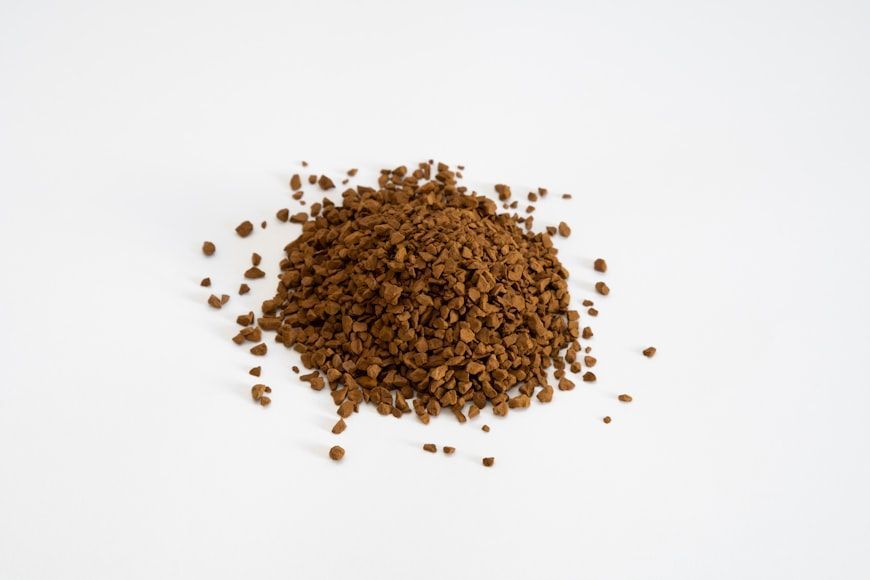

Image: Gabriel Mihalcea

Nothing gets the human mind going like needing something and not being able to get it. When common items are in short supply due to a crisis, the human mind always finds a way to get something like it, or even better.

Crises such as war, famine, recessions, or natural disasters have shocked humanity and forced it to be resourceful. Let’s have a look at ten things that originated out of necessity.

1

Instant Coffee

Image: Amr Taha™

The world runs on caffeine, and also does war. During the American Civil War, the Union army produced a water-soluble coffee concentrate, made from a mixture of coffee, milk, and sugar. The resulting ‘coffee’ was said to look like grease, and tasted so awful that it was discontinued.

This invention was not successful, but it was a starting point that pioneered the development of soluble coffee as we know it by the end of the 19th Century. In the 1910s, Red E Coffee became the first instant coffee to achieve success, and the development of Nescafé two decades later made the drink a global sensation.

2

Instant Ramen

Image: Fernando Andrade

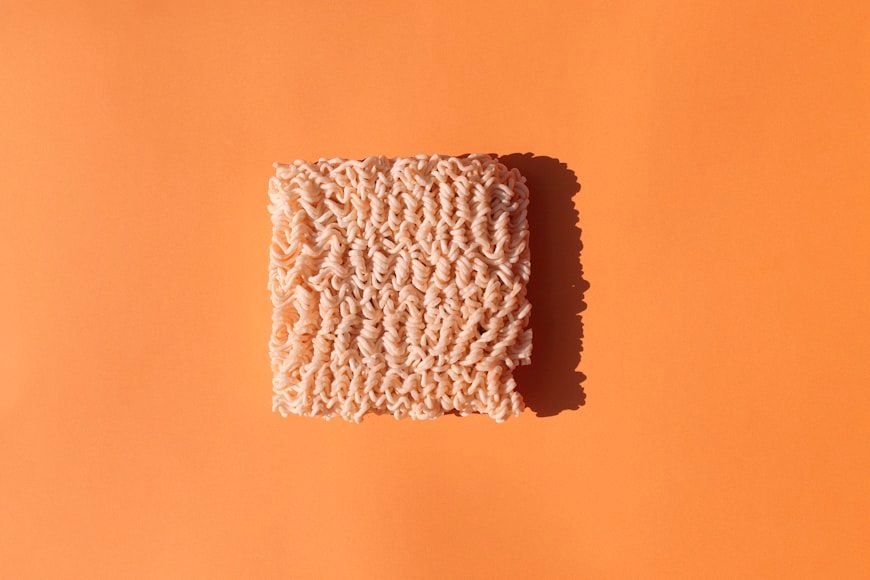
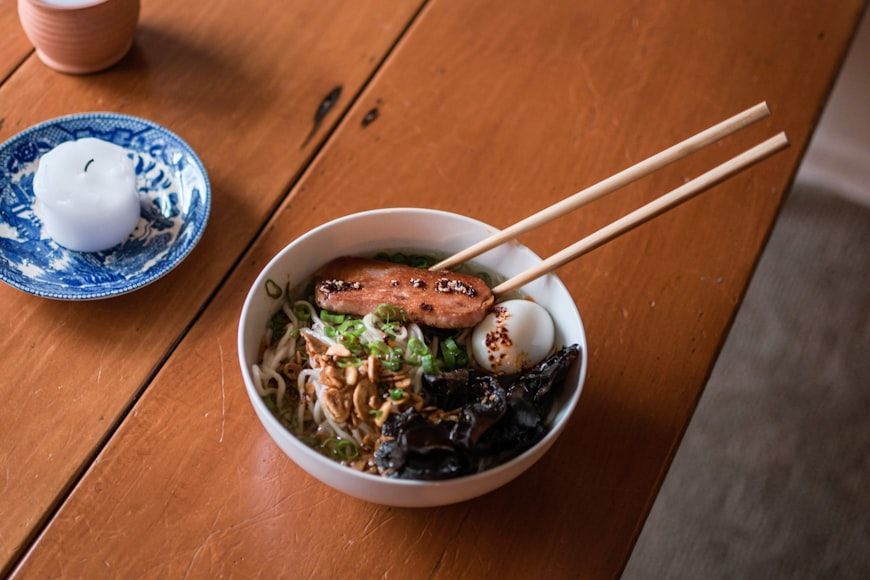
Japanese cuisine is strongly dominated by rice, so why is one of its star products made from wheat? After World War II, Japan experienced a food shortage, especially rice, which led the government to promote the consumption of wheat bread.

Trying to figure out a way to produce shelf-stable wheat noodles—a food item more familiar to the Japanese than bread—Momofuku Ando developed in 1958 a system to flash-fry noodles that were easy to rehydrate. In 1971, Momofuku also developed cup ramen, which popularized instant noodles worldwide.

3

EpiPens

Image: Sweet Life

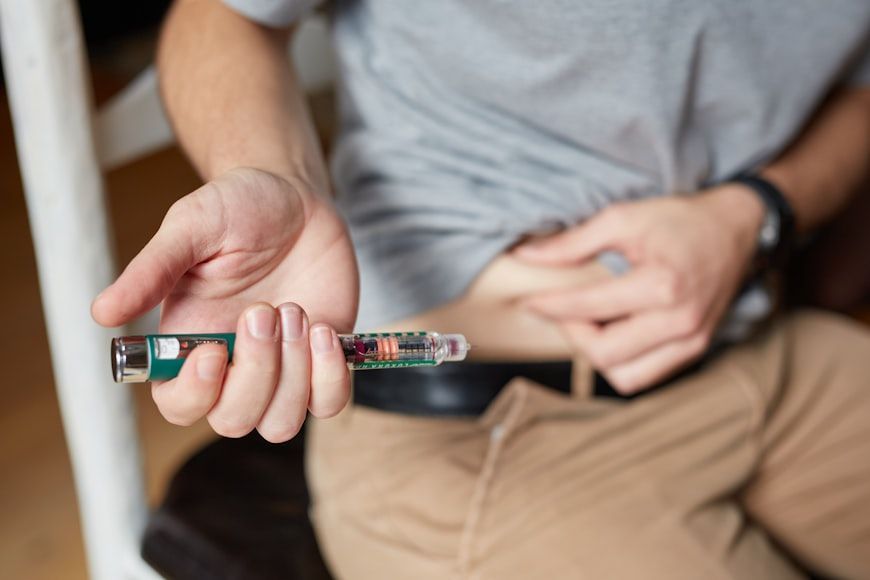
The widespread use of chemical warfare during the 20th century meant that antidotes were essential on the battlefield. But how to deliver the exact dose in the quickest way possible? In the 1970s, engineer Sheldon Kaplan and his colleagues created the ComboPen, a system that used pre-measured doses in glass containers and a spring mechanism to administer the injection.

This new system not only helped with quick treatment on the field, but the concealed needle also made the process easier for those with a fear of needles. Furthermore, it can be used by anyone, even those with little to no medical training. After successfully testing the ComboPen, they realized it could be used for other emergency medications, such as epinephrine, creating this way the EpiPen.

4

Women’s Bras

Image: Yves Monrique

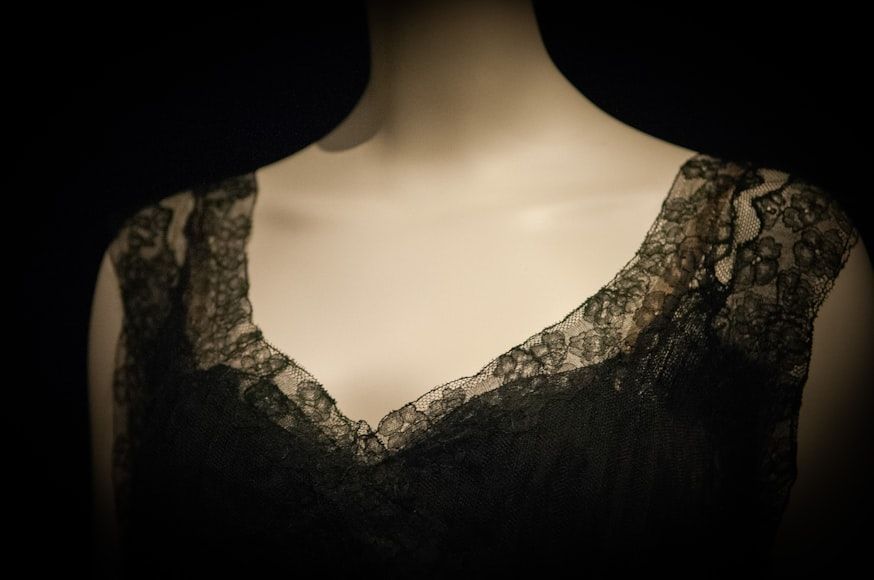
Corsets were not the torture device some people imagine, but they were the main supportive undergarment used by women up to the early 20th Century. By that time, most corsets had metal boning, but the material was rationed for ammunition during World War I.

When the shortage of metal boning made corsets go out of style, women turned to the Brassiere —what we would now call a bra, which existed already, but was not popular— for support, making it the standard garment.

5

Vietnamese Egg Coffee

Image: Demi DeHerrera

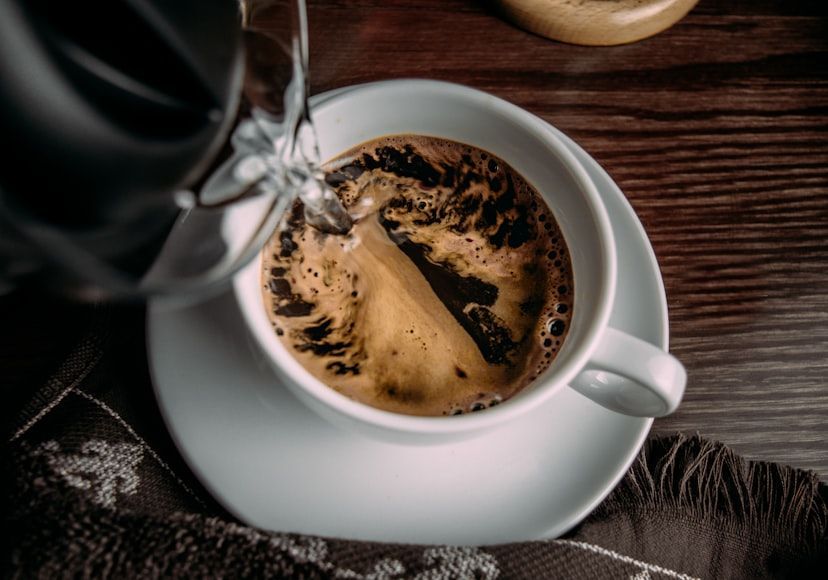
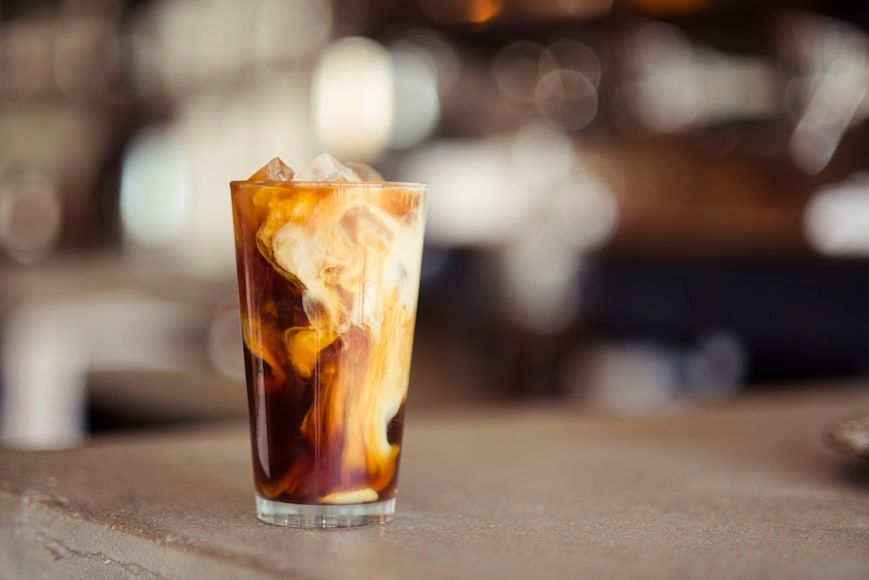
If you go to Vietnam (or a Vietnamese coffee shop), you will certainly find egg coffee on the menu. This thick and creamy drink, sweetened with condensed milk, is a Vietnamese staple and an ingenious response to food shortages.

During the 1940s, at the start of the First Indochina War, basic food items were difficult to come by. In a luxurious Hanoi hotel, bartender Nguyen Giang is trying to figure out how to make café au lait without milk. He gets the idea to use an egg yolk, which froths up just like milk does, giving coffee a creamy consistency that pairs well with sweetened condensed milk, a staple of Vietnamese cuisine. Egg coffee became so popular that Nguyen opened his own shop in Hanoi in 1946, which is still standing.

6

SPAM

Image: Taylor Flowe

Although this canned processed meat is an American invention, it’s also a fairly common ingredient in countries like Korea, Japan, and the Philippines. SPAM was one of the main rations sent to American soldiers during World War II and the Korean War. They were sent so much SPAM that they grew tired of it, selling or giving away the surplus.

Locals had a hard time finding meat, so SPAM was quickly adopted into their cuisines, and is now featured in popular dishes such as the Korean budae jjigae (which means ‘army base stew’), the Japanese SPAM onigiri, or the Philippine spamsilog (a breakfast of spam, fried rice, and eggs).

7

Gianduja

Image: Jonathan Kemper

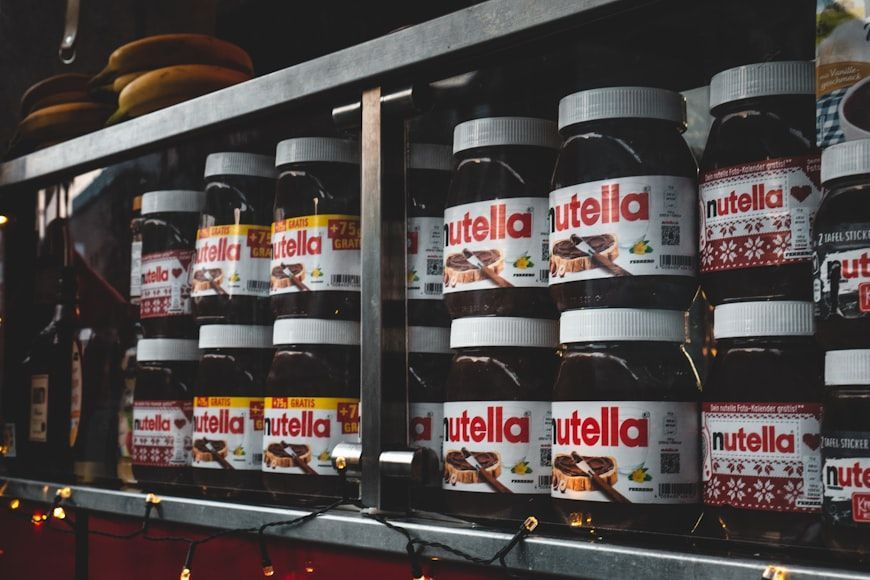
Nutella is widely known for its chocolate and hazelnut spread —a version of the Italian _gianduja_—, but did you know it has its origins in a food shortage? At the start of the 19th century, Napoleon Bonaparte had established a blockade, intended to prevent British goods from entering territories under French control.

In the city of Turin, Italy, the blockade diminished the cocoa supplies. To combat this, chocolatiers mixed the cocoa with chopped nuts —mainly hazelnuts— to stretch it, creating the gianduja.

8

Multigrain Rice

Image: herry shani

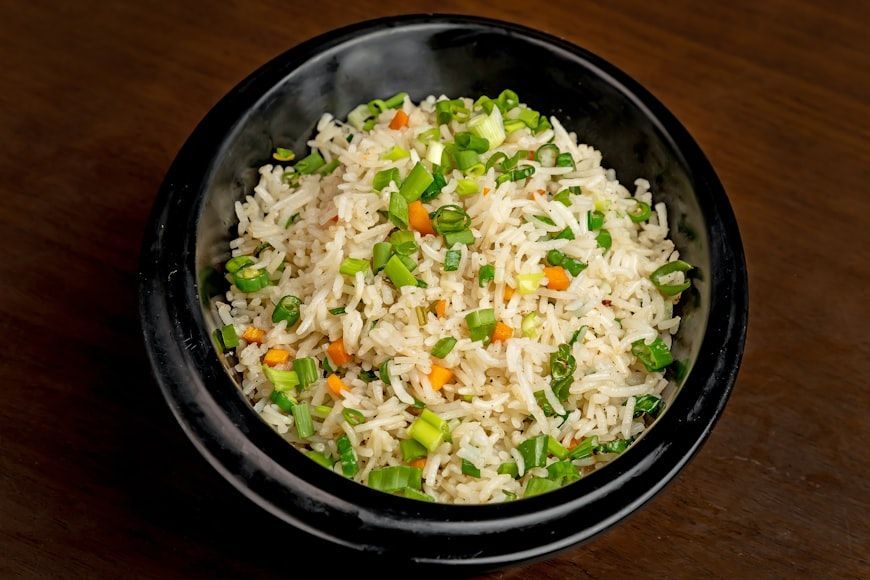
Japgokbap or multigrain rice is a Korean staple dish, and one that was born out of necessity. Korea has always been a fertile country suited for agriculture, but this has not prevented its citizens from experiencing famine and struggles. During the Japanese occupation (1910–1945), Korean farmers were forced to grow Japanese rice instead of their native variety to address the food shortage in Japan.

With their main food source being scarce, Koreans had to rely on other grains like millet, sorghum, or corn. They mixed these grains with beans, and the small rations of rice they could get to make it more filling and nutritious, in a dish they called Japgokbap, and that saved thousands from famine.

9

Band-aids

Image: Luis Villasmil

For people prone to accidents, Band-Aids are a lifesaver that keeps minor wounds clean and protected. They were created with this goal in mind, but they became popular out of financial necessity.

Band-aids were invented in 1920 by Earle Dickson, who was inspired by his wife’s regular accidents in the kitchen and needed a quick way to dress the wounds without assistance. A few years later, the financial struggles of the Great Depression meant that people weren’t always able to get medical assistance, and started relying on Band-Aids to treat domestic wounds.

10

Achuras

Image: DEBY RODRIGUEZ

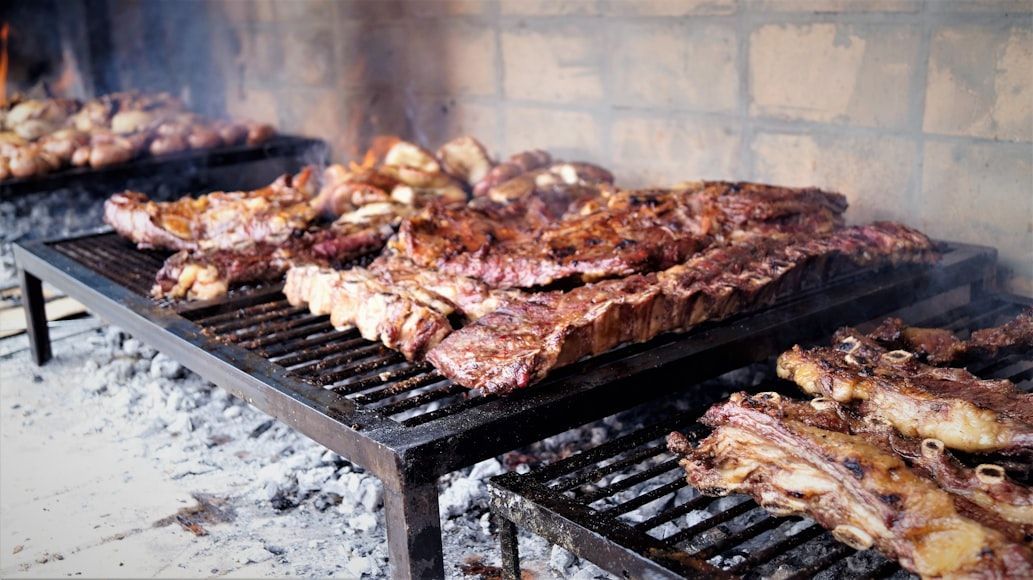
Many cultures eat offal, but not all started doing it out of necessity. In Argentine barbecues, offal (called achuras, a native word meaning ‘what is discarded’) is a staple alongside cuts of meat and sausages, but this was not always the norm.

South American meat is renowned for its quality, but there was a time when some parts of the cow were considered unsuitable for consumption. These discarded parts, from the brain to the intestine and everything in between, were recovered by the lower classes and made their way into Argentine cuisine, where nowadays every last part of the cow is consumed.



A journey through the linguistic melting pot we call English

10 everyday words we borrowed from other languages


Published on May 26, 2026


Image: Glen Carrie

English is like that friend who travels the world and comes back with souvenirs from every country, except instead of collecting snow globes, our language has been collecting words for over a thousand years. From Viking raids to Indian spice routes, English has never met a foreign word it didn't want to adopt. Here are ten everyday words that packed their bags and moved to English permanently.

1

1. Ketchup (from Chinese)

Image: Dennis Klein

You probably slather it on fries without thinking, but "ketchup" traveled incredibly far to reach your table. The word comes from Chinese "kê-tsiap," originally a fermented fish sauce from Fujian Province. British sailors discovered this tangy condiment during the 1600s trading adventures and brought both recipe and name back home.

The transformation from fish sauce to tomato condiment happened gradually as recipes traveled through Southeast Asia to America. By the 1800s, American cooks had swapped fish for tomatoes, creating today's sweet red sauce.

2

2. Barbecue (from Taíno)

Image: Karolina Grabowska

"Barbecue" comes from the Caribbean Taíno people. Their word "barbacoa" described slow-cooking meat on raised wooden platforms over fire. When Spanish explorers arrived in the New World, they adopted both the cooking technique and the name, which eventually became English "barbecue."

The Taíno were indigenous people whom Columbus first met in 1492. From Carolina pulled pork to Texas brisket, we're all participating in a 500-year-old culinary tradition.

3

3. Shampoo (from Hindi)

Image: Matthew Tkocz

Next time you're lathering up, thank Hindi for "shampoo." The word comes from Hindi "chāmpo," meaning "to massage." Originally, it didn't involve hair cleaning—it described full-body massage techniques popular in Indian bathhouses. British colonial officers discovered this relaxing practice and brought the word to England.

The transition from massage to hair-washing happened gradually. By the 1860s, British hairdressers used "shampoo" for washing and massaging scalps with soap and water. Commercial shampoo wasn't invented until 1930, but the word was already established.

4

4. Chocolate (from Nahuatl)

Image: Jessica Loaiza

Few words brought humanity as much joy as "chocolate," thanks to the Aztecs. It traces back to "xocolātl" in Nahuatl, the Aztec language. This wasn't sweet candy—it was a bitter, frothy drink made from cacao beans, often spiced with chili peppers, served to warriors and nobility. Spanish conquistadors initially weren't impressed by this strange, bitter beverage.

Everything changed when someone added sugar. Spanish monks in Mexican monasteries began sweetening the drink, creating an instant hit among European aristocracy. The word traveled with the recipe, reaching England and evolving into the familiar "chocolate" pronunciation we know today.

5

5. Pajamas (from Persian and Urdu)

Image: C. Shi

Your comfortable nightwear has surprisingly exotic origins. "Pajamas" comes from Persian and Urdu "pāy-jāma," literally meaning "leg garment." These weren't originally sleepwear—they were loose, comfortable pants worn during the day in India and Persia. British colonials adopted them as cool, practical clothing for hot climates, but they gradually became associated with bedtime.

The sleepwear transition probably happened because these garments were perfect for home relaxation. By the early 1900s, pajamas became standard nightwear for well-dressed Americans and Europeans.

6

6. Safari (from Arabic)

Image: Hu Chen

When you think "safari," you picture jeeps bouncing across African savannas, but the word comes from Arabic. "Safar" simply means "journey" or "travel," used throughout the Middle East and North Africa long before anyone photographed lions. The word entered Swahili as "safari" and reached English through European explorer accounts in East Africa.

The romantic safari notion as an African wilderness adventure was largely created by writers like Hemingway and 1920s wildlife photographers. What started as simply "trip" in Arabic became synonymous with exotic adventure and wild animals.

7

7. Yoga (from Sanskrit)

Image: Kike Vega

The ancient practice filling modern studios gets its name from the Sanskrit "yoga," meaning "union" or "to yoke together." This referred to uniting mind, body, and spirit through physical postures, breathing, and meditation. For thousands of years, yoga remained within Hindu and Buddhist traditions in India, practiced by dedicated spiritual seekers.

The journey from ancient ashrams to suburban fitness centers began in the 1960s when Eastern spirituality became popular in America. What started as a profound spiritual practice evolved into everything from "hot yoga" to "goat yoga." Whether achieving enlightenment or just touching your toes, you're participating in a 5,000-year-old tradition.

8

8. Zombie (from Haitian Creole)

Image: Henrik L.

Long before Hollywood fame, "zombies" were part of Haitian folklore. The word comes from "zonmi" in Haitian Creole, derived from "nzambi," meaning "god" in several African languages. In Vodou tradition, zombies weren't flesh-eating monsters but people whose souls were captured by sorcerers, leaving them trance-like. This was considered worse than death.

The word entered English through early 1900s ethnographic studies but took off after 1932's "White Zombie" starring Bela Lugosi. Hollywood transformed the concept from tragic spiritual victim to shambling, brain-eating creatures.

9

9. Vanilla (from Spanish)

Image: Chelsea Audibert

"Vanilla" might mean "boring" today, but it has unexpectedly spicy origins. It comes from Spanish "vainilla," diminutive of "vaina," meaning "sheath" or "pod." Spanish conquistadors described vanilla orchid pods that the Aztecs used to flavor chocolate drinks. The shape reminded them of female anatomy: "vaina" was also a sexual euphemism.

Spanish essentially called it "little sheath," with intentional innuendo. This exotic spice was so rare and expensive that it was reserved for royalty. How it became "plain" is mysterious—probably because vanilla became America's default ice cream flavor. Ironically, something once exotic and suggestively named is now considered the boring option. Aztecs, who valued vanilla above gold, would be mystified by our casual attitude.

10

10. Hurricane (from Taíno)

Image: NASA

Our final word returns to the Caribbean and Taíno people. "Hurricane" comes from "huracán," their storm god's name. This deity controlled powerful cyclones that regularly devastated Caribbean islands. Living in "Hurricane Alley," the Taíno had extensive experience with these massive storms and their destruction.

Spanish explorers encountering these devastating systems adopted the Taíno word along with a healthy respect for the storms. The word spread through European languages as more sailors experienced these tropical nightmares. It's fitting we still use the original Taíno word because, despite modern meteorology and satellite tracking, hurricanes remain as mysterious and powerful as the ancient storm god they're named after.

Looking for an extra scoop of literary fun?

Learn more with our Word of the day

initiative

/ɪˈnɪʃədɪv/