Whose line is it, anyway?

No, Churchill never said that: 10 wrongly attributed quotes


Published on January 19, 2026


Credit: Crisoforo Gaspar Hernandez

We’ve all seen those inspirational quotes floating around with famous names attached, like Gandhi, Einstein, or Churchill, to name a few, but how many of them are genuine? As it turns out, a lot of the most well-known quotes were never actually said by the people they're credited to. Here are 10 of the most famously misattributed quotes. Did you know about any of these?

1

"Let them eat cake." Not Marie Antoinette
Credit: Kaleb Duperre

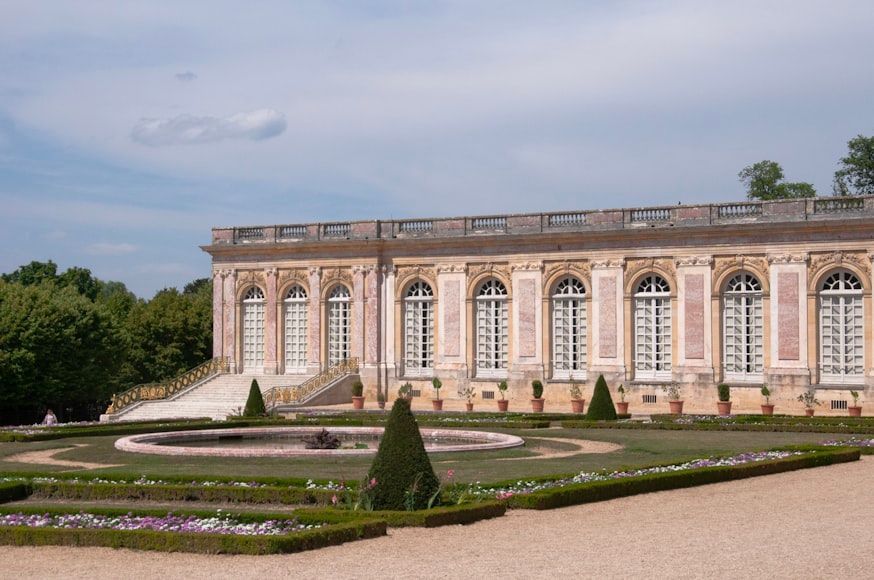
This infamous line was never said by Marie Antoinette. Actually, it appeared in Rousseau’s writing when the Queen was just a child.

It became a symbol of elite ignorance during the French Revolution, but blaming her directly is unfair historical myth-making.

2

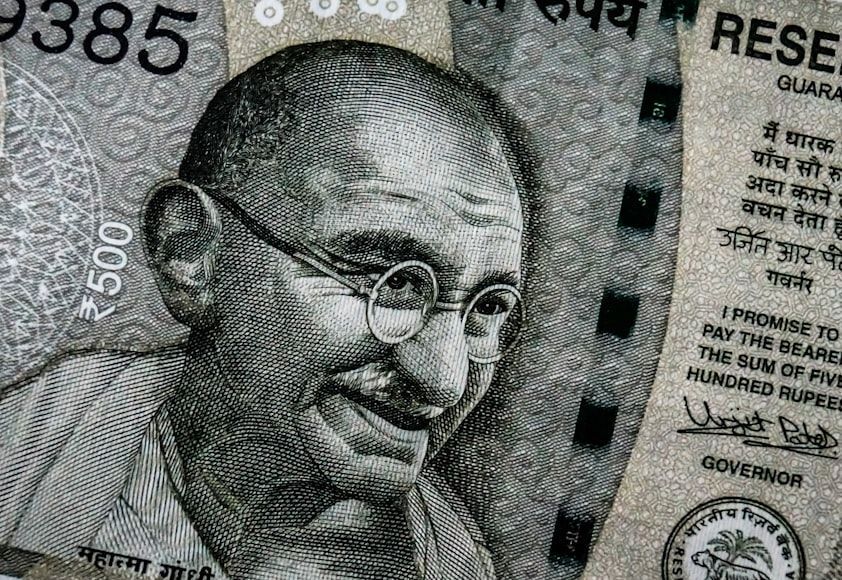
"Be the change you wish to see in the world." Not Gandhi
Credit: Ishant Mishra

Gandhi said and did many inspirational things, but he never said it like that. The quote is more of a paraphrase of his broader teachings on self-responsibility.


While it fits his vibe, this line, ubiquitous on Instagram, isn’t something he wrote or said.

3

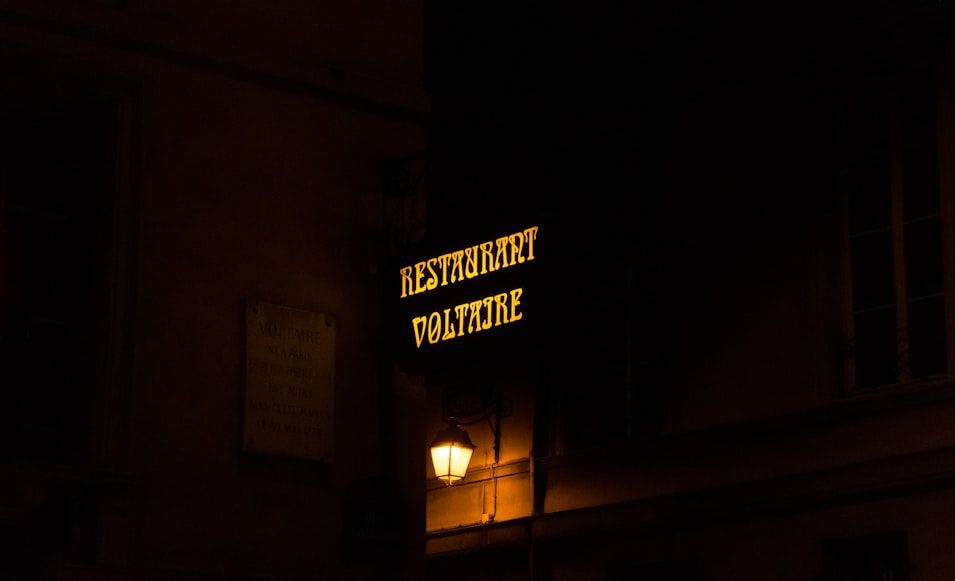
"I disapprove of what you say, but I will defend to the death your right to say it." Not Voltaire
Credit: Nicolas Michot

This quote was written by Evelyn Beatrice Hall, summarizing Voltaire’s attitude, but not quoting him directly.

Still, it sounds very much like something Voltaire would say, which is probably why it has been associated with his name over the years.

4

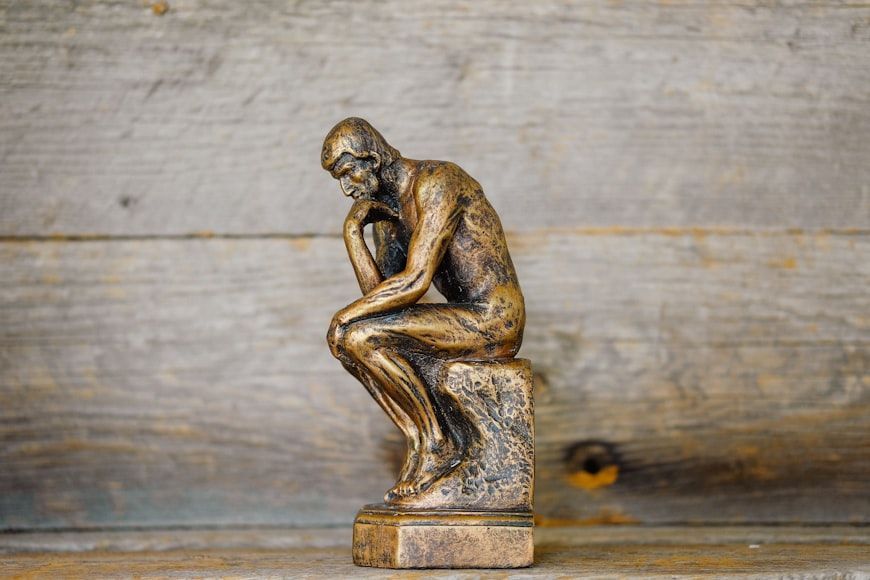
"The only thing necessary for the triumph of evil is for good men to do nothing." Not Edmund Burke
Credit: Kenny Eliason

Just as it happened with the fake quotes attributed to Gandhi and Voltaire, Burke never said this, but it is one of those lines that captures his general views, albeit not in the exact wording.

Despite that, it’s often slapped onto memes and motivational pictures with his name under it. Classic case of too good to fact-check.

5

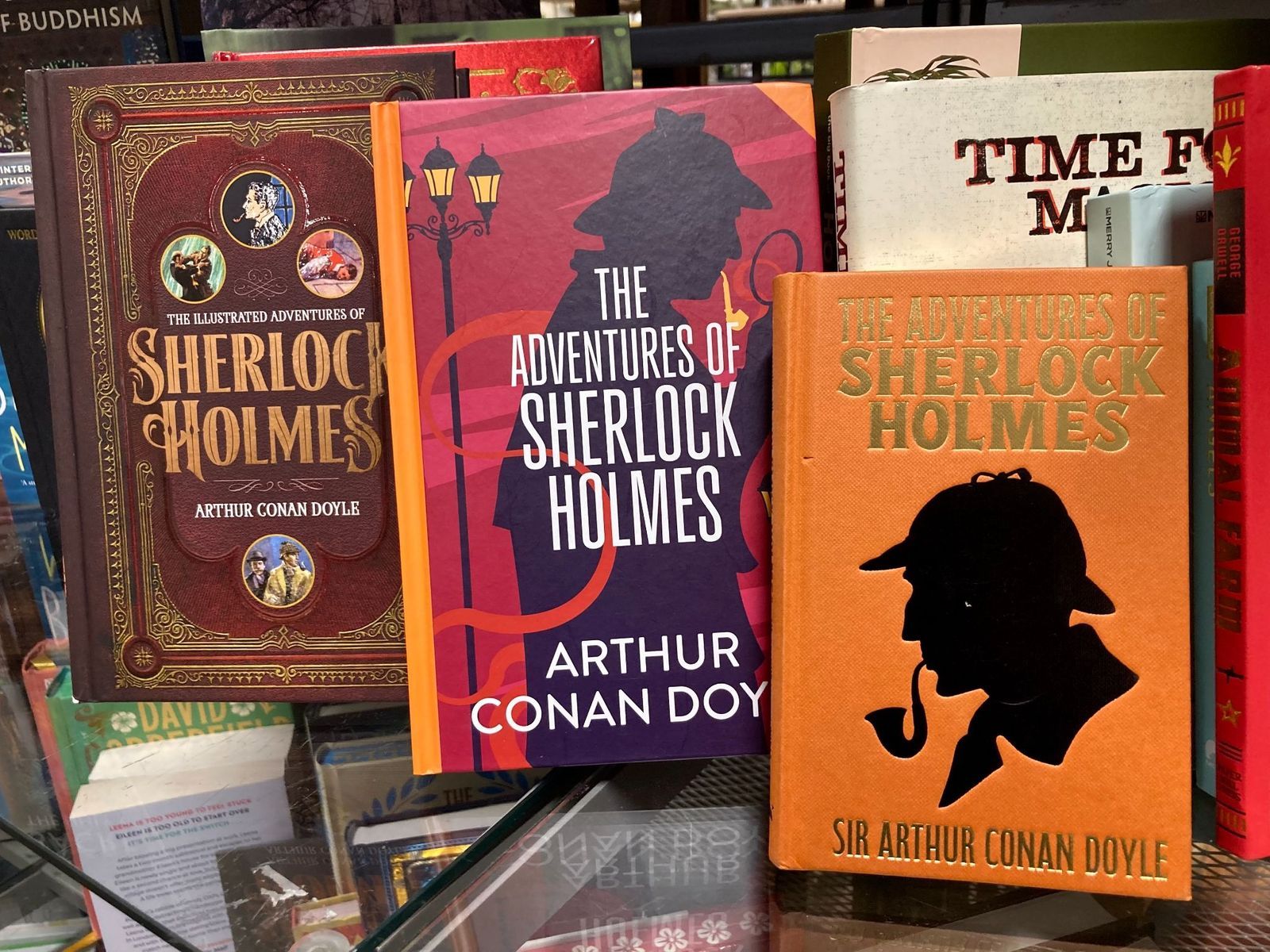
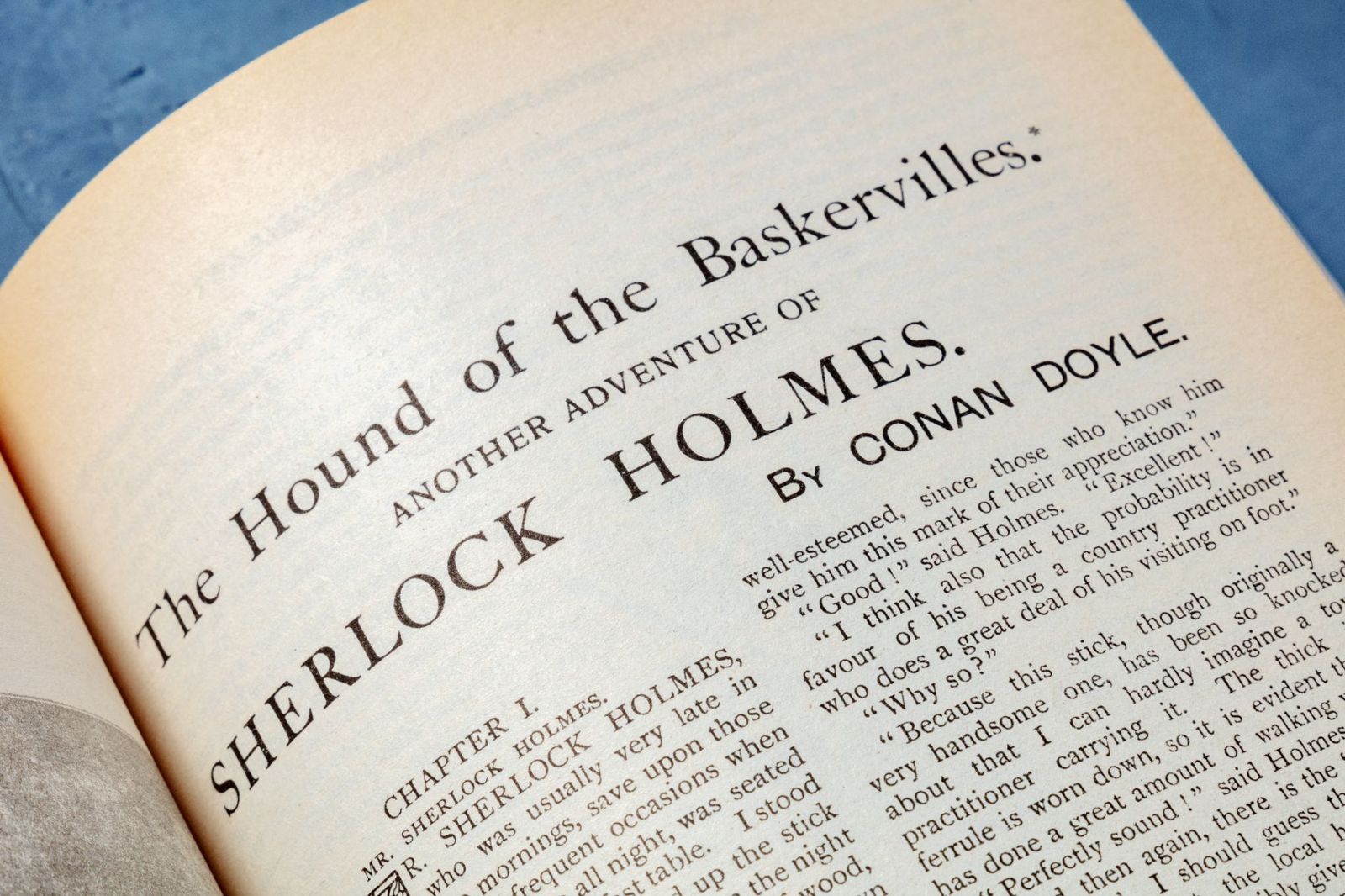
"Elementary, my dear Watson." Not Sherlock Holmes

Credit: Clément Falize

This might come as a shock, but Sherlock Holmes never actually said this in the books. The phrase was invented by screenwriters later on.


It stuck because it's catchy, but Arthur Conan Doyle's Holmes was a bit more verbose and formal in style.

6

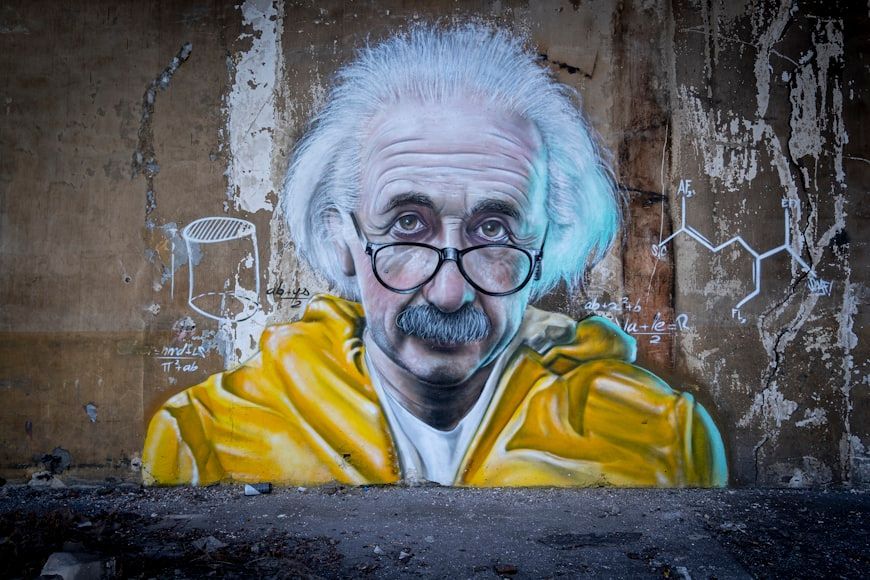
"Insanity is doing the same thing over and over and expecting different results." Not Einstein
Credit: Taton Moïse

This phrase has been widely attributed to Albert Einstein, but, despite what every motivational poster wants you to believe, the brilliant man didn’t say it.

It supposedly came from a Narcotics Anonymous text or a novel by Rita Mae Brown in the 1980s.

7

"If I had more time, I would have written a shorter letter." Not Mark Twain

Credit: Preston A Larimer

Although Mark Twain was as witty as they come, he didn’t say this. Instead, Blaise Pascal did, way back in 1657. The idea is that concise writing takes time.

Others like Churchill and Cicero expressed similar ideas, but Pascal was the first to put it so clearly.

8

"Blood, sweat, and tears." Not originally Churchill
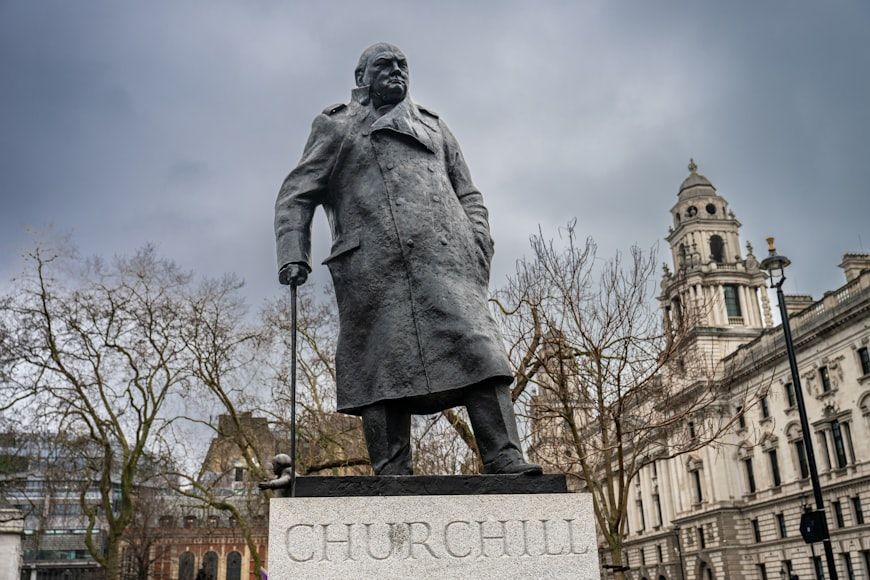
Credit: Toby Dagenhart

And while we are on the subject of Churchill, we can mention this line. He said "blood, toil, tears, and sweat," which is slightly clunkier but still powerful.


The simpler version predates him and was used by others, including Theodore Roosevelt and Garibaldi.

9

"I cannot tell a lie." Not George Washington
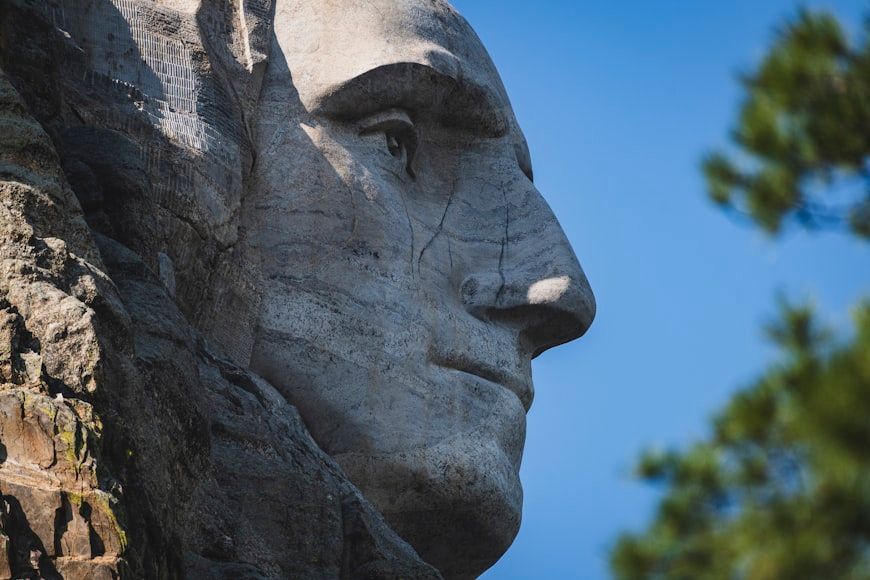
Credit: Jon Sailer

Believe it or not, the cherry tree story is fiction. It was made up by Mason Locke Weems to give Washington a moral glow.

There’s no real evidence that the first U.S. president ever said it, but it’s still in textbooks and kids’ stories.

10

"Well-behaved women seldom make history." Not Marilyn or Eleanor

Credit: Jarvik Joshi

This famous line wasn’t said by Marilyn Monroe or Eleanor Roosevelt. It was written by historian Laurel Thatcher Ulrich.

The reputed historian meant it as an observation, not a call to rebellion, but the internet memes gave it a whole new meaning.
Time-tested phrases

Time is money — And we'll tell you how and why


Published on January 19, 2026


Credit: Aron Visuals

Clocks, alarms, calendars: since ancient times, humans have been finding ways to measure time. And because time plays such a central role in our lives, it’s no surprise that it’s also a key part of our everyday language, often without us even realizing it. From trying to "beat the clock" to learning to "hold our horses" or waiting for something that happens "once in a blue moon," today we’re exploring the origins and meanings of 10 time-related idioms you’ve probably never stopped to think about.

1

A watched pot never boils

Credit: Michal Balog

"She kept pacing while waiting for the test results, but a watched pot never boils."

Remember that class in school that felt like it would never end? The more you watched the clock, the slower the minutes seemed to pass, making time feel like it stood still. That’s exactly when the idiom "a watched pot never boils" fits perfectly, capturing that impatient feeling we get when we’re desperately waiting for something to happen.

2

Waiting in the wings

Credit: Liam McGarry

"With the current mayor nearing retirement, several ambitious candidates are already waiting in the wings."

Theater has given us many of the idioms we use every day, most of them inspired by its traditions and stagecraft. The "wings," for example, are those areas on both sides of the stage, where actors stand before stepping into the spotlight. That’s where the expression "waiting in the wings" comes from; it describes someone who’s ready and poised for the perfect moment to act.

3

Time is money

Credit: Kevin Ku

"Don’t waste your morning scrolling through social media. Remember: time is money."

There’s one thing humanity has tried for ages but still hasn’t been able to achieve: turning back time. You can regret the past or wish with all your heart to relive it, but once time is gone, it’s gone. That’s where the popular saying "time is money" comes in, reminding us of the value of time and why we should use it wisely. Often credited to the brilliant Benjamin Franklin, it’s a phrase nearly everyone has heard or used at some point.

4

A stitch in time saves nine

Credit: Kateryna Shevchenko

"I told my friend to see a doctor when her cold started, because a stitch in time saves nine."

Originating from the world of sewing—where a quick stitch can stop a small tear from turning into a big rip—this idiom reminds us that the sooner we deal with a problem, the easier it is to fix. Do you live by that rule, or are you the type who waits until the hole in your shirt becomes impossible to ignore?

5

Once in a blue moon

Credit: Kym MacKinnonv

"We go to the beach together once in a blue moon, but it’s always special."

In astronomy, a blue moon refers to the second full moon in a single calendar month. Despite the name, it has nothing to do with the moon’s color. Since this event happens only about once every two or three years, the expression "once in a blue moon" is used to describe something that occurs very rarely—or almost never.

6

Beat the clock

Credit: Andy Beales

"The firefighters beat the clock and stopped the flames from spreading."

You wake up at 8:15 and need to be at the office by 9. If you actually make it, you can proudly say you "beat the clock." This expression, meaning to finish something just in time or before a deadline, likely originated in the world of sports, especially racing. But it really became popular thanks to the TV game show Beat the Clock, where contestants had to complete fun challenges before time ran out.

7

A whale of a time

Credit: Mayte Garcia Llorente

"Grandpa had a whale of a time telling us his old adventure stories."

We’ve all had that moment after a fun night out with friends when you get home, smile to yourself, and think about how great the event was. That’s when you can say you had "a whale of a time." This expression dates back to the 19th century and uses the whale’s enormous size as a metaphor for the big, unforgettable experience you’ve just had.

8

Hold your horses

Credit: Kimberly Archambault

"I know you’re excited about the trip, but hold your horses until we finish packing."

You don’t have to live in the countryside to know that when you’re riding a horse or driving a cart, you need to pull on the reins to slow down or stop. That’s exactly what this idiom is about: patience and self-control. When someone tells you to "hold your horses," they’re suggesting that you should wait a moment or proceed more carefully in a situation.

9

The time is ripe

Credit: Rosario Fernandes

"She felt the time was ripe to tell her family about her plans."

No matter how hungry you are, if you take that delicious pie out of the oven too soon, it probably won’t turn out right. Sometimes, it’s better to wait for the perfect moment. Just like when harvesting fruit, you wait until it’s fully ripe before picking it. That’s exactly what the idiom "the time is ripe" communicates: it’s the right moment to take action.

10

Hang fire

Credit: Petra Reid

"I’ll hang fire on making my decision until I’ve spoken with everyone involved."

Back in the 17th century, things weren’t like they are today; even firearms worked differently. Flintlock guns, for example, sometimes had a delay between pulling the trigger and the bullet firing. This specific malfunction gave rise to the idiom "hang fire," which refers to any situation or person that is delayed or hesitant.

Looking for an extra scoop of literary fun?

Learn more with our Word of the day

absence

/ˈæbsən(t)s/