And not just ships

What name would you give a car, or a boat, if you had to?


Published on April 20, 2026
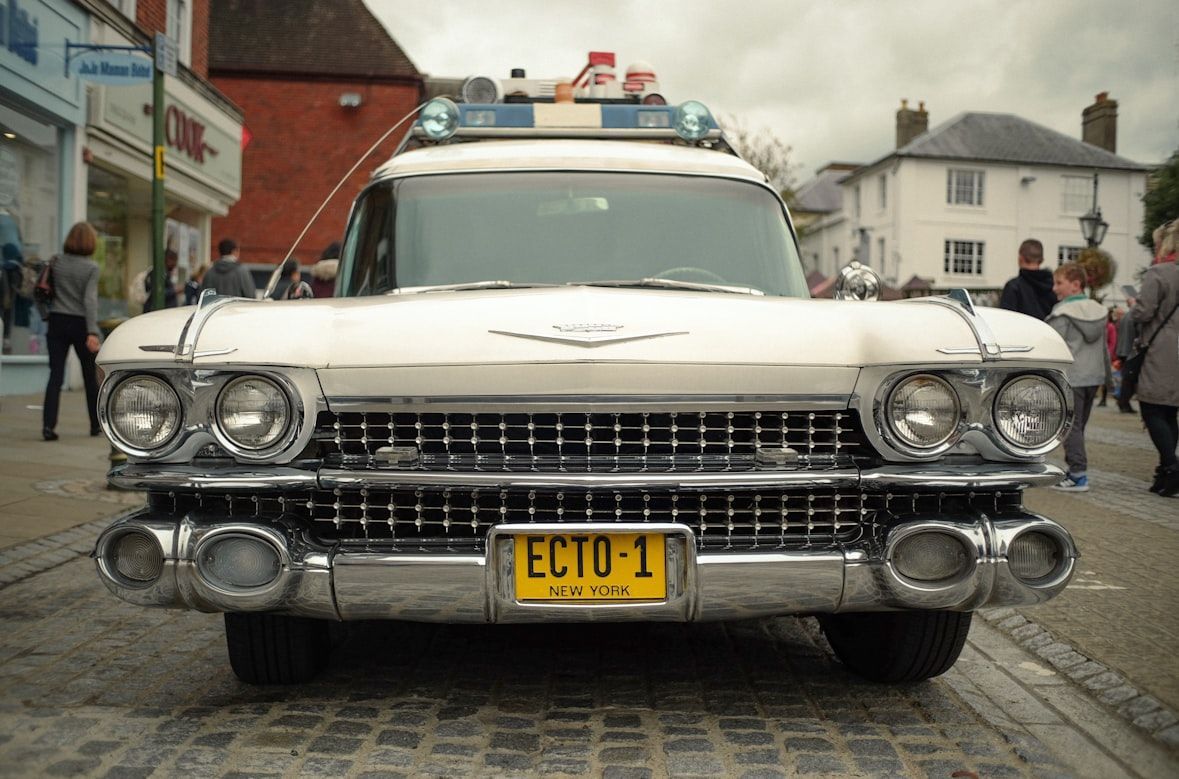

Image: Viktor Forgacs

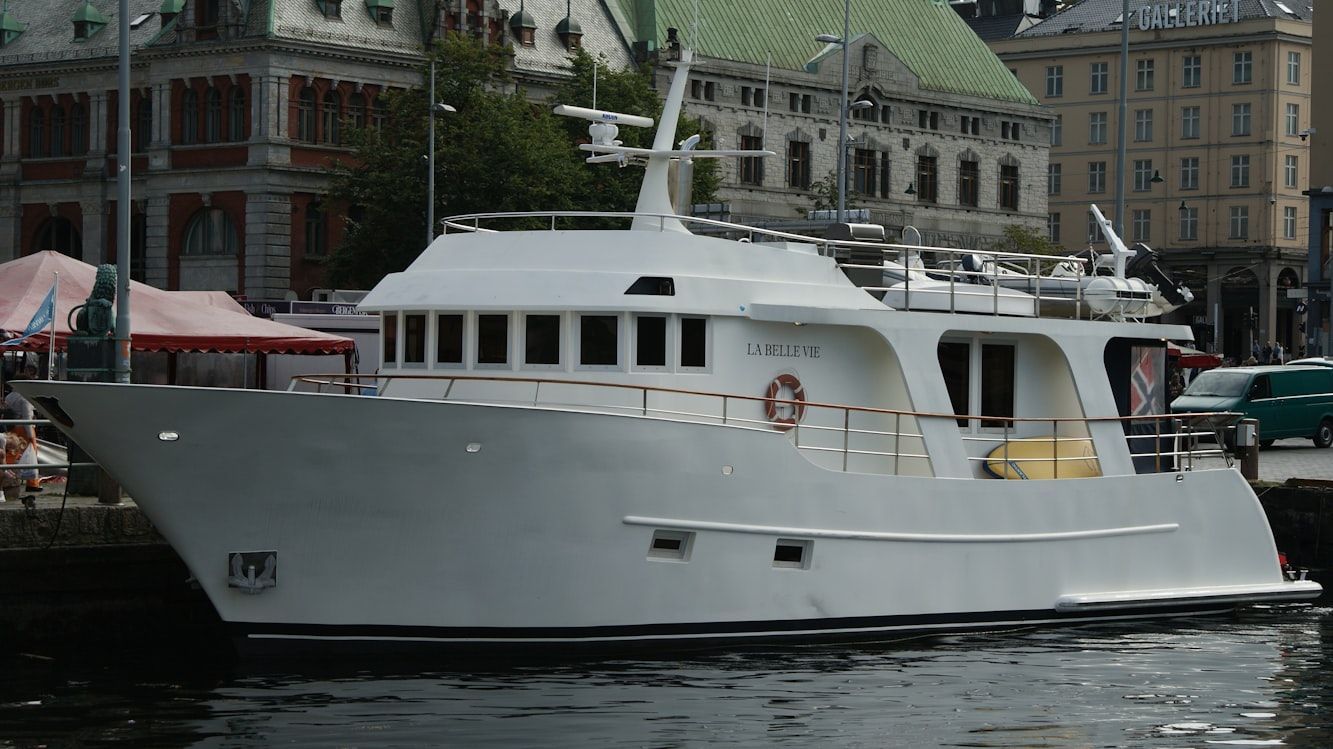
The timeless tradition of naming vehicles is not reserved only for ships but, as it turns out, for anything else as well. Americans in particular tend to name machines as if they were people. When a car, boat, plane, or any other means of transport becomes familiar enough, through daily use or popular culture, it probably ends up earning a nickname. Which of the following 11 is your favorite?

1

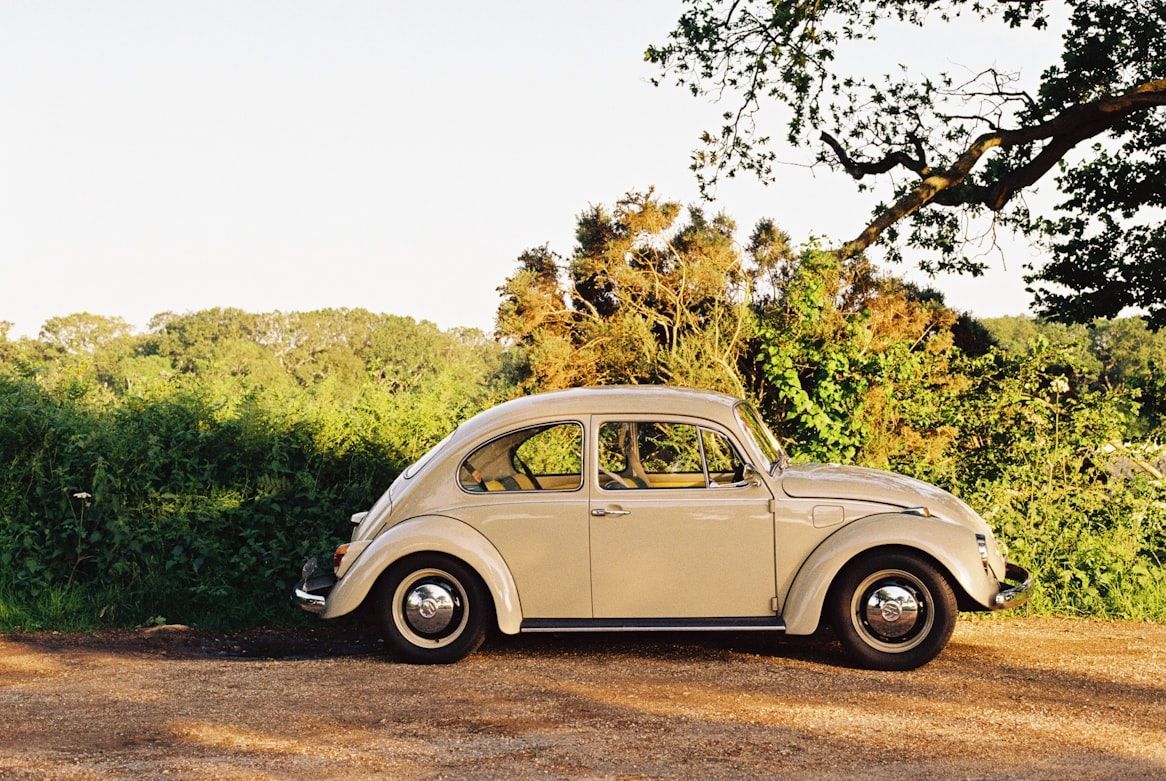
Herbie, The Love Bug

Image: Annie Spratt

This cheerful Volkswagen Beetle from a long-running Disney film series wasn’t just transportation: it had emotions, opinions, and a somewhat stubborn streak. The friendly name "Herbie" helped audiences accept the idea of a car with a personality.

By pairing a humble compact car with a human nickname, the films transformed an everyday vehicle into a charismatic character that many people embraced.

2

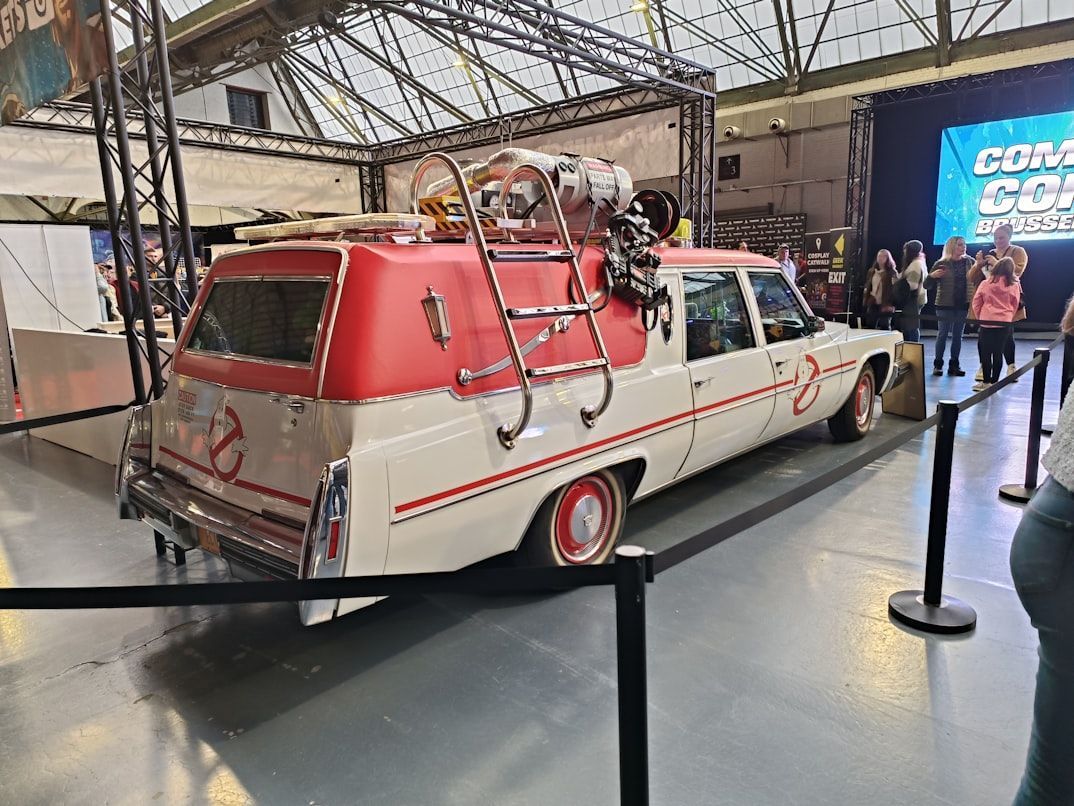
Ecto-1

Image: Jean-Luc Picard

The Ghostbusters’ iconic Cadillac hearse became famous under this strange, technical-sounding name. "Ecto-1" felt halfway between scientific equipment and a comic-book invention.

The nickname balanced spooky imagery with lighthearted absurdity, turning a creepy old vehicle into a lovable symbol of heroism and DIY aesthetic.

3

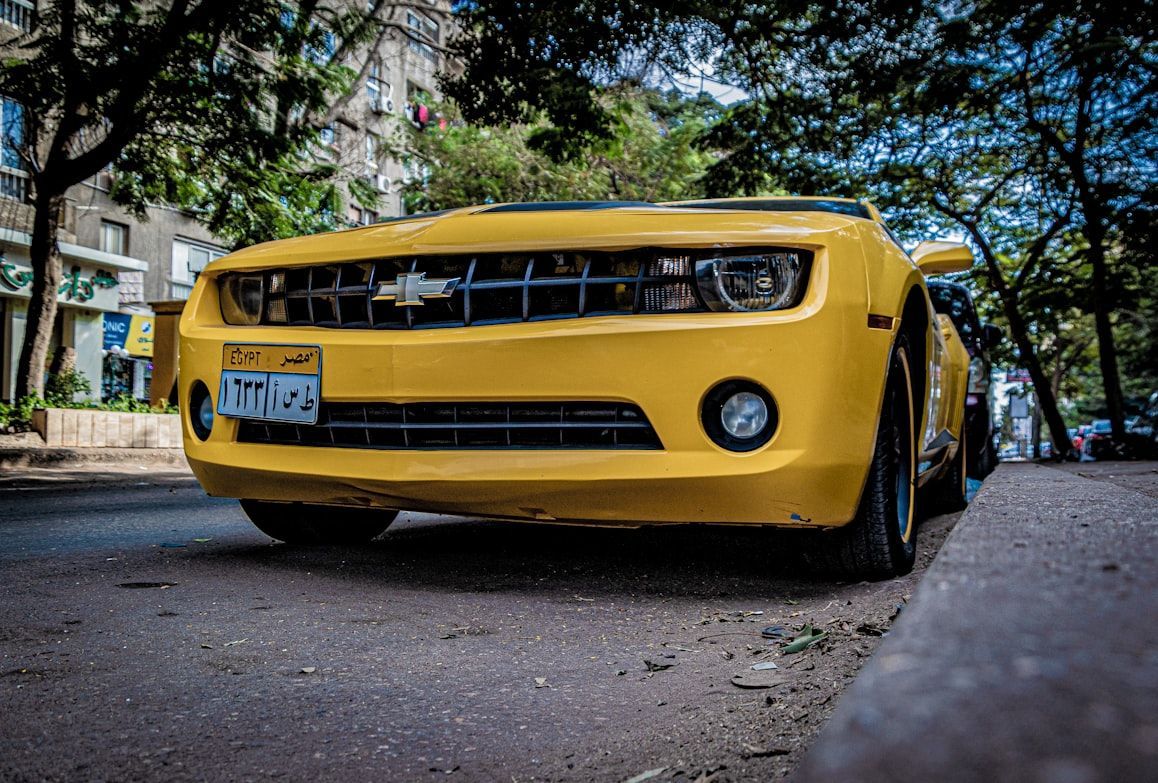
Bumblebee

Image: Michael Starkie

In the Transformers films, Bumblebee stood out for his loyalty, friendliness, and expressive nature. The nickname suggested warmth and charm rather than mechanical power.

By choosing such a gentle name, the films helped audiences emotionally connect with a robot, proving that personality can play a huge role even in a car.

4

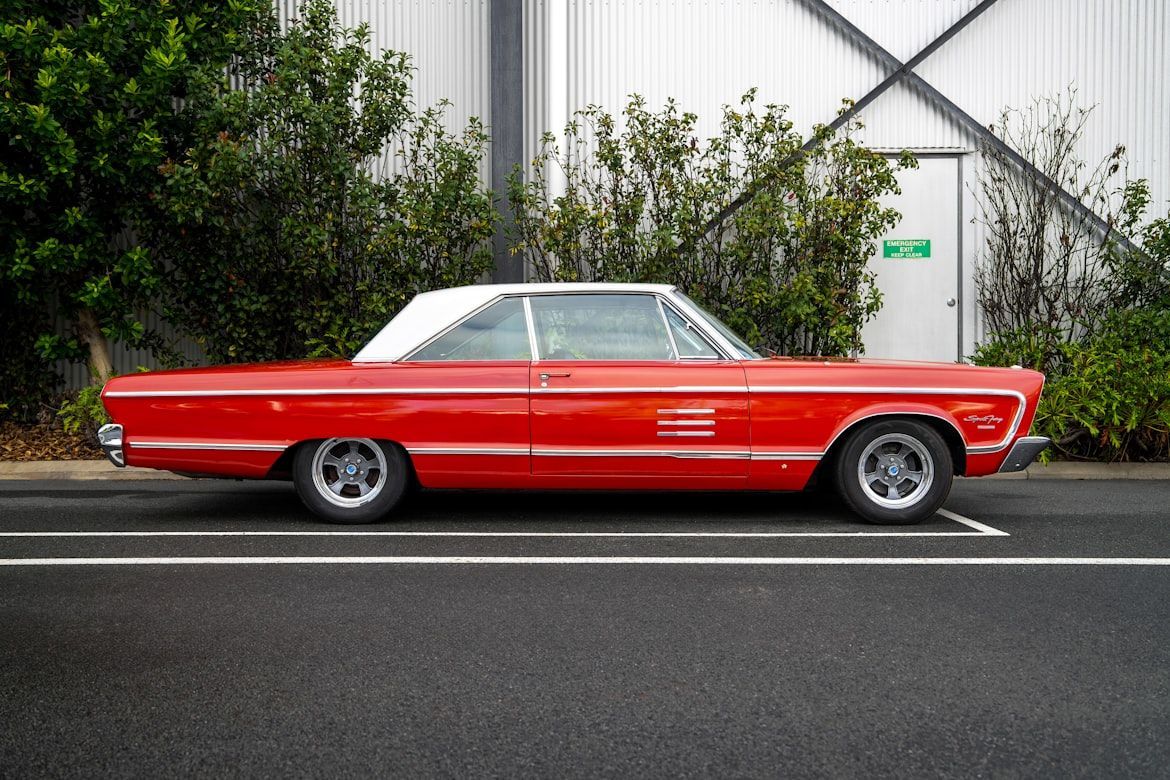
Christine

Image: Mat Kilkeary

The Plymouth Fury in the Stephen King horror story carried a sweet, ordinary human name that sharply contrasted with its violent nature.

Calling a murderous car "Christin" made it look as if it were disturbingly alive, showing how innocent-sounding names can heighten unease rather than soften it.

5

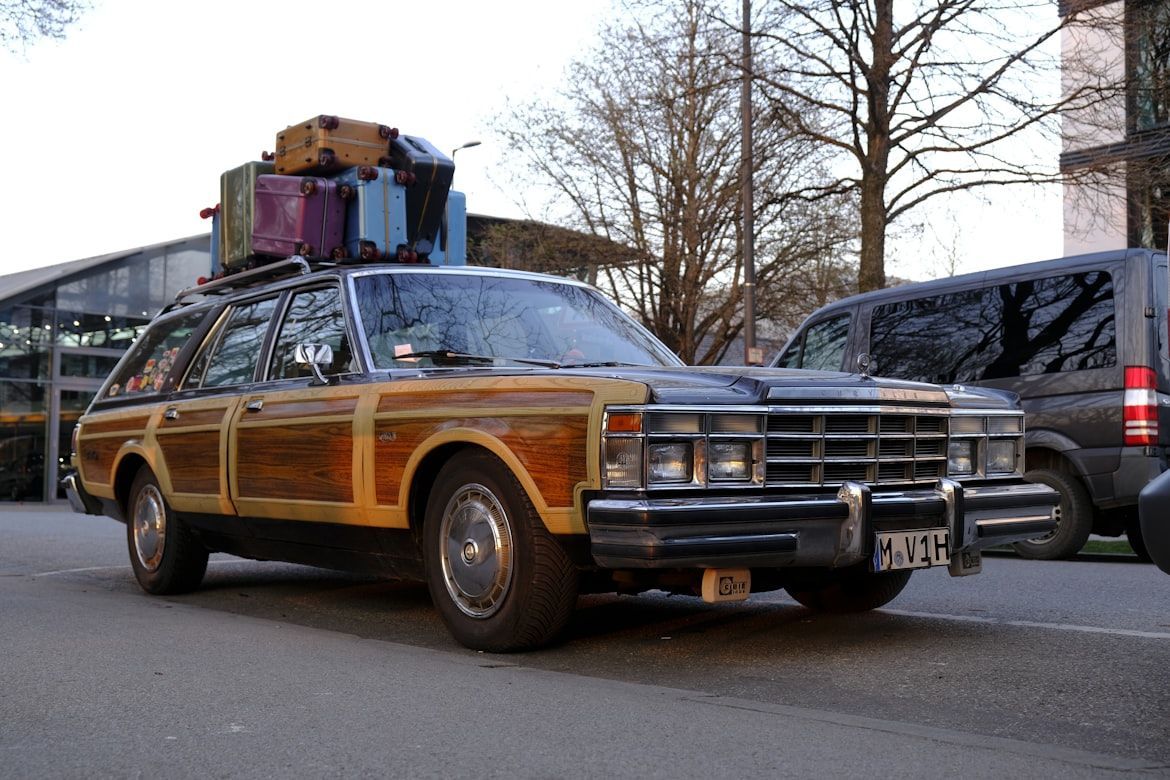
The Family Truckster

Image: Zlatko Đurić

This infamous station wagon from National Lampoon’s Vacation had a name that sounded proudly practical and painfully dull. That was entirely the joke.

The nickname perfectly captured the car’s role as a symbol of family optimism gone wrong.

6

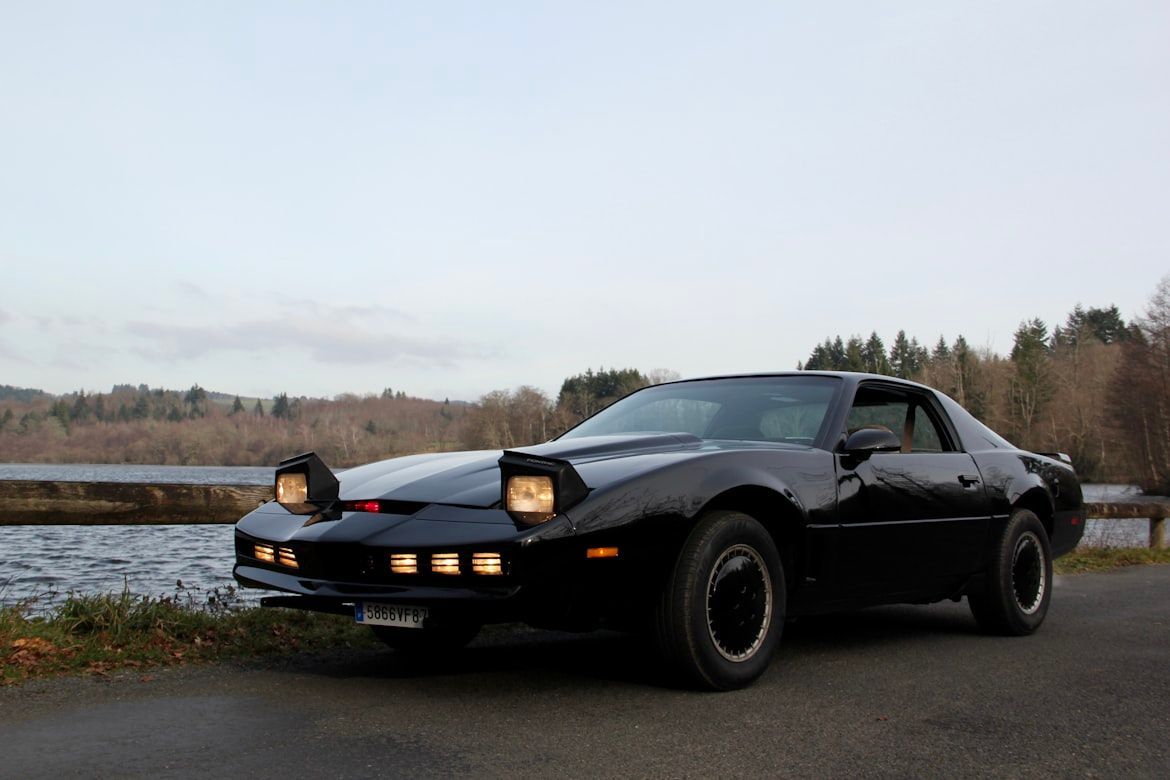
KITT

Image: Arthur Besnard

Short for "Knight Industries Two Thousand," KITT was a talking car with intelligence, sarcasm, and moral judgment. The acronym softened its advanced technology.

Rather than sounding cold or futuristic, the shortened name suggested companionship, helping viewers accept a machine as a trusted partner rather than a tool.

7

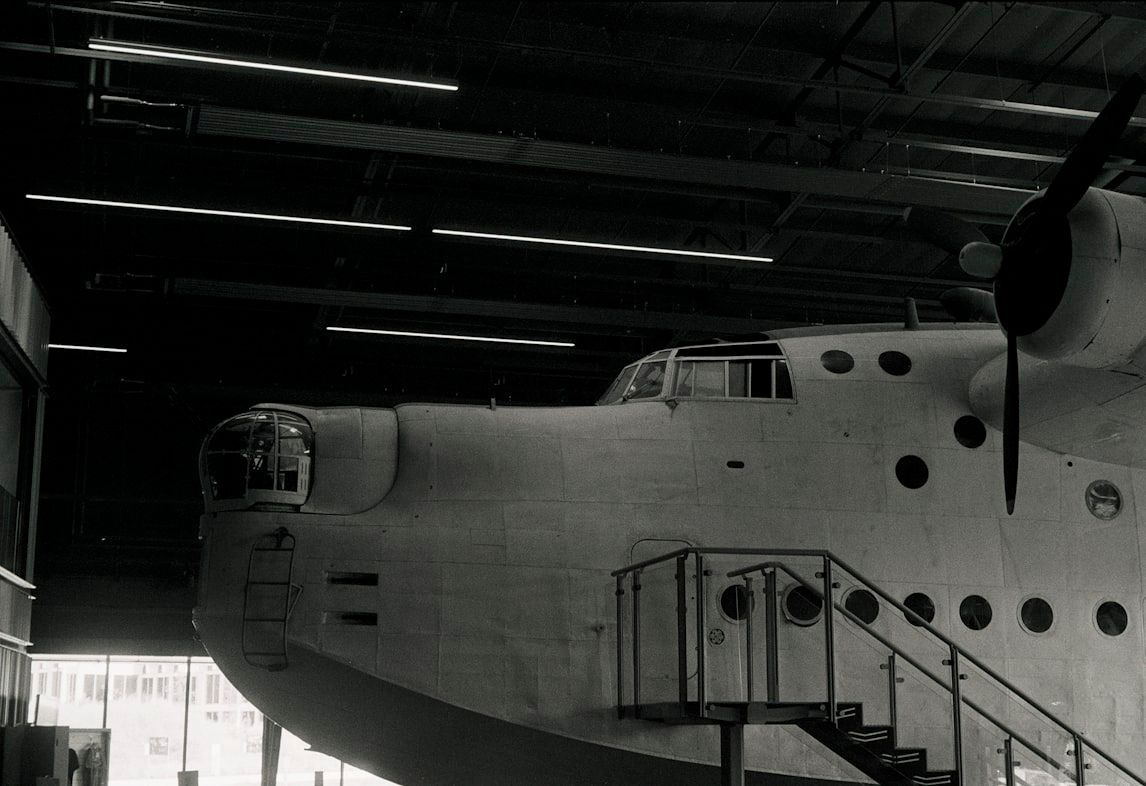
The Spruce Goose

Image: Dan Dodman

Howard Hughes’s massive experimental aircraft officially had a technical name, but the public preferred this quirky name. "Spruce Goose" stuck like glue once it was known.

The playful label softened the plane’s ambition and controversy, making an engineering oddity easier to remember and talk about.

8

The Spirit of St. Louis

Image: Matias Luge

Charles Lindbergh’s historic airplane carried a name that sounded poetic and hopeful. It emphasized civic pride rather than machinery.

That lyrical nickname helped turn a technical achievement into a national story of bravery and ambition.

9

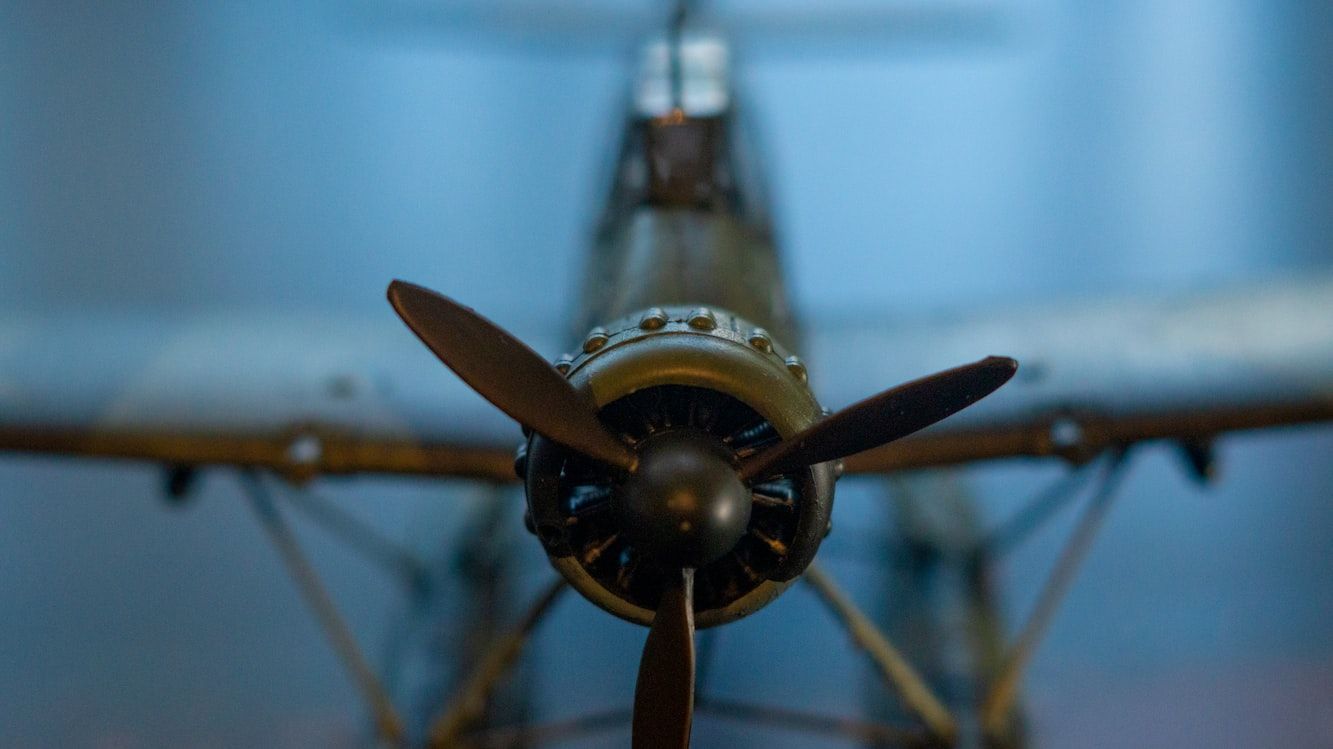
Snoopy’s Sopwith Camel

Image: Fujiphilm

In the Peanuts comic strip, Snoopy’s doghouse doubles as this imaginary World War I fighter plane. The nickname blends history with childhood fantasy.

The vessel’s name gently parodied heroism while marking the imagination of the leading character.

10

The Minnow

Image: Alan Bowman

This tour boat from Gilligan’s Island earned a name that highlighted its size. The irony was a trademark of the comedy series.

Calling it the Minnow made its outsized impact funnier, reinforcing the show’s theme that small mistakes can have huge consequences.

11

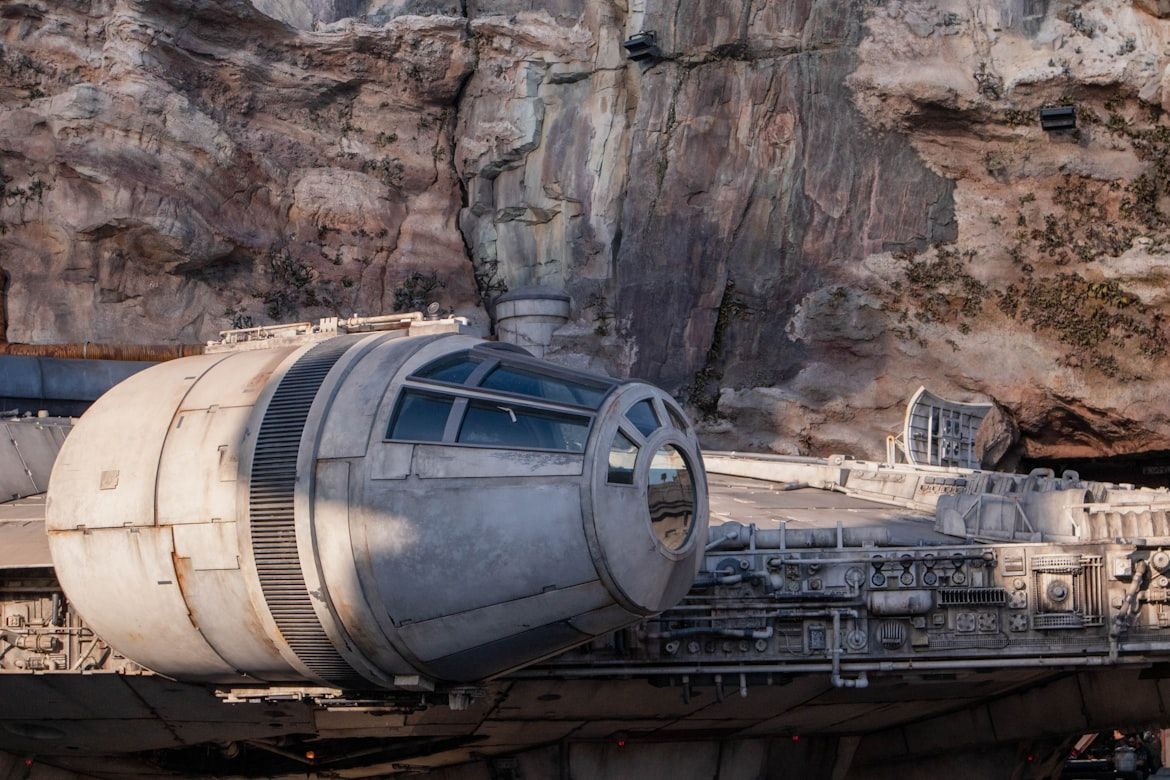
The Millennium Falcon

Image: Josué AS

Han Solo’s famously unreliable spaceship carried a name suggesting speed and nobility. The contrast was intentional and memorable.

Calling it the Millennium Falcon elevated a beat-up vessel into legend, proving names can create mythology.


Happy accidents

How a melted candy bar led to microwaves—and 9 more crazy stories


Published on April 20, 2026


Image: Chiara Guercio

They say every crisis hides an opportunity—and sometimes, a small mistake or a twist of fate can become the turning point in an otherwise ordinary life. From career shifts sparked by injury to small moments of curiosity that led to breakthroughs in science and culture, these 10 stories prove that even the most unexpected setbacks can lead to extraordinary outcomes.

1

A walk in the woods

Image: Keenan Barber

In 1941, Swiss engineer Georges de Mestral noticed burrs clinging to his clothes during a walk with his dog—an observation that sparked a revolutionary invention. Curious, he examined the seeds under a microscope and saw their tiny hooks, which eventually inspired the hook-and-loop fastener now known as Velcro.

He patented the invention in 1955, and it was later adopted by NASA and the military, ultimately earning de Mestral a fortune and a lasting legacy in textile innovation.

2

A new color

Image: Art Institute of Chicago

In the early 1700s, a German chemist accidentally created a deep blue pigment while trying to make red—but the mixture oxidized into a striking new hue. Impressed by its richness, he preserved the formula and named it Prussian Blue.

Artists quickly embraced the color, which became widely used in paintings and later in blueprints. Prussian Blue appears in famous works like Hokusai’s The Great Wave and Van Gogh’s The Night Café.

3

A lab mistake

Image: Adrian Lange

In 1928, Alexander Fleming accidentally left a petri dish uncovered before leaving on vacation.

When he returned, he noticed mold had killed the bacteria around it—a chance observation that led to the groundbreaking discovery of penicillin.

4

A blind genius

Image: Ramona

Louis Braille was blinded at age 3 after an accident in his father's workshop. Sharp-minded and eager to learn, he impressed his teachers and was granted access to higher education.

By age 15, he had developed a tactile alphabet that became the Braille system. His method revolutionized accessibility for the blind and is still used worldwide today.

5

The gentle surgeon

Image: Jonathan Borba

Ambroise Paré, a 16th-century battlefield surgeon, once ran out of boiling oil used to cauterize wounds. In its place, he tried an old Roman remedy made of egg yolk, oil, and turpentine—and found it healed wounds far better than the traditional method.

He also introduced the use of ligatures (silk threads) to tie off blood vessels during amputations, helping shift surgery toward gentler, more effective treatments.

6

A dangerous experiment

Image: Sergey Omelchenko

While studying pitchblende, a uranium-rich ore, Marie Curie accidentally discovered the strange, invisible energy we now know as radioactivity. Her groundbreaking research revealed that certain elements could emit powerful, previously unknown forms of energy.

Unaware of the risks, Curie handled radioactive materials without protection for years. Her prolonged exposure eventually led to leukemia, which caused her death in 1934.

7

Sounds through wires

Image: Wesley Hilario

While experimenting with the telegraph, Alexander Graham Bell accidentally heard sound vibrations transmitted through wires. This unexpected moment sparked his interest in sending the human voice electrically.

Building on this idea, Bell developed the first practical telephone, changing global communication forever.

8

A fateful accident

Image: Gabriella Clare Marino

At 18, Frida Kahlo was severely injured in a bus accident, suffering multiple broken bones and internal injuries. The trauma left her in chronic pain and required long periods of bed rest.

During her recovery, she began painting from her hospital bed, using a special easel and mirror. What started as a form of therapy soon evolved into a powerful artistic voice, launching her legendary career.

9

A plane crash in the desert

Image: Jon Vio

In 1935, Antoine de Saint-Exupéry crashed in the Libyan desert while flying a mail route. He and his mechanic nearly died of dehydration before being rescued by Bedouins after several days.

The harrowing experience left a lasting impact on Saint-Exupéry, who later wrote The Little Prince. The book became one of the most translated and cherished works in literary history.

10

A melted candy bar

Image: Brett Jordan

While working near an active radar set, Raytheon engineer Percy Spencer noticed a candy bar had melted in his pocket. Intrigued, he directed the microwaves at some popcorn—and watched it pop.

That curious accident led to the invention of the microwave oven, a now-essential household appliance born entirely by chance.

Looking for an extra scoop of literary fun?

Learn more with our Word of the day

ballsy

/ˈbɔlzi/