And not just ships

Naming a vehicle? Trickier than you might think!


Published on April 20, 2026
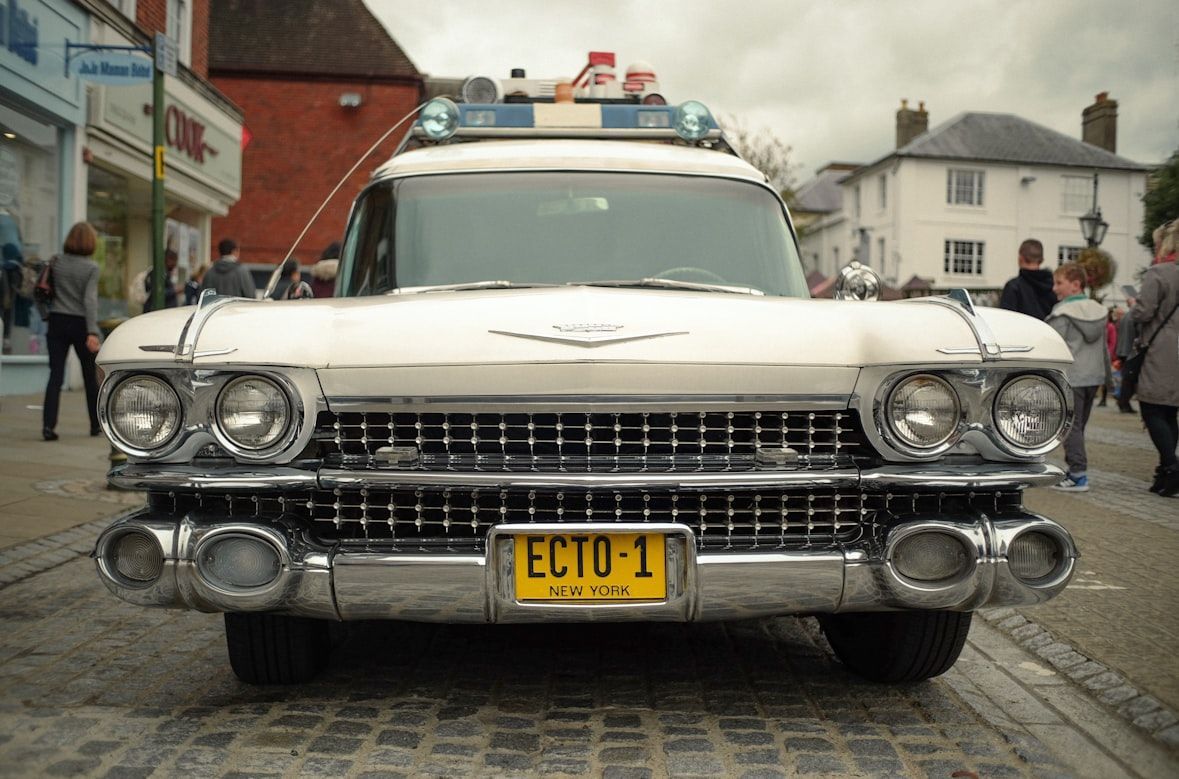

Image: Viktor Forgacs

The timeless tradition of naming vehicles is not reserved only for ships but, as it turns out, for anything else as well. Americans in particular tend to name machines as if they were people. When a car, boat, plane, or any other means of transport becomes familiar enough, through daily use or popular culture, it probably ends up earning a nickname. Which of the following 11 is your favorite?

1

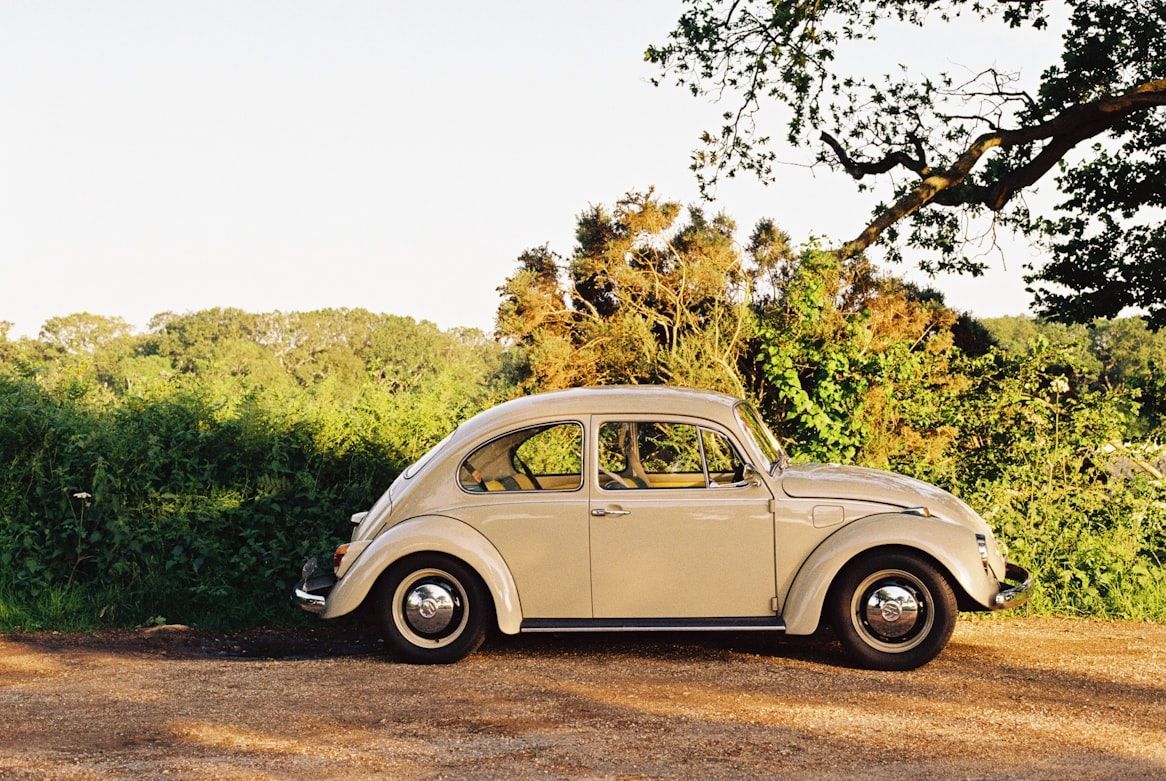
Herbie, The Love Bug

Image: Annie Spratt

This cheerful Volkswagen Beetle from a long-running Disney film series wasn’t just transportation: it had emotions, opinions, and a somewhat stubborn streak. The friendly name "Herbie" helped audiences accept the idea of a car with a personality.

By pairing a humble compact car with a human nickname, the films transformed an everyday vehicle into a charismatic character that many people embraced.

2

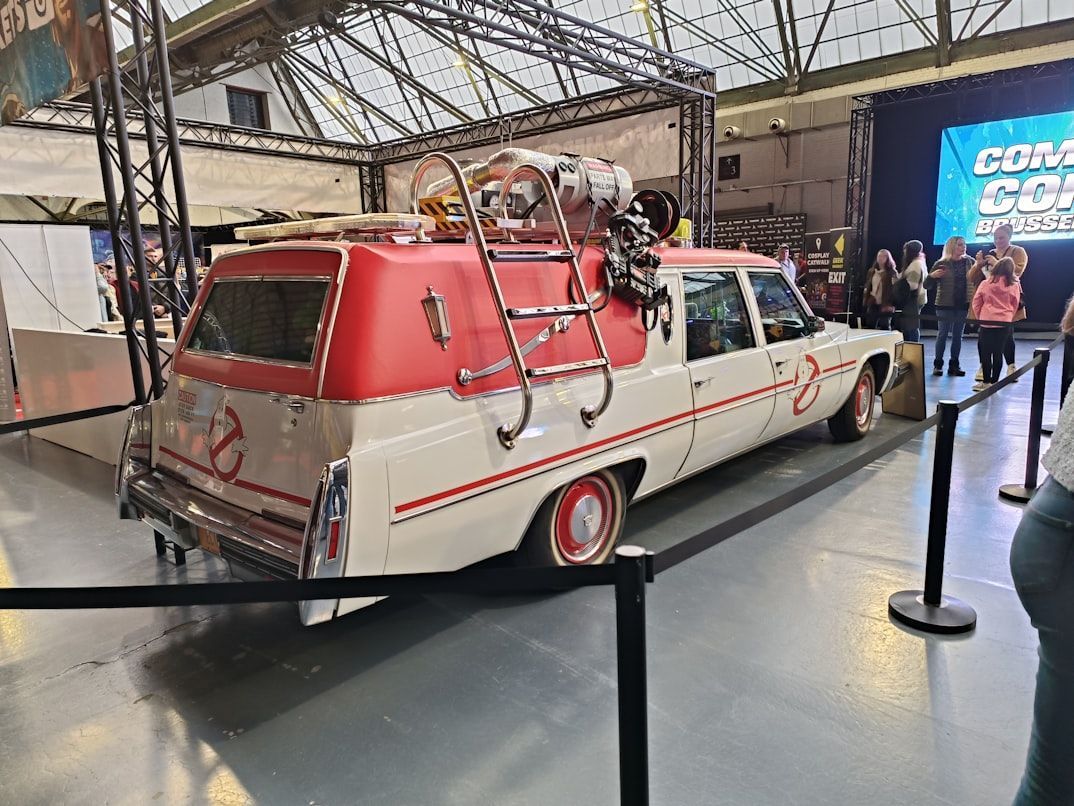
Ecto-1

Image: Jean-Luc Picard

The Ghostbusters’ iconic Cadillac hearse became famous under this strange, technical-sounding name. "Ecto-1" felt halfway between scientific equipment and a comic-book invention.

The nickname balanced spooky imagery with lighthearted absurdity, turning a creepy old vehicle into a lovable symbol of heroism and DIY aesthetic.

3

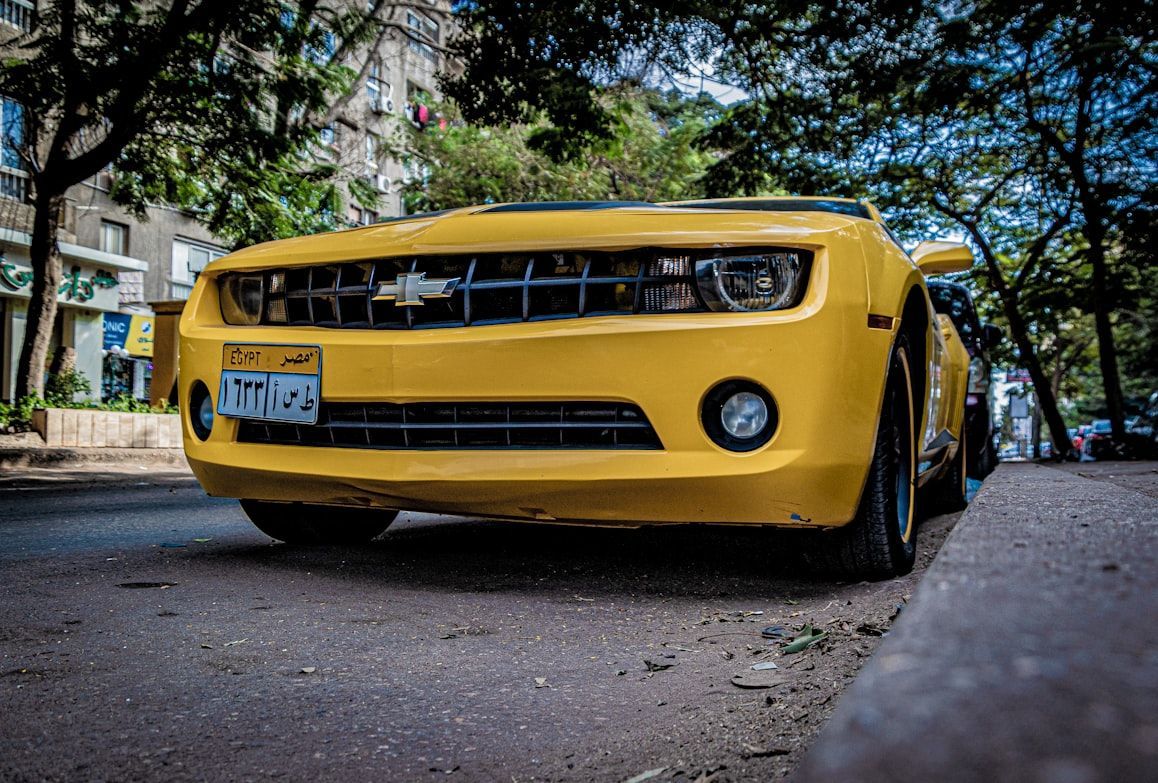
Bumblebee

Image: Michael Starkie

In the Transformers films, Bumblebee stood out for his loyalty, friendliness, and expressive nature. The nickname suggested warmth and charm rather than mechanical power.

By choosing such a gentle name, the films helped audiences emotionally connect with a robot, proving that personality can play a huge role even in a car.

4

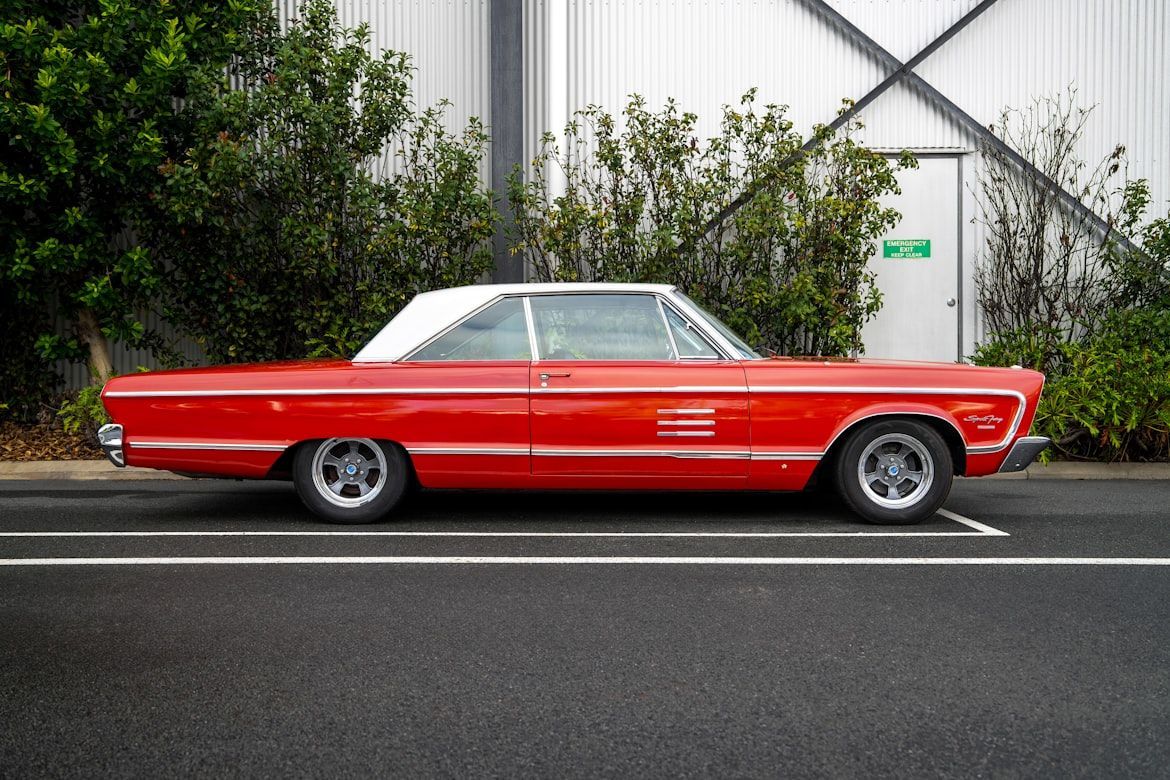
Christine

Image: Mat Kilkeary

The Plymouth Fury in the Stephen King horror story carried a sweet, ordinary human name that sharply contrasted with its violent nature.

Calling a murderous car "Christin" made it look as if it were disturbingly alive, showing how innocent-sounding names can heighten unease rather than soften it.

5

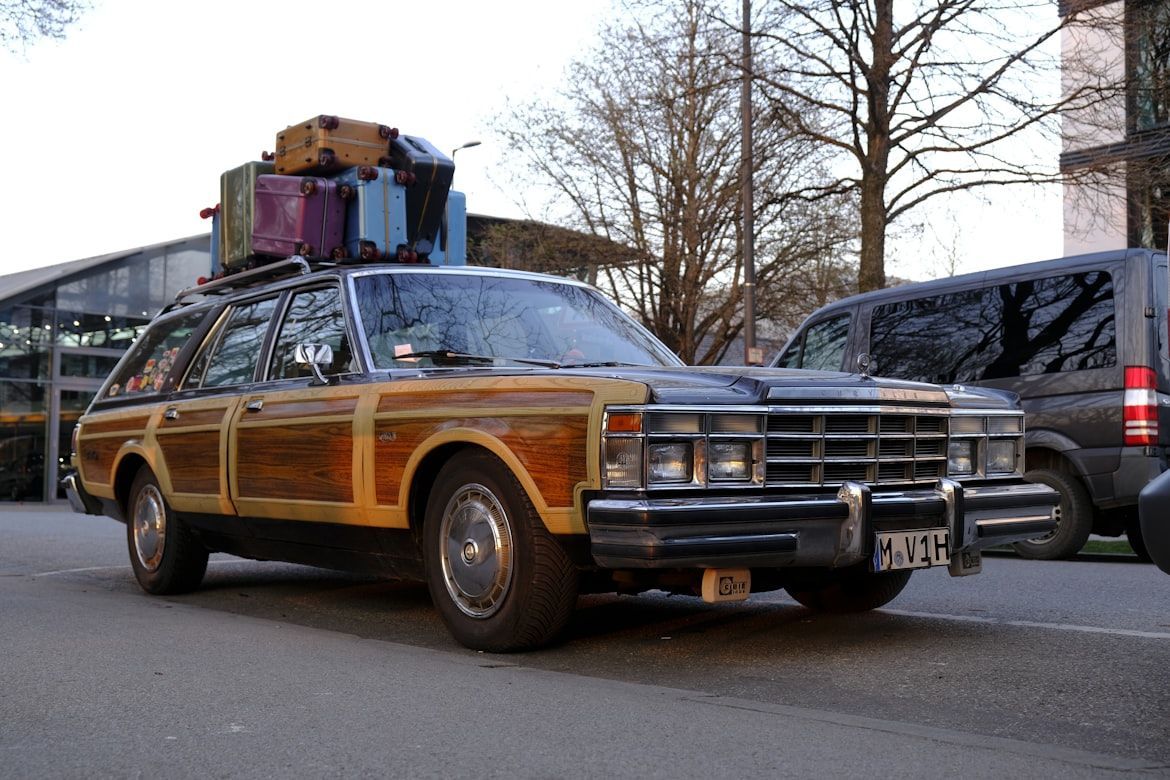
The Family Truckster

Image: Zlatko Đurić

This infamous station wagon from National Lampoon’s Vacation had a name that sounded proudly practical and painfully dull. That was entirely the joke.

The nickname perfectly captured the car’s role as a symbol of family optimism gone wrong.

6

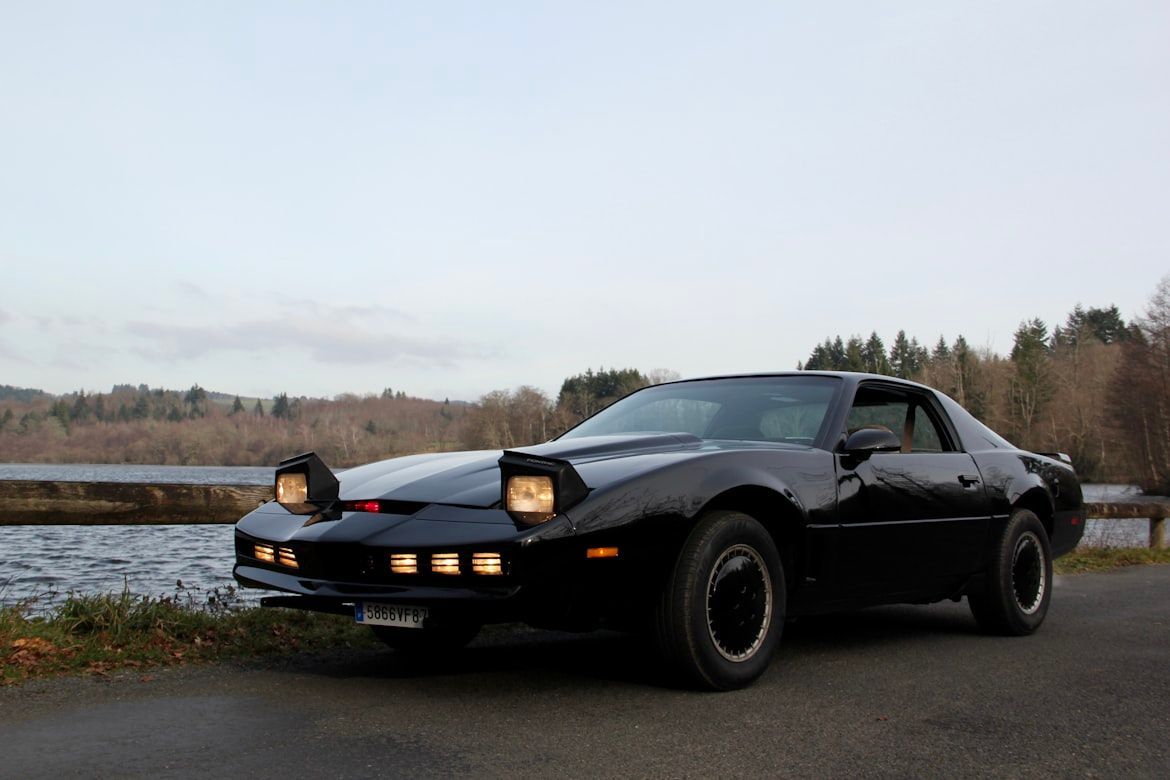
KITT

Image: Arthur Besnard

Short for "Knight Industries Two Thousand," KITT was a talking car with intelligence, sarcasm, and moral judgment. The acronym softened its advanced technology.

Rather than sounding cold or futuristic, the shortened name suggested companionship, helping viewers accept a machine as a trusted partner rather than a tool.

7

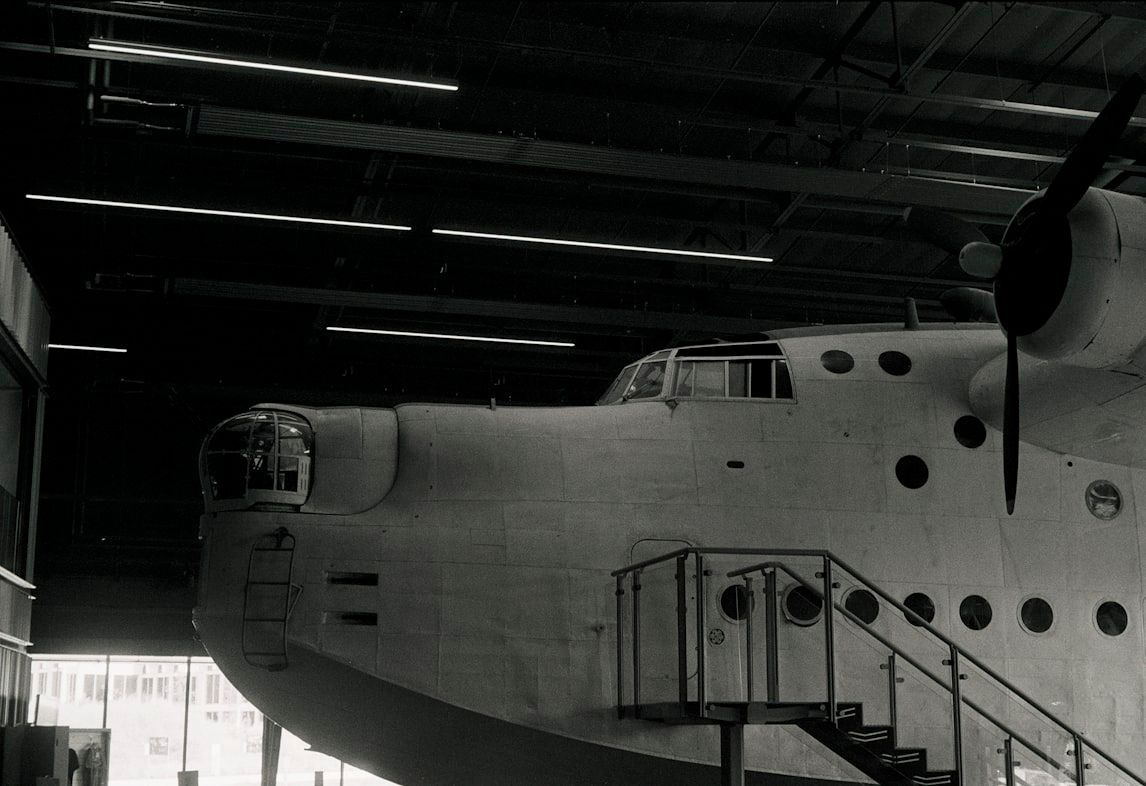
The Spruce Goose

Image: Dan Dodman

Howard Hughes’s massive experimental aircraft officially had a technical name, but the public preferred this quirky name. "Spruce Goose" stuck like glue once it was known.

The playful label softened the plane’s ambition and controversy, making an engineering oddity easier to remember and talk about.

8

The Spirit of St. Louis

Image: Matias Luge

Charles Lindbergh’s historic airplane carried a name that sounded poetic and hopeful. It emphasized civic pride rather than machinery.

That lyrical nickname helped turn a technical achievement into a national story of bravery and ambition.

9

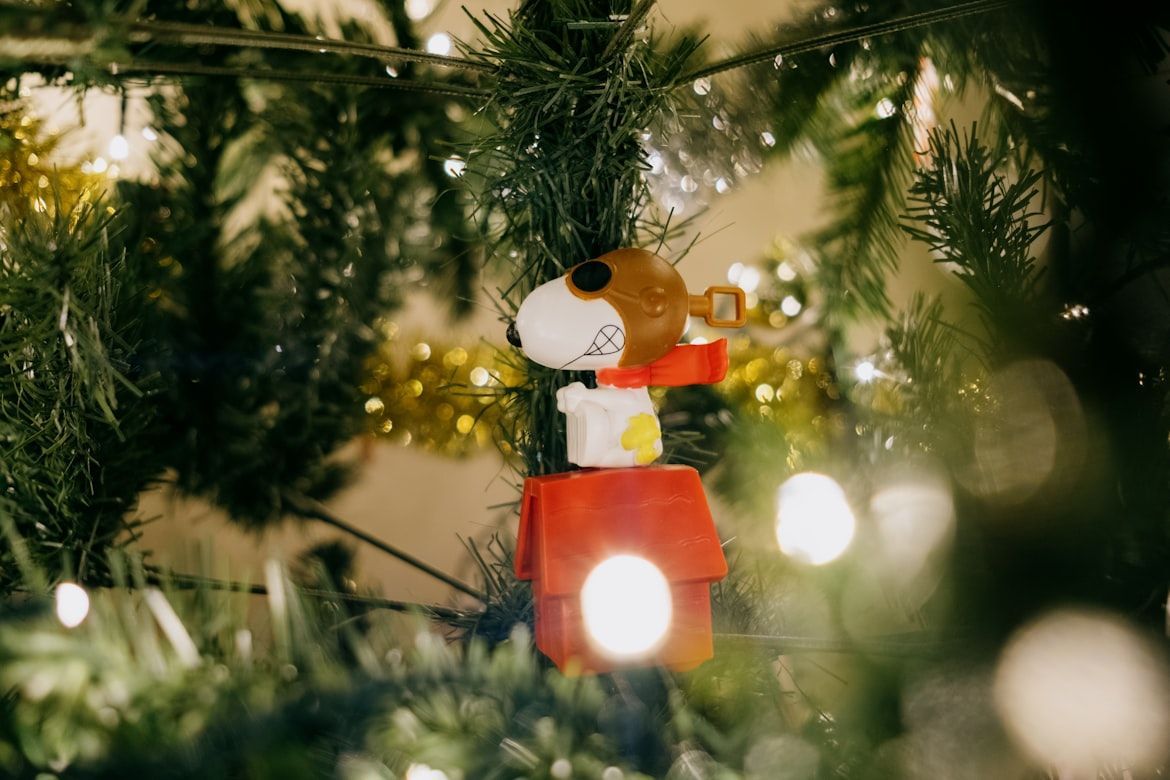
Snoopy’s Sopwith Camel

Image: Fujiphilm

In the Peanuts comic strip, Snoopy’s doghouse doubles as this imaginary World War I fighter plane. The nickname blends history with childhood fantasy.

The vessel’s name gently parodied heroism while marking the imagination of the leading character.

10

The Minnow

Image: Alan Bowman

This tour boat from Gilligan’s Island earned a name that highlighted its size. The irony was a trademark of the comedy series.

Calling it the Minnow made its outsized impact funnier, reinforcing the show’s theme that small mistakes can have huge consequences.

11

The Millennium Falcon

Image: Josué AS

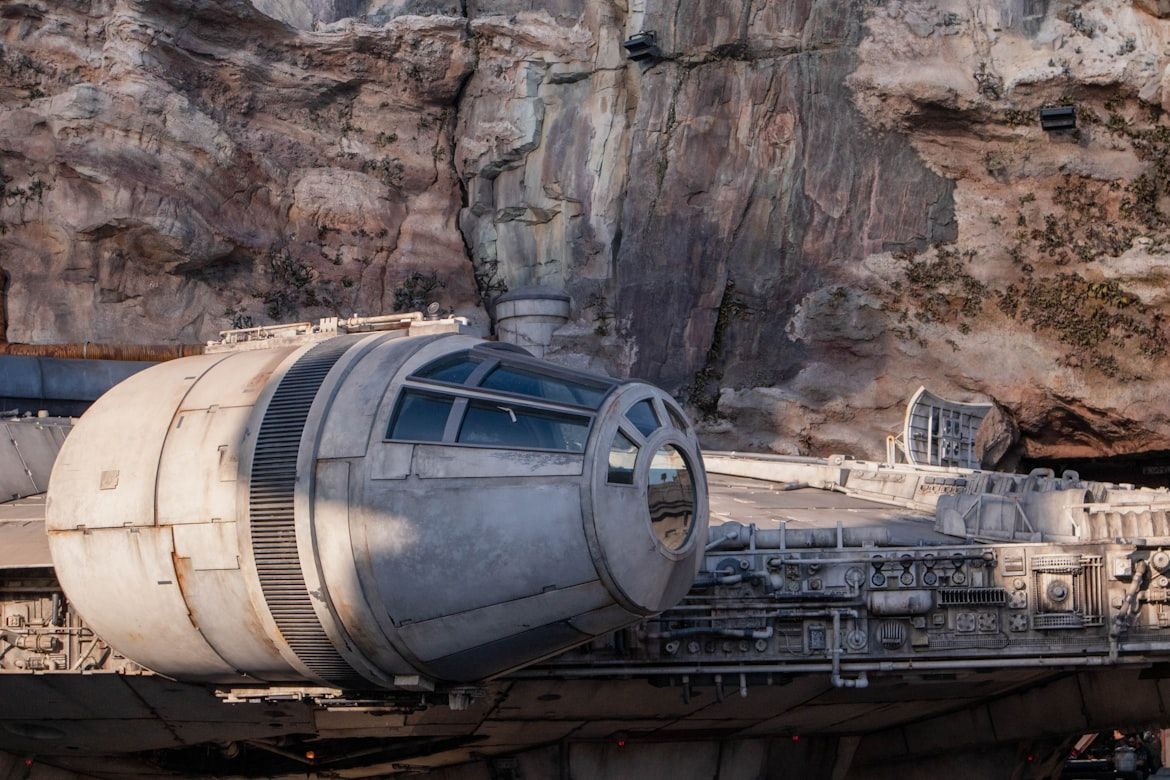
Han Solo’s famously unreliable spaceship carried a name suggesting speed and nobility. The contrast was intentional and memorable.

Calling it the Millennium Falcon elevated a beat-up vessel into legend, proving names can create mythology.

Money does talk

10 Idioms about money and what they really mean


Published on April 20, 2026


Image: Fabian Blank

In this day and age, money is one of the central aspects of our lives. But not only does it shape the way we live: sometimes, it can shape the way we talk. Our daily language is stuffed with colorful expressions about cash. From the most silly to the utterly serious, they all carry a story, often stranger than the phrase itself. Let's break down some popular idioms about money that prove how creative we can get!

1

Money doesn't grow on trees

Image: micheile henderson

It sounds quite obvious, but this idiom is still the go-to phrase for parents trying to rein in their children's over-eager spending. Rising to popularity during the early 20th century, this phrase underscores the finite nature of money while highlighting the value of hard work and careful spending.

Ironically, some people say that paper money does, in a sense, come from trees, but this isn't true in the United States. US dollars are made of cotton fiber, not of wood fiber.

2

Break the bank

Image: Andre Taissin

Today, this phrase conjures images of crashed piggy banks; we use it when we spend what seems like a fortune on a luxury car or some hard-earned vacations. However, the origins of this idiom stretch back to 19th-century casinos. If a gambler, by luck or cunning, won more than the house could cover, they quite literally broke the bank, and the casino had to shut down the table.

3

The Cash Cow

Image: Erik Mclean

This one is pretty straightforward: it actually comes from the farmyard. Dairy cows, requiring little beyond feed and care, produce milk steadily for many years. In the 20th century, businesspeople borrowed the metaphor: a cash cow is any product that brings consistent profit with minimal effort on the company's part. Think of razor blades, sodas, or charging cords: humble items that, while unassuming, keep the cash flowing steadily.

4

Pay through the nose

Image: Jp Valery

Sounds painful when you think about it, right? Some historians trace this phrase back to 9th-century Ireland, when it referred to the pain of paying heavy taxes levied by the Norse invaders. Legend has it that, if you didn't pay on time, collectors would slit your nose in punishment.

While this grisly tale is debated, the idiom stuck, and today it simply means to pay for something more than what it's actually worth. Thankfully, we get to keep our noses.

5

Nest egg

Image: Sasun Bughdaryan

Another idiom that comes straight from the farmyard. The story goes that farmers once kept an egg (sometimes real, sometimes carved out of wood or made of porcelain) in a chicken's nest to encourage hens to come back and lay more eggs in the same place. By the 1600s, this practice gave rise to the figurative nest egg: money set aside to grow over time.

6

Born with a silver spoon

Image: Siora Photography

In 18th-century England, wealthy families often gifted silverware at birthdays or baptisms, a symbol of prosperity and high status. To the common folk, pointing out that someone was "born with a silver spoon" meant that they started life with privilege, without the need to make their own fortune. The phrase stood the test of time, though kids today would probably say that people "born with a silver spoon" are "playing life on easy mode."

7

Tighten your belt

Image: seeetz

Today, this is a common phrase used when someone has to cut their expenditures. However, this one has very dark origins rooted in real hardship. In times of famine or economic downturn, people literally have less to eat and lose weight, having to pull their belts tighter. In the US, this phrase rose to prominence during the Great Depression, when cutting expenses and making do with less became commonplace.

8

Bring home the bacon

Image: Wright Brand Bacon

This fun idiom about providing for the family might have much more bizarre roots than we imagined. A possible origin for this phrase traces it back to 12th-century England, where the town of Dunmow promised a slab of bacon to any married couple who could swear before god that they hadn't quarreled for a year and a day. Lighthearted recreations of this tradition still survive in Great Dunmow, Essex.

9

A fool and his money are soon parted

Image: Kateryna Kamenieva

This one sounds like a cautionary tale about shady investment opportunities and online deals that are too good to be true, but its origins can be traced back to the writings of a 1573 English clergyman. The message is clear: careless spending will lead to dire consequences. The phrase has remained popular because, unfortunately, it's timeless. Times have changed, but fools still part with their money; only the scams have changed.

10

Money talks

Image: Patrick Weissenberger

Short, blunt, and cynical, this enduring phrase is a testament to the power that money represents. It expresses the idea that, sometimes, wealth can influence decisions faster than persuasion or logic. This phrase dates to at least the 1600s: it appears in literature from that time, and it hasn't changed a bit since.

Looking for an extra scoop of literary fun?

Learn more with our Word of the day

remit

/rəˈmɪt/