And not just ships

Naming a vehicle? Trickier than you might think!


Published on April 20, 2026
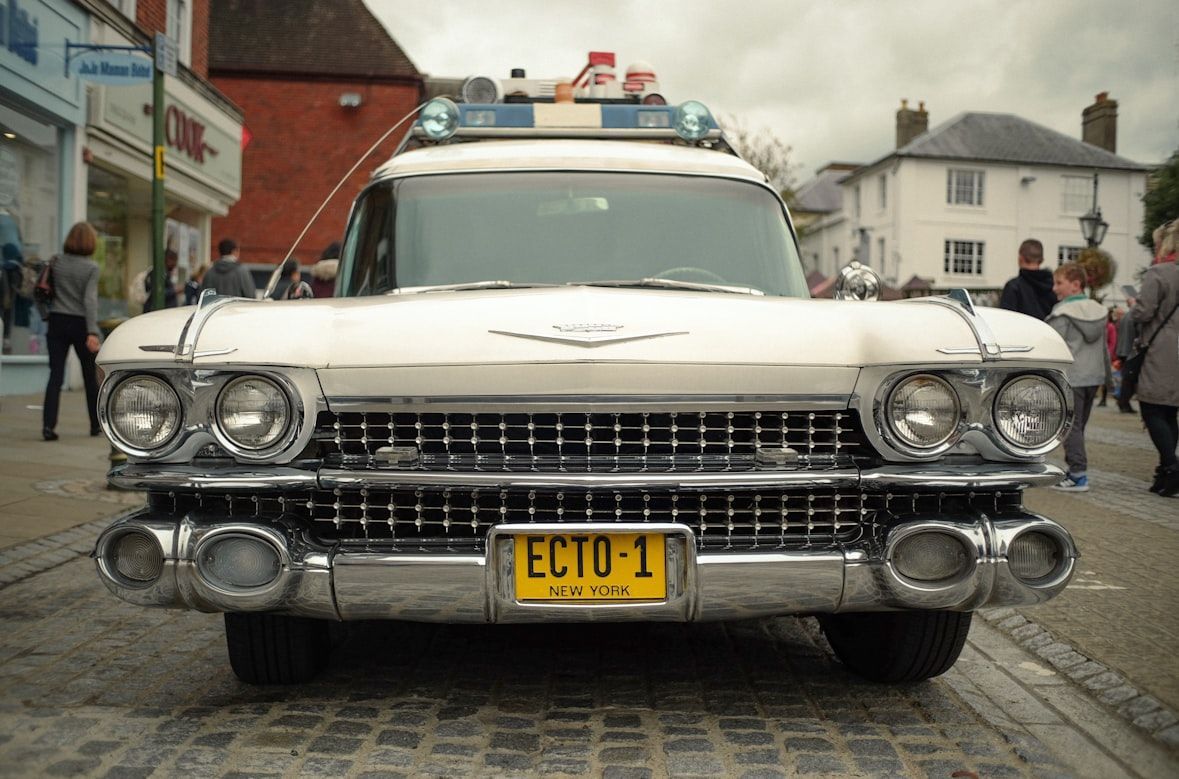

Image: Viktor Forgacs

The timeless tradition of naming vehicles is not reserved only for ships but, as it turns out, for anything else as well. Americans in particular tend to name machines as if they were people. When a car, boat, plane, or any other means of transport becomes familiar enough, through daily use or popular culture, it probably ends up earning a nickname. Which of the following 11 is your favorite?

1

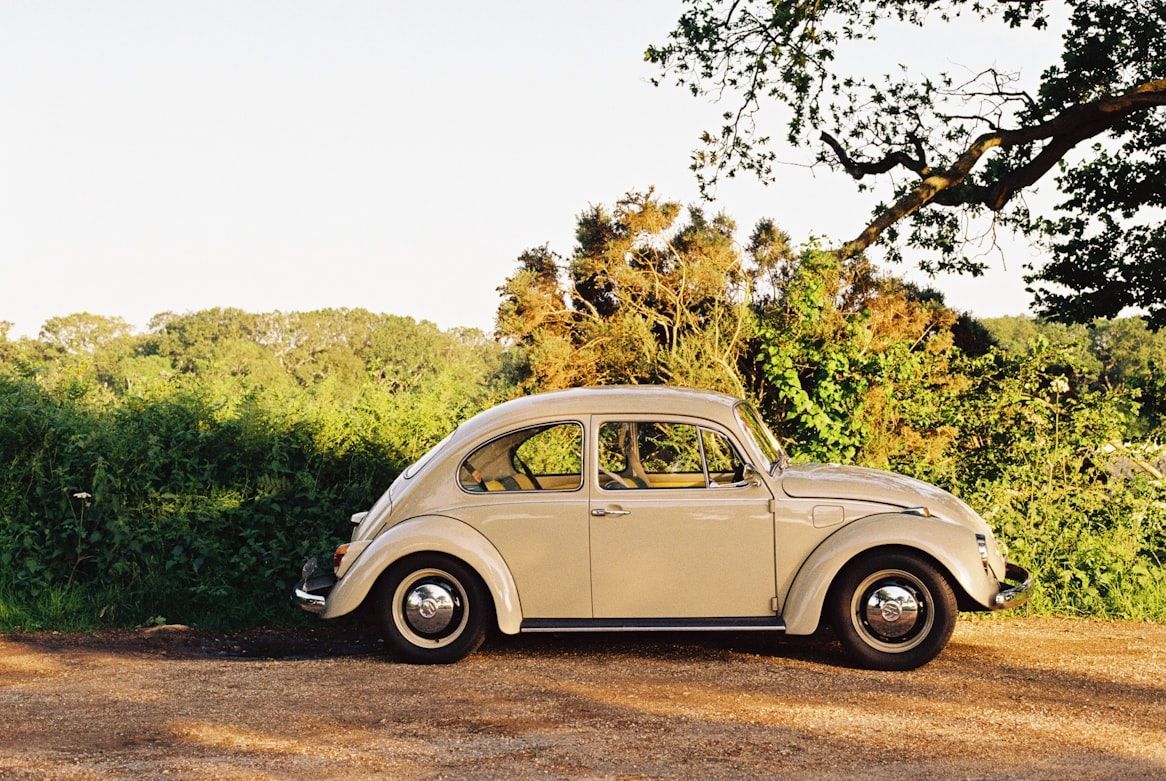
Herbie, The Love Bug

Image: Annie Spratt

This cheerful Volkswagen Beetle from a long-running Disney film series wasn’t just transportation: it had emotions, opinions, and a somewhat stubborn streak. The friendly name "Herbie" helped audiences accept the idea of a car with a personality.

By pairing a humble compact car with a human nickname, the films transformed an everyday vehicle into a charismatic character that many people embraced.

2

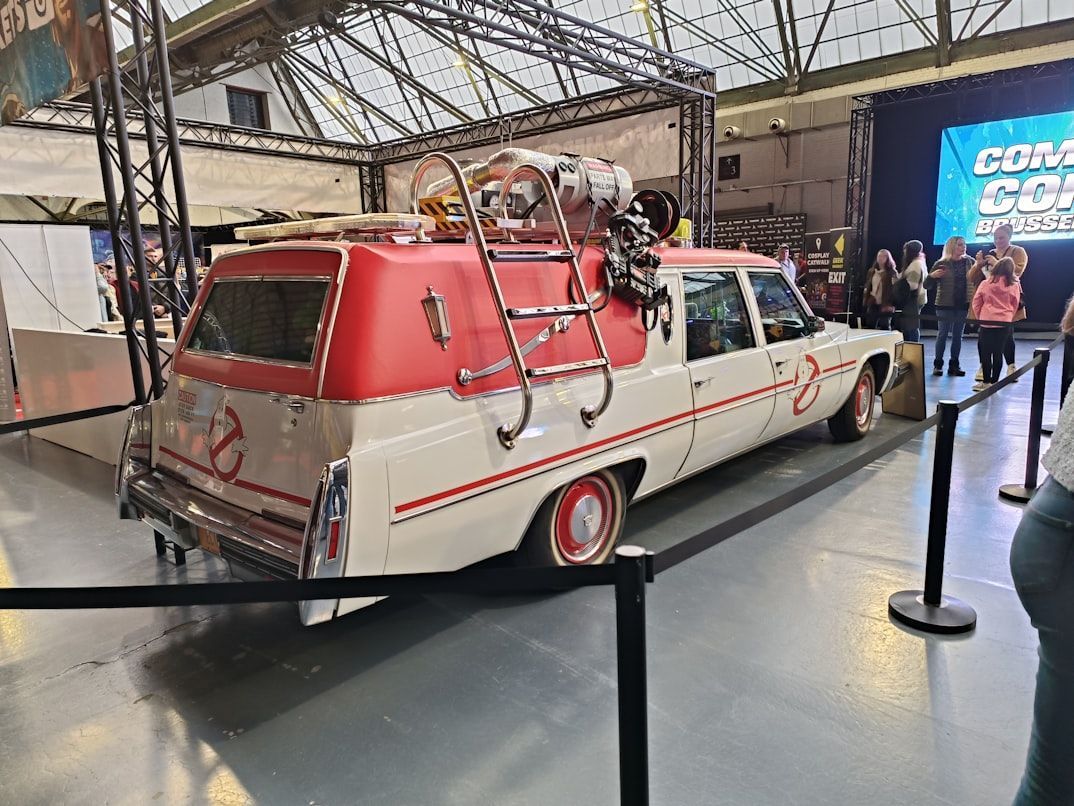
Ecto-1

Image: Jean-Luc Picard

The Ghostbusters’ iconic Cadillac hearse became famous under this strange, technical-sounding name. "Ecto-1" felt halfway between scientific equipment and a comic-book invention.

The nickname balanced spooky imagery with lighthearted absurdity, turning a creepy old vehicle into a lovable symbol of heroism and DIY aesthetic.

3

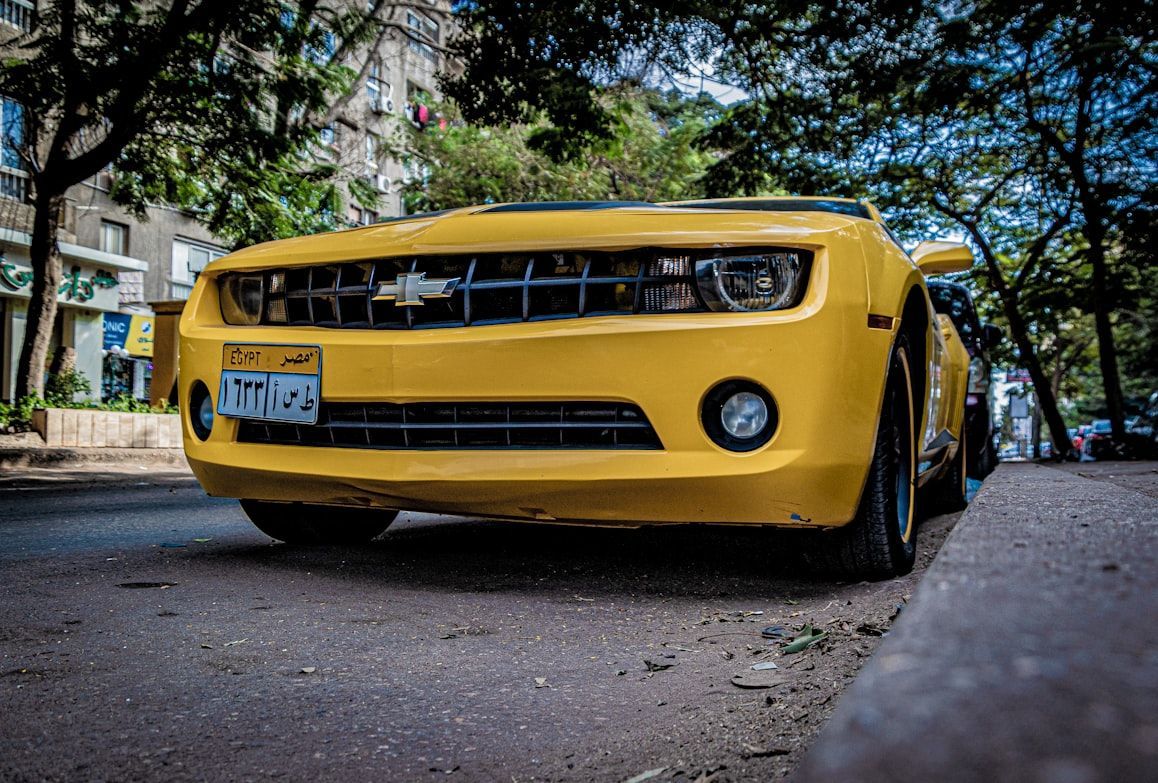
Bumblebee

Image: Michael Starkie

In the Transformers films, Bumblebee stood out for his loyalty, friendliness, and expressive nature. The nickname suggested warmth and charm rather than mechanical power.

By choosing such a gentle name, the films helped audiences emotionally connect with a robot, proving that personality can play a huge role even in a car.

4

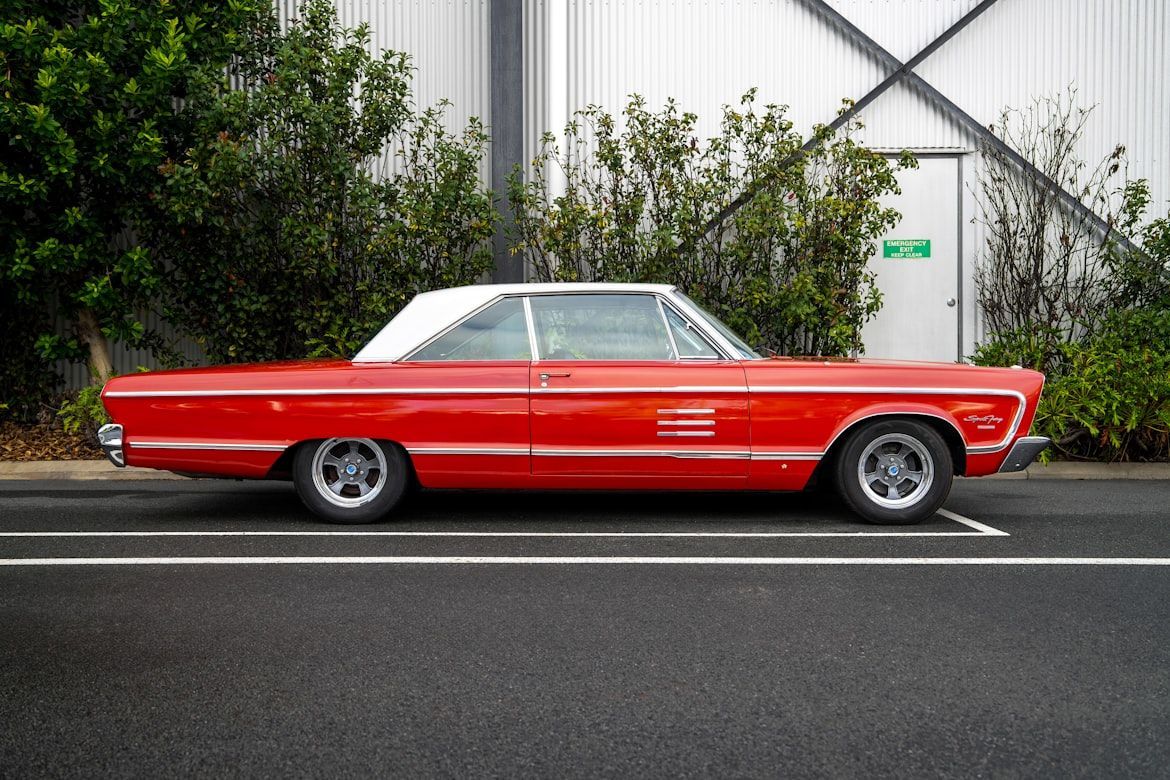
Christine

Image: Mat Kilkeary

The Plymouth Fury in the Stephen King horror story carried a sweet, ordinary human name that sharply contrasted with its violent nature.

Calling a murderous car "Christin" made it look as if it were disturbingly alive, showing how innocent-sounding names can heighten unease rather than soften it.

5

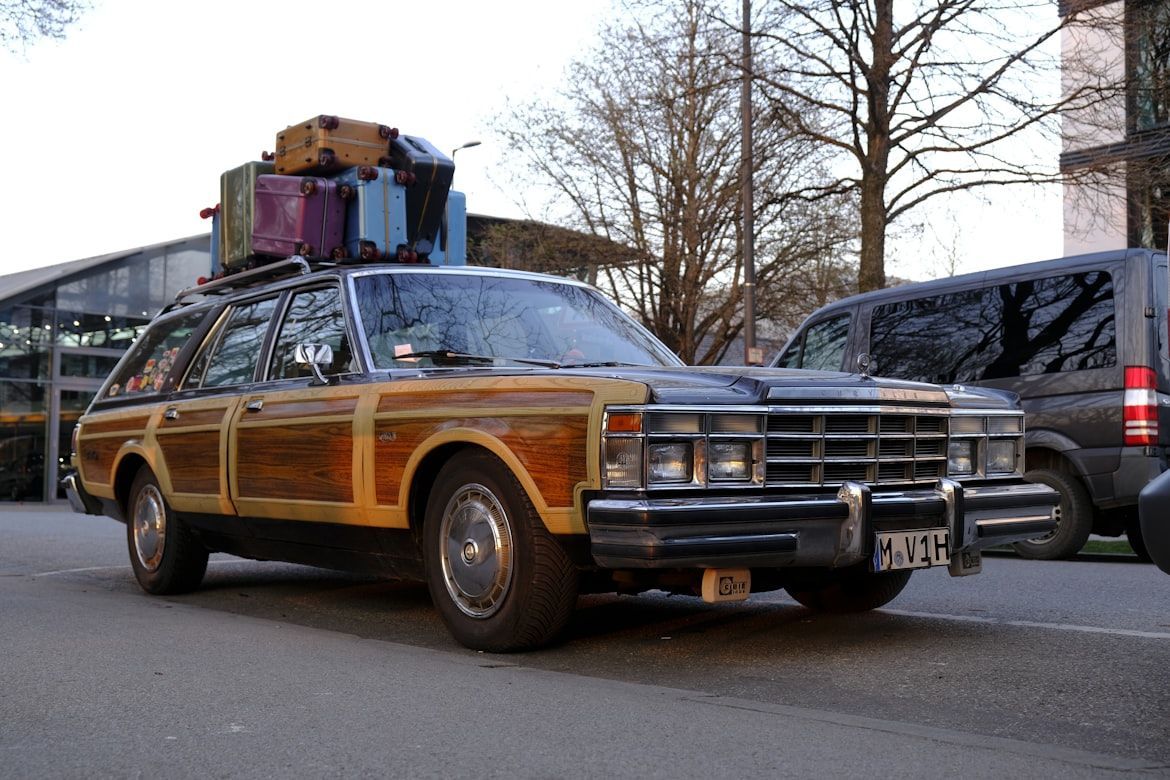
The Family Truckster

Image: Zlatko Đurić

This infamous station wagon from National Lampoon’s Vacation had a name that sounded proudly practical and painfully dull. That was entirely the joke.

The nickname perfectly captured the car’s role as a symbol of family optimism gone wrong.

6

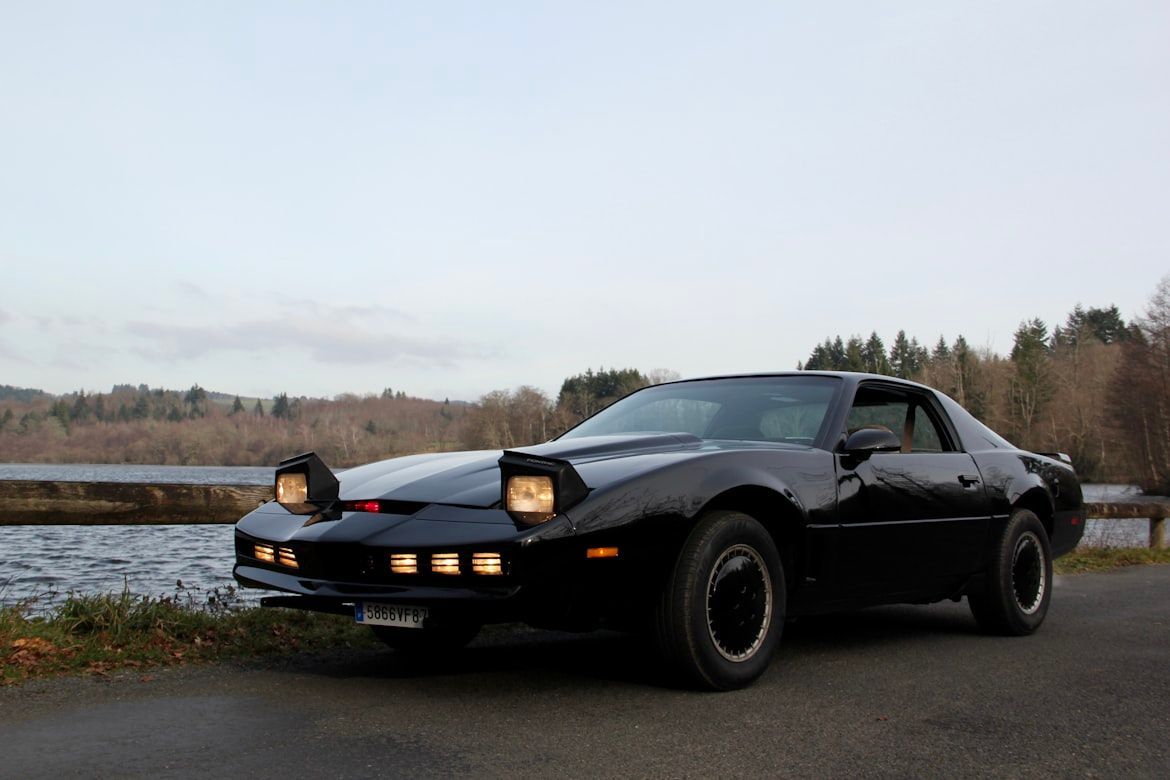
KITT

Image: Arthur Besnard

Short for "Knight Industries Two Thousand," KITT was a talking car with intelligence, sarcasm, and moral judgment. The acronym softened its advanced technology.

Rather than sounding cold or futuristic, the shortened name suggested companionship, helping viewers accept a machine as a trusted partner rather than a tool.

7

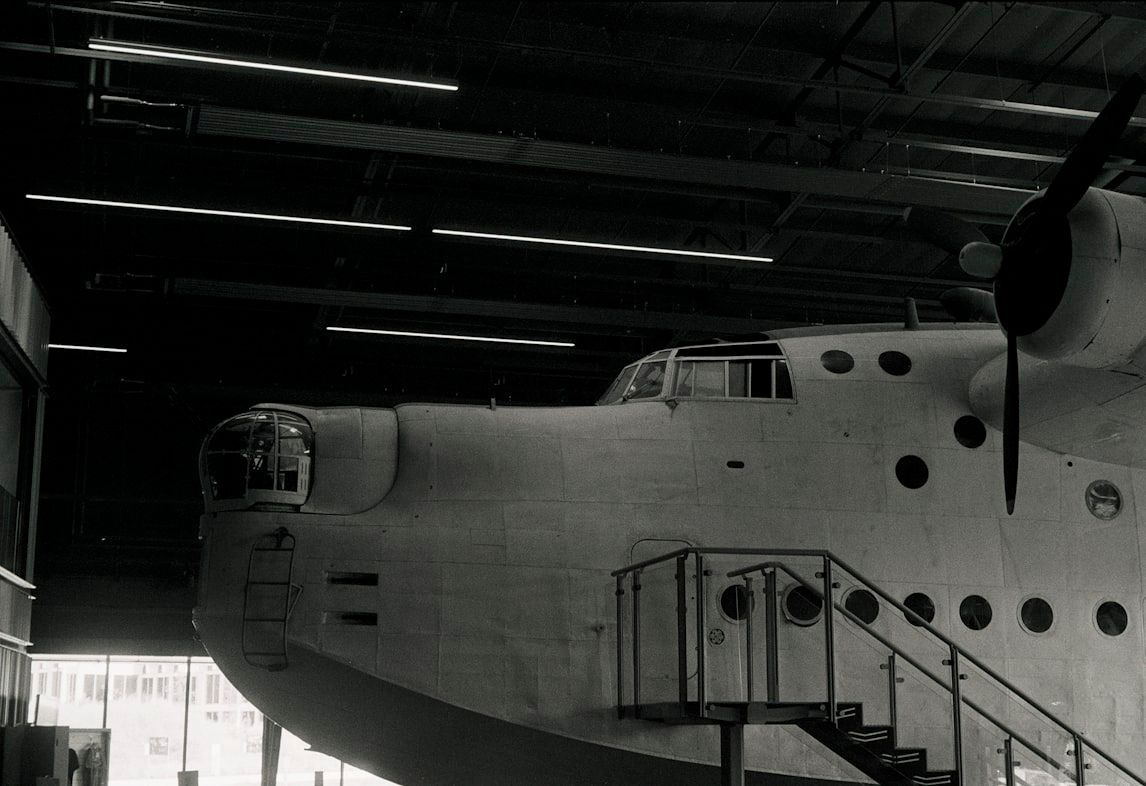
The Spruce Goose

Image: Dan Dodman

Howard Hughes’s massive experimental aircraft officially had a technical name, but the public preferred this quirky name. "Spruce Goose" stuck like glue once it was known.

The playful label softened the plane’s ambition and controversy, making an engineering oddity easier to remember and talk about.

8

The Spirit of St. Louis

Image: Matias Luge

Charles Lindbergh’s historic airplane carried a name that sounded poetic and hopeful. It emphasized civic pride rather than machinery.

That lyrical nickname helped turn a technical achievement into a national story of bravery and ambition.

9

Snoopy’s Sopwith Camel

Image: Fujiphilm

In the Peanuts comic strip, Snoopy’s doghouse doubles as this imaginary World War I fighter plane. The nickname blends history with childhood fantasy.

The vessel’s name gently parodied heroism while marking the imagination of the leading character.

10

The Minnow

Image: Alan Bowman

This tour boat from Gilligan’s Island earned a name that highlighted its size. The irony was a trademark of the comedy series.

Calling it the Minnow made its outsized impact funnier, reinforcing the show’s theme that small mistakes can have huge consequences.

11

The Millennium Falcon

Image: Josué AS

Han Solo’s famously unreliable spaceship carried a name suggesting speed and nobility. The contrast was intentional and memorable.

Calling it the Millennium Falcon elevated a beat-up vessel into legend, proving names can create mythology.

What science says

It was false after all: 10 health myths that sound true—but aren't


Published on April 20, 2026


Image: Alicja Gancarz

Health myths are everywhere! These ideas were simply passed down for so long that they became part of what we believed. But now science has stepped in to clear things up. Does cold weather make you sick? Can lemon detox your body? Is reading in low light really harmful? Let's uncover the truth behind 10 common health myths!

1

Cutting your hair makes it grow faster

Image: Element5 Digital

Have you ever been told that cutting your hair will make it grow faster? We're sorry to say that's just a myth. Hair grows from the root, not the ends. So, trimming it won't boost growth, though it does help remove split ends that can make your hair look dry or unhealthy.

2

Cold weather causes colds

Image: Thom Holmes

This is one of the most common health myths. Cold weather often gets blamed, but it's not the temperature that makes you catch a cold. During winter, we tend to stay indoors with others and keep the windows closed, an environment that makes it easier for viruses to spread. That's why colds tend to be more common in winter!

3

Eating before bed makes you gain weight

Image: Michelen Studios

The idea that eating before bed automatically leads to weight gain is a myth. In reality, it has more to do with what you eat and how much, rather than the time of day. Often, when we eat very late at night, we're tired and more likely to reach for quick, high-calorie, heavy foods. This can disrupt sleep and lead to consuming more calories than we burn, both of which may affect weight. If it's close to bedtime, it's better to have something light and healthy in a moderate portion than to skip a meal altogether.

4

Wearing glasses weakens your vision

Image: Bud Helisson

Does wearing glasses weaken your vision? Myth! If an eye doctor prescribes glasses, wearing them as directed helps correct your vision; it won't make it worse. Additionally, the right glasses can help prevent or reduce headaches caused by reading or spending long hours in front of a screen.

5

Reading in low light causes permanent eye damage

Image: Amir Balam

This myth is closely related to the previous one. If you love reading and sometimes have to do it in low light because of the situation, don't worry. According to experts, reading in low light doesn't cause permanent or irreversible eye damage. However, it's not recommended because it can make your eyes feel tired or strained, leading to discomfort or headaches.

6

You need to drink 8 glasses of water a day

Image: engin akyurt

We're all different, and so are our bodies. The idea that everyone should drink exactly eight glasses of water a day is more of a general guideline than a rule. Staying well hydrated throughout the day is extremely important, but how much water you need depends on factors like your weight, age, climate, and overall health. We should prioritize staying consistently hydrated instead of obsessing over the number of glasses we drink.

7

Lemon water detox and cleanse your body

Image: Tirza van Dijk

Some people say drinking lemon water helps eliminate toxins and cleanse the body. While adding a slice of lemon to your water is a refreshing way to stay hydrated, it doesn't have any special "detoxifying" powers. The vitamin C in citrus fruits is beneficial, but the body has its own natural detox system. The liver and kidneys are the main organs that filter waste and eliminate toxins.

8

All fat is bad

Image: Aneta Voborilova

Not all fats are bad! Just like other food groups, your body needs fats to function properly. The important thing is knowing the difference between healthy fats and those that can be harmful. Foods like avocados, seeds, olive oil, fish, and nuts are rich in healthy fats. On the other hand, the fats found in processed or fried foods are the ones that can have a negative impact on your body.

9

Liver disease is always caused by alcohol or fats

Image: Elevate

Liver diseases can be serious. While heavy and frequent consumption of alcohol and fats is a major contributor, it's not the only cause. Liver problems can also result from many other factors. These include viral infections, autoimmune diseases, genetic disorders, high blood pressure, and exposure to certain chemicals.

10

Breakfast is the most important meal

Image: Brooke Lark

There's some truth to it: breakfast is important because it replenishes our glucose and energy levels and supports proper metabolism. However, the idea that it's the most important meal of the day might be an exaggeration. Everyone's body has different needs, and all meals are important, so we shouldn't skip any of them!

Looking for an extra scoop of literary fun?

Learn more with our Word of the day

tidbit

/ˈtɪdˌbɪt/