Wild idioms

Mustard after lunch? 10 foreign sayings that make zero sense


Published on March 23, 2026


Idioms make any language way more colorful, but when you translate them literally, things can get quite goofy. You can’t translate a whole culture, so we’ve gathered some foreign idioms and their literal translation into English. Have some fun reading about it and trying to guess what they actually mean. Are you up for the challenge?

1

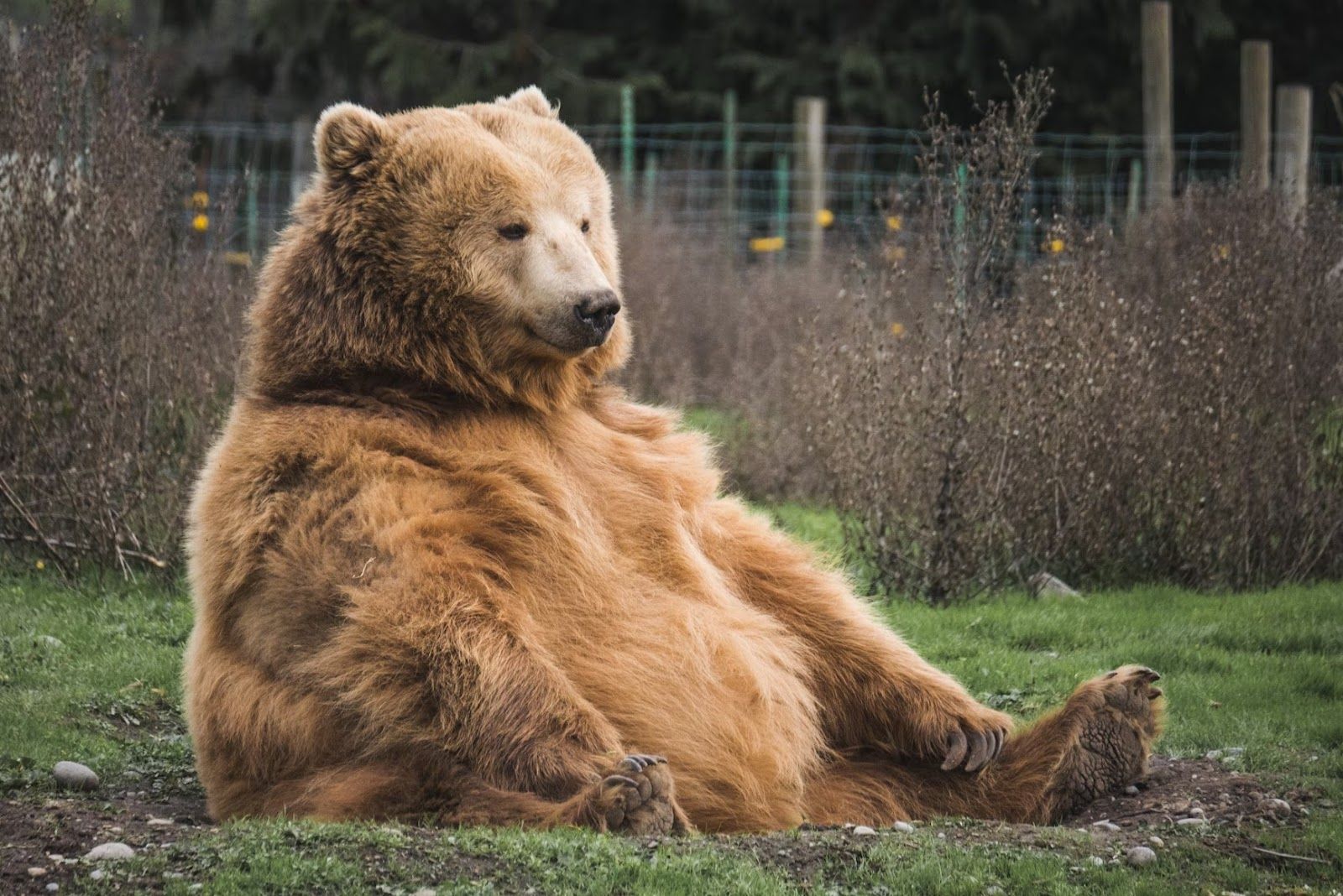
Tie a bear to someone (German)

Image: Mark Basarab

In Germany, if you’ve "tied a bear to someone," you’ve pulled a fast one, like fooled them good. No bears, ropes, or zoos involved. It’s their way of saying you tricked somebody, kind of like slipping a whoopee cushion under their chair, but in a more metaphorical way. It’s unclear how the bear got involved, but you’ve got to admire the imagery.

2

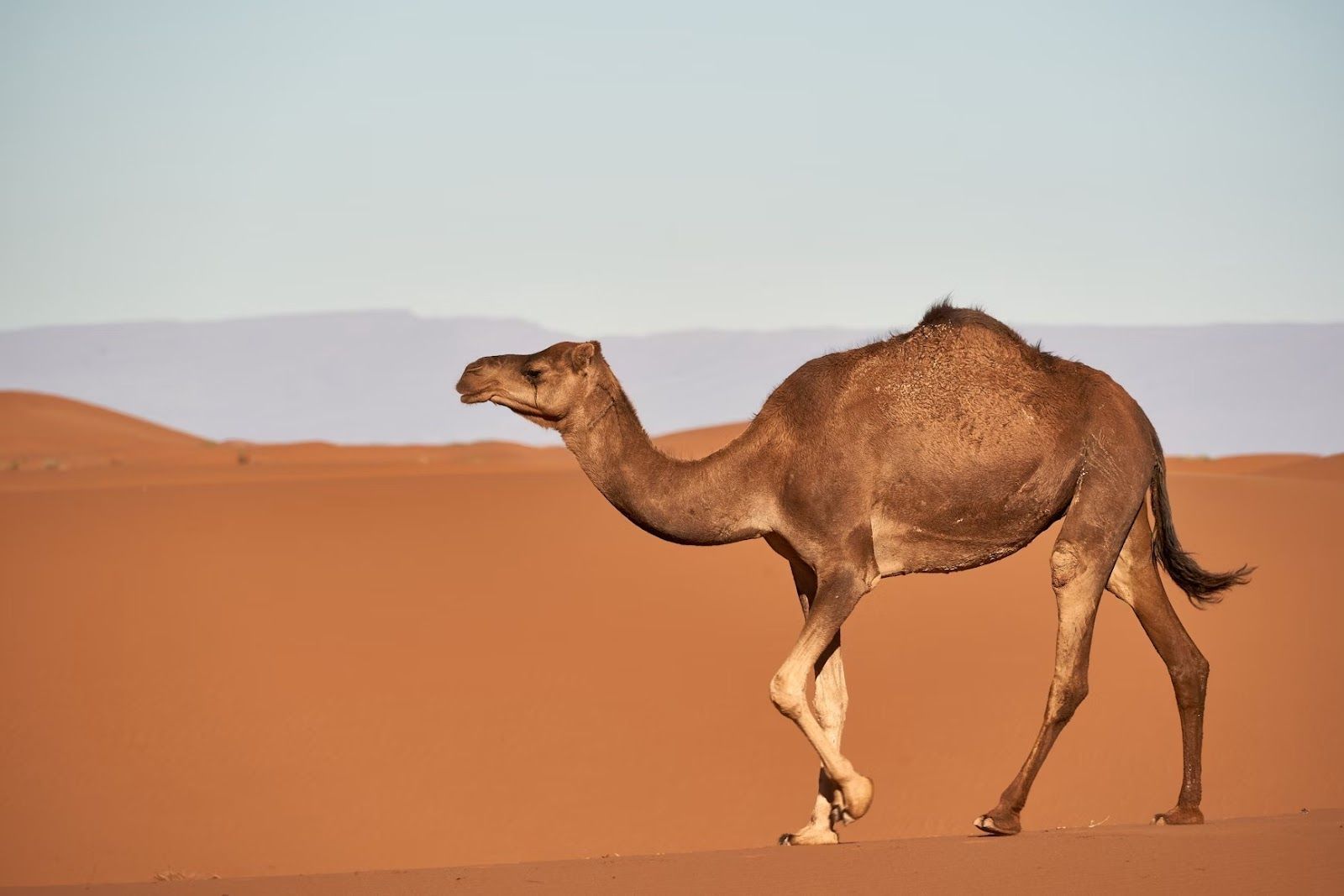
Swallow some camels (Norwegian)

Image: Wolfgang Hasselmann

This one paints quite the picture, right? No way you’ll guess what it means, so here it is: In Norway, if you "swallow some camels," it means you’ve had to compromise on something you’d rather not. We might say "grin and bear it" or "bite the bullet"—they say gulp down a few large desert animals. Frankly, the mental image is enough to make anyone appreciate our American metaphors. Talk about a tough pill to swallow.

3

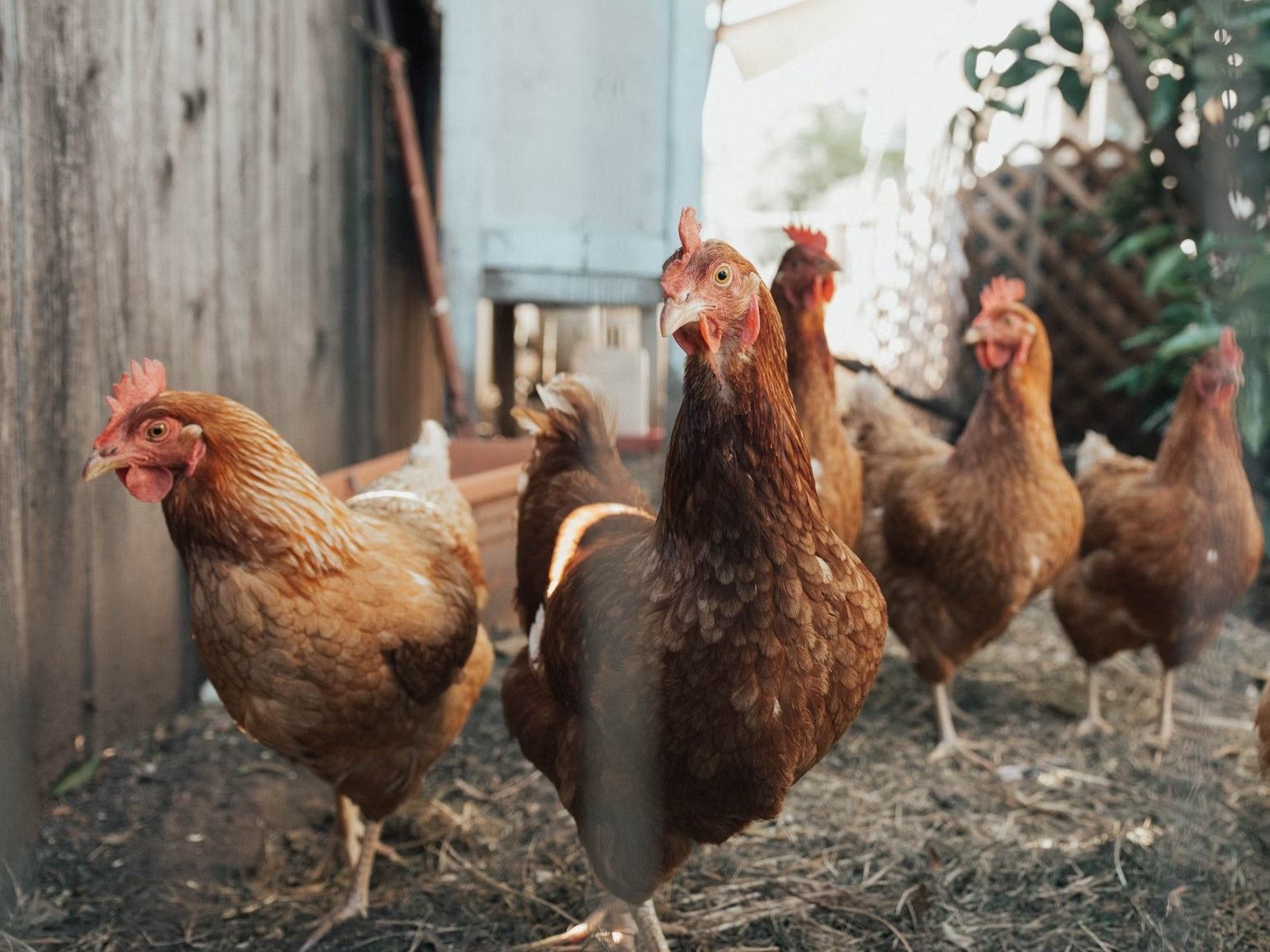
When chickens have teeth (French)

Image: Ben Moreland

The French equivalent of "when pigs fly" is "when chickens have teeth." It’s a way of saying something will never happen. Can’t you just imagine a chicken grinning with a mouthful of molars? Terrifying. But effective anyway!

4

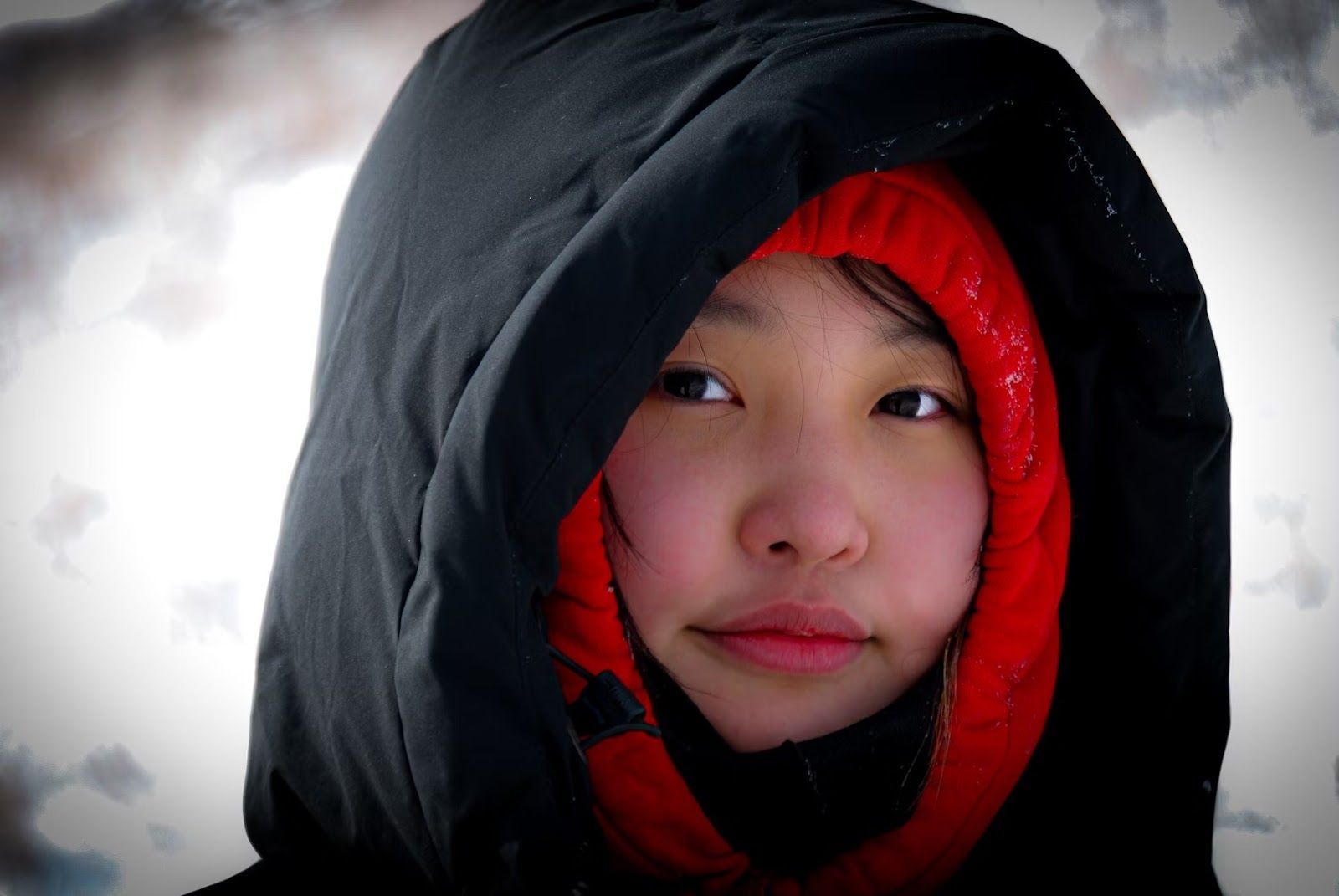
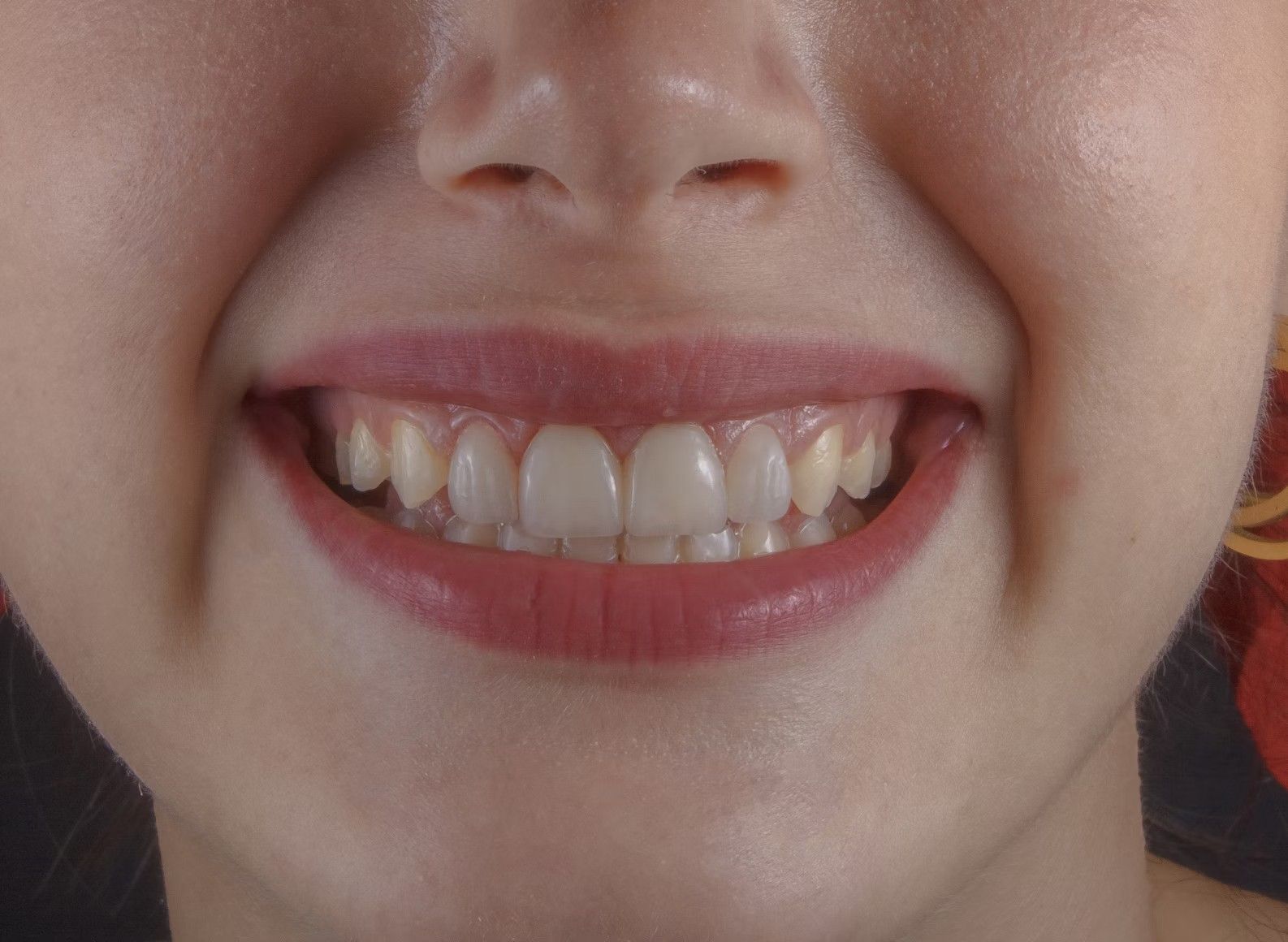
My cheeks are falling off (Japanese)

Image: Tengis Galamez

When a Japanese person says their cheeks are falling off, don’t call the doctor, they’re just loving their meal. Connection not found, but who are we to judge? It’s their way of saying something is so delicious, your face can’t even handle it.

5

The raisin at the end of the hot dog (Icelandic)
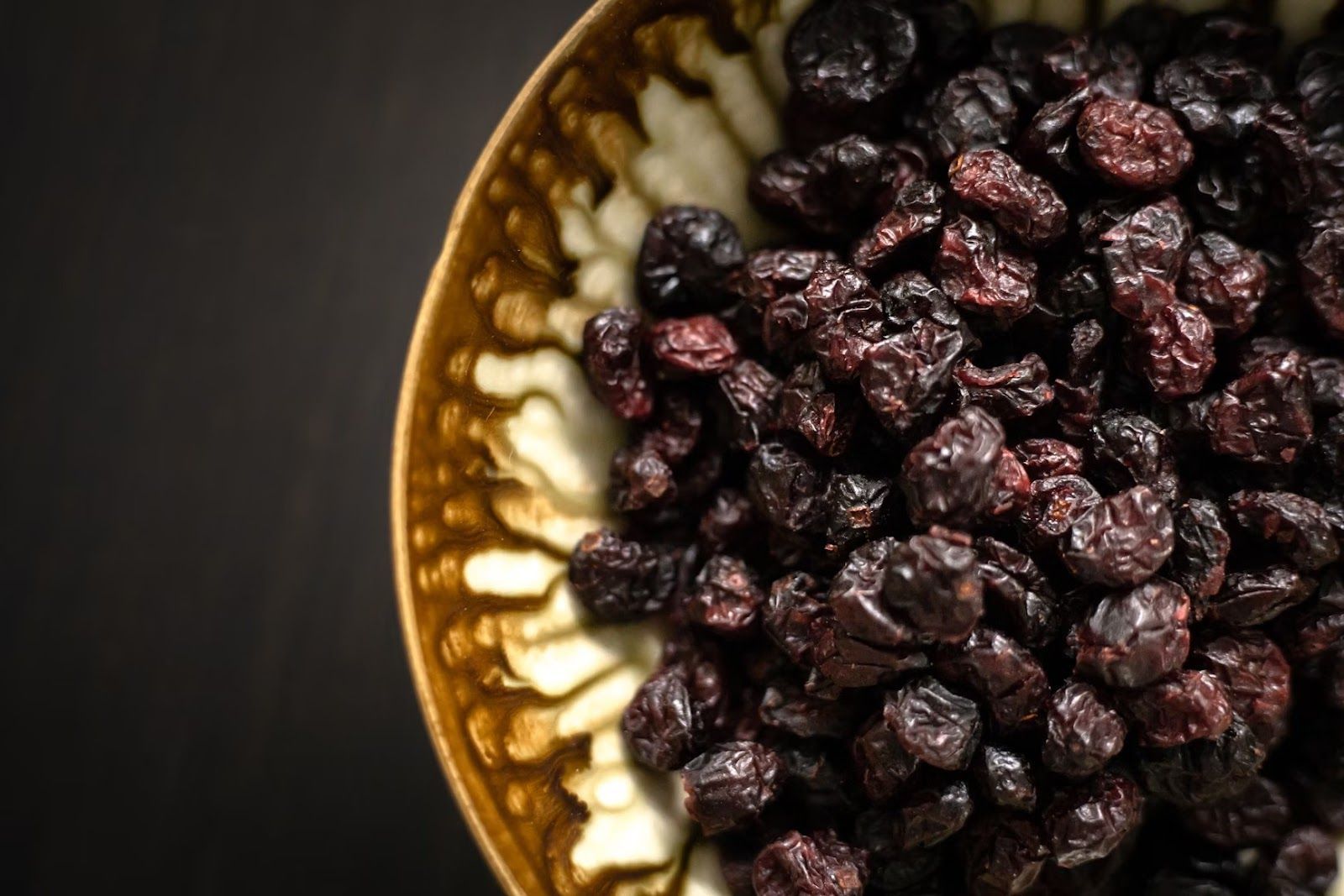
Image: Andreas Haslinger

This Icelandic gem describes an unexpected surprise, like a little bonus at the end of something. A pot of gold at the end of the rainbow? Nope. They’ve got raisins. In a hot dog. It may sound more like a cooking disaster than a feel-good moment, but hey, they mean well.

6

Slide in on a prawn sandwich (Swedish)
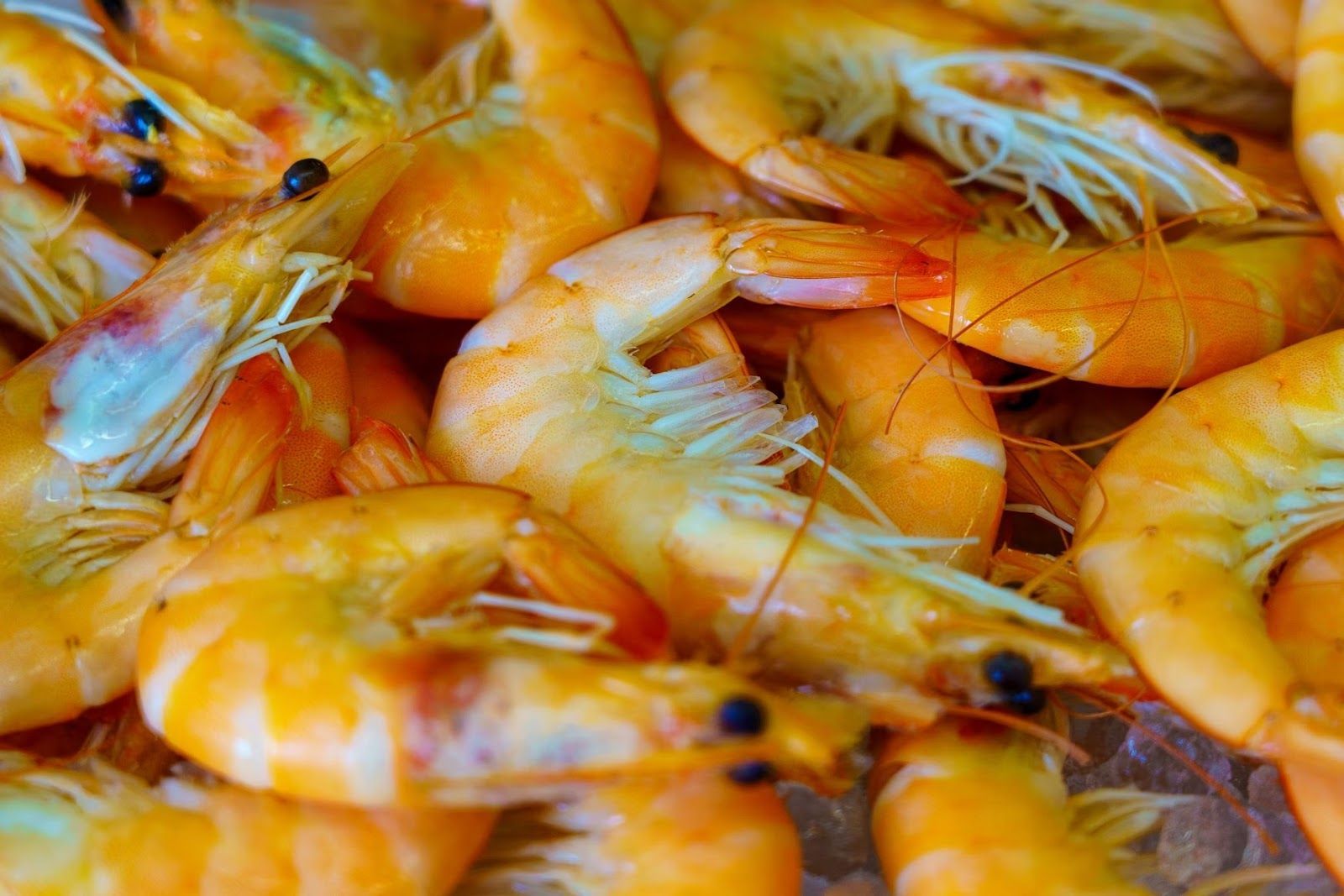
Image: Nick Fewings

In Sweden, if someone "slides in on a prawn sandwich," it means they’ve had it easy—no struggle, no stress, just cruising through life on shrimp and bread. It’s a cousin to being "born with a silver spoon." Either way, the person didn’t have to hustle too hard.

7

Not all doughnuts come with a hole (Italian)
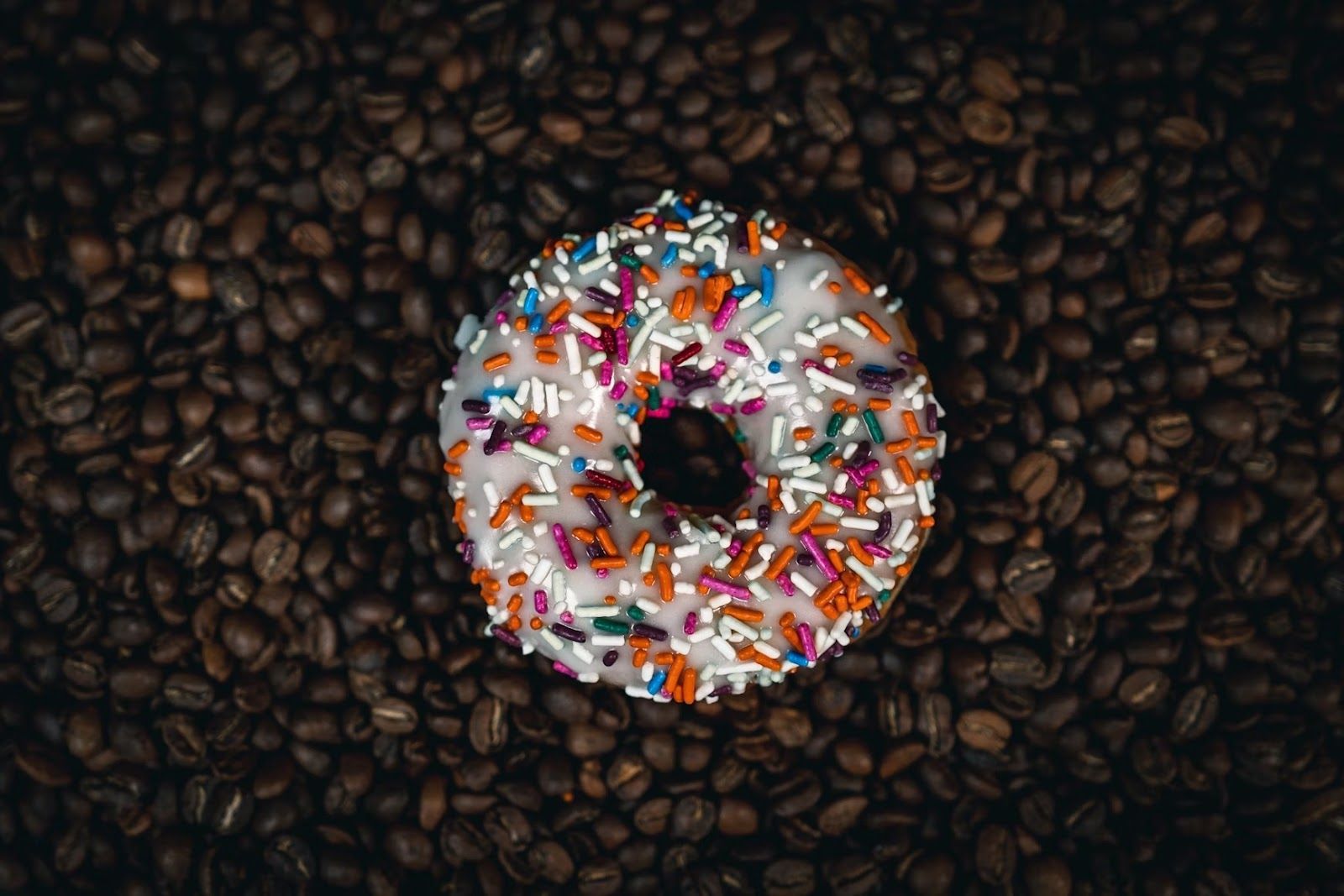
Image: Daniel Lincoln

In Italy, they say "not all doughnuts come with a hole," when life throws a curveball. It’s a gentle reminder that not everything turns out the way you expect. And hey, a doughnut without a hole is technically more donut. Maybe things aren’t so bad after all!

8

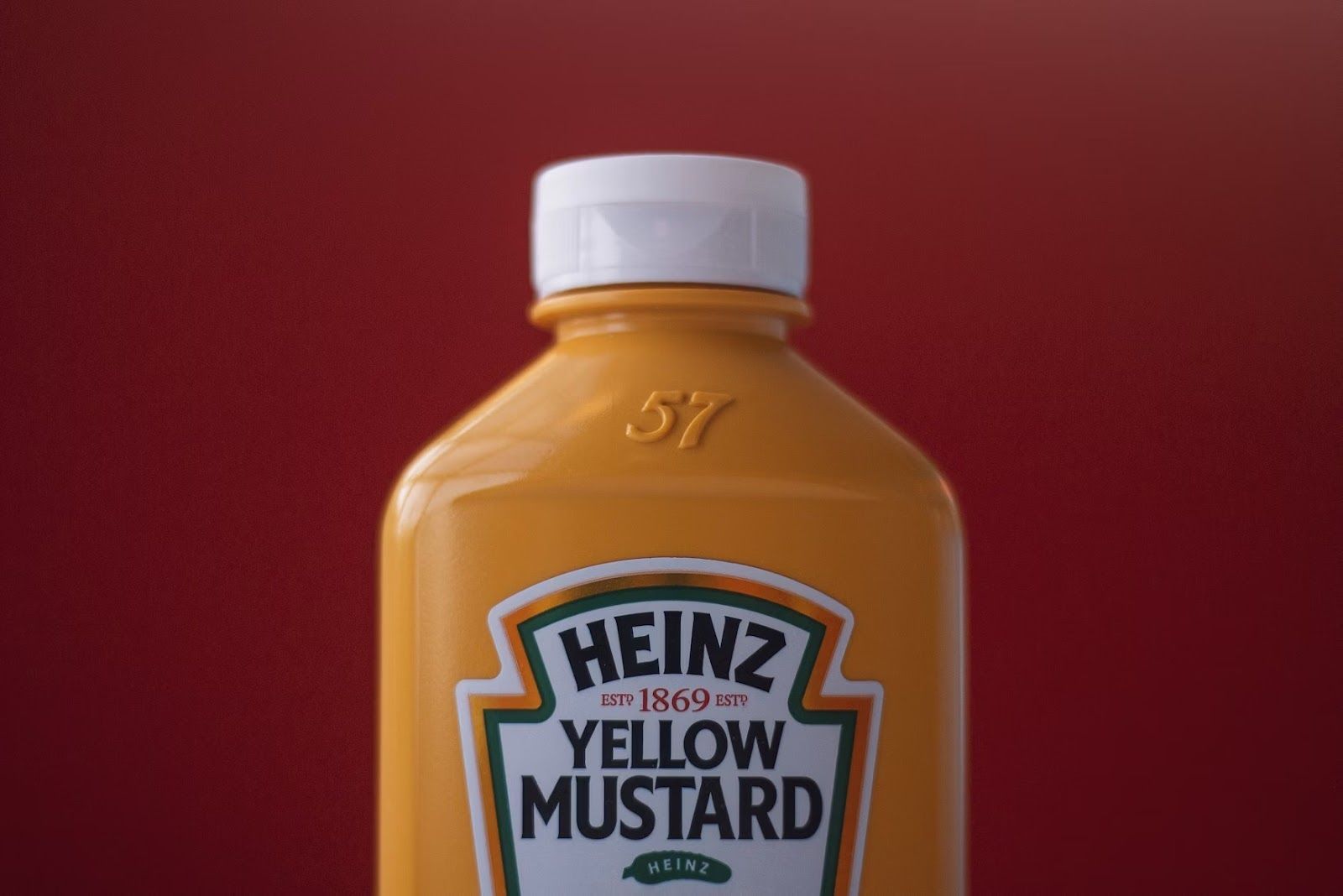
Mustard after lunch (Polish)

Image: Pedro Durigan

Poles say "mustard after lunch" when it’s too late to do something, like when the moment has passed. You can think of it like "closing the barn door after the horse is gone." Except in this case, you’re stuck with a hot dog… and no mustard. Tragic, don’t you think?

9

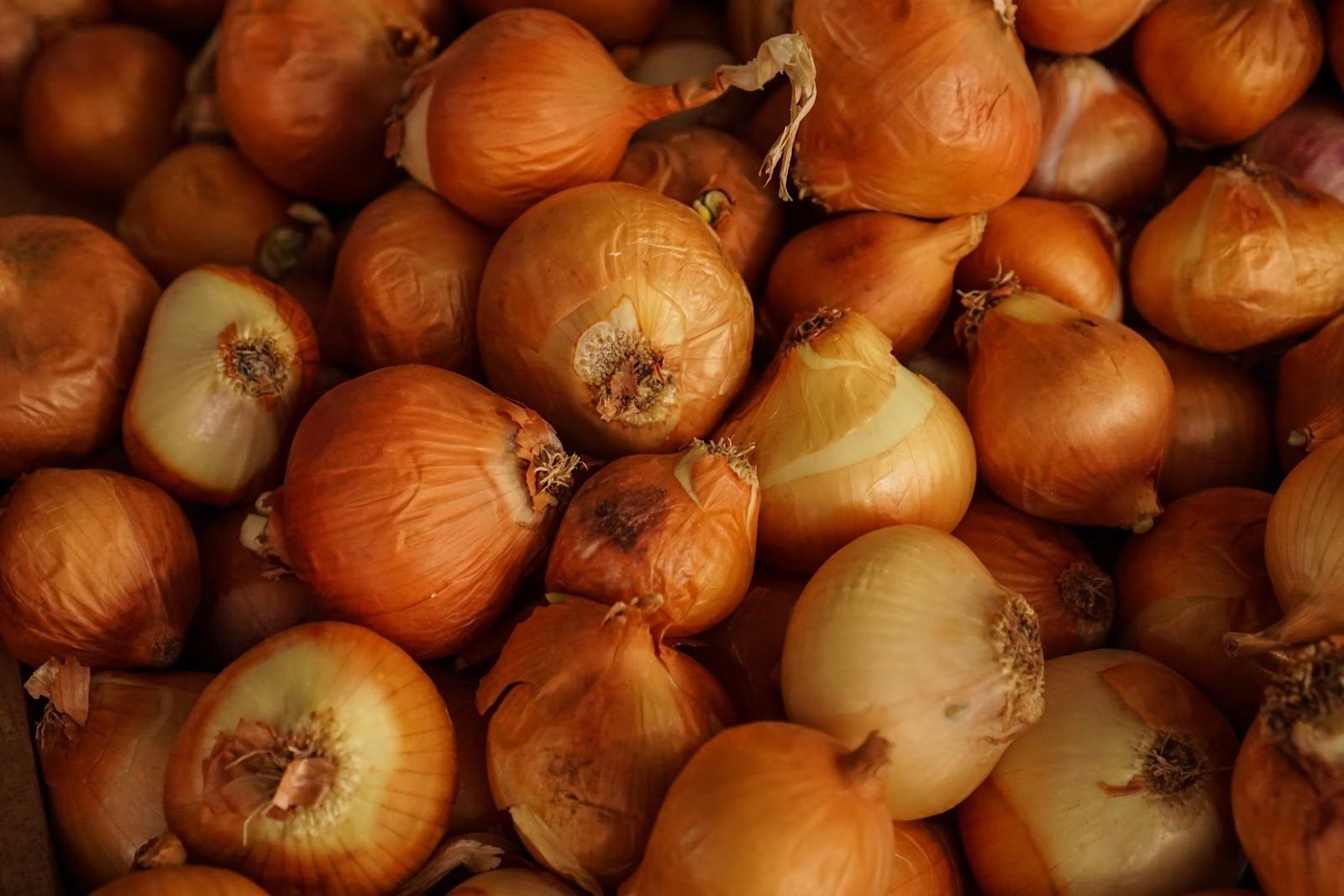
Break a fast with an onion (Arabic)

Image: Tom Hermans

This Arabic idiom describes a letdown. You’ve waited all day to eat, only to be handed… an onion. A raw deal, literally. It’s like expecting prime rib and getting a saltine. The literal translation is hilarious, but you can’t deny it’s effective, pointed, and a little stinky.

10

Have hair on your teeth (Dutch)

Image: Ozkan Guner

This Dutch idiom doesn’t sound pleasant, but it’s actually a compliment. To "have hair on your teeth" means you’re assertive, bold, and maybe even a little fierce. In other words, not someone to mess with. Dental floss is not included, though.


CRAZY COUTURE

Take A Look At These 10 Wild Fashion Trends In History


Published on March 23, 2026


Image: Birmingham Museums Trust

Do you meticulously plan your outfits? Or are you the seize-the-first-thing-you-find type, prioritizing comfort over glamor? Whatever your style strategy, there's no denying the fundamental role that clothing plays in our daily lives.

From ancient times to the present day, fashion has been an integral part of human expression. Yet, in the ever-evolving world of style, some trends stand out for their, let's say, rarity.

Even if you think you've seen it all, you won't believe these 10 crazy fashion trends that reigned at different times in history.

1

Bliauts

Image: Tomas Robertson

Loose sleeves can be a problem. They may get in the way while you use your keyboard, or worse, dive into your soup while trying to get dinner. If you find this unbearable, imagine wearing a coat with sleeves that reach all the way to the floor. These garments existed, and they were called bliauts.

In the 12th and 13th centuries, people wore these thin coats with snug waists. Notably, the sleeves started narrow and widened from the elbow, eventually reaching the ground.

Of course, this attire wasn't just a fashion choice; it also spoke about social status. The extensive sleeves were a luxury enjoyed by those exempt from manual labor.

Image: Kalon

2

Chopines

Do you think today's high heels are a pain? If so, maybe you're not ready for the wild world of chopines. These footwear, popular from the 15th to 17th centuries, were platform shoes that could reach an incredible 20 inches in height! Yes, you read it right; they were practically stilts.

But why? Well, these platforms served a practical purpose: to protect clothing from the water and mud that filled the streets at the time.

But they were not just about practicality; they were also a proclamation: The higher the platforms, the higher the social status of the wearer.

3

Ruffs

Image: Europeana

Have you ever spotted those cone-shaped collars on dogs trying to keep their paws off a wound? Those have a nickname; they're called "Elizabethan collars." It's not because dogs suddenly developed a taste for fashion. There's another reason behind the name.

During the 16th and 17th centuries, the days of Queen Elizabeth I of England, upper-class people wore these large neck ruffs every single day. These things actually looked like something out of a vet's office.

Made of linen, neck ruffs were very popular in Europe at the time. If you've ever caught a period movie, you've likely seen them stealing the scene. It seems that discomfort was a symbol of abundance.

4

Huge wigs

Image: Cristina Gottardi

Before minimalism swept in, bringing simple, lightweight clothing to give our bodies a break, fashion was very different. Exaggeration was the key.

And it wasn't just about clothes and shoes; hair also played a starring role. In the 18th century, huge white or gray wigs stole the spotlight. And, in case you hadn't already guessed, they were made of human or animal hair.

The taller and bulkier the wig, the more elevated its owner's social situation. Marge Simpson would have been a sensation back then.

Sure, our computers and cell phones might give our backs a hard time, but the neck issues these 18th-century people faced would've been on a whole other level.

5

Mercury hats

Image: Johnny Briggs

Would you believe us if we told you that, some centuries ago, hat-making was a risky job? Crafting hats is not a simple task; it takes talent. But in the 18th and 19th centuries, this job reached a new level of difficulty, as it involved the use of mercury!

Mercury played a central role in treating fur, the primary material used to craft the felt hats of that era.

As these hats gained popularity, so did the unfortunate rise of mercury poisoning, giving birth to the "mad hatter" phenomenon. Both hatters and the gentlemen who sported these accessories were unwittingly taking this bizarre risk.

6

Crinolines

Image: Birmingham Museums Trust

Have you ever wondered what it'd be like to wear metal clothing? Sounds futuristic, right? Well, you might be surprised to know that in the mid-19th century, women wore a sort of metal structure beneath their dresses.

These garments, known as crinolines, were originally made of horsehair and cotton, but they changed their composition over the years. Eventually, they became these metal frames called steel cage crinolines.

That's right, women of the time adopted these heavy metal hoops, not only burdening themselves with extra weight but also sacrificing comfort along the way.

7

Lizards as accessories

Image: Mark Stoop

If you thought petticoats made of metal hoops were a bit much, just wait, because the 19th century has more to offer!

Towards the end of that century, a fashion craze emerged that was as wild as it was controversial: wearing tiny live lizards as accessories.

Although it sounds like a joke, it was a real (and cruel) fad. Women would casually attach these reptiles to their clothes, and the little animals would stroll around, holding onto the fabric as part of the outfit. This peculiar trend had discomfort written all over it!

8

Paper dresses

Image: Olga Thelavart

Fashion is as fluid as a river, constantly changing. Since the 20th century, this characteristic has become even more dynamic, giving rise to some trends that didn't last long decades or centuries but were more like quick stylistic experiments of a few months.

That is the case of paper dresses, which had their moment of popularity during the 1960s. Driven by the avant-garde spirit and the search for novelty, these dresses were accessible to everyone, which marks a difference from the elitist fashions we have seen so far.

In addition, they were disposable, a sharp contrast to today's fashion scene, where it's all about recycling and giving new life to the old.

9

Sagging jeans

Image: Ricardo Gomez Angel

Oh, the fashion choices of the 90s and early 2000s. We thought we were rocking it, but a glance at the red carpet of that time is enough to understand how wrong we were.

The turn-of-the-century look revolutionized style in the Western hemisphere, with pop and hip-hop music beating everywhere. This type of music brought with it a rather peculiar style.

Sagging jeans were worn mostly by rappers and other male urban artists. These pants weren't just oversized; they were colossal, hanging so low they'd purposefully reveal the wearer's underwear.

While many argue it was a protest against the rigid norms of fashion, let's be real: they weren't exactly easy on the eyes.

10

Bleached eyebrows

Image: Rune Enstad

Just a couple of years ago, fashion pulled another unexpected twist. Hair took the spotlight. However, this time, it was all about facial hair.

Eyebrows play a crucial role in shaping your look. That's why, since around 2010, many women and men have adopted the habit of letting their eyebrows grow, meticulously combing and grooming them.

Fast forward to 2020, and this eyebrow trend took a sharp turn. Suddenly, it was in vogue to bleach the eyebrows, resulting in an unnatural look.

This trend had already been around during the extravagant 90s but recently returned as a friendly reminder that not every style comeback is a hit.

Looking for an extra scoop of literary fun?

Learn more with our Word of the day

alter

/ˈɔltər/