Quotes that last
Muhammad Ali left us this thought on success and courage
Published on June 3, 2026

Throughout history, sports legends have given us more than just great games to watch. These were people at the top of their game who pushed themselves to the limit. And still, along the way, they picked up knowledge that is relevant to all of us. Michael Jordan taught us how to overcome failure, Muhammad Ali showed us how to be brave, and Babe Ruth told us we should keep going when everything in you wants to quit. Here are ten quotes that stand the test of time.
Muhammad Ali
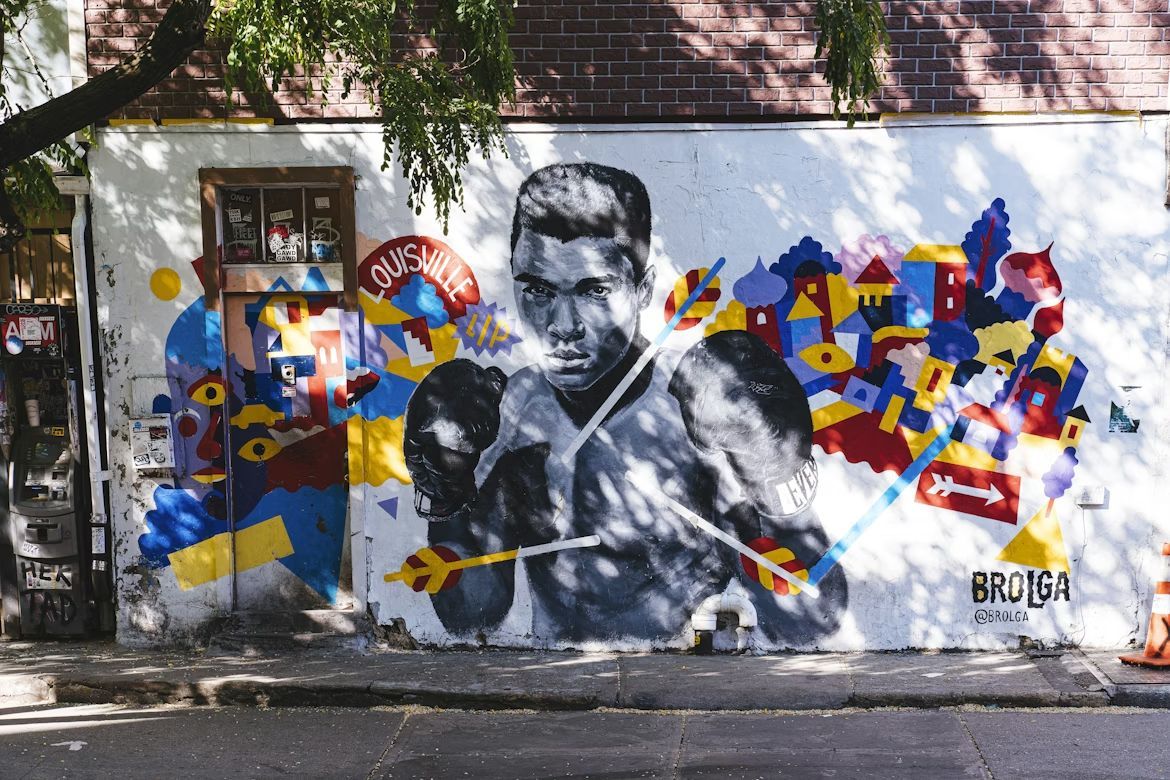
"He who is not courageous enough to take risks will accomplish nothing in life."
Ali said this in the early 1960s, a period when he was still known as Cassius Clay and was just beginning to make noise both inside the ring and outside of it. For a young Black man in America at that time, simply speaking his mind the way he did was itself an act of courage. The quote struck a chord far beyond sports: civil rights activists, artists, and everyday people saw in it something that went well past boxing. Ali wasn't just talking about throwing punches. He was talking about life, and people understood that immediately. Decades later, it still hits just as hard.
Michael Jordan
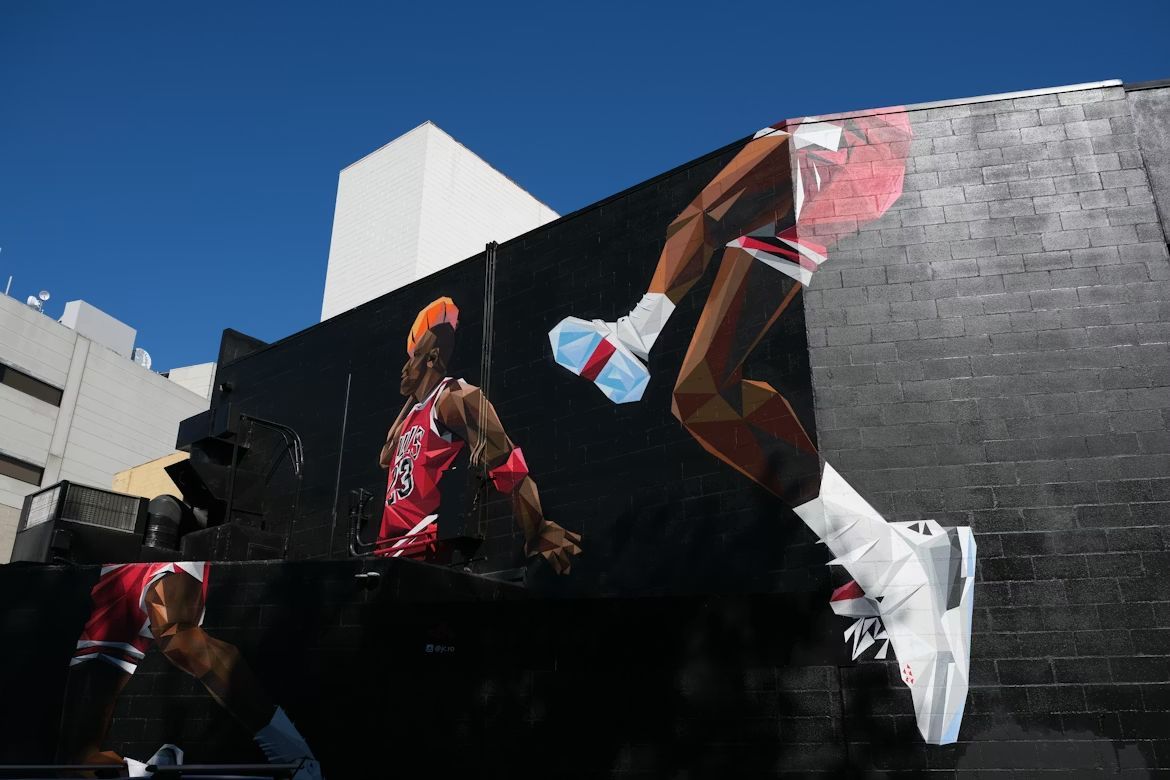
"I've failed over and over and over again in my life. And that is why I succeed."
Jordan said this as part of a Nike commercial in 1997, at the height of his fame: five championships in, considered by most to already be the greatest of all time. The ad showed him missing shots, getting it wrong, falling short. America was a little stunned. This was Michael Jordan admitting failure? The commercial became one of the most celebrated sports ads ever made, precisely because it felt so honest. Coming from the man who seemingly never lost, it gave everyone else permission to fail without shame.
Babe Ruth
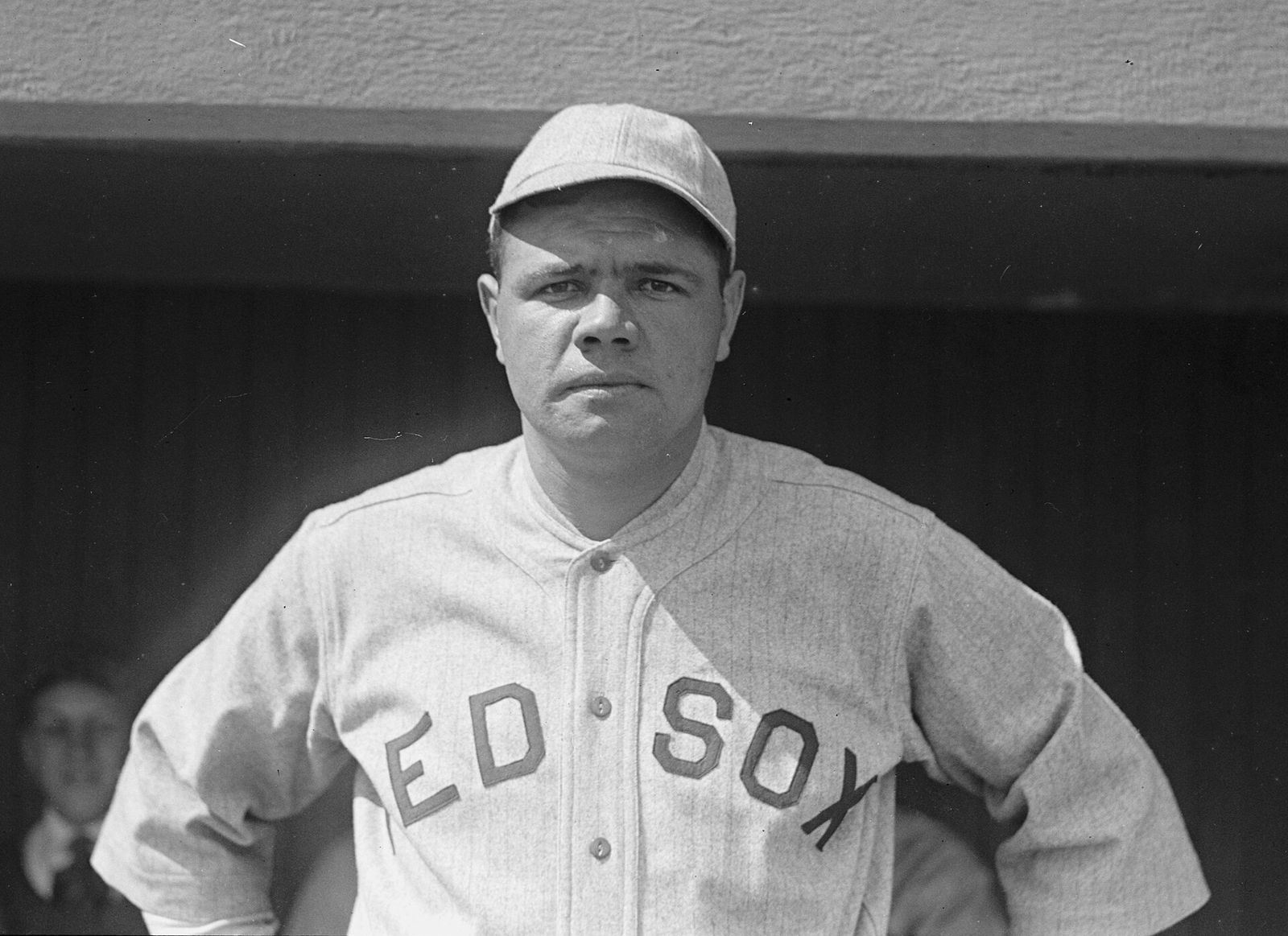
"It's hard to beat a person who never gives up."
Ruth said this sometime in the 1920s, during his legendary run with the New York Yankees, an era when he was rewriting the record books almost every season. The exact moment is fuzzy, but the sentiment fit Ruth perfectly, a man who struck out more than almost anyone of his era and simply didn't care. Fans and journalists embraced it immediately because it came from someone who clearly lived by it. Ruth wasn't just talking about baseball. He was talking about the stubborn, almost unreasonable refusal to fold, and people recognized that as something worth holding onto.
Wayne Gretzky

"You miss 100% of the shots you don't take."
Gretzky said this during a 1983 interview, already well on his way to becoming the NHL's all-time leading scorer. It was a casual remark, almost throwaway, but sports writers immediately latched onto it. Over the following decades, it grew into one of the most quoted lines in motivational history, showing up in business seminars, graduation speeches, and self-help books far beyond the world of hockey. Gretzky himself has expressed mild amusement at how far it traveled.
Lou Gehrig
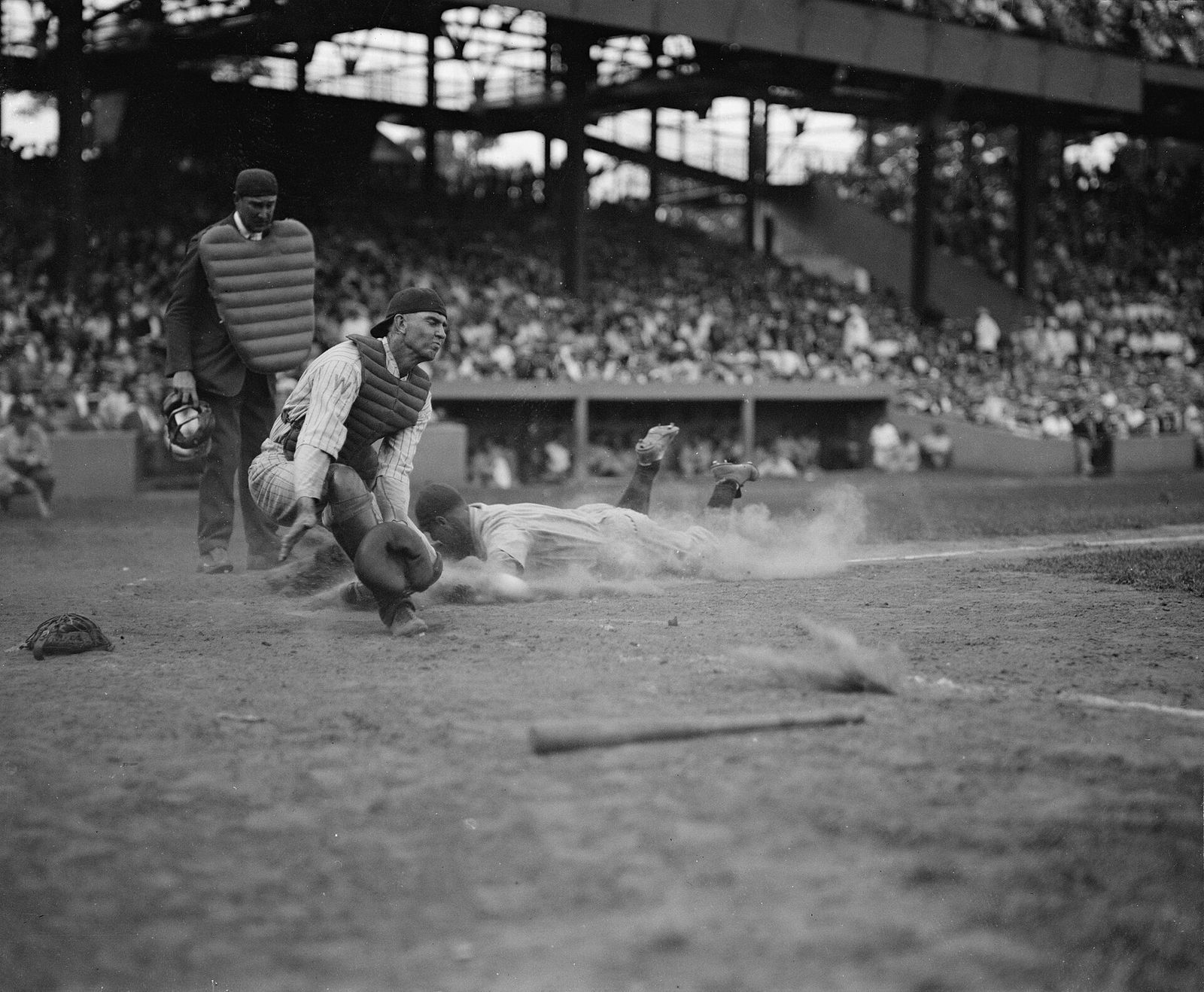
"Today, I consider myself the luckiest man on the face of the Earth."
July 4, 1939. Yankee Stadium. Lou Gehrig had just been diagnosed with ALS and stood at home plate in front of 62,000 fans to say goodbye. The stadium went completely silent as he spoke. Grown men wept in the stands. Sportswriters, many of them veterans of covering wars and tragedies, later said it was the most emotional moment they had ever witnessed. What moved people most wasn't just sadness; it was his extraordinary grace. A man facing a death sentence but choosing to count his blessings. It remains one of the most powerful moments in American sports history.
Billie Jean King
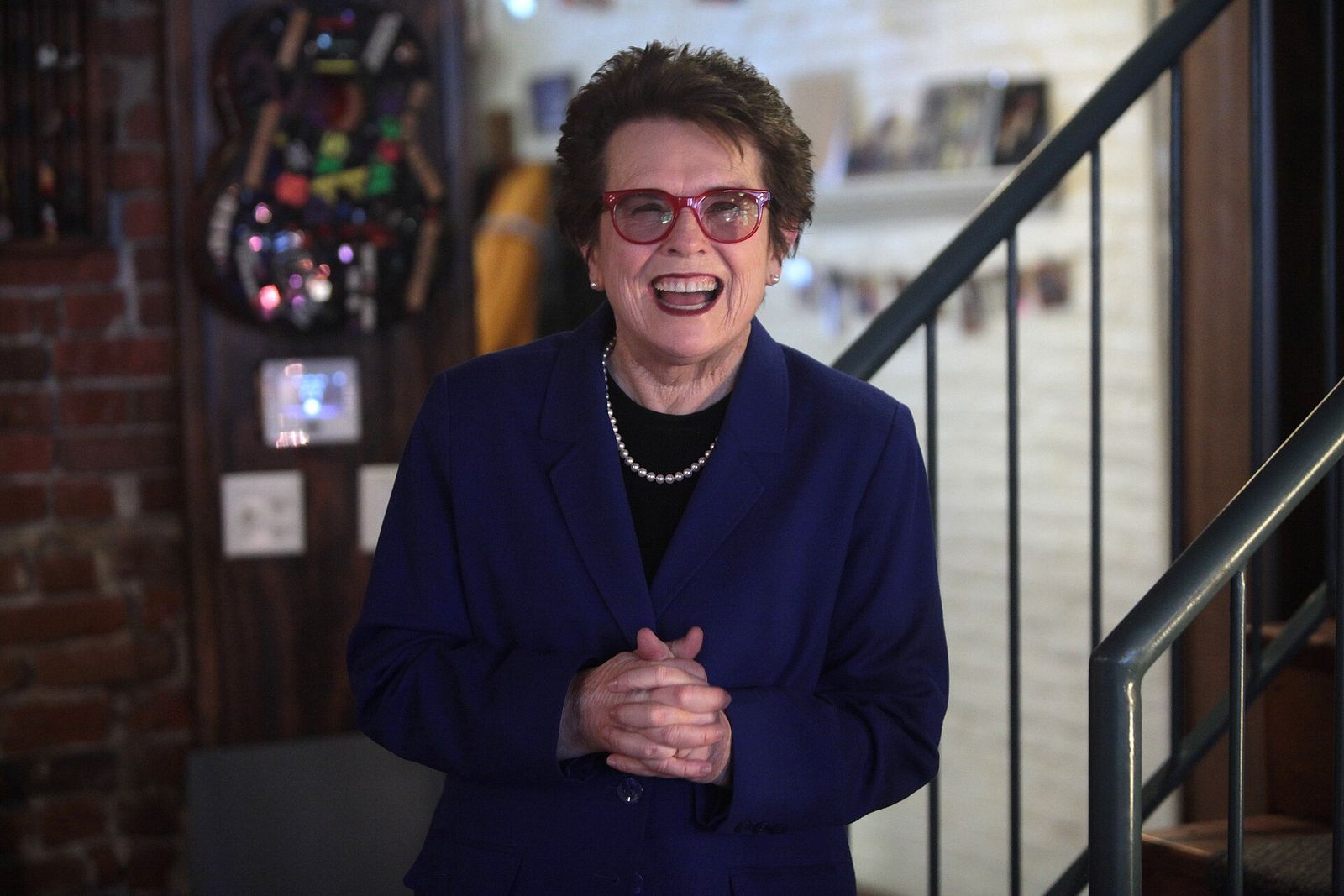
"Champions keep playing until they get it right."
King said this in the early 1970s, during a period when she was not only dominating women's tennis but fighting tooth and nail for equal prize money and respect for female athletes. Her words landed differently in that context: this wasn't just sports talk, it was a battle cry. Female athletes and women in general responded with tremendous enthusiasm because the quote spoke to what so many of them were living every day: having to try twice as hard just to be taken half as seriously.
Vince Lombardi
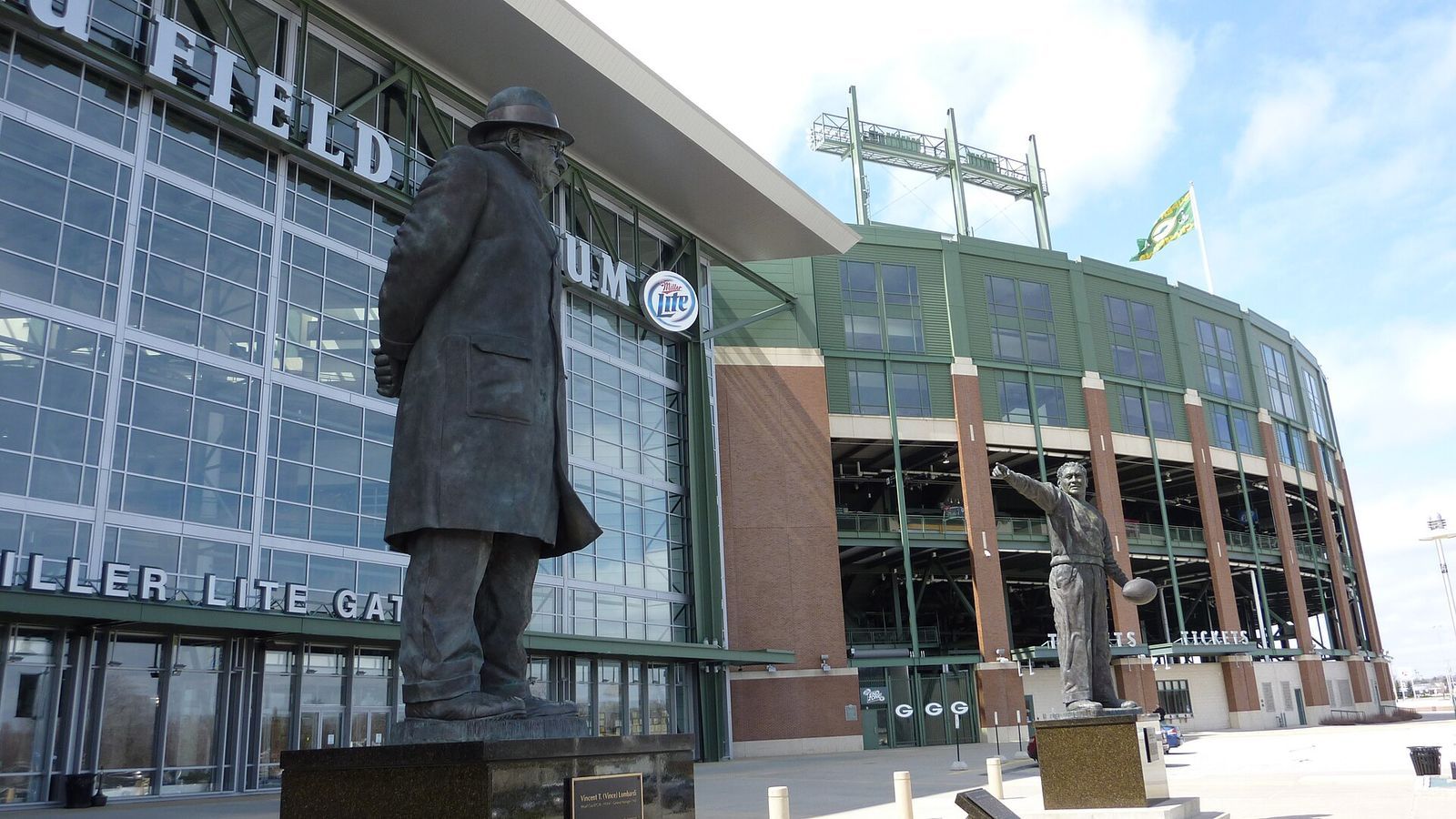
"Winning isn't everything, but wanting to win is."
Lombardi said this to his Green Bay Packers in the early 1960s, a period when he was turning a struggling franchise into a dynasty. Players later recalled that his speeches had a way of making them feel like they could run through a wall — and then they'd go out and nearly do it. When the quote reached the general public, it resonated deeply because it reframed what competition actually meant. You can't always control the scoreboard, but you can control your hunger. In a culture that often confused effort with outcome, Lombardi's distinction felt like a revelation.
Jimmy Valvano
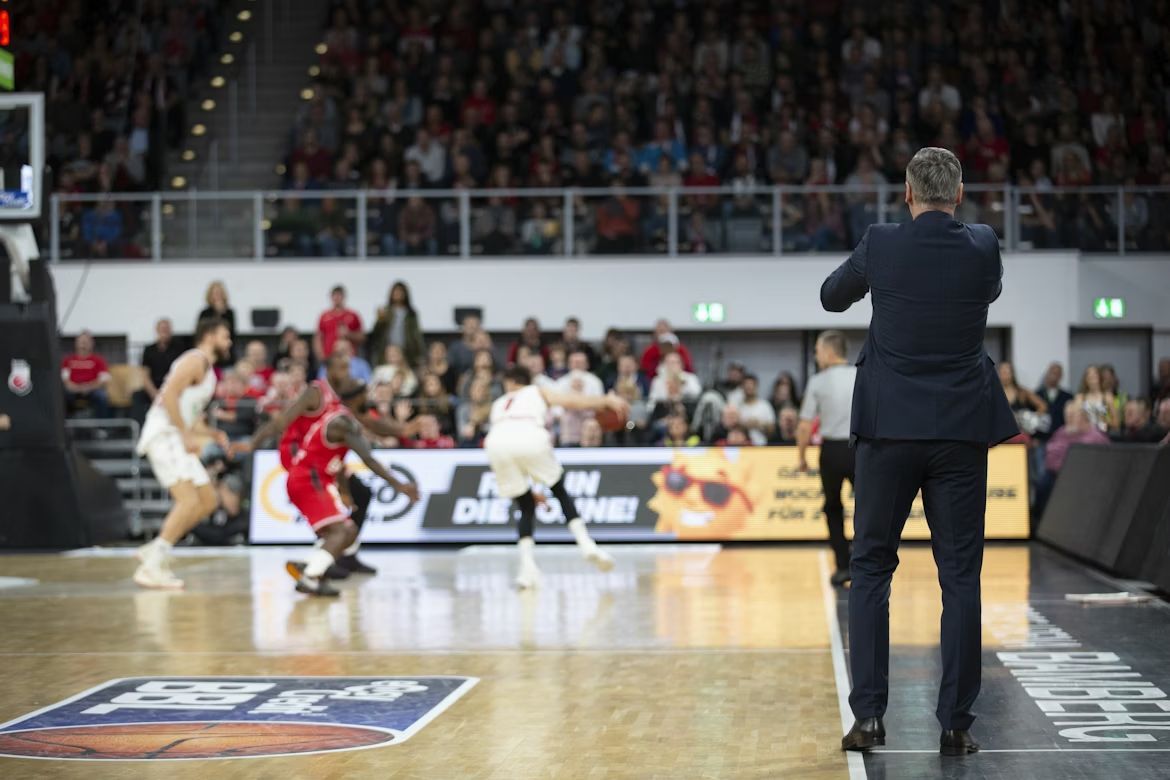
"Don't give up. Don't ever give up."
March 4, 1993. The inaugural ESPY Awards in New York City. NC State basketball coach Jimmy Valvano, visibly weakened and in tremendous pain from bone cancer, walked to the podium and delivered eight minutes that left virtually no one in the room dry-eyed. He said it twice — "Don't give up. Don't ever give up" — and the repetition made it hit even harder. The crowd gave him a standing ovation that seemed like it would never end. Valvano passed away just eight weeks later. The V Foundation, which he founded that night, has since raised hundreds of millions of dollars for cancer research. Few moments in sports history have ever hit quite that hard.
Yogi Berra

"It ain't over till it's over."
Berra said this in July 1973, when a reporter asked him about his New York Mets' slim chances of winning the division; they were sitting in last place at the time. Most people laughed at first, because it sounded like classic Yogi nonsense. But then the Mets went on an improbable run and nearly won it all, and suddenly nobody was laughing anymore. The quote took on a sort of magical quality after that. It has since become one of the most universally used phrases in American culture: sports, politics, business, you name it.
Jackie Joyner-Kersee
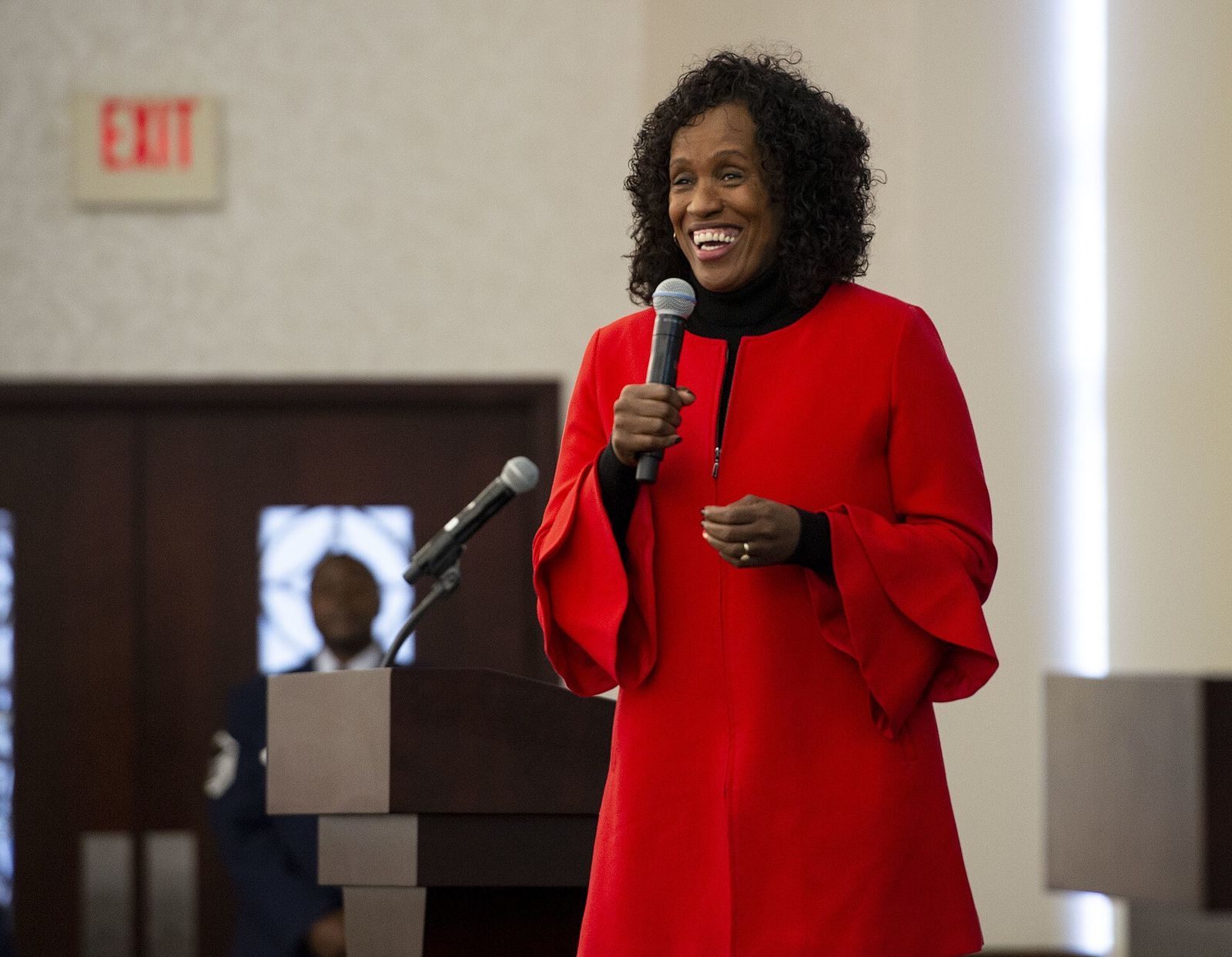
"Age is no barrier. It's a limitation you put on your mind."
For anyone who has ever let age talk them out of something, this one lands differently every single time you hear it. Joyner-Kersee said this in the mid-1990s, as she continued competing at the highest level of track and field well into her 30s, an age when most athletes in her sport had long since retired. She had won six Olympic medals, battled severe asthma her entire career, and competed through injuries that would have ended most careers. The response from fans, particularly older ones, was deeply personal. Here was someone telling them, from hard-won experience, that the clock doesn't have to run the show.


