Avoid awkward moments

Most people mispronounce these 12 foreign words. How about you?


Published on May 21, 2025


Image: Freepik

English speakers borrow many words from other languages and pronounce them as best they can. Sometimes, those pronunciations are correct, but that’s not always the case. The following 12 examples are foreign words that we use daily but often mispronounce.

1

Bruschetta

Image: Margarita Zueva

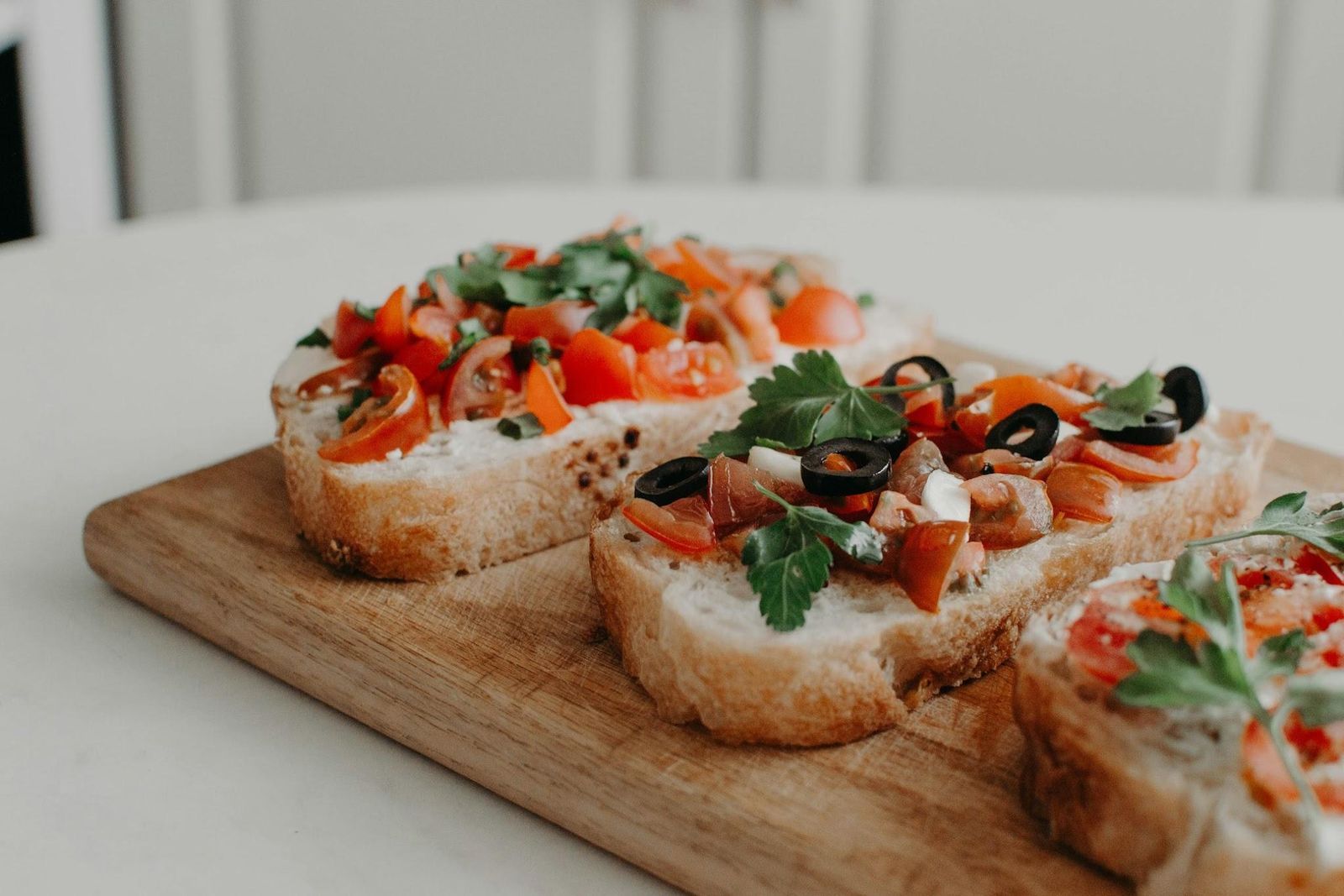
Those slices of toasted Italian bread drenched in olive oil, with garlic and tomatoes on top, are a common sight in restaurants around the world, but most of us can’t seem to pronounce their name correctly and say "bru-shetta" instead.

In its native Italian, the "ch" is always pronounced like a K. So it’s "bru-SKET-ta."

2

Chic

Image: Atikh Bana

This French word is often used in the fashion world, but since there is no "tch" sound in the French language—except in foreign words and names—it is pronounced like "sh." So the correct pronunciation is "sheek."

3

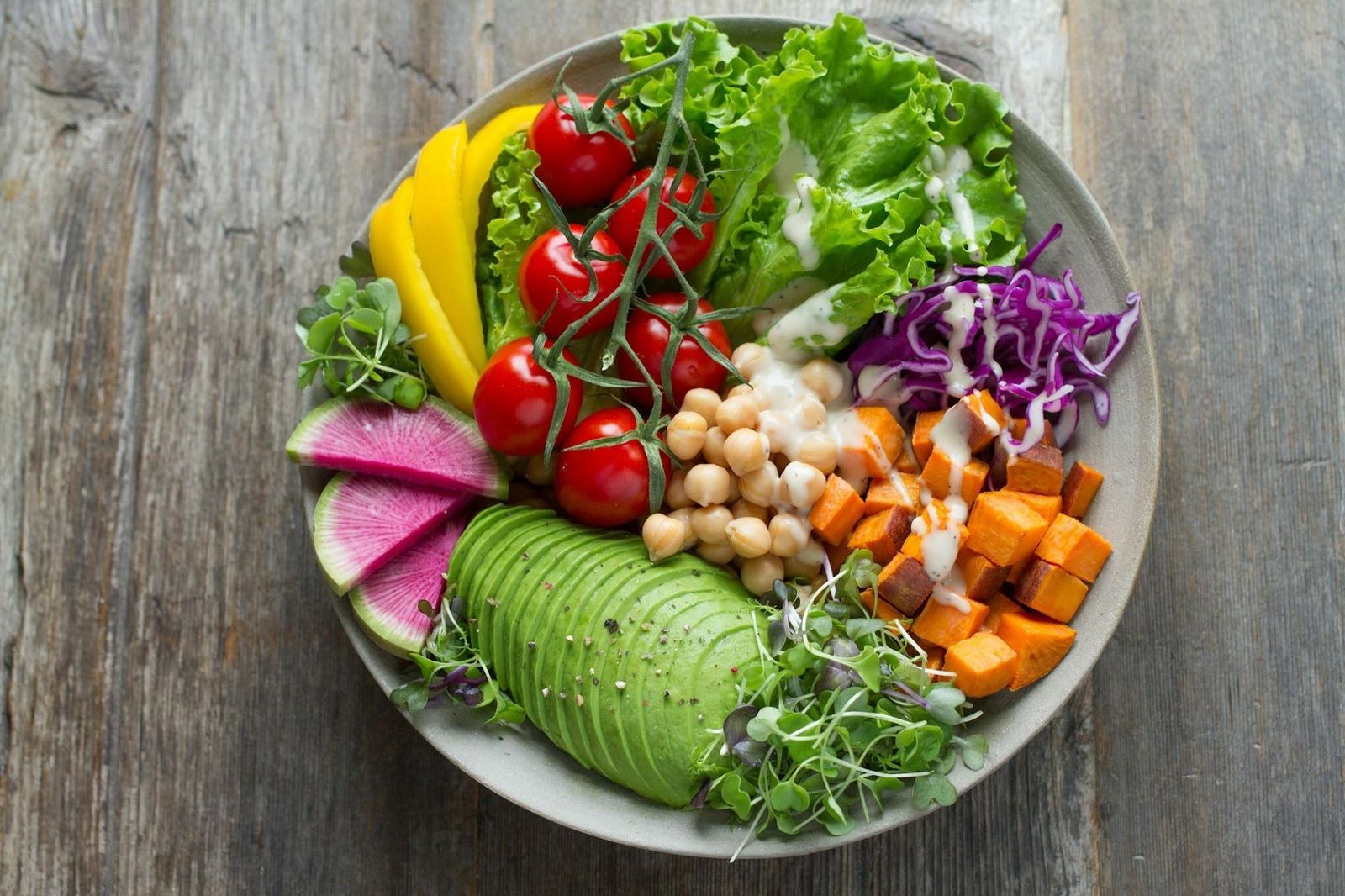
Quinoa

Image: Pierre Bamin

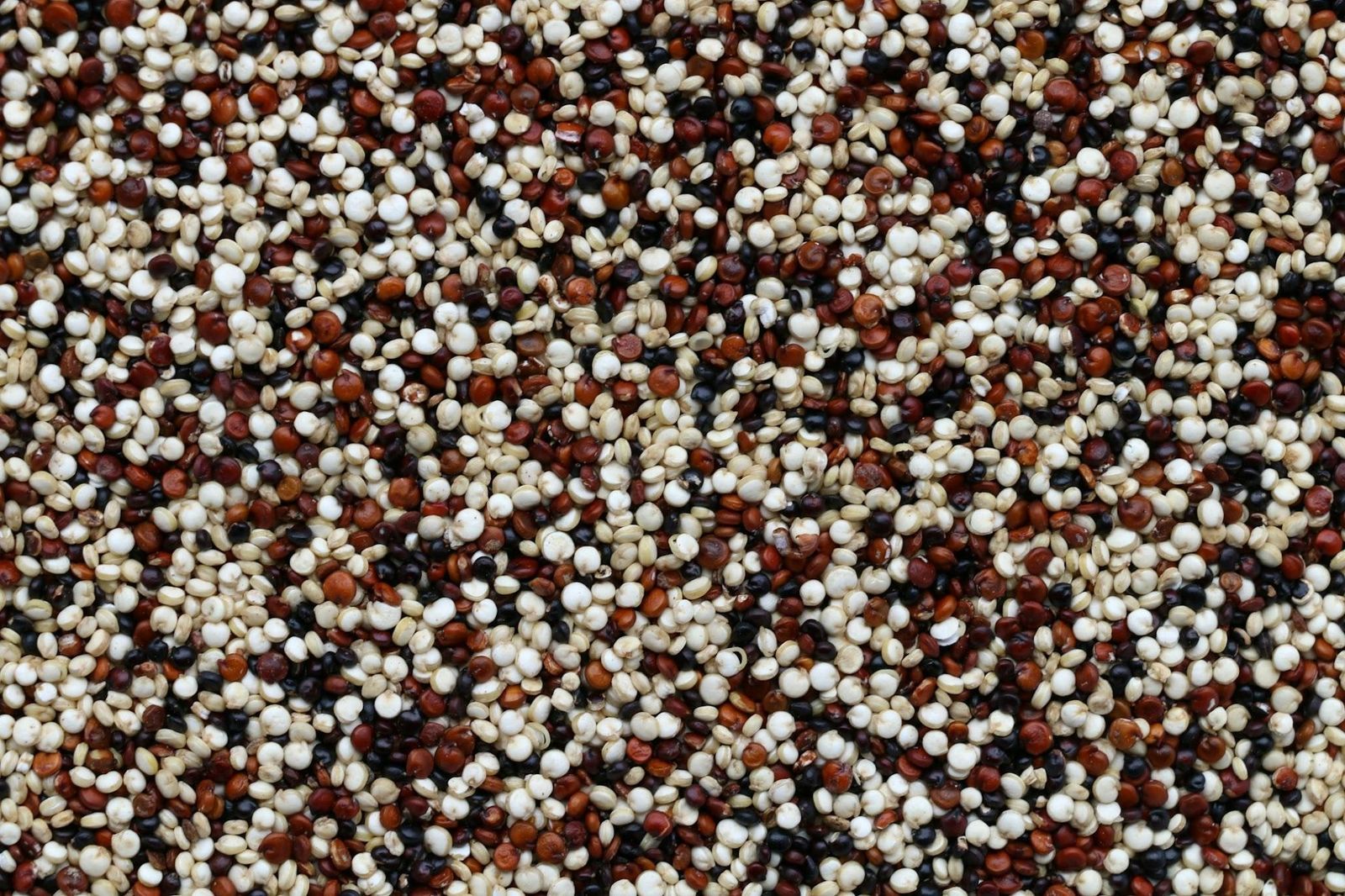
A popular ingredient among people seeking a healthier diet, quinoa originated in South America and is often pronounced "kee-no-ah," when the correct pronunciation is "keen-wah."

4

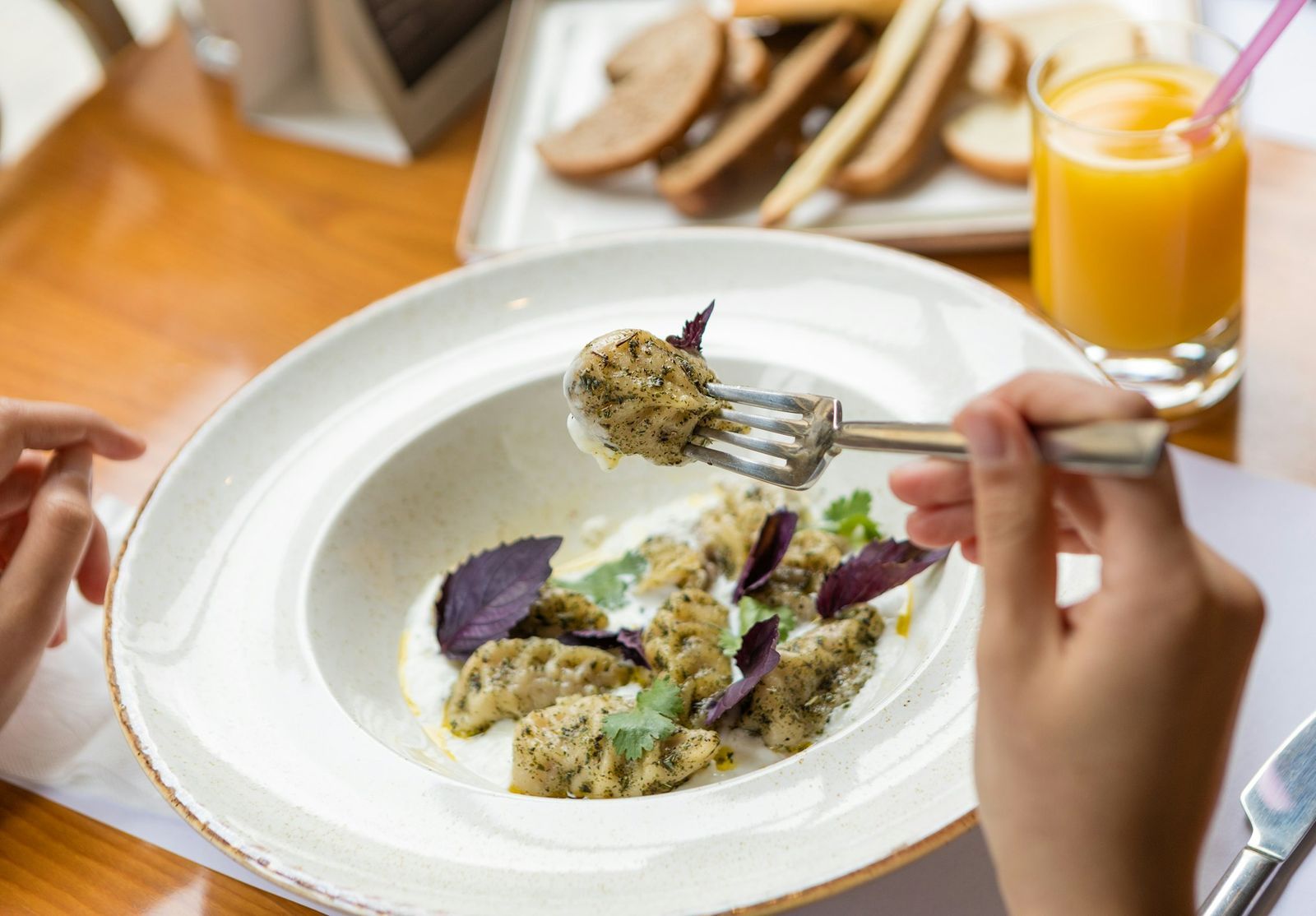
Gnocchi

Image: Max Nayman

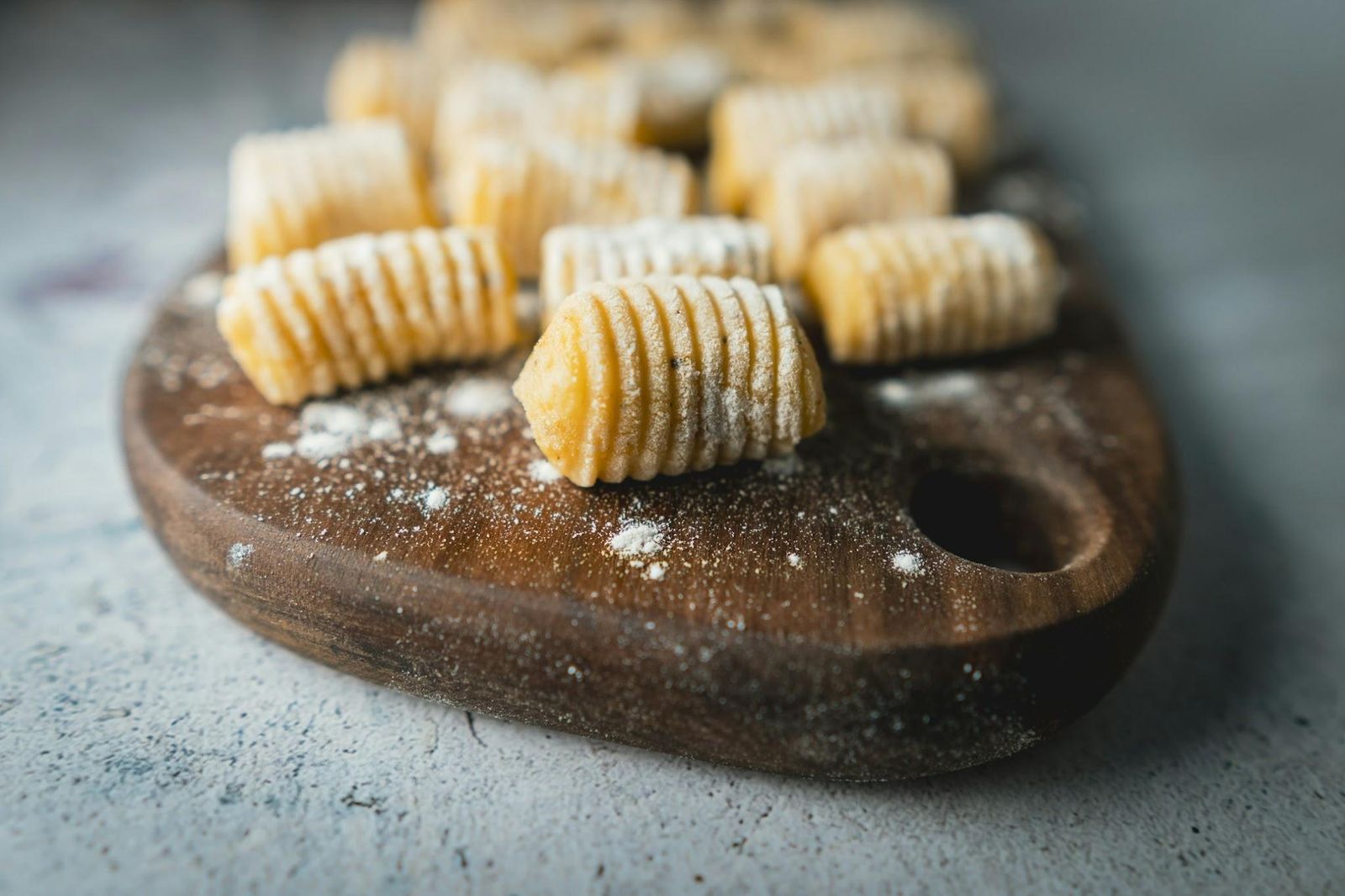
As you can see, the world of food offers plenty of opportunities for mispronouncing words, and this one comes courtesy of Italy. The exact origin of the word gnocchi is unknown, but many believe it derives from the Italian word nocchio, meaning "a knot in wood." If you want to get the pronunciation of this foreign food correctly, you should say "nyoh-kee."

5

Jalapeño

Image: Phillip Larking

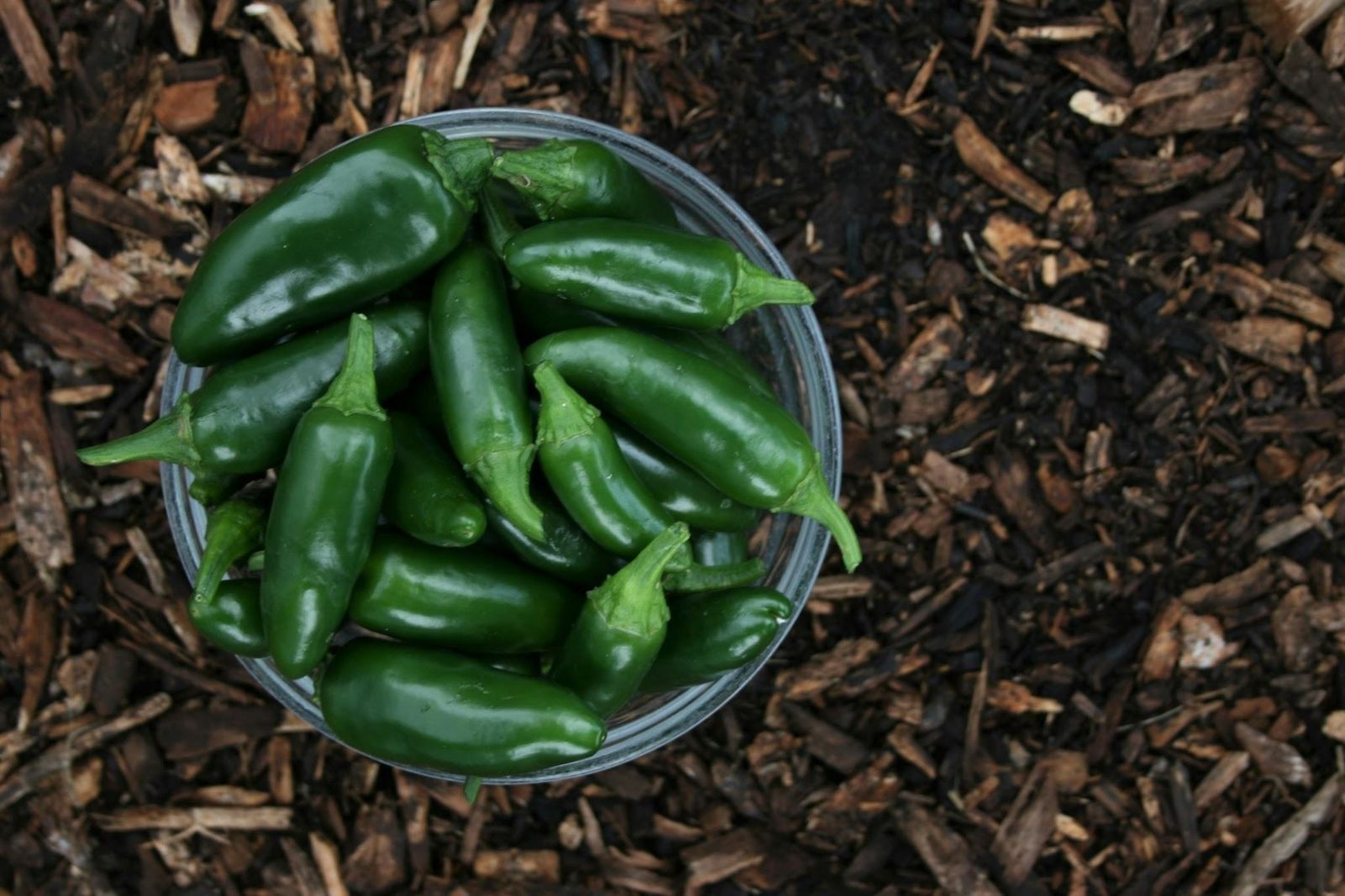
A fun word to pronounce, indeed! These hot chili peppers come from Mexico. And, as the "j" sound in Spanish is pronounced like a strong "h" in English, you don’t say jall-ap-ee-no. Instead, it’s "halla-pen-yo."

6

Niçoise

Image: Anna Pelzer

The name of this tasty French salad has the letter c with the hook ç, which is called c-cedilla, which is pronounced like an "s." The proper pronunciation for this dish is "nee-swahz."

7

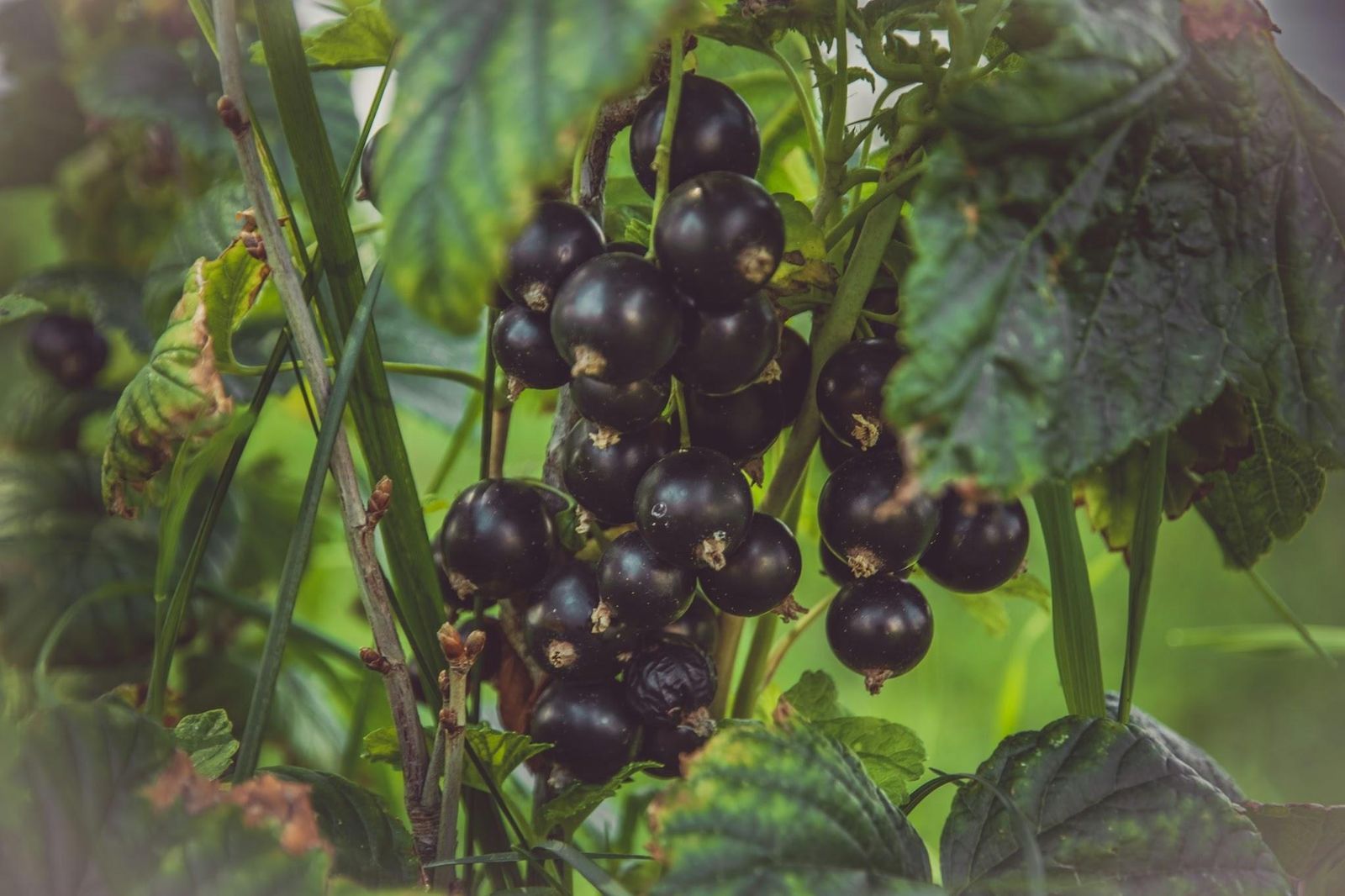
Açaí

Image: Bermix Studio

The second South American food product on our list, the superfood known as açaí, is a type of berry found in rainforests. Its pronunciation can be tricky for native English speakers, partly because of the unfamiliar Latin letters. If you want to get it right, it’s "ah-sigh-ee."

8

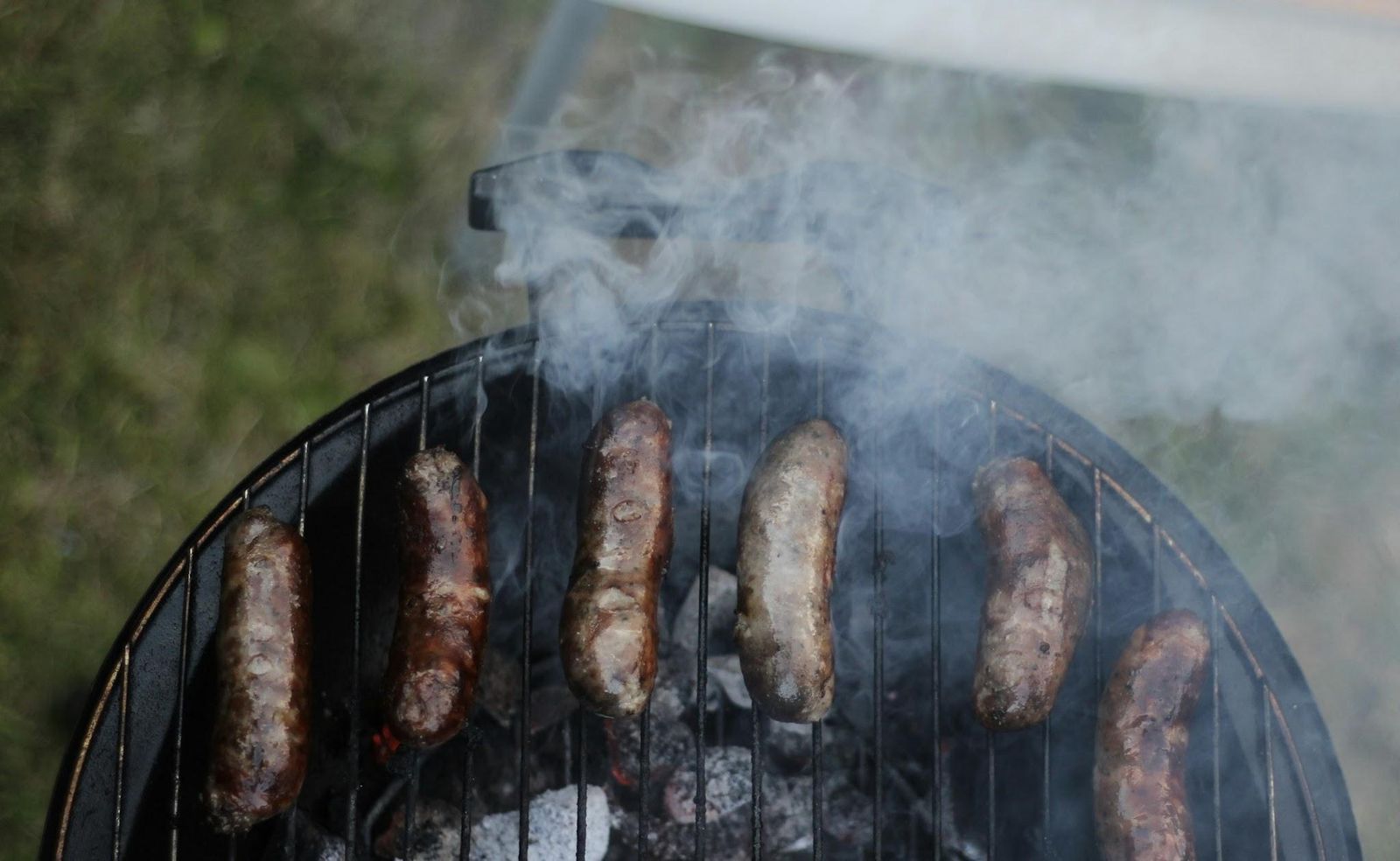
Chorizo

Image: Harry Knight

Chorizo is a spicy pork sausage often used in Spanish and South American cuisine. The correct pronunciation for this exotic word is "choh-ree-soh."

9

Bon appétit

Image: Farhad Ibrahimzade

This household expression, often directed at someone about to enjoy a particularly tasty meal, is frequently mispronounced. Many English speakers pronounce the "t" at the end of this expression when it is, in fact, silent: bon-appétit is pronounced "bon-apetee."

10

Connoisseur

Image: Hunters Race

This French word, used to describe someone who is an expert in a particular subject, is often mispronounced as "con-nah-sewer," but that’s not correct. The proper pronunciation is "con-ah-sir."

11

Nouveau

Image: Lāsma Artmane

This architectural and aesthetic style from the early 20th century has a French name, often mispronounced as "no vew." But the most accurate pronunciation is "new-voh."

12

Niche

Image: Alizée Baudez

The last word on our list is also a French one, used to describe a special occupation. Many English speakers mispronounce it to sound like "nitch," but the correct pronunciation is closer to "neesh."


AFK? RSVP ASAP!

14 Acronyms And Initialisms That You Might Not Know


Published on May 21, 2025


Image: Lea Khreiss

According to the OED (Oxford English Dictionary), initialisms are "sequences of letters that refer to a full expression," such as USA, "United States of America." Acronyms, on the other hand, are initialisms that have become words themselves, such as NASA. In this sense, all acronyms are initialisms, but not all initialisms are acronyms.

Although many acronyms and initialisms have made their way into ordinary English usage and most people know how to use them in their daily lives, many times the exact words that originated them are utterly forgotten. So, if you have been wondering what’s the real meaning behind many of these puzzling abbreviations or just want to refresh your knowledge with a little challenge, here are 14 popular acronyms that you might be getting wrong.

P.S.: Try to guess the meanings before reading the explanation!

1

AFK - Away from keyboard

Image: Luca Bravo

This one has gained more popularity in recent times, with the growth of remote or online work. It is primarily used to tell other members of an online board, chat room, or remote workspace that you won’t be available at your computer for a certain period of time. Although AFK originated in the early days of the internet, being first used in ‘90s chat rooms, it is still commonly displayed in online multiplayer games when someone isn’t playing or is currently unavailable.

2

BYOB - Bring your own bottle/beverage

Image: Wil Stewart

Chances are you already know this one. Party organizers usually add this little initialism to their invitations to make sure everyone contributes to the general happiness of the gathering. By bottle or beverage, of course, most people mean alcoholic drinks, although not necessarily. An alternative might be BYOF, meaning to "bring your own food."

3

RSVP - ‘Répondez s’il vous plaît’, french for ‘please reply’

Image: Ranurte

Another very popular one, especially if you work at an office or in formal party invitations (like a wedding). This is one of the many borrowed expressions from the French language that are still used today by English speakers. However, apparently, RSVP is no longer used in France and is considered to be quite old-fashioned. But, unless you are French, don’t be rude and reply, so the host will know whether to count you for their party or not.

4

DIY - Do it yourself

Image: Jo Szczepanska

This one refers to doing crafts, repairs, or decorations at home by yourself, in contrast to hiring someone else to do it (a professional) or buying from the store. If you type "DIY" on a website like YouTube, you will find thousands of tutorials and guides that cover almost everything, from learning how to paint a wall to building your own radio.

5

AWOL - Absent without official leave

Image: Clay Banks

Originally a military term for soldiers who left their post without permission, now it is widely used to mean that someone has temporarily gone missing. When a friend suddenly disappears from the bar without a trace, you can now say that they have "gone AWOL" (although in all likelihood they are probably just sleeping it off).

6

TL;DR - Too long, didn’t read

Image: Pradamas Gifarry

Commonly used in online forums and discussion boards to indicate that someone has posted something way too long and wordy. If you don’t like our article you can tell us TL;DR!

7

YOLO - You only live once

Image: Peter Conlan

In the last couple of years, you might have heard someone yelling "YOLO!" to no one in particular before doing something incredibly dumb or at least driven by a questionable train of thought. However, it can also be used to encourage someone to live their lives to the fullest, without overthinking things or worrying too much along the way. You can think of the aphorism ‘_Carpe Diem_’ (Latin for ‘seize the day’) as an ancient—and nobler—relative of this acronym.

8

ASAP - As soon as possible

Image: Towfiqu barbhuiya

Another common workplace acronym, ASAP is used when you want to make it clear to someone that they should reply or do something quickly, or when there is a deadline coming and they should hurry up.

9

Laser - Light Amplification by the Stimulated Emission of Radiation

Image: M.M.

A device that ‘stimulates atoms or molecules to emit light at particular wavelengths’, Laser is one of those acronyms that are cleverly hidden within a common use word.

10

NSFW - Not safe for work

Image: Rika Digital

Bet you didn’t know this one. This initialism is commonly used as a tag in online posts or URLs that open adult content—mostly nudity, but also anything else that might not be suitable to see in the workplace or with children around. You might find it used to label any sort of films, books, or products that contain sexual or explicit content, profanity, violence, and other adult-oriented subjects.

11

ZIP (code) - Zone Improvement Plan code

Image: Trinity Nguyen

I’m not going to lie, I found this one surprising. In 1963, the United States Post Office began using the now ubiquitous ZIP Code, replacing an older system that needed improvement in terms of efficiency – hence calling it the "Zone Improvement Plan."

12

OG - Original Gangster

Image: Gordon Cowie

Do not mistake it for OJ! (orange juice). If, like me, you were baffled by this acronym, very popular now among teenagers, you can join the party and start calling OGs left and right. But as usual, it is not exactly new. OG is an expression that has been used for decades in the rap and hip-hop culture as a way of respecting someone who has had a long experience or been around for a long time in a certain circle or scene. Effectively, it means "cool" and "old-school."

13

Radar - Radio detection and ranging

Image: Rodrigo Soares

Unless you are an amateur radio enthusiast or worked in engineering or the military, you probably never even gave a second thought to this word. The term RADAR was originally coined by the U.S. Navy in the 1940s to describe various detection systems that use radio waves to determine the distance, speed, and position of objects.

14

POTUS - President of the United States

Image: David Everett Strickler

It is usually speculated that this acronym (as many others) originated with the telegraph. International communications from the US president in the 1940s were commonly labeled as being sent by POTUS. Now you can see it used in official Twitter accounts and other White House media presence.

If you enjoyed learning the meaning behind words like YOLO or Radar, stay around! We will keep uploading more content like this!

Looking for an extra scoop of literary fun?

Learn more with our Word of the day

alter

/ˈɔltər/