Be articulate!
Most people don’t know the exact word for these 12 situations. Do you?
Published on June 27, 2026

English is full of surprisingly precise words for feelings, situations, and experiences that most people struggle to describe. Some come from ancient Greek or Latin, while others were borrowed from languages like Welsh or Swedish. A few are still rare today, but all of them manage to describe very specific things. Take a look at the following 12 examples and see if there are one or two that you can add to your daily vocabulary!
Paraprosdokian
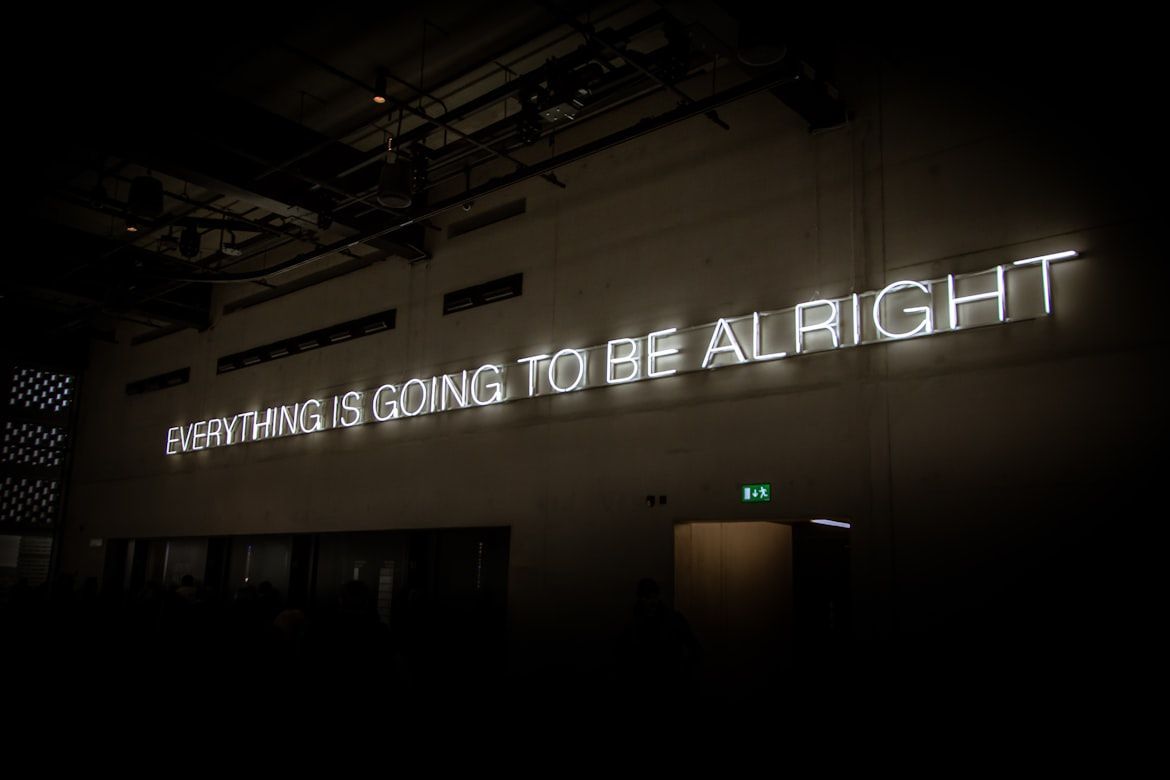
A paraprosdokian is a sentence that suddenly changes meaning at the very end, forcing you to rethink what came before. The word comes from Greek roots meaning "against expectation."
Unsurprisingly, comedians and writers love using paraprosdokians for humor and surprise (pun intended). A famous example is: "I’ve had a perfectly wonderful evening, but this wasn’t it." The unexpected ending is what makes it work.
Nibling

"Nibling" is a gender-neutral word that refers to a niece or nephew. It is widely credited to linguist Samuel E. Martin in 1951 as a parallel to the word "sibling."
For decades, the term remained obscure, but it became more popular online in the 2010s as many English speakers sought more inclusive family language.
Kakorrhaphiophobia
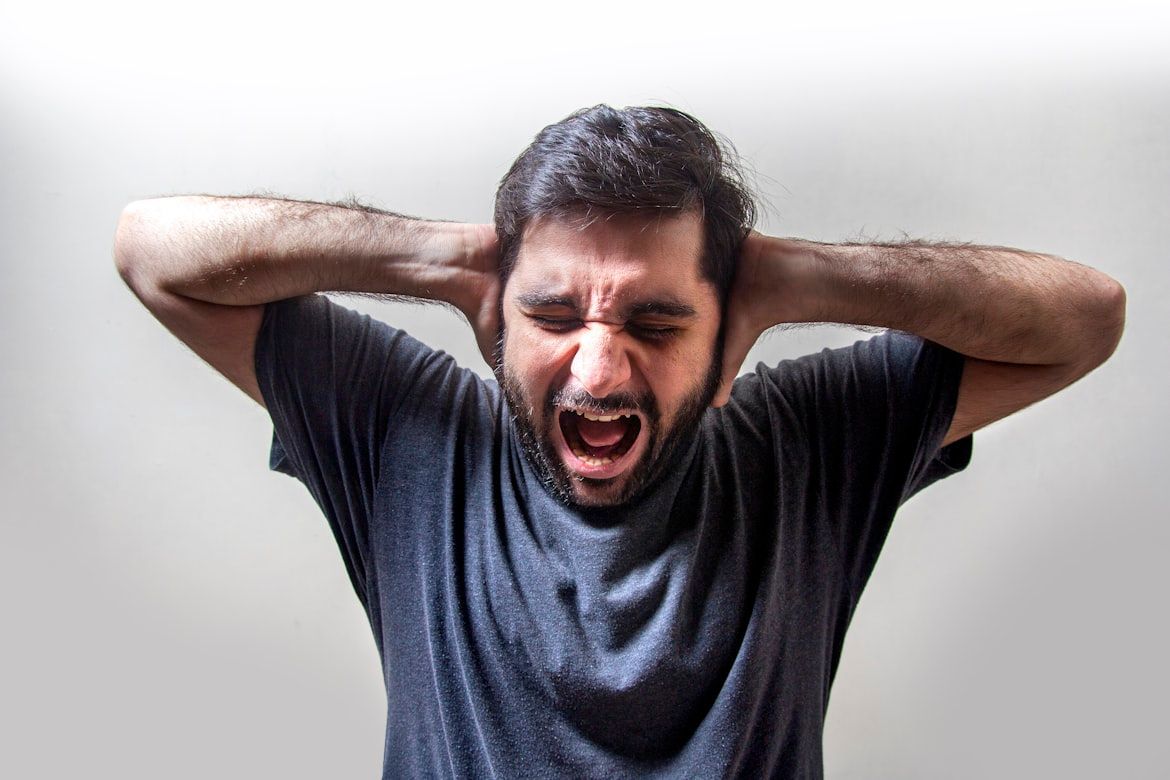
Kakorrhaphiophobia means an irrational fear of failure. The intimidating word comes from Greek roots connected to fear and failure, making it one of English’s longest phobia names.
Although rarely used in everyday life, psychologists connect the idea to perfectionism, anxiety, and fear of disappointing others. The word often appears in lists of unusual English vocabulary.
Formication
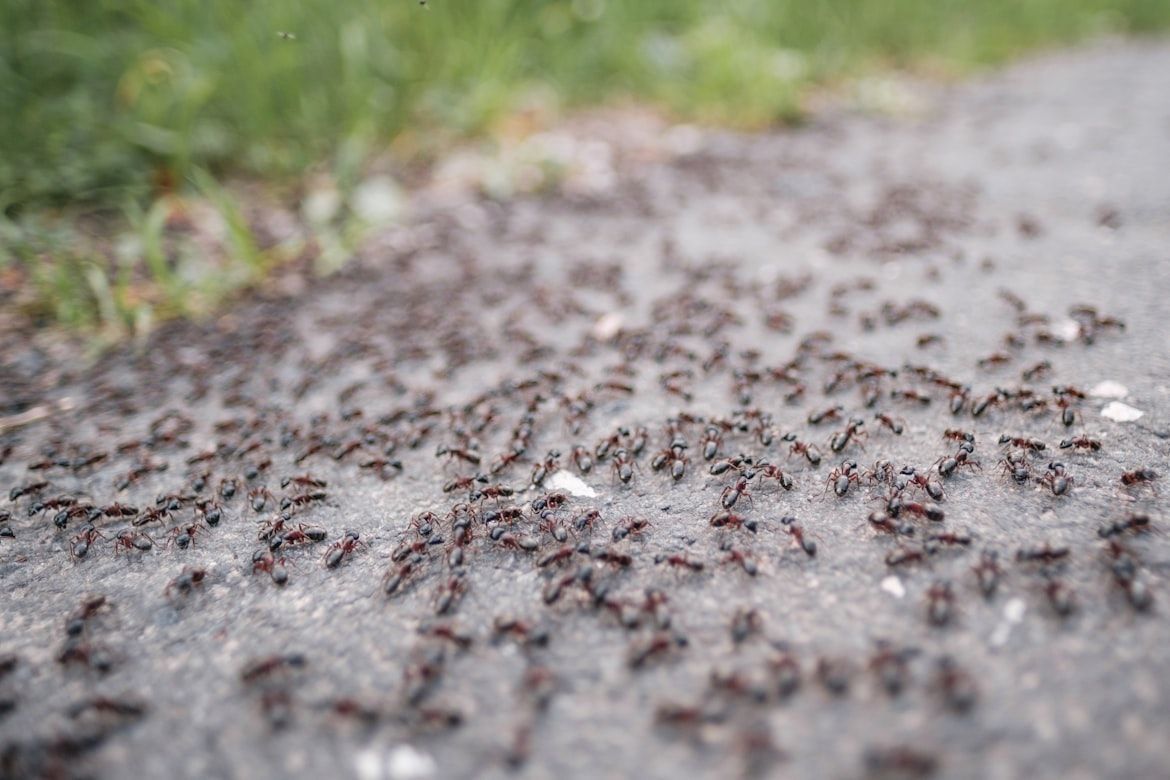
Formication is the sensation that insects are crawling on or under your skin when nothing is actually there. The term comes from the Latin word formica, meaning "ant."
Doctors recognize it as a real neurological symptom linked to anxiety, sleep deprivation, menopause, certain illnesses, and drug withdrawal. Despite the strange name, it has been documented for decades.
Dysania

Dysania describes the extreme difficulty of getting out of bed in the morning. While many people jokingly relate to it, the term is often associated with fatigue, depression, or sleep disorders.
Unlike ordinary laziness, dysania refers to a persistent struggle to leave the bed even after waking up. The word became popular online thanks to lists of oddly specific modern vocabulary (not unlike this one).
Interrobang
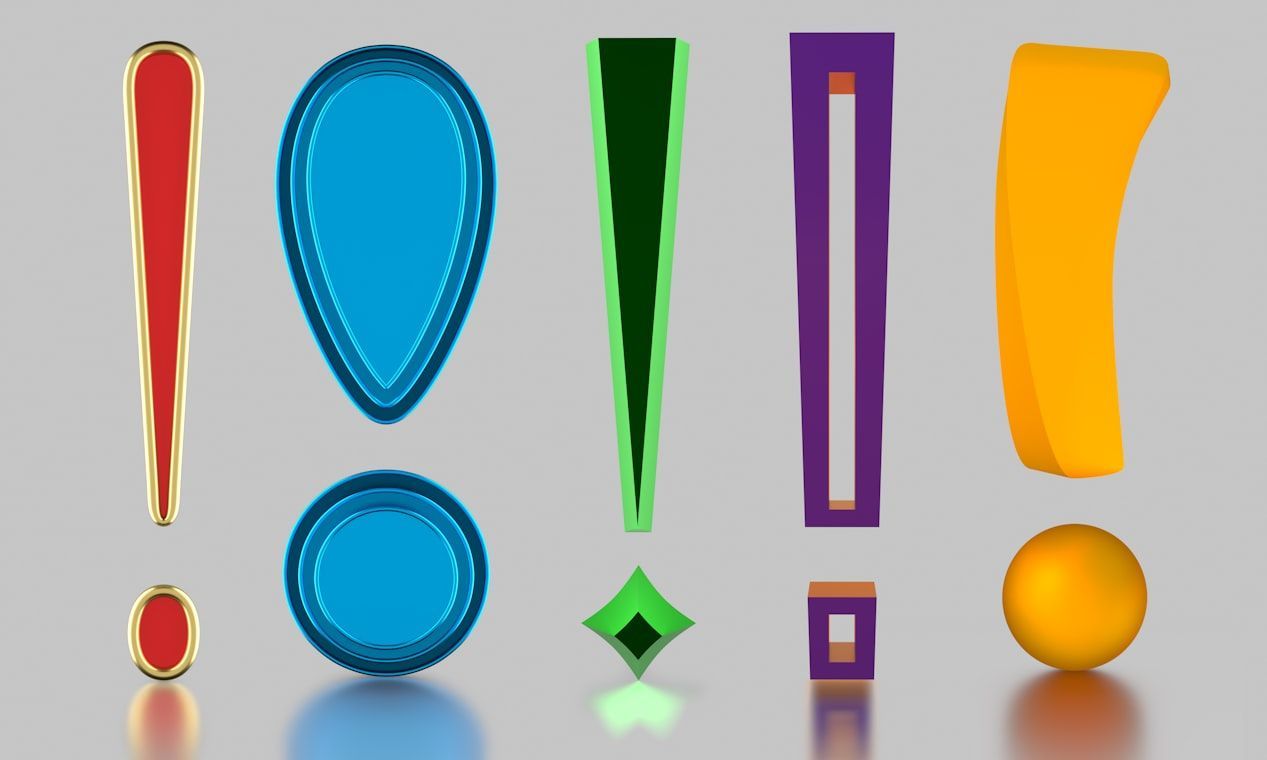
The interrobang combines a question mark and an exclamation point into one punctuation mark. It was invented in 1962 by advertising executive Martin K. Speckter.
He believed advertisements needed a cleaner way to show excited questions like "You paid how much???!!!" Although it never became standard punctuation, the symbol still exists in Unicode and modern fonts.
Latibulate
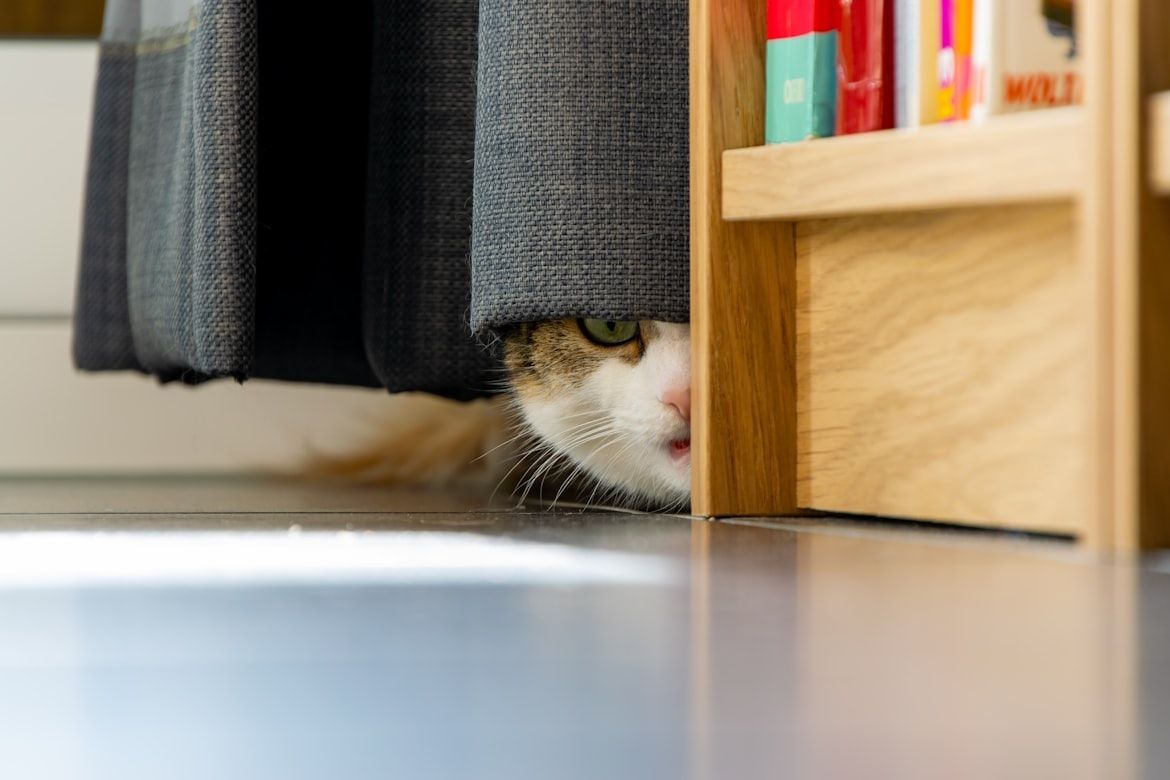
"Latibulate" means to hide away from society or retreat into a safe corner. It comes from the Latin latibulum, meaning "hiding place."
The word is extremely rare today, which only adds to its mysterious appeal. It is often included in collections of forgotten English words.
Hiraeth

Hiraeth is a Welsh word describing deep longing for a home, place, or time that may never truly return. It goes beyond ordinary nostalgia or homesickness.
Many writers describe hiraeth as mourning something lost, imagined, or impossible to recover fully. Among them, J.L. Borges said, "One does not miss places, but the moments spent in them."
Tmesis
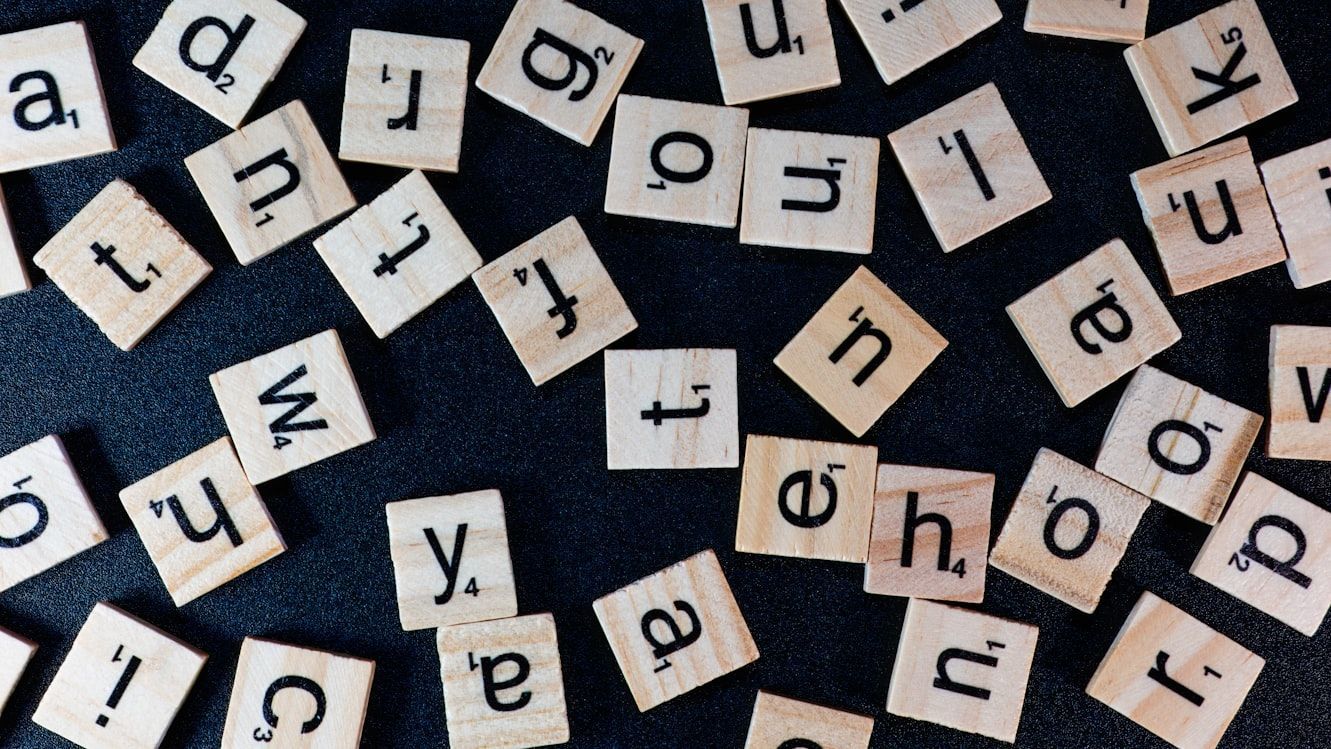
Tmesis happens when a word or phrase is split apart, and another word is inserted in the middle. English examples include "abso-bloody-lutely" and "fan-freaking-tastic."
The term comes from a Greek word meaning "cutting." Ancient Greek and Latin poets used tmesis long before modern English speakers turned it into a playful part of casual conversation.
Apricity

Apricity means the warmth of the sun during winter. The word entered English in the 1600s and comes from the Latin apricus, meaning "warmed by the sun."
Although it disappeared from common speech for centuries, apricity can sometimes be found in specific texts, since few terms describe such a precise seasonal feeling so well.
Clinomania

Clinomania refers to an overwhelming desire to stay in bed. The name combines Greek roots linked to beds and obsession, giving it a more intense meaning than simple tiredness.
The word is sometimes confused with dysania, but clinomania suggests a stronger emotional urge to remain under the covers.
Lagom
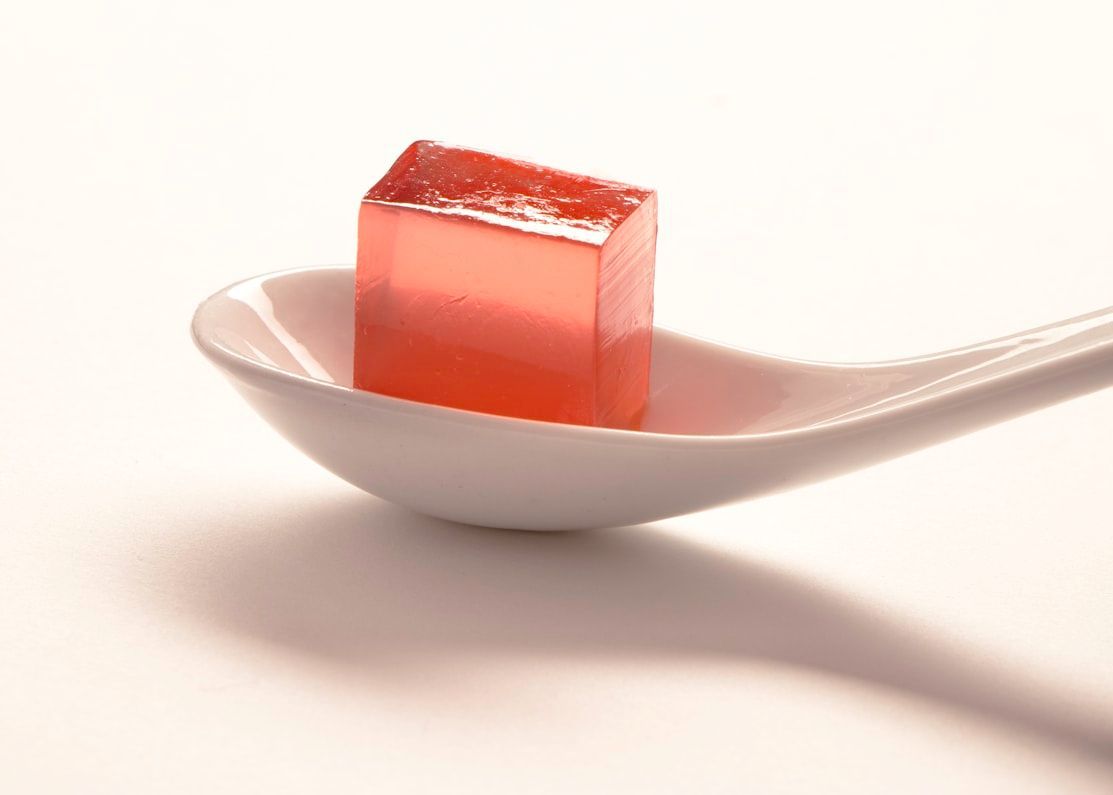
Lagom is a Swedish word meaning "just the right amount," not too much nor too little. It reflects a broader Scandinavian philosophy centered on balance and moderation.
The term became internationally popular during the 2010s alongside Nordic lifestyle trends like hygge.