The universe revealed

Mind-blowing truths: 10 space facts you won’t believe are real


Published on April 5, 2026
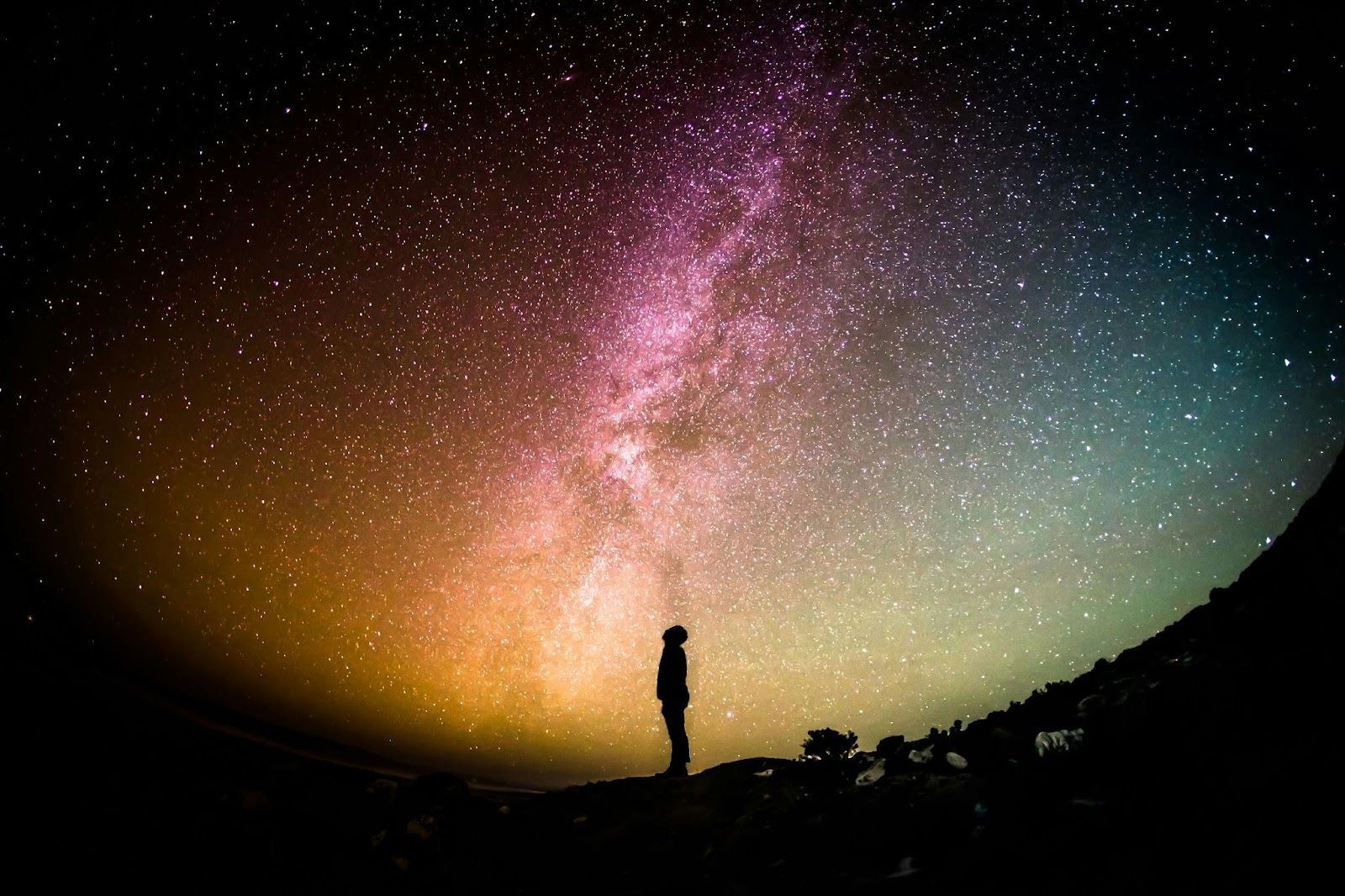

Image: Greg Rakozy

Did you know that everything we know about the universe makes up only about 5% of it? Even so, there’s still much that might surprise you. On some planets, a year is shorter than a day, while on others it can literally rain diamonds. From the smell of comets to the color of Mars’ sunsets, here are 10 incredible facts about the universe you probably didn’t know.

1

It's raining diamonds

Image: Bas van den Eijkhof

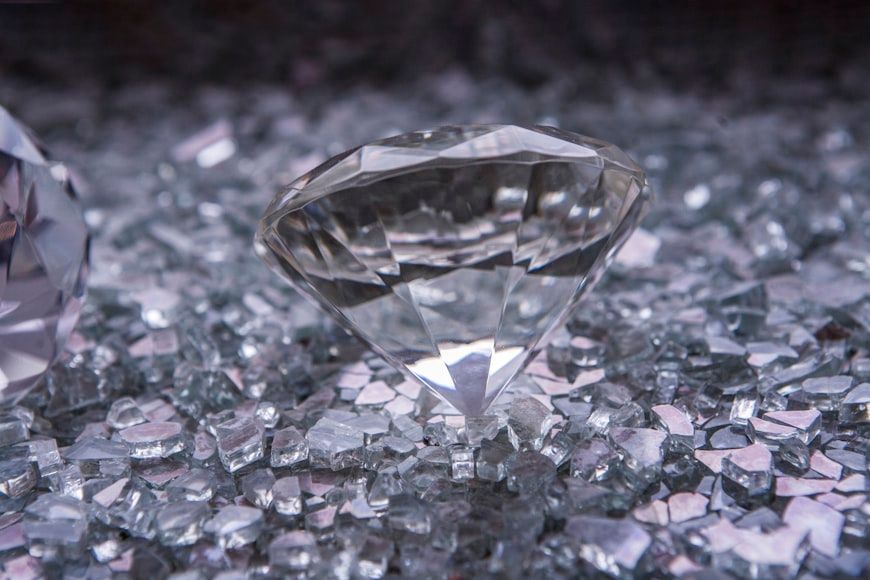
Perhaps if the Weather Girls had been born on Neptune or Uranus, their famous hit might have had a very different title, because something extraordinary may happen on these planets: it can rain diamonds! The immense pressures in their atmospheres can compress carbon into diamond crystals, which then sink deeper into the planets’ interiors.

2

The Moon upside down

Image: Ganapathy Kumar

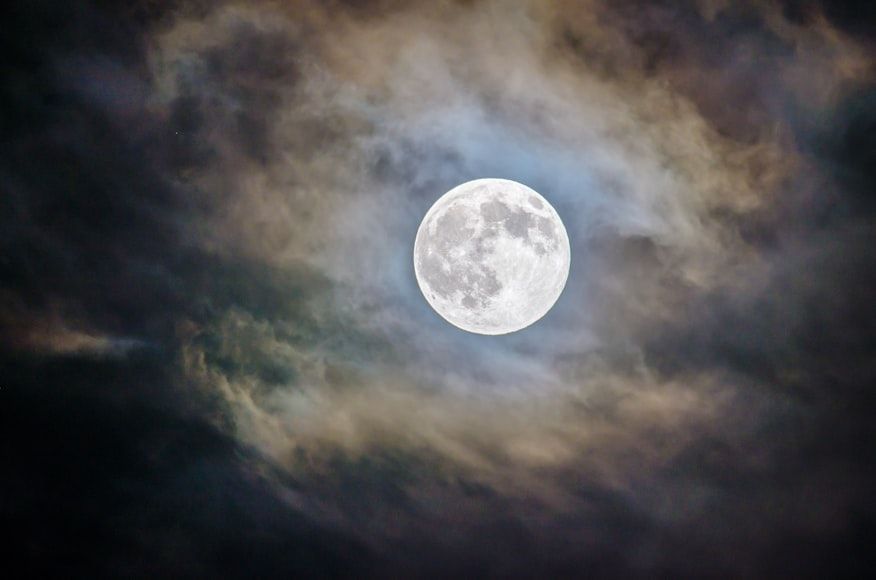
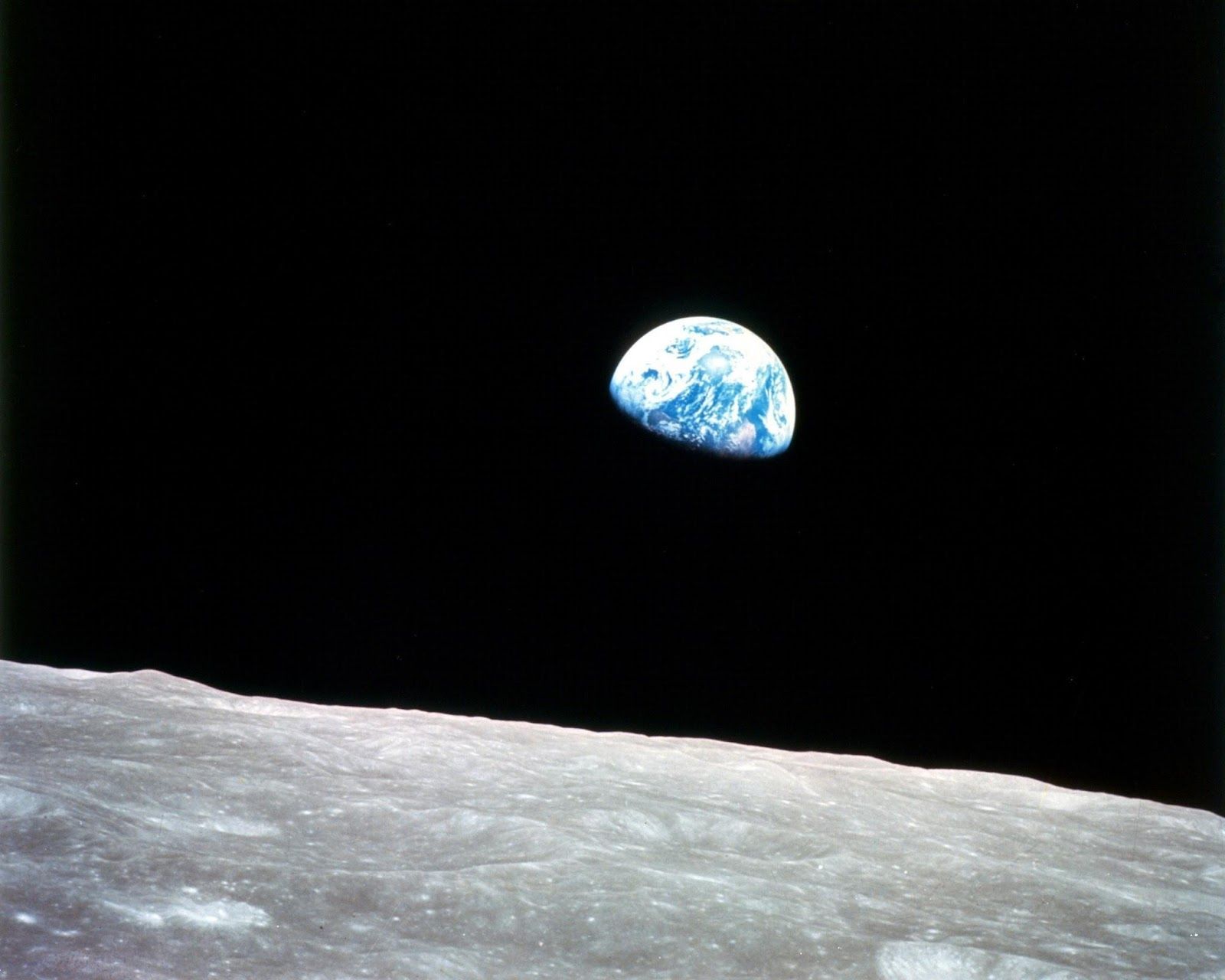
If you are reading this at night, step out into your backyard and take a look at the Moon. While we often assume everyone sees the Moon the same way, that’s not true. In fact, the Moon appears "upside down" in the Southern Hemisphere. This happens because your perspective changes relative to the Moon: in the Northern Hemisphere, you’re viewing it from "above" the equator, while in the Southern Hemisphere, observers see it from "below."

3

Saturn could float in water

Image: Planet Volumes

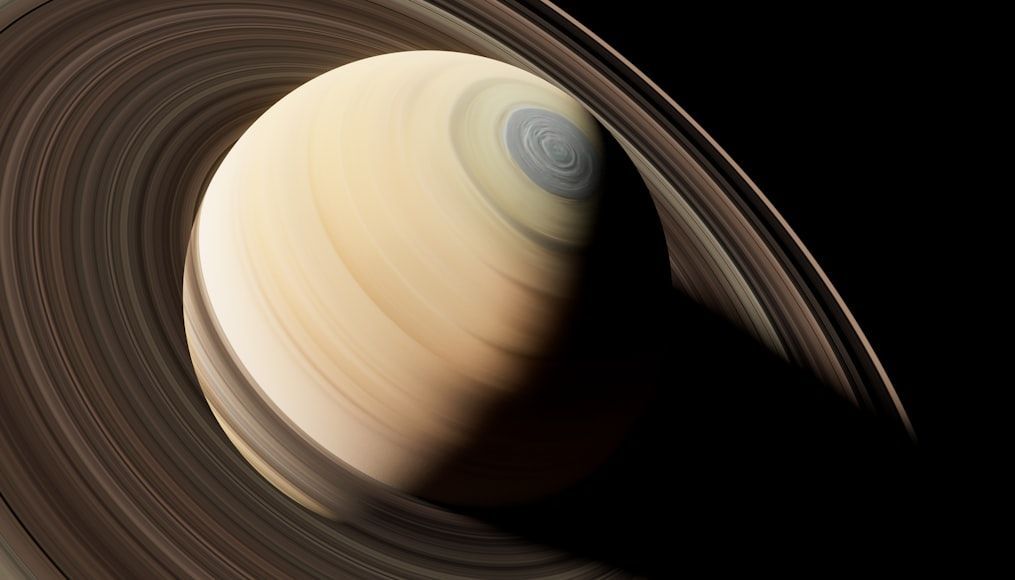
Saturn, the second-largest planet in our solar system, has a diameter of about 74,897 miles, making it roughly nine times wider than Earth. Surprisingly, it’s theoretically possible for Saturn to float on water... if only you could find an ocean big enough! This isn’t because of its size, but because of its composition: the planet is mostly made of hydrogen and helium, extremely light gases that make Saturn less dense than water.

4

Things from space smell

Image: NASA

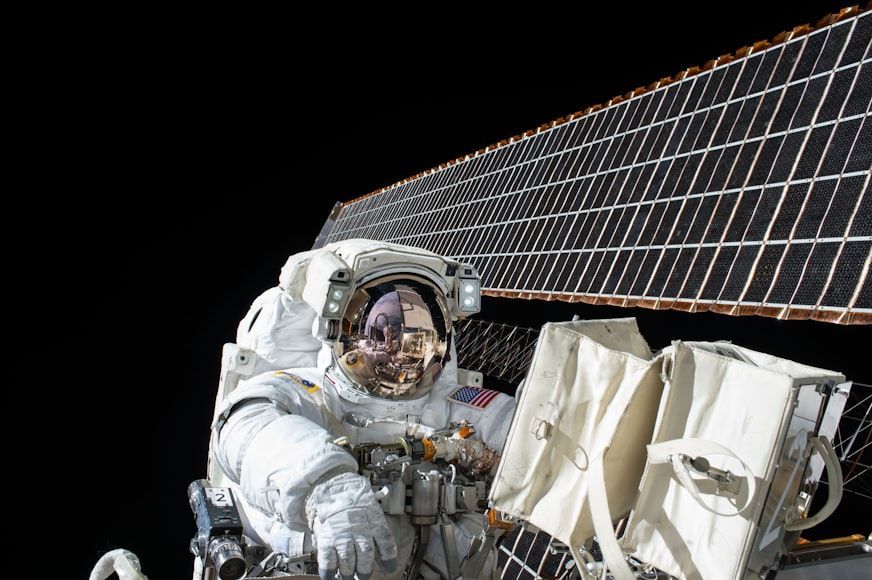
Remember that time you got distracted and the steak on the stove got a little burnt? Surprisingly, the smell in your kitchen isn’t too different from what astronauts report after spacewalks. Scientists have noticed that objects returning from space, especially those exposed to the vacuum outside the spacecraft, carry a distinctive odor often described as burnt steak or welding fumes.

5

A very long day

Image: NASA

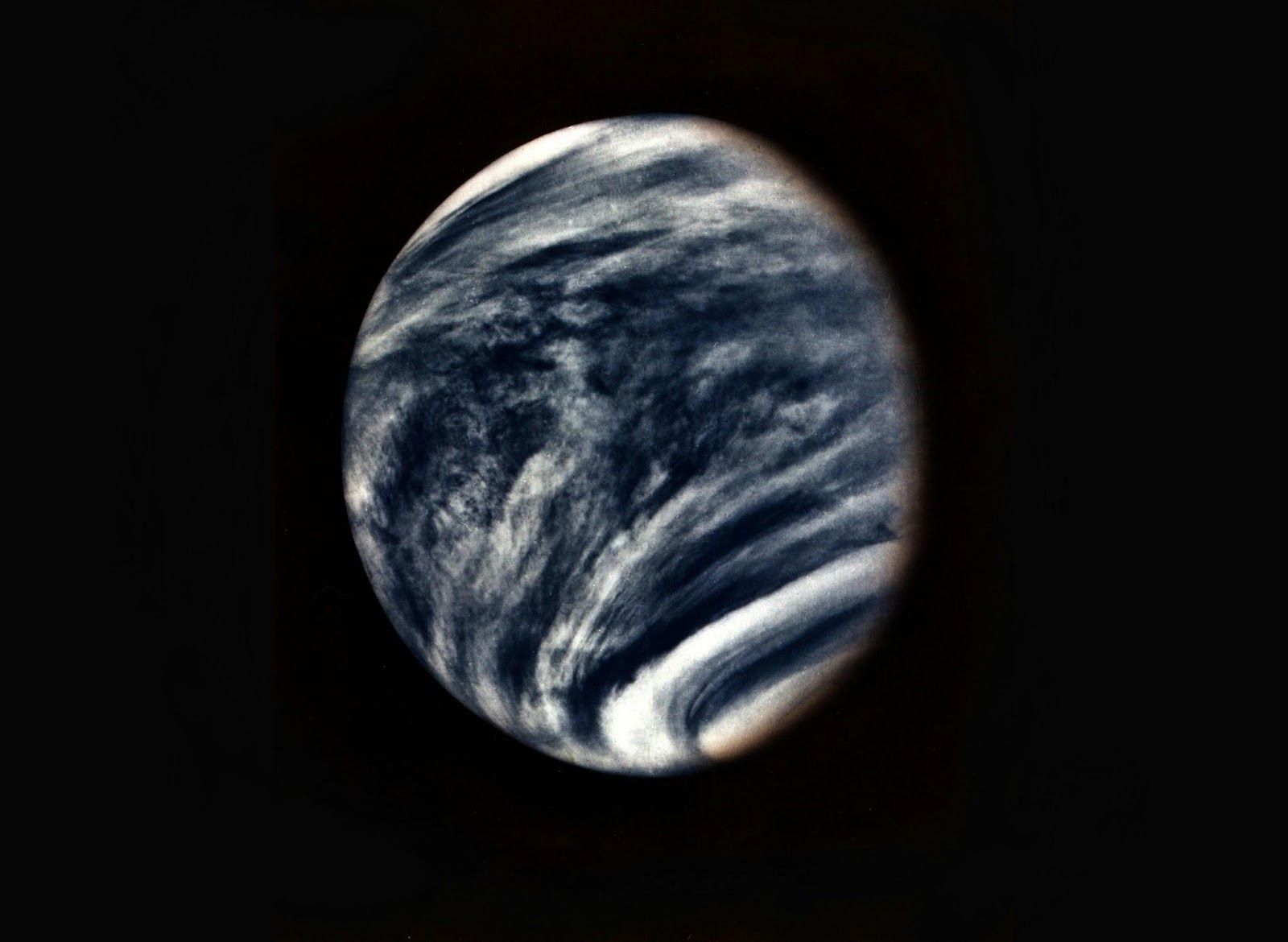
It takes Earth about 365 days to orbit the Sun, which is why our year is that long. A day, on the other hand, lasts just 24 hours because that’s how long it takes Earth to complete one full rotation on its axis. But on Venus, things work very differently. A single day on Venus (the time it takes to rotate once on its axis) is about 243 Earth days, making its rotation extremely slow. Surprisingly, a year on Venus is shorter than its day, because it only takes about 225 Earth days for Venus to orbit the Sun. Incredible, isn’t it?

6

All of them

Image: NASA

Since we see the Moon in the sky nearly every night, it’s easy to forget that it’s a giant rock floating far away in space. In fact, the distance between Earth and the Moon is about 238,900 miles, so vast that, in theory, you could line up all the other planets in our solar system across that gap!

7

Sunset on Mars is blue

Image: Planet Volumes

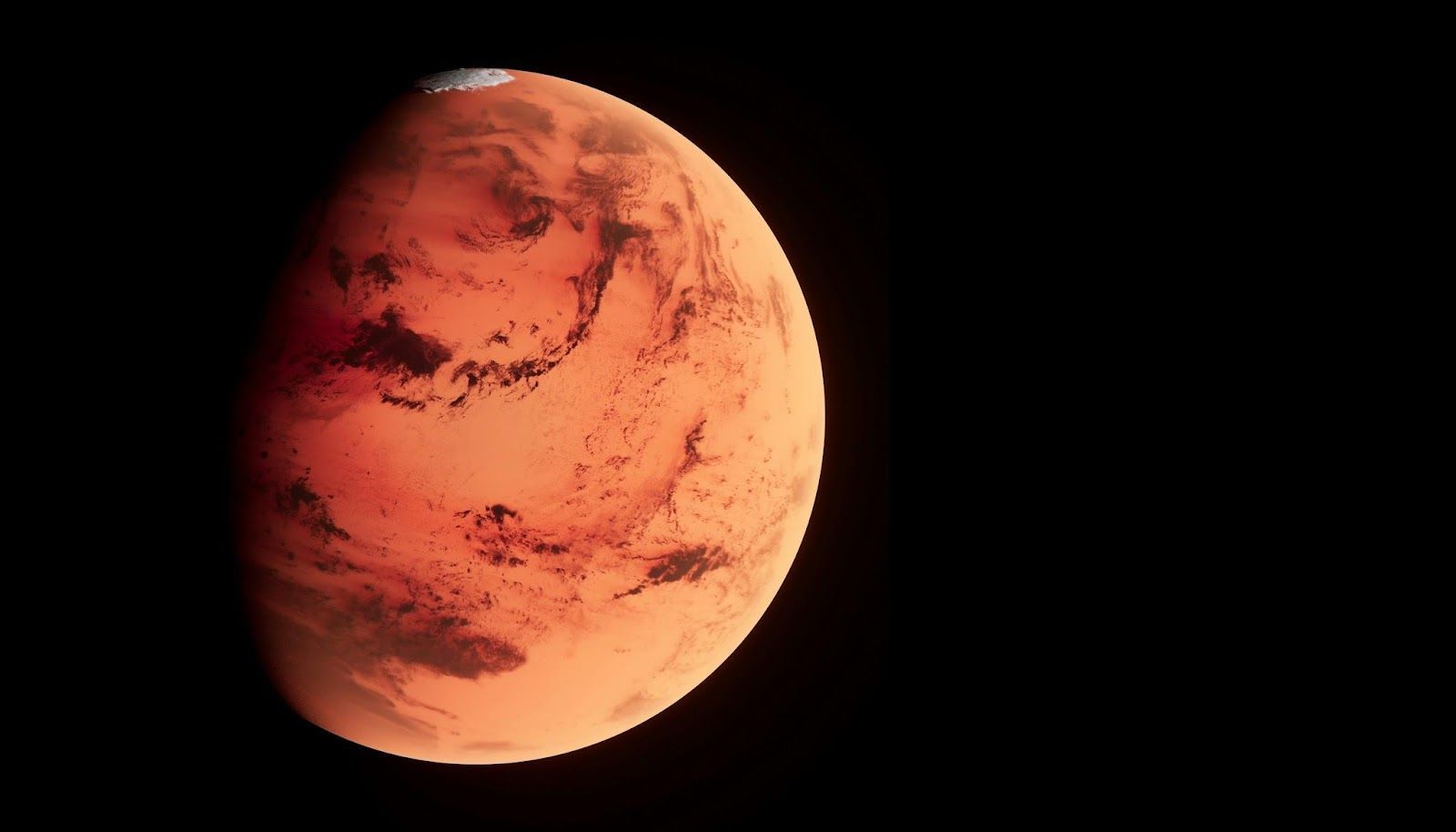
Mars is famously called the "Red Planet" because its surface is covered in iron oxide (rust), giving it a reddish appearance from afar. But if you were standing on Mars at sunset, you’d get a surprise: unlike Earth’s warm orange, gold, and pink hues, Martian sunsets appear blue. This happens because the planet’s thin, dusty atmosphere scatters sunlight differently, allowing blue light to dominate near the Sun at sunset.

8

Rotten eggs in the sky

Image: Justin Wolff

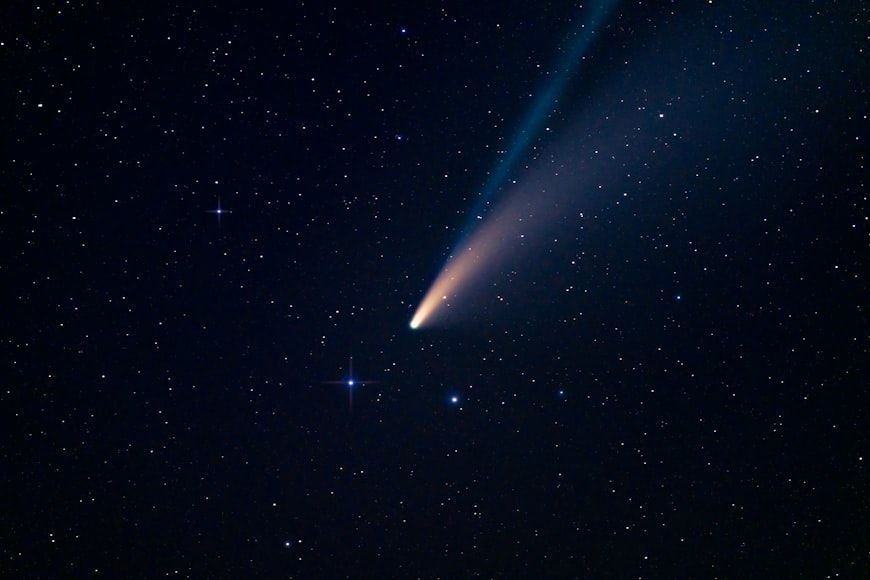
Comets, made of ice, dust, and frozen gases, are truly spectacular to see. But if you could smell them, they might not be so pleasant. As a comet nears the Sun, its ices sublimate, turning directly from solid to gas and releasing various compounds. Among these are sulfur-containing gases, which give off a strong rotten-egg smell.

9

More stars than grains of sand

Image: Graham Holtshausen

Scientists can estimate the number of stars in the universe using observations and projections. Astronomers observe a small patch of the sky, count the galaxies and stars there, and then extrapolate those numbers to the entire observable universe. While Earth has an incredible number of sand grains, these calculations suggest that there are far more stars than grains of sand. If you're not impressed yet, remember that many of those stars are much larger than any planet!

10

There are more trees than stars!

Image: Geranimo

If the last fact shocked you, this one will totally blow your mind. While our galaxy has far fewer stars than the entire observable universe, you might be surprised to learn that trees on Earth actually outnumber the stars in the Milky Way. That’s right! Scientists estimate there are roughly 3 trillion trees on our planet, while the Milky Way contains only about 100 to 400 billion stars.


BON APPETIT!

Hungry? Here Are Ten Of The World’s Best Restaurants For Your Enjoyment!


Published on April 5, 2026


Image: Peter Dawn

The world of fine dining is truly a fascinating one. Chefs get to experiment and innovate in something as primordial to the human race as food. As the popular saying goes: "Chefs are like musicians, but instead of music they play with food."

We have selected ten of the finest restaurants in the world that know how to transform food from a nutritional tool into a truly life-changing experience. And, if reading about these restaurants makes you a little hungry, you can always save this article in case you are in the neighborhood.

1

Noma - Copenhagen, Denmark

Image: Yohan Marion

Noma is an iconic restaurant in Copenhagen, Denmark, ranked as "Best Restaurant in the World" on four different occasions. The name comes from the abbreviation of two Danish words: Nordisk for Nordic and mad for food.

As the name indicates, this three-Michelin-star restaurant seeks to redefine traditional Nordic cuisine. Founders René Redzepi and Claus Meyer focus on foraging and using fresh, local ingredients for creating and reinventing new dishes.

2

Eleven Madison Park - New York City, USA

Image: Sebastian Coman Photography

Located in the Flatiron District of Manhattan, Eleven Madison Park offers thousands of New Yorkers a fine dining experience since 1998. This three-star restaurant offers a seasonal tasting menu inspired by New York’s local history and culture. The menu usually includes from eight to ten courses,

Since 2021, Eleven Madison Park only serves plant-based dishes. During the COVID pandemic, it became a commissary kitchen and made meals to help food-insecure New Yorkers.

3

Dinner - London, England

Image: Edward Howell

Celebrity English chef Heston Blumenthal created this restaurant in 2011 and within a year it had already received its first Michelin star. Located in London, Dinner’s menu is based on traditional British cuisine, thoroughly researched by food historians. Some recipes were even inspired by information found in the British Library.

The restaurant changes its courses every three months, but every menu contains historical dishes that range from the 14th to the 19th century. So, if you are looking to take a culinary step back in time, then Dinner is the place for you.

4

Alinea - Chicago, USA

Image: Romain Briaux

One of Chicago’s two restaurants with three Michelin stars, Alinea is definitively a culinary institution in the Windy City. Founded in 2005, its name comes from the pilcrow, a grammatical symbol that indicates a new paragraph. According to co-owner Nick Kokonas, the name was chosen to indicate the restaurant’s mission to "represent a new train of thought about food."

True to its name, Alinea’s menu consists of truly groundbreaking experiences. One of its most famous dishes is a chocolate dessert, mixed with several other ingredients, which is directly painted and scattered by a chef on the diner’s table.

5

Arzak - San Sebastian, Spain

Image: David B Townsend

Located in the heart of the Basque Country, Arzak is a Spanish restaurant founded by Juan Mari Arzak, considered one of the masters of "New Basque" cuisine. While it is considered one of the best restaurants in the world, Arzak is, above all, a family business: it is located in the house of the current owner’s grandparents, on which they originally ran a tavern. When Juan Mari’s parents took over, they turned the inn into a restaurant. By 1989, Arzak had been awarded three Michelin stars.

Arzak manages to perfectly combine tradition with innovation. Their dishes keep the regional flavor of Basque cuisine, using ingredients like local monkfish or spider crab, while still featuring a fresh and creative take on their presentation.

6

Central - Lima, Peru

Image: Jay Wennington

It probably goes without saying that Peruvian cuisine is world-famous: it effortlessly combines the traditions of different immigrant cultures, like European, Asian, and African, with local Peruvian ingredients and customs. The result is a fantastic gastronomic experience that attracts hundreds of culinary tours every year. One of the most visited stops on these trips is Central, an iconic restaurant located in the Barranco district, in Lima.

Virgilio Martínez Véliz, Peruvian chef and owner of Central, uses it as both his flagship restaurant and workshop for creating new "Contemporary Peruvian" dishes. Central was named "World’s Best Restaurant" in 2023.

7

Den - Tokyo, Japan

Image: Giovanna Gomes

A number of excellent Japanese restaurants could be included in this article. Not for nothing is Japan one of the countries with the most three Michelin stars restaurants. However, we have chosen Den, chef Zaiyu Hasegawa’s flagship location in Tokyo, as a must-visit restaurant in the "Land of the Rising Sun".

Den is unlike any other Japanese restaurant: it features contemporary, innovative dishes that mix traditional Japanese recipes with modern and original styles. Hasegawa is a unique chef who goes out of his way to make eating in Den both a groundbreaking and welcoming experience.

8

Atelier Crenn - San Francisco

Image: Nick Karvounis

Located in the Cow Hollow neighborhood, on the outskirts of the Golden City, Atelier Crenn is a French restaurant opened by chef Dominique Crenn. It features a 12-course tasting menu, which heavily focuses on fish courses.

Crenn has stated that Atelier Crenn is an homage to her father. The menu is written as a poem, on which each line features a teaching of Dominique’s father, which she learned during her childhood on a French farm.

9

Mirazur - Menton, France

Image: Jay Wennington

Mirazur is a restaurant that understands that a fine dining experience doesn’t just involve excellent food: Sitting on the banks of the French Riviera, this restaurant offers its diners wonderful views of the Mediterranean Sea which pair up perfectly with expertly prepared French food.

Run by Argentine-Italian chef Mauro Colagreco, Mirazur dishes draw inspiration from nature. Many of the ingredients used are grown in the restaurant’s garden, on which aromatic herbs, flowers, and vegetables are grown.

10

Le Bernardin

Image: Louis Hansel

Just like Arzak, Le Bernardin takes the most pride in knowing that, almost forty years after its opening, it still is a family restaurant. Founded by siblings Gilbert and Maguy Le Coze, this French restaurant was first opened in Paris before relocating to Midtown Manhattan in 1986. The name comes from a folk song that the father of the Le Coze siblings sang to them as children.

Le Bernardin focuses mainly on French seafood and fish recipes, which combine traditional French cuisine with Asian influences. It received three Michelin stars in 2005, in the first year in which Michelin published a guide to New York City.

Looking for an extra scoop of literary fun?

Learn more with our Word of the day

malign

/məˈlaɪn/